
Should Fleet Drivers Be Allowed to Park Trucks at Home?
Allowing fleet drivers to park trucks at home can boost convenience, save fuel, and improve morale. But it raises zoning, insurance, and security issues. Learn how to balance benefits and risks with clear, effective parking policies.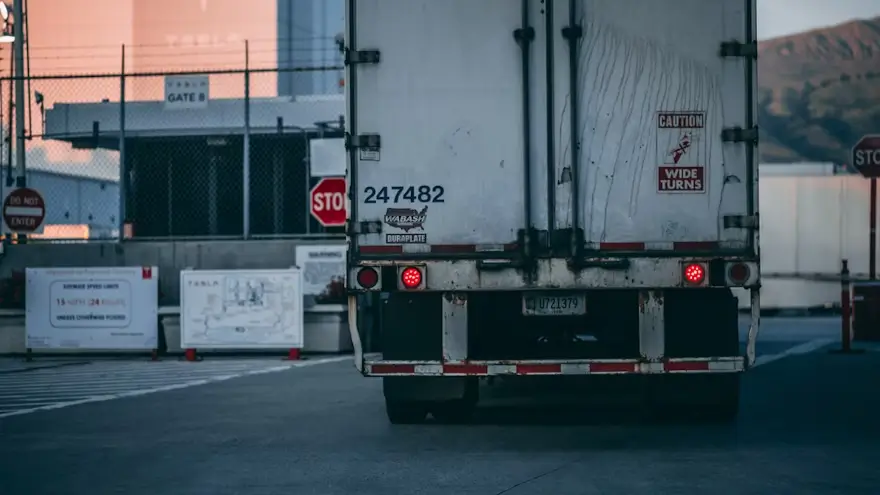
As a business owner, you’re likely thinking about letting your truck drivers park their commercial trucks at home. This choice has many factors to consider. These include driver convenience, company policies, and legal rules.
Parking a truck or semi-truck at home can be a big debate. It might make drivers happier and save money on truck stops. But, it could also cause safety issues, noise, and disturb local areas.
For some long-haul truck drivers, having a home time routine that includes a safe place to park their truck at their residence can feel like having a “home away from home” between trips. For others, it may create challenges with neighborhood regulations.
Think about how it affects your business. It could change your truck parking plans and how you run things. By looking at all sides, you can choose what’s best for your company.
What Does It Mean for Fleet Drivers to Park Trucks at Home?
As a fleet manager, it’s key to grasp the idea of home-based parking for commercial vehicles. This means drivers park their trucks at home instead of at a company facility or park at a truck stop.
Defining home-based parking for commercial vehicles
Home-based parking lets fleet drivers park their trucks at their homes. This is when the vehicle, used for work, is stored at the driver’s house when not in use. It’s also known as “home parking” or “residential parking” for commercial vehicles.
In some cases, it means parking a semi-truck in a residential area, which may require checking local rules to ensure you legally park.
Allowing fleet trucks to park at home might bring up questions about safety, security, and following rules. As a fleet manager, you must consider the pros and cons of this practice and the availability of parking space that can safely fit a large commercial vehicle.
Common reasons drivers request home parking
Fleet drivers often ask to park their trucks at home for several reasons. Some main reasons include:
- Convenience: Parking at home saves time and cuts down on the hassle of going to a designated parking area.
- Reduced deadhead mileage: Starting and ending their day at home means drivers travel less without cargo or passengers.
- Improved work-life balance: Having the truck at home gives drivers a sense of security and flexibility. They can handle personal and work life better, especially during home time after being away from home for several days on the road.
Knowing these reasons helps fleet managers make better decisions about parking policies. It affects driver happiness and how well the operation runs.
Benefits of Letting Drivers Take Fleet Trucks Home
Letting drivers take their trucks home can be a smart move. It offers many benefits for both your operations and driver happiness.
Improved Driver Convenience and Morale
Drivers love the chance to park their trucks at home. This is a big plus for long-haul truck drivers who may be away from home for several weeks. It means they don’t have to travel far to park, saving time and reducing stress.
Having their trucks at home also makes drivers happier. It lets them manage their work and personal life better. This can help keep drivers on your team longer, as they feel more in control of their schedules. It also reinforces that you allow truck drivers to park in ways that support their comfort and safety.
Reduced Deadhead Mileage and Fuel Costs
Another big plus is less deadhead mileage and fuel costs. Deadheading is when a truck drives without a load. By letting drivers take their trucks home, you cut down on this unnecessary driving.
This not only saves fuel but also reduces wear and tear on the trucks. That means lower maintenance costs for you. It’s a win-win for both your drivers and your bottom line.
Some companies even combine at-home parking with access to amenities for professional truck drivers nearby, like maintenance shops or rest areas, which can further improve efficiency.
Quicker Dispatch and Faster Turnaround Times
When drivers begin their day from home instead of driving to a central yard, they can head straight to their first pickup or delivery. This means less idle time at depots and faster start times, which can be especially beneficial when working with tight schedules or urgent delivery windows.
The result is a more efficient dispatch process that benefits both the driver and the company. These quicker start times also mean faster turnaround between trips. Drivers can complete more loads in the same amount of time, which increases overall productivity and can improve customer satisfaction.
Drawbacks and Risks of At-Home Truck Parking
Parking fleet trucks at drivers’ homes has its downsides. It might seem convenient and cut down on travel time. But, it also brings risks that fleet managers need to think about carefully.
Liability and Insurance Complications
One big risk is the chance of legal and insurance problems. If a truck gets into an accident at a driver’s home, it can get messy.
For example, if a truck is parked at a driver’s house and crashes, figuring out who’s at fault can be tough. This can cause fights over who pays for damages and insurance.
| Scenario | Liability Concerns | Insurance Implications |
| Accident at Driver’s Home | Potential for homeowner liability | Commercial insurance coverage may apply |
| Vandalism/Theft at Driver’s Home | Driver responsibility vs. company responsibility | Comprehensive coverage may apply, but deductibles vary |
Wear and Tear, Security, and Maintenance Issues
Poor lot conditions can cause unnecessary damage. Understanding what surface materials are best for a truck parking lot can reduce maintenance costs over time.
At-home parking can also cause more wear and tear on trucks. It might lead to security problems and maintenance headaches. For instance, parking trucks in residential areas, especially without a secure truck setup, can make them more vulnerable to theft, vandalism, or even damage from parking along freeway ramps or narrow streets.
Also, trucks parked at home might need different maintenance because of varied conditions. Some drivers might park in safe, well-lit spots, while others might park the truck in areas where they might need to find somewhere else to park due to HOA rules or neighborhood restrictions. This can lead to uneven maintenance and security risks.
To lessen these risks, fleet managers should set strict rules for at-home parking. They should also do regular checks on vehicles and have clear rules for reporting any issues or maintenance needs.
Legal, Zoning, and HOA Rules Around Parking Truck in a Residential Area
As a fleet manager, it’s key to know the rules about parking commercial trucks at home. These rules can be complex and change a lot from place to place.
Residential Zoning Restrictions and City Regulations
Residential zoning laws tell us what vehicles can be parked at home. If you’re building a new site, check whether you need special permits to build a fleet parking facility before starting construction. Cities have their own rules about parking commercial trucks. Some might not allow big trucks, or you might need a special permit.
For example, the Virginia Code §46.2-1224 authorizes counties to restrict commercial vehicle parking in residential areas, while the City of San Antonio enforces similar oversized vehicle rules with fines for violations
Check local zoning maps and ordinances to understand the specific restrictions in areas where your drivers reside. You’ll also need to confirm whether trucks are allowed to park in a given neighborhood.
Local Ordinances and HOA Bylaws for Commercial Vehicles
HOA bylaws also play a big role in where fleet drivers can park their trucks. HOAs have rules about the type, size, and condition of vehicles parked at home. Some prohibit parking a truck in a residential area altogether.
Cities like Chicago limit trucks over 22 feet from parking on residential streets except for active loading or business use, while Miami-Dade County allows certain types of commercial vehicles if they meet specific conditions.
It’s important to look at the HOA bylaws for each driver’s home to avoid problems and make sure you legally park under local regulations.
Fines, Penalties, and Legal Disputes to Watch Out For
Not following the rules can lead to big fines and penalties. It can also cause legal issues that hurt your company’s image.
Be aware of the potential fines and penalties associated with violating local ordinances. In Fort Worth, Texas, oversized commercial vehicles over 20 feet long or 7 feet high are prohibited in residential zones, with strict fines for violations. Understand the process for resolving legal disputes related to parking trucks in residential areas.
Knowing and following the legal, zoning, and HOA rules helps avoid problems. It makes running your fleet smoother.
Insurance and Liability Implications
As a fleet manager, understanding insurance and liability is key when drivers park trucks at home. This practice affects your company’s risk and insurance. It’s not just about saving money or being convenient, it’s about knowing where you can safely park the truck and whether you can legally park it there without creating additional liability.
Commercial Insurance Coverage at Residential Locations
Commercial insurance usually protects vehicles and equipment from various risks. But coverage at home can differ a lot. You should check your policy to see if it covers vehicles parked at home and under what conditions. This is especially important for semi-trucks in a residential area, as insurers may see them as higher-risk.
- Check if your policy covers theft or vandalism at a residential location.
- Understand the liability coverage for accidents involving the parked vehicle.
- Review any specific requirements or restrictions for at-home parking, such as using a secure truck setup, designated parking space, or notifying the insurer.
Risks of Accidents or Vandalism Off-Site
Parking fleet vehicles at home can expose them to different risks, like accidents and vandalism. The risk of accidents may increase if the vehicle is parked in a location not designed for commercial vehicles, for example, along narrow streets or park along freeway ramps where visibility and space are limited. This could lead to damage to the vehicle, other property, or injury to individuals.
Vandalism is another concern, as vehicles parked in residential areas may be more accessible to unauthorized individuals. To reduce risks, companies sometimes prefer to find somewhere else to park in secure lots rather than rely solely on home parking.
Risk mitigation tips:
- Assess the risk profile of your fleet vehicles when parked at residential locations.
- Implement measures to protect vehicles, such as GPS tracking, alarms, and reinforced locks.
- Encourage drivers to allow truck drivers to park only in locations that meet company security standards.
By carefully evaluating the insurance and liability implications of at-home truck parking, you can make informed decisions. These decisions will protect your business and minimize potential risks.
How to Create a Fleet Truck Parking Policy That Works
Creating a good fleet truck parking policy means setting clear rules for drivers. It’s important to balance the good and bad of parking at home. This way, your fleet runs smoothly and safely, and drivers have a consistent understanding of where they need to park after a trip.
Conditions for Allowing At-Home Parking
To make a fair policy, you must decide who can park at home. Look at:
- Driver experience – Check their history and safety record.
- Vehicle type – Say which vehicles can park the truck at home (for example, certain trucks may be too large for parking trucks in residential areas).
- Home location – Make sure the driver’s home has a safe parking space and is in an area where trucks are allowed to park. You can also calculate the required space for your truck fleet parking lot to ensure future capacity.
Required Documentation, Inspection, and Approval Process
Having a detailed approval process is key. It makes sure everyone follows the rules. This includes:
Documentation:
- Proof of Insurance: to confirm coverage for at-home parking.
- Vehicle Registration: to ensure the vehicle is registered correctly.
- Home Parking Assessment: to check if there is a safe and accessible place to park.
Inspection:
- Regular inspections to confirm the secure truck setup, such as locks, lighting, and access controls.
Approval:
- Managers review applications to confirm whether the driver can legally park at home or should instead find somewhere else to park.
| Documentation Required | Purpose |
| Proof of Insurance | To check if the vehicle is insured. |
| Vehicle Registration | To make sure the vehicle is registered. |
| Home Parking Assessment | To check if the parking spot is safe and meets company rules. |
Safety, Tracking, and Compliance Protocols for Drivers
- Safety protocols: Use reflective cones, wheel chocks, and follow community parking rules to avoid disputes.
- Tracking: GPS and telematics to monitor where vehicles are parked.
- Compliance: Keep policies updated with any changes in city ordinances, zoning laws, or HOA rules.
This policy ensures both the company and the driver are protected while keeping operational efficiency high.
Best Alternative to At-Home Truck Parking
If you can’t or don’t want drivers to park the truck at home, there are good alternatives that still support valuable home time. These options offer safe and easy parking space for your drivers while keeping operations efficient. They also help avoid the risks, zoning issues, and insurance complications that can come with parking trucks in residential areas.
Company-Owned Satellite Parking
One choice is company-owned or leased satellite parking spots. These can be located near drivers’ homes or along major highways, giving them a convenient place to park without needing to put a truck in a residential area.
This also prevents situations where a driver might have to park along freeway ramps or find somewhere else to park at the last minute.
These lots can be equipped with lighting, fencing, and security cameras to ensure a secure truck environment and meet local regulations on where trucks are allowed to park. In some locations, there may also be a need for a special permit to build a parking lot, which should be factored into planning and cost considerations.
Secure Paid Parking Lots
Another option is secure, paid parking lots with 24/7 access and surveillance. You can often find these near truck stops or logistics centers, which makes them especially useful for long-haul truck drivers who are away from home for several days. Many also allow you to reserve truck parking spaces in advance for guaranteed availability.
These facilities not only provide a safe place to park fleet vehicles but may also include amenities for professional truck drivers such as restrooms, showers, fueling stations, and lounges, creating a “home away from home” experience.
Partnerships with Logistics Hubs
Working with third-party logistics hubs is also a smart solution. These hubs have monitored, well-lit parking areas and often offer on-site services like maintenance, fueling, and inspections.
This arrangement can help reduce downtime, make it easier for drivers to park my truck safely, and give them quick access to support services that are important to truck drivers. Logistics hubs can also serve as overflow parking options, helping drivers find somewhere else to park when primary lots are full.
The Federal Highway Administration (FHWA) highlights case studies of local governments integrating truck parking and staging into zoning plans to balance community concerns with freight mobility. These examples can guide fleet managers in identifying logistics partnerships that meet both operational needs and compliance requirements.
Looking into these alternatives can help you find the best fit for your business. This way, your drivers will have safe and easy parking options.
Final Thoughts
Deciding whether to allow truck drivers to park at home comes down to balancing driver convenience, cost savings, and home time with legal, insurance, and security concerns. While at-home parking can benefit long-haul truck drivers, it’s not always feasible due to zoning restrictions or the risks of parking trucks in residential areas.
Alternatives such as company-owned satellite lots, secure paid facilities near truck stops, or partnerships with logistics hubs offer safe parking space, secure truck setups, and amenities for professional truck drivers, giving them a “home away from home” while ensuring compliance.
If you’re looking for a professional solution, Fleet Parking by RecNation provides secure, well-maintained locations with 24/7 surveillance, gated access, and convenient proximity to major routes. With flexible lease terms, driver-friendly amenities, and strict compliance with local regulations, RecNation helps fleets reduce risk, lower costs, and improve operational efficiency.
Frequently Asked Questions
What are the benefits of allowing fleet drivers to park trucks at home?
Letting drivers park trucks at home makes their lives easier. It cuts down on unnecessary driving and saves fuel. This can make drivers happier and save your company money.
What are the potential risks and drawbacks of at-home truck parking?
At-home parking can cause problems like insurance issues and vehicle damage. It also raises concerns about security and maintenance. Plus, there might be laws against it.
What insurance and liability implications should I consider when allowing at-home truck parking?
Think about how your insurance works for trucks parked at home. Also, consider the risks of accidents or theft. Good insurance is key to protecting your business.
What are some alternatives to at-home truck parking?
Other options include parking lots owned by your company or partners. You can also use secure lots with 24/7 access. These choices offer safe parking without the risks of home parking.
Can I use a truck parking app to help manage my fleet’s parking needs?
Yes, truck parking apps can help find and reserve spots. They make managing parking easier. These apps are a great tool for your fleet.
How can I ensure that my drivers are parking their trucks in secure locations?
To ensure safe parking, use your own lots or secure paid lots. Also, use apps that show safe parking spots. This way, you can keep your drivers and trucks safe.