
What Factors Should I Consider When Choosing a Fleet Parking Location?
Selecting the right fleet parking location impacts costs, safety, and productivity. This guide offers valuable insights on site selection, security, layout, and compliance to help you optimize your parking solution for long-term success.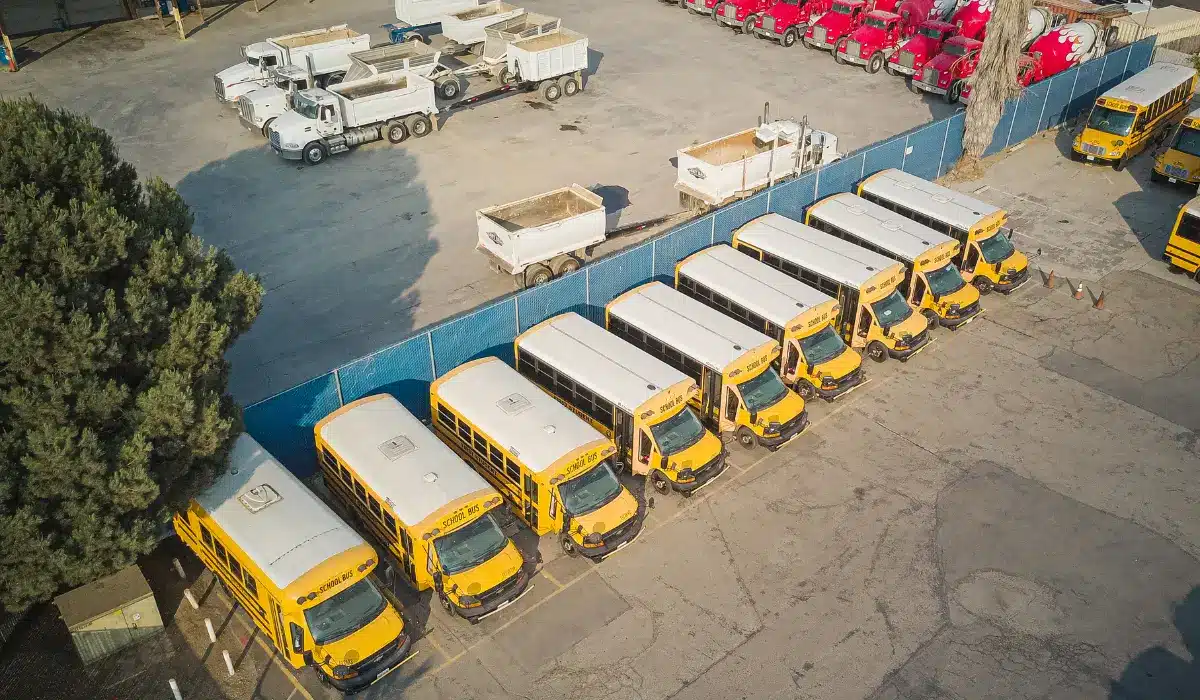
As a fleet manager, choosing the right parking space for your vehicles is more than just finding an empty lot, it’s a decision that affects operational flow, costs, driver satisfaction, and long-term fleet health.
Well-selected parking facilities can optimize day-to-day operations, reduce overhead, and improve safety, while a poor choice can lead to unnecessary delays, higher expenses, and frustrated drivers.
This guide offers valuable insights into what to look for so you can make a data-driven, cost-effective choice. From proximity to key highways to security systems with real-time monitoring, we’ll cover the critical considerations that can make or break your fleet’s parking strategy.
Why Choosing the Right Fleet Parking Location Matters
Your fleet’s parking spot is key to its success. The right spot can make your operations smoother, cut costs, and keep drivers happy.
Impact on Operational Efficiency and Costs
A well-positioned fleet parking space near main delivery routes, depots, and service hubs can save hours each week in travel time. For a commercial truck fleet, even a small relocation closer to a highway interchange can cut fuel costs dramatically.
Fleet managers are now using real-time GPS and telematics data to analyze route efficiency and identify how the choice of parking facilities impacts performance. These tools offer valuable insights into fuel use, driver schedules, and loading times, helping to optimize daily workflows.
For example, relocating your base of operations 10 miles closer to a key distribution center could result in thousands saved annually in fuel alone, not to mention reduced driver fatigue and better on-time performance.
Influence on Driver Satisfaction and Vehicle Longevity
Drivers value safe, accessible, and comfortable parking lots where they can rest without stress. Amenities like clean restrooms, nearby food outlets, and designated rest areas improve morale and retention.
In fact, the Jason’s Law Truck Parking Survey Results highlight that the availability of secure, well-equipped parking directly impacts driver satisfaction and reduces operational strain.
Security is equally important. Well-lit parking spaces with surveillance, gated access, and on-site personnel help drivers feel safe and reduce the risk of theft or vandalism.
The quality of parking facilities plays a major role in vehicle longevity. A well-maintained surface prevents tire damage, while proper drainage stops water from pooling and causing corrosion.
For commercial trucks, wide lanes and marked loading areas minimize tight maneuvers, protecting steering and suspension systems. Over time, these factors reduce repair costs and extend the usable life of your fleet.
Step-by-Step Process for Selecting the Ideal Fleet Parking Site
Choosing the right fleet parking location is crucial. It requires a systematic approach. This involves several steps to evaluate different factors and make a well-informed decision.
Step 1: Define Operational Needs
Start by mapping out your fleet’s unique requirements. The parking lot you choose must fit your current operations and leave room for growth. Consider:
- Fleet size and vehicle types – Larger commercial trucks require reinforced surfaces, higher clearance, and more maneuvering room than smaller vans.
- Maintenance and repair needs – On-site service bays or nearby workshops can optimize repair turnaround times.
- Fueling requirements – Access to fueling stations or alternative energy sources like EV chargers can save real-time operational costs.
- Driver amenities – Clean restrooms, break areas, and easy access to food and lodging support driver well-being.
A well-defined operational profile ensures you’re not wasting money on a parking facility that’s oversized, undersized, or missing critical features.
Step 2: Shortlist Potential Sites
Once your needs are clear, create a shortlist of parking spaces that align with your criteria. Focus on:
- Proximity to main routes – Closer locations reduce fuel consumption and driver fatigue.
- Accessibility – Wide entrances and exits are crucial for commercial trucks.
- Amenities and infrastructure – Lighting, fencing, and available storage facilities improve both safety and convenience.
- Compatibility with growth plans – Choose a parking lot that can accommodate expansion without costly relocation.
Use real-time mapping tools and fleet telematics data to analyze route efficiency for each potential location. This data-driven approach gives you valuable insights before you even step on site.
Step 3: Conduct Site Visits and Assessments
A site may look great on paper, but an in-person inspection often reveals the truth. During site visits:
- Evaluate security measures – Look for 24/7 surveillance, adequate lighting, and gated access.
- Check facility condition – Well-paved surfaces, clear markings, and proper drainage prevent damage to your fleet.
- Review environmental factors – Consider noise levels, flood risk, and local traffic patterns.
- Assess maneuverability – Ensure commercial trucks can enter, park, and exit without risk of collision.
Whenever possible, visit at different times of day to assess lighting, traffic flow, and security presence in real-time.
After evaluating potential parking facilities, narrow your choice using a cost-versus-value approach. It’s not just about finding the cheapest parking space, it’s about selecting the one that will deliver long-term operational efficiency.
Remember to also consider the following:
- Lease terms and costs – Look for flexible contracts that allow adjustments as your fleet grows.
- Taxes and insurance – Certain areas may have higher property taxes or insurance premiums, especially if local crime rates are higher.
- Regulatory compliance – Ensure the parking lot meets all local zoning and commercial truck parking regulations.
- Long-term value – Factor in the cost of potential relocation if the site cannot accommodate growth.
A location that meets compliance standards, fits your budget, and supports long-term scalability will help optimize your fleet operations for years to come.
How Close Should Your Fleet Parking Be to Key Routes?
Choosing a fleet parking location close to key routes is key. It affects fuel costs and travel time. Parking near major highways and client locations boosts your efficiency.
Reducing Fuel Costs and Travel Time
Every extra mile your drivers travel between the parking lot and their first stop adds up in fuel and labor costs. For a commercial truck fleet making multiple daily runs, even a five-mile reduction per trip can save thousands annually.
To optimize these savings:
- Choose a parking space near key highways and logistics hubs.
- Use real-time route analysis tools to identify the most efficient locations.
- Factor in average traffic patterns during peak and off-peak hours.
These adjustments not only save money but also improve driver efficiency, reduce fatigue, and increase on-time deliveries.
Accessibility to Highways, Depots, and Client Locations
Easy access is essential. The parking facilities you choose should allow drivers to enter and exit without congestion or excessive detours. For commercial trucks, wide turning radiuses and clear signage are crucial.
When evaluating accessibility, consider:
- Distance to depots – Closer proximity improves turnaround times.
- Direct routes to client sites – Reduces risk of late deliveries.
- Alternative routes – Provides flexibility during road closures or heavy traffic.
By aligning your parking lot location with your delivery network, you gain valuable insights into route efficiency and can adjust schedules to meet demand more effectively.
Safety and Security Considerations for Fleet Parking
When picking a place to park your fleet, think about safety and security. It’s key to keep your vehicles safe from theft, vandalism, and other dangers.
A secure parking spot gives you peace of mind. It protects your investment. Look at several important factors to find the right place.
Crime Rates in the Area
The surrounding area’s safety profile plays a major role in the suitability of a parking lot. High-crime neighborhoods may offer lower rent, but the risks often outweigh the savings.
Parking lots present particular vulnerabilities, with FBI data showing they rank as the third most common location for violent crime, comprising 25% of all violent crimes nationwide and experiencing over 600 violent incidents weekly.
To make informed decisions:
- Check local police reports and crime maps for accurate statistics.
- Speak with nearby business owners for on-the-ground feedback.
- Weigh the potential cost of a theft or vandalism incident against the lease savings.
These valuable insights will help you choose a parking facility in a safer zone, reducing both insurance claims and operational disruption.
Surveillance Systems, Lighting, and Gated Access
Well-equipped parking facilities should have security features that deter unauthorized entry and ensure driver safety, including:
- 24/7 surveillance with high-resolution cameras capable of license plate recognition.
- Motion-activated LED lighting to keep all areas of the parking lot visible at night.
- Gated access controlled by PIN, RFID, or biometric systems.
- On-site personnel for immediate incident response.
Implementing strong security measures such as surveillance cameras, gated access, and proper lighting is essential, and following vehicle theft prevention guidelines from the National Highway Traffic Safety Administration can further protect your fleet from potential threats.
| Security Feature | Importance Level | Example |
| Surveillance Systems | High | CCTV cameras with night vision and remote access |
| Lighting | High | Motion-sensitive LED floodlights |
| Gated Access | High | Secure gates with access control badges |
| On-site Security | Medium | Security guards patrolling during high-risk hours |
Zoning Laws, Permits, and Legal Compliance
Finding the right spot for your fleet’s parking is key. You must check if the location follows local rules. This step can prevent legal problems later on.
Local Regulations on Commercial Vehicle Parking
Different jurisdictions impose unique rules on parking lots for commercial vehicles. These may cover:
- The maximum number of vehicles allowed in one location.
- Restrictions on vehicle types, weight limits, or height clearances.
- Mandatory site features like fencing, drainage systems, or lighting.
Fleet managers can gain valuable insights by contacting local planning departments, reviewing municipal codes, and consulting industry associations. This helps ensure the parking facility you choose meets all legal standards before you sign a lease.
Long-term Permit and Usage Restrictions
Compliance doesn’t end after the initial permit is granted. Many parking facilities require ongoing permit renewals or adherence to updated regulations. Examples include:
- Environmental rules restricting engine idling in parking lots.
- Seasonal limits on commercial truck operations in residential zones.
- Modifications to security or lighting systems based on new safety ordinances.
To maintain compliance in real-time:
- Keep a digital log of all permits, renewal dates, and relevant contact information.
- Monitor local government announcements for upcoming regulation changes.
- Build flexibility into your site agreements so you can adapt without excessive cost.
A legally compliant parking space not only avoids fines but also preserves your ability to operate uninterrupted, supporting the long-term stability of your fleet.
Space Requirements and Site Layout
Choosing the right fleet parking location is crucial. The site must fit your fleet size well. It should also have enough space for moving and loading goods.
Accommodating Fleet Size and Vehicle Types
The first step is determining how much room your fleet needs today, and how much it will need in the future. This includes:
- Allocating enough parking spaces for all active and standby vehicles.
- Ensuring spots are appropriately sized for each vehicle type, from vans to commercial trucks.
- Considering special storage requirements for refrigerated units, hazardous cargo, or oversize loads.
Well-planned parking facilities also account for seasonal fluctuations in vehicle numbers, preventing overcrowding during peak demand periods.
Ease of Movement, Loading Zones, and Traffic Flow
A parking lot should allow vehicles to enter, park, load, and exit without excessive reversing or tight turns. Smooth traffic flow reduces accident risk and minimizes idle time.
Key design considerations:
- Wide drive lanes for commercial trucks and trailers.
- Dedicated loading/unloading zones to keep main traffic lanes clear.
- Clear directional signage and painted lines to guide drivers.
- Strategically placed entry and exit points to optimize flow during peak activity.
Using real-time monitoring tools, fleet managers can analyze bottlenecks and adjust layouts or procedures, further improving efficiency.
| Site Layout Feature | Importance Level | Considerations |
| Fleet Size Accommodation | High | Space for current fleet + future growth |
| Loading Zones | High | Safe, designated areas for loading/unloading |
| Traffic Flow | High | Clear routes to avoid congestion |
Environmental and Sustainability Factors
The environmental sustainability of your fleet parking location is key. It can affect your company’s reputation and costs. Think about the environmental impact when choosing a site.
Several factors are important when assessing environmental impact. Good drainage systems prevent water buildup and flooding. Also, consider the noise impact, which is crucial if your fleet operates at night or near homes.
Drainage, Noise Impact, and Emissions Control
A well-designed drainage system prevents water accumulation in parking facilities, which protects pavement integrity and reduces vehicle corrosion. Poor drainage can lead to potholes, surface cracks, and unsafe driving conditions.
Noise management is equally important, especially if the parking lot is near residential or mixed-use areas. Installing sound barriers, scheduling engine testing during the day, and enforcing idle-reduction policies can keep noise levels in check.
Emission reduction strategies include:
- Promoting the use of EVs or hybrids within your fleet.
- Installing idle-reduction systems to cut fuel waste.
- Keeping vehicles well-maintained for optimal engine performance.
The U.S.EPA SmartWay Transport Partnership offers tools, incentives, and best practices that help fleets reduce fuel consumption, lower emissions, and adopt cleaner technologies.
These measures not only protect the environment but also provide valuable insights into operational efficiency through real-time tracking of fuel and emissions data.
| Environmental Factor | Potential Solutions | Benefits |
| Drainage | Graded surfaces, stormwater systems | Prevents flooding and pavement damage |
| Noise Impact | Sound barriers, scheduling changes | Improves community relations |
| Emissions Control | EV adoption, idle reduction | Reduces fuel costs and carbon footprint |
Support for EVs and Idle-Reduction Infrastructure
As electric vehicle adoption grows, parking facilities that include EV charging stations will gain a competitive advantage. Having dedicated EV parking spaces with real-time monitoring of charger availability ensures maximum usage and minimizes downtime.
Idle-reduction infrastructure, such as automatic engine shutdown systems or auxiliary power units, further improves fuel efficiency and lowers emissions for commercial trucks. These upgrades not only enhance sustainability but can also qualify you for grants or tax incentives.
Forward-thinking parking lots that integrate green infrastructure can optimize both environmental performance and long-term operational savings.
Cost and Long-Term Value of the Parking Location
When choosing a fleet parking location, think about all costs involved, including the challenges of finding available parking for your fleet. This includes both direct and indirect expenses. Understanding these costs helps you see the total cost of owning the location and its long-term benefits.
Lease Terms, Taxes, and Insurance Costs
Before committing to a parking lot, evaluate:
- Lease flexibility – Agreements should allow for expansion or downsizing without steep penalties.
- Tax implications – Local property or business taxes can significantly affect annual costs.
- Insurance premiums – Safer neighborhoods and well-secured parking facilities typically qualify for lower rates.
For commercial truck fleets, insurance underwriters often look closely at location-specific risk factors such as lighting, surveillance, and gated access. Choosing a well-secured parking space may lower premiums enough to offset higher rent.
Using real-time cost-tracking tools can give valuable insights into the total cost of ownership, helping you compare multiple locations beyond the base lease rate.
| Cost Factor | Description | Impact on Total Cost |
| Lease Terms | Duration, flexibility, renewal options | High |
| Taxes | Local rates and regulations | Moderate |
| Insurance Costs | Premiums influenced by location safety | High |
Value-Added Services: Maintenance Bays, Fueling Stations
Some parking facilities offer built-in amenities that directly improve operational efficiency. These can include:
- Maintenance bays – Allow for on-site inspections and repairs, reducing downtime.
- Fueling stations – Convenient for refueling commercial trucks before or after runs, lowering fuel procurement costs.
- Driver rest areas – Improve morale and retention with comfortable break spaces.
By selecting a parking lot with these value-added features, you can optimize routes, cut maintenance turnaround times, and keep your fleet on the road longer. The long-term savings from these facilities can outweigh the higher upfront rental costs.
Common Mistakes to Avoid When Choosing a Fleet Parking Location
Even experienced fleet managers can overlook critical details when selecting a parking facility. These mistakes can undermine the effectiveness of your parking solution, leading to higher costs, reduced productivity, and potential legal issues. Avoiding them will help you optimize your choice and ensure long-term success.
Future Fleet Growth Considerations
One of the most common errors is failing to plan for expansion. A parking lot or parking area that fits your fleet today might be too small in two years. Whether you manage vans or commercial trucks, ensure the parking space allows for adding more vehicles without requiring a costly relocation.
Security Measures Beyond Perceived Safety
Don’t assume that a neighborhood’s appearance equals security. Many thefts occur in areas considered “safe.” Choose parking facilities with tangible protections such as real-time surveillance, gated access, and on-site guards. These measures provide valuable insights into vehicle movement and deter unauthorized access.
Weather and Environmental Challenges
Ignoring environmental risks can have costly consequences. Poor drainage in parking lots can damage pavement and vehicles, while high-wind areas may require reinforced lighting and signage. If your parking space is in a flood zone or snowbelt, factor in seasonal maintenance and weather protection infrastructure.
Final Thoughts
Selecting the right fleet parking location is about more than just finding space for your vehicles. It’s about creating a secure, efficient, and cost-effective foundation for your entire operation. From proximity to major routes to robust security systems and long-term scalability, each decision you make will directly impact fuel savings, driver satisfaction, and vehicle longevity.
If you’re looking for a secure, professionally managed fleet parking solution, RecNation offers strategically located facilities with 24/7 surveillance, gated access, and easy highway connectivity.
With flexible lease terms, well-maintained lots, and value-added services, RecNation helps fleet managers protect their assets, improve operational efficiency, and reduce long-term costs, so your team can stay focused on the road ahead.
Frequently Asked Questions
What are the key factors to consider when choosing a fleet parking location?
When picking a fleet parking spot, think about how close it is to highways. Also, consider the security, how many vehicles you have, the parking setup, and local rules. This helps make your parking choices better and saves money.
How does the proximity to major highways impact fleet operations?
Being near highways cuts down on fuel costs and travel time. This makes your operations more efficient. It also means you can make deliveries and pickups on time.
What security features should I look for in a fleet parking location?
Look for strong security like cameras, good lighting, gates, and guards. These features help keep your vehicles safe from theft or damage.
How do I determine the optimal distance for my fleet parking location to key routes?
To find the best distance, think about travel time, fuel costs, and how easy it is to get to depots and clients. You want to be connected but not spend too much or compromise on safety.
What are the common mistakes to avoid when choosing a fleet parking location?
Don’t underestimate how much your fleet will grow, skip on security, or ignore weather and environmental issues. Make sure your parking choices are smart and forward-looking.
How can I ensure compliance with local regulations when selecting a fleet parking location?
Learn about local zoning laws and rules for parking commercial vehicles. Get the right permits to avoid legal problems and follow the rules.
What environmental factors should I consider when choosing a fleet parking location?
Think about drainage, noise, emissions, and support for electric vehicles. These factors help you make eco-friendly choices for your fleet parking.
How do I evaluate the total cost of ownership for my fleet parking location?
Look at lease costs, taxes, insurance, and extra services like maintenance and fueling. This helps you find ways to save money and add value to your operations.