
How Do Businesses Lease Fleet Parking Spaces?
Leasing fleet parking spaces offers businesses flexible, affordable, and secure truck parking without property ownership. It helps manage costs, adapt to growth, and ensure access to convenient, well-located parking facilities.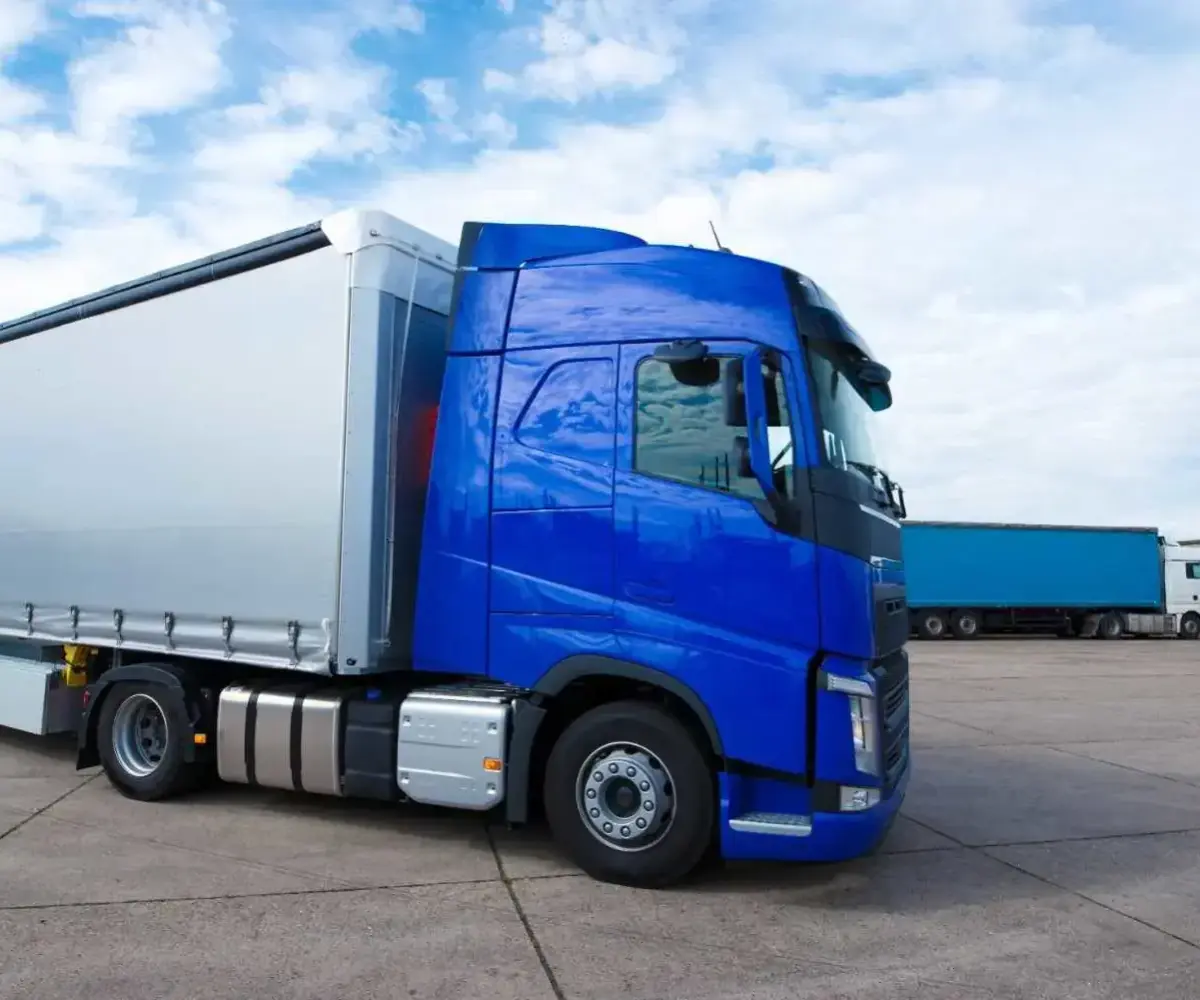
Leasing fleet parking spaces is a practical and strategic move for businesses managing commercial vehicles. For many trucking companies, delivery services, and last-mile operators, owning land isn’t always feasible or even necessary.
Leasing offers a flexible, lower-risk alternative that allows businesses to scale operations without the long-term financial burden of property ownership.
In this article, we’ll examine why leasing is becoming a preferred model, how the process works, and what businesses should look for in a lease agreement. From initial research to final contracts, securing the right fleet parking facility requires a clear understanding of operational needs, legal requirements, and cost structures.
Why Businesses Lease Fleet Parking Facilities
Leasing isn’t just about convenience, it’s a strategic move that can offer clear financial and operational benefits. This is especially relevant as the U.S. Federal Highway Administration continues to report a nationwide shortage of adequate truck parking. For many companies facing this challenge, leasing is the smarter alternative to buying or building a dedicated truck parking lot from scratch.
Cost Savings Compared to Owning Land
Purchasing land for fleet parking comes with high capital costs, ongoing property taxes, and the responsibility of development and maintenance. Leasing, by contrast, reduces upfront investment while allowing immediate access to usable parking facilities.
Leasing helps businesses:
- Avoid large capital expenditures tied up in real estate.
- Reduce liability associated with property ownership.
- Access locations near major highways without paying market price for commercial land.
- Simplify the process of finding affordable parking spot options without long-term land commitments.
- Allocate cash flow to core operations like fleet upgrades, staffing, or logistics software.
This cost structure is particularly attractive for businesses that want predictable monthly expenses without absorbing the risks of property devaluation or infrastructure repairs.
Flexibility for Growing Fleets and Trucking Companies
Growth in fleet size or shifts in service routes often demand operational flexibility. Leasing provides the option to scale parking capacity up or down, or even change locations, without the long-term commitment of ownership. This flexibility also simplifies finding available parking in competitive markets where space is limited.
This is especially valuable for:
- Businesses expanding into new regions that need parking near major freight corridors.
- Seasonal operators that need more parking space during peak periods.
- Companies in acquisition mode that anticipate adding new trucks or trailers.
- Contract-based carriers that may downsize or relocate depending on client needs.
Leased fleet parking can be tailored to current needs while leaving room for strategic changes in the future. The adaptability of leasing supports business continuity, even as the market evolves.
What are the Key Steps in Leasing Fleet Parking Spaces
Leasing is not a one-size-fits-all process. Successful parking arrangements are built on a foundation of research, planning, and clearly defined requirements. The first phase involves understanding your fleet’s needs and identifying available options.
1. Identifying Parking Needs and Truck Capacity
Before evaluating locations, businesses must determine exactly what they need from a fleet parking facility. This includes the size and type of vehicles, operational schedule, and any support services required on-site.
Here are the key factors to assess:
- Fleet size: Total number of units, including trailers.
- Vehicle type: Semis, box trucks, flatbeds, refrigerated units, etc.
- Maneuverability: Space needed for turning, loading, and staging.
- Parking configuration: Angle or straight-in parking, drive-through access.
- Usage pattern: Overnight storage, staging before dispatch, or layover parking.
Mapping out these variables helps ensure that the selected lot can accommodate daily operations without congestion or safety hazards.
2. Researching Available Parking Facilities Near Highways
Location is critical for truck parking. Businesses should prioritize access to major transportation routes, delivery zones, and fuel or maintenance services. Proximity to distribution centers or regional clients may also influence the decision.
When researching parking facilities, consider:
- Distance from interstate highways or key freight corridors.
- Average drive time to your key service zones.
- Zoning restrictions or industrial overlays in the area.
- Presence of lighting, fencing, and security infrastructure.
The goal is to minimize deadhead miles while maintaining easy access for drivers and fleet managers. Leasing a facility that aligns with logistical patterns reduces both operational costs and driver fatigue.
3. Negotiating Lease Terms with Property Owners
Once a suitable site is identified, the next step is negotiating a lease agreement that protects your interests and supports long-term stability. This is where companies must weigh flexibility against cost, and short-term needs against future growth.
Common negotiation points include:
- Lease duration and renewal options
- Number of truck parking spots or stalls guaranteed
- Maintenance responsibilities (snow removal, lighting repair, etc.)
- Access hours and gate control
- Insurance and liability clauses
A well-negotiated lease aligns operational needs with cost efficiency and ensures that both parties, landlord and tenant, understand their responsibilities.
4. Conducting Pre-Occupancy Inspection and Compliance Checks
Before signing or moving in, perform a full site walkthrough and verify local compliance. Even after a lease is signed, it’s important to verify that the property meets operational and regulatory requirements. Skipping this step can lead to unexpected delays or costly retrofits.
Key tasks include:
- Inspecting pavement quality and drainage to ensure suitability for your fleet’s weight and use patterns.
- Testing lighting, gates, and surveillance systems for proper functionality.
- Verifying zoning and permit compliance, especially in urban or mixed-use areas.
- Documenting the site’s condition with photos or a checklist for future reference.
This step protects your company from disputes over damage, code violations, or misrepresented infrastructure.
5. Creating a Maintenance and Monitoring Plan
Ongoing maintenance ensures safety, uptime, and compliance. Even if the landlord holds responsibility for upkeep, fleet operators should establish clear expectations for response times and service standards. This is especially critical for 24/7 operations or shared lots with high vehicle turnover.
Best practices include:
- Agreeing on a regular maintenance schedule (e.g., monthly lighting checks, seasonal snow removal).
- Assigning an internal contact to monitor lot conditions and report issues.
- Reviewing lease terms annually to adjust for changing needs, costs, or fleet size.
- Installing telematics or gate sensors, if allowed, to track vehicle entry and optimize lot use.
By treating leased parking as a managed asset rather than just rented space, fleet managers can reduce downtime, minimize liability, and protect operational continuity.
What to Look for in a Fleet Parking Lease Agreement
A well-structured lease agreement will protect your operations, clarify responsibilities, and ensure your trucks and trailers have access to the space they need.
Global real estate authorities like JLL emphasize that tenants must have a clear understanding of every term and condition before signing, as these clauses dictate everything from rent and security deposits to insurance, subletting rights, and reinstatement provisions.
Parking Space Size and Layout Requirements
The physical dimensions and layout of a truck parking lot must accommodate the types of vehicles in your fleet. Even if a facility has enough total square footage, poor layout or stall spacing can make daily operations difficult.
When reviewing a lease, confirm that the space includes:
- Adequate clearance for long-haul trucks and trailers.
- Defined striping or stall markings, if applicable.
- Turning radii that allow for safe maneuvering.
- Drive-through lanes or backup zones for staging.
- Clearly marked access lanes and signage for traffic flow.
If these elements are missing or poorly implemented, daily use of the site may become a liability rather than an asset.
Access to Security, Lighting, and Maintenance Services
Operational support services should be clearly outlined in the lease. These factors directly impact safety, security, and your fleet’s ability to function reliably on-site.
Key services to clarify in the lease include:
- Security: Gated entry, surveillance cameras, overnight monitoring.
- Lighting: Sufficient illumination across the entire parking area.
- Maintenance: Snow removal, surface repairs, trash management.
- Access hours: 24/7 availability or restricted entry windows.
If these are not guaranteed in the agreement, companies may need to invest in outside services, which increases the overall cost of the lease.
Lease Term, Renewal Options, and Exit Clauses
The length and flexibility of your lease will impact long-term planning and responsiveness. Fleet needs often shift due to contract changes, seasonal peaks, or regional expansion. That’s why the lease term and termination conditions should align with your growth strategy and risk tolerance.
Important elements to confirm include:
- Lease duration: Short-term (month-to-month) vs. long-term (multi-year).
- Renewal options: Automatic renewal, fixed-rate extensions, or renegotiation rights.
- Early termination clauses: Fees, notice periods, and conditions for exiting the lease.
- Subleasing rights: Whether you can assign or sublet unused spaces to other carriers.
- Right of first refusal: Option to lease additional space before it’s offered to others.
Flexible lease terms provide room to scale without the burden of being locked into an inflexible agreement.
Financial Terms, Deposits, and Hidden Costs
Understanding the full cost structure helps prevent surprises down the line. While base rent is the most visible expense, many leases include secondary costs that can affect your bottom line. It’s important to clarify what’s included, what’s billed separately, and how increases are handled.
Key financial terms to review include:
- Base lease rate: Cost per stall, square foot, or truck unit.
- Security deposit: Amount, refund terms, and use for damage repairs.
- Operating expenses: Whether CAM (common area maintenance) charges are passed through.
- Utilities and taxes: Who pays for lighting, drainage, or property taxes.
- Rent escalation clauses: Annual percentage increases or market rate adjustments.
A clear financial agreement allows you to forecast cash flow and assess whether the space remains cost-effective over time.
Common Lease Options for Truck Parking Lots
Leases can be structured in multiple ways depending on business needs, duration of use, and budget. Understanding the differences can help companies choose the most efficient option.
Short-Term vs. Long-Term Leases
Both short- and long-term leases have their place, depending on the nature of your business and fleet deployment.
| Lease Type | Typical Duration | Best For |
| Short-term | Month-to-month or 3–6 months | Seasonal needs, temporary contracts, pilot markets |
| Long-term | 1–5 years | Stable operations, cost predictability, growth plans |
Short-term leases offer flexibility but usually come at a premium. Long-term agreements may lock in better rates and reduce the risk of relocation or disruption but require stronger forecasting and upfront commitments.
Shared vs. Dedicated Truck Parking Areas
Another structural distinction is whether your fleet will be sharing the parking facility or leasing dedicated space.
- Shared lots: Your fleet shares the property with other businesses. This can reduce cost but may limit space availability or security.
- Dedicated lots: You lease an exclusive area reserved for your fleet. This provides full control over layout and security but may cost more.
| Feature | Shared Parking Lots | Dedicated Parking Lots |
| Cost | Lower, as expenses are split with other businesses | Higher, due to exclusive use |
| Space Availability | Limited; availability depends on other tenants | Guaranteed; full control of the area |
| Security | Standard, may vary depending on shared facility | Enhanced, tailored security measures possible |
| Control | Minimal; rules and layout are shared | Full control over layout, policies, and access |
| Best For | Fleets focused on cost savings with flexible needs | Fleets prioritizing driver safety, operating hours, or high-value cargo |
If operating hours, driver safety, or high-value cargo are priorities, dedicated space may be worth the investment.
What are the Costs of Leasing Fleet Parking Spaces?
Understanding what goes into the cost of a fleet parking lease helps avoid surprises and supports long-term budget planning. Lease rates can vary significantly based on location, amenities, and demand.
Factors That Affect Monthly Lease Rates
Several variables influence base lease pricing. According to the report from the global real estate services firm Cushman & Wakefield, the U.S. industrial sector remains highly active, with 309 million square feet of space leased in the first half of 2025 alone.
This data confirms that the primary factors affecting your monthly lease rate are:
- Location: Urban areas and highway-adjacent lots command higher rates.
- Lot condition: Paved, well-marked, and gated lots typically cost more.
- Size: Price is often based on square footage or number of stalls.
- Access: 24/7 availability usually comes with a premium.
- Demand: High-demand logistics corridors drive up pricing.
Additional Fees for Utilities, Security, or Maintenance
In addition to the base lease cost, companies should be prepared for add-on fees depending on the services bundled into the agreement.
Typical additional costs may include:
- Utility usage (lighting, gate systems, snowmelt).
- Security services or surveillance upgrades.
- Lot maintenance or upkeep fees.
- Property management or administrative charges.
These line items should be clearly outlined in the lease to avoid disputes or unexpected billing.
Legal and Zoning Considerations in Leasing Fleet Parking
A lease is only valuable if it’s legally compliant. Parking a commercial fleet on land that isn’t properly zoned can expose your business to fines or shutdowns. Failing to meet insurance requirements also increases liability in the event of damage or injury.
These issues should be resolved before signing any lease agreement.
Local Zoning Compliance for Parking Facilities
Before finalizing a lease, confirm that the property is legally permitted for fleet parking or commercial vehicle storage. Many municipalities have strict zoning rules that regulate land use, and in some cases, businesses may need a special permit to build a parking facility or operate within designated zones. Even small violations can result in forced closure.
Here’s what you have to verify:
- Property zoning classification (industrial, commercial, logistics).
- Any limitations on vehicle size, idling, or overnight storage.
- Noise ordinances that may affect loading/unloading.
- Requirements for stormwater management or environmental impact.
Landlords should provide documentation proving the site’s zoning compliance. If they can’t, consult a land use attorney or local planning authority before moving forward.
Insurance and Liability Requirements
Most lease agreements will require proof of commercial insurance to cover potential damage to the property, accidents involving drivers, or liability for third-party injury.
The foundational policy required is typically a Commercial General Liability (CGL) policy, which protects a business from financial loss due to bodily injury or property damage caused by its operations on the leased site.
Typical insurance requirements include:
- General liability coverage (slip, trip, or equipment-related injuries).
- Property damage coverage.
- Environmental or pollution coverage (if vehicles leak fluids).
- Auto liability for parked vehicles.
Ensure that your policy covers activities on the leased lot, and confirm whether the landlord requires to be named as an additional insured party.
Best Practices for Businesses Managing Leased Parking Areas
Once the lease is active, successful management ensures your truck parking lot stays compliant, functional, and safe for drivers and assets. These best practices reduce risk and improve long-term ROI from the lease.
Regular Inspections and Safety Checks
Frequent on-site assessments help identify small issues before they become major problems. This includes:
- Inspecting lighting, fencing, and gate functionality.
- Checking for potholes, debris, or drainage issues.
- Reviewing surveillance footage for gaps or malfunctions.
- Verifying that parking spaces remain properly marked and accessible.
These checks also give you leverage in lease renegotiations if the property condition deteriorates.
Building Strong Landlord–Tenant Relationships
Ongoing communication with the property owner can reduce conflict, speed up repairs, and pave the way for lease extensions or upgrades. Treat the relationship like a business partnership, not just a transaction.
Tips for maintaining a strong relationship:
- Report maintenance issues promptly and document communications.
- Clarify shared responsibilities, especially around snow removal or landscaping.
- Offer periodic updates on your fleet’s needs and potential growth.
- Be proactive about renewals and improvements that benefit both parties.
A reliable landlord can become a long-term asset, especially in high-demand logistics zones where secure parking is in short supply.
Final Thoughts on Leasing Fleet Parking Spaces for Businesses
Leasing fleet parking space is more than a logistical convenience, it’s a strategic investment in operational control, cost efficiency, and long-term scalability. In a fast-moving industry where routes shift, fleets expand, and infrastructure needs evolve, the ability to access reliable, compliant, and well-located parking is essential.
Whether you’re managing short-haul deliveries or long-haul logistics, the right lease allows your trucks to stay secure, your operations to stay lean, and your team to stay focused on core business goals.
At RecNation, we recognize the unique challenges that businesses face when it comes to managing fleet growth and route flexibility. That’s why our network of fleet parking solutions is designed with safety, security, and driver experience at the forefront.
From secure parking layouts and 24/7 access to lighting, surveillance, and easy highway connectivity, RecNation provides dependable, professional-grade infrastructure to support your business as it scales.
Frequently Asked Questions
1. What is fleet parking, and who needs it?
Fleet parking is a secure lot for storing commercial vehicles like trucks or trailers. It’s commonly leased by logistics providers, delivery fleets, and contractors who need space without owning land. Leasing offers flexible parking solutions and saves on infrastructure costs.
2. How much parking space does my fleet need?
Your required space depends on fleet size, vehicle types, and maneuvering needs. Include room for loading zones, staging, and possible fleet growth. Evaluating these factors ensures your leased parking facility supports daily operations without congestion.
3. What should a fleet parking lease agreement include?
A strong lease should cover space layout, lighting, access hours, security services, maintenance terms, insurance, and liability. Review the full lease agreement carefully to avoid unexpected costs or operational restrictions.
4. What types of lease options are available?
Common options include short-term or long-term leases, and shared or dedicated lots. Short-term offers flexibility for seasonal needs, while long-term leases provide stability. Dedicated lots ensure full control, while shared lots reduce cost.
5. How much does leasing fleet parking cost?
Costs vary based on location, facility features, and demand. Premium areas near highways cost more. Expect additional fees for utilities, lighting, security, and maintenance—these should be clarified in the lease agreement.
6. Are zoning or legal approvals required?
Yes. The leased site must comply with local zoning laws for truck or fleet parking. You’ll also need proper insurance and must meet any safety or environmental requirements listed in the lease.