
Ultimate Guide to Truck Carriers
Discover how truck carriers impact logistics, from full truckload to specialized hauling. Understand compliance with FMCSA rules, choosing carriers, cost-saving strategies, and overcoming industry challenges for efficient transport.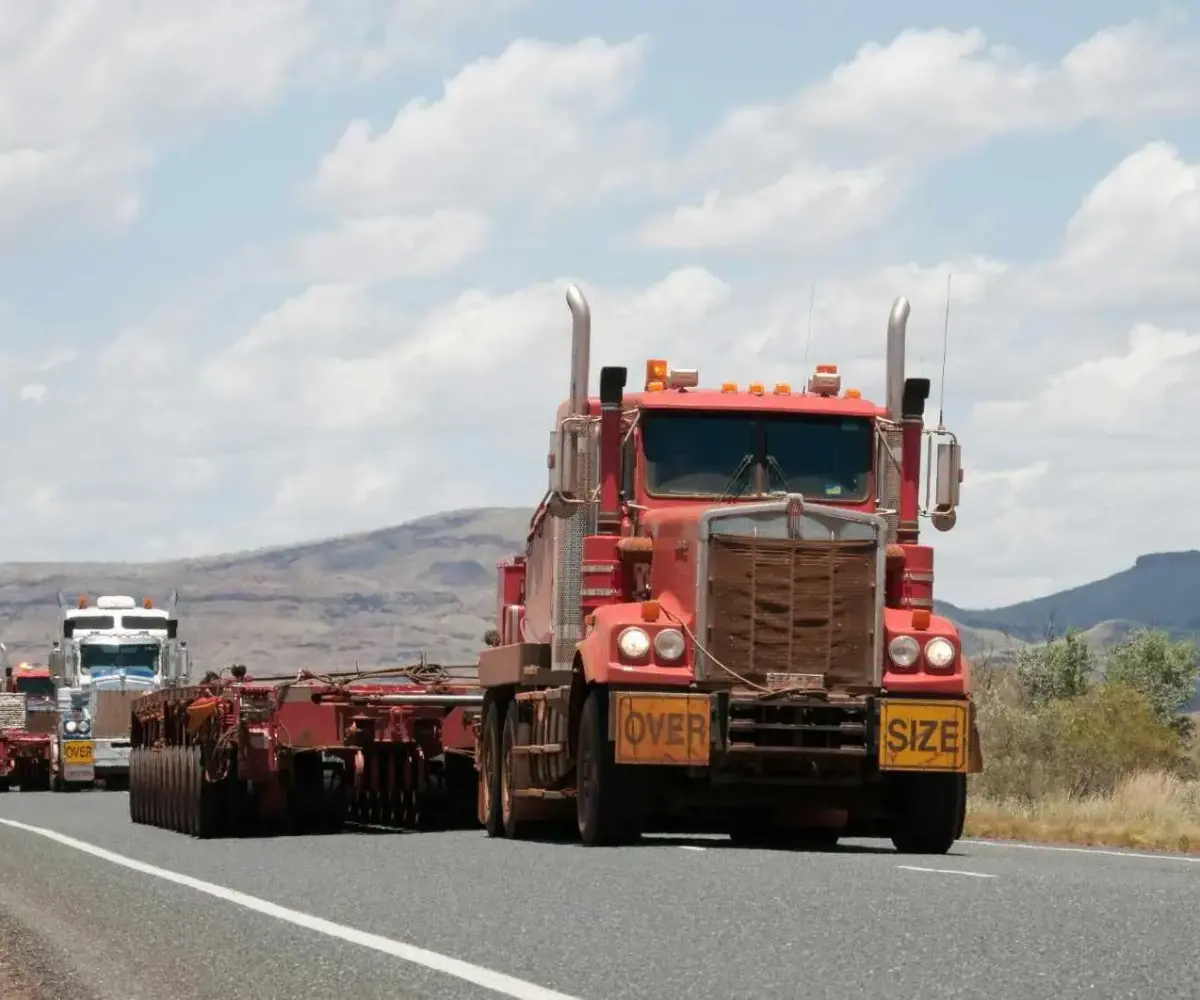
Truck carriers move nearly everything people use every day, groceries, building materials, electronics, and fuel. Behind every stocked shelf and on-time delivery is a network of motor carriers, CDL drivers, and dispatchers working together across thousands of miles.
If you own or operate a trucking business, every mile matters. From choosing the right type of carrier to managing operating authority, insurance, and compliance with Federal Motor Carrier Safety Administration (FMCSA) rules, your success depends on smart decisions made daily.
This guide breaks down the essentials, from carrier types and services to safety standards and growth strategies so you can run more efficiently, reduce costs, and stay competitive in today’s transport sector.
What Is a Truck Carrier and Why Does It Matter?
Truck carriers are essential to modern logistics, forming the backbone of how companies transport goods across regions, states, and countries. Without the support of licensed commercial vehicle operators and skilled dispatchers, goods wouldn’t reach their destinations reliably.
Defining Truck Carriers in the Logistics Industry
A truck carrier is a company or independent trucker with operating authority to transport goods for shippers using commercial vehicles. They are responsible for ensuring timely deliveries, maintaining safety standards, and holding the proper credentials, such as a commercial driver’s license (CDL).
Core characteristics of truck carriers include:
- Ownership or leasing of commercial vehicles.
- Authority to operate under federal and state laws.
- Responsibility for safety records and regulatory compliance.
- Ability to manage diverse types of cargo through efficient trucking operations.
Truck carriers are central to the broader transportation industry, their role influences everything from fuel consumption patterns to the availability of consumer products.
Difference Between a Truck Carrier and a Freight Broker
While both operate within the transport sector, truck carriers and freight brokers serve distinct purposes. Freight brokers act as intermediaries who help shippers find loads by connecting them with available carriers. They do not own trucks, nor do they employ truck drivers.
Truck carriers, on the other hand, are directly responsible for operating authority, managing truck drivers, and complying with FMCSA regulations. Here’s how they differ:
- Truck carriers: Manage truck drivers, maintain commercial vehicles, and perform route planning.
- Freight brokers: Help shippers find carriers to handle specific types of cargo but do not transport goods themselves.
| Aspect | Truck Carrier | Freight Broker |
| Role | Directly transports goods | Acts as an intermediary between shippers and carriers |
| Ownership of Trucks | Owns and operates commercial vehicles | Does not own trucks |
| Driver Management | Employs and manages truck drivers | Does not employ drivers |
| Regulatory Oversight | Holds operating authority and complies with FMCSA regulations | Licensed to broker freight, but not responsible for transportation compliance |
| Responsibilities | Route planning, vehicle maintenance, driver scheduling | Matches available loads with suitable carriers |
| Use Case | Best for businesses needing direct control over shipping operations | Best for shippers needing flexibility and access to a wide carrier network |
Choosing between a carrier and a broker often depends on the type of business you’re running, the urgency of delivery, and your preference for direct oversight over logistics.
Role of Truck Carriers in Supply Chain Management
Truck carriers play a central role in the transportation industry and serve as the backbone of supply chain management across state lines. These motor carriers ensure that goods are transported safely, on time, and in compliance with safety standards set by agencies like the Federal Motor Carrier Safety Administration (FMCSA).
Why Truck Carriers Matter in the Supply Chain
A successful trucking business doesn’t just move freight, it supports every other link in the supply chain by:
- Providing consistent, scalable transport for raw materials and finished products.
- Ensuring professional driver safety standards for timely deliveries.
- Offering route planning flexibility through GPS tracking, real-time updates, and dispatcher coordination.
- Reducing fuel consumption with optimized logistics and experienced truck drivers.
Truck carriers also help small businesses and enterprises alike to manage transportation costs by leveraging commercial vehicles that meet Department of Transportation (DOT) requirements. Whether operating a single truck or managing a fleet, these carriers support the reliable flow of goods in the transport sector.
What Types of Truck Carriers Exist Today?
Knowing the different types of truck carriers is key for businesses to move goods well. The trucking world is varied, with many operators offering services for different needs.
For-Hire Carriers vs. Private Carriers
At the core of the transportation industry are two major types of operators:
- For-Hire Carriers: These trucking companies transport goods for multiple clients. They’re ideal for businesses that don’t operate their own fleet. For-hire carriers often hold operating authority from the FMCSA, enabling them to carry goods across state lines under strict safety regulations.
- Private Carriers: Operated by companies that use their own commercial vehicles to transport their products. This offers more control over scheduling and vehicle use, but also requires more internal management, including maintaining safety records, liability insurance, and driver certification (CDL).
| Aspect | For-Hire Carrier | Private Carrier |
| Purpose | Transports goods for multiple external clients | Transports only the company’s own products |
| Fleet Ownership | Operates trucks for hire, not tied to one company’s products | Company owns and operates its own commercial vehicles |
| Regulatory Authority | Must hold FMCSA operating authority to cross state lines | Still must meet safety and insurance standards, but operates under internal oversight |
| Control & Flexibility | Less direct control for the client; schedules depend on carrier availability | Full control over routes, schedules, and truck use |
| Management Needs | Less management for the business hiring the carrier | Requires in-house management of fleet, drivers, and compliance |
| Ideal For | Companies that want to outsource transportation and reduce overhead | Businesses seeking full control over logistics and willing to manage fleet operations |
Choosing between these two depends on whether you want full control over logistics or prefer to outsource the trucking operations to established motor carriers.
Common, Contract, and Specialized Carriers
For-hire carriers are split into common, contract, and specialized. Common carriers move general goods for anyone. Contract carriers have specific deals with shippers, offering tailored services. Specialized carriers handle unique or oversized cargo, needing special care.
Specialized carriers deal with big, odd, or sensitive items. This includes huge loads, dangerous stuff, or cold goods.
| Carrier Type | Description | Specialization |
| Common Carrier | Open to the general public for freight transportation | General goods across regions and industries |
| Contract Carrier | Operates under exclusive agreements with specific clients | Customized services tailored to regular shippers |
| Specialized Carrier | Handles non-standard freight requiring special handling | Oversized loads, hazardous materials, refrigerated cargo |
Specialized carriers often operate within regulated environments, requiring driver safety certifications, advanced logistics, and a thorough understanding of FMCSA rules. These services are essential for moving critical or sensitive cargo within the broader transportation industry.
Regional vs. Long-Haul Truck Carriers
The trucking business also varies by geographic range:
- Regional Truck Carriers serve a smaller radius, typically within a few hundred miles. Their familiarity with local routes and conditions supports faster turnaround and personalized service.
- Long-Haul Carriers operate across state lines and sometimes international borders. These motor carriers require higher levels of compliance, including GPS tracking, fuel management, and advanced logistics planning to meet delivery deadlines.
| Aspect | Regional Carriers | Long-Haul Carriers |
| Range | A few hundred miles | Across states or borders |
| Speed | Faster turnaround | Longer delivery times |
| Route Knowledge | Strong local familiarity | Broad, varied routes |
| Compliance | Local/regional regulations | Stricter FMCSA and cross-border compliance |
| Tech Use | Basic routing | Advanced tracking and logistics tools |
Knowing about these carriers helps businesses pick the right one for their needs. It’s all about finding the best fit for their logistics. Learn how truck carriers manage long-haul versus short-haul operations based on distance, compliance, and equipment needs.
How Do Truck Carriers Operate?
Truck carriers operate by combining several key elements. These elements ensure goods are delivered on time and safely. Understanding these parts helps us see the complexity and challenges trucking companies face.
Fleet Management and Dispatch Systems
Fleet management is the heart of modern trucking operations. It involves supervising every commercial vehicle in a carrier’s network, from a single truck to a fleet of dozens. Trucking companies’ fleet managers use real-time software tools to monitor truck maintenance, track driver hours, and optimize asset use.
Dispatchers play a key role in this process. Through advanced truck dispatching platforms, they assign routes, communicate with drivers, and update customers on shipment progress. These systems help maintain driver safety while improving on-time performance.
For truck carriers, the integration between dispatch systems and GPS tracking ensures the motor carrier operating model remains compliant with safety standards from the FMCSA.
Key benefits include:
- Optimized routing across state lines to reduce fuel consumption.
- Real-time visibility into truck driving operations.
- Fewer delays and improved customer service.
Load Planning, Routing, and Scheduling
Efficient load planning is essential for carriers that want to reduce costs and maximize transport efficiency. Load planning involves choosing the right type of cargo for each truck and ensuring the vehicle is loaded safely and legally, considering the carrier’s operating authority and weight restrictions.
Routing software powered by GPS tracking allows carriers to select the best roads, avoid congested zones, and improve delivery speed. The goal is to optimize fuel use and reduce empty backhauls, an ongoing cost concern in the trucking business.
Scheduling tools also ensure that time-sensitive deliveries stay on track. These systems can automatically adjust dispatch times or reassign loads based on road conditions or driver availability.
Together, these logistics components ensure truckers and dispatchers meet delivery deadlines while operating within the legal bounds of the Department of Transportation (DOT).
Safety, Compliance, and Insurance Requirements
Safety is non-negotiable in commercial trucking. The FMCSA enforces strict safety compliance rules for motor carriers. These include:
- Driver Hours of Service (HOS) regulations to prevent fatigue.
- Vehicle maintenance logs to avoid breakdowns or accidents.
- Cargo securement standards for different types of freight, critical for safe truck cargo handover.
In addition to regulatory compliance, liability insurance is mandatory. It protects both the carrier and shipper in case of cargo damage, road accidents, or injuries involving truck drivers. Truck carriers are required to hold specific licenses and certifications to remain in compliance with FMCSA and DOT rules.
| Operational Component | Description | Benefits |
| Fleet Management | Tracks trucks, maintenance, and driver data | Efficiency, reduced downtime, better resource planning |
| Dispatch Systems | Assigns loads, tracks deliveries in real time | Smooth coordination, fast issue resolution |
| Load Planning | Matches cargo to truck and route | Fewer empty miles, better fuel economy |
| Safety Compliance | Adheres to DOT and FMCSA rules | Safer roads, lower insurance risk, improved safety record |
These systems form the operational backbone of any successful trucking career, enabling both large and small trucking businesses to deliver goods efficiently, while also streamlining getting freight and meeting regulatory obligations.
What Services Do Truck Carriers Provide?
Truck carriers offer a wide range of services for moving goods. They cater to various shipping needs with services tailored to your needs.
Full Truckload (FTL) and Less-Than-Truckload (LTL)
The most common services provided by motor carriers fall under FTL (Full Truckload) and LTL (Less-Than-Truckload) transportation:
- FTL is ideal for businesses that need to move large volumes of cargo using an entire commercial vehicle. It ensures faster delivery and less handling, which is critical for fragile or high-value shipments.
- LTL allows multiple shippers to share space in a single truck. This is a cost-effective option when your freight doesn’t fill the entire trailer. It’s popular in small trucking operations and among businesses with flexible delivery windows.
| Service Type | Description | Best For |
| Full Truckload | One shipper uses the entire truck | Large or time-sensitive shipments |
| Less-Than-Truckload | Freight is consolidated with other cargo | Smaller or less time-sensitive loads |
Professional truck drivers must hold a valid CDL to handle either FTL or LTL freight, depending on the size and type of cargo being moved.
Specialized Hauling for Oversized or Hazardous Cargo
Some motor carriers focus on transporting specialized loads that require additional safety protocols and certifications. This includes:
- Oversized freight such as heavy equipment, construction materials, or wind turbine blades.
- Hazardous materials like chemicals, fuels, or batteries, which demand compliance with DOT regulations and hazmat certifications.
Specialized carriers are equipped with flatbeds, step decks, or tankers, each suited for specific types of cargo. These trucks often require additional permits and careful route planning to navigate state lines, low-clearance bridges, or weight-restricted roads.
This segment of the trucking business is tightly regulated by the FMCSA to ensure driver safety and environmental protection.
Warehousing, Last-Mile Delivery, and Value-Added Services
Beyond long-haul freight, many trucking companies offer integrated logistics support:
- Warehousing: Temporary or long-term storage for cargo waiting to be distributed.
- Last-mile delivery: Final delivery to the end customer, critical in e-commerce and retail.
- Freight tracking and cargo insurance: Real-time shipment visibility and risk protection.
Some carriers even provide truck dispatching services and act as Third-party Logistics (3PL) providers, helping clients find loads, manage delivery schedules, and improve distribution efficiency.
Common Mistakes to Avoid When Working With Truck Carriers
To have a smooth shipping experience, it’s key to avoid common mistakes with truck carriers. Knowing the potential problems can help your logistics run smoothly.
1. Choosing Based on Lowest Price Alone
Choosing a truck carrier just for the lowest price is a big mistake. While cost matters, don’t forget about service and reliability. Going for the cheapest can mean bad service, late shipments, and losses.
Look at more than just price. Check their reputation, equipment, and customer service. A carrier with a good price and service record will likely meet your needs better.
2. Overlooking Compliance, Licensing, and Insurance
Make sure your truck carrier follows rules, has the right licenses, and has enough insurance. Not checking these can risk your business with fines, delays, and accidents.
Check if the carrier meets driver hour, vehicle maintenance, and hazardous materials rules. Also, ensure their insurance covers risks.
3. Ignoring Technology, Tracking, and Communication Tools
Today, technology is key for better shipping. Not using a carrier’s tech, tracking, and communication can make it hard to keep up with shipments and solve problems fast.
Choose carriers with good tracking systems, real-time updates, and easy communication. These tools help manage your logistics better.
4. Failing to Evaluate Customer Service and Response Time
The quality of customer service and how fast a carrier responds is crucial. Not checking these can lead to unhappy expectations and logistics problems.
Check the carrier’s customer service by seeing how they handle questions, problems, and support. A carrier that values customer service will likely offer a better shipping experience.
What Are the Benefits of Working with a Truck Carrier?
Working with a truck carrier brings many benefits to your logistics. They offer expertise and resources that can greatly improve your supply chain.
Cost Savings and Efficiency for Businesses
One big advantage is saving money. Truck carriers can cut costs by optimizing routes and managing fuel. They also ensure your cargo is moved safely and efficiently.
A study by the American Trucking Associations shows advanced technology can cut costs by up to 15%. Working with a truck carrier that uses this tech can help you save money.
Access to Nationwide or Regional Transportation Networks
Truck carriers offer access to wide transportation networks. Whether you need nationwide or regional coverage, they can help. This ensures your goods are delivered on time.
Here’s a comparison of regional and nationwide truck carriers:
| Service Aspect | Regional Truck Carriers | Nationwide Truck Carriers |
| Geographic Coverage | Focused on specific regions | Cover the entire country |
| Specialization | Often specialize in regional routes and cargo | Handle a wide variety of cargo across different regions |
| Cost | Can be more cost-effective for regional shipments | May offer competitive pricing for long-haul shipments |
Scalability for Growing Logistics Needs
As your business grows, so do your logistics needs. Truck carriers can scale their services to meet your demands. This flexibility supports your business’s growth.
During busy times, truck carriers can increase their capacity. This ensures your supply chain keeps running smoothly.
By working with a truck carrier, your logistics can grow with your business. They provide the support needed for your operations to expand.
How to Choose the Right Truck Carrier for Your Business?
Finding the right truck carrier or transport carrier is key in the logistics world. It affects your business’s efficiency, customer happiness, and profits.
Evaluating Carrier Reliability and Performance Metrics
Checking a carrier’s reliability means looking at their performance. This includes on-time delivery rates, how long it takes to get there, and claims history. Choose carriers known for reliability and safety.
- Review their safety ratings and compliance records.
- Examine their equipment maintenance and inspection practices.
- Assess their driver hiring and training processes.
Considering Equipment, Capacity, and Service Coverage
Make sure the carrier has the right equipment and enough capacity for your shipments. Also, check if they can deliver to where you need.
Look at the types of equipment they offer, like refrigerated trailers. See if they can handle your volume during busy times.
Technology, Communication, and Customer Support
The carrier’s technology and communication matter a lot. Look for advanced tracking systems, good communication, and quick customer support.
Check their digital platforms for ease of use. See how their customer service team is and if they can meet your needs.
By looking at these factors, you can pick a truck carrier that fits your business. It will also improve your logistics experience.
What Challenges Do Truck Carriers Face in Today’s Market?
Truck carriers today face many challenges that affect their work and profits. The trucking world is complex and always changing. It’s influenced by the economy, rules, and new tech.
Driver Shortages and Retention Issues
One big challenge is finding and keeping good drivers. The job is tough and the life is demanding. Carriers are trying new ways to attract and keep drivers happy with better pay and conditions.
Fuel Costs, Regulations, and Compliance Hurdles
Fuel prices go up and down, and rules get stricter. Carriers must deal with safety, emissions, and hours rules. They also try to save on fuel by planning routes and using efficient vehicles.
| Challenge | Description | Potential Solutions |
| Driver Shortages | Lack of qualified drivers | Improved compensation, recruitment strategies |
| Fuel Costs | Fluctuating fuel prices | Efficient routing, fuel-efficient vehicles |
| Regulatory Compliance | Stringent regulations | Investing in compliance technology, training |
Adapting to Sustainability and Green Logistics
The trucking world is pushing for less environmental harm. Carriers are using cleaner fuels, electric trucks, and better logistics. This cuts down on pollution and can save money and improve their image.
As the trucking world changes, carriers that tackle these issues will do well. By solving driver problems, managing fuel, following rules, and going green, they can work better, spend less, and stay ahead.
Final Thoughts on Truck Carriers
Truck carriers are the backbone of the transportation industry. From full truckload shipments to specialized hauling across state lines, their role in keeping supply chains running smoothly is critical.
Whether you operate a single truck or manage a fleet of commercial vehicles, choosing the right motor carrier requires understanding everything from operating authority and safety standards to fuel consumption and route planning.
For businesses navigating these decisions, finding the right partner can make all the difference. At RecNation, we understand the unique needs of truck drivers, motor carriers, and small trucking operations alike. That’s why we provide secure, scalable, and accessible truck parking and storage solutions tailored to the demands of the commercial trucking world.
If you’re looking to support your trucking business with reliable infrastructure, whether it’s for one rig or an entire fleet, RecNation is here to help you stay on route and on time.
FAQ
What is a truck carrier, and what role do they play in the logistics industry?
A truck carrier moves goods from one place to another. They are key in the logistics world. They make sure goods get to their destination on time and efficiently.
What types of truck carriers exist, and how do they operate?
There are many types of truck carriers. These include for-hire, private, common, contract, and specialized carriers. They manage their fleets, dispatch trucks, and follow safety rules.
What services do truck carriers provide, and how can they benefit my business?
Truck carriers offer many services. These include full truckload, less-than-truckload, specialized hauling, warehousing, and last-mile delivery. Working with them can save your business money, improve efficiency, and grow.
How do I choose the right truck carrier for my business?
To pick the right truck carrier, look at their reliability and performance. Consider their equipment, capacity, and service area. Also, check their technology, communication, and customer support.
What are the common mistakes to avoid when working with truck carriers?
Don’t choose a carrier just for the lowest price. Make sure they meet compliance and insurance needs. Also, don’t ignore technology and customer service.