
What Is Truck Carrier Cargo Handover?
Truck carrier cargo handover shifts cargo and liability between parties. For any person or company, accurate documents and ePOD tech reduce disputes and secure every transfer in today’s fast-paced logistics supply chain.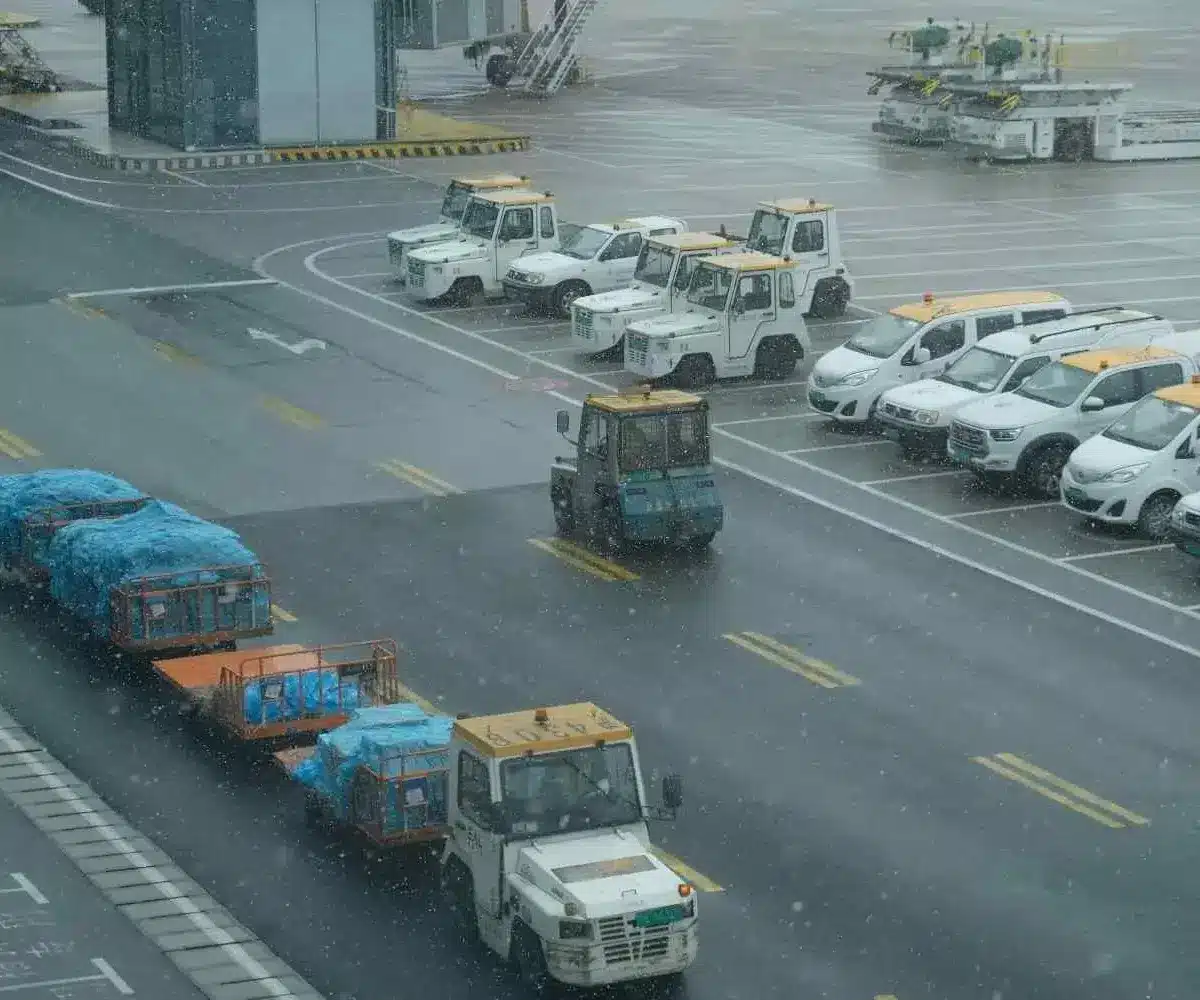
In the trucking industry, cargo handover is key for a smooth supply chain. If you’re in logistics, you know how important it is to transfer cargo well.
When a truck carrier moves goods, the handover makes sure cargo goes to the right place, in good shape, and on time. This step is crucial to avoid losses and keep your business running smoothly.
Good cargo handover means checking and documenting the cargo’s condition and details. Knowing how to handle cargo handover well can reduce risks and improve your logistics work.
What Does Cargo Handover Mean in Trucking?
Truck carrier cargo handover meaning refers to the formal transfer of custody, condition, and responsibility for freight.
In trucking, this happens when a cargo carrier delivers goods to a consignee, another truck carrier, or a distribution hub. It’s more than just dropping off freight; it’s about verifying the shipment, ensuring documents align, and acknowledging liability transfer.
In the trucking industry, cargo handover is key for a smooth supply chain. Trucks moved roughly 72.6% of the nation’s freight by weight in 2022, underscoring just how central truck carriers are to keeping goods moving across the U.S.
Defining Cargo Handover in Freight and Logistics
In freight and logistics, cargo handover means one party hands over goods to another, backed by documentation and inspection.
It’s not just physical transfer, it’s the process that legally protects both sides. Bills of lading, delivery receipts, and inspection reports confirm that the goods were delivered as described. Without these checks, disputes over damage or loss would be impossible to resolve fairly.
In truck carrier cargo handover, the process usually happens at:
- Consignee docks (where goods enter a retail or manufacturing facility).
- Distribution and warehouse hubs.
- Cross-docking terminals, where a freight forwarder transfers loads between carriers.
A well-executed handover proves professionalism, protects the cargo carrier, and strengthens customer trust.
Difference Between Cargo Handover and Delivery
Cargo handover and delivery are closely related in trucking, but they are not the same.
- Delivery is the physical act of moving freight from origin to destination. For example, a truck may transport orders from a warehouse to a regional hub.
- Cargo handover, on the other hand, is the formal transfer of responsibility for that freight. It involves verifying documents, checking the cargo’s condition, and confirming that liability has shifted.
Think of it this way:
- A parcel arriving at a home is a delivery.
- The moment the consignee signs for it, that’s the carrier handover.
This distinction is vital in logistics because delivery without proper handover records can lead to disputes.
Why Cargo Handover Is a Critical Stage in Transport
Truck carrier and transport carrier cargo handover is one of the most important stages in modern transportation, ensuring accountability, trust, and legal protection.
When freight shifts from one cargo carrier to another or from carrier to consignee, the handover defines liability. If goods are damaged or missing, clear records show who was responsible at that moment. This protects both the carrier and the client.
Here’s why it matters:
- Accountability: Every handover confirms the cargo’s condition and count. This prevents disputes and ensures everyone knows their role.
- Trust in logistics chains: Temu, for example, depends on reliable truck carrier cargo handover procedures between long-haul fleets, regional warehouses, and last-mile providers like USPS.
- Efficiency in operations: Without smooth handovers, even fast deliveries fail. Late or incomplete paperwork can stall trucks, delay parcel deliveries, and disrupt the supply chain.
In a competitive transportation environment, carriers who master handover protocols gain an edge. They not only protect themselves from liability but also build long-term trust with shippers, consignees, and freight forwarders.
How Does the Cargo Handover Process Work?
The truck carrier cargo handover process is a structured sequence of steps that ensures freight is transported, received, and documented safely. Each stage matters because it defines accountability in the transportation chain, whether you’re moving a full truckload into a warehouse or a single parcel bound for USPS last-mile delivery.
Loading and Securing Goods at Origin
The first stage is loading cargo onto trucks and securing it properly. A cargo carrier must ensure the shipment is stable and protected before starting its route.
- Goods are stacked efficiently to maximize space and reduce damage risk.
- Straps, tarps, or load bars secure freight on flatbeds and dry vans.
- Trucks are inspected before departure to confirm they’re fit for the haul.
For example, a truck carrier cargo handover load might begin at a fulfillment warehouse, where thousands of small parcels are stacked and secured for regional distribution.
Documentation and Verification of Cargo
Accurate documentation is the backbone of a successful carrier handover. It verifies the shipment’s details, condition, and chain of custody.
| Document Type | Description | Purpose |
| Bill of Lading | Type, quantity, and destination of goods | Serves as receipt and legal proof of contract of carriage |
| Delivery Receipt | Signed acknowledgment of delivery | Confirms condition and acceptance at handover |
| Inspection Report | Notes condition before and after transport | Identifies damage or discrepancies for liability protection |
When a freight forwarder hands a load to USPS, or a motor or truck carrier transfers freight into a consignee’s warehouse, these documents prove exactly what was delivered and when.
Role of Truck Drivers During Handover
Truck drivers are the frontline professionals in the truck carrier cargo handover meaning. Their role is more than driving, they validate cargo accuracy and complete the legal transfer of goods.
- Checking shipments against bills of lading.
- Confirming the condition matches paperwork.
- Collecting signatures and acknowledgments from receivers.
For owner-operators, this step protects against claims of missing or damaged freight, since documentation proves the handover was handled correctly.
Inspection and Acknowledgment at Destination
The final stage occurs when the consignee or the next cargo carrier, receives the shipment. Goods are inspected, counted, and compared with shipping records.
- Any damages or shortages are noted immediately.
- The consignee signs the delivery receipt, closing out the carrier’s responsibility.
- Liability formally shifts from the delivering carrier to the receiver.
For example, Temu’s regional hub may inspect incoming truckloads before sorting parcels for USPS distribution. That carrier handover confirms accountability at every link in the transportation chain.
Why Is Cargo Handover Important in Supply Chains?
Cargo handover is key for supply chains to work well. It affects customer happiness and a company’s reputation. A good handover means goods are moved safely and everyone knows their role. This keeps trust high and disputes low.
Ensuring Accountability
Accountability is the foundation of trust in the transportation process. A clear handover guarantees that both the trucking company and the consignee agree on what was shipped and in what condition.
- Detailed documentation of cargo condition at the point of truck carrier cargo handover.
- Verification processes that confirm item counts, packaging integrity, and condition.
- Acknowledgment of receipt by the consignee or the next cargo carrier.
For example, when a freight forwarder transfers freight from a long-haul truck into a local USPS network, proper carrier handover records protect both sides from liability claims.
Reducing Disputes
Disputes over freight often stall supply chains, delay payments, and damage relationships. Thorough records at each cargo handover prevent confusion and establish clear proof of what was delivered.
- Inspection reports and signed delivery receipts help resolve damage claims.
- Fewer disputes mean trucking companies can focus on core business tasks instead of lengthy investigations.
- Clients build confidence that their freight will be handled consistently and professionally.
For example, in a truck carrier cargo handover scenario at a fulfillment warehouse, documenting every parcel handed off ensures that even high-volume shipments move without dispute.
Impact on Customer Trust and Business Reputation
Customer trust in a supply chain depends on reliable, transparent handovers. Late deliveries or damaged freight without clear records undermine confidence. A strong handover process, on the other hand, reassures clients that their shipments are safe at every stage of transportation.
- Well-documented truck carrier cargo handover transactions create repeat business and loyalty.
- Poor handovers lead to complaints, lost clients, and reputational damage.
- Companies that emphasize standardized handover processes earn a competitive edge.
In an era where one mishandled parcel can impact an entire brand’s image, focusing on clean, consistent handovers is not optional, it’s a competitive necessity.
What Challenges Can Occur During Cargo Handover?
Effective cargo handover is key, but it faces many challenges. As a part of the logistics world, knowing these issues is crucial. It helps keep operations running smoothly.
Miscommunication between carriers and receivers
Miscommunication is a big problem during cargo handover. It can cause confusion about the cargo’s status, condition, or delivery details. To solve this, clear communication between carriers and receivers is vital.
- Make sure all parties know the cargo’s details, like its condition and any special handling needs.
- Use standard communication methods to avoid mix-ups.
- Check that contact info is current and correct.
Damaged or missing cargo at delivery
Damaged or missing cargo is another issue during handover. It might happen due to bad handling, poor packaging, or theft. To lessen these risks, you should:
- Check the cargo carefully when you get it.
- Record any damage or missing items.
- Make sure the cargo is well-secured during transport.
Delays due to incomplete documentation
Incomplete or wrong documentation can lead to big delays during cargo handover. To avoid this, make sure all needed documents are complete and with the cargo.
Some important documents to check include:
- Bill of lading
- Commercial invoice
- Packing list
- Any customs or regulatory documents
By having your documents in order, you can avoid delays. This makes the handover process smoother.
Legal and Compliance Aspects of Cargo Handover
When dealing with cargo handover, it’s key to think about the legal and compliance sides. This process has many important parts that can affect your business and how it’s seen by others.
Insurance Coverage and Liability Transfer
Insurance is crucial for protecting your goods while they’re in transit. It’s important to know when the responsibility for the cargo shifts from the carrier to the receiver. This change is usually written in the agreement between the two parties.
Make sure your cargo is insured well enough to cover its value. Also, understand the cargo insurance policy’s details, like how long it lasts and when you can make a claim.
Contractual Obligations in Handovers
The contracts between the carrier, shipper, and receiver are very important in cargo handover. They outline what each side must do, like how to deliver, pay, and handle any damage.
It’s important to read the contract well. This way, you know what you and the others have to do. You should also know the Incoterms or other trade terms that apply to the sale and delivery of the goods.
Regulatory Documentation Requirements
Cargo handover also has rules about the documents needed. These rules can change based on the goods, the countries involved, and other things.
Make sure all the documents, like commercial invoices and customs declarations, are right and complete. Following these rules is key to avoiding problems like delays or fines.
By knowing and following the legal and compliance rules of cargo handover, you can reduce risks. This helps keep your operations running smoothly and keeps your reputation good in the logistics world.
How Is Technology Changing Cargo Handover in Trucking?
The trucking industry is on the verge of a big change thanks to new technology. This tech is making the cargo handover process more efficient, secure, and clear. It’s important to know how technology is improving this process.
New tech is being added to different parts of the cargo handover process. This makes things run smoother and cuts down on mistakes and disagreements.
Electronic Proof of Delivery Systems
One big change is the use of electronic Proof of Delivery (ePOD) systems. These systems let you capture digital signatures and documents at delivery. This makes the handover process faster and reduces paper work.
ePOD systems also keep a safe and unchangeable record of delivery. This can be seen by both the carrier and the client. It helps build trust and solve any disputes that might come up.
| Feature | Traditional POD | Electronic POD |
| Documentation | Paper-based | Digital |
| Security | Prone to loss or tampering | Secure and tamper-proof |
| Accessibility | Limited to physical location | Accessible online |
Real-time GPS and Cargo Tracking
Real-time GPS and cargo tracking let you watch shipments as they move. You can spot any changes from the planned route or issues with the cargo right away.
GPS tracking makes sure your cargo is moved well and any needed changes can be made quickly. This makes the cargo handover process more reliable.
Automation in Handover Verification
Automation is being used in the verification part of cargo handover. Automated systems can quickly check the cargo’s condition and details against the documents. This cuts down on the need for manual checks.
This automation makes the handover process faster and lowers the chance of mistakes. It ensures the cargo is correctly received and recorded.
As technology keeps getting better, the future of cargo handover in trucking looks bright. By using ePOD, real-time tracking, and automation, you can make your logistics operations more efficient, secure, and clear.
Final Thoughts on Truck Carrier Cargo Handover
Truck carrier cargo handover is more than a routine step, it’s the defining moment that ensures accountability, protects carriers, and keeps supply chains moving without disputes. From high-volume e-commerce operations to regional warehouses and last-mile parcel delivery with USPS, every handover represents a shift in responsibility that must be documented, verified, and executed with precision.
For carriers, shippers, and freight forwarders alike, the key is building standardized procedures and leveraging technology like ePOD systems, GPS tracking, and automated verification. This not only reduces risk but also strengthens trust with clients who depend on smooth transportation.
At RecNation, we know how vital reliable handovers are for fleets, independent owner-operators, and logistics companies.That’s why we provide secure, accessible, and CDL-friendly truck parking solutions, with dedicated spaces for trucks, trailers, and commercial vehicles. Our facilities support drivers during downtime, streamline staging near key lanes, and give carriers confidence that their equipment is safe while focusing on efficient cargo handovers.
Frequently Asked Questions
What does cargo handover mean in trucking?
In trucking, cargo handover means the cargo’s responsibility moves from the carrier to the receiver. It shows the end of the transport service.
How does the cargo handover process work?
The cargo handover process has several steps. First, goods are loaded and secured. Then, there’s documentation and verification. Next, an inspection happens, followed by acknowledgment at the destination. This ensures a smooth transfer.
What are the legal and compliance aspects of cargo handover?
Legal and compliance aspects include insurance, liability, contracts, and regulations. These are crucial for smooth operations.
How is technology changing cargo handover in trucking?
Technology is changing cargo handover with electronic proof of delivery and real-time tracking. Automation in verification is also improving efficiency and reducing errors.
How can cargo handover impact customer trust and business reputation?
A well-executed cargo handover process can boost customer trust and business reputation. It shows reliability, accountability, and a focus on customer satisfaction.