
What Is the Role of a Truck Carrier in Logistics?
Truck carriers are essential in logistics. They transport freight, ensure regulatory compliance, support last-mile delivery, and use technology like GPS and telematics to improve efficiency, reduce delays, and keep supply chains moving.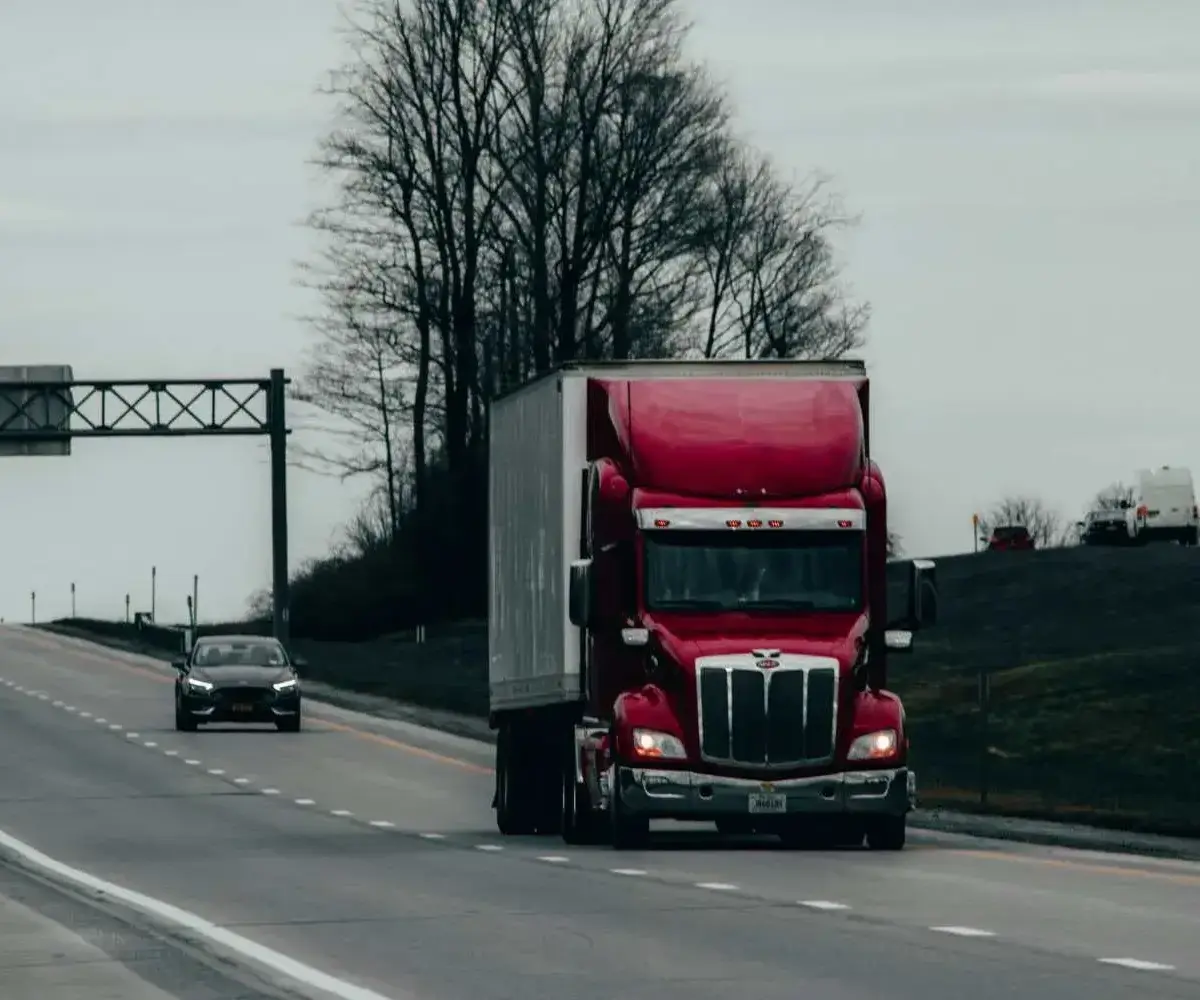
Truck carriers are at the heart of modern logistics. Whether it’s a local delivery or a cross-country haul, they’re responsible for getting products where they need to be, on time and in good condition. From handling freight documents to complying with transport regulations, carriers manage a lot more than just the drive.
For companies that rely on freight, understanding the role of truck carriers isn’t optional, it’s essential. These carriers are the engine that keeps supply chains running smoothly, helping businesses stay on track and meet customer expectations.
In this article, we’ll explore how truck carriers shape the logistics industry, keeping goods moving efficiently, reliably, and safely across regions.
Understanding the Role of a Truck Carrier in Modern Logistics
Truck carriers are key in moving goods from one place to another. They are a big part of the supply chain, making sure products get to their destinations on time, carrying all sorts of goods, from everyday items to big industrial equipment.
Defining Truck Carriers in the Transportation Industry
A truck carrier is an individual or business entity that operates trucks to transport cargo for hire. These carriers can be:
- For-hire carriers, who move freight for other companies (e.g., logistics providers, manufacturers).
- Private carriers, who only transport their own goods (e.g., Walmart or Coca-Cola truck fleets).
Each type of truck carrier typically specializes in specific freight types, depending on their equipment and service capabilities.
| Carrier Type | Specialization / Primary Use | Common Cargo Examples |
| Dry Van | Enclosed freight for non-perishable goods | Packaged goods, electronics, clothing, retail items |
| Refrigerated (Reefer) | Temperature-sensitive freight | Dairy, frozen foods, pharmaceuticals, flowers, medicine |
| Flatbed | Heavy, oversized, or irregular cargo | Steel, lumber, heavy machinery, construction materials |
| Tanker | Bulk liquids or gases | Fuel, dairy, chemicals, ethanol, industrial liquids |
| Lowboy / Step Deck | Tall or very heavy machinery | Cranes, bulldozers, turbines, industrial equipment |
| Hazmat | Hazardous and regulated materials | Explosives, flammable gases, corrosives |
| Auto Carrier | Multi-vehicle transportation | Passenger cars, dealership fleets, specialty vehicles |
| Intermodal | Containerized freight for multimodal transport | Import/export containers, international and domestic freight |
These carriers ensure cargo remains secure, tracked, and delivered efficiently, often using advanced tools like Electronic Logging Devices (ELDs), temperature monitors, and GPS routing software.
How Truck Carriers Fit into the Supply Chain
Truck carriers play a pivotal role in every stage of the supply chain, acting as the bridge between:
- Raw material suppliers
- Manufacturing facilities
- Warehouses and distribution centers
- Retailers and end consumers
This function is commonly referred to as the first mile, middle mile, and last mile of delivery.
Without truck carriers, inventory would sit idle, store shelves would go empty, and supply chains would break down. In fact, 72.6% of all freight in the U.S. is transported by truck, according to the American Trucking Associations (ATA).
To optimize performance, most modern carriers rely on logistics management systems (LMS), telematics, and route optimization software to:
- Maximize load efficiency
- Reduce fuel consumption
- Improve delivery times
- Avoid delays from traffic or weather
By integrating tightly with shippers, 3PLs (third-party logistics providers), and warehousing partners, truck carriers ensure that goods flow seamlessly from origin to destination.
Key Functions of a Truck Carrier in Logistics Operations
Truck carriers are key in logistics, moving goods around. They handle many important tasks to keep the supply chain running smoothly.
Transporting Goods Across Local, Regional, and National Routes
Truck carriers operate across various levels, from local urban deliveries to cross-country shipments. Their ability to adapt to different route lengths, road conditions, and geographic challenges is essential for ensuring the timely and safe arrival of freight.
Just as important is the way carriers handle different types of shipments, from time-sensitive parcels to oversized freight, which can vary significantly depending on the route type and distance involved.
- Local Routes: Often involve multiple short stops, such as store deliveries, warehouse transfers, or last-mile delivery to customers.
- Regional Routes: Cover larger areas across states or provinces, often involving distribution centers and fulfillment hubs.
- National Routes: Involve long-haul freight across the country, requiring extensive coordination and long-distance driving schedules.
Carriers must also navigate different state and federal regulations, load restrictions, toll requirements, and driver rest periods. Mastering these logistical variables allows businesses to scale distribution without delays.
Ensuring On-Time Deliveries and Schedule Coordination
Punctual delivery is one of the most critical services truck carriers provide. Late deliveries can disrupt inventory management, delay production, and reduce customer satisfaction. That’s why carriers use a mix of technology and planning to stay on schedule.
Key elements include:
- Strategic Route Planning: Using software to avoid high-traffic areas, construction zones, and weather-related delays.
- Real-Time Tracking: GPS and telematics systems allow logistics teams to monitor shipments live and make informed decisions.
- Schedule Adjustments: Coordinating with shippers and warehouse managers to align drop-off times and reduce idle wait times.
When deliveries are consistently on time, it builds trust between manufacturers, distributors, and customers, essential for long-term logistics success.
Managing Freight Documentation and Compliance
Behind every shipment is a stack of essential paperwork that ensures the load is legal, traceable, and billable. Truck carriers play a central role in managing freight documentation and staying compliant with transportation laws.
Here’s a breakdown of common freight documents:
| Document Type | Purpose | Regulatory Compliance Required |
| Bill of Lading | Serves as a receipt of goods and carriage contract | Yes |
| Freight Invoice | Details the charges for transport services | Yes |
| Customs Declaration | Required for international shipments | Yes |
| Proof of Delivery | Confirms receipt by the customer | Sometimes |
Carriers must also stay updated on evolving regulations related to:
- Hours of service (HOS) for drivers (as per FMCSA).
- Hazardous materials handling.
- Cross-border customs rules.
Failure to comply can result in fines, shipment seizures, or reputational damage. By managing this process efficiently, carriers reduce legal risks and keep goods moving without disruption.
Types of Truck Carriers and Their Roles in Logistics
The role of truck carriers in logistics is critical, as they help move goods efficiently across various distances and industries. The logistics world relies on many types of carriers, each designed to handle different kinds of freight.
From everyday consumer products to oversized machinery and hazardous materials, these carriers are equipped to manage a wide range of shipping needs.
Dry Van, Flatbed, and Reefer Carriers for Diverse Freight Needs
- Dry Van Carriers are the most commonly used trucks in freight logistics. They feature enclosed trailers that protect goods from the weather, making them ideal for non-perishable items that don’t require refrigeration.
- Flatbed Carriers are designed to carry freight that won’t fit inside a standard trailer. With open, flat platforms, they accommodate oversized, heavy, or irregularly shaped loads that can be loaded from the sides or top.
- Refrigerated (Reefer) Carriers maintain cold temperatures for sensitive goods. These temperature-controlled trucks are critical in the food, healthcare, and floral industries.
Specialized Carriers for Oversized or Hazardous Materials
Beyond the standard fleet, specialized carriers play a vital role in moving high-risk, oversized, or industry-specific freight. These trucks require specialized equipment, permits, and highly trained drivers.
- Tanker Trucks are used for transporting bulk liquids and gases, often classified as hazardous. They come in various configurations, including pressurized, insulated, or compartmentalized tanks.
- Lowboy and Step Deck Carriers are ideal for extremely tall or heavy loads that exceed the height limits of other trailer types. These trailers have a lower center of gravity and are often used in heavy machinery transport.
- Hazmat Carriers are authorized to carry hazardous materials and must comply with federal regulations like those enforced by the FMCSA and DOT. Drivers must hold specific endorsements and follow rigorous safety protocols.
- Auto Carriers (Car Haulers) are built to transport multiple passenger vehicles over long distances. These trucks have multi-tiered racks to safely secure and stack vehicles.
- Intermodal Carriers are used in containerized freight shipping. These trucks transport containers between rail terminals, seaports, and warehouses, facilitating international and long-distance domestic trade.
Importance of Truck Carriers in the Supply Chain
Truck carriers are the backbone of logistics, responsible for moving 72.6% of all freight by weight in the U.S. alone. Their role touches nearly every part of logistics and transport, helping the supply chain run smoothly from start to finish.
Supporting Last-Mile Logistics
Truck carriers are vital for last-mile delivery. This part is often the toughest and most expensive. They help get goods to their final spot on time.
- They find the best routes to dodge traffic jams.
- They offer fast delivery for urgent needs.
- They handle different roads and weather, ensuring goods arrive safely.
Reducing Transit Times and Improving Efficiency
Truck carriers make routes better and use tech to cut down travel time. This makes the supply chain more efficient. It also makes customers happier with timely deliveries.
They do this by:
- Using traffic data to plan routes.
- Improving how they load and unload.
- Keeping their trucks in top shape to avoid breakdowns.
Enhancing Reliability for Shippers and Customers
Reliability is crucial in the supply chain. Truck carriers help make it better. They offer consistent and dependable service, building trust with shippers and customers.
The perks of being reliable include:
- Happy customers get their goods on time.
- Customers stick with them, leading to more business.
- Shippers can plan better with reliable transport info.
Technology and Innovation in Truck Carrier Operations
Technological advancements are changing truck carrier operations for the better. They make things more efficient and clear. The logistics world is moving fast with new tech that makes things smoother, easier to track, and better routes.
Role of IoT and Telematics
The Internet of Things (IoT) and telematics are key in making logistics clearer. IoT devices and sensors on trucks let us watch vehicle and cargo status in real-time. This helps with quick fixes, safety, and less downtime.
Telematics gives deep insights into how vehicles perform and driver habits. This info helps fleet managers make smart choices. With IoT and telematics, truck carriers can work better, save money, and please customers more.
GPS Tracking and Real-Time Logistics Management
GPS tracking is essential for modern logistics. It lets us track shipments and vehicles live.
Nearly 70% of fleets now use GPS fleet tracking, and most of those users, for around 72% rate it is extremely or very beneficial. This way, truck carriers can know where their fleets are, when they’ll arrive, and adjust plans if needed.
Using GPS for real-time logistics management makes supply chains more efficient. It helps dispatchers, drivers, and customers work together better. This cuts down on delays and makes deliveries faster.
Data Analytics for Route Optimization
Data analytics is key for finding the best routes and making truck carrier operations better. By looking at past data, traffic, and more, carriers can find the most efficient paths. This cuts down on fuel use and emissions.
Advanced data analytics tools can also spot potential problems and suggest new routes. This helps keep deliveries reliable and fast. By using tech and innovation, truck carriers can offer better service and stay ahead in the logistics game.
How to Choose the Right Truck Carrier for Your Logistics Needs
Choosing the right truck carrier is important. You need to think about cost, safety, and reputation. With so many carriers out there, picking the right one is key for moving your goods smoothly.
Evaluating Service Capabilities and Coverage
Look at what the carrier can do and where they go. Check their fleet size, equipment types, and service areas. A carrier with a big fleet and wide coverage is likely to meet your needs better.
Here are things to consider:
- What kinds of cargo they can move.
- If they can handle special or big shipments.
- Their use of technology for tracking and managing logistics.
| Service Capability | Description | Importance Level |
| Dry Van | Standard enclosed trailers for most dry goods | High |
| Flatbed | Open trailers for oversized or heavy equipment | Medium |
| Reefer | Refrigerated trailers for temperature-sensitive goods | High |
Considering Cost, Safety, and Industry Reputation
Cost is important, but quality, safety, and reputation matter too. A carrier with a good safety record and reputation might be more reliable and have fewer problems.
When looking at cost, safety, and reputation, consider:
- Quotes from different carriers to compare prices.
- Safety ratings and compliance records.
- What other customers say.
By carefully looking at these points and your specific needs, you can find a truck carrier that offers good service, safety, and value.
Future Trends in Truck Carriers and Logistics
The trucking industry is evolving rapidly as technology and sustainability goals reshape operations. According to McKinsey, advancements in fleet technology and data-driven planning could reduce overall logistics costs by 5–20% in the coming years
Integration of AI and Predictive Logistics Tools
AI and predictive tools are changing logistics. AI looks at lots of data to guess demand and find the best routes. This makes things run smoother, saves money, and makes customers happier.
These tools help truck carriers deal with unexpected problems like bad weather. They make sure goods get to their destination on time.
The Impact of Electric and Autonomous Trucks
Electric and autonomous trucks are reshaping how freight moves across the country. Tesla, Daimler, and Volvo are leading investments in electric fleets, while companies like PepsiCo have already deployed more than 100 electric trucks for regional operations.
Electric and self-driving trucks are changing the game. Electric trucks cut down on pollution and save money. Self-driving trucks make things safer and more efficient by avoiding mistakes and finding the best paths.
- Reduced carbon footprint through electric vehicles.
- Enhanced safety features in autonomous trucks.
- Increased efficiency through optimized routing.
Evolving Standards for Sustainability and Efficiency
Sustainability is no longer optional in the trucking sector. Fleets are adopting zero-emission vehicles and AI-driven route planning to cut fuel use and carbon footprints.
According to the International Energy Agency, the adoption of electric commercial vehicles is expected to grow by 40% annually through 2030, signaling a major shift toward greener freight solutions. Combined with advanced analytics, these efforts are helping carriers reduce waste and operate more efficiently than ever.
Challenges Faced by Truck Carriers in Logistics
Truck carriers face many challenges that affect their operations and the logistics industry. It’s important to understand these challenges to make good decisions.
Driver Shortages and Workforce Retention
One big challenge is the lack of qualified drivers. According to the American Trucking Associations (ATA), the industry has faced a persistent driver shortage for years, with tens of thousands of positions unfilled nationwide. Drivers often leave due to long hours, extended time away from home, and strict operational rules.
Carriers are working to address this challenge by offering better pay, competitive benefits, and improved working conditions. Many are also providing hiring bonuses, flexible scheduling options, and enhanced safety programs to retain talent.
In addition, companies are investing in advanced training and technology to make driving easier and more sustainable for their workforce.
Rising Fuel and Maintenance Costs
Fuel and maintenance costs are high for truck carriers. Changes in fuel prices can really impact their expenses. Carriers are using fuel-saving technologies and practices to cut costs.
- They’re using strategies like reducing idling and exploring alternative fuels.
- Regular maintenance helps prevent breakdowns and keeps vehicles running longer.
- Data analytics help monitor and improve fuel use.
Regulatory Pressures and Compliance
Truck carriers must follow many rules, from HOS to environmental standards. Meeting these requirements is a big challenge, even for small carriers.
Regulatory requirements are increasing, with agencies like the FMCSA and EPA introducing stricter safety protocols and emissions standards to improve road safety and reduce environmental impact. Carriers that focus on compliance and stay updated will handle these challenges better.
Supply Chain Disruptions
Events such as natural disasters, geopolitical conflicts, or global health crises can disrupt shipping schedules and cause significant delays.
These disruptions force carriers to quickly adjust routes, manage unexpected downtime, and communicate with shippers to realign delivery expectations.
Using advanced logistics platforms and real-time tracking can help minimize the impact of these unpredictable events.
Technology Integration and Upgrades
While technology like GPS tracking, automated dispatch systems, and predictive maintenance tools are essential for modern logistics, implementing and maintaining these systems is challenging.
Carriers often face high costs, staff training needs, and compatibility issues with older equipment.
Infrastructure Limitations
Aging roads, congested highways, and limited parking facilities for large trucks create additional operational hurdles. These factors increase delivery times, contribute to driver stress, and sometimes raise maintenance costs due to wear and tear.
Carriers often rely on route planning and partnerships with logistics hubs to work around these limitations.
Final Thoughts on the Role of Truck Carriers in Logistics
Truck carriers are the backbone of logistics, ensuring goods move efficiently across cities, states, and regions. From handling everyday deliveries to managing complex freight routes, carriers make sure products arrive on time, safely, and in compliance with evolving regulations.
As logistics continues to evolve with AI, IoT, and predictive analytics, truck carriers will remain central to supply chain resilience and innovation. Choosing the right carrier is not just about transportation, it’s about trust, performance, and long-term reliability.
At RecNation, we understand how vital truck carriers are to the success of any logistics operation. That’s why our truck parking facilities are built with the needs of carriers in mind, from spacious layouts and 24/7 access to secure, well-lit lots engineered for safety and convenience.
Whether you’re hauling freight across the country or parking between runs, RecNation provides the dependable infrastructure your fleet deserves.
FAQ
How can I choose the right truck carrier for my logistics needs?
To pick the right truck carrier, look at what they offer and where they go. Think about their prices, safety record, and what others say about them. Choose based on what you need.
What are some of the challenges faced by truck carriers in logistics?
Truck carriers deal with driver shortages, higher fuel and maintenance costs, and rules changes. These issues can affect how they work and follow the law.
How are truck carriers adapting to changes in the logistics industry?
Truck carriers are using AI and predictive tools, and starting to use electric and self-driving trucks. They’re also getting better at being green and efficient.
What is the significance of third-party logistics (3PL) providers in the trucking industry?
3PL providers are very important in trucking. They offer services like freight brokerage, management, and logistics. This helps make the supply chain smoother.
How do truck carriers ensure compliance with regulations and laws?
Truck carriers follow the rules by managing paperwork, keeping to safety standards, and keeping up with new laws and rules.