
What Types of Truck Carriers Are There?
From dry vans to tankers, every truck carrier type plays a critical role in logistics. This guide breaks down how each type works and how RecNation supports safe, scalable freight operations.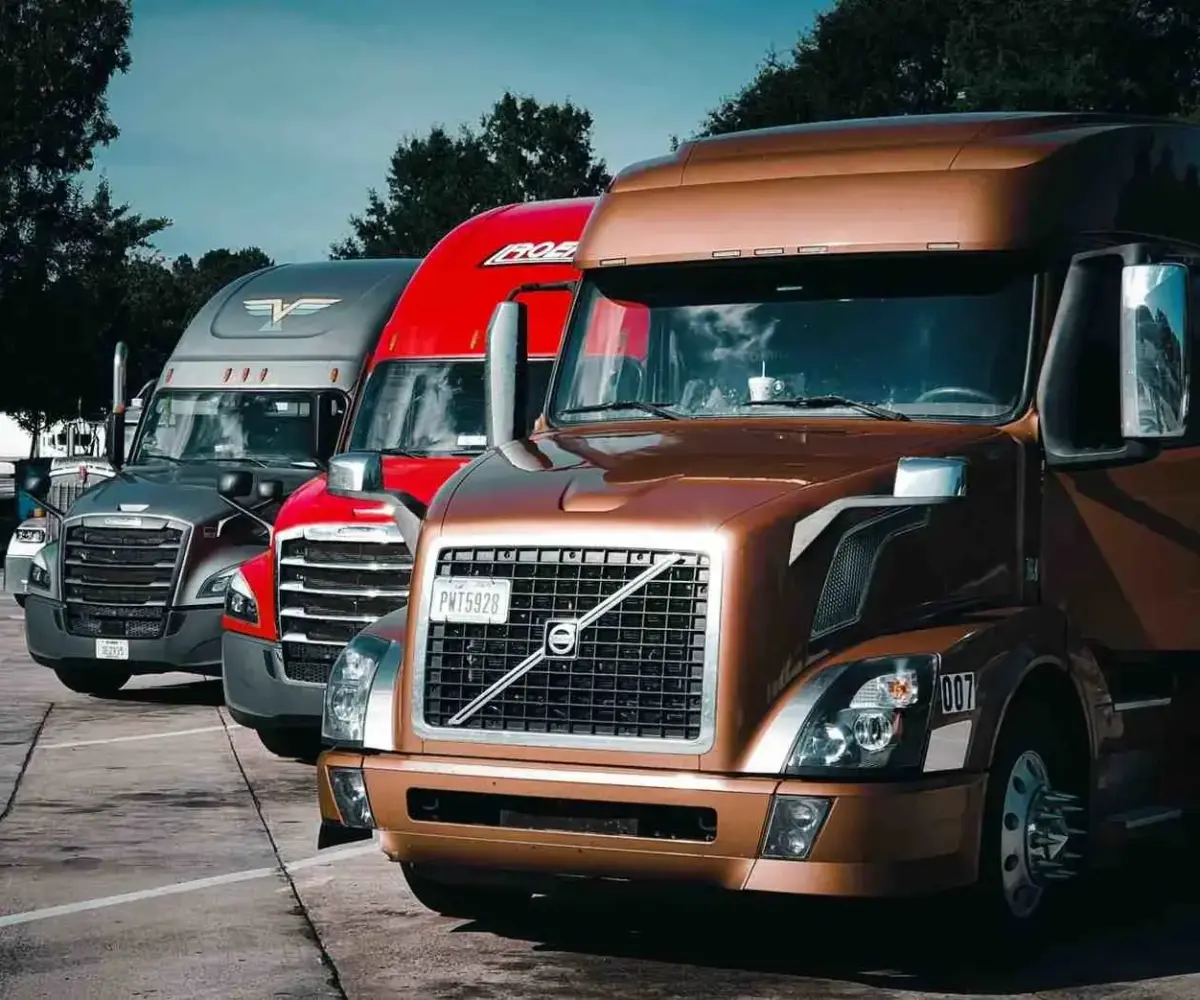
Truck carriers are the backbone of the modern trucking business, helping companies transport goods efficiently across short hauls and long distances. The industry relies on different truck types to handle specific types of freight, from boxed consumer goods to oversized machinery.
There are many truck carriers, each offering tailored trucking services. Options range from general freight to specialized movements that haul heavy, tall, or temperature-sensitive cargo. Knowing the differences helps you match cargo requirements to the right carrier.
Whether you are shipping across town or across the U.S., understanding your options reduces risk, improves reliability, and keeps costs predictable.
Understanding the Role of Truck Carriers in the Transportation Industry
Truck carriers are the critical bridge between manufacturers, distribution centers, retail stores, and end customers. They flexibly manage the first mile, middle mile, and last mile of delivery, adapting to diverse cargo, from palletized retail goods in dry vans to heavy machinery on flatbeds, ensuring seamless, just-in-time supply chains.
For more on the trucking industry’s significance in supply chains, see how truckers move over 70% of U.S. freight tonnage, underscoring their indispensable role.
Why Truck Carriers Are Essential for Freight and Logistics
Truck carriers provide critical advantages that make them indispensable to freight and logistics operations:
- Door-to-door delivery: Minimizes cargo handling and reduces risk of damage.
- Geographic access: Reaches congested urban centers and remote job sites.
- Specialized freight handling: Supports refrigerated, hazardous, or dry bulk shipments.
- Scalability: Adapts from single-load transport to full-scale national distribution.
Whether it’s daily deliveries to grocery stores or large-scale moves of wind turbine components, truck carriers offer tailored logistics solutions for every industry.
Overview of How Truck Carriers Operate
Truck carriers work through a mix of logistics, planning, and action. They follow rules, like those for CDL (Commercial Driver’s License) for their drivers.
Here’s how they operate:
- Orders are accepted and scheduled for pickup and delivery with service level targets.
- Routes are optimized using GPS and TMS tools to save time and fuel.
- Cargo is secured according to equipment type. Flatbeds and any flatbed trailer require correct chains, straps, edge protectors, and tarps.
- Insurance and documentation are confirmed, especially when carriers transport hazardous goods that trigger additional regulatory steps.
- Drivers hold a CDL and carriers follow federal and state rules that govern hours, equipment, and safety.
There are many types of trucking jobs available within this ecosystem, including:
- Company drivers for common carriers.
- Independent operators handling contract lanes.
- Hot shot drivers for last-minute hauls.
- Specialized operators for flatbed and step deck trucks.
Each type of carrier uses specific tools and workflows depending on the freight, region, and type of trailer required. Long-haul carriers rely heavily on semi trucks and standardized processes, while short-haul operators may use a box truck or flatbed in more flexible setups.
How Truck Carriers Fit into the Supply Chain
Truck carriers play a key role in connecting manufacturers with distributors, warehouses, and consumers. Their reliability ensures that inventory flows are predictable, which is crucial for operations using just-in-time inventory models.
Their contributions include:
- Stock management: They support lean inventory strategies by offering frequent, flexible deliveries.
- Specialized transport: From refrigerated trucks for perishables to flatbeds for industrial equipment, carriers help businesses match service to cargo needs.
- Technology integration: Most carriers now offer GPS and telematics integration for tracking and performance analysis.
They move a wide variety of goods across the supply chain, everything from pharmaceuticals to raw materials. A step deck truck, for example, might deliver excavators to a mining site, while a private carrier using a dry van trailer may replenish grocery shelves daily.
Through the right equipment selection and route management, truck carriers serve as the connective tissue between production and consumption. Their ability to scale, diversify, and adapt is what makes them indispensable across all industries.
Common Types of Truck Carriers in Freight Shipping
Each freight type needs the right transport carrier and the right equipment. A transport carrier is the company that holds USDOT or MC authority and provides the service. The equipment below is what they use to move different loads.
From general retail goods to oversized equipment or temperature-sensitive cargo, U.S. logistics relies on a wide variety of truck carriers tailored to specific load needs.
Here’s a breakdown of the most commonly used truck carrier types across the industry:
| Carrier Type | Typical Cargo | Special Feature |
| Dry Van | Packaged goods, retail freight | Fully enclosed trailer |
| Box Truck | LTL shipments, city deliveries | Compact and maneuverable for urban routes |
| Flatbed | Equipment, steel, large freight | Open trailer allows top or side loading |
| Step Deck | Over-height or tall cargo | Lowered deck for vertical clearance |
| Reefer | Food, medicine, perishables | Refrigerated climate-controlled trailer |
| Tanker | Fuel, chemicals, liquid freight | Cylindrical sealed tank, hazmat-ready |
| Auto Carrier | Vehicles and motorcycles | Multi-rack systems or enclosed carrier options |
Each truck type plays a crucial role in modern supply chains, chosen based on cargo specs, safety regulations, and route demands.
Dry Van Carriers for General Freight
Dry van carriers are the most common truck type on U.S. roads. These fully enclosed trailers protect cargo from rain, dust, theft, and road hazards, making them a top choice for non-perishable and non-fragile goods.
They’re ideal for:
- Consumer packaged goods.
- Retail inventory and palletized shipments.
- Furniture, appliances, and boxed electronics.
Dry vans are frequently used in FTL (Full Truckload) and LTL (Less-than-Truckload) setups. They’re best when your freight needs protection but doesn’t require temperature control or specialized handling. Their standard design and wide availability make them the backbone of general freight trucking.
Box Trucks for Local and LTL Deliveries
Box trucks, sometimes called straight trucks or cube vans, are smaller enclosed carriers perfect for local distribution or urban delivery routes. They’re widely used by courier companies, furniture movers, and retailers with short-haul shipping needs.
Common cargo includes:
- Small LTL shipments
- Furniture and electronics
- Food service goods for restaurants or stores
Their compact size allows for easier navigation through tight streets, limited-access zones, and loading docks. They’re often used in last-mile delivery and same-day logistics for time-sensitive shipments.
Flatbed Carriers for Oversized or Heavy Loads
Flatbed trucks are essential for transporting freight that doesn’t fit in standard enclosed trailers. These open-deck carriers make it easy to load and unload large or irregular cargo from the sides or top using forklifts or cranes.
Flatbeds are used for:
- Heavy machinery and industrial equipment.
- Steel beams, pipes, or lumber.
- Prefabricated construction materials.
Standard flatbeds sit about 5 feet high and handle up to 48,000 lbs. Cargo is typically secured with straps or chains and must be tarped in bad weather. Flatbeds are often called on for hot shot freight or time-sensitive, oversized loads across long-haul or regional routes.
Step Deck Carriers for Tall or Over-Height Freight
Step deck carriers, also known as drop-deck trailers, are a variation of flatbeds with two deck levels. They’re designed for loads that exceed the legal height limit of standard trailers (typically 8 feet 6 inches).
Used for:
- Agricultural machinery.
- Tall crates or industrial tanks.
- Equipment with height clearance issues.
The lowered rear deck allows more vertical space without needing special route permits in many cases. Step decks are especially useful for shippers needing to balance load height with ground clearance, especially when bridges or tunnels are involved.
Reefer Carriers for Temperature-Sensitive Shipments
Reefer trucks (short for “refrigerated”) are used to haul goods that must stay within a specific temperature range during transit. These trailers are climate-controlled and powered by diesel refrigeration units.
Typical reefer cargo includes:
- Perishable food (meat, dairy, produce).
- Pharmaceuticals and medical supplies.
- Floral and cosmetic products.
Reefers can be set for frozen, chilled, or ambient temperatures, and they often require specific loading protocols to maintain consistent air circulation. They’re essential for cold chain logistics, where any temperature deviation can damage the load.
Tanker Carriers for Liquid and Chemical Freight
Tanker trucks are used for hauling bulk liquids, gasses, and chemicals. These trailers are built with safety in mind, often featuring sealed, pressurized chambers, baffled compartments, and reinforced construction to handle slosh and shifting loads.
They’re commonly used to transport:
- Gasoline, diesel, or motor oil.
- Industrial chemicals and solvents.
- Food-grade liquids like milk or corn syrup.
Many tanker carriers require CDL endorsements for hazardous materials (HAZMAT), and drivers must follow strict safety protocols for loading, unloading, and containment.
Auto Carriers for Vehicle Transport
Auto carriers are specialized trailers designed to haul cars, motorcycles, and light-duty vehicles. They come in open multi-level configurations or enclosed units for high-value or exotic vehicles.
Used by:
- Dealerships and auto auctions.
- Rental fleets and car buyers.
- Manufacturers transporting new vehicles.
Open carriers are more common due to their lower cost and higher capacity (up to 10 vehicles). Enclosed carriers offer added protection for luxury, vintage, or collector vehicles during long-distance transport.
Refrigerated (Reefer) Carriers for Temperature-Sensitive Goods
Refrigerated carriers, or reefers, are for goods that need to stay at a certain temperature. This includes perishable foods, pharmaceuticals, and chemicals. They have refrigeration units to keep the temperature steady.
Common cargo for reefer trucks includes:
- Dairy and frozen foods.
- Fruits, vegetables, and seafood.
- Medical supplies and vaccines.
Reefer carriers play a vital role in the supply chain by maintaining cold chain integrity from origin to destination. Depending on the cargo and its fragility, companies may choose between large semi trucks pulling full-size reefer trailers or box trucks with refrigerated units for local or regional delivery.
Among the types of trucking jobs available, reefer driving is often in high demand due to the precision and time sensitivity required to keep perishable goods viable across long distances.
Specialized Truck Carriers for Unique Freight Needs
Shipping unusual or oversized cargo needs special truck carriers. These carriers handle cargo that needs extra care or has special dimensions. They are made for specific types of cargo.
Examples include:
- Freight that’s extremely tall or long
- Liquids or gases requiring tankers
- Vehicles, fragile goods, or high-value electronics
The role of truck carriers in logistics becomes even more important when dealing with these complex shipments. Specialized carriers often need specific certifications, custom equipment setups, and experienced operators to meet safety and compliance standards.
We’ll break down a few of the most essential specialized truck carriers next.
Tanker Carriers for Liquids and Hazardous Materials
Tanker carriers are key for moving liquids, gases, and hazardous materials. They have tanks to safely carry substances like fuel, chemicals, and food-grade liquids.
These carriers require highly trained drivers who follow special safety procedures and hold hazmat certifications. Their trailers often have pressurized tanks, safety baffles, and reinforced valves to prevent leaks and spills.
Tanker truck services are frequently operated by contract carriers, as many shippers need long-term reliability and strict adherence to compliance.
Industries served include:
- Energy and petroleum
- Food processing (e.g., dairy, corn syrup)
- Chemical manufacturing
Some tankers are specialized by type of trailer, such as insulated vs. non-insulated, or pressurized vs. non-pressurized, depending on the liquid’s volatility or sensitivity to temperature changes.
Auto Carriers for Vehicle Transport
Auto carriers are trucks made for moving vehicles. They serve the auto industry, car dealerships, rental fleets, and private customers. They come in various sizes to fit different vehicles, including passenger cars, motorcycles, and even small utility trucks.
There are two main types of auto carriers:
- Open trailers, which are more cost-effective and common.
- Enclosed trailers, which offer better protection for high-value or vintage cars.
Most auto carriers use hydraulic lift systems for efficient loading and unloading. Tie-down straps and safety mechanisms keep vehicles secured in transit, especially when crossing state lines.
Step Deck and Double Drop Carriers for Tall Cargo
Step deck and double drop carriers handle oversized loads that are too tall. They have lowered decks or sections for tall cargo that standard trailers can’t carry.
- Step deck trucks have a lower main deck and a raised front section, allowing cargo heights of up to 10 feet without needing special permits.
- Double drop trailers have a “well” in the middle and two raised ends, offering even more clearance for tall or oddly shaped loads.
These specialized trucks are crucial in the construction, oil & gas, and agricultural industries. They often carry oversized machinery, structural steel, or industrial tanks.
Because of the complexity involved, these types of hauls are usually handled by highly experienced carriers or owner-operators offering hot shot trucking services.
Regional and Long-Haul Truck Carriers
Understanding regional and long-haul truck carriers is key when shipping freight. They play a big role in the transportation world, handling freight for different haul distances and serving diverse customer needs. They operate in different areas and manage various types of cargo.
- Regional carriers handle deliveries within a specific zone, such as a few states or a metro region. They often use box trucks, straight trucks, or small semis.
- Long-haul carriers move goods across the country, operating across hundreds or thousands of miles.
Long-haul services rely heavily on semi trucks paired with trailer types suited to the cargo: dry vans, reefers, standard flatbeds, or step deck trailers.
Some long-haul operators also specialize in intermodal freight, combining rail and truck transport to save cost and reduce emissions. In these cases, containers are used as the type of trailer, staying intact as they move between transport modes.
Intermodal Carriers for Rail + Road Freight
Intermodal carriers mix rail and road freight. This method is efficient for long trips. It uses the best of both worlds.
They offer cost savings and lower emissions. Using rail for long trips and trucks for the final leg is more eco-friendly and affordable.
| Mode | Cost | Emissions | Efficiency |
| Rail | Lower | Lower | High |
| Truck | Higher | Higher | Medium |
| Intermodal | Competitive | Lower | High |
Local and Regional Delivery Carriers
Local and regional carriers focus on short trips within areas. They’re key for getting goods to their final spots.
They use different vehicles, like reefer trucks for sensitive items. Their local knowledge helps them handle city streets well.
Long-Haul and Cross-Country Trucking Companies
Long-haul trucking is vital for moving goods far. They have many trucks for various cargo needs.
They follow strict rules on driving hours and truck upkeep. They’re crucial for the supply chain, connecting producers to stores nationwide.
When picking a long-haul trucker, look at their safety record and experience. Choosing a reliable carrier is key for safe transport.
Owner-Operators vs. Large Fleet Carriers
Deciding between owner-operators and large fleet carriers is key for your freight needs. Each option has its own pros and cons. It’s important to know these to make a smart choice.
Benefits of Working with Independent Owner-Operators
Independent owner-operators are liked for their flexibility and personal touch. They own their trucks, giving them control over their schedules and routes. This is great for special or oversized cargo that needs a specific trailer, like a step deck.
- Lower costs mean they can offer good prices for your truck loads.
- They provide direct communication and tailored service, making logistics smoother.
- They can adjust routes and schedules to meet your unique or urgent freight needs.
Owner-operators are also skilled at navigating tough routes and making challenging deliveries. This includes using dump trucks or other specialized equipment.
Advantages of Partnering with Large Fleet Carriers
Large fleet carriers, on the other hand, have many benefits. They can handle lots of freight and offer various services all in one place. They have a big fleet of trucks, including different trailers and equipment, like refrigerated ones for sensitive goods.
- They can scale up to manage big or multiple shipments, including over-the-road trucking.
- They have advanced logistics and tracking, giving you real-time updates on your truck loads.
- They offer a wide range of services, including warehousing and intermodal transport.
Large fleets also spend a lot on technology and driver training. This improves safety and efficiency. Their big networks make it easier to find the right trailer or equipment for your needs.
| Aspect | Independent Owner-Operators | Large Fleet Carriers |
| Ownership & Control | Own and operate their own trucks, providing full control over schedules and routes. | Operate large fleets with centralized scheduling and dispatch systems. |
| Flexibility | Highly flexible; can adapt quickly to special or urgent loads. | Less flexible due to standardized processes and fixed routes. |
| Cost | Often offer competitive pricing with lower overhead costs. | May have higher rates but offer more value through bundled services. |
| Communication | Direct, personalized communication with the driver. | Structured communication, often through logistics coordinators or dispatch teams. |
| Equipment & Specialization | Ideal for specialized or niche loads, such as step decks or dump trucks. | Access to a wide range of equipment, including refrigerated trailers and intermodal options. |
| Scalability | Best for smaller, one-off shipments or specialized freight. | Suitable for large-scale or high-volume shipments requiring consistent service. |
| Technology & Tracking | Limited tracking technology in many cases. | Advanced logistics platforms and real-time shipment tracking. |
| Safety & Training | Experience-driven safety practices, varying by individual operator. | Formal safety programs and standardized driver training across the fleet. |
How to Choose the Right Type of Truck Carrier for Your Needs
Choosing the right truck carrier is key to safe and efficient cargo transport. There are many options, so it’s important to consider several factors carefully.
Evaluating Carrier Safety Records and Compliance
When picking a truck carrier, safety records and compliance are top priorities. A carrier with a solid safety record is less likely to cause accidents. This means your cargo is safer and less likely to be delayed.
To check a carrier’s safety, look at:
- DOT number and compliance history.
- Safety ratings from organizations like the Federal Motor Carrier Safety Administration (FMCSA).
- Insurance coverage for cargo and liability.
| Carrier | Safety Rating | Insurance Coverage |
| Carrier A | Excellent | $1 million |
| Carrier B | Good | $500,000 |
| Carrier C | Fair | $2 million |
Matching Carrier Types to Your Cargo Requirements
The type of cargo you have determines the carrier you need. For example, perishable goods need refrigerated carriers. Oversized loads require flatbed carriers.
When choosing a carrier, think about:
- The nature of your cargo (fragile, hazardous, temperature-sensitive).
- The size and weight of your cargo.
- Special handling requirements.
Considering Cost, Coverage, and Reliability
Cost is important, but it’s not the only thing to consider. You should also look at coverage area and reliability.
When looking at cost, coverage, and reliability, consider:
- The carrier’s pricing structure and any additional fees.
- The areas they serve and their ability to reach your destination.
- Their on-time delivery record and customer service.
By carefully evaluating these factors, you can find a truck carrier that meets your needs. This ensures your cargo is transported safely and efficiently.
Trends Shaping the Future of Truck Carriers
The trucking industry is changing fast, thanks to new tech and green efforts. Knowing these trends is key to leading in the market.
Technology and GPS in Modern Trucking Operations
Technology has become the backbone of modern trucking operations. From GPS tracking to real-time data analytics, carriers now have powerful tools that help streamline operations, improve safety, and boost profitability.
GPS tracking is particularly transformative. It provides live updates on truck locations, enabling better route planning, reduced idle times, and quicker deliveries.
In fact, 83% of fleet operators now use telematics technologies like GPS tracking, with adoption reaching 93% among large fleets. This widespread use highlights how essential real-time data has become for reducing fuel costs, optimizing routes, and ensuring timely deliveries.
Here’s a closer look at how technology is reshaping trucking operations:
| Technology | Benefits | Impact on Trucking |
| GPS Tracking | Real-time monitoring, route optimization | Faster deliveries, reduced fuel use, enhanced safety |
| Autonomous Trucks | Reduced labor costs, consistent driving patterns | Potential to change long-haul logistics |
| Electric Carriers | Lower emissions, reduced fuel expenses | Greener operations, compliance with new regulations |
| Fleet Analytics | Data-driven insights, predictive maintenance | Fewer breakdowns, better resource allocation |
| Telematics Systems | Driver behavior tracking, compliance monitoring | Safer roads, reduced insurance costs |
Impact of Driver Shortages and the Rise of Autonomous Trucks
The ongoing driver shortage remains one of the largest challenges for the trucking sector. With demand for freight transport continuing to grow, the shortage of qualified drivers puts pressure on delivery timelines and raises labor costs.
Autonomous trucks are emerging as a potential solution. These vehicles, equipped with advanced sensors and AI-driven navigation, can operate for longer hours without fatigue, reducing the need for human drivers on long hauls.
However, barriers like regulatory approval, public safety concerns, and high implementation costs mean widespread adoption is still a few years away.
Forward-thinking carriers are investing in driver retention programs, offering competitive pay, better schedules, and improved working conditions, while preparing to integrate autonomous technologies in the future.
The Push Toward Sustainable and Electric Carriers
Sustainability is no longer optional in the trucking industry. With global emissions regulations tightening, many carriers are transitioning to electric and hybrid trucks.
The electric truck market, currently valued at around $5.92 billion, is growing rapidly and is expected to reach $38.76 billion by 2032, reflecting a compounded annual growth rate of 48.4%.
Electric carriers provide clear advantages:
- Lower operating costs by eliminating fuel expenses.
- Reduced maintenance needs due to fewer mechanical components.
- Compliance with emissions regulations, helping carriers avoid penalties and position themselves as eco-conscious businesses.
Major players like Tesla, Daimler, and Volvo are already investing heavily in electric truck fleets, signaling that the future of trucking is greener.
For smaller carriers, early adoption can also create a competitive edge and attract partnerships with companies focused on environmental responsibility.
As we move towards a greener future, electric trucks will be crucial. With tighter emissions rules, the need for green trucking is growing fast.
Final Thoughts on Types of Truck Carriers
Exploring the different types of truck carriers shows their importance in the transportation world. Each type, from dry van carriers for general freight to specialized carriers for unique cargo, is key for efficient shipping. Choosing the right carrier for your cargo is crucial.
Whether it’s dry freight or dry van drivers, knowing what each offers helps. This ensures your cargo is moved safely and efficiently.
At RecNation, we recognize the unique challenges that trucking companies and independent operators face when managing freight logistics. That’s why our nationwide network of truck parking solutions is built for safety, reliability, and ease of access.
With secure parking, 24/7 availability, advanced lighting, and prime highway connectivity, RecNation delivers professional-grade infrastructure that helps keep your cargo and drivers moving.
Frequently Asked Questions
What are the benefits of using an owner-operator versus a large fleet carrier?
Owner-operators offer flexibility and personalized service. Large fleet carriers have more equipment and resources. They also provide wider coverage and reliability.
How do I evaluate the safety record of a truck carrier?
Check their safety ratings and review their compliance with regulations. Ask about their safety protocols and procedures.
What is intermodal freight transportation, and how does it work?
Intermodal freight uses multiple modes like truck and rail to move cargo. It transfers cargo between modes for efficient and cost-effective transport.
What are the advantages of using a step deck or double drop carrier?
These carriers have a lower deck height. This makes it easier to transport tall or oversized cargo. They also offer more flexibility for special handling needs.
How do tanker carriers handle hazardous materials?
Tanker carriers for hazardous materials are specially designed. They have reinforced tanks, safety valves, and emergency response plans.
What is the role of technology in modern trucking operations?
Technology is key in modern trucking. It includes GPS, transportation management systems, and other tools. These improve efficiency, safety, and customer service.