Can Motorhomes Park Anywhere? A Complete Guide for RV Travelers
Parking a motorhome isn’t as simple as stopping on the side of the road. Rules vary across states, cities, and even abroad in places like the UK or Scotland. This guide explains when you can park for free, how to get permission, and the safest spots to sleep in your motorhome.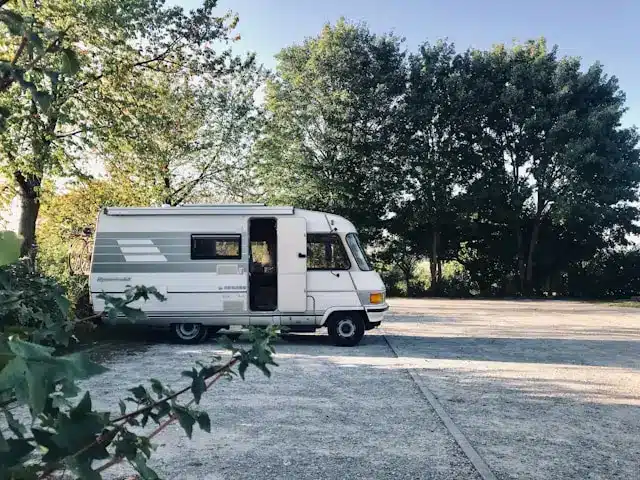
Traveling across the United States in your motorhome, camper, or campervan is exciting. It allows you to explore new places at your own pace. But finding a safe and legal place to park your motorhome can be a challenge.
Knowing the rules of motorhome parking is essential to avoid fines, towing, or conflicts with your neighbour. Planning where you’ll stay overnight or for extended trips makes your journey smoother and safer.
This article focuses on the legal aspects of motorhome parking, what “park anywhere” really means, how laws differ across regions, and what to expect in residential areas.
What Does “Parking Anywhere” Really Mean for Motorhomes?
The idea of being able to park a motorhome anywhere sounds appealing. Yet in practice, rules and regulations vary widely depending on where you are, so it helps to understand more about motorhomes in general before planning where to stay.
Public lands managed by the Bureau of Land Management (BLM) often allow dispersed camping with fewer restrictions, while urban areas and private properties are stricter. State parks and city ordinances add further variation.
Because laws differ across states, counties, and cities, it’s vital to research before you park outside a rest stop, car park, or residential street. By checking ahead, you can stay compliant and avoid unpleasant surprises.
Legal Restrictions: Where Can Motorhomes Park Overnight?
Motorhome parking is rarely as simple as pulling into the first open space you see. Overnight rules are shaped by federal, state, and local authorities, and each layer of law can affect where you’re allowed to stay.
Violating these rules may lead to fines, towing, or even unhappy encounters with law enforcement. Travelers who assume they can park outside anywhere risk cutting their trip short.
Federal, State & Local Parking Rules for Motorhomes
- Federal regulations: Most national parks only allow overnight stays within official campgrounds, not in random parking areas or along the road. Interstate rest areas fall under the Federal Highway Administration, which specifies they are for short-term safety breaks, not overnight camping. Even if you see a van or RV parked there late at night, it doesn’t mean it’s legally permitted.
- State laws: Rules differ sharply. Texas allows motorists to sleep at many rest stops, making it a favorite for cross-country travelers. In Florida, overnight camping is not permitted, but visitors may stay for up to three hours.
- Local ordinances: Cities and counties often impose stricter controls than the state. For example, San Diego Municipal Code requires permits for RV overnight parking and prohibits it between 2-6 AM. Some areas require permits for overnight stays, while others create designated RV zones. Even if you spot campervans or campers parked outside homes or businesses, don’t assume it’s legal. A single complaint from a neighbour can lead to enforcement action.
How Regulations Differ Across States & Cities
The patchwork of rules means that what’s acceptable in one area could cost you a fine in another.
- California: No overnight parking on highways or interstates, though some cities operate designated RV-friendly car parks. In tourist towns, RVers are usually directed to paid campgrounds.
- Nevada & Arizona: Both states are generally RV-friendly. Nevada’s BLM lands allow dispersed camping for up to 14 days in a 28-day period. Arizona also offers wide access to BLM and Forest Service lands, though ADOT rest area rules prohibit camping and campfires. Rural towns often remain welcoming, directing RVers to visitor centers or nearby public lands.
- East Coast states: Heavily urbanized areas like New York and Massachusetts often force RVers into licensed parks or official campsites. Overnight parking on city streets is almost always prohibited.
- International note (UK): Travelers who hire a motorhome abroad should be cautious. In the UK, it is generally illegal to park a motorhome or campervan overnight by the roadside, and visitors unfamiliar with RVs compared to motorhomes may find the rules confusing. Instead, drivers are directed to caravan parks, licensed campsites, or occasionally a pub car park that welcomes overnight guests.
Because the rules vary so widely, the best approach is to plan ahead and always get permission before settling in for the night. Checking local websites, contacting ranger stations, or asking business owners directly can save you from costly mistakes and ensure your travels remain stress-free.
Can You Park a Motorhome on Residential Streets or Driveways?
Parking at home may sound convenient, but residential rules are often stricter than those governing highways or public lands.
City ordinances, Homeowners’ Associations (HOAs), and even neighbour complaints can ultimately decide whether a motorhome is allowed on a street or driveway.
- Driveways: Some municipalities permit motorhomes in private driveways, provided they don’t block the footpath or create a safety hazard for pedestrians. However, others restrict vehicles over a certain length or height, requiring owners to store them in off-site facilities. Even when allowed, an HOA may impose stricter visibility rules, requiring that the vehicle be screened from the road or neighboring properties.
- Streets: Overnight parking on residential roads is often banned, especially in suburban neighborhoods with limited space. Where it is permitted, time limits or permit zones usually apply. Enforcement can be strict if a motorhome, van, or camper is parked outside too long.
- HOAs: Associations generally enforce tougher standards. Many require motorhomes to be hidden behind fences, stored in garages, or kept at off-site storage facilities. Failure to comply can result in fines or legal action.
Even if parking appears acceptable, a neighbour might still file a complaint, prompting a visit from local authorities. To avoid conflict, always check local ordinances, contact your HOA if applicable, and when in doubt, get permission in writing.
Motorhome Parking Rules on Public Lands (BLM, National Forests, State Parks)
Public lands remain among the most affordable and flexible options for RVers, campervans, and van travelers who want more freedom and wide-open space. Each land agency, however, has its own rules.
- BLM lands: Managed by the Bureau of Land Management, these cover more than 245 million acres across the western U.S. Dispersed camping is typically allowed, but stays are limited to 14 days in a 28-day period in one location. Sensitive areas may have extra restrictions to protect the environment.
- National Forests: Offer thousands of opportunities for motorhome parking, but with varying restrictions. Some areas have length limits, seasonal closures, or fire bans. It’s always best to contact the ranger station before arrival to confirm conditions.
- State Parks: These usually provide developed campsites with hookups, water, and sometimes dump stations. Reservations are often mandatory in peak season and can be made through portals like ReserveAmerica.
Regardless of location, travelers are expected to follow Leave No Trace practices: pack out trash, dispose of wastewater properly, and avoid damaging vegetation. These habits help keep lands open for future RVers and those who hire motorhomes for their adventures.
Can Motorhomes Park in Walmart, Cracker Barrel, or Retail Lots?
Retail parking lots are a popular choice for a night’s rest, but they should be viewed as a courtesy, not a guaranteed right.
- Walmart: Many locations permit overnight RV parking, but local laws and landlord agreements sometimes prohibit it. Always ask the store manager before you settle in.
- Cracker Barrel: Known for being RV-friendly, with designated parking areas at some restaurants. Even so, it’s best to get permission from staff as policies can differ by location.
- Other options: National chains like Cabela’s, Bass Pro Shops, Camping World, and Pilot/Flying J travel centers often provide RV-friendly parking areas, which can influence how well motorhomes hold their value over time.
When using a retail lot, follow basic etiquette: park neatly without spreading into multiple spaces, keep noise down, and support the business by making a purchase. If a pub or restaurant welcomes RVs overnight, buying a meal is a great way to show gratitude and ensure the practice continues.
Understanding City and State Regulations for Motorhome Parking
City governments frequently impose stricter regulations than states. Some cities require RV-specific permits, while others ban overnight motorhome parking within their limits entirely.
- Texas: State law permits overnight rest area parking, but local jurisdictions can impose added restrictions, so always check city websites.
- Florida: Urban overnight parking is heavily restricted, and RVers are typically directed to official campsites or licensed parks.
- UK comparison: Travelers who hire motorhomes abroad will find the rules very different. In the UK rules discourage roadside overnight parking for motorhomes unless signage permits, with Rule 239 directing drivers to off-street bays or official campsites. Most travelers are directed to caravan parks, official campsites, or occasionally a welcoming pub car park.
To stay compliant, always research ahead, confirm rules online, and when uncertain, get permission from local authorities or property managers.
How to Find Safe and Legal Places to Park a Motorhome
Finding a safe, legal spot isn’t something to leave to chance. Planning ahead saves stress, prevents fines, and ensures you’re not scrambling for space late at night on an unfamiliar road.
With the right tools, you’ll always have options at hand, whether you’re traveling across the U.S. or touring the UK in a hired motorhome.
Apps and Tools for Locating Overnight RV Parking
When you’re ready to hit the road, technology can make the difference between a stressful night and a smooth one. Several apps and websites are designed to help travelers locate safe and legal overnight parking:
- Good Sam: Provides extensive reviews of RV parks and campgrounds. It’s particularly helpful for those with a new motorhome looking for predictable, amenity-rich options. Discounts and hook-up details make it easy to plan longer stays.
- Allstays: One of the most comprehensive tools for mapping rest stops, truck stops, and official service stations. It also highlights places where you are allowed to park overnight versus those where you simply can’t park.
- Campendium & RV Parky: Community-driven platforms with honest feedback on locations, including accessibility, noise, and safety. They often point out if parking areas are poorly signed or if a barrier or signpost makes entry tricky for larger rigs.
- FreeCampsites.net: A must-use tool if you want to park for free. Many listings include notes on accessibility and warnings like “don’t park across two spaces.”
- iOverlander: Especially valuable for those touring in campervans or a van across Europe. In countries like France or Scotland, it lists official aires, pub stops, and even rules for parking outside your house versus roadside areas.
Together, these tools reduce the hassle of guessing where you can stop, help you stay insured by avoiding illegal parking, and make it easier to pull in and get some rest without worrying about fines.
Tips for Staying Compliant and Avoiding Fines
Even the best apps can’t replace common sense and awareness of local legislation. To avoid problems while traveling:
- Always get permission if signage is unclear, particularly at businesses or motorway service areas. Staff can advise you on where you are allowed to park.
- Don’t assume that being parked on the street overnight is legal. In many cities, you can’t park large RVs or sleep in your motorhome without a permit.
- Keep your RV self-contained unless staying at a campsite with facilities. Leaving behind human waste or trash is one of the fastest ways to lose goodwill in a community.
- Stay mindful of safety and accessibility. Don’t block entrances, emergency exits, or community driveways in an estate area.
- If you’re unsure, get in touch with local authorities or rangers before stopping. It saves time and prevents costly fines.
These habits not only protect the environment but also make it easier for future RVers to get some rest legally and without conflict.
Safety Considerations When Parking a Motorhome Anywhere
Safety should always be a priority, even when you’re legally parked, since proper care extends the average lifespan of a motorhome. Choosing the wrong spot can turn into a major hassle or even a liability issue if you’re not properly insured.
Choosing Well-Lit and Secure Areas
Always favor well-trafficked areas with ample lighting, CCTV surveillance, or even 24/7 staff presence. Visibility alone acts as a strong deterrent to vandalism or theft. Campgrounds, pub car parks, and motorway service stations are often good options in small towns, especially if other travelers or RVs are already parked there.
In contrast, remote pull-offs or hidden gravel lots behind buildings can expose you to unnecessary risk, especially if they’re isolated, poorly lit, or offer no cell signal.
If you’re staying in urban areas, aim for locations near security cameras or places that remain active throughout the night. Large retail chains or truck stops may also offer safer alternatives when formal campsites are not available, though always check local rules first.
Balancing Convenience With Safety Concerns
It’s tempting to stop at the first quiet place you find when fatigue sets in. But pulling into a dark layby or shoulder on a narrow road isn’t just risky, it’s potentially illegal. Fire hazards from nearby brush, fast-moving traffic, or even local wildlife can add layers of danger.
Before deciding to sleep, assess the area for obvious red flags, like “no overnight parking” signs, recent trash, or signs of loitering.
While free spots are appealing for budget-conscious travelers, a designated campsite with electric hook-ups, water access, and 24-hour access is often worth the modest fee. These facilities usually offer flat surfaces, trash disposal, and most importantly, peace of mind.
If you’re too tired to continue driving safely, stop at an official rest area or motorway service zone that legally allows overnight stays.
Motorhome Parking Etiquette: What Travelers Should Know
Even when you’re legally allowed to park, how you act makes a huge difference in community perception, which often affects whether owning a motorhome is worth it over time. Poor behavior by a few travelers creates stricter legislation and more “no camping” signposts for everyone else.
Respect Quiet Hours
Noise pollution is one of the top complaints from residents and other campers. Once the sun sets, keep things quiet: avoid playing music outside, shouting, or letting your generator run late into the night.
If you’re staying in a shared space like a pub parking lot or a rest area, remember that other drivers and families are likely nearby trying to rest.
Being courteous during nighttime hours not only helps everyone sleep better, it strengthens the unspoken agreement that travelers can co-exist with locals.
Don’t Dump Trash or Wastewater
Never dispose of greywater, blackwater, or trash improperly. What might seem like a quick and harmless act, like dumping a small bucket of dishwater can create long-term problems.
Unofficial dumping leads to environmental damage and frustrates local councils, which then respond with tighter restrictions.
Always locate official dump stations, whether at a paid campsite or a highway service stop. These areas are built to handle waste safely and help maintain access for the entire RV and motorhome community.
Support Businesses That Let You Park
If you’re parking somewhere with permission, like a restaurant, pub, or big-box store, show appreciation with your wallet. Buying a coffee, dinner, or even some fuel is a simple gesture that keeps the relationship mutually beneficial.
When RVers support the places that host them, business owners are more likely to continue offering their lots as safe and legal overnight options.
It’s a small price to pay for peace of mind, and it reinforces a culture of respect that benefits every motorhome traveler on the road.
Final Thoughts: Where Motorhomes Can and Cannot Park
Parking a motorhome isn’t about finding empty space, it’s about knowing the rules, respecting communities, and making smart choices.
From public lands to retail lots and official campsites, safe parking requires research, etiquette, and sometimes simply asking to get permission. When traveling abroad, remember that the UK and Europe enforce stricter rules for campervans and motorhomes, often requiring paid sites.
By following local laws, supporting businesses, and respecting neighbours, you’ll ensure motorhome travel remains stress-free. Whether you own or hire a van, the right approach makes every road trip smoother and keeps options open for future travellers.
At RecNation, we believe motorhome owners deserve peace of mind when it comes to safe, reliable parking. That’s why we offer secure, gated RV and motorhome storage across the country, many with wide turning lanes, drive-up access, and 24/7 security. Whether you’re parking for a week or a season, we’ve built our facilities around the real needs of RV travelers.
FAQ
Can I park my motorhome on the street overnight?
Overnight street parking for motorhomes depends on local laws. Some cities allow it, others require permits or ban it entirely. Always check local ordinances.
Are there apps that help me find a place to park my motorhome?
Yes. Apps like Allstays, Good Sam, iOverlander, and FreeCampsites.net help you find safe, legal spots to park your motorhome, from rest areas to campgrounds.
Can I park my motorhome in a driveway or on a residential street?
Rules vary widely. Some areas allow driveway parking; others restrict it due to zoning or HOA rules. Always check local laws and HOA guidelines.
What are the rules for parking a motorhome on public lands?
On public lands, rules depend on the agency. Some allow dispersed camping; others limit stays to developed campgrounds. Check BLM, USFS, or NPS policies.
Can I park my motorhome in a retail parking lot like Walmart?
Many Walmarts and Cracker Barrels allow motorhome stays, but policies vary. Always get permission from store management before parking overnight.
How can I ensure I’m parking my motorhome safely?
For safe parking, choose well-lit, visible spots with low traffic. Avoid isolated areas, check for security cameras, and always lock up before sleeping.