
Most Dangerous Cities to Drive in USA (2025 Report)
Driving in some U.S. cities is far riskier than others. Our 2025 report uncovers the most dangerous cities to drive, with insights on fatal crashes, DUIs, speeding, poor infrastructure, and the systemic risks drivers face daily.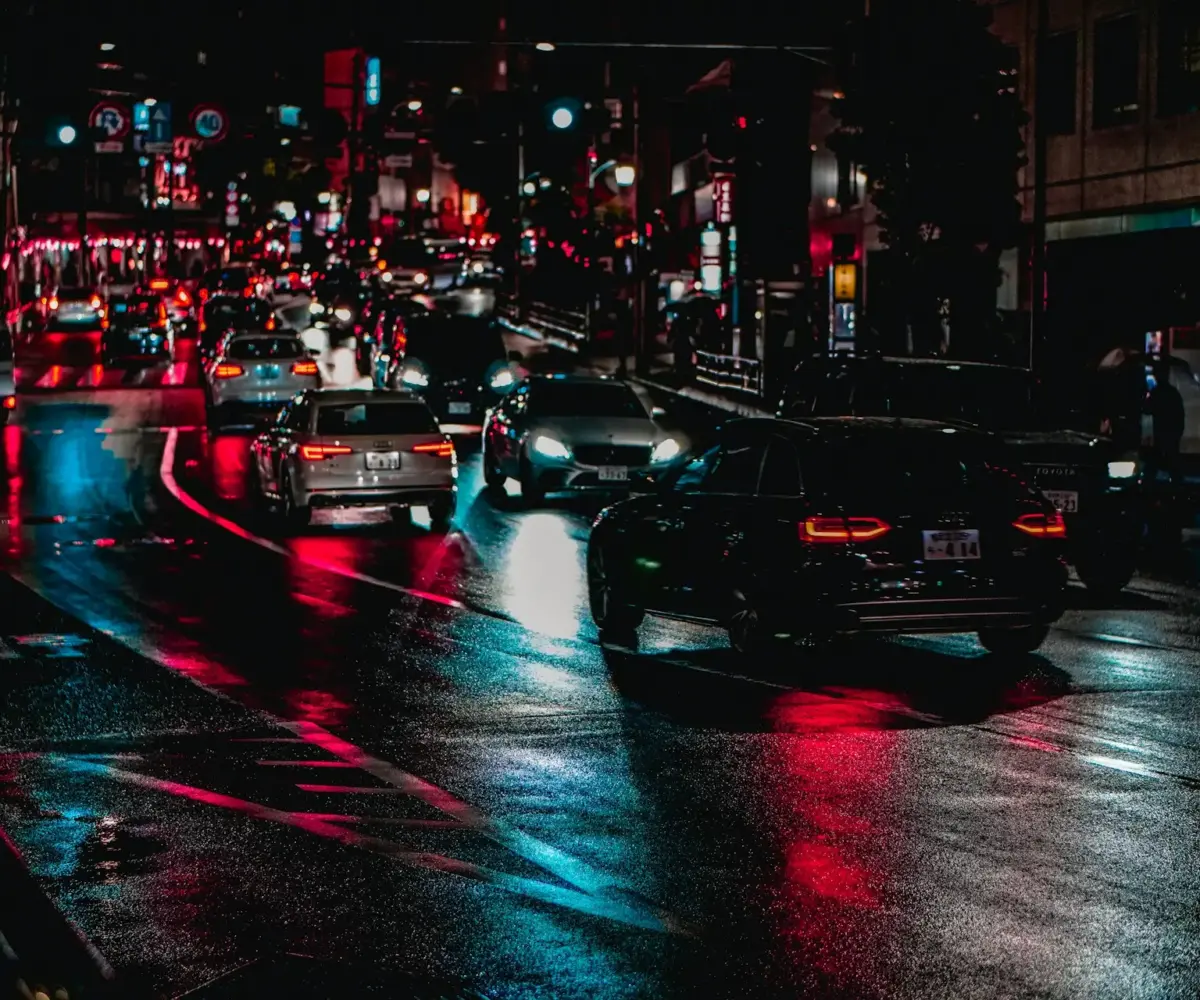
Not all roads are created equal and in some U.S. cities, driving can be downright dangerous. From fatal crashes and high DUI rates to poor infrastructure and unpredictable weather, certain metropolitan areas consistently rank among the riskiest places for motorists. But what exactly makes one city more dangerous than another?
In this 2025 report, we break down the most hazardous cities to drive in based on the latest federal and state-level crash data. We analyze factors such as per-capita fatalities, pedestrian deaths, speeding, DUIs, and systemic risks tied to infrastructure and law enforcement.
Whether you’re a fleet operator, insurance underwriter, or everyday commuter, this article will help you understand the cities where driving comes with the highest stakes and why.
Why Some US Cities Are More Dangerous for Drivers
When it comes to urban driving safety, city layout, driver behavior, climate, truck parking availability, and enforcement all converge to create very different levels of risk.
The cities with the highest crash rates often share similar underlying problems, from overloaded traffic grids to low levels of accountability for unsafe drivers.
High Traffic Density and Congestion
In cities where vehicle volume outpaces infrastructure capacity, collision risks rise sharply. The more drivers are squeezed into limited space, the greater the margin for error.
Congestion-related risk factors commonly seen in high-crash cities are:
- Stop-and-go traffic that increases rear-end collision risk.
- Inadequate merging lanes that cause aggressive lane shifts.
- Bottlenecks at intersections and highway exits.
- Longer emergency response times in gridlocked zones.
These challenges are especially common in older urban cores where the road network wasn’t designed for modern traffic volumes. Over time, chronic congestion contributes not only to higher accident rates, but also to driver frustration and reckless decisions.
Reckless Driving, Speeding, and DUIs
While infrastructure plays a role, human behavior remains the dominant cause of crashes. In cities with high DUI arrest rates and lax enforcement of speed or distraction laws, dangerous driving habits often go unchecked. These behaviors contribute disproportionately to fatalities.
The problem is not just isolated incidents, but systemic tolerance for unsafe driving creating environments where rule-breaking feels routine.
Cities with strong traffic enforcement programs tend to see lower fatal crash rates, a crucial intervention since speeding contributed to 12,151 fatalities in 2022, accounting for 29% of all traffic deaths, according to NHTSA.
Infrastructure Challenges and Weather Risks
Environmental conditions and road maintenance also influence crash outcomes. In cities with aging infrastructure, confusing road layouts, or frequent weather hazards, even cautious drivers are at elevated risk.
Examples of environmental and infrastructure-related dangers include:
- Poor drainage in flood-prone zones.
- Icy bridges and snow-covered roads in winter climates.
- Faded signage or worn road markings in high-speed areas.
- Malfunctioning or poorly timed traffic signals.
These hazards are often magnified in low-income areas where infrastructure upgrades are delayed. Together, they form invisible threats that undermine even the safest drivers.
Key Factors Behind the Most Dangerous Cities for Driving
Beyond raw crash data, dangerous cities often share deep-rooted design and enforcement problems that expose drivers to elevated risk especially during peak traffic or adverse weather. These systemic issues often persist year after year, making some cities consistently appear on the “most dangerous” lists.
Urban Layout and Highway Design Flaws
A poorly designed road system can create confusion, blind spots, and split-second decisions that lead to serious collisions. Many dangerous cities still rely on highway systems and city grids laid out decades ago before population spikes, suburban sprawl, and multi-modal traffic patterns emerged.
The table below compares the risks associated with safe road designs versus problematic ones.
| Design Feature | Safer Configuration | Risk-Prone Configuration |
| Intersection Layout | Signalized 4-way with visibility | Multi-lane, unsignalized, or confusing geometry |
| Exit Ramps | Gradual, extended merge lanes | Sharp turns or short ramps |
| Signage & Markings | Reflective, consistent, well-maintained | Faded lines, missing or confusing instructions |
| Lane Width | Standard 12–14 feet + shoulder | Narrow lanes with no buffer zones |
When combined with high traffic volumes, design flaws become persistent safety risks that can’t be solved with enforcement alone.
Inconsistent Traffic Law Enforcement
Even with laws on the books, enforcement remains uneven across the country. In some cities, police departments have deprioritized traffic patrols due to budget constraints or staffing shortages.
Many cities lack technology like red-light cameras or speed sensors that can automate deterrence. The impact is clear: red-light running happens frequently and is often deadly, with 1,086 people killed in related crashes in 2023.
Common enforcement gaps in high-risk cities:
- Minimal DUI checkpoints, especially on weekends or holidays.
- Lack of penalties for distracted driving (e.g., phone use).
- Poor enforcement of crosswalk and pedestrian right-of-way laws.
These enforcement blind spots create an implicit message: rule-breaking will likely go unpunished. The result is a normalization of high-risk behavior among drivers.
When accountability is weak, predictably dangerous patterns emerge and persist.
Limited Pedestrian Infrastructure
Cities that score poorly for driver safety often score even worse for pedestrian protection. Inadequate infrastructure results in more vehicle-pedestrian collisions, particularly away from intersections.
NHTSA data shows that 73% of all pedestrian fatalities occur at non-intersection locations, demonstrating a systemic failure to provide safe mid-block crossings or continuous sidewalks, many of them fatal.
Missing or insufficient pedestrian safety features in many cities include:
- Painted crosswalks without signals or flashing lights.
- Lack of pedestrian medians or safe waiting zones.
- No audible signals or countdown timers at intersections.
- Unprotected bike lanes mixed with heavy vehicle traffic.
This lack of infrastructure not only increases accident risk but also discourages walkability further increasing car dependency and congestion.
Most Dangerous Cities to Drive in USA: Latest Statistics
To identify the most dangerous cities for drivers, we analyzed crash-related data across multiple dimensions, not just total accidents. The cities in this report rank high for fatality rates, pedestrian deaths, DUI-related crashes, and reckless driving patterns.
This approach goes beyond surface-level numbers and reveals where drivers face the highest real-world risk.
Methodology: How We Ranked Danger Levels
To ensure a fair comparison, we used normalized data from national and state-level transportation agencies. The metrics evaluated include:
- Fatal crashes per 100,000 residents (from NHTSA, FMCSA).
- Pedestrian fatalities per 100,000 residents (sourced from city DOTs and Vision Zero reports).
- Incidents involving DUIs or speeding.
- Urban infrastructure risk markers (based on published city plans and highway safety reports).
All cities analyzed had populations over 250,000, and all rankings are based on 2022–2024 cumulative data to reflect consistent trends rather than outliers.
Fatal Crash Rates vs. National Averages
Some cities experience far higher per-capita fatal crash rates than the national baseline. These are not simply the most populated metros; they’re places where driving is inherently more dangerous due to behavioral and systemic risks.
In these cities, the number of fatal crashes is disproportionately high relative to population and total vehicle miles traveled. Many also show long-term failure to reduce collision rates despite increased enforcement or public safety campaigns.
For context, the national average fatality rate is around 12.9 deaths per 100,000 people. Cities on this list exceed that figure by 30–80%, often driven by local spikes in speeding, alcohol use, or lack of pedestrian protection.
The danger is not just in the number of crashes but in how likely they are to be deadly.
Pedestrian Fatalities in Major Metro Areas
Drivers aren’t the only ones at risk. In many dangerous cities, pedestrian deaths are rising particularly in high-traffic corridors where crosswalks, signals, and sidewalks are inadequate or ignored.
Common pedestrian risk zones include:
- Multi-lane urban arterials with no median or pedestrian refuge.
- School zones or transit hubs lacking crossing guards or signal timing.
- Downtown corridors with heavy nightlife and high DUI risk.
- Unlit intersections with poor signage or obstructed visibility.
When cities fail to protect pedestrians, fatal crash rates spike for both walkers and drivers. These patterns also reflect poor urban design where vehicle speed is prioritized over human safety.
In fact, some of the deadliest cities for pedestrians like Jacksonville, Florida or Albuquerque, New Mexico also rank high for driver-related fatalities, revealing a broader urban safety failure.
DUI and Speed-Related Crash Trends
Driving under the influence and excessive speeding remain two of the most common factors behind severe and fatal crashes across U.S. cities. Impaired judgment, delayed reaction times, and reckless speeds combine to increase both the likelihood and severity of collisions.
Many metro areas continue to struggle with recurring issues tied to alcohol, drugs, and aggressive driving behaviors. In some neighborhoods, speeding violations or impaired driving arrests cluster in predictable hotspots, underscoring how traffic safety challenges are not evenly distributed.
Despite years of enforcement campaigns and awareness programs, progress in curbing these risky behaviors has been uneven. The persistence of DUI and speeding incidents highlights the ongoing need for stronger education, targeted enforcement, and community-level strategies that address the environments where dangerous driving is most likely to occur.
Top 10 Most Dangerous Cities for Driving in the United States
These 10 cities rank among the most hazardous in America for drivers, based on fatal crash data, DUI and speeding incidents, distracted driving, and overall per-capita risk. Each presents unique dangers, but all share a common pattern: persistently high crash rates and systemic road safety challenges.
1. Albuquerque, New Mexico – Distracted Driving Capital
Albuquerque ranks as the most dangerous city in America for drivers, largely due to distracted and impaired driving. The city records the highest rate of fatal crashes involving distracted drivers, and alcohol plays a role in a large share of roadway deaths.
Long commutes across desert highways combined with limited transit options mean more people drive long distances, often while multitasking behind the wheel. Enforcement campaigns have tried to target DUI and texting while driving, but fatalities remain stubbornly high.
- Fatal crashes per 100,000 residents: 17.11
- People killed in fatal crashes: 18.11
- Distracted-driver involvement: 5.42
- Speeding-related fatalities: 5.56
- Drunk-driving fatalities: 4.67
2. Memphis, Tennessee – Highest Fatal Crash Rate Per Capita
Memphis consistently posts the highest per-capita traffic fatality rate among major U.S. cities. Aggressive driving, uninsured motorists, and poor roadway lighting make the risks even worse. Despite traffic task forces and safety awareness programs, speeding and alcohol-related crashes are widespread.
Memphis also struggles with pedestrian safety, as wide, fast-moving arterial roads cut through residential areas. The combination of risk factors has kept Memphis near the top of “worst driving” lists year after year.
- Fatal crashes per 100,000 residents: 24.18
- People killed in fatal crashes: 25.96
- Drunk-driver involvement: 7.50
- Distracted-driver involvement: 1.35
3. Detroit, Michigan – Speeding and DUI Combine
Detroit’s traffic risks are tied to a dangerous mix of speeding, alcohol, and aggressive behavior on the roads. Motorists often contend with deteriorating infrastructure; potholes, faded lane markings, and malfunctioning signals, that amplify the hazards of reckless driving.
High rates of red-light running and tailgating contribute to the city’s alarming fatal crash numbers. Despite investments in road repair and safety programs, Detroit continues to record some of the nation’s most deadly urban driving conditions.
- Fatal crashes per 100,000 residents: 19.76
- People killed in fatal crashes: 21.47
- Drunk-driver involvement: 6.54
- Speeding-related fatalities: 6.80
4. Tucson, Arizona – Elevated Crash and Fatality Risk
Tucson drivers face heightened risks from impaired and distracted driving. The city’s fatal crash rate far exceeds the national average, reflecting both dangerous driver behavior and pedestrian vulnerability. Long, wide roadways encourage speeding, while limited pedestrian crossings increase the likelihood of deadly collisions.
Heat, glare, and fatigue also factor into driver inattention on desert roads. Although awareness campaigns are underway, Tucson’s per-capita traffic deaths remain persistently high.
- Fatal crashes per 100,000 residents: 16.21
- People killed in fatal crashes: 17.02
5. Kansas City, Missouri – Speed-Related Crashes Dominate
Kansas City has one of the highest proportions of fatal crashes caused by speeding. Aggressive merging on interstates and drunk driving further push up fatality numbers. Complex highway designs and heavy truck traffic compound risks, making accidents more severe when they happen.
Insurance premiums in the metro area remain high due to frequent collisions. Local officials have prioritized road redesign and enforcement campaigns, but the impact has been limited so far.
- Fatal crashes per 100,000 residents: 15.71
- People killed in fatal crashes: 16.85
- Speeding-related fatalities: 7.07
- Drunk-driving fatalities: 5.34
6. Dallas, Texas – Persistent DUI Problem
Dallas ranks among the most dangerous large metros for DUI crashes. With sprawling highways, long commutes, and a culture of car dependency, the city records consistently high fatal crash rates. Speeding on the city’s vast freeway network further adds to the danger, especially at night.
Police enforcement targets drunk driving year-round, but alcohol continues to play a role in thousands of serious accidents. The city’s size and car culture make reducing fatalities especially challenging.
- Fatal crashes per 100,000 residents: 14.61
- People killed in fatal crashes: 15.77
- Drunk-driving involvement: 6.25
- Speeding-related fatalities: 5.69
7. Louisville, Kentucky – Hazardous Intersections Increase Collision Risk
Louisville drivers face high crash risks at intersections, especially those lacking modern safety features. T-bone crashes and collisions during left turns are common, while older neighborhoods still feature inconsistent lane markings. Distracted driving also plays a role in local fatality rates.
City engineers are gradually upgrading intersections and implementing Vision Zero strategies, but progress has been slow. Louisville’s fatal crash rate continues to exceed national averages.
- Fatal crashes per 100,000 residents: 14.25
- People killed in fatal crashes: 14.99
- Distracted-driving crashes: 1.47
8. Phoenix, Arizona – Aggressive Driving and Long Commutes
Phoenix is known for its sprawling roadways, long commutes, and heavy traffic, all of which feed aggressive driving behaviors. Tailgating, unsafe lane changes, and speeding are common, while desert heat and sun glare increase distraction and fatigue.
The city has launched driver education programs, but with more vehicles on the road each year, enforcement struggles to keep pace. Phoenix consistently posts above-average crash and fatality rates.
- Fatal crashes per 100,000 residents: 13.85
- People killed in fatal crashes: 14.59
9. Fort Worth, Texas – High DUI Involvement in Fatal Crashes
Fort Worth shares many of Dallas’s road safety challenges, but drunk driving plays an even larger role here in per-capita fatalities. Wide freeways, mixed traffic volumes, and heavy nighttime driving contribute to deadly crash patterns. Speeding compounds the issue, making accidents more severe. Public awareness campaigns exist, but DUI-related fatalities remain a stubborn problem for Fort Worth drivers.
- Drunk-driver involvement: 4.70
- Fatal crash rates consistently above national averages
10. Tampa, Florida – Speed and Sprawl Create Deadly Roads
Tampa rounds out the list with a fatal crash rate well above the national average. Sprawl forces longer commutes and higher vehicle dependency, while limited pedestrian protections create additional hazards. Speeding and alcohol play a role in many serious crashes, particularly on poorly lit suburban highways. Despite city-level safety programs, Tampa remains one of the riskiest cities for drivers in the Southeast.
- Fatal crashes per 100,000 residents: 14.47
- People killed in fatal crashes: 15.42
Smart traffic signals and congestion pricing have been proposed to reduce conflict points.
The Deadliest Cities to Drive in: Fatality Rates vs. Crash Totals
A city’s ranking as “deadly” depends on how crash data is measured. Some cities have a small population but high fatality rates, while others have more total crashes but lower per-capita death rates. This section explores the nuances behind those statistics.
Why Fatality Rate Doesn’t Always Reflect Crash Volume
Fatality rate refers to deaths per 100,000 people, not just the total number of crashes. This can make smaller cities with fewer total incidents seem disproportionately dangerous.
- Example: A city with 40 deaths and a population of 400,000 has a fatality rate of 10 per 100k.
- In contrast, a city with 80 deaths and 2 million people has a rate of just 4 per 100k; less deadly per capita, despite more fatalities.
- Small cities with poor infrastructure or enforcement may spike in per-capita deaths.
Fatality rate alone doesn’t tell the full story especially in metro areas with sprawling suburbs and commuter inflows.
Cities With High Crash Totals but Lower Per Capita Deaths
Larger cities often see more accidents overall, but stronger emergency response systems, road safety enforcement, and hospital access can lower the fatality outcome per incident.
- Los Angeles, New York City, and Houston top the charts for total crashes.
- These cities also have lower-than-expected fatality rates due to extensive trauma care access and safer vehicle design adoption.
- Higher traffic density means more fender-benders and low-speed collisions than fatal ones.
In raw numbers, these cities might look dangerous but relative to their populations, they often perform better than smaller metros with limited road safety investments.
Cities With the Worst Traffic Safety Records in America
While fatality rates measure deadliness, broader safety metrics reveal where systemic risks persist. High collision counts, DUI rates, and poor pedestrian safety enforcement create persistent dangers for drivers and vulnerable road users alike, similar to the contrast between long-term and short-term parking.
Cities With the Most Total Traffic Collisions
Cities with large urban populations and sprawling roadway networks naturally see more traffic incidents but infrastructure, enforcement, and driver behavior also play major roles.
- Los Angeles consistently reports more than 50,000 collisions per year.
- Houston, Phoenix, and Chicago also rank among the top for total crashes.
- High-speed arterials, distracted driving, and poor merging infrastructure contribute to accident clusters.
Despite modern infrastructure, large cities face growing challenges in managing crash volume as population and congestion rise.
DUI Arrest and Repeat-Offender Statistics
Driving under the influence remains a major contributor to roadway deaths and injuries particularly in cities with lax enforcement or high alcohol availability.
In 2023, there were 12,429 fatalities in alcohol-impaired crashes, representing 30% of all traffic fatalities.
Albuquerque has one of the highest DUI fatality rates per capita. Close to one-third of all DUI arrests involve repeat offenders, with prior DUI convictions increasing fatal accident risk by 4.1 times. Many cities struggle to enforce ignition interlock laws for repeat DUI offenders.
Where public transit options are limited, impaired driving becomes a greater risk highlighting the need for prevention campaigns and stricter laws.
Poor Pedestrian Safety Enforcement
Over the last decade (2013-2022), 61,459 people walking were killed, representing a 75% increase in pedestrian deaths since 2010. Many of the most dangerous cities for pedestrians lack basic safety features and enforcement strategies.
- Jacksonville, Florida, ranks among the top for pedestrian deaths per 100,000 residents.
- Few protected crosswalks, inadequate lighting, and multi-lane arterials with high speeds put pedestrians at risk.
- Enforcement often prioritizes vehicle flow over pedestrian protection.
Cities that invest in walkability and safe crossings see measurable improvements but many high-fatality cities lag behind in pedestrian-first planning.
Urban vs. Rural Driving Dangers: How Risks Differ
City driving and rural driving pose vastly different risks. While urban areas may have more frequent fender-benders, rural roads are often the setting for deadlier crashes due to speed, isolation, and infrastructure gaps.
Why Rural Roads Have Higher Fatality Rates
Though they see less traffic overall, rural roads account for a disproportionately high share of fatal accidents.
- Rural areas represent 19% of the U.S. population but account for nearly 45% of traffic fatalities.
- Limited road lighting and fewer divided highways increase risk.
- Single-vehicle and head-on crashes are more common in rural regions.
The lower volume of traffic doesn’t translate to safety. Rural crashes are more likely to be fatal than urban ones.
Speed, Isolation, and Delayed Emergency Response
Speed is a major factor in rural crash severity. Combined with geographic isolation, this significantly reduces crash survival odds.
- Long stretches of open road encourage higher speeds, often above posted limits.
- Fewer nearby hospitals or trauma centers mean longer wait times for lifesaving care.
- Emergency responders may take 20+ minutes longer to arrive at crash sites in rural areas.
The lack of immediate aid and higher-speed impacts contribute directly to rural road fatalities.
Differences in Seatbelt Use and Traffic Control
Seatbelt usage rates tend to be lower in rural areas, especially among younger and male drivers.
- According to NHTSA, seatbelt use is nearly 10% lower in rural communities compared to urban areas.
- Rural drivers often perceive less risk due to sparse traffic, leading to safety complacency.
- Urban areas have more structured traffic control, including stoplights, speed cameras, and pedestrian zones.
The absence of traffic calming measures in rural settings leaves more room for driver error and serious injury.
How Dangerous Cities Affect Car Insurance Premiums
Insurance premiums are directly tied to geographic risk factors. If you live or operate a fleet in a city known for collisions, DUIs, or thefts, expect to pay more both for personal auto and commercial fleet coverage.
Premiums in High-Risk ZIP Codes
Insurers calculate rates based on ZIP code-level data, which includes collision frequency, theft reports, and fraud claims.
- Cities like Detroit, Miami, and New Orleans often top the charts for most expensive personal auto premiums.
- Even safe drivers in high-risk areas can be penalized by overall claim rates and regional risk pools, just as cost factors for truck parking differ by location.
- Some ZIP codes see annual premiums that are 50–70% higher than national averages.
Living in a “bad driving city” affects your wallet, no matter how careful you are.
Risk-Based Pricing and Fleet Insurance Implications
Commercial policies are even more sensitive to risk data, especially for fleets operating in high-crash or theft-prone urban zones.
- Delivery and rideshare companies in cities like Los Angeles or Atlanta often face higher base rates.
- Fleet insurance considers frequency of use, accident hotspots, and time of day activity patterns.
- Companies can mitigate costs by adjusting routes, limiting night driving, or implementing driver safety programs.
Insurance for commercial vehicles is not just about the vehicle it’s about the operating environment.
Role of Driving Records and Telematics in Rate Adjustments
Modern insurance policies increasingly rely on driving behavior data, not just location.
- Telematics programs monitor speed, braking, acceleration, and even distracted driving.
- Drivers with clean records and consistent telematics performance may qualify for usage-based discounts.
- Fleets using ELDs and telematics platforms can reduce liability and demonstrate proactive risk management.
While dangerous cities raise the baseline, telematics can help lower individual or fleet premiums through real-time safety accountability.
Dangerous Times & Roads
Certain times of day and specific locations pose elevated risks for drivers regardless of how safe the city might be on average. Recognizing these patterns can help drivers stay alert and avoid preventable crashes.
Late-Night Crashes (DUIs)
Driving at night especially between midnight and 3 a.m. is one of the most dangerous periods on U.S. roads.
- A study reports that 62% of fatal crashes involving alcohol occur between 9 p.m. and 3 a.m.
- Bars closing hours often overlap with late-night crashes, especially on weekends.
- Impaired drivers are more common, and visibility is reduced, doubling the risk for pedestrians and cyclists.
Even in cities with lower total collisions, late-night roads can be disproportionately deadly due to alcohol-impaired driving and fatigue.
Holiday Weekends and Seasonal Spikes
National holidays are notorious for high accident rates, often due to a mix of road congestion, impaired drivers, and longer travel distances.
- Memorial Day, Fourth of July, and New Year’s Eve consistently rank as the deadliest days to drive.
- Thanksgiving weekend sees sharp spikes in drowsy driving and late-night returns.
- Winter in northern cities brings icy roads and limited daylight, while summer sees more teenage drivers on break.
Being aware of these seasonal and holiday-based risks can help drivers plan safer travel windows.
High-Risk Intersections in Major Cities
Many urban crashes cluster around just a handful of dangerous intersections especially those with poor visibility, high foot traffic, or complex multi-lane turns.
- In Los Angeles, the intersection of Slauson Ave & Western Ave has been cited as one of the city’s worst.
- Chicago’s Stony Island Ave corridor sees frequent multi-vehicle collisions.
- Houston’s Highway 6 and Bellaire Blvd intersection regularly reports high crash volumes due to speeding and aggressive lane changes.
Mapping and avoiding these known hotspots can significantly reduce your risk even in a high-crash city.
Staying Safe While Driving in High-Risk Cities
Even in cities with poor driving records, individual drivers can adopt practices that drastically reduce their accident risk. Awareness, preparation, and the right tools all play a role.
Defensive Driving Techniques in Urban Traffic
Urban environments demand constant awareness due to unpredictability from pedestrians, cyclists, rideshares, and aggressive drivers.
Key habits for staying safe include:
- Keeping a full vehicle length between you and the car ahead even in stop-and-go traffic.
- Actively scanning side streets and crosswalks for sudden movement.
- Avoiding last-minute lane changes, which can trigger collisions in tight traffic zones.
Defensive driving is the most consistent way to lower your accident risk in dense metro areas, while secured parking improves overall safety.
Avoiding High-Risk Times and Accident-Prone Roads
Smart scheduling and route planning can cut your risk in half.
- Avoid driving during late-night weekend hours when DUIs peak.
- Take alternate routes around high-crash intersections during rush hour.
- On holidays, leave early in the day and avoid return traffic surges late at night.
When possible, plan your drives to skirt both location and time-based danger zones.
Using Traffic Apps and Navigation Tools for Safety
Modern apps provide real-time insights into hazards, closures, and high-incident zones.
- Waze flags accident sites, speed traps, and traffic jams in real time.
- Google Maps integrates crash and construction alerts into dynamic rerouting.
- Smart dash cams and driver-assist tools can warn of sudden stops or dangerous maneuvers.
Using technology proactively gives drivers more control over their safety, even in unpredictable traffic conditions.
Conclusion: Navigating the Most Dangerous Places to Drive in the US
While no city is completely immune to traffic dangers, some present more daily risk than others through a combination of reckless driving culture, infrastructure gaps, and volume. However, knowing where and when these dangers peak helps drivers make smarter decisions.
Whether you live in a high-fatality rural county or a city with poor DUI enforcement, adopting defensive habits, staying informed, and respecting known risk patterns is your best defense. Driving smart is not just about staying legal it’s about staying alive.
At RecNation, we understand how local traffic safety impacts not just your daily commute, but also the security of your vehicles. That’s why our truck parking facilities are located in carefully selected and secure areas, offering peace of mind to those navigating the country’s most dangerous roads. When it comes to storing your vehicles safely, where you park matters just as much as where you drive.
Frequently Asked Questions
What makes a city dangerous for drivers compared to the national average?
Dangerous cities often have higher crash and fatality rates compared to the national average due to factors like reckless driving, poor infrastructure, and inconsistent enforcement. According to data from the NHTSA, cities with elevated DUI incidents, speeding, and pedestrian deaths tend to have significantly worse driving safety outcomes than national norms.
Are certain cities known for having more bad drivers or unsafe roads?
Yes. Cities like Fort Worth, Kansas City, and Oakland are frequently cited for a combination of poor infrastructure and a higher prevalence of bad drivers, including those who speed, tailgate, or drive under the influence.
How does speeding contribute to car accidents in dangerous cities?
Exceeding the speed limit is one of the leading causes of serious car accidents, especially in urban areas with dense traffic or complex intersections. In cities with minimal enforcement or poor road design, speeding often goes unchecked, increasing the risk of both driver and pedestrian fatalities.
What role does the National Highway Traffic Safety Administration play in monitoring driving risks?
The National Highway Traffic Safety Administration (NHTSA) collects and analyzes crash and fatality data across all 50 states. Their findings help identify national trends and city-level safety challenges.
Which U.S. cities currently stand out for their lack of safe driving conditions?
Based on recent crash data, cities like Glendale, Kansas City, and Fort Worth struggle with poor safe driving conditions. Factors include high DUI rates, speeding incidents, and infrastructure that fails to protect pedestrians.