
What Does a Self Storage Unit Cost? A Complete Pricing Guide
Storage unit costs in 2025 range from $20 to $300+ depending on size, features, and location. This guide explains average prices, climate-controlled options, seasonal trends, and tips to help you find the best self storage for your budget.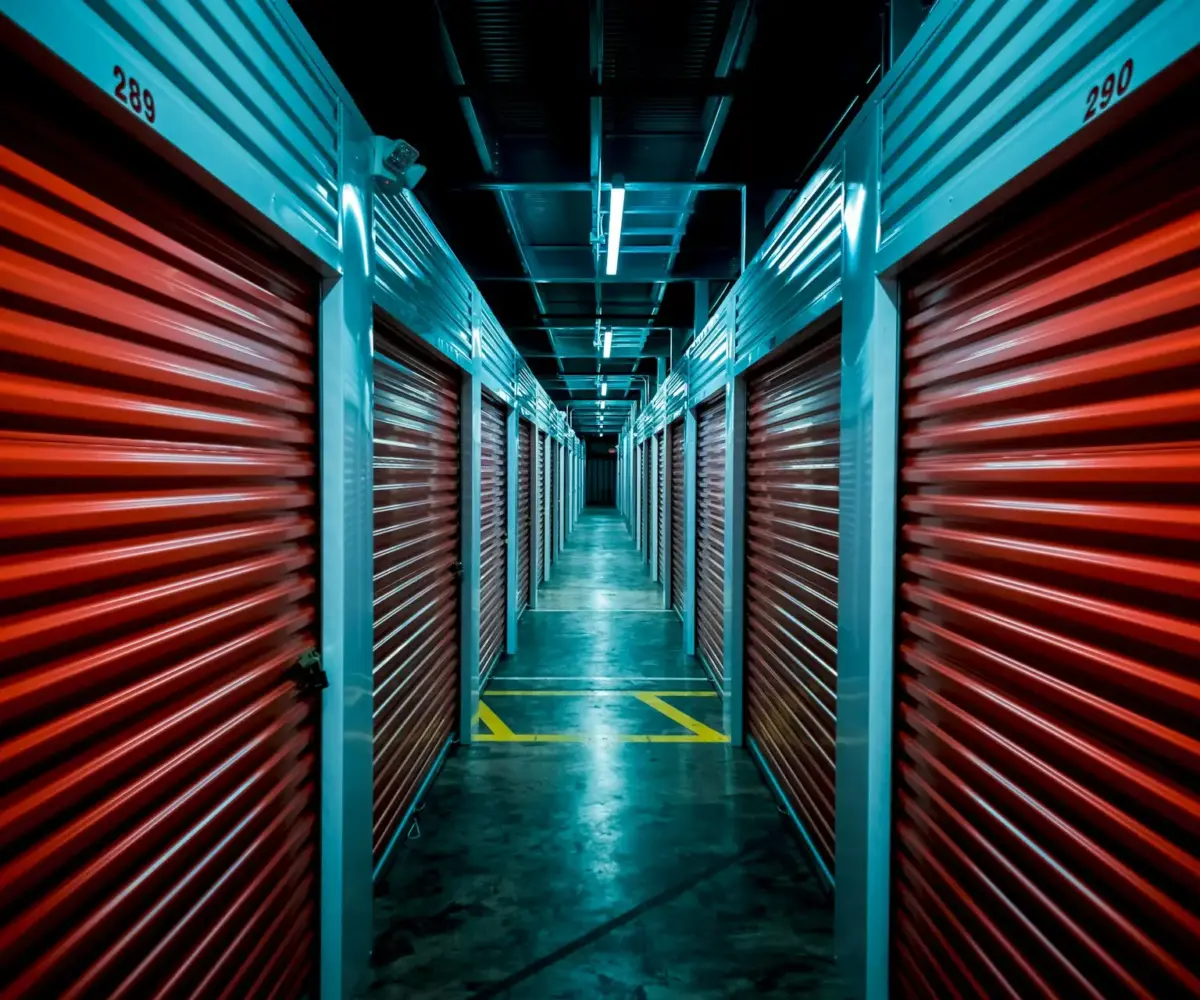
Storage unit prices across the U.S. vary widely depending on the unit size, features, and location. Whether you’re renting for a move, downsizing, or need military storage, knowing the average cost to rent helps you budget smarter.
While a basic unit may seem like an affordable storage unit, features like climate control, accessibility, and facility security can significantly affect the cost. From small lockers to medium storage units and large drive-up spaces, most storage facilities offer several unit sizes to fit your needs.
This guide breaks down the cost of renting, including what determines how much a storage unit will cost, how climate-controlled storage unit prices compare, and the key factors that affect storage unit pricing in 2025.
Understanding the Average Cost of a Self Storage Unit
The national average cost of a self-storage unit in the United States typically ranges between $100 and $150 in monthly storage fees. However, prices can be much lower or higher depending on the market. A small storage unit in a rural town may cost as little as $20 per month, while large urban spaces with climate control or vehicle storage features can exceed $300.
Recent industry research also shows how quickly costs can shift, CBRE reported that move-in rents rose by nearly 40% between mid-2020 and early 2022 as demand surged and vacancies fell.
Storage units are usually rented on a month-to-month basis, providing more flexibility than long-term leases. If you’re looking for storage units near your home or business, location will play a big role in pricing and availability.
| Storage Unit Size | Average Monthly Cost (Urban) | Average Monthly Cost (Rural) |
| 5×10 | $40–$70 | $25–$45 |
| 10×10 | $100–$180 | $60–$120 |
| 10×20 | $150–$300 | $90–$200 |
Disclaimer: All prices listed are average estimates based on 2025 national data. Actual rates may vary by location, facility, unit availability, and current promotions.
In addition to base rent, expect additional charges like deposits, admin fees, and required tenant insurance. Some facilities also increase rates after 3–6 months, so check for rate adjustment clauses.
How Storage Unit Size Affects Cost
Storage unit size is one of the largest pricing factors in your monthly storage cost. While a small storage space will be cheaper, it may limit how you organize and access your items. On the other hand, a larger unit gives you room to store furniture, equipment, or even bulk inventory.
| Unit Size | Typical Use | Price Range (Monthly) |
| 5×10 feet | Boxes, décor, small furniture | $75–$100 |
| 10×10 feet | One-bedroom apartment contents | $100–$150 |
| 10×20 feet | Full home or business storage | $240–$255 |
Note: These rates are intended as general benchmarks. Actual pricing may differ depending on your city, facility, or time of year.
For context, smaller 5×5 units often cost between $25–$60 per month and work well for boxes, dorm items, or seasonal décor. A 10×10 averages $100–$200 monthly and suits one-bedroom moves or renovations.
Larger 10×20 units, ranging from $200–$400, can store the contents of a full home or serve businesses with equipment and inventory needs. These examples show how unit size directly affects both cost and practicality, making it important to choose the right balance between budget and space.
Indoor vs. Outdoor Self Storage Costs
The price of a storage unit depends not only on size, but also on whether it’s located indoors or outdoors.
Indoor hallway units are inside secured buildings, offering better insulation, interior lighting, and protection from heat, cold, and moisture. They’re ideal for sensitive items like electronics, documents, or antiques. These units may cost more, but the added peace of mind can be worth it for long-term or valuable storage.
Outdoor drive-up units allow you to park right at the door, making them perfect for loading large furniture, contractor tools, or business inventory. They’re typically more affordable per square foot and offer quick, frequent access.
For vehicles, trailers, boats, or RVs, many facilities offer both covered and uncovered storage:
- Covered parking shields your vehicle from sun, rain, and hail, extending its lifespan.
- Uncovered spaces are cheaper and ideal for short-term storage or mild climates.
Typical Cost Ranges are shown in the table below:
| Unit Type | Size | Indoor Price Range | Outdoor Price Range |
| Small Unit | 5×10 | $60–$120/month | $45–$90/month |
| Vehicle Storage | N/A | Covered: $125–$200 | Uncovered: $75–$150 |
Your best choice depends on your storage needs, access frequency, budget, and the value of the items you’re storing.
Small Units (5×5, 5×10) and Their Price Range
Small storage units are perfect when you only need a little extra space, think of them as extensions of your closet or hallway. A 5×5 works well for boxes, totes, and small household items, while a 5×10 fits a loveseat, twin mattress, or bike.
Common Use Cases:
- Students storing dorm room items over break.
- Renters in transition between leases.
- Seasonal gear like holiday decorations or sports equipment.
- Archive boxes or hobby supplies.
Average Price Range:
- 5×5 unit: $25–$60/month
- 5×10 unit: $50–$100/month
Factors That Affect Pricing:
- Indoor vs. drive-up access.
- Whether the unit is climate-controlled.
- Local demand and facility amenities.
- Location: urban areas tend to cost more.
Note: All pricing figures are industry averages. Local prices may vary by region, demand, and facility amenities.
Planning Tip: Add vertical shelves to increase space efficiency. Store heavier boxes on the bottom and keep regularly accessed items at the front of the unit.
Medium Units (10×10, 10×15) and Their Price Range
Medium-sized units are ideal for apartment moves or combining households. A 10×10 is about the size of a small bedroom and can hold major furniture, while a 10×15 allows for larger appliances, desks, or long dressers without crowding.
Common Use Cases:
- Downsizing or staging a one- or two-bedroom apartment.
- Long-term storage during travel or overseas relocation.
- Small business equipment and inventory.
- Home renovation materials and tools.
Average Price Range:
- 10×10 unit: $100–$250/month (indoor), $50–$150/month (outdoor)
- 10×15 unit: $150–$375/month (indoor), $75–$225/month (outdoor)
Factors That Affect Pricing:
- Indoor hallway vs. drive-up convenience
- Climate control and lighting options
- Availability in high-demand areas
- Access hours and facility-level security
Note: These are general pricing guidelines and not guaranteed quotes. Always check with local facilities for up-to-date rates.
Medium units usually cost more than small units but reward you with easier organization, especially for families or businesses that use self storage more often. If you’ll access items regularly, leave a center aisle and consider shelving. The right plan protects belongings and saves time on every visit.
Large Units (10×20, 10×30) and Their Price Range
Large storage units are big enough for entire households or commercial use. A 10×20 can handle the contents of a 2–3 bedroom home, while a 10×30 accommodates larger moves, multiple vehicles, or business inventory at scale.
Common Use Cases:
- Storing full-home contents during a major move.
- Vehicle or trailer storage (cars, boats, motorcycles).
- Contractor equipment and palletized inventory.
- Overflow space for small businesses or eCommerce sellers.
Average Price Range:
- 10×20 unit: $200–$450/month (indoor), $120–$300/month (outdoor)
- 10×30 unit: $275–$600/month (indoor), $150–$400/month (outdoor)
Factors That Affect Pricing:
- Indoor climate control vs. outdoor drive-up.
- Whether the unit is vehicle-accessible.
- Local demand, especially in dense urban areas.
- Features like electrical access, wide doors, or 24/7 entry.
Note: Pricing can vary widely by location, unit condition, and whether climate control or access features are included.
Planning Tip: Use industrial shelving and pallet racks for heavy items. If storing a vehicle, leave space around it for maintenance access or battery checks. Always measure large furniture or trailers before booking.
What Does Climate-Controlled Self Storage Cost?
Climate-controlled storage keeps temperature and humidity stable year-round, making it ideal for electronics, wood furniture, artwork, and sensitive documents. These units cost more than standard options due to HVAC systems and added insulation.
The Self Storage Association’s industry surveys indicate that climate-controlled units command premium pricing averaging 40-60% above standard storage rates.
If you need storage for belongings that could be damaged by heat or moisture, the higher monthly storage rate is often worth the peace of mind.
| Unit Size | Avg. Monthly Cost (Non-Climate) | Avg. Monthly Cost (Climate-Controlled) |
| 5×5 | $40–$70 | $60–$100 |
| 10×10 | $100–$200 | $150–$300 |
| 10×15 | $150–$300 | $225–$450 |
Note: These figures are based on national averages for 2025. Costs can differ by facility and location.
Urban facilities usually charge more than suburban or rural ones. The cost per square foot is often higher in city cores, especially where climate control and vehicle storage are in high demand.
Location Matters: Self Storage Costs in Cities vs. Suburbs
When it comes to renting a self storage unit, location plays a major role in pricing. Urban and suburban facilities can offer very different values depending on your needs, especially when factoring in land costs, demand, and available amenities.
Storage units in cities typically come with higher monthly rates due to limited space and elevated demand, but that premium often includes extended access hours, stronger on-site security, and more climate-controlled options.
These features are valuable for customers who prioritize convenience, especially in dense areas where time and access are key. Studies of urban vs. suburban rental markets also show that higher land values in city cores are a major driver of pricing differences, which directly impacts self storage costs.
Suburban storage units, by contrast, are often more spacious and budget-friendly. Facilities in the suburbs tend to have larger footprints, allowing for more drive-up access, outdoor vehicle storage, and better unit availability at lower prices. If you’re storing long-term or need more square footage without frequent visits, suburban units offer excellent value.
Here’s a side-by-side look at how average monthly costs compare between city and suburban facilities for common storage unit sizes:
| Unit Size | Urban Average (Monthly) | Suburban Average (Monthly) |
| 5×5 | $40–$70 | $30–$50 |
| 10×10 | $100–$180 | $80–$140 |
| 10×15 | $150–$250 | $120–$200 |
Disclaimer: These prices are based on 2025 national averages. Actual rates will vary depending on location, facility features, availability, and seasonal demand.
How to Choose the Right Location for Your Storage Needs
When deciding between an urban or suburban facility, consider these key factors:
- Proximity to home or work: If you’ll visit your unit often, a closer city facility may be worth the premium.
- Size of the unit needed: Larger items or vehicle storage often require more space, which is easier to find affordably in the suburbs.
- Security and access hours: Urban locations may offer tighter security and longer access times, especially helpful for business storage or high-value items.
- Budget flexibility: Suburban units generally provide more space per dollar, making them ideal for long-term or larger-scale storage needs.
If your schedule is flexible, try touring both urban and suburban facilities before booking. The price difference can be significant and the features might surprise you.
Short-Term vs. Long-Term Self Storage Unit Costs
How long you rent your unit can significantly affect the monthly storage rate. Many renters focus only on the listed price without realizing how much they could save by choosing a longer-term lease.
Short-term rentals offer flexibility useful when you need storage temporarily during a move, renovation, or travel. However, they usually come with a cost per square foot that is higher than long-term rentals.
If you’re planning to store items for several months or more, especially if it’s a vehicle storage unit or a fully packed 10×20 it’s often smarter to explore prepayment options or long-term pricing tiers. Facilities are more likely to offer discounts when they know the space will stay occupied.
Discounts for Prepaying or Longer Leases
Many storage operators offer 5% to 15% off if you prepay multiple months in advance or sign a 6- or 12-month lease. These offers can significantly lower your effective rate especially in markets where the national average cost for standard units is already high.
Here’s how long-term discounts often break down:
| Lease Duration | Discount Offered | Average Monthly Cost |
| 3 months | 0% | $100 |
| 6 months | 5% | $95 |
| 12 months | 10% | $90 |
The savings add up quickly, especially if you’re renting a larger space or premium vehicle storage slot. Always ask how long the discount applies, and if any renewal terms are locked in. Some facilities let you combine move-in promotions with long-term pricing.
Beware of Rate Hikes After the First 3–6 Months
Many storage facilities introduce tenants with low “first-month” pricing but increase it soon after. On average, rental rates increase 3% to 8% within the first 3 to 6 months especially in areas with high average storage demand.
To avoid unexpected increases, ask for a written quote and renewal schedule. This is especially important if you’re committing to a small storage unit on a budget or storing items long-term like a second car, business records, or inherited furniture.
Seasonal and Demand-Based Price Fluctuations
Storage pricing tends to follow predictable seasonal cycles. According to the Moving Industry Trends report, search volumes for moving-related services peak during May-August, with July showing the highest interest for “residential moving.”
During the busy summer months, typically June through August, increased moving activity drives up demand and prices. If you’re searching for an average storage unit during this time, expect limited availability and fewer promotional offers.
In contrast, winter is considered the off-season for self storage facilities, especially from December to February, when fewer people move. During this period, you’ll likely see reduced base rent, waived fees, or even free-month incentives. If you’re flexible with timing, this is the best season to lock in low monthly cost in 2025.
Moving Season Peaks and Off-Season Savings
Self storage pricing doesn’t stay flat year-round. Just like airline tickets or hotel rooms, demand cycles play a huge role in how much you pay.
During the summer moving season (June through August), prices often climb the fastest. Families relocate when school is out, college students need temporary storage, and rental markets heat up. Facilities in metro areas and near college campuses experience the sharpest spikes, with smaller units like 5x10s and 10x10s in especially high demand.
By contrast, the off-season (December through February) tends to bring lower prices. Fewer people move during the winter months, which means storage facilities have more vacancies to fill. To attract tenants, operators frequently roll out discounts, waived fees, or first-month promotions.
If you’re flexible with your timing, taking advantage of off-peak seasons can save a significant amount, especially if you’re renting a larger unit or planning to store items long-term. Many renters lock in a reduced base rent during winter and continue paying that lower rate even as demand rises later in the year.
Additional Fees That Affect Storage Unit Prices
The base rent is only part of the equation. When calculating how much do storage units cost, you need to factor in fees for setup, access, and optional services. These costs vary by facility, but they can significantly affect your overall budget.
Ask for a full fee breakdown when comparing self storage facilities, and check which add-ons are optional versus required. Some operators offer bundled pricing that includes common extras like insurance, locks, and access charges.
Security Deposits and Insurance Costs
Most facilities require a security deposit to protect against damage or missed payments. This is typically refunded if the unit is returned clean and on time.
Additionally, storage insurance is often mandatory, so it’s important to know insurance costs of self storage depending on coverage.
Some tenants use personal renter’s insurance, while others purchase coverage directly through the facility.
| Insurance Coverage Level | Estimated Annual Cost |
| Basic ($1,000–$5,000) | $50–$150 |
| Standard ($5,000–$20,000) | $100–$300 |
| Premium ($20,000+) | $200–$500 |
If you’re storing expensive goods in a climate-controlled unit, opting for higher coverage is wise especially in locations prone to extreme temperatures or flooding.
Administration Fees and Access Charges
Admin fees cover account setup and can range from a modest one-time charge to a larger onboarding cost. Some facilities charge for after-hours access, replacement locks, or special services like package acceptance. Ask for a full fee list and see which fees can be waived with promotions.
| Type of Fee | Average Cost |
| Administration Fee | $20–$50 |
| After-hours Access Fee | $10–$25 per visit |
| Lock Purchase | $15–$30 |
How to Find the Best Self Storage Unit for Your Budget
To choose the best self storage facility, start by comparing online rates across several facilities in your target area. Follow up with in-person visits to evaluate cleanliness, lighting, unit access, and staff responsiveness. Seeing the site firsthand helps confirm that the value matches the price.
Smart renters don’t just go with the first listing. Take time to compare prices, evaluate facility quality, and understand the full cost structure before signing any agreement. Here’s how to get the most storage value for your money:
Compare Online Prices vs. In-Person Rates
Online listings are a great starting point, but they rarely show the full picture. Visiting a facility in person can reveal unlisted promos or better unit availability. Facility managers may also offer custom deals or clarify restrictions tied to online-only rates.
Key tips for this are:
- Confirming whether the online promo applies to the unit size you want.
- Asking how long the promo rate lasts and what the regular price is after that.
- Double-checking if the quoted rate includes required fees like insurance or lock purchase.
Look for Move-In Specials and Seasonal Discounts
Many storage facilities offer promotions to attract new renters. These often include:
- First month free
- 50% off for 2–3 months
- Free lock or waived admin fee
- Referral or loyalty bonuses
Sign up for email alerts or check local ads to catch limited-time deals. If your move-in date is flexible, consider aligning with seasonal dips in demand (often winter months) to unlock better pricing.
Negotiate for Lower Long-Term Rates
If you expect to store items for more than 3–6 months, ask about prepaid discounts or longer-term pricing tiers. Facilities are often more flexible if you’re committing upfront.
Negotiation tips include:
- Offering to prepay several months in exchange for a lower rate.
- Asking if longer commitments include perks like free 24-hour access or extra security features.
- Being courteous but direct, many managers have room to adjust pricing or throw in extras.
Final Thoughts: What You Should Expect to Pay for a Self Storage Unit
Start by creating a complete inventory of what you plan to store, whether it’s furniture, household boxes, seasonal gear, business equipment, or even large vehicles like RVs, boats, or trailers. This list gives you a clear idea of how much space you’ll need and helps you avoid underestimating the size of your unit.
For delicate or high-value items like electronics, wooden furniture, or artwork, consider a RecNation climate-controlled self storage units to prevent damage from temperature swings and humidity. If you’re storing heavy tools or vehicles, a drive-up unit makes loading and unloading faster and easier. And remember, choosing a unit with a little extra space ensures your belongings stay organized, protected, and easily accessible whenever you need them.
Frequently Asked Questions
Can I negotiate the cost of a self-storage unit?
Often yes, especially for long-term plans or prepayment. Managers may discount rates or offer add-ons if you commit to a longer stay.
How can I find the best self-storage unit for my budget?
Compare multiple facilities online and in person, then ask about move-in specials. Timing your rental for off-peak seasons can also lower your rate.
Are self-storage prices affected by seasonal demand?
Yes, summer move season usually raises rates and tightens availability. Winter months often bring incentives and better selection.
What should I consider when choosing a self-storage unit?
Weigh size, location, climate control, security, and access hours against your budget. Picking the right balance keeps belongings safe and costs manageable.