
How Much Does a Decent Motorhome Cost? Price Guide for 2025
In 2025, a decent motorhome can cost between $60,000 and $200,000 for Class B or C models, while luxury Class A rigs often exceed $500,000. Learn how class type, new vs. used, features, storage, and ongoing ownership costs shape the true price of a motorhome.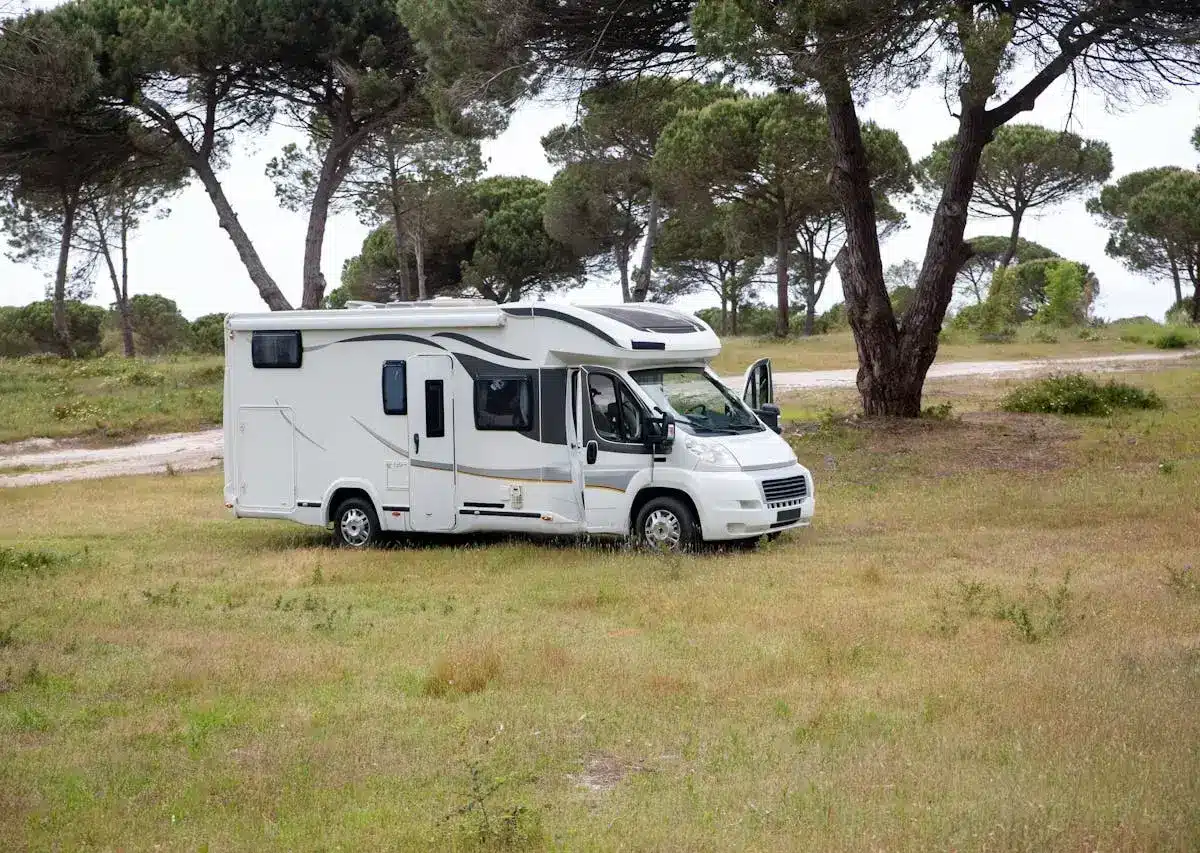
Buying a motorhome is a major lifestyle and financial decision. In 2025, the average motorhome cost in the United States continues to reflect growing demand, inflation in materials, and the evolution of RV technology.
While some models offer entry-level access to the RV lifestyle, others come packed with premium features, powerful diesel engines, and smart systems that rival residential homes.
Motorhome pricing isn’t just about the upfront purchase. Total ownership cost includes fuel efficiency, annual maintenance, insurance premiums, RV storage fees, and potential depreciation. Whether you’re a weekend traveler or planning full-time RV living, this guide breaks down what a “decent” motorhome really costs and what that price includes.
You’ll find class-by-class price ranges for 2025 models, comparisons of new vs. used costs by age bracket, and tips on how to budget for both purchase and long-term ownership.
What Counts as a ‘Decent’ Motorhome?
A “decent” motorhome in 2025 refers to a unit that offers a solid blend of livability, dependability, and cost-efficiency, reflecting the standards found in modern motorhome essentials.
It doesn’t need to be top-of-the-line, but it should meet the essential standards for comfort, mobility, and safety especially for extended trips.
Defining Comfort, Reliability, and Entry-Level Standards
Here’s what a well-rounded, decent motorhome typically includes:
- Comfort: A livable floor plan with room to move, dine, and sleep. Expect at least one slide-out for added interior space, soft-touch upholstery, and climate control (heating and air conditioning).
- Reliability: A proven gas or diesel engine platform (e.g., Ford Triton V10, Mercedes-Benz Sprinter, or Freightliner chassis), a consistent maintenance record, and availability of service centers across the country.
- Basic Standards: A functioning bathroom (wet or dry), fully equipped kitchen (stove, microwave, fridge), convertible dinette or separate seating, and modern safety systems (rear cameras, ABS, electronic stability control).
A decent model should also provide:
- Sleeping capacity for 2–4 people minimum.
- 30- or 50-amp electrical hookups and freshwater tanks.
- Working gray and black water systems.
- Easy-to-use controls and a reliable generator or solar setup.
Balancing Budget with Features and Quality
In 2025, price gaps between motorhome trims and packages are wide. Your goal is to find the sweet spot between price and performance:
- Set a hard budget ceiling before shopping, remember to include tax, title, and delivery fees.
- Prioritize non-negotiables, such as climate control, reliable appliances, and driveability.
- Compared to trims, many entry-level models now include solar prep, backup cameras, and lithium-ready battery systems.
- Look beyond MSRP, factor in ongoing costs like fuel (Class A diesel vs Class B gas), storage ($100–$200/month), insurance ($800–$2,000/year), and routine maintenance.
Average Cost of a Motorhome in the USA
The average cost of a motorhome in the U.S. varies dramatically based on class (A, B, C), size, brand, chassis type, floor plan complexity, and optional upgrades.
In 2025, rising labor costs and supply chain pressures have pushed entry-level prices higher, but used inventory remains strong and often presents better value for budget-conscious buyers.
Price Range for New Motorhomes in 2025
Below is a table summarizing Jayco RV types, complete with price ranges, trim tiers, brief descriptions, and source links:
| Tier | Price Range | Description | RV Type / Model | Starting Price Range |
| Entry-Level | $20,000 – $80,000 | Compact Class B or C models with basic finishes, gas engines, and minimal slide-outs | Travel Trailers | $20,243 |
| Mid-Range | $50,000 – $150,000 | Well-equipped Class C or diesel Class B models with upgraded interiors, solar prep, and smart controls | Fifth Wheels | $50,243 – $52,125 |
| Luxury | $110,000 – $300,000 | Diesel Class A motorhomes with residential finishes, multiple slides, full-body paint, and advanced energy systems | Class C Motorhomes | ~$110,000 to $230,000 |
| High-End Luxury | $200,000 – $500,000+ | Custom Class A coaches with premium drivetrains and integrated automation | Class A Motorhomes | Starting at $214,568 |
Note: All prices and tier descriptions are based on Jayco’s official website product pages and known industry standards.
Several other leading RV manufacturers provide offerings comparable to Jayco’s lineup, catering to a wide range of budgets and preferences.
Forest River boasts an extensive portfolio of travel trailers and motorhomes, with entry-level travel trailers priced around $20,000 and luxury motorhomes exceeding $300,000. Winnebago specializes in durable Class B and C motorhomes typically ranging from $120,000 to over $200,000, reflecting a balance of performance and comfort.
Thor Motor Coach offers an array of Class A and Class C motorhomes, with pricing starting near $90,000 for entry-level models and rising above $250,000 for premium options. Coachmen caters to mid-range buyers with models typically between $60,000 and $150,000.
Finally, Airstream stands out for its premium travel trailers and Class B motorhomes, featuring prices from approximately $80,000 to well over $200,000. Through this diverse range, consumers can find options that suit both budget-conscious and luxury-oriented RV buyers.
Cost of New vs. Used Motorhomes by Age Bracket
Depreciation affects RVs rapidly in the first 3–5 years. However, a well-maintained motorhome stored properly and serviced regularly can retain good resale value for a decade or longer.
Many RV shoppers in 2025 are turning to used models between 4–7 years old, where major depreciation has already occurred, but systems are still modern and roadworthy.
| Age Bracket | Estimated New Price (2025) | Typical Used Price |
| 0–3 years | $60,000 – $150,000+ | $120,000 – $140,000+ |
| 4–7 years | N/A (new no longer available) | $70,000 – $100,000 |
| 8+ years | N/A | $50,000 – $80,000 |
Certified pre-owned motorhomes sold by major dealers may cost more but include warranty coverage, full inspections, and financing support.
RecNation Tip: Always request maintenance records, inspect seals, and check roof and undercarriage condition when buying used. A small leak or neglected diesel engine issue can cost thousands to repair.
How Much Does a Decent Motorhome Cost by Class?
Motorhome prices vary dramatically depending on the class, size, features, and intended use. Each class caters to different travel styles, passenger needs, and comfort expectations.
In 2025, advancements in materials, smart tech, and drivetrain efficiency continue to shape pricing across Class A, B, and C models.
Luxury on Wheels: Class A Motorhomes
Class A motorhomes represent the pinnacle of RV travel. Built on commercial bus or custom chassis, these large coaches are designed for full-time living or extended travel in complete comfort. Most models measure between 30 and 45 feet and come in both gas and diesel engine options.
- Price Range: $200,000 to over $500,000
- Engine Type: High-torque gas or diesel pushers, often with air suspension
Key features include residential-grade kitchens and bathrooms, slide-outs for expanded living space, heated tile floors, solid-surface countertops, electric fireplaces, integrated solar and inverter systems, and advanced driver assistance with touchscreen cockpit controls.
Class A rigs are ideal for families, retirees, or full-timers who want high-end amenities and long-term comfort on the road. The tradeoff is lower fuel efficiency and more demanding maintenance requirements.
Compact yet Costly: Class B Campervans
Class B motorhomes, or campervans, are built on van chassis such as the Mercedes Sprinter, Ford Transit, or Ram ProMaster. They are valued for their compact footprint, ease of driving, and superior fuel efficiency. These RVs appeal to solo travelers, couples, and digital nomads seeking a minimalist yet functional setup.
- Price Range: $60,000 to $150,000+
- Engine Type: Efficient gasoline or diesel engines with high MPG
Common features include compact kitchens with two-burner stoves, small fridges, microwaves, convertible beds, wet baths, overhead storage, solar panels, lithium batteries, and off-grid power setups. Some models include swivel seats or pop-tops for added vertical space.
Despite their size, Class B vans are often more expensive per square foot than larger RVs because of their precision fabrication and efficient design.
Mid-Range Marvels: Class C Motorhomes
Class C motorhomes strike a balance between livability and drivability. Built on a truck or van chassis with a distinctive cab-over section, these RVs often range from 20 to 33 feet and are considered ideal for families and first-time buyers.
- Price Range: $110,000 to $200,000
- Engine Type: Gasoline or diesel with moderate fuel economy
Features usually include sleeping space for four to six people, full bathrooms, kitchens with counter space, flat-tow capabilities for cars or trailers, and easy access to service at commercial truck centers.
Their layout efficiency and price point make them a top choice for weekenders and vacationing families. For many buyers, Class C RVs represent the best blend of comfort, cost, and usability.
Additional Costs Beyond the Purchase Price
The sticker price only tells part of the story. To understand your true motorhome budget, you must factor in ongoing expenses that vary by usage pattern, region, and RV class.
Insurance, Registration, and Taxes
Insurance typically ranges between $800 and $2,000 annually depending on RV value, location, storage type, and driving record.
Registration fees vary by state, with some charging flat amounts between $50 and $100, while others assess value-based or weight-based fees up to $500 or more.
Some states, like Texas, also impose sales or personal property taxes of 6 to 10 percent. Storing your motorhome in secure, gated facilities often helps reduce insurance premiums.
Note: Insurance and registration costs differ by state and personal driving profile. Always confirm your state’s tax policies and ask insurers about discounts for secure storage.
Fuel Efficiency and Operating Costs
Fuel is a major ongoing cost. Your total expense depends on class, driving habits, and mileage. Here’s what to expect based on 15,000 miles per year at $5 per gallon:
| Motorhome Class | Average MPG | Annual Fuel Cost |
| Class A | 8–10 MPG | $2,500–$3,750 |
| Class B | 18–25 MPG | $1,200–$1,667 |
| Class C | 12–15 MPG | $1,667–$2,500 |
Class A diesel pushers are more expensive to fuel but offer longer lifespans with proper upkeep.
Note: Fuel cost estimates are based on $5 per gallon and 15,000 miles per year. Actual costs will change with fuel price fluctuations, mileage, and driving conditions.
Maintenance and Repair Expenses
Regular maintenance includes oil changes, brake checks, battery inspections, appliance service, and roof resealing. On average, expect to spend 1 to 3 percent of your RV’s value annually on upkeep. For example, a $100,000 motorhome may require $1,000 to $3,000 per year.
Typical repair and service costs include oil changes at $100–$150, diesel engine service at $300–$700, roof resealing at $500–$1,500, and appliance repairs from $200 to $1,000.
Class A diesel models have higher maintenance costs but often run longer when serviced routinely.
Note: Annual maintenance usually runs 1–3% of your RV’s value. Actual costs vary by RV model, usage, and service needs. Get quotes for your specific vehicle.
Storage and Campground Fees
Storage rates vary by region and type. Outdoor RV storage typically costs between $50 and $150 per month. Covered or climate-controlled indoor options can range from $150 to $400 monthly.
Nightly campground fees also add up. Basic sites with water and power hookups may run $20 to $40 per night. Full-service resort-style sites may range from $40 to $100+ per night, depending on location and amenities.
Note: Rates differ by location, season, and facility. Confirm with local providers before planning. At RecNation, our gated, camera-monitored locations across the U.S. give you peace of mind and maintenance-friendly access, ensuring your RV stays in top condition between trips.
Factors That Influence Motorhome Pricing
Several inputs shape the final price you pay for a motorhome. From brand and build quality to features, model year, resale value, and even knowing when to buy a motorhome for the best deal, each decision point affects your overall budget and long-term satisfaction.
Brand Reputation and Build Quality
Reputable manufacturers like Tiffin, Newmar, Winnebago, and Airstream often command higher prices because of their proven build quality, customer service, and dealer support.
These brands typically use better materials, offer longer warranties, and have well-established service networks nationwide.
Construction methods such as welded aluminum framing or vacuum-bonded sidewalls also improve longevity and resale value.
New vs. Older Model Years
Newer motorhomes come with updated safety features, improved emissions systems, and modern technology such as solar power integration and energy-efficient appliances.
However, they carry a higher sticker price and depreciate quickly especially within the first two years.
Well-maintained older models can offer excellent value for buyers willing to inspect thoroughly and budget for occasional repairs, though it’s also important to consider if motorhomes hold their value over time. They tend to hold value more steadily and may include upgrades installed by previous owners.
Features Like Slide-Outs, Solar Setups, and Luxury Interiors
Slide-outs increase living space and are common in mid- to high-end Class A and C motorhomes. Solar systems with lithium batteries support off-grid camping and reduce the need for noisy generators. Luxury interiors with leather seating, smart TVs, solid-surface counters, and ambient lighting elevate comfort but increase cost.
Choosing the right features depends on your travel goals and how frequently you’ll use the RV. Occasional vacationers may not need every upgrade, but those planning extended trips should weigh how features contribute to both comfort and the lifespan of motorhomes over years of use.
Cost Comparison: Motorhomes vs. Towable RVs
If you’re comparing a motorhome with towable RV types, consider not just purchase price but total ownership cost, mobility, and fuel impact.
Travel Trailers as an Affordable Alternative
Travel trailers are typically the most budget-friendly RVs. Entry-level units start around $10,000, while premium builds with slide-outs and full kitchens can exceed $50,000.
They require a tow vehicle, but you gain flexibility by parking the trailer at your campsite and using the vehicle for day trips.
Fifth Wheels vs. Motorhomes
Fifth wheels use a gooseneck hitch mounted in the bed of a pickup truck. This provides added stability and more living space. Prices range from $30,000 to over $100,000.
In contrast, motorhomes are self-powered and easier to relocate frequently but require more upkeep and have lower fuel efficiency. Fifth wheels are great for long stays, while motorhomes suit road trippers moving often.
This cost overview table compares RV types by price, fuel efficiency, and maintenance expenses at a glance:
| RV Type | Price Range | Fuel Efficiency | Maintenance Cost |
| Travel Trailers | $10,000 – $50,000+ | Depends on tow vehicle | Lower |
| Fifth Wheels | $30,000 – $100,000+ | Depends on tow vehicle | Moderate |
| Motorhomes | $50,000 – $1,000,000+ | Lower (due to size and weight) | Higher |
Note: Prices, fuel efficiency, and maintenance costs vary widely by brand, model, and usage. Always compare specs and consult dealers directly.
Tips for Getting the Best Value on a Motorhome
Buying a motorhome is a major decision, and much of the value depends on when you choose to make the purchase. You can save thousands by timing your purchase right and comparing features that matter most.
Buying New vs. Certified Pre-Owned
New motorhomes offer the latest tech, better energy systems, and full manufacturer warranties. However they depreciate quickly, sometimes by 20% in the first year.
Certified pre-owned (CPO) RVs are inspected, often come with extended warranties, and cost less up front. They’re ideal if you want peace of mind without the new-RV price tag.
| Feature | Buying New | Certified Pre-Owned |
| Latest Features | Yes | Often |
| Manufacturer Warranty | Yes | Sometimes |
| Depreciation Rate | High | Slower |
| Price | Higher | Lower |
Best Times of Year to Buy an RV
Timing plays a major role in pricing. End-of-season months (September through November) often bring markdowns as dealers try to clear inventory before winter. Similarly, off-season periods (January to March) are slower for sales, giving buyers more leverage to negotiate.
RV shows and expos are also excellent opportunities to find competitive pricing, bundle discounts, and show-only deals directly from manufacturers and dealerships. Some sellers even offer free upgrades, extended warranties, or waived delivery fees during these events.
Negotiating with Dealers and Private Sellers
Strong negotiation skills can significantly lower your total purchase cost. When working with a dealer:
- Research the fair market value of the model you’re considering using trusted sources like NADA guides.
- Request an itemized quote, including price, dealer prep fees, taxes, and included accessories.
- Ask about incentives such as free storage, maintenance packages, or extended service plans.
For private sellers:
- Request full service records and ownership history.
- Hire a third-party inspector to assess mechanical condition and look for hidden issues.
- Negotiate based on condition, mileage, and comparable listings in your area.
In both cases, it’s important to focus on the total cost of ownership, not just the sticker price, to judge if a motorhome is worth the investment. A slightly more expensive unit with fewer maintenance needs or better fuel economy may ultimately be the better long-term value.
Regional Price Differences in the USA
Motorhome prices across the U.S. can vary by as much as 15% to 25% depending on where you shop. These regional discrepancies are driven by local demand, cost of doing business, and the concentration of dealers or manufacturers.
Metro/High-Demand Areas
Popular RV hubs like Southern California, Central Florida, and Texas’s I-35 corridor often have the highest sticker prices.
In 2024, RV Trader listings in Los Angeles averaged $168,000 for Class A models, nearly 20% more than comparable listings in the Midwest. Several factors push prices up in these areas:
- Higher demand from snowbirds, retirees, and vacationing families.
- Tourist-driven markup in dealership-heavy zones near national parks or coastlines.
- Access to premium brands and high-end customization from major vendors.
- Limited off-season deals due to consistent year-round traffic.
States with no income tax like Texas and Florida also attract full-timers, but that popularity fuels higher local pricing especially near urban areas like Dallas-Fort Worth and Tampa.
Lower-Cost Rural Areas
In contrast, rural regions in the Midwest, Great Plains, and Mountain West often offer lower base prices and deeper negotiation opportunities. Markets like Iowa, Nebraska, Idaho, and northern Michigan frequently list Class C motorhomes for 10–15% less than national averages.
While inventory may be more limited, dealers in these areas are motivated to move stock quickly. Buyers can benefit from:
- End-of-season sales due to harsh winter climates.
- Lower overhead costs at rural dealerships.
- More flexible pricing for cash offers or bundled upgrades.
Keep in mind that savings in these areas may be offset by transport costs or delivery logistics if you’re located out of state. Before committing, factor in fuel, temporary insurance, title transfer fees, and return transportation when calculating true cost.
Motorhome Market Outlook for 2025
The RV market in 2025 is navigating a complex landscape shaped by elevated production costs and accelerating innovation. While prices remain high across most vehicle classes, growing interest in compact, energy-efficient motorhomes is reshaping buyer preferences.
Supply Chain and Inflation Effects
Although global supply chains have seen some relief since their peak disruption, motorhome pricing remains elevated due to continued inflation in raw materials, manufacturing components, and labor. Essential build materials like metals, batteries, and electrical systems are still impacted by sourcing challenges and increased demand.
Labor shortages among skilled workers in RV assembly, cabinetry, and technical servicing are contributing to longer lead times and higher maintenance costs. This directly affects the maintenance of motorhome fleets, as owners face longer waits for parts and higher service charges when routine repairs or upgrades are needed.
These inflationary pressures affect not only the upfront price but also long-term ownership costs, especially for those relying on dealer service networks. According to Thor Industries’ Q2 2025 earnings report, new tariffs and rising input costs are still pressuring the RV supply chain, keeping retail prices higher than pre-pandemic levels.
Rising Popularity of Class B Campervans
Compact campervans are experiencing strong demand growth, largely driven by their practicality and appeal to modern lifestyles. These models are easier to park, maneuver, and store than larger motorhomes, making them ideal for travelers who frequently visit cities or have limited driveway space.
Many new designs prioritize off-grid capability, featuring energy systems that support extended stays without hookups. Their interiors often include multipurpose layouts, convertible sleeping areas, and work-from-anywhere features, aligning with the needs of digital nomads and weekend adventurers alike.
This surge in popularity is also influencing how manufacturers design features, placing greater emphasis on mobile flexibility, fuel efficiency, and smart space usage. Data from the RV Industry Association’s March 2025 shipment report shows Class B van campers holding steady, underscoring that even in a slower overall market, demand for compact, versatile RVs remains strong.
EV and Hybrid Motorhomes on the Horizon
The transition toward electric and hybrid motorhomes is slowly gaining momentum. Several manufacturers have introduced early-stage concepts that experiment with battery-electric drivetrains or hybrid systems. These prototypes promise quieter operation, cleaner energy use, and lower mechanical complexity over time.
While still in development, the appeal of electric RVs lies in their potential to reduce carbon emissions and operating costs. However, limitations remain significant, especially around battery range, charging infrastructure, and payload capacity.
Current models are not yet ready for widespread adoption, but progress in this space is closely watched by both eco-conscious travelers and forward-thinking RV brands. A concrete example is Pebble’s Flow EV travel trailer, which carries a 45 kWh battery for off-grid power and towing assist, showing how electrification is beginning to reshape the RV sector.
Conclusion: How Much Should You Budget for a Decent Motorhome?
A decent motorhome cost depends on class, features, and brand. Many buyers will find workable budgets between $60,000 and $200,000 for new Class B or Class C models, while luxury Class A coaches can exceed $500,000. Set a total ownership budget that includes insurance, taxes, fuel, maintenance, storage, and campground fees.
If you need secure RV storage to protect your investment and manage costs between trips, RecNation offers convenient storage options that support your plans for 2025 and beyond.
RecNation’s nationwide network of gated, camera-monitored motorhome storage facilities offers Class A, B, and C motorhome owners safe, accessible locations with online account management and maintenance-friendly layouts.
No matter your RV class, planning ahead with a full-picture budget will help you buy smarter and travel with confidence in 2025 and beyond.
Frequently Asked Questions
What is the average cost of a new motorhome?
Most new Class B and C motorhomes cost between $60,000 and $200,000. Class A luxury models can exceed $500,000. Final prices depend on size, chassis type, interior features, and brand reputation.
How much does it cost to insure a motorhome?
Annual insurance for a motorhome usually ranges from $800 to $2,000. Premiums are based on your driving history, state laws, motorhome class, and the overall value of your RV.
What are the ongoing costs of owning a motorhome?
Beyond purchase price, expect costs for fuel, insurance, storage, maintenance, registration, and campsites. These can total $5,000 to $15,000 annually depending on travel habits and motorhome class.
How much does fuel efficiency impact the cost of owning a motorhome?
Fuel use adds up fast. Class A motorhomes average 8–10 mpg, Class C 12–15 mpg, and Class B 18–25 mpg. At 15,000 miles per year, Class A fuel costs can exceed $3,500 annually.
What is the cost of storing a motorhome?
Outdoor storage typically costs $50 to $200 per month. Covered or indoor options can be higher based on security, climate control, and location. RecNation offers secure RV storage at competitive rates.
How do I determine the resale value of my motorhome?
Your RV’s resale value depends on brand, model year, mileage, and condition. Well-maintained rigs with documented service history can retain 50–70% of their original value in the first five years.