
What Is the 10 Year Rule for Motorhomes? A Complete Guide
The 10 year rule for motorhomes restricts older RVs from some private parks, often to maintain aesthetics and reduce risks. Many campgrounds offer exceptions for well-kept rigs, and public parks rarely enforce age limits, giving RV owners more flexible travel options.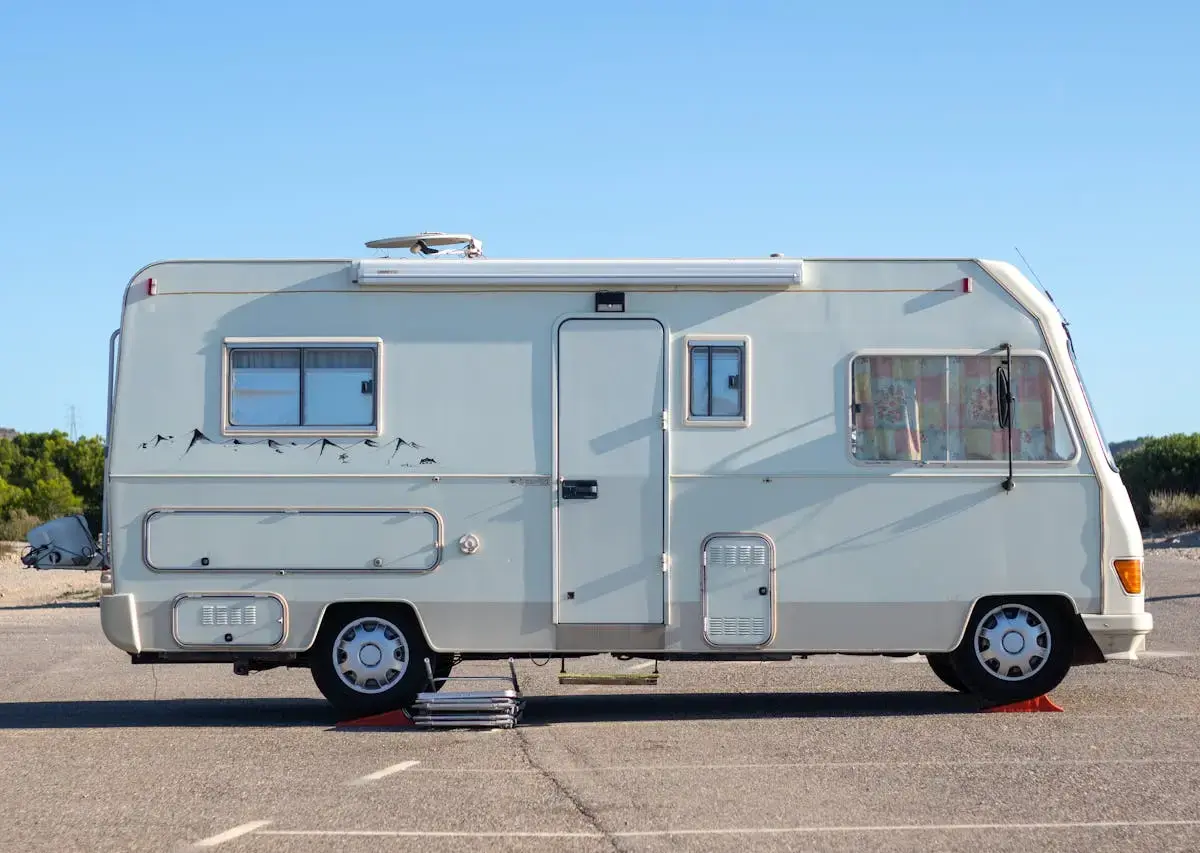
If you own an RV, you might wonder about the 10 year rule for motorhomes. This common policy can catch RV owners off guard especially those traveling in older rigs that still run reliably and look great. Being informed in advance helps you avoid complications while planning routes.
It affects where you can park your motorhome at any RV park or private campground. You might be turned away from a campground based solely on your vehicle’s age, regardless of its condition, especially in upscale parks that cater to newer models or luxury motorhomes.
This guide explains what the 10 year rule means, why some parks use it, how strictly it is enforced, and what to do if your motorhome is older than 10 years. You’ll also learn how this rule applies differently to various RV types whether you’re traveling in a large Class A rig, a travel trailer, or a smaller camper and what actions improve your chances of being accepted.
Understanding the 10 Year Rule in RV Parks
When you research RV parks, you may see a reference to the 10 year rule. Sometimes it’s clearly stated on the website, while in other cases, the rule is enforced at the manager’s discretion or only mentioned during check-in.
This policy, central to understanding the 10 year rule, usually means a park prefers or limits motorhomes to 10 model years old or newer. The definition of “model year” can vary, and not all parks will treat a 12-year-old vehicle in great condition the same way. This makes it important to contact parks ahead of time to understand their expectations.
What the “10-year rule” actually means
The 10 year rule often means RVs older than 10 model years can be declined. Some parks enforce this automatically, while others assess on a case-by-case basis especially when a well-kept older unit shows pride of ownership.
Some parks use the model year on the title, while others consider the manufacturer build date. This difference can affect eligibility even for rigs produced in late-year cycles. It’s helpful to confirm with the park what they consider your vehicle’s “official” age before finalizing travel plans.
Many parks allow exceptions for well maintained RVs after a quick visual check or photo review.
Having documentation and photos ready can help override concerns about age, especially when reaching out for reservations or pre-approval.
Origins of the rule and why it became common
Park owners adopted the policy to maintain a certain appearance and to reduce risk. As demand grew for premium camping experiences, some parks set age standards to create a clean, orderly environment that aligns with their brand image.
Newer RVs are perceived to present fewer mechanical and electrical issues, which helps parks manage safety, liability, and maintenance demands. This also reduces the risk of unsightly motorhome breakdowns, hazardous spills, or emergency repairs that can disrupt other guests’ experiences.
Over time, this practice became common in private parks aiming for consistent standards. While not all properties enforce the rule strictly, it has become especially widespread in parks serving destination travelers, snowbirds, or long-term seasonal guests.
Why Do RV Parks Enforce the 10 Year Rule?
Parks use this rule for reasons that include image, safety, and insurance. Understanding these factors helps you navigate policies and choose the right destinations.
Aesthetics and Campground Image
Parks invest in a clean, consistent look. They often strive to create a welcoming visual environment that appeals to guests looking for comfort, cleanliness, and scenic surroundings.
Visible wear, peeling decals, or damage can affect the guest experience. Even a small detail like faded paint or loose trim may influence how park staff or fellow campers perceive your rig.
A model year guideline is a simple screening tool to keep the property looking well cared for. This helps staff maintain the aesthetic quality of the property without needing to make subjective judgments in every case.
Safety and Maintenance Concerns with Older RVs
Older units can have higher rates of mechanical failures and electrical issues if not maintained. Aging RVs are more likely to face issues such as brake problems, generator failures, or wiring shorts especially when used heavily without upgrades or routine servicing.
Parks aim to limit breakdowns that disrupt sites, utilities, or access roads. For example, a stalled RV blocking a narrow entrance lane or leaking fluids near hookups can create challenges for other guests and for the property itself.
Good maintenance and documentation often overcome these concerns. If you can demonstrate a strong maintenance record such as tire replacements, roof inspections, and updated electrical systems many parks will overlook the age cutoff.
Insurance and Liability Factors
Insurers assess risk across property and guest activities. Park owners may be required to meet certain safety benchmarks to keep their coverage or avoid rate hikes.
Policies that reduce the likelihood of incidents can help parks manage premiums and coverage. By screening out older, potentially riskier units, parks aim to limit the chance of on-site accidents or equipment failures.
Age-based screening is one way some parks address these concerns. It’s not the only method, but for busy parks with limited staff, the 10 year rule can function as a quick filter though it’s often softened by case-by-case flexibility.
How Strict Is the 10 Year Rule for Motorhomes?
Enforcement varies widely. Some parks strictly adhere to the 10 year cutoff with no room for negotiation, while others take a more flexible approach that considers how well the vehicle has been maintained.
It’s important for travelers to know that the rule is not standardized across the RV industry and that individual park policies can differ dramatically.
Variations Between Campgrounds and States
Private parks in resort areas are more likely to enforce the rule strictly. These locations often cater to long-term guests, vacationers, or snowbirds who expect consistent quality and amenities. For park operators in such destinations, vehicle appearance and uniformity are often tied directly to guest satisfaction.
Budget-friendly campgrounds may be more flexible. These parks typically emphasize occupancy and affordability, and they may focus more on guest behavior, cleanliness, and respect for rules than on the specific age of your RV. As long as your vehicle is safe and presentable, it may be welcomed without issue.
State and national parks generally follow their own entrance criteria, which often focus on safety and site fit rather than age alone. These public parks usually prioritize factors like campsite length, environmental protections, generator usage, and the safe operation of your vehicle. Model year is rarely a concern as long as your rig meets their access and safety standards.
| Location Type | Typical Enforcement | Notes |
| Luxury RV resorts | Strict | Maintain premium image and uniform standards |
| Budget campgrounds | Lenient | Emphasize value and occupancy |
| State or national | Varies | Focus on safety, site length, and environmental rules |
When Exceptions Are Made for Well-Maintained RVs
Clean, well-kept RVs often receive exceptions. If your motorhome shows signs of good care like a shiny exterior, up-to-date repairs, and clean slideouts or awnings it may be approved even if it’s beyond the 10-year threshold.
Fresh exterior care, updated decals, tidy storage bays, and no leaks make approval more likely.
Parks often assess the “curb appeal” of an RV as a stand-in for mechanical condition. Removing rust, refreshing sealants, and detailing your RV can make a noticeable difference.
Resorts vs. Budget Campgrounds Enforcement
Resorts tend to apply the rule to support brand expectations. These properties aim to deliver a high-end experience, often marketed as a luxury lifestyle. To maintain this image, they may be less willing to bend the rules, especially during busy seasons or peak travel months.
Value-oriented parks may prioritize behavior, cleanliness, and safety over age. If you’re respectful, follow park rules, and keep your site tidy, many budget parks are more than happy to host you, even with an older RV. A positive attitude and a clean, functional rig go a long way.
Differences by RV Type/Class
How strictly parks apply age and appearance rules often hinges on the type of rig you drive; here’s how standards typically differ by RV class.
| RV Category | Typical Park Response | Key Considerations |
| Luxury Class A / Professionally Restored Vintage | Often approved even if older, provided they look immaculate | “Showpiece” rigs can enhance a park’s image; upgraded interiors & modern tech offset age |
| Standard Class B & C Motorhomes | Usually accepted if exterior is clean and systems are maintained | Routine inspections and proof of service records help satisfy park managers |
| Smaller Towables (Travel Trailers, Pop-Ups, Teardrops) | Face more scrutiny when visible wear or damage is present | Susceptible to dents, peeling decals, and roof issues; photos or recent refurb receipts may be required |
| Evolving Trend | Parks increasingly weigh factors like environmental impact, guest experience, and usage patterns—not just model year | Academic studies note a shift toward holistic criteria, balancing regulation with visitor satisfaction |
This evolving approach to campground management is reflected in academic research, which highlights how modern RV parks balance regulations with the overall camping experience.
What to Do If Your Motorhome Is Over 10 Years Old
You have practical options that work at many destinations.
Tips for Getting Approval at Stricter RV Parks
Before you roll up to a park with strict age-or-appearance rules, run through this quick checklist to maximize your odds of getting approved:
- Stick to scheduled maintenance and keep records. Log oil changes, roof inspections, appliance tune-ups, and safety checks, organized paperwork proves you’re a responsible owner.
- Fix exterior flaws before you hit the road. Remove oxidation, replace broken trim, refresh faded decals, and touch up paint; small cosmetic upgrades can sway park managers.
- Arrive spotless and leak-free. Wash the rig, coil hoses and cables neatly, and ensure tanks and lines are sealed, first impressions count.
- Be courteous and proactive at check-in. Friendly communication and a cooperative attitude make managers more inclined to grant exceptions.
Submitting Photos of Your RV for Pre-approval
Many parks will pre-screen by email or their reservation portal. This step can save time and frustration, especially if you’re heading to a park with known age limits. Contacting them ahead allows you to avoid last-minute denials.
Send clear photos of all sides, roof line, and interior living area, plus your service log. High-resolution images that reflect cleanliness, maintenance, and upgrades will help park staff assess your RV fairly. Show both inside and out to demonstrate overall condition.
A short note about recent upgrades helps. Mention new tires, resealing, electrical fixes, or appliance replacements. These improvements show your rig is not just old, it’s well cared for.
Choosing Parks That Don’t Enforce the Rule
Search for parks that list “no age limit” or “10 year rule with exceptions.” Online directories, user reviews, and RV forums often include this information. Look for transparency in policies when researching potential stops.
Public campgrounds often focus on length, hookups, and safety rather than model year. National forests, state recreation areas, and city parks are usually more flexible. They evaluate rigs on a more practical basis: can it fit, is it safe, and does it follow regulations?
Always call ahead to confirm.
| Park Type | Enforcement of 10 Year Rule | Tips for Approval |
| Private RV parks | Often strict | Request photo review, present records |
| State or national | Less strict | Check length limits, generator hours, site type |
| Budget campgrounds | Variable | Call ahead, be inspection ready |
Do All Campgrounds Follow the 10 Year Rule?
No. Policies vary by ownership, brand standards, and local market. Some parks have firm enforcement policies clearly posted on their websites, while others assess each vehicle individually. The 10 year rule is not a national regulation but rather a private standard adopted by certain campground owners.
Examples of Parks with Strict Rules
Some franchise or resort style parks apply age rules consistently to maintain a premium experience. These locations typically cater to guests expecting uniformity, amenities, and high-quality surroundings. Their business model often emphasizes aesthetics and a controlled environment, where older or visibly worn RVs may not align with their image goals.
They often require photo pre-approval or on-site inspection for older rigs. Before accepting a reservation, these parks may request emailed photos of all sides of the RV or perform a walk-around upon arrival.
If the rig doesn’t meet their condition expectations, they may deny entry even with a reservation. This is why pre-approval is crucial when dealing with stricter properties.
Many State Parks and Public Campgrounds Don’t Enforce It
Public facilities usually focus on site length, safety, and environmental guidelines. Their priority is typically safe usage of the site rather than the RV’s age. As long as your rig can safely enter, fit on the pad, and function without posing risk to infrastructure or other guests, you’re likely to be welcomed.
A well-maintained older RV that fits the pad and follows rules is often acceptable. These parks place more value on how you use and care for your RV than how old it is.
Quiet hours, generator restrictions, and cleanliness are often more important criteria than model year. This makes them a great option for owners of rigs over 10 years old.
State/National Park vs Private Resort Distinction
Private resorts control admission to support brand positioning. They often have stricter policies in place to uphold a particular experience, which includes newer vehicles, uniformity in visual presentation, and minimal risk of mechanical failure. These standards support their pricing model and attract a specific customer base.
Public parks aim to provide access with reasonable safety and resource protection. Whether managed by state agencies, national park services, or local municipalities, these sites emphasize equitable use of natural spaces over uniformity.
The focus is on environmental stewardship and accessibility, not cosmetic appeal. Understanding the difference helps you route your trip.
| Feature | Private Resort Campgrounds | State/National/Public Parks |
| Ownership | Privately owned, often franchised | Government-managed (state, national, or municipal) |
| 10-Year Rule Enforcement | Strict and consistently enforced | Rarely enforced; usually not a factor |
| Admission Requirements | May require photo pre-approval or on-site inspection | Focus on safety, functionality, and site fit |
| Primary Focus | Aesthetics, brand consistency, high-end experience | Accessibility, environmental stewardship, public access |
| RV Condition Expectations | Newer models or very well-maintained older RVs | Operational and safe RVs, regardless of age |
| Ideal For | Guests seeking premium amenities and a curated atmosphere | Travelers prioritizing flexibility and natural settings |
| Common Restrictions | Strict rules on age, appearance, and amenities | Emphasis on quiet hours, generator use, and cleanliness |
Alternatives If Your RV Doesn’t Meet the Rule
If a park declines your older motorhomes, you still have many other places where you can park, which ensures your trip can continue. Plenty of destinations welcome older rigs, especially when they’re well cared for.
Staying at Boondocking Sites or BLM Land
Dispersed camping and public lands offer scenic sites without hookups. These locations are typically managed by the Bureau of Land Management (BLM) free or low-cost camping options, often in beautiful, remote settings.
Plan for water, power, and waste management. Because these sites lack services, you’ll need to bring your own fresh water, manage grey and black tanks, and have reliable power sources such as solar panels, generators, or lithium batteries.
Solar, batteries, and portable tanks make this easier. Investing in off-grid upgrades not only extends your stay at boondocking sites but also makes your RV more versatile in general. These systems offer greater freedom and reduce reliance on age-sensitive campgrounds.
Publicly managed campgrounds, however, typically focus on safety, registration, and occupancy requirements rather than strict age limits. According to official campground rules by Recreation.gov, federal and state parks prioritize visitor safety and site fit over vehicle age, making them flexible options for older RV owners.
Renting a Spot in RV Storage Communities
Some storage properties allow short-term stays or utility access. While traditionally used for storing RVs when not in use, some of these facilities now offer overnight accommodations, basic utilities, or even community amenities. This can serve as a convenient overnight base near cities or parks.
This can be a convenient base while you explore local parks and attractions. Whether you’re waiting for a campsite to become available or visiting an area with limited campground options, these properties provide security and basic access with less concern for your RV’s age.
Joining RV Clubs with More Flexible Restrictions
Membership clubs often maintain networks of parks with clear policies and age flexibility.
Organizations like Escapees, Harvest Hosts, and Passport America often partner with campgrounds that welcome all types of rigs. Their published rules help members know what to expect before booking.
Member reviews help you find welcoming locations. User-generated feedback highlights how strictly parks apply rules and whether older RVs are accepted. This makes it easier to avoid parks with overly rigid policies and prioritize those known for inclusivity.
Peer-to-Peer / Private Property Rental
Hosts list private pads with hookups in residential or rural areas. Platforms like Hipcamp or Boondockers Welcome connect RV travelers with landowners offering places to stay. These are often flexible, budget-friendly options that are less focused on model year.
You can filter for space, power, and local rules. Listings usually include pad length, electrical hookups, pet rules, and other details, allowing you to find stays that match your RV’s size and needs regardless of age.
How the 10 Year Rule Affects RV Buyers
Shoppers should factor policy impacts and the total cost of a new motorhome into their purchase and ownership plans. When evaluating an RV purchase, especially for rigs over 8 years old, it’s wise to consider how this rule might impact your camping flexibility down the line. Even a few years can make a difference in access.
Considerations for Older Motorhomes
Age-based restrictions can limit resort choices and influence resale. If you’re planning to visit luxury parks, having an older vehicle may limit your access unless the rig is in pristine condition. Additionally, future buyers may also consider the impact of the 10 year rule when comparing options.
A thorough inspection, documentation of maintenance, and planned upgrades help preserve access. By keeping your RV in excellent condition and proving it you increase the number of parks where you’ll be welcome, while also protecting resale value.
Resale Value Beyond the 10-Year Mark
Well-kept RVs with records hold value better. Buyers are more confident when they can review documented service history, maintenance logs, and receipts for upgrades. A clean, proven track record increases trust and justifies pricing.
Exterior condition, leak-free roofs, and updated appliances are signals that attract buyers. Cosmetic details matter. A fresh roof seal, working slideouts, and modernized interiors make your RV stand out in a competitive market, even beyond the 10-year point.
Upgrades for Roadworthiness and Acceptance
Replace aged tires, hoses, and belts. Worn components not only pose safety risks but also contribute to negative first impressions at parks or with potential buyers.
Update lighting, batteries, and charging systems. These changes improve performance and show that the RV is being actively maintained, reducing the appearance of age-related decline.
Refresh decals, sealants, and interior soft goods. A simple facelift both outside and in can transform the overall perception of the RV. Replacing upholstery, patching linoleum, or resealing corners shows attention to detail.
Add safety features such as backup cameras and TPMS. Technology upgrades not only enhance safety but also signal that the rig is kept current with modern expectations, despite its age.
Importance of Inspection Reports and Appraisals
A recent inspection and fair market appraisal help with park approvals, insurance, and resale.
Third-party validation of your RV’s condition adds credibility. Some parks may even request this documentation if they’re considering an exception to the 10 year rule.
Keep paperwork handy and backed up digitally. Having PDFs or photos of your inspection reports, service records, and appraisal certificates with you ensures you’re ready whenever proof is required, whether at a campground gate or during a sale.
Conclusion: Should You Worry About the 10 Year Rule for Motorhomes?
The 10 year rule for motorhomes is a real policy enforced by many private RV parks, but it is far from universal or absolute. Plenty of RV owners with older rigs continue to travel successfully by keeping their vehicles clean, mechanically sound, and well documented. Choosing parks that evaluate conditions over age makes a big difference, and being proactive such as submitting photos or service records can often lead to exceptions.
Always have a backup plan. Public campgrounds, national and state parks, or boondocking areas typically prioritize safety and site fit rather than model year. Calling ahead to confirm park policies prevents surprises on the road.
When your RV isn’t on the road, how and where you store it has a major impact on its long-term condition, especially for older models trying to meet park requirements. Proper storage helps protect the exterior, prevent wear on critical systems, and maintain a clean, travel-ready appearance.
That’s why RecNation provides secure, purpose-built motorhome storage facilities designed to keep your vehicle in excellent shape between adventures, regardless of its age.
FAQ
What is the 10 year rule for motorhomes?
It’s a policy used by some private RV parks to limit access to RVs that are 10 model years old or newer. The rule is intended to preserve the park’s appearance, reduce the risk of breakdowns, and manage safety concerns. However, many parks allow case-by-case exceptions.
Why do RV parks enforce the 10 year rule?
The rule helps maintain a consistent visual standard across the property and reduces the likelihood of mechanical or electrical failures. Insurance requirements and liability management also play a role in shaping park policies.
Are all RV parks strict about the 10 year rule?
No. Enforcement varies widely based on the park’s ownership, region, and brand standards. Many parks will approve older RVs as long as they are clean, well maintained, and pass a visual inspection or photo review.
What can I do if my motorhome is over 10 years old?
Maintain your RV regularly, fix any cosmetic issues, and document all services. When booking, be prepared to submit photos and service records in advance. If declined, look for parks that allow exceptions or stay at public campgrounds with more flexible requirements.
Can I still stay at RV parks with an older RV if it is well maintained?
Yes often with pre-approval. Parks are more likely to make exceptions when your RV is clean, leak-free, and clearly well cared for. Submitting recent photos and maintenance history gives managers confidence in allowing older rigs to stay.