What Is the Best Layout for an RV and Boat Storage Lot?
Designing an RV and boat storage lot requires more than just paved space. A smart layout with wide aisles, efficient stall design, and strong security improves customer experience, maximizes capacity, and boosts profitability for long-term success.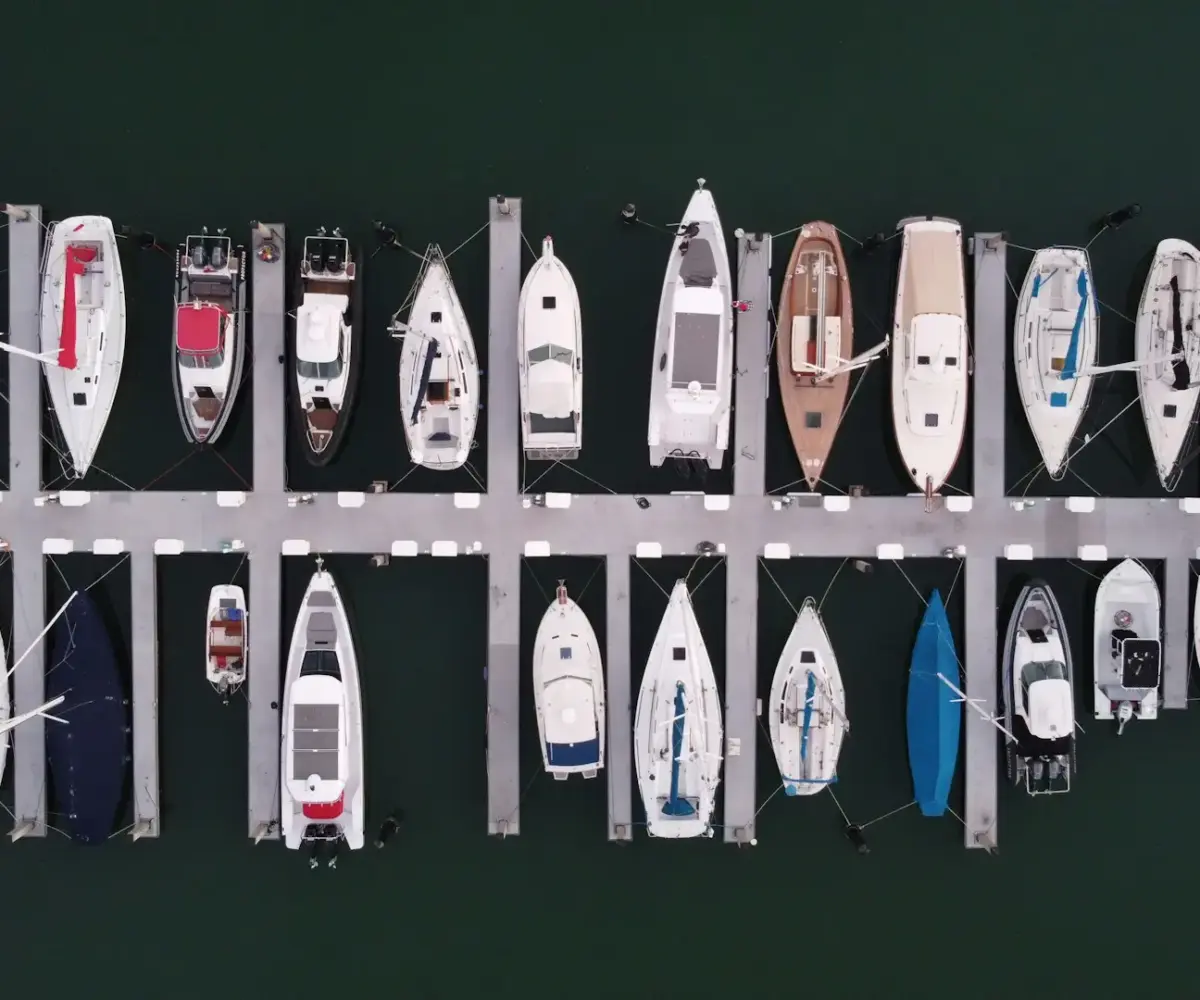
Creating a well-designed storage facility for RVs and boats takes careful planning. It’s not just about paving a large lot, the success of your RV storage business hinges on how effectively you organize the available storage space to balance access, security, and capacity.
Whether you’re building new or optimizing an existing facility, the layout is one of the biggest factors that influences both user satisfaction and profitability. Proper RV storage space design improves ease of navigation, vehicle safety, and operational flow, all while helping you maximize occupancy and rates.
An intelligently designed layout attracts more long-term renters and sets your business apart from generic self-storage facilities that may not cater specifically to large recreational vehicles or boats. By integrating smart access points, clear aisle widths, and visibility-enhancing features, you create a reliable and functional RV parking environment your customers can trust.
Why Layout Matters for RV and Boat Storage Lots
A strong layout is the backbone of any profitable RV & Boat storage business. It directly impacts daily operations, customer satisfaction, and your ability to scale as demand grows. A poorly designed lot can create choke points, limit usable storage space, and make navigation stressful. With RVs reaching up to 45 feet in length and 13.5 feet in height under federal vehicle size regulations, inadequate turning space quickly becomes a major customer pain point.
Here’s why the layout deserves top priority in your facility planning:
- Efficient navigation: Ensures that RVs and boats can move in and out easily, even during peak hours.
- Better customer experience: A clean, organized layout creates confidence and increases repeat business.
- Higher profitability: By using every square foot of RV storage space wisely, you reduce waste and boost ROI.
- Improved security: Strategic camera placement, wide sight lines, and open layouts support better monitoring and theft deterrence.
Unlike traditional self-storage facilities that are often built for static units like boxes or furniture, RV parking requires flexibility. Your design must account for vehicle height, length, turning radius, and the possibility of long-term stays.
Key Considerations for RV and Boat Storage Lot Layout
Below are the most critical design factors that influence your lot’s usability and customer satisfaction:
| Layout Feature | Importance | Benefits |
| Straightforward Navigation | High | Reduces congestion, improves customer access |
| Optimized Storage Capacity | High | Increases revenue and space efficiency |
| Enhanced Security Measures | High | Protects vehicles and deters crime |
| Aisle Width and Turning Radius | High | Prevents accidents, ensures smooth maneuvering |
| Well-Placed Access Points | Medium | Improves traffic flow, reduces backups |
In short, a high-functioning layout turns your RV storage business into a reliable and scalable operation. It gives you a competitive edge over generic lots and supports both customer satisfaction and long-term growth.
Key Design Considerations for the Best RV and Boat Storage Layout
To stand out from typical self-storage facilities, your design must reflect the unique needs of RV and boat owners. That includes more than just parking stalls, it involves the full experience, from entry and check-in to turning, parking, and exiting the site.
Lot Size, Dimensions, and Access Points
Your lot’s shape and square footage dictate how many vehicles you can store, making it essential to calculate land requirements for RV storage. A smaller lot might support 50–100 units if organized efficiently, while larger sites can serve over 250 vehicles with proper lane planning.
- Access points matter. Multiple entrances and exits reduce traffic jams, especially during peak travel seasons or holiday weekends.
- Consider emergency vehicle access, delivery trucks, and the movement of tow vehicles when mapping flow.
| Lot Size (acres) | Storage Capacity (units) | Access Points |
| 1–2 | 50–100 | 1 entrance/exit |
| 2–5 | 100–250 | 2 entrances/exits |
| 5+ | 250+ | Multiple entrances |
A facility with flexible access handles higher traffic and offers more convenient RV parking options, especially for renters with limited maneuvering experience.
Drive Aisle Widths for RVs and Boats
Aisle width is one of the most overlooked aspects in storage design, yet it makes or breaks the customer experience.
- Smaller units and towables: Require at least 25–30 feet of aisle width.
- Larger RVs and boats (Class A, fifth-wheels): Need 35–40 feet to comfortably turn and back into units.
Wide drive aisles also reduce the risk of side-swiping other vehicles, especially in facilities with outdoor or angled layouts. Consistency across the lot helps standardize traffic flow and reduce confusion.
Security, Lighting, and Visibility
Security is more than locks and gates, it’s about visibility, deterrents, and customer confidence. In a business where owners often store high-value assets long-term, your facility’s safety features must be visible and comprehensive.
Best practices include:
- LED lighting across aisles, corners, and all access points.
- Surveillance cameras with overlapping views of entrances, exits, and unit rows.
- Raised fencing with no blind spots or overgrown vegetation.
- Open line-of-sight between units to reduce hiding places.
Clear storage space signage also improves navigation while reinforcing your brand’s professionalism.
Outdoor vs. Covered Layout Options for RV and Boat Storage
When planning a boat and RV storage facility, one of the biggest layout decisions is whether to offer outdoor or covered storage solutions or a mix of both. Each option caters to different customer needs and price sensitivities, and operators often weigh profitability of indoor vs. outdoor RV storage when choosing their mix.
Outdoor RV and Boat Storage
Outdoor parking is the most cost-effective option for operators looking to build an RV storage facility quickly. It requires minimal infrastructure and is ideal for regions with mild climates or customers focused on affordability.
Benefits of outdoor RV storage include:
- Lower initial construction and maintenance costs.
- Fast setup with basic surface prep and stall marking.
- Easier scalability across large RV storage lot areas.
However, outdoor storage also comes with exposure risks. RVs and boats are left vulnerable to sun damage, rain, hail, and temperature extremes, which can degrade seals, paint, and tires over time.
That’s why successful operators still invest in:
- High-quality drainage around stalls.
- Clearly painted lanes and stall numbers.
- Optional protective amenities like tire covers and wash pads.
Covered and Enclosed Boat and RV Storage Options
Covered storage provides mid-tier protection with open-sided shelters or carport-style designs. These structures are often steel-framed and offer shade from the sun and partial shelter from rain or debris. They represent an ideal middle ground for both pricing and protection.
Enclosed boat storage buildings offer the highest level of protection, typically featuring roll-up doors, walls, and even insulation. These storage buildings are ideal for high-end motorhomes, vintage trailers, or boats that require climate stability and advanced protection.
While covered and enclosed options require greater investment, they offer:
- Premium pricing opportunities.
- Longer average lease terms.
- Appeal to high-end clientele who value preservation.
When choosing your mix, consider:
| Factor | Outdoor Storage | Covered/Enclosed Storage |
| Upfront Investment | Low | Medium to High |
| Revenue Potential | Moderate | High (premium rates) |
| Protection from Weather | Minimal | Moderate to Full |
| Customer Type | Budget-focused | High-value vehicle owners |
| Typical Structure | Open parking on paved lot | Carport, canopy, or full storage building |
Offering a blend of outdoor and covered stalls allows your boat and RV storage facility to serve a broader market, from economy to luxury, while keeping occupancy rates high year-round.
Optimal Space Configurations for RV and Boat Parking
A key trait of every successful RV storage operator is how efficiently they use space. The layout and parking configuration directly affect how many units you can store, how easy it is for tenants to maneuver, and how fast you can turn inventory between customers.
Straight-In Parking vs. Angled Parking
Straight-in parking is the simplest layout to design and construct. Vehicles back straight into their assigned stall from the drive aisle. It’s intuitive and works well for facilities with wide space allowances.
However, it may not always be the most efficient option for space utilization. Straight-in layouts often require wider turning radii and longer drive aisles, which may reduce the total number of rentable stalls in a fixed area.
Angled parking, on the other hand, allows for tighter spacing and easier turn-ins, especially in one-way aisle designs. This approach can increase stall count in the same footprint but demands more planning for signage, directionality, and tenant instructions.
| Parking Configuration | Advantages | Disadvantages |
| Straight-In Parking | Easy to maneuver, clear visibility | Can waste space, larger turning radius |
| Angled Parking | Increases stall density, easier turns | Needs signage and careful layout design |
Pull-Through Spaces for Large RVs and Trailers
Pull-through spaces are a premium offering in any RV storage lot. These long, double-ended stalls let tenants drive in and exit without reversing, an important feature for larger Class A motorhomes or boat trailers with limited rear visibility.
- Reduces the chance of accidents or collisions.
- Saves time during peak arrival/departure periods.
- Increases satisfaction among less experienced drivers.
Pull-throughs are ideal for the front rows or ends of aisles, especially in facilities that cater to seasonal travelers or weekenders who value speed and ease of use.
In short, your storage solutions should offer a combination of straight-in, angled, and pull-through configurations based on your customer mix, lot dimensions, and traffic flow.
How to Maximize Storage Capacity Without Sacrificing Accessibility
Balancing density and accessibility is one of the most critical challenges when designing an RV or boat storage lot. Packing more vehicles into your storage facility may seem profitable at first, but if tenants struggle to maneuver or feel crowded, it leads to complaints, damage, or even lost customers.
An efficient layout should maximize rentable space without compromising the ease with which customers can park, retrieve, or check on their vehicles.
Proven Strategies to Maximize Capacity While Preserving Functionality
Here are layout and design tactics that balance both goals:
- Use Vertical Space Where Possible: For indoor or hybrid storage buildings, consider lofted storage racks for small vehicles, gear, or accessories. While RVs and boats can’t stack, supplementary items like trailers, jet skis, or utility racks can be stored overhead in enclosed units.
- Reduce Wasted Space Between Units: Precise striping and tighter layout tolerances can reclaim square footage. Use concrete bumpers or curbs to standardize stall lengths and reduce unnecessary space between trailers.
- Mix Angled and Straight-In Parking: Combine angled parking in tighter areas with straight-in or pull-through stalls in larger sections. This hybrid design uses space more efficiently across irregular lot shapes.
- Design for Multiple Vehicle Sizes: Offer a blend of small, medium, and oversized stalls. This ensures optimal utilization across different vehicle types, from compact trailers to Class A motorhomes.
- Consider Shared Aisles and Turning Radii: One-way traffic with angled parking can reduce aisle widths. Design turnarounds and corners based on typical RV turning radii to avoid oversized loop roads.
Storage Type Comparison
The table below outlines the key benefits and target customers for each type of vehicle storage option.
| Storage Type | Benefits | Target Customers |
| Outdoor Storage | Affordable, flexible, fast setup | RV owners, boaters, weekend travelers |
| Enclosed Storage | Secure, weather-protected, high-value storage | Collectors, luxury RV owners, long-term |
| Covered Storage | Mid-tier protection, premium option | Seasonal users, boat owners |
| Mixed Configuration | Versatile, attracts varied tenants | Broad appeal for diversified occupancy |
A well-executed design can increase usable stall count by 10–30% without making the lot feel overcrowded. Ultimately, the goal is a space-efficient, customer-friendly layout that aligns with your operational goals and renter expectations.
Zoning, Drainage, and Fire Code Requirements for RV and Boat Storage Lots
Beyond layout and construction, legal compliance is the backbone of any successful RV storage business. Local, state, and federal codes dictate what you can build, how water must flow, and how you prepare for fire emergencies.
These rules not only protect your property and tenants but also reduce the risk of costly shutdowns or fines.
Key Considerations for Zoning Compliance
Before purchasing land or breaking ground, confirm that your intended use is compliant:
- Verify Proper Zoning Designation: Ensure your parcel is zoned for commercial, light industrial, or vehicle storage, especially if you plan to develop an RV park on commercial land. In some municipalities, RV and boat storage may require a Conditional Use Permit (CUP).
- Understand Lot Setbacks and Height Restrictions: Local rules may limit the height of boat storage buildings, canopy structures, or fencing. You may also need to maintain setback distances from property lines, roadways, or wetlands.
- Engage Local Planning Boards Early: Present clear diagrams of your storage building layout and facility operations. Early collaboration with planners can reduce approval timelines and spot red flags.
Drainage Solutions for Storage Lots
Poor drainage is a major risk factor for property damage and environmental violations. A compliant and well-designed stormwater plan includes:
- Graded Surfaces and Paved Aisles: Proper grading prevents pooling and surface wear. Paved surfaces also improve water flow to drainage systems and reduce dust.
- Stormwater Management Systems: Use swales, retention ponds, or underground storage where required. Many municipalities require stormwater permits and ongoing monitoring.
- Routine Inspection and Maintenance: Drainage features should be inspected regularly, especially before heavy rainfall seasons to prevent flooding or erosion.
Fire Safety Measures
Fire protection codes are particularly important for facilities that store fuel-powered vehicles or flammable materials:
- Install Alarms and Suppression Systems: Indoor or enclosed storage structures may require fire suppression systems, smoke detectors, or automated alarms. The International Building Code’s Chapter 9 covers these kinds of requirements.
- Keep Fire Lanes Open: Designate fire lanes with visible striping and signage. Maintain clear access for emergency responders at all times.
- Train Staff in Emergency Procedures: Develop a fire response plan and ensure on-site personnel know how to act during emergencies. This can improve outcomes and reduce liability.
Bottom Line:
Zoning, drainage, and fire safety aren’t just regulatory checkboxes, they influence your storage facility’s longevity, insurability, and operating license. By addressing these areas during the design phase, you minimize legal risk and set the foundation for a sustainable, compliant, and trusted business.
Cost Factors in Designing an RV and Boat Storage Lot Layout
Designing a functional and profitable RV and boat storage facility requires thoughtful financial planning. Your total investment will depend on land value, construction materials, utility infrastructure, and regulatory compliance.
While upfront costs can be significant, making smart design choices early helps control long-term expenses, improve ROI, and enhance the value proposition for your customers.
Major Cost Components to Expect
Below are the key categories that contribute to development costs:
- Land Acquisition: Location is a major driver of cost and potential profit. Land near highways or high-traffic corridors is more expensive but can command higher rates for RV storage space. Evaluate zoning status, site accessibility, and topography when budgeting.
- Construction and Site Preparation: This includes grading, compacting soil, paving, installing fencing, and adding drainage systems. Materials and labor vary by region and local regulations. According to industry data, construction costs for self-storage facilities typically range between $40 and $60 per square foot (excluding land and site improvements), with site development and permitting often adding another 20–30% to the total project budget.
- Storage Unit Types and Layout: Costs differ based on your mix of outdoor, covered, and enclosed storage buildings. Covered stalls and fully enclosed storage cost more upfront but allow for premium pricing.
- Security Infrastructure: Investing in lighting, fencing, gate control systems, surveillance cameras, and alarm systems is essential for customer trust and risk management. With average cargo thefts now topping $200,000 per incident, these investments are not just about customer confidence, they’re a financial shield against catastrophic losses.
- Utilities and Amenities: Expenses may include electricity for lighting, camera systems, and potentially charging or wash-down stations. Consider trenching and conduit for future upgrades.
- Drainage and Stormwater Management: Compliance with local environmental codes may require engineered drainage systems, bioswales, retention ponds, or permeable surfaces, adding to both construction and permitting costs.
- Permits, Legal, and Professional Fees: Include costs for land surveys, architects, engineers, legal fees, permit applications, and environmental assessments.
Tips for Managing Costs Without Compromising Quality
Here are practical ways to keep development costs under control while still delivering a high-quality storage facility.
- Optimize Your Layout Design:A carefully engineered site layout can reduce paving needs and maximize rentable storage space. Efficient aisle widths and mixed stall sizing improve occupancy without wasting square footage.
- Use Durable, Low-Maintenance Materials:Materials like galvanized fencing, LED lighting, and pre-cast concrete help reduce long-term maintenance and replacement costs.
- Phase Your Development: Start with core infrastructure and expand storage capacity in stages based on demand. This approach improves cash flow and lowers initial risk.
- Balance Offering Variety with Cost Control: A mix of outdoor, covered, and enclosed storage options allows you to serve a broader market without overcommitting to expensive build-outs.
- Leverage Tax Incentives and Local Grants: Some jurisdictions offer incentives for green infrastructure, security improvements, or job creation. Work with local authorities and a tax advisor to identify opportunities.
Best Practices for Building a Profitable RV and Boat Storage Lot
Success depends on combining strong infrastructure with excellent service.
Key Considerations for RV and Boat Storage Facilities
The most successful RV and boat storage facilities stand out not just for space, but for how well they protect, maintain, and continually improve the overall customer experience.
- Robust security: Cameras, access controls, personnel.
- Facility maintenance: Clean grounds, regular upkeep.
- Customer service: Flexible rental options and quick support.
- Ongoing improvements: Regular reviews to enhance efficiency.
| Best Practice | Description | Benefits |
| Robust Security Measures | Install security cameras and access systems | Customer trust, lower liability |
| Regular Facility Maintenance | Maintain grounds and infrastructure | Customer satisfaction, lower costs |
| Flexible Rental Options | Offer short- and long-term plans | Customer loyalty, steady revenue |
By applying these practices, your business can stand out and attract long-term customers.
Final Thoughts: Choosing the Best Layout for RV and Boat Storage Lots
Designing a profitable RV and boat storage facility takes more than asphalt and fencing, it’s about crafting a secure, accessible, and customer-first environment.
From lot size and space configuration to drainage, lighting, and storage options, each design decision affects how your facility performs. The most successful layouts strike a balance between space utilization, security, and operational ease, while still offering flexible solutions that meet a variety of vehicle sizes and customer needs.
Whether you’re just entering the RV storage business or optimizing an existing location, aligning your design with market demand is key. Facilities that provide well-planned RV parking, dependable storage space, and strong safety measures consistently outperform competitors.
At RecNation, we’ve designed and managed RV, boat, and trailer storage facilities across the country. From pull-through stall configurations to secured access and customer support, our experience helps you reduce risk and maximize ROI. If you’re building a new site or upgrading an existing one, RecNation’s expertise can help bring your project from blueprint to profitability.
Learn more about our RV parking solutions and how we can support your next facility.
FAQ
What factors matter most when designing an RV or boat storage facility?
Lot size, access points, lighting, surveillance, and unit variety are key to building a safe and profitable RV and boat storage lot.
How do I maximize space without making the site feel cramped?
Use angled layouts, multi-size stalls, and reduce unused gaps. Efficient design lets you increase capacity without sacrificing maneuverability.
What’s the ideal width for drive aisles in an RV storage lot?
25–30 ft for small vehicles, 35–40 ft for large RVs/boats. This ensures safe turns, clearances, and ease of access in all stall types.
Should I offer both covered and outdoor storage options?
Yes, offering both meets different customer budgets and preferences. Covered spaces attract long-term renters willing to pay a premium.
How can I reduce costs during RV storage lot development?
Design efficient layouts, phase construction, use low-maintenance materials, and balance covered vs. open storage based on demand.
Do I need permits or zoning approval to build an RV storage lot?
Yes. Always check zoning laws, setbacks, drainage codes, and fire regulations before building. Compliance is essential for operation.