Is Indoor or Outdoor RV Storage More Profitable? Revenue, Costs, and ROI Compared
Indoor RV storage generates premium rental income but requires higher upfront costs, while outdoor storage is faster to build and often delivers quicker ROI. Understanding both models helps operators and investors choose the best path for long-term profitability.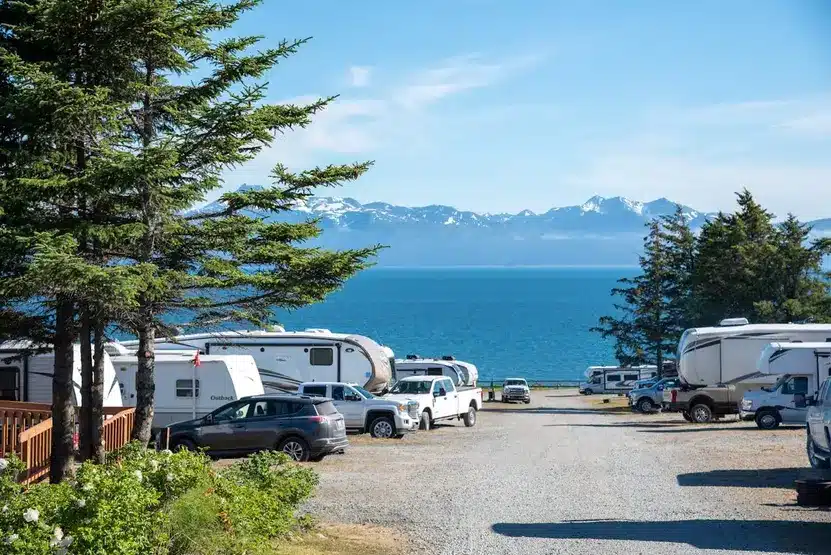
Thinking about investing in RV storage facilities? One of the biggest decisions is whether to offer indoor or outdoor storage. Each model has its own impact on revenue, expenses, and return on investment (ROI).
Indoor storage provides security and climate control but comes with higher upfront costs. Outdoor storage is more affordable to build and scale, though it may lack premium protection.
By comparing indoor and outdoor RV storage, investors can understand the financial trade-offs and identify the most profitable path.
Understanding Profitability in RV Storage: Revenue Drivers and Cost Factors
Profitability in RV storage is the result of balancing income against expenses, not just charging the highest possible rent. A facility’s financial performance depends on how well its design, location, and operating model align with market demand, which begins with thoughtful RV & boat storage facility construction.
Here are the core drivers that shape profitability:
Revenue per Unit or Space
Indoor RV storage typically commands premium rates, often two to three times higher than outdoor lots, because it offers climate control, enclosed protection, and value-added services.
Outdoor storage, however, fills spaces more quickly thanks to affordability and broader appeal, which helps maintain steady cash flow even at lower per-unit rents.
Development Costs
Building indoor storage requires significant capital, including steel or concrete buildings, HVAC systems, fire suppression, and high-grade surfacing.
Outdoor facilities are much less expensive to construct, usually limited to fencing, gates, and basic paving or gravel. Lower startup costs allow outdoor projects to reach breakeven faster.
Operating Expenses
Indoor storage carries higher ongoing costs for utilities, climate systems, and routine maintenance, along with greater staffing needs.
Outdoor storage has fewer overheads, with security and basic upkeep as the primary expenses, making margins easier to protect even when rental rates are lower.
Occupancy and Demand
Indoor facilities attract a narrower premium audience, affluent RV owners with high-value rigs willing to pay for maximum protection. Outdoor storage draws a broader customer base of everyday RV owners who prioritize affordability.
Occupancy trends vary based on market type, with high-income urban areas favoring indoor storage and cost-sensitive rural areas supporting outdoor facilities.
Together, these factors determine not only how much revenue a facility can generate, but also how quickly it can reach profitability and sustain returns over time.
Indoor RV Storage Profitability Explained
Indoor RV storage facilities are often considered the “premium” tier of the recreational vehicle storage industry. By enclosing RV storage units in secure buildings, often with climate-controlled storage, operators can charge significantly higher rents and offer services that outdoor storage facilities simply cannot match.
For many RV owners, the ability to store your RV in a safe, enclosed environment extends the lifespan of your RV, prevents weather damage, and ensures peace of mind. However, while the benefits of indoor RV storage are clear, the pros and cons must be weighed carefully, since these facilities come with much higher upfront costs and longer breakeven timelines.
Higher Rental Rates, Premium Services, and Added Revenue Streams
Indoor storage can command $100–$550+ per month per space, with the highest rates found in urban or high-income suburban areas. Customers are willing to pay extra because their RVs are kept safe from weather, theft, and deterioration.
Beyond the base rent, operators can add additional revenue streams such as:
- Climate control to prevent damage from humidity, extreme heat, or cold.
- Electrical hookups for battery trickle charging or refrigerator maintenance.
- Wash bays and detailing services for seasonal upkeep.
- Concierge-style offerings like valet parking, tire checks, and maintenance scheduling.
These value-added services not only boost margins but also create a loyal, long-term customer base that views indoor storage as a necessary investment rather than a discretionary expense.
Construction Costs, Operating Expenses, and Maintenance
The major drawback and the key cons of indoor vs outdoor storage is cost. Indoor vehicle storage requires significant investment compared to covered storage or outdoor storage facilities.
To build, operators must invest in:
- Steel or concrete storage buildings with high ceilings and wide bay doors.
- Insulation and HVAC systems to provide climate-controlled storage.
- Fire suppression systems to comply with code and safety regulations.
- Advanced security systems with alarms, surveillance, and secure RV storage access controls.
These indoor storage facilities can cost two to three times more than outdoor storage facilities feature, making the upfront investment steep. Operating expenses are also higher, with utility bills, staffing, and building maintenance eating into margins.
The result is a longer payback period: while outdoor storage may reach breakeven in two to four years, indoor storage may take five to seven years to generate returns. However, these timelines vary on multiple factors, so the calculations must be made during the time of investment.
Tenant Demographics and Market Demand for Indoor Storage
Indoor storage tends to attract a more focused customer profile, people who prioritize security, climate protection, and long-term stability over cost. For example, the Self Storage Association’s 2023 Demand Study reveals that 72% of long-term renters report using storage because they lack sufficient space in their residence. Indoor storage attracts a very specific customer profile:
- Affluent retirees and snowbirds who travel seasonally and want peace of mind while their RV is stored.
- Owners of premium motorhomes and fifth wheels who view indoor storage as an essential way to protect both the condition and long-term value of their vehicles.
- Urban residents and HOA-restricted owners who lack adequate space at home but are willing to pay a premium for convenience and compliance.
While these tenants are stable and more likely to commit to long-term contracts, the pool of prospects is smaller and highly market-dependent.
Indoor storage thrives in areas with high household incomes, strong RV ownership, and limited land availability but may struggle in rural regions where outdoor storage is “good enough” for most owners.
Outdoor RV Storage Profitability Overview
Outdoor RV storage continues to dominate the market because it offers a straightforward, cost-effective business model that is easier to finance and scale.
With lower construction requirements and broad consumer appeal, outdoor storage provides one of the fastest paths to stable cash flow.
Lower Development and Land Costs
Outdoor storage is attractive because the barriers to entry are low. Unlike indoor facilities, operators don’t need to invest in buildings, HVAC systems, or fire suppression. A typical outdoor site requires:
- Site grading and drainage to handle large vehicles and weather, along with adherence to zoning requirements for RV and boat storage.
- Basic surfacing such as gravel, asphalt, or concrete pads.
- Perimeter fencing, gates, and lighting for security.
- Minimal infrastructure compared to enclosed units.
Industry data shows that building enclosed self-storage typically costs around $50–$65 per square foot, while basic non-climate structures can start near $15–$20 per square foot. This means outdoor storage can cost roughly 60–70% less to develop, depending on site design and materials.
Scalability, Faster Lease-Up, and Expansion Potential
One of the greatest advantages of outdoor storage is flexibility. Because startup costs are lower, operators can begin with a modest number of spaces and expand gradually as demand increases.
- Phased growth allows operators to match capacity with occupancy, reducing the risk of overbuilding while keeping RV and boat storage design considerations in mind for future expansion.
- Lease-up speed is often faster because outdoor storage is priced to attract a wider audience.
- Expansion is simpler adding acreage or paving additional sections is far less disruptive than expanding an indoor building.
This scalability makes outdoor RV storage highly adaptable to market shifts, especially in areas where land is affordable and plentiful.
Market Demand and Occupancy Trends for Outdoor RV Storage
Outdoor storage appeals to the broadest slice of RV and boat owners, particularly those who prioritize affordability over premium amenities. According to the report by Cushman & Wakefield, the surge in ownership of recreational vehicles has spurred strong demand for specialized storage, especially in open and uncovered formats
Spaces typically rent for $143–$357 per month, depending on location, size, and security features. Demand is especially strong in:
- Suburban neighborhoods where RVs can’t fit in home driveways.
- Rural areas where land is available and prices are lower.
- Tourist and recreation hubs near lakes, beaches, national parks, or highway corridors.
Occupancy rates for outdoor storage are often resilient because the market includes both seasonal users and year-round tenants. Even during economic downturns, budget-conscious customers often remain, making outdoor facilities a dependable investment in many regions.
Indoor vs. Outdoor RV Storage: Revenue Potential Compared
When evaluating profitability, revenue potential is often the first metric investors consider. Both indoor and outdoor RV storage generate steady demand, but the way they produce revenue is fundamentally different. Indoor facilities earn more per unit, while outdoor facilities generate more volume through scale and faster occupancy.
Indoor facilities typically attract high-income RV owners who are willing to pay premium rents for climate control, enclosed protection, and added services.
According to the RV Industry Association, the median purchase price for new motorhomes is about $27,000, with many Class A models reaching six figures, reinforcing why this tenant base is more likely to invest in premium storage. This smaller but more stable group provides predictable revenue streams, often through year-long leases.
By contrast, outdoor facilities appeal to a much larger share of the market. They may charge less per unit, but spaces lease up quickly and remain consistently in demand especially in suburban and recreational markets.
To make the trade-offs clear, here’s how the two models compare side by side:
| Factor | Indoor RV Storage | Outdoor RV Storage |
| Average Rent | $300–$500+ per unit | $75–$200 per space |
| Revenue Per Acre | Higher per unit, but fewer total spaces | Lower per unit, but more spaces per acre |
| Lease-Up Speed | Slower, serving a niche premium market | Faster, appealing to a broader audience |
| Tenant Profile | Affluent RV owners, collectors, snowbirds, long-term contracts | Budget-conscious owners, seasonal users, families needing extra space |
| Revenue Stability | High stability from long-term leases and premium clients | Broader tenant base provides steady occupancy but more turnover |
| Upsell Potential | Strong climate control, electrical hookups, wash bays, concierge services | Moderate security upgrades, covered bays, bundled boat/RV storage |
In short, indoor storage maximizes revenue per tenant through premium pricing and services, while outdoor storage maximizes occupancy and overall volume through affordability and scalability.
The most profitable choice depends on whether the operator prioritizes stable, high-margin clients or faster growth and wider market appeal.
Cost vs. ROI: Indoor vs. Outdoor RV Storage Facilities
While both indoor and outdoor RV storage facilities can be profitable, their financial profiles are very different. Indoor facilities are capital-heavy investments that take longer to pay off, but they deliver steady returns once stabilized. Outdoor facilities, on the other hand, are less expensive to build, fill faster, and often generate higher ROI in the early years.
Indoor ROI
Indoor and climate-controlled storage facilities demand higher upfront investment but offer long-term stability and premium returns once established. According to Stora, typical self-storage investments yield 8–12% annual ROI, depending on market strength and facility type.
Because construction costs for enclosed storage often exceed $50–$65 per square foot, breakeven timelines can stretch to five to seven years. However, these facilities command premium rents, attract affluent tenants, and enhance property branding—making them appealing to investors focused on steady, inflation-resistant income streams.
Outdoor ROI
Outdoor facilities, including open lots and canopied RV or boat spaces, offer faster scalability and lower development costs. As Colliers notes in its Inside Scoop on Outdoor Storage report, this sector delivers “outsized returns relative to capital outlay” because of minimal infrastructure needs.
Construction and permitting costs are typically 60–80% lower than for enclosed storage, which allows breakeven within two to four years in strong suburban markets.allowing operators to scale faster. These projects are especially attractive for private investors or family-run businesses looking for dependable cash flow without massive financial risk.
Comparison at a Glance
The table below summarizes the key differences between indoor and outdoor RV storage facilities:
| Factor | Indoor RV Storage | Outdoor RV Storage |
| Development Costs | High – steel buildings, HVAC, fire systems | Low – fencing, surfacing, gates |
| Breakeven Period | 5–7 years | 2–4 years |
| Stabilized ROI | 8–12% | 12–18% |
| Risk Profile | Higher upfront risk, long-term reward | Lower upfront risk, faster returns |
| Investor Appeal | Institutional investors seeking premium branding and stability | Smaller operators and private investors seeking scalability |
In summary, indoor storage prioritizes long-term stability and brand value, while outdoor storage emphasizes speed, lower barriers to entry, and early ROI. The “better” model depends on your available capital, market demand, and investment horizon.
Factors That Influence Profitability in RV Storage
Profitability in RV storage isn’t determined by facility type alone. Local demand, land costs, seasonal trends, and the quality of amenities all shape whether an indoor or outdoor facility performs well.
Understanding these factors helps operators avoid costly mistakes and align their business model with real-world market conditions
Location, Market Competition, and Land Availability
High-traffic, visible locations support higher rental rates and occupancy. Competition, however, can impact pricing power. Land costs and zoning regulations also shape both profitability and growth potential.
| Factor | Impact on Profitability | Considerations |
| Location | High | Accessibility, visibility, proximity to RV owners |
| Market Competition | High | Competitor pricing, services offered |
| Land Availability | Medium | Zoning, expansion potential, land prices |
Seasonal Demand, Occupancy Rates, and Customer Behavior
RV storage demand isn’t uniform across the country; it follows seasonal and regional patterns. The examples below show how location and customer type shape occupancy trends:
- Northern states: Winter creates a surge in demand as owners store their RVs for months at a time. Indoor and covered storage options perform especially well here because of harsh weather.
- Sun Belt markets: States like Florida, Texas, and Arizona attract “snowbirds,” retirees who migrate south during colder months. These regions show consistently strong occupancy levels due to year-round demand and population growth, making both indoor and outdoor facilities profitable and resilient assets.
- Customer behavior: Premium customers can sign long-term contracts for peace of mind, while budget-conscious owners might prefer flexible, month-to-month leases. Balancing both types can help smooth out cash flow.
Amenities, Security Features, and Value-Added Services
Facilities offering strong security and convenience can justify higher rates. Features like gated access, cameras, wash bays, and on-site maintenance increase customer loyalty and revenue opportunities.
| Amenity/Security Feature | Impact on Customer Choice | Potential Revenue Impact |
| Gated Access | High | Justifies premium pricing |
| Surveillance Cameras | High | Increases customer trust |
| RV Wash & Maintenance | Medium | Adds secondary revenue |
Which RV Storage Model Attracts Higher Investor Interest?
The type of RV storage facility you choose doesn’t just affect tenants it also determines which investors are most likely to get involved.
Indoor and outdoor facilities appeal to very different types of capital because the risk profiles, revenue structures, and barriers to entry are not the same.
Indoor Storage for Institutional Investors
Indoor RV storage is often more attractive to institutional investors, private equity groups, and REITs (Real Estate Investment Trusts). These groups look for stability, predictable income, and defensible market positions. Indoor storage aligns with their goals because:
- High barriers to entry: The cost of land and construction makes it harder for new competitors to flood the market.
- Premium branding potential: Indoor facilities can be positioned as upscale, long-term storage solutions that attract affluent customers.
- Revenue stability: Tenants who store $100,000+ RVs are more likely to sign long-term contracts, reducing turnover and ensuring steady income.
- Portfolio diversification: Indoor RV storage offers an asset class that balances well against traditional self-storage or multifamily properties.
The trade-off for institutional investors is patience: indoor projects require heavy upfront capital and may take years to fully stabilize. But once established, they can produce reliable yields and strong asset appreciation..
Outdoor Storage for Private Owners and Smaller Operators
Private investors and smaller operators often favor outdoor storage because of its lower start-up costs and scalability. It appeals to a broad customer base looking for affordable storage.
| Characteristics | Indoor RV Storage | Outdoor RV Storage |
| Investor Type | Institutional Investors | Private Owners, Small Operators |
| Initial Investment | Higher | Lower |
| Potential Returns | Higher rental income | Lower costs, steady demand |
| Target Demographic | High-end RV Owners | Cost-conscious RV Owners |
| Scalability | Limited by construction costs | Highly scalable with lower land costs |
Common Profitability Mistakes RV Storage Operators Make
Even with strong demand for RV storage, operators can undercut their own profitability by making avoidable mistakes. These errors usually come down to mismatched market assumptions, underinvestment in essentials, or failing to adapt to seasonal demand cycles.
Overestimating Occupancy in Premium Facilities
Indoor RV storage can be highly profitable, but only in the right markets. A common mistake is building expensive climate-controlled facilities in regions where most RV owners are price-sensitive.
In these areas, tenants may not see enough value in paying two to three times the rent of outdoor storage.
The result is longer vacancy periods, slow lease-up, and financial strain. Successful operators conduct detailed market studies before committing to premium builds, ensuring that the demographics and local RV ownership base can support higher rates.
Underinvesting in Security for Outdoor Lots
Outdoor storage is attractive because it’s simple and affordable to build, but some operators cut corners on security. Basic fencing alone isn’t enough to protect high-value RVs and boats.
According to the U.S. Department of Transportation’s National Highway Traffic Safety Administration, motor vehicle theft costs Americans more than $8 billion per year, and unlike carjacking a violent federal offense, most thefts are property crimes that target unattended vehicles.
Without well-placed lighting, cameras, and gated access, storage facilities become easy targets, raising theft and vandalism risks. Customers who experience or hear about incidents may leave for better-equipped facilities, leading to lower occupancy and higher churn.
Investing in security not only protects tenants’ property but also justifies higher rents and improves long-term retention.
Ignoring Seasonal Demand Patterns
RV storage demand isn’t consistent year-round. In northern states, winter creates a surge in storage needs as RVs are taken off the road, while in Sun Belt regions, occupancy spikes when snowbirds arrive.
A common mistake is setting static pricing or failing to plan for peak and off-peak cycles. This can mean leaving money on the table during busy seasons and struggling with cash flow gaps in slower months.
Smart operators use seasonal pricing strategies and flexible lease terms to smooth out revenue and match tenant behavior.
Long-Term Profitability Strategies for Indoor and Outdoor RV Storage Operators
Achieving lasting profitability in RV storage requires operators to look beyond immediate occupancy and focus on strategies that keep revenue stable over the long term. Indoor and outdoor models each have unique strengths, but both benefit from careful growth planning, diversified income, and market awareness.
The strategies below highlight proven ways operators can strengthen long-term profitability:
- Building facilities in phases rather than all at once helps spread capital risk and ensures growth follows actual demand. Operators can start smaller and expand gradually, reducing the chance of overbuilding.
- Offering value-added services such as electrical hookups, wash bays, or detailing creates additional income streams while strengthening customer loyalty. These services turn a facility from a simple parking lot into a premium experience.
- Diversifying storage types by including boats, trailers, or contractor equipment broadens the tenant base and stabilizes revenue across seasons. This reduces reliance on RV storage alone and makes more efficient use of land.
- Adjusting pricing strategies for seasonal demand is another way to protect profits. Higher rates during peak storage months and discounts for long-term contracts during slower periods help maintain occupancy while maximizing income.
- Finally, choosing prime locations near major highways, which according to the Federal Highway Administration carried a record 3.225 trillion vehicle-miles of travel in 2018 as well as marinas or campgrounds ensures steady visibility and convenience. These high-traffic settings keep occupancy strong and support long-term growth.
Final Thoughts: Choosing the Right RV Storage Model
RV storage is more than a matter of convenience; it’s a business model shaped by revenue potential, costs, and long-term investment goals. Indoor storage delivers premium protection, higher rents, and long-term tenant stability, while outdoor storage provides faster lease-up, lower capital requirements, and broader market appeal.
Both play a critical role in meeting the rising demand from RV owners who need secure, reliable storage solutions.
At RecNation, we design and operate facilities with profitability and customer needs in mind. From affordable outdoor lots to premium indoor climate-controlled spaces, our sites include wide drive aisles, gated access, strong security, and thoughtful amenities that make storage both practical and profitable.
Whether you’re an investor evaluating ROI or an operator planning your next expansion, RecNation delivers RV storage solutions that align with customer demand and long-term financial goals.
Our facilities are designed to stay profitable year after year, combining smart design with sustainable operational performance.
FAQ
How can I maximize the profitability of my RV storage facility?
Keep occupancy high, set competitive pricing, control expenses, and add value-added services such as wash bays and maintenance.
What are the key factors that influence RV storage demand?
Location, competition, and seasonal travel patterns strongly affect demand. Facilities near RV communities or travel corridors perform best.
How do I prepare my RV for storage?
Clean and inspect the vehicle, disconnect the battery, and use covers for added weather protection.
What are the advantages of climate-controlled RV storage?
Climate control reduces risks of humidity, mold, and temperature extremes, making it ideal for luxury RVs or long-term storage.
Can I access my RV at any time while it’s in storage?
Access varies by facility. Many offer 24/7 access with security systems, but it’s best to confirm availability before renting.