
How Do You Store a Classic Car in an Unheated Garage?
Storing a classic car in an unheated garage can be safe if moisture, temperature changes, and long-term inactivity are managed properly. This guide explains how to prepare both the garage and the car for protection.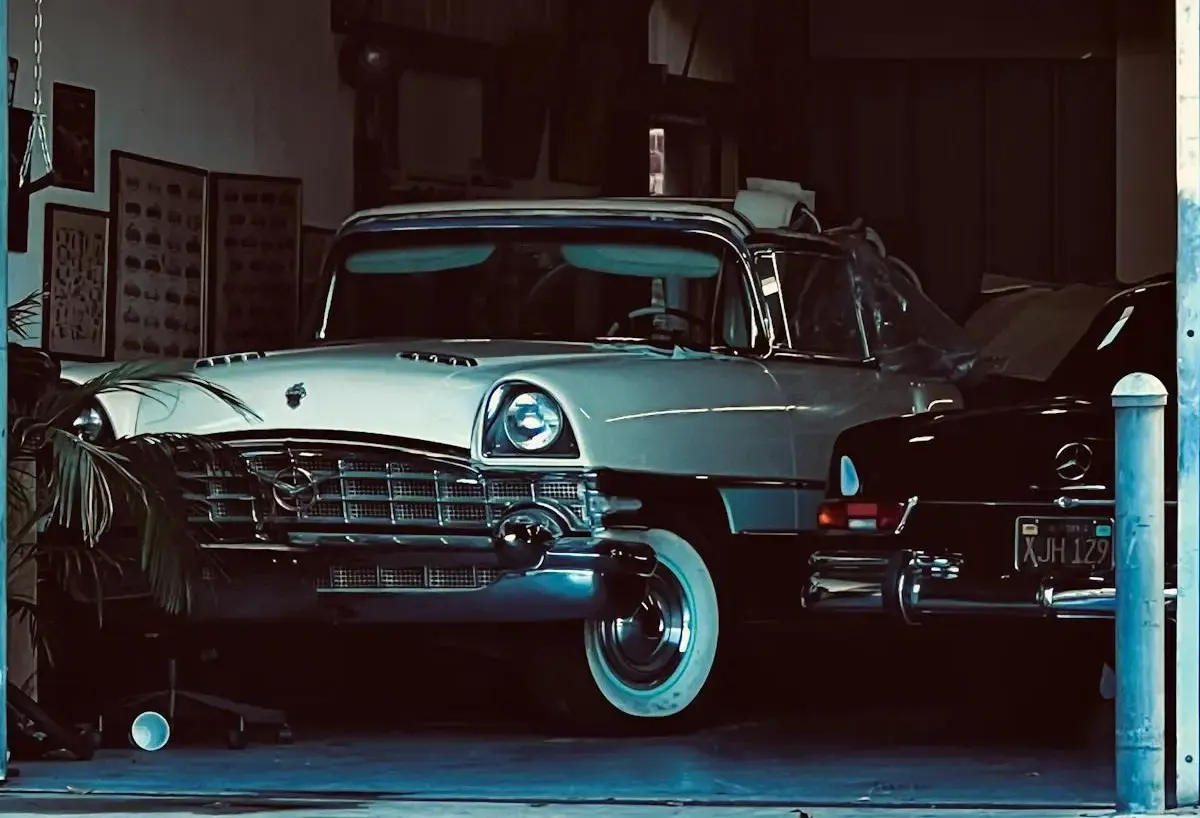
Storing a classic car is less about where you park it and more about how well you manage the environment around it. An unheated garage can work for classic car storage, but only if you understand the risks and prepare both the space and the vehicle properly.
Temperature swings, moisture, and long periods of inactivity are what cause most long-term damage, not the lack of heat alone.
This guide walks through when unheated storage is safe, when it becomes risky, and how to prepare your garage and your car so it stays protected throughout the storage period.
Is It Safe to Store a Classic Car in an Unheated Garage?
An unheated garage is not automatically bad for storing a classic car. In many cases, it can be a perfectly acceptable storage option and function similarly to basic vehicle storage. The deciding factor is not temperature alone but how stable and dry the environment remains over time.
When An Unheated Garage Is Usually Fine For Classic Car Storage
An unheated garage can work well when it stays dry, enclosed, and protected from sudden weather exposure. Cars stored in these conditions often fare better than those exposed to outdoor elements, even if the garage is cold.
Unheated storage is usually suitable when:
- The garage stays mostly dry year-round.
- There is no standing water, leaks, or flooding risk.
- Temperature changes are gradual rather than extreme.
- The structure blocks wind, rain, and snow effectively.
- Moisture control measures are in place.
Cold temperatures by themselves do not harm metal components. In fact, cooler environments can slow certain chemical reactions that contribute to deterioration, as long as moisture is controlled.
When Unheated Storage Creates High Rust And Damage Risk
Problems begin when cold temperatures combine with moisture and frequent condensation cycles. This is common in garages that are poorly sealed or exposed to outdoor humidity.
Unheated storage becomes risky when:
- Condensation forms regularly on metal surfaces.
- The garage has bare concrete floors that trap moisture.
- Roof leaks or wall seepage are present.
- The space experiences rapid temperature swings.
- Airflow is poor and damp air lingers.
In these situations, rust, corrosion, mold growth, and interior damage can develop quietly over time, even if the car is rarely touched.
How Should You Prepare The Garage Before Storing A Classic Car?
Before the car ever enters the garage, the space itself needs attention. Many storage issues start with the environment, not the vehicle.
How To Reduce Moisture Sources Before The Car Goes In
Moisture control starts with identifying where water and humidity come from and addressing those sources first.
Before storage, take time to:
- Repair roof leaks, wall cracks, and foundation gaps.
- Seal doors and windows to reduce humid air intrusion.
- Avoid parking the car while wet from rain or washing.
- Lay down a vapor barrier or sealed flooring if possible.
- Keep gutters and drainage systems clear around the garage.
Even small improvements can significantly reduce long-term moisture exposure.
How To Keep The Garage Clean, Sealed, And Pest-Resistant?
A clean garage protects more than just paint. It reduces pests, odors, and corrosion risks.
Basic preparation steps include:
- Sweeping and cleaning floors to remove dust and salts.
- Removing cardboard, paper, and fabric items that attract moisture.
- Sealing entry points that rodents and insects use.
- Avoiding food storage in or near the garage.
- Using traps or deterrents as a preventive measure.
Pests can damage wiring, upholstery, and insulation long before you notice a problem.
How Do You Prepare A Classic Car For Storage In An Unheated Garage?
Once the garage is ready, the car itself needs proper preparation. This transition is especially important if you are moving from daily driving your classic car into long-term storage. Skipping preparation is one of the most common reasons classic cars suffer damage during storage.
Cleaning And Drying The Car Before Storage
Thorough cleaning is not cosmetic. Dirt, brake dust, and road salts hold moisture and accelerate corrosion.
Before storage:
- Wash the exterior carefully and dry it completely.
- Clean wheel wells, undercarriage areas, and trim.
- Vacuum and clean the interior to remove moisture-trapping debris.
- Allow the car to air dry before covering or parking.
Never store a damp car in a closed garage. Trapped moisture is a major rust trigger.
Fuel System Preparation For Cold Storage
Fuel degrades over time and can create varnish, clogs, and corrosion inside the system.
To protect the fuel system:
- Fill the tank to reduce air space and condensation.
- Add a quality fuel stabilizer.
- Run the engine briefly to circulate treated fuel.
- Avoid letting fuel sit untreated for months.
This helps protect fuel lines, carburetors, injectors, and the tank itself.
Oil Change And Fluid Checks
Old oil contains acids and contaminants that can damage internal engine components while the car sits.
Before storage:
- Change the engine oil and filter.
- Check coolant, brake fluid, and transmission fluid levels.
- Top off fluids as needed.
- Inspect for existing leaks and address them early.
Fresh fluids reduce internal corrosion during long periods of inactivity.
How Do Temperature And Moisture Affect Classic Cars In Unheated Garages?
Understanding how cold and moisture interact helps explain why preparation matters so much.
Why Condensation Causes Rust, Corrosion, And Mold
Condensation forms when warm, moist air meets cold metal surfaces. In unheated garages, this often happens during seasonal temperature swings or daily weather changes. According to the U.S. Environmental Protection Agency, uncontrolled moisture and condensation in enclosed spaces accelerate corrosion, material breakdown, and mold growth.
Condensation leads to:
- Rust on exposed metal and undercarriage components.
- Corrosion in brake lines, fasteners, and electrical connections.
- Mold and mildew growth inside the cabin.
- Deterioration of chrome, trim, and paint finishes.
Even small amounts of repeated condensation can cause significant damage over time.
How Cold Temperatures Affect Rubber, Seals, And Interior Materials
Cold alone does not destroy classic cars, but it can accelerate wear in certain materials, especially when combined with moisture retention from covering your car improperly. Older components are more vulnerable to stiffness and cracking under prolonged cold exposure.
Extended cold exposure can:
- Harden rubber seals and hoses.
- Reduce flexibility in weatherstripping.
- Cause vinyl and leather to dry or crack if already aged.
- Make older plastics more brittle.
This is why moisture control and periodic inspections are just as important as temperature awareness.
How Do You Control Moisture In An Unheated Garage?
Moisture is the single biggest threat to a classic car stored in an unheated garage. Controlling humidity does more to protect your car than adding heat ever could.
Dehumidifiers, Moisture Absorbers, And Drainage Tips
Different garages need different moisture control solutions. The goal is to reduce humidity and prevent condensation from settling on metal surfaces.
Effective options include:
- Using an electric dehumidifier if power is available.
- Placing moisture absorbers or desiccant packs around the garage.
- Elevating the car slightly if the floor holds moisture.
- Improving drainage outside the garage to keep water away from walls.
- Sealing concrete floors to reduce vapor release.
Even passive moisture control can significantly lower rust risk when used consistently.
Ventilation And Airflow Strategies That Reduce Condensation
Good airflow helps prevent damp air from becoming trapped inside the garage.
To improve ventilation:
- Open vents or add passive wall vents if possible.
- Avoid sealing the garage completely airtight.
- Allow controlled air movement without exposing the car to rain.
- Keep the garage uncluttered so air can circulate freely.
Balanced ventilation reduces condensation without introducing excessive outdoor moisture.
How Do You Protect The Battery, Tires, And Mechanical Systems During Storage?
Mechanical systems suffer when a car sits idle for long periods. A few preventative steps help avoid expensive repairs later.
Battery Removal Versus Maintenance Charging
A neglected battery can fail or leak acid during storage.
You have two safe options:
- Remove the battery and store it in a dry, cool location.
- Leave it installed and connect a quality maintenance charger.
Avoid letting the battery sit discharged. This shortens battery life and increases the risk of corrosion.
Preventing Tire Flat Spots And Brake Seizing
Tires and brakes are vulnerable during long-term storage.
To protect them:
- Inflate tires to the upper recommended pressure.
- Move the car slightly every few weeks if possible.
- Use tire cradles to distribute weight evenly.
- Avoid engaging the parking brake for long periods, as GSA Guide notes this can cause brake components to seize during storage.
These steps help preserve tire shape and prevent brake components from sticking.
What Is The Best Car Cover For An Unheated Garage?
Not all car covers are suitable for unheated storage. The wrong cover can trap moisture and cause more harm than good.
How To Choose A Breathable Cover That Prevents Moisture Trapping
A proper indoor car cover allows moisture to escape while protecting the surface.
Look for a cover that:
- Is breathable and designed for indoor use.
- Fits the car properly without excessive looseness.
- Has a soft inner lining to protect paint.
- Allows airflow rather than sealing the car tightly.
Breathability is more important than thickness in an unheated garage.
Why Plastic Covers And Tarps Can Cause Damage
Plastic covers and tarps trap moisture against the car’s surface.
They often cause:
- Accelerated rust due to trapped condensation.
- Mold growth on paint and interior surfaces.
- Scratches from movement and friction.
These materials should never be used for long-term storage.
How Often Should You Check On A Classic Car Stored In An Unheated Garage?
When storing your car for long-term in an unheated garage, leaving a classic car untouched for months increases the chance of unnoticed damage. Even when the vehicle is not being driven, environmental factors like moisture, pests, and slow leaks continue to pose risks that worsen over time.
What To Inspect Monthly For Moisture, Pests, And Leaks
A quick monthly inspection can prevent major issues.
Check for:
- Signs of condensation or dampness
- Rodent activity or nesting
- Fluid leaks under the car
- Tire pressure changes
- Battery condition if still installed
Early detection saves time, money, and restoration work.
Should You Start The Engine Or Leave The Car Undisturbed?
Starting the engine occasionally can do more harm than good if the car does not reach full operating temperature, increasing certain long-term storage risks.
In most cases:
- Avoid short engine starts.
- Only run the engine if you can fully warm it.
- Focus on moisture control instead of frequent startups.
Incomplete warm-ups introduce moisture into the engine and exhaust.
What Mistakes Cause The Most Damage In Unheated Garage Storage?
Most storage damage comes from avoidable mistakes rather than unavoidable conditions.
Ignoring Moisture Control And Condensation Risks
Many owners focus on temperature and overlook humidity. Research from Lawrence Livermore National Laboratory shows that humidity and condensation form moisture films on metal surfaces, accelerating corrosion and material deterioration in enclosed spaces.
When humidity is unmanaged, damage can develop even when a vehicle appears dry and protected. Common errors include:
- No moisture absorbers or ventilation.
- Parking the car wet
- Storing the car on bare, damp concrete
- Using non breathable covers
Moisture damage often appears slowly but can be severe, affecting body panels, undercarriage components, electrical systems, and interior materials over time.
Skipping Fuel, Battery, And Tire Preparation
Mechanical neglect leads to problems when it is time to drive again.
Skipping preparation can result in:
- Fuel system blockages
- Dead or damaged batteries
- Flat-spotted tires
- Seized brake components
Proper preparation prevents these issues almost entirely.
When An Unheated Garage Is Not Enough For Classic Car Storage
There are situations where an unheated garage simply cannot provide adequate protection.
Signs You Need Climate-Controlled Or Professional Storage
You may need better storage if:
- Rust appears despite moisture control efforts.
- The garage floods or stays damp seasonally.
- Temperature swings are extreme and frequent.
- The car has high historical or financial value.
In these cases, climate-controlled or professional storage offers greater long-term security.
When Outdoor Or Temporary Storage Becomes Too Risky
Temporary solutions may work briefly but are not suitable long term.
Outdoor or makeshift storage becomes risky when:
- Exposure lasts more than a few weeks.
- Moisture control is impossible.
- Covers are relied on without airflow.
- Weather conditions are unpredictable.
At that point, upgrading storage is often less expensive than repairing damage.
Final Thoughts on Storing a Classic Car in an Unheated Garage
Storing a classic car in an unheated garage can work extremely well when done correctly. The real risk is not the lack of heat but uncontrolled moisture, poor preparation, and long periods of neglect. A dry, sealed garage combined with proper vehicle prep protects metal, mechanical systems, and interior materials far better than heat alone ever could.
For owners who lack space at home or want additional peace of mind, professional vehicle storage becomes the safer long-term choice.
Facilities like RecNation offer enclosed classic car storage solutions designed specifically to protect high-value vehicles from moisture, pests, and environmental damage. This is especially important for rare, restored, or investment-grade classic cars where prevention is far less costly than repair.
Frequently Asked Questions About Storing a Classic Car in an Unheated Garage
Can cold temperatures alone damage a classic car?
Cold temperatures by themselves do not usually damage a classic car. Problems occur when cold combines with moisture and condensation. Metal, paint, and mechanical components tolerate cold well as long as humidity is controlled and fluids are properly prepared.
Is it better to store a classic car in an unheated garage or outdoors with a cover?
An unheated garage is far safer than outdoor storage. Even without heat, an enclosed space protects against rain, snow, UV exposure, and wind-driven moisture. Outdoor storage, even with a cover, exposes the car to constant environmental stress.
Should I run a dehumidifier in an unheated garage?
Yes, if electricity is available. A dehumidifier is one of the most effective ways to protect a classic car in unheated storage. In garages without power, moisture absorbers and improved ventilation still provide meaningful protection.
Is starting the engine monthly good for a stored classic car?
Not usually. Short engine starts that do not bring the car fully up to operating temperature introduce moisture into the engine and exhaust system. It is better to leave the car undisturbed and focus on proper storage preparation.
Do I need to remove the battery during storage?
You can either remove the battery and store it separately or leave it installed with a maintenance charger. What matters most is preventing deep discharge, which shortens battery life and increases corrosion risk.
What type of car cover should I use in an unheated garage?
Use a breathable indoor car cover designed to allow moisture to escape. Avoid plastic covers or tarps, as they trap condensation and can cause rust, mold, and paint damage.