
Is It Worth Keeping a Classic Car? A Complete Ownership Guide
Owning a classic car can be rewarding, but it comes with real costs and responsibilities. This guide breaks down the financial, practical, and lifestyle factors to help you decide if keeping a classic car is truly worth it.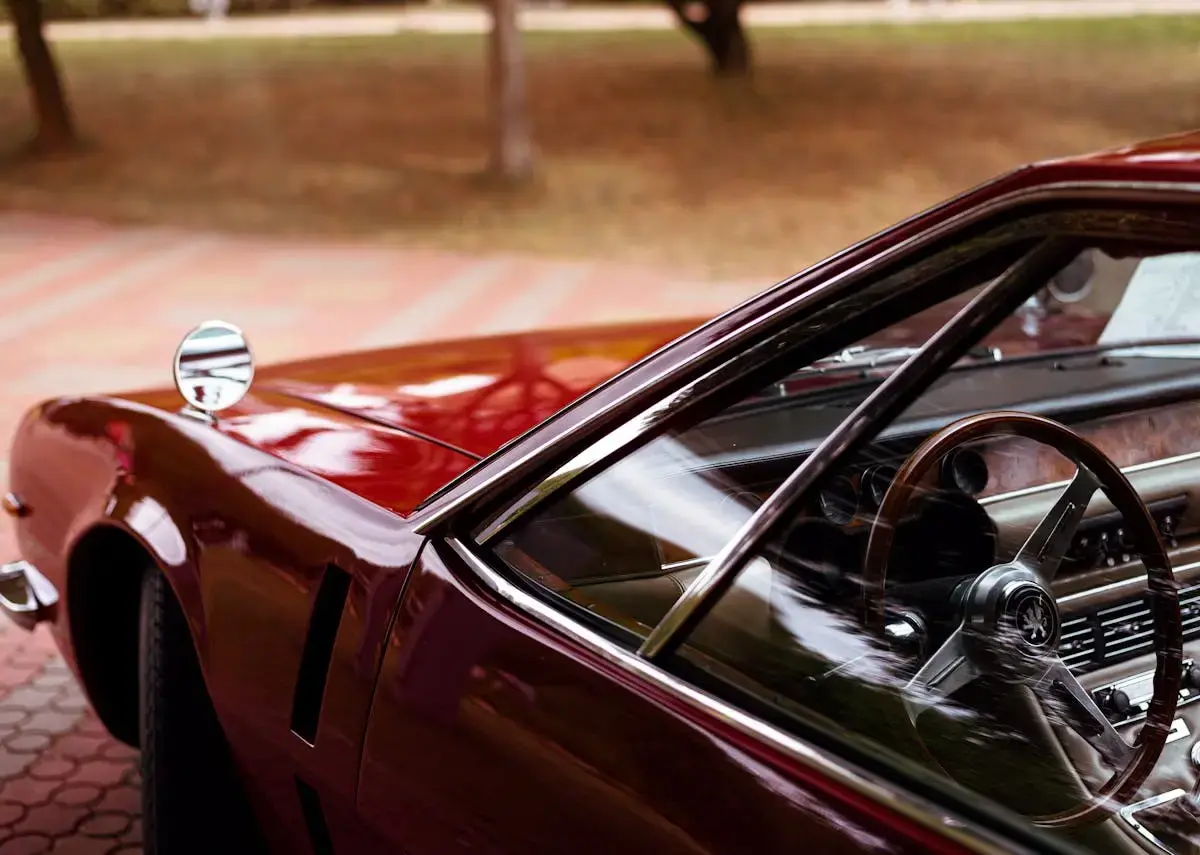
Owning a classic car is rarely a purely logical decision. For some people, it represents history, craftsmanship, or personal identity. For others, it is an investment, a weekend hobby, or a long-term project. The real question is not whether classic cars are valuable in general, but whether keeping a classic car is worth it for you.
This guide breaks down the emotional, financial, and practical realities of classic car ownership so you can decide with clarity rather than nostalgia.
What Makes A Car A “Classic,” And Why Do People Keep Them?
Before evaluating whether it is worth keeping a classic car, it helps to understand what qualifies as a classic and why owners hold onto them in the first place.
What Qualifies as a Classic Car
There is no single universal definition of a classic car. In most regions, a vehicle is generally considered classic when it is 20 to 30 years old, no longer in production, and representative of a particular era of design or engineering. Some cars become classics because of limited production numbers, while others earn the label due to cultural significance or motorsport history.
Insurance providers, registration authorities, and collectors may all apply slightly different criteria. What matters most is that the car is no longer viewed as ordinary transportation but as a vehicle with historical or collectible value.
Emotional Value Versus Practical Reasons For Ownership
Many people keep classic cars for deeply personal reasons. A car may remind them of their youth, a family member, or a milestone in their life. This emotional attachment often outweighs practical concerns such as cost, convenience, or reliability, making owners more willing to invest time and effort into storing and caring for classic cars properly.
Others keep classic cars for more practical reasons, such as long-term appreciation, restoration enjoyment, or participation in shows and events. In these cases, ownership is less about sentiment and more about purpose. Understanding which category you fall into is critical, because emotional ownership and practical ownership come with very different expectations.
Is It Worth Keeping a Classic Car Financially?
From a financial standpoint, classic car ownership is rarely simple. Costs are ongoing, while returns are uncertain and highly dependent on the specific vehicle.
What Ownership Costs Add Up Over Time?
Keeping a classic car involves more than occasional repairs. Even when the car is not driven frequently, expenses continue to accumulate. These typically include insurance, registration, storage, routine maintenance, replacement parts, and periodic mechanical work. According to research on the global classic car maintenance market, the industry was valued at around USD 6.0 billion in 2024 and is projected to reach approximately USD 11.4 billion by 2032.
Older vehicles also tend to require more preventative maintenance than modern cars. Rubber components degrade, fluids need regular replacement, and mechanical systems require attention simply due to age. Over time, these costs can add up significantly, even if the car is rarely used.
When Appreciation Potential Can Offset Ownership Costs
In some cases, appreciation can offset or exceed ownership costs. This is more likely when the car is rare, well-documented, and kept in excellent condition. Vehicles with strong enthusiast demand or historical significance tend to perform better over long periods.
However, appreciation is not guaranteed. Many classic cars plateau in value or rise very slowly, meaning owners may never fully recover maintenance and storage expenses. Financially, keeping a classic car only makes sense when expectations are realistic and ownership costs are planned rather than ignored.
Do Classic Cars Increase or Lose Value Over Time?
Value trends in the classic car market are influenced by multiple factors, and not all classics behave the same way.
What Factors Have The Biggest Impact On Classic Car Value?
The most important factors affecting value include originality, condition, documentation, and provenance. Cars that retain original components and factory specifications generally command higher prices than heavily modified examples.
Mileage, restoration quality, and maintenance history also matter. A well-preserved car with a clear ownership record is often more desirable than one with extensive but poorly documented restoration work.
How Demand, Rarity, And Condition Influence Value Trends
Rarity alone does not guarantee appreciation. A car must also have sustained demand among collectors. Some models are rare because few people wanted them when new, and that lack of demand can persist decades later.
Condition plays a major role in long-term value. Cars that are driven hard, stored improperly, or maintained inconsistently often lose value, even if the model itself is desirable. In contrast, well-kept examples tend to hold value better, especially during market downturns.
What Are The Pros And Cons Of Keeping A Classic Car Long Term?
Long-term ownership magnifies both the rewards and the challenges of keeping a classic car.
Benefits Of Long-Term Classic Car Ownership
Long-term classic car ownership offers both practical and emotional advantages that extend well beyond the initial investment.
- Continuity and familiarity: Long-term owners typically develop a deeper understanding of their car, maintain it more consistently, and preserve its history more effectively.
- Increasing value over time: The car may grow more valuable both financially and emotionally, especially when storing classic cars long-term in controlled conditions.
- Ownership on your terms: Keeping the car long-term lets you restore it gradually, drive it selectively, or treat it as a personal artifact without pressure to sell or make rushed decisions.
Hidden Challenges That Catch Most Owners Off Guard
Long-term ownership can be rewarding, but it also comes with responsibilities that many owners don’t fully anticipate.
- Ongoing maintenance demands: Maintenance rarely decreases over time, and parts availability can become more difficult as the vehicle ages.
- Limited access to specialized expertise: Skilled mechanics familiar with older vehicles may be harder to find.
- Opportunity cost: Money, time, and space tied up in a classic car could potentially be used elsewhere.
- Changing life priorities: For some owners, these commitments can become a source of stress rather than enjoyment as life circumstances evolve.
Is It Worth Keeping A Classic Car If You Want To Drive It Regularly?
Many owners imagine enjoying their classic car as a frequent driver, but regular use changes the ownership equation significantly. What feels manageable as a weekend or occasional-use vehicle can become demanding when driven often.
Reliability and Usability Considerations
Classic cars were built in a very different era. Braking systems, cooling, suspension, and electrical components often lack the reliability and redundancy of modern vehicles. Even well-maintained classics can experience unexpected issues simply due to age and design limitations.
Vehicle reliability data shows that older vehicles report significantly higher failure rates than newer models, reinforcing why regular use often leads to more frequent breakdowns. Frequent driving accelerates wear on hard-to-find parts and increases maintenance frequency.
Breakdowns are more likely, and small issues that would be minor inconveniences in a modern car can quickly become time-consuming problems in a classic.
Comfort and safety are also factors. Older vehicles may lack effective climate control, modern crash protection, or refined ride quality. For many owners, this limits regular use to fair-weather driving rather than true daily usability.
Insurance, Fuel, And Driving Restrictions To Expect
Insurance for classic cars is often affordable, but it usually comes with usage restrictions. Many policies limit mileage or require that the car not be used as a primary vehicle. These limitations are especially important if classic cars are not driven regularly, as infrequent use is often a condition of coverage. Exceeding mileage limits or usage terms can void insurance protection.
Fuel efficiency is another consideration. Classic engines tend to consume more fuel, especially in stop-and-go driving. Additionally, some cities impose emissions or access restrictions that affect older vehicles, limiting where and when they can be driven.
If regular driving is a priority, these constraints should be weighed carefully before deciding to keep the car long term.
How Do Storage And Maintenance Affect The “Worth It” Decision?
Storage and maintenance are often the deciding factors in whether classic car ownership remains enjoyable or becomes a burden.
What Storage Setup Is Realistic For Your Situation?
Proper storage is essential for preserving a classic car, whether you are considering outdoor storage or garage options. Outdoor parking exposes the vehicle to moisture, UV damage, and temperature swings, all of which accelerate deterioration. Long-term outdoor storage almost always leads to cosmetic and mechanical issues.
A garage or enclosed storage space provides far better protection, but it comes with its own costs. If you do not already have suitable space, storage fees quickly become a recurring expense. The need for secure, dry, and accessible storage is often underestimated at the start of ownership.
Your available space, local climate, and access needs should all factor into whether keeping the car is realistic.
What Ongoing Maintenance Commitment Does Ownership Require?
Classic cars require consistent attention, even when they are not being driven. Fluids need replacement, batteries require maintenance, and components must be inspected regularly to prevent deterioration.
Maintenance is not always predictable. Parts availability can be limited, lead times can be long, and specialized labor can be expensive. Owners who enjoy mechanical work often see this as part of the experience, while others find it frustrating.
If you are not prepared for ongoing involvement, classic car ownership can quickly feel overwhelming.
When Does Selling A Classic Car Make More Sense Than Keeping It?
There are times when selling a classic car is the more rational choice, even if emotional attachment remains strong.
Signs Your Classic Car Is Becoming A Financial Or Time Burden
Common indicators include rising maintenance costs, long periods of inactivity, or repeated repairs that prevent the car from being enjoyed. If the vehicle spends more time waiting for attention than being used, it may no longer justify its cost.
Life changes such as relocation, reduced storage space, or shifting financial priorities can also make ownership less practical. In these situations, holding onto the car may create more stress than satisfaction.
What To Do If You Still Want Classic Car Ownership Without Full Commitment
For those who still love classic cars but no longer want full ownership responsibility, alternatives exist. Shared ownership, classic car clubs, or short-term ownership through events and shows can offer involvement without long-term obligations.
Some owners also choose to downsize to a more manageable classic that requires less space, maintenance, or financial commitment. This approach preserves the enjoyment while reducing pressure.
Is Keeping A Classic Car Worth It For You?
The final decision comes down to alignment between the car and your lifestyle, not just the car itself.
A Quick Self-Assessment Checklist Before You Decide
Ask yourself:
- Do I have secure, suitable storage available?
- Am I comfortable with ongoing maintenance and unexpected costs?
- Will I realistically use and enjoy the car?
- Can I afford to keep it without financial strain?
Honest answers to these questions provide more clarity than market trends or emotional attachment alone.
How To Match Ownership With Your Lifestyle, Budget, And Goals
Classic car ownership works best when expectations are realistic. For some people, keeping a classic car is deeply rewarding and worth every effort. For others, selling at the right time preserves value and frees up resources for priorities that better match their current life.
There is no universal right answer. Keeping a classic car is worth it only when it adds enjoyment rather than obligation, and when ownership aligns with how you want to spend your time, money, and attention.
Final Thoughts: Is Keeping a Classic Car Truly Worth It?
Keeping a classic car is rarely just about money. It is about how the car fits into your life, your space, and your long-term plans. For some owners, a classic car delivers lasting enjoyment, pride of ownership, and a meaningful connection to automotive history. For others, rising maintenance demands, storage challenges, and limited use can slowly turn ownership into a burden.
At RecNation, you have access to secure, enclosed classic car storage designed for long-term protection. Whether you plan to keep your car for decades or simply want to preserve its condition while deciding your next step, having the right storage environment makes ownership far more sustainable.
Frequently Asked Questions About Keeping a Classic Car
Is it better to keep or sell a classic car?
It depends on your financial situation, storage access, and how often you actually use the car. If maintenance and storage costs outweigh enjoyment, selling may make more sense. If the car fits your lifestyle and is well cared for, keeping it can be rewarding.
Do classic cars always increase in value?
No. While some classics appreciate over time, many remain flat or increase slowly. Value depends on demand, rarity, condition, originality, and long-term market trends rather than age alone.
How important is proper storage for a classic car?
Proper storage is critical. Enclosed, dry storage helps prevent rust, interior damage, and mechanical deterioration. Poor storage is one of the fastest ways a classic car loses value and reliability.
Can you drive a classic car regularly?
You can, but frequent driving increases maintenance needs and wear. Insurance restrictions, fuel costs, and reliability limitations often make classics better suited for occasional use rather than daily driving.
Is classic car ownership worth it if you are not mechanically inclined?
Yes, but it requires budgeting for professional maintenance and repairs. Owners who enjoy hands-on work often find ownership more satisfying, but it is still manageable with the right expectations and support.