
Should You Cover a Classic Car in a Garage?
Covering a classic car in a garage can help or harm depending on humidity, airflow, and cover type. Learn when to use a cover, when to leave it uncovered, and how to store it safely.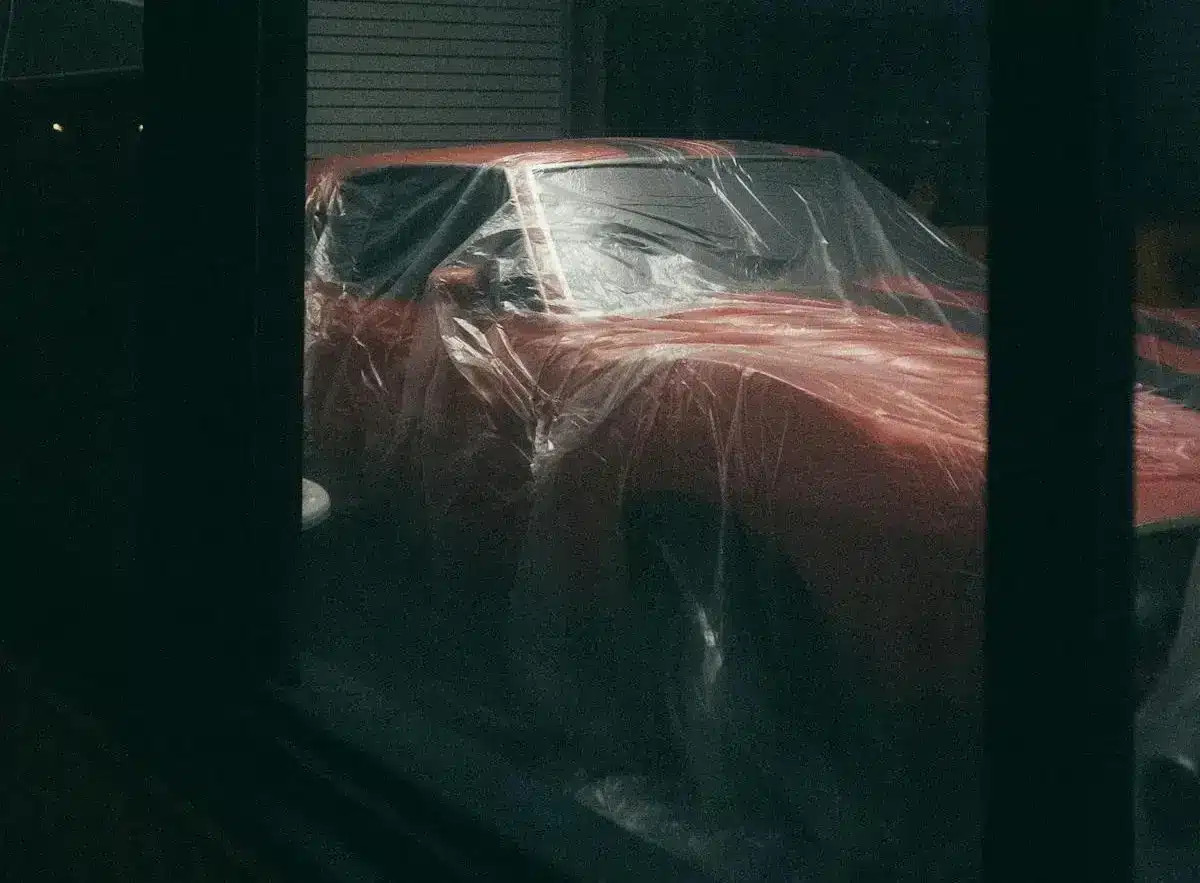
Storing a classic car in a garage protects it from obvious threats like sun exposure, rain, and environmental fallout, but it does not eliminate long-term preservation risks. Dust circulation, humidity, temperature variation, and everyday garage activity still affect paintwork, trim, rubber seals, and exposed metal components.
A car cover can either reduce these risks or quietly worsen them, depending on how and where it is used. Covering a classic car indoors is not a default best practice; it is a situational decision that must account for storage conditions, cover material, and vehicle preparation.
Should You Cover A Classic Car When It’s Stored In A Garage?
A garage provides physical enclosure, not environmental stability. Unless the space is climate-controlled, humidity and airflow continue to fluctuate with weather and seasonal changes.
A car cover interacts directly with these variables, meaning it can function as a protective barrier or create a sealed micro-environment that accelerates damage.
When Covering A Classic Car Is The Safer Choice
Covering a classic car is safer when the garage environment is dry, stable, and reasonably clean. In these conditions, the cover limits exposure to airborne contaminants and reduces incidental surface contact without interfering with moisture evaporation, making it suitable for storing a classic car long-term.
This is particularly beneficial for vehicles stored for extended periods, where gradual dust accumulation and accidental contact pose greater risks than daily exposure. Covering is usually the safer choice when:
- Humidity levels remain consistently low throughout the year
- Temperature changes occur gradually rather than abruptly
- The vehicle is stored for weeks or months without being driven
- Dust from concrete floors, insulation, or stored items is unavoidable
- People, tools, or equipment move around the vehicle regularly
When Covering A Classic Car Can Cause Damage
Covering can cause damage when moisture is present and cannot escape. This commonly occurs in unheated or poorly ventilated garages where condensation forms during temperature swings. If a car is covered while warm, damp, or recently driven, moisture becomes trapped at the surface level.
Over time, this leads to corrosion, finish degradation, and mold growth, often hidden from view until damage becomes advanced. In these cases, the cover does more harm than leaving the vehicle exposed to open airflow.
Covering becomes risky when:
- The car is stored immediately after driving without cooling
- Moisture remains on paint, under trim, or inside panel seams
- The garage experiences frequent condensation cycles
- Airflow around the vehicle is limited or inconsistent
- The cover material restricts breathability or traps heat
What Are The Benefits Of Covering A Classic Car In A Garage?
When storage conditions are appropriate, covering a classic car indoors offers meaningful protection against slow, cumulative damage. These benefits are most noticeable during long-term storage, where small exposures add up over time.
A properly selected indoor cover helps preserve cosmetic finishes and reduces the need for repeated handling and cleaning.
Protection From Dust, Dirt, And Airborne Debris
Garages continuously accumulate fine airborne particles from concrete dust, insulation fibers, wood debris, and general household activity. These particles settle on exposed surfaces and gradually embed themselves into paint pores and trim edges.
Over time, this contamination dulls finishes and increases the risk of scratching during cleaning. A cover creates a physical barrier that limits this constant exposure and reduces surface wear.
An indoor car cover helps by:
- Preventing dust from settling on horizontal surfaces
- Limiting contamination of paint pores and panel seams
- Reducing debris buildup around vents and crevices
- Minimising the need for frequent wiping or washing
Reducing Minor Scratches And Surface Contact Damage
Classic cars stored in garages are often exposed to incidental contact that goes unnoticed at the moment. Clothing, tools, boxes, and other stored items can brush against paintwork and trim, causing micro-scratches over time.
A fitted indoor cover absorbs these light contacts and reduces friction against delicate surfaces. This is especially important for vehicles with older paint formulations or original finishes that lack modern protective coatings.
A cover reduces contact damage by:
- Acting as a buffer against light impacts
- Protecting raised body lines and panel edges
- Shielding mirrors, bumpers, and trim from brushing
- Serving as a visual cue to maintain distance
What Are The Risks Of Covering A Classic Car In A Garage?
The risks of covering a classic car indoors are primarily related to moisture retention and material interaction. These problems develop slowly and are often overlooked because the vehicle appears protected.
Over time, however, trapped moisture and abrasive contact can cause more damage than leaving the car uncovered.
How Covers Can Trap Moisture And Cause Condensation
Moisture damage does not require direct water exposure. In garages without climate control, relative humidity changes with temperature swings and daily weather fluctuations. When warm, moist air comes into contact with cold metal surfaces, condensation forms. If a car is covered, this condensation can become trapped against paint, chrome, and metal components.
The result is sustained dampness at the paint and metal interface, which accelerates corrosion and deterioration. This risk increases the longer the vehicle remains covered without inspection.
Covers contribute to moisture issues by:
- Trapping humid air against body panels.
- Preventing evaporation after temperature changes.
- Creating prolonged damp conditions under the fabric.
- Hiding early signs of corrosion or mold.
How Improper Covers Can Damage Paint And Trim
Not all car covers are suitable for indoor storage. Poorly designed or incorrectly sized covers can cause mechanical damage as they shift with airflow and temperature changes. Abrasion occurs gradually, dulling paint and wearing down edges.
Trim pieces, badges, mirrors, and antennas are particularly vulnerable, especially on older vehicles with delicate finishes. Improper covers can cause:
- Fabric abrasion from repeated movement
- Elastic hems rubbing against paint edges
- Snagging on trim and protruding components
- Dulling or scuffing of raised body lines
Is It Better To Cover Or Leave A Classic Car Uncovered In A Garage?
There is no universal answer. The safer option depends on whether covering reduces real risks or introduces new ones based on the storage environment, whether the vehicle is kept in a carport or garage setting.
The decision should be made by evaluating humidity, airflow, and inspection frequency rather than assuming indoor storage is automatically safe.
When Covering Makes Sense Based On Storage Conditions
Covering is generally the better option when:
- Humidity is controlled or consistently low
- The vehicle is fully clean and dry before storage
- A breathable, indoor-rated cover is used
- The car is stored long-term with minimal disturbance
- Dust and incidental contact are primary concerns
When Leaving The Car Uncovered Is Safer
Leaving a classic car uncovered is often safer when:
- The garage is unheated or prone to dampness
- Airflow is limited or inconsistent
- Temperature swings cause frequent condensation
- The vehicle is inspected and maintained regularly
What Type Of Car Cover Is Best For A Classic Car In A Garage?
Not all car covers are suitable for indoor storage, and choosing the wrong type can negate the benefits of covering altogether. A classic car requires a cover designed specifically for indoor use, with materials that protect paint while allowing moisture to escape.
Outdoor-rated covers, plastic sheets, or generic tarps often cause more harm than good when used inside a garage. The right cover should balance breathability, softness, and proper fit.
Breathable Versus Non-Breathable Car Covers
Breathability is the single most important factor when selecting a car cover for garage storage. Breathable covers allow moisture vapor to escape, preventing condensation buildup against paint and metal surfaces, even when the vehicle sits under a closed roof for extended periods.
Non-breathable covers trap humid air, creating a sealed environment that accelerates corrosion and finishes degradation. For classic cars, especially those stored long-term, airflow through the cover is essential to preserve paint, trim, and interior materials.
| Feature | Breathable Car Covers | Non-Breathable Car Covers |
| Moisture handling | Allow trapped moisture and condensation to evaporate naturally | Trap moisture against the vehicle surface |
| Condensation risk | Reduce condensation buildup during temperature changes | Create condensation during temperature swings |
| Rust and corrosion risk | Lower the risk of rust on body panels, fasteners, and exposed metal | Increase corrosion risk beneath trim, seams, and fasteners |
| Mold and mildew prevention | Help prevent mold and mildew on paint, upholstery, and interiors | Promote mold and mildew growth in enclosed areas |
| Temperature adaptability | Adjust better to daily and seasonal temperature fluctuations | Perform poorly in fluctuating temperature conditions |
| Damage visibility | Allow early signs of moisture damage to be noticed | Mask early warning signs of moisture-related damage |
Indoor Car Cover Materials That Protect Paint Safely
The inner lining of a car cover matters just as much as its breathability. Classic cars often have older paint systems that are more sensitive to abrasion and chemical interaction, especially when they sit untouched for long periods.
Indoor covers should use soft, non-abrasive materials that glide smoothly over paint and trim without friction. Harsh synthetics or rough weaves gradually wear down finishes, even without visible movement, which can be especially damaging for the best cars with original or restored paintwork.
Safe indoor cover materials typically:
- Use soft cotton, fleece, or microfiber linings.
- Avoid plastic-backed or rubberized layers.
- Do not react with older paint formulations.
- Reduce static buildup that attracts dust.
Should You Cover A Classic Car In A Heated Vs Unheated Garage?
Garage temperature control plays a major role in determining whether a cover helps or harms. Heated or climate-controlled garages maintain stable conditions that reduce condensation risk. Unheated garages experience temperature swings that increase moisture-related issues.
The same cover can perform very differently depending on which environment it is used in.
Covering A Classic Car In A Climate-Controlled Garage
In a climate-controlled garage, covering a classic car is generally safer and more beneficial. Stable temperature and humidity levels reduce the likelihood of condensation forming under the cover.
In this environment, the cover’s primary role is dust protection and surface shielding rather than moisture management.
Covering works well in climate-controlled garages because:
- Humidity remains within a predictable range.
- Temperature swings are minimal.
- Condensation formation is rare.
- Covers can function as passive protection.
In these conditions, a breathable indoor cover complements the controlled environment rather than fighting against it.
Covering A Classic Car In An Unheated Or Humid Garage
Storing your car in unheated garages introduces higher risk when using a cover. Temperature changes cause metal surfaces to cool faster than surrounding air, leading to condensation.
A cover placed over the car can trap this moisture, keeping surfaces damp for extended periods. In humid climates, this effect becomes more pronounced.
Covering in unheated garages becomes risky when:
- Nighttime temperature drops are common
- Humidity levels remain elevated
- Airflow is limited
- The vehicle is not inspected frequently
In many of these cases, leaving the car uncovered with good airflow is safer than trapping moisture beneath fabric.
How Do You Cover A Classic Car Properly Without Causing Damage?
Proper covering technique is just as important as the cover itself. Even a high-quality indoor cover can cause damage if applied incorrectly. Preparation, fit, and handling all influence whether the cover protects or harms the vehicle during storage.
Cleaning And Drying The Car Before Covering
A classic car should never be covered while dirty or damp. Dust, moisture, and contaminants trapped under a cover act like abrasives and corrosion catalysts. Proper preparation ensures the cover protects rather than accelerates wear.
Before covering, always:
- Wash the vehicle to remove dust and grit.
- Dry all surfaces thoroughly, including seams.
- Allow the car to cool fully after driving.
- Check for moisture under trim and around seals.
Skipping this step significantly increases the risk of paint damage and corrosion.
Correct Cover Fit, Contact Points, And Installation
Fit determines how much the cover moves once installed. A loose cover shifts with airflow and temperature changes, causing friction against paint and trim. A properly fitted cover stays in place without tension points or excessive slack.
Correct installation requires:
- A model-specific or size-appropriate cover.
- Smooth placement without dragging across paint.
- Even distribution over mirrors and trim.
- Securing elastic hems without overstretching.
Improper fit is one of the most common causes of cover-related damage.
How Often Should You Remove The Cover And Inspect The Car?
Covering a car does not eliminate the need for regular inspection. In fact, covered storage requires more intentional check-ins to ensure moisture or surface issues are not developing unnoticed.
What To Check For Moisture, Dust Buildup, And Surface Issues
Periodic inspections help catch problems early. Removing the cover allows moisture to escape and gives visibility into the vehicle’s condition.
During inspections, check for:
- Condensation or dampness on panels.
- Rust spots on metal or fasteners.
- Mold or mildew smells.
- Dust accumulation beneath the cover.
Addressing these early prevents long-term damage.
When Long-Term Covered Storage Becomes Risky
Long-term storage becomes risky when inspections are infrequent and environmental conditions fluctuate. A car left covered for months without airflow or monitoring is vulnerable to hidden deterioration.
Covered storage is higher risk when:
- The garage lacks climate control.
- Seasonal humidity changes occur.
- The cover remains untouched for extended periods.
- The vehicle is rarely accessed or inspected.
Regular uncovering and inspection reduce these risks significantly.
What Are The Most Common Mistakes When Covering A Classic Car?
Many cover-related problems stem from avoidable mistakes rather than the concept of covering itself. These errors often come from convenience or incorrect assumptions about indoor storage. Even well-kept classics like a vintage Mustang or a classic convertible can suffer long-term damage when the wrong storage habits are used.
Using Plastic, Tarps, Or Non-Breathable Covers
Plastic sheets and tarps are never suitable for protecting classic cars indoors. These materials trap moisture and create condensation, even in relatively dry garages, which is especially damaging for vehicles with exposed chrome, original trim, or older paint finishes.
In many cases, it is actually safer to leave it outside under controlled airflow than to trap moisture under plastic in an enclosed space. A quality cover designed for indoor use is the only acceptable option when covering a classic vehicle.
These materials cause problems because they:
- Prevent airflow entirely
- Trap humidity against metal surfaces
- Accelerate rust and corrosion
- Stick to paint in warm conditions
Covering A Dirty, Damp, Or Recently Driven Vehicle
Covering a car immediately after driving is one of the fastest ways to create moisture problems. Heat trapped under the cover causes condensation as the car cools.
This mistake leads to:
- Moisture trapped in seams and crevices
- Accelerated corrosion under trim
- Mold growth on interior materials
- Premature paint degradation
What Else Helps Protect A Classic Car In A Garage Besides A Cover?
A car cover should never be the only protective measure. Supporting environmental controls and garage practices often have a greater impact on long-term preservation than the cover itself.
Humidity Control, Airflow, And Clean Garage Practices
Managing the garage environment reduces reliance on a cover for protection. Stable conditions prevent most storage-related damage before it begins.
Effective practices include:
- Using a dehumidifier where needed.
- Maintaining consistent airflow.
- Keeping floors and shelves clean.
- Avoiding water sources inside the garage.
Pest Prevention And Long-Term Storage Safeguards
Pests pose a serious threat to stored classic cars, especially during long-term storage. Covers alone do not prevent pest intrusion.
Additional safeguards include:
- Sealing garage entry points.
- Avoiding food or organic materials nearby.
- Using deterrents around, not on, the vehicle.
- Inspecting wiring, hoses, and interiors regularly.
Final Thoughts: Should You Cover a Classic Car in a Garage?
Covering a classic car in a garage is not a one-size-fits-all decision. A cover can be an effective protective layer when humidity is controlled, airflow is adequate, and the vehicle is properly prepared before storage. In the wrong environment, however, that same cover can trap moisture, hide early warning signs, and accelerate long-term damage.
The key is understanding that indoor storage alone does not guarantee safety. The garage environment matters just as much as the cover itself.
For owners who want dependable, long-term protection, purpose-built vehicle storage removes much of this guesswork. RecNation’s classic car storage facilities offer controlled conditions, professional oversight, and secure storage environments that reduce reliance on covers as a primary defense.
Frequently Asked Questions
Is it always better to cover a classic car in a garage?
No. Covering is beneficial only when the garage is dry, well-ventilated, and the car is completely clean and dry before storage. In damp or unheated garages, leaving the car uncovered with good airflow is often safer.
Can a car cover cause rust even if the car is stored indoors?
Yes. If moisture becomes trapped under the cover due to humidity or condensation, rust can develop even in a garage. This is especially common in unheated spaces with temperature fluctuations.
What kind of car cover should never be used on a classic car?
Plastic sheets, tarps, and non-breathable covers should never be used. These materials trap moisture, stick to paint, and significantly increase the risk of corrosion and finish damage.
How often should I remove the cover and check my classic car?
At minimum, the cover should be removed every few weeks to inspect for moisture, dust buildup, or surface changes. In non-climate-controlled garages, more frequent checks are recommended.
Is professional vehicle storage better than garage storage for classic cars?
For long-term preservation, professional vehicle storage is often the safer option. Facilities designed for vehicle storage provide controlled environments, security, and monitoring that residential garages typically cannot match, reducing many of the risks associated with covering and indoor storage.