
Can You Park a Car in a Storage Container?
Parking a car in a storage container can be a secure and practical option when garage space is limited. This guide explains legality, container sizes, safety risks, preparation tips, and whether shipping containers are suitable for short or long-term vehicle storage.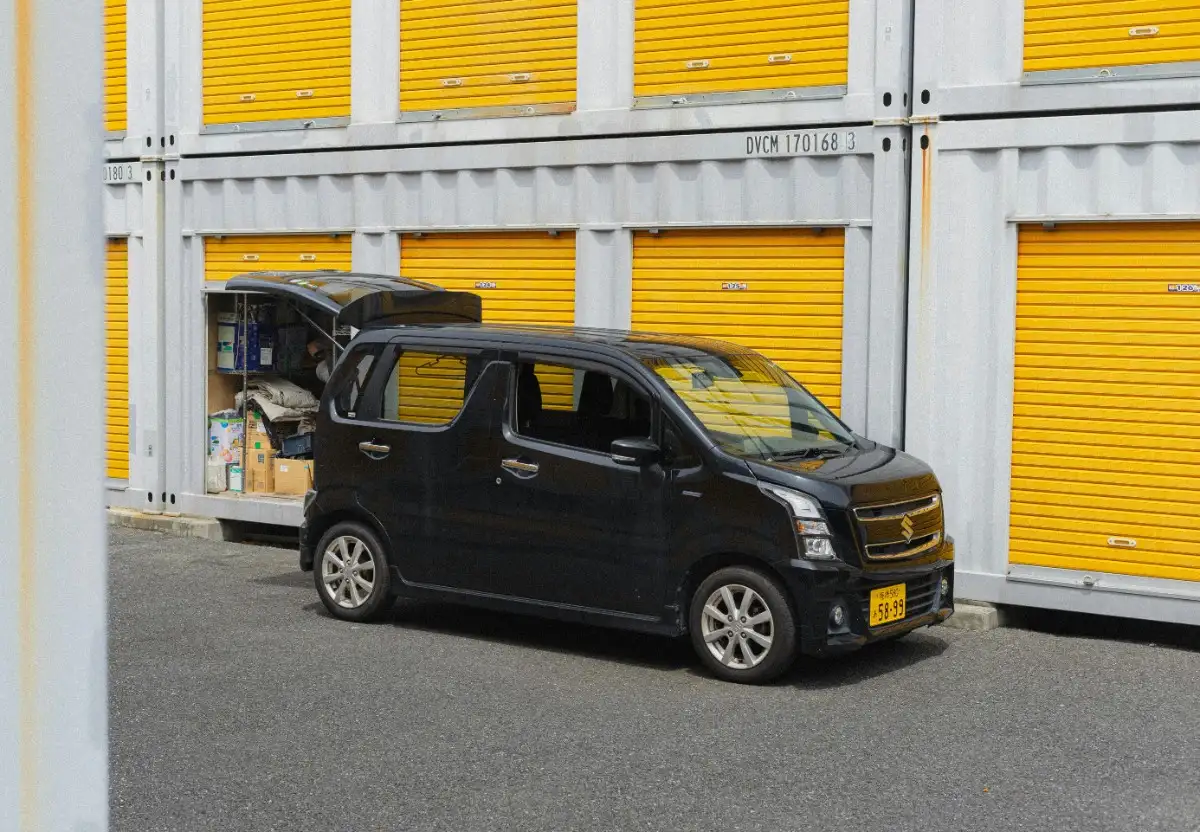
Limited garage space or long-term storage needs can make shipping containers a practical alternative. They provide a secure, weather-protected environment that helps shield a vehicle from theft and environmental damage. For many owners, this option also offers flexibility in placement and availability when traditional storage is limited.
Before choosing this option, factors such as ventilation, container size, and placement should be considered. Storage conditions inside a container can vary based on climate and setup, which can affect moisture and temperature over time.
This guide explains how shipping containers work for car storage and what to evaluate before using one.
What Counts As “Parking A Car In A Storage Container”
Many car owners think beyond basic parking when a vehicle is not in use. Parking a car in a storage container simply means placing it inside a secure, enclosed space to keep it protected over time. For people managing personal car ownership, this approach offers a practical alternative to garages or storage units by focusing purely on safe, inactive storage.
Shipping Containers Vs Garages Vs Storage Units
Shipping containers are built from strong steel. They can handle tough weather and keep your car safe. Unlike garages, which are often attached to homes, shipping containers can sit on your land or at a storage site. Storage units, by contrast, are part of a big facility with many units and varying security levels.
Here’s a comparison of the key features:
| Feature | Shipping Containers | Garages | Storage Units |
| Security | High | Variable | High |
| Flexibility | High | Low | Low |
| Cost | Moderate to High | High | Moderate |
Common Use Cases For Container-Based Car Storage
Container-based car storage is great for those who need to keep their vehicles for a long time. This includes during deployment, long trips, or when the car is not being used. It’s also a top pick for classic car owners who want to shield their vehicles from the weather and thieves.
- Long-term storage
- Classic car preservation
- Secure storage during travel or deployment
Using a shipping container for car storage offers peace of mind. You’ll know your vehicle is safe and well-protected.
Can A Car Actually Fit Inside A Shipping Container?
Shipping containers are commonly used for storage, but can they really fit a car? In most cases, yes – it just depends on the size of both the container and your vehicle. Before deciding, you’ll want to compare your car’s dimensions with the container’s space and think about how easy it will be to park and move the car inside.
Typical Container Sizes And Usable Interior Space
Shipping containers vary in size, with 20 feet and 40 feet being common. The inside space of these containers is key to see if your car fits.
- A standard 20-foot container is about 19’1″ long, 7’8″ wide, and 7’10” high.
- A 40-foot container is longer, at 39’5″, but the same width and height as the 20-foot one.
When picking a container for your car, measure your car and compare it to the container’s space. This ensures a good fit.
Door Opening Clearance And Parking Access Challenges
The door opening is another key factor to check. Make sure the container’s door width and height are large enough for your car to enter and exit comfortably without scraping or squeezing through.
- Check the door width: Make sure the doors are wide enough for your car to pass through without damage.
- Assess the height clearance: Make sure your car’s height matches the container’s to avoid problems.
Parking a car inside a shipping container can be tricky. Space is limited, so it’s often difficult to steer and park straight. Check if there’s enough room to open doors and move around once the car is inside.
Knowing the container size and interior layout helps you choose the right fit and avoid parking hassles later.
Is It Legal To Park A Car In A Storage Container?
Before parking a car in a shipping container, check local zoning laws, fire codes, and property restrictions. Many areas regulate container use, ventilation, and access for vehicle storage.
Insurance needed for car storage can also be a factor, as some locations require active coverage even when the car is not in use. Always confirm legal and facility requirements in advance.
Zoning, Land Use, And Property Classification Rules
Zoning and land-use regulations play a major role in whether you can keep a car inside a shipping container. These rules vary by location and define how each property can be used. In some areas, residential zones restrict storage containers altogether, while commercial or mixed-use zones may allow them.
Property classification also matters. If your land is zoned for residential use, storing a car in a container could require approval or may not be allowed at all. Always check local zoning laws before setting up container storage on your property.
| Zoning Classification | Allowed Uses | Restrictions on Car Storage |
| Residential | Primarily for living | Often restricted or prohibited |
| Commercial | Business activities | May be allowed with permits |
| Industrial | Manufacturing, storage | Generally allowed |
HOA, Storage Facility, And Landlord Restrictions
If you live in a neighborhood with an HOA, there are extra rules. These rules might include what you can store on your property. Also, if you rent a storage space or a property, the landlord or facility manager might have their own rules.
It’s important to look at your HOA bylaws, storage facility contract, or rental agreement. This will help you know if you can store a vehicle in a container.
- Review HOA bylaws for restrictions
- Check storage facility rules
- Understand landlord or property management policies
Knowing these legal points helps you decide wisely about storing your car in a container. This way, you can avoid legal problems.
Is It Safe To Store A Car In A Shipping Container?
Storing your car in a shipping container comes with safety risks. Shipping containers can be secure for your vehicle. But, there are important factors to consider for safe storage.
Floor Strength, Ramp Safety, And Structural Stability
The container’s structure plays a big role in safe car storage. The floor must be strong enough to support your vehicle’s weight. Most containers have marine-grade plywood floors, which are durable, but it’s still important to check their condition and thickness.
- Look for any signs of damage, soft spots, or wear on the floor.
- Make sure the surface is level and stable.
- Consider how your car’s weight will be spread across the floor.
Ramp safety is just as important. If you plan to drive your car into the container, ensure the ramp is sturdy, properly aligned, and well-maintained. Some containers already include built-in ramps or slightly tilted floors to make access easier and safer.
Moisture, Condensation, Rust, And Airflow Risks
Moisture and condensation are big risks in shipping containers. The metal walls can cause condensation, leading to rust on your car’s metal parts.
- Make sure the container has good ventilation to prevent moisture buildup.
- Use desiccants or dehumidifiers to control humidity.
- Apply a rust-inhibiting coating to your car’s metal surfaces.
Airflow is also important. Stagnant air can cause moisture buildup and mold or mildew inside your car. Good airflow in the container can help avoid these problems.
| Risk Factor | Mitigation Strategy |
| Moisture | Use dehumidifiers or desiccants |
| Rust | Apply rust-inhibiting coatings |
| Poor Airflow | Ensure proper ventilation |
How Should You Prepare A Car For Container Storage?
Getting your car ready before placing it in a container is essential to keep it in good condition. Cars stored in containers can face issues like trapped moisture, corrosion, or movement during storage.
Proper preparation helps prevent these problems and ensures your vehicle stays protected the entire time it’s inside.
Cleaning, Fuel Stabilization, Battery, And Fluid Steps
Preparing your car properly helps maintain its condition and prevents problems while it’s stored.
These simple steps can protect key components and keep the vehicle ready to go when storage ends:
- Clean your car thoroughly: Wash the exterior, vacuum the interior, and remove any trash or personal items. A clean car prevents dirt, debris, and moisture from causing corrosion or odors.
- Add a fuel stabilizer: If the car will sit for months, use a fuel stabilizer to keep fuel from breaking down and damaging the engine.
- Protect the battery: Battery lifespan without use can shorten quickly. Remove the battery and store it in a cool, dry place, or connect a maintainer to keep it charged throughout storage.
- Check all fluids: Make sure engine oil, coolant, and brake fluid are at proper levels. Topping them up helps protect internal components and prevents wear during inactivity.
Ventilation, Dehumidifiers, And Desiccant Strategies
Controlling humidity inside the container is key to preventing rust, mold, and condensation. Here are a few simple ways to manage moisture effectively:
- Ensure proper ventilation: Keep some airflow by opening vents or small windows if available. Good circulation helps reduce trapped moisture.
- Use a dehumidifier: A compact or rechargeable dehumidifier helps maintain dry air and prevents humidity buildup.
- Place desiccant bags: These absorb moisture from the air. Put them inside the car and around the container for better coverage.
- Monitor and replace regularly: Check your dehumidifier or desiccant packs often and replace them as needed to keep humidity under control.
- Choose based on climate: Select moisture-control products suited to your area. Some work better in coastal or high-humidity regions.
Is A Storage Container Suitable For Long-Term Car Storage?
Thinking about using a storage container for your car? It can be a practical option, but it depends on the container’s condition, ventilation, how well the vehicle is prepared, and the risks of long-term car storage that increase over extended periods.
Short-Term Vs Long-Term Container Storage Outcomes
Both short-term and long-term storage can protect your car, but the effects and risks differ over time. Here’s how they compare:
- Short-term storage: Ideal for a few weeks or months. It keeps your car safe from weather, dust, and theft with minimal maintenance required.
- Long-term storage: Works for several months or years but needs extra care. Moisture buildup, battery drain, and tire flat spots are more likely over time.
- Maintenance needs: Short-term storage requires basic preparation, while long-term storage demands regular checks, fuel stabilization, and humidity control.
- Risk of damage: Short-term setups pose lower risks, whereas long-term storage increases the chances of corrosion, odor, or mechanical issues if not managed properly.
What Typically Deteriorates In Sealed Metal Containers
Sealed metal containers can trap moisture, leading to rust and corrosion on your car’s metal parts. Also, without air, tires, rubber, and other materials can deteriorate.
| Component | Short-Term Risks | Long-Term Risks |
| Metal Parts | Low risk of rust | High risk of rust and corrosion |
| Tires and Rubber | Minimal deterioration | Cracking, drying out, and potential for rot |
| Electrical Systems | Low risk of failure | Battery drain, potential for component failure |
To avoid these problems, make sure to prepare your car well before storing it. Clean it, stabilize the fuel, and disconnect the battery.
Storage Container Vs Self-Storage Unit: Which Is Better For Cars?
Choosing where to store your car comes down to a storage container or a self-storage unit. Each has its own advantages and disadvantages. It’s important to know these to make the right choice.
Security, Access, And Insurance Differences
Security plays a big role in car storage. Shipping containers can be securely locked and kept on private property, offering good protection. However, self-storage facilities often have added security features like cameras, gated access, and staff on site. They also provide more convenience, with many locations offering 24/7 access.
Insurance can differ too. Covering a car stored in a container might require a custom policy, which can be more expensive. Self-storage facilities usually partner with insurance providers, making coverage easier to arrange and often more affordable.
Cost, Convenience, And On-Site Access Tradeoffs
Cost is often the deciding factor. Shipping containers can save money in the long run if you own one, but the upfront purchase or setup costs can be high. Self-storage, on the other hand, usually has ongoing fees but offers more flexibility without the need to invest in your own container.
When it comes to convenience, self-storage facilities have the edge. Many offer climate control, maintenance access, and extended visiting hours. Containers are secure but can be harder to reach, especially if they’re placed in remote or private areas.
Ultimately, the right choice depends on your needs. Consider cost, accessibility, security, insurance, and convenience to find the best storage option for your car.
What Types Of Cars Can Fit In A Shipping Container?
Shipping containers can hold many types of vehicles, from everyday sedans to classic cars. The success of storing a car in a container depends on the vehicle’s size and the container’s space.
Sedans, SUVs, And Standard Vehicle Size Limits
Most sedans and SUVs can fit inside a standard shipping container. A 20-foot container usually suits sedans, while larger SUVs may need a 40-foot option. Always measure your car and compare it with the container’s interior space before deciding.
The height of your vehicle also matters, especially for SUVs or vans. Check that the container’s clearance is enough to avoid roof or mirror damage when parking inside.
Classic Cars, Low-Clearance, And Non-Operational Vehicles
Classic cars need extra attention because of their age, value, and unique dimensions. Low-clearance vehicles like sports cars can also be stored in containers, but they may require ramps or padding to prevent scraping or underbody damage.
Non-operational cars can be stored too, but they need proper preparation. Clean the vehicle, stabilize fluids, and lift it slightly to avoid flat spots on the tires.
Before storing any car, its condition and preparation matter just as much as the fit. Taking these steps helps prevent damage and keeps your vehicle in good shape during storage.
What Are The Pros And Cons Of Parking A Car In A Storage Container?
Storing your car in a shipping container can be a practical solution if you lack garage space or need long-term storage. However, like any storage option, it comes with advantages and potential drawbacks. Understanding both helps you make an informed decision and protects your vehicle from damage.
Benefits Of Container-Based Vehicle Storage
Shipping containers provide a secure and versatile option for car storage, protecting vehicles from theft and the elements while offering flexibility and cost savings. They are especially useful for long-term storage or classic cars.
- Security and Protection from Theft: Made of strong steel, containers are difficult for thieves to access. Locking mechanisms and anchoring options provide extra security.
- Weather and Environmental Protection: Shields cars from rain, snow, hail, and direct sunlight, helping preserve paint, interiors, and tires.
- Flexible Location Options: Can be placed on private property, industrial areas, or storage facilities, and are movable for relocation if needed.
- Cost-Effective Long-Term Storage: Renting or buying a container is often cheaper than building a garage or using specialized storage units, making it ideal for classic or rarely used vehicles.
- Customizable Interior: Shelves, hooks, and protective covers can be added inside to organize tools, car accessories, or maintenance equipment.
Potential Drawbacks And Risks
While container storage offers many benefits, there are some downsides and risks to consider before storing your car in a shipping container.
Before storing your car in a shipping container, it’s important to be aware of the possible downsides:
- Moisture and Condensation: Can cause rust, corrosion, and mold; dehumidifiers or desiccants help reduce risk.
- Limited Airflow: Poor ventilation can damage rubber, plastics, and fabrics; vents improve circulation.
- Size and Accessibility: Larger vehicles may not fit easily, making parking and access tricky.
- Legal and Zoning Issues: Local laws or HOA rules may restrict container placement; check permits first.
- Temperature Extremes: Heat or cold can affect fluids, batteries, and interiors; insulation or climate control helps.
Final Thoughts: Is a Storage Container the Right Choice for Your Car?
Using a shipping container to store a car can work, but only when ventilation, moisture control, access, and local regulations are handled correctly. Without those safeguards, containers can introduce long-term risks that many car owners underestimate.
RecNation provides professionally managed vehicle storage environments that go beyond basic enclosure. With monitored access, proper airflow, and layouts designed specifically for cars, RecNation offers a more dependable option than sealed containers or makeshift solutions, helping preserve your vehicle’s condition and value over time.
FAQ
What size shipping container is best for storing a car?
A 20-foot container fits one car, while a 40-foot high cube suits two cars. Choose a container with ventilation and enough space to drive the car in and out easily.
Can I store a car in a shipping container on my property?
Yes, you can store your vehicle on private land if local zoning allows it. Always check permits before placing new or used containers for car storage.
How do I prepare my car for storage in a shipping container?
Clean and protect your vehicle, stabilize fuel, and use a container with ventilation to prevent moisture inside the shipping container.
Are shipping containers secure for car storage?
Shipping containers are made of steel and offer a secure storage solution. New and used containers can protect your vehicle if properly locked and anchored.
Can I access my car easily if it’s stored in a shipping container?
Yes, if the container is well-placed. Ensure space to drive the car in one end and access the car easily when needed.