
Should You Cover a Car in Storage? What You Need to Know
Covering a car in storage can protect it from dust, moisture, UV damage, and pests, but only if done correctly. This guide explains when a car cover is beneficial, indoor vs outdoor considerations, common mistakes to avoid, and how to choose the right cover for short or long-term storage.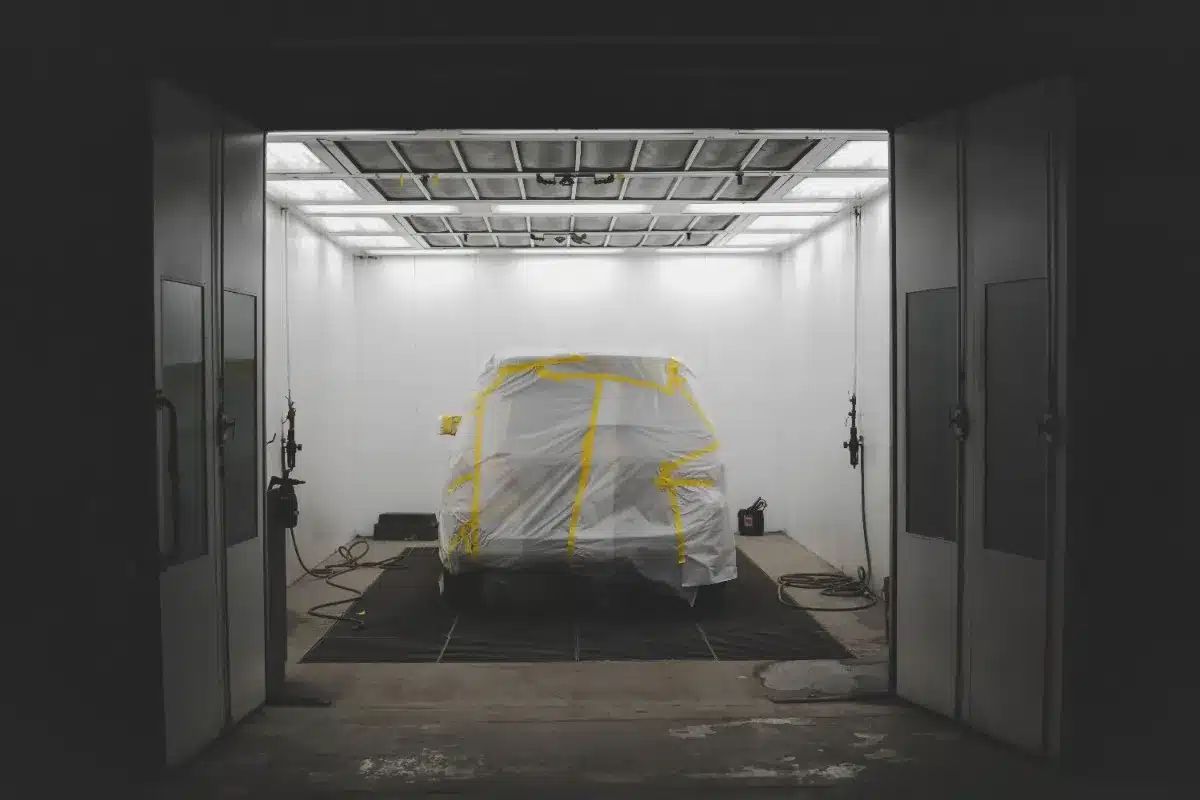
When you’re getting ready to store your car, one of the first things to think about is whether it needs a cover. Protecting it from dust, moisture, and scratches can make a big difference while it’s parked for a while.
If your car will be stored for a season or longer, using a cover can help keep it clean and in good shape. But not every situation calls for one, and knowing when it helps or when it doesn’t is important.
This guide explains when a car cover is worth using, what it protects against, and how to choose the right type for your storage setup.
Why Car Storage Protection Matters Over Time
Car storage protection is crucial for maintaining the longevity and value of your vehicle as part of responsible personal car ownership. Over time, exposure to dust, moisture, and temperature fluctuations can cause wear and tear, even when the car is not in use.
Whether you’re storing your car for a few weeks or several months, the environment can significantly impact its paint, interior, and mechanical components.
How Dust, Moisture, and UV Exposure Affect Stored Cars
Dust, moisture, and UV rays are big concerns for stored cars. Dust can scratch the paint or damage the exterior. Moisture can cause corrosion and rust, harming the car’s structure. UV rays can make the paint fade, the interior wear down, and rubber parts deteriorate.
To fight these problems, knowing how they affect your car is key. For example, dust is a big issue in dry, unventilated places. Moisture builds up if there’s poor drainage or high humidity. UV rays are a bigger problem for cars outside, where the sun hits them directly.
How Risks Change Between Short-Term And Long-Term Storage
Short-term and long-term car storage come with different risks. Even in short-term storage, your car can face early signs of inactivity, such as mild battery drain, flat spots on tires, or light dust buildup. A quick clean and basic protection can help prevent these issues.
Long-term storage increases the risks of car inactivity, including corrosion, fluid degradation, and damage from moisture or UV exposure. The longer your vehicle sits unused, the more protection it needs.
A quality car cover and a dry, ventilated storage space can greatly reduce these problems.
Should You Cover a Car in Storage at All?
Deciding to use a car cover in storage depends on several factors. These include the storage environment, how long the car will be stored, and the type of cover. Each of these plays a role in your decision.
When Using A Car Cover Is Truly Beneficial
A car cover can be very useful depending on where and how you store your vehicle. In the right situations, it helps protect against weather, dust, and moisture damage.
Situations where a car cover helps most:
- When your car is stored outdoors, a waterproof and UV-resistant cover protects it from rain, sunlight, and snow.
- When your car is kept indoors but the space isn’t climate-controlled, a breathable cover helps prevent moisture buildup and mold.
- When you use your garage for other activities or storage, a cover shields the car from dust, tools, and accidental scratches.
Using the right type of cover keeps your car cleaner, prevents damage, and extends its lifespan during storage.
When A Car Cover Can Actually Cause Damage
A car cover can protect your vehicle, but the wrong one can do more harm than good. Poor fit or low-quality material can lead to scratches, trapped moisture, or long-term surface damage.
Situations where a car cover may cause problems:
- When the cover isn’t breathable, it traps moisture and causes mold or rust, especially in humid climates.
- When the fit is too loose or tight, it can rub against the paint and leave scratches.
- When low-quality materials are used, they can damage paint or clear coats over time.
Choosing a soft, breathable cover that fits your car properly helps you avoid these issues and ensures your vehicle stays protected without unintended damage.
Does Covering Change For Indoor Vs Outdoor Storage?
Choosing the right car cover when storing your vehicle depends on where it’s kept. Whether inside a garage or outdoors, each storage solution has its own challenges. Using the right materials and ventilation goes a long way in keeping your car safe for an extended period.
Covering a Car Stored in a Garage
For long term storage inside a garage, car owners should pick a breathable indoor cover used inside a garage to keep the moisture away. It helps keep the car clean, prevents dents from nearby items, and keeps the car in good condition for months at a time.
Garage kept vehicles also benefit from dust covers and a dehumidifier to ventilate the space. If you don’t use your car often, a battery tender and fuel stabilizer help keep the battery charged and avoid flat spots while storing the car.
Covering a Car Stored Outdoors
When storing the car outdoors or in a carport, use a snugly fitting waterproof cover to protect your vehicle from temperature changes and rust starts. A piece of plastic tarp can do more harm than good, so choose one made for outdoor use.
Shipping containers may also serve as a temporary storage unit if the container with ventilation is used. Always clean and dry your car before covering it to keep the car safe during winter storage or any extended period outdoors.
What Happens If You Store A Car Without A Cover?
Storing the car without a cover exposes it to dust, sunlight, and temperature changes that can quickly wear down paint and interior materials. Moisture buildup can cause rust starts, while pests and dirt can damage parts left unprotected for an extended period.
Over months at a time, even a daily driver in indoor space or outdoor storage can lose its finish and develop flat spots or corrosion without proper coverage.
Paint, Interior, and Rubber Degradation Risks
Without a cover, a car’s paint, interior, and rubber parts can degrade. UV rays can make the paint fade and become brittle. The interior may discolor and crack from UV rays and dust.
Rubber parts, like tires and seals, can also degrade faster. The risk of corrosion and rust on metal parts increases, mainly if the storage area isn’t climate-controlled.
| Component | Risk Without Cover | Effect Over Time |
| Paint | UV exposure, dust, and dirt | Fading, brittleness |
| Interior (Upholstery) | Dust, UV exposure | Discoloration, cracking |
| Rubber (Tires, Seals) | Environmental exposure | Degradation, cracking |
Pest, Dirt, and Environmental Exposure Concerns
An uncovered car is more likely to attract pests, like rodents. These pests can damage the car’s interior and wiring. Dust and dirt can also accumulate, potentially causing abrasive damage to the paint.
Environmental factors, such as bird droppings and sap from trees, can also harm the car. Without a cover, these contaminants pose a higher risk of damage.
- Pests (rodents) can damage wiring and interior
- Dust and dirt can cause abrasive damage
- Bird droppings and sap can damage paint and clear coat
Knowing these risks helps you protect your car during storage. This way, it stays in good condition until you’re ready to use it again.
How To Choose The Right Car Cover For Storage
To keep your car in top condition during storage, you need to pick the right cover. The right car cover protects your vehicle from dust, moisture, and UV exposure. These can cause significant damage over time. When choosing a car cover, consider the type of storage, the climate, and the level of protection needed.
Breathable Vs Non-Breathable Covers, What To Pick And Why
Breathable car covers let moisture escape, reducing mold and mildew risk. They’re great for outdoor storage or cars stored for a long time. Non-breathable covers are waterproof but can trap moisture, potentially damaging the car’s paint and interior.
When deciding between breathable and non-breathable covers, think about storage conditions.
For indoor storage, a breathable cover is often enough. For outdoor storage, a waterproof, non-breathable cover is needed. Make sure the car is dry before covering to prevent moisture buildup.
| Cover Type | Indoor Storage | Outdoor Storage |
| Breathable | Ideal for most conditions | May not provide enough protection against the elements |
| Non-Breathable | Not recommended due to moisture trapping | Provides excellent protection against rain and UV exposure |
Custom-Fit Covers Vs Universal Covers, Which Is Safer?
Both custom-fit and universal car covers can protect your vehicle, but the right choice depends on how much protection you need and how much you want to spend.
Custom-fit covers:
- Made for specific car models, ensuring a snug and secure fit
- Offer better protection against dust, moisture, and scratches
- Ideal for long-term storage or unique vehicle shapes
- Usually cost more but provide superior coverage and safety
Universal covers:
- Designed to fit a range of vehicle sizes and types
- More affordable and easier to find
- May not fit tightly, which can let in dust or cause the cover to shift in wind
- Work best for short-term storage or basic protection
Custom-fit covers provide the safest, most reliable protection, while universal options are a budget-friendly choice if you only need light coverage.
Should You Cover a Car in Long-Term Storage
Using a cover for cars in long-term storage can greatly affect their condition when you get them back. Storage for a long time can lead to dust, moisture damage, and UV exposure. The right car cover can help prevent these issues.
Seasonal Storage and Infrequently Driven Vehicles
Cars stored for a long time, often due to seasonal changes or not being driven much, need extra care. A car cover can protect against environmental damage that could harm the paint, interior, and exterior. For example, in winter, it keeps snow and ice off, and in summer, it blocks intense sunlight.
When picking a car cover for seasonal or rarely driven cars, think about where you’ll store it. If it’s outside, you’ll need a heavy-duty, waterproof cover. For indoor storage, a breathable cover helps avoid moisture buildup.
Classic, Luxury, and Collector Cars in Storage
Classic, luxury, and collector cars are very valuable, so protecting them during storage is key. A good car cover can shield them from dust, scratches, and other damage. For these cars, a custom-fit cover is best because it fits perfectly and offers the best protection.
For classic and collector cars, the cover material is also important. Choose a soft, breathable material like cotton or a special cover fabric to avoid damaging the paint and interior. It’s also good to regularly check the cover and the car to keep storage conditions perfect.
By carefully choosing the right car cover and following proper storage tips, you can keep your vehicle in great shape. This applies to any car, whether it’s driven daily, stored seasonally, or is a cherished collector’s item.
Common Mistakes When Covering A Stored Car
Covering your car for storage might seem easy, but many mistakes can cause damage. Knowing these common errors can help keep your vehicle safe.
Covering a Dirty or Damp Vehicle
One big mistake is covering a car that’s not clean and dry. Trapping moisture can lead to mildew, condensation, and more.
This trapped moisture can cause:
- Mildew and mold growth on upholstery and carpets
- Rust on metal components
- Unpleasant odors that are difficult to eliminate
Before covering your car, make sure to wash and dry it well. This simple step can greatly reduce moisture problems.
Using the Wrong Cover Material
The material of the car cover is very important. A non-breathable cover can trap moisture, just like a damp car. But a breathable cover lets air in, reducing condensation risk.
| Cover Material | Breathability | Moisture Risk |
| Cotton | High | Low |
| Polyester | Medium | Medium |
| Waterproof Plastic | Low | High |
Choosing the right cover material is key to protecting your car. Look for a cover that’s both durable and breathable.
Best Practices for Covering a Car in Storage
Keeping your vehicle protected in storage requires proper preparation and maintenance. Following the right steps ensures your car stays in excellent condition while stored for short or long periods.
Preparing Your Vehicle Before Covering
Before putting a cover on your car, take a few simple steps to protect the paint and interior. Starting with a clean, dry surface helps prevent scratches, rust, and trapped moisture during storage.
Preparation steps:
- Wash and dry the exterior thoroughly to remove dust, dirt, and debris.
- Make sure no moisture remains on the surface, as even small damp spots can lead to corrosion.
- Let the interior air out, especially after recent use, to prevent mold or mildew buildup.
A clean and fully dry car ensures the cover protects rather than traps damage underneath.
Inspecting and Refitting the Cover
Regularly check your car cover for signs of wear, damage, or reduced breathability, as a damaged cover can trap moisture and harm your vehicle.
When refitting the cover, place it carefully over the car to avoid scratches or scuff marks. Ensure it fits snugly but allows airflow to minimize condensation. If the cover becomes damp, remove it and let it air dry before putting it back on.
Final Thoughts: Storing and Covering Your Car the Right Way
Using a car cover in storage can protect your vehicle from dust, moisture, and long-term wear, but only when the cover and environment are right. Breathable materials, a clean and dry vehicle, and proper ventilation make all the difference.
When home storage falls short, a dedicated solution offers better protection. RecNation provides secure, purpose-built car storage designed to support long-term vehicle care, giving you peace of mind and keeping your car ready whenever you need it.
FAQ
What type of car cover is best for storage?
A breathable car cover is best for storage. It lets moisture escape, preventing mildew and rust.
Should I cover my car if I store it indoors?
Yes, covering your car indoors protects it from dust, dirt, and scratches. Use a breathable cover to avoid moisture buildup.
Can I use a plastic sheet to cover my car in storage?
No, plastic sheets trap moisture, causing condensation, mildew, and rust. Choose a breathable cover instead.
How often should I inspect my car cover during storage?
Check your car cover every few weeks. Make sure it’s in good shape and free from moisture or pests.
What are the risks of not covering my car during storage?
Not covering your car exposes it to dust, dirt, UV rays, and pests. This can damage paint, interior, and rubber.