
What Size Storage Unit Is Best for a Car?
Choosing the correct storage unit size protects your vehicle from damage and ensures easy access. Discover recommended unit sizes for different vehicle types, clearance considerations, and long-term storage tips. Learn how to select the right storage solution for indoor, outdoor, and climate-controlled vehicle storage.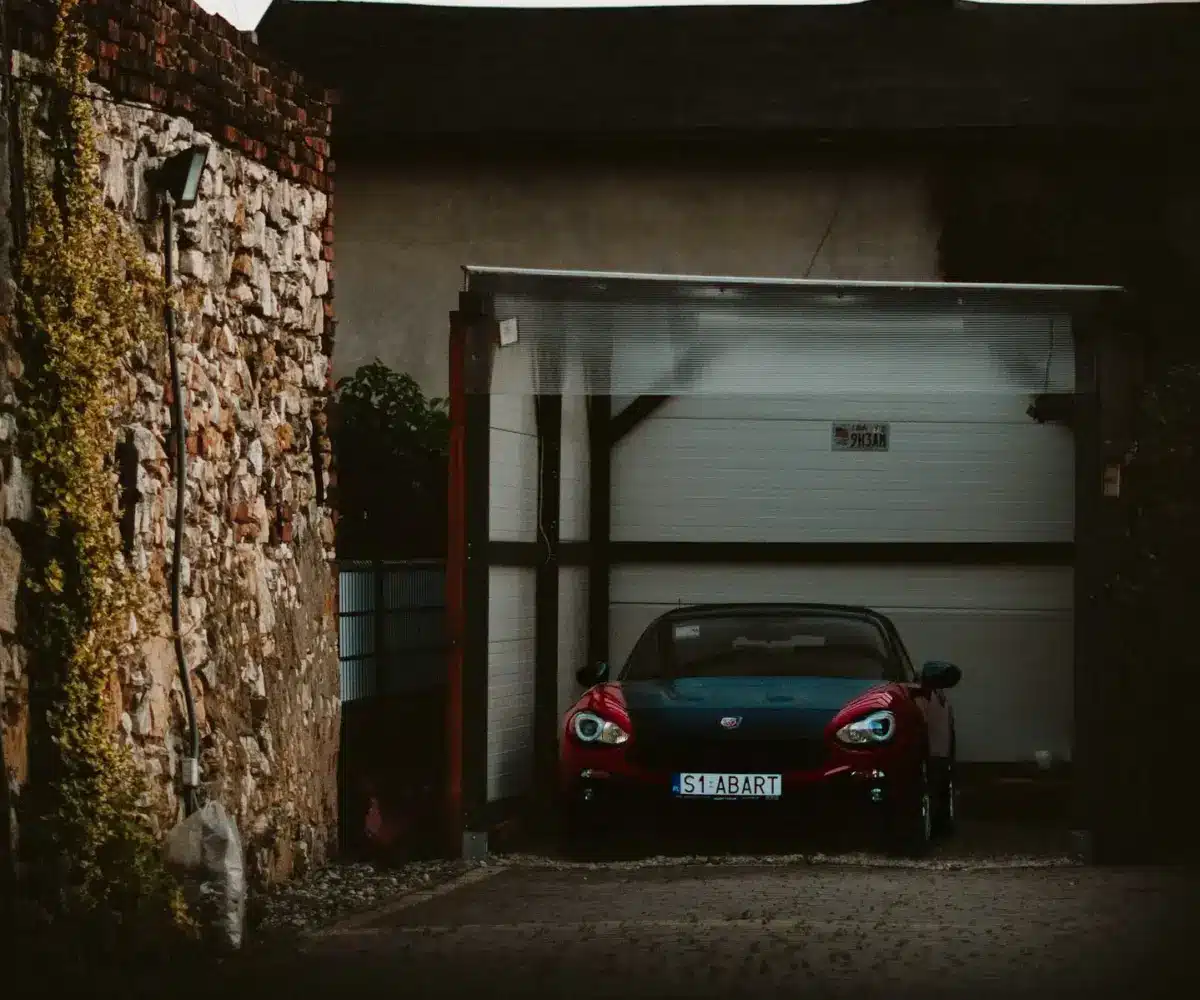
Choosing the right storage unit for your car is not just about fitting it inside four walls. The wrong size can make access difficult, increase the risk of scratches or dents, and even affect long-term condition. Too small, and you struggle with clearance. Too large, and you may be paying for space you do not actually need.
The ideal unit depends on your vehicle’s length, width, height, and how you plan to use the space. Whether you are storing a daily driver, classic car, SUV, or truck, sizing properly is the first step toward protecting your investment.
Why Storage Unit Size Matters for Vehicle Storage
Vehicle storage requires more planning than standard self storage, especially when you are owning a car and want to protect it for the long term. A car needs clearance on all sides, safe positioning space, and enough room to enter and exit comfortably.
Risks of Choosing a Unit That Is Too Small
Selecting a unit that is too tight can lead to immediate and long-term problems. Limited space increases the likelihood of contact with walls or doors during entry and exit.
Common risks include:
- Scratches or dents from tight maneuvering
- Limited ability to open doors fully
- Difficulty inspecting or maintaining the vehicle
- Reduced airflow around the vehicle
Even small clearance issues can become frustrating over time, especially during long-term storage.
How Access, Clearance, and Maneuvering Affect Sizing Needs
Vehicle storage is not just about length. Access width, interior clearance, and turning space all influence what size unit you actually need.
Here’s how these factors affect sizing decisions:
| Factor | Consideration | Impact on Sizing |
| Access | Ease of entering and exiting the unit | Affects the width and height of the unit required |
| Clearance | Space around the vehicle for safe positioning | Influences the overall size and layout of the unit |
| Maneuvering | Room to maneuver the vehicle into the unit | Impacts the length and width of the unit needed |
Allowing extra space beyond your vehicle’s exact dimensions improves safety and convenience. A slightly larger unit often makes entry easier, reduces accidental damage, and provides better long-term storage conditions.
Standard Storage Unit Sizes Used for Car Storage
Storage units designed for vehicles come in several standard dimensions. The right size of storage depends on your vehicle’s length, width, and height, as well as how much extra space you want for access and clearance.
Most storage facilities offer a range of unit sizes that accommodate everything from compact sedans to full-size trucks and RVs.
Common Unit Dimensions and Their Typical Use Cases
Below are the most common vehicle-capable unit sizes and what they are typically used for:
- 10×20 feet: Suitable for compact cars and most sedans.
- 10×30 feet: Ideal for larger sedans, coupes, and small SUVs.
- 10×40 feet or 15×30 feet: Designed for trucks, large SUVs, RVs, and some boats.
Here is a quick comparison:
| Unit Size (feet) | Typical Vehicle Type | Approximate Square Footage |
| 10×20 | Compact cars, sedans | 200 sq ft |
| 10×30 | Larger sedans, smaller SUVs | 300 sq ft |
| 10×40 | Trucks, larger SUVs, RVs | 400 sq ft |
| 15×30 | Larger trucks, RVs, boats | 450 sq ft |
How Storage Facilities Classify Vehicle-Capable Units
Storage facilities typically group vehicle units into broad categories to simplify selection. While naming conventions may vary, most fall into one of the following:
- Compact vehicle units: Designed for small cars and tight-fit scenarios.
- Standard vehicle units: Suitable for most sedans and mid-size SUVs.
- Large vehicle units: Intended for trucks and full-size SUVs.
- Specialty vehicle units: Built for RVs, boats, trailers, or oversized vehicles.
Understanding these classifications helps narrow your options quickly and ensures the unit aligns with your vehicle’s size and storage needs.
Minimum Storage Unit Size for a Car
The minimum storage unit size depends entirely on your vehicle’s dimensions. There is no universal answer, because compact cars and full-size trucks require very different space allowances.
Before selecting a unit, measure your vehicle’s:
- Overall length
- Width (including mirrors)
- Height (including roof racks or modifications)
The goal is not just to fit the car inside the unit, but to allow safe positioning and comfortable access.
Small Cars, Compact Vehicles, and Tight-Fit Scenarios
Small cars and compact vehicles typically require a unit between 15 to 18 feet in length. In many cases, a 10×20 unit provides enough space, but exact measurements should always guide the decision. Moreover, while it may seem spacious, it is typically meant for one vehicle rather than two, to maintain proper clearance, access, and safe positioning.
When storing smaller vehicles, tight-fit scenarios are common. However, even compact cars benefit from a small amount of extra clearance to reduce accidental contact with walls or doors.
For long-term storage, consider facilities that offer secure access and stable indoor conditions, especially if the vehicle will remain unused for extended periods.
Clearance Needed for Mirrors, Doors, and Safe Positioning
Clearance is often underestimated when choosing a storage unit.
In addition to the vehicle’s body length, you should account for:
- Side mirror width
- Door swing space
- Spoilers or exterior modifications
- Safe walking space around the vehicle
As a general guideline, allowing at least 2 feet of additional space around the vehicle improves maneuverability and reduces damage risk. This extra room makes it easier to open doors carefully, inspect the vehicle, and exit the unit without scraping surfaces.
Selecting the correct unit size from the start prevents unnecessary stress and protects your vehicle throughout the storage period.
Recommended Storage Unit Sizes for Different Vehicle Types
Different vehicles require different storage space. A compact sedan and a full-size truck do not share the same clearance needs. Selecting the right unit size starts with matching the vehicle type to appropriate interior dimensions.
Below is a practical breakdown by vehicle category.
Sedans, Coupes, and Hatchbacks
Most sedans, coupes, and hatchbacks fit comfortably in a 10×20 storage unit. This size typically provides enough length and width for safe positioning while still allowing minimal walking space.
Key considerations:
- Standard 10×20 units usually have 8-foot ceilings, which are sufficient for most passenger cars.
- Compact vehicles benefit from a few extra feet for easier door access.
- If storing accessories or small items alongside the vehicle, confirm available interior clearance.
While a 10×20 unit works for most cars in this category, always verify the vehicle’s exact dimensions before committing.
SUVs, Trucks, and Longer Vehicles
Larger vehicles require more space for both length and maneuverability. In most cases, a 10×30 unit or larger is recommended for SUVs, extended trucks, and longer vehicles.
When storing larger vehicles, consider:
- Overall vehicle length, especially for extended cab trucks
- Door opening space
- Roll-up door width
- Interior ceiling height
Some facilities offer wider doors or higher ceilings specifically for larger vehicles. These features make entry and exit safer and reduce the risk of accidental contact.
Accurate measurement is essential. Compare your vehicle’s full length, including bumpers and attachments, against the unit’s true interior dimensions.
Height, Width, and Door Clearance Considerations
Vehicle storage is not only about square footage. Proper height, width, and door clearance play a critical role in protecting your vehicle.
Even if a vehicle technically fits, tight clearance can create access challenges and increase damage risk.
Roll-Up Door Dimensions vs Interior Clearance
The roll-up door size determines how easily you can drive into the unit. However, door size and interior clearance are not always identical.
Important differences to check:
- Roll-up door width versus interior wall-to-wall width.
- Door height versus ceiling height.
- Interior obstructions such as support beams or sloped floors.
A unit may have a wide door but limited interior maneuvering space. Always confirm both measurements before selecting a unit.
Roof Racks, Spoilers, and Modified Vehicles
Vehicles with modifications require additional attention. Roof racks, lifted suspensions, oversized tires, and spoilers can significantly change required dimensions.
When storing modified vehicles:
- Confirm ceiling height if the vehicle has roof racks or lift kits.
- Account for added width from aftermarket mirrors or body kits.
- Ensure sufficient turning radius inside the unit.
Modified vehicles often benefit from selecting a slightly larger unit to avoid tight positioning.
Allowing additional clearance beyond exact measurements reduces long-term wear and minimizes accidental contact during storage.
Climate-Controlled Units and Size Requirements
When thinking about storing your car in a climate-controlled unit, knowing the size is key. These units keep your car safe from extreme weather and humidity. This is great for classic cars, luxury vehicles, or cars with delicate interiors.
Why Climate-Controlled Units Often Require Indoor Access
Most climate-controlled units are located inside larger storage buildings. Maintaining consistent temperature and humidity is significantly easier in enclosed indoor environments, especially compared to storing in an unheated garage where conditions can fluctuate.
Because these units are part of a structured building, their dimensions often follow the facility’s architectural layout. This means:
- Ceiling height may be fixed.
- Door width may vary by section.
- Larger units may be limited in availability.
Before selecting this storage solution, confirm both interior measurements and door clearance. Indoor access provides superior protection, but sizing flexibility may be slightly reduced compared to outdoor drive-up units.
Size Trade-Offs When Choosing Climate Control
Climate-controlled units provide strong protection, but they may not always offer the largest available dimensions, especially when considering the impact of humidity on vehicles and long-term environmental exposure.
When evaluating this storage solution, consider:
- Your vehicle’s full length, width, and height.
- Added height from roof racks or modifications.
- Whether slightly larger climate-controlled units are available.
- Budget differences between standard and climate-controlled options.
In some cases, you may choose between more interior space or enhanced environmental protection. For long-term vehicle preservation, many owners prioritize climate stability over extra square footage.
Storage Unit Size vs Ease of Access
The best storage solution is not only about fitting the vehicle inside. It is about ensuring practical access over time.
A unit that matches your vehicle’s dimensions exactly may feel tight and restrictive. A slightly larger unit allows comfortable movement, safer positioning, and easier maintenance access.
Space for Walking, Inspection, and Light Maintenance
Extra clearance around the vehicle provides meaningful benefits during storage, especially when considering vehicle safety and maintenance during long idle periods.
Adequate space allows you to:
- Open doors without contacting walls
- Inspect tires and body panels
- Check battery condition
- Adjust car covers
- Perform light maintenance
Even two to three feet of additional clearance improves accessibility and reduces the risk of accidental damage.
Why Slightly Larger Units Reduce Long-Term Damage Risk
Choosing a slightly larger storage unit can lower long-term risk. Additional space improves airflow and reduces moisture buildup. It also minimizes the chances of scraping mirrors or bumpers during entry and exit.
Below is a comparison of recommended sizes and the benefits of added space:
| Vehicle Type | Recommended Unit Size | Benefits of Extra Space |
| Sedan/Coupe | 10’x20′ | Easier access for inspections, better air circulation |
| SUV/Truck | 10’x30′ | More room for maneuvering, reduced risk of damage |
| Classic Car | 12’x25′ | Additional space for storage of related items, easier maintenance |
When picking the perfect storage unit size, think about your vehicle’s size and your needs for access and upkeep. A unit with a bit more space ensures your vehicle stays in top shape while it’s stored.
Choosing the Right Storage Unit Size for Long-Term Storage
For long-term storage, you need a storage unit that’s big enough for your vehicle. It should be easy to get in and out of. A bigger unit helps avoid damage by giving enough room for mirrors and doors.
Storage Needs for Extended Periods
If you plan to store your vehicle for several months or longer, sizing becomes even more important. Long-term storage often involves periodic checks, battery maintenance, or cover adjustments, especially since a car battery can sit unused for extended periods and gradually lose charge if the vehicle is not started.
For larger vehicles such as trucks, vans, or RVs, selecting a unit that provides additional length and height is essential.Many facilities offer:
- Indoor drive-up units
- Fully enclosed indoor storage
- Oversized units for large vehicles
The goal is to choose a storage solution that supports both protection and convenience throughout the storage period.
Balancing Cost and Protection
Selecting the right storage unit size is a balance between budget and long-term protection.
Smaller units may reduce monthly cost, but limited clearance can increase inconvenience and damage risk. Larger units provide easier access and better airflow, which can help preserve the vehicle’s condition.
When comparing options, consider:
- Indoor versus outdoor storage
- Available unit sizes
- Ceiling height and door clearance
- Security features
The ideal choice protects your vehicle without paying for unnecessary space. Careful measurement and planning ensure the unit supports your long-term storage needs.
Final Thoughts
Choosing the correct storage unit size is about more than finding a simple parking space. Whether you need to store a car for a few months or store your vehicle long-term, proper sizing directly affects protection, accessibility, and long-term condition.
A well-selected storage solution provides enough clearance for safe positioning, reduces the risk of accidental damage, and allows room for inspections and maintenance. While outdoor storage may work in certain situations, enclosed and professionally managed facilities offer stronger protection against weather and environmental exposure.
If you are looking for a secure and purpose-built place to store your vehicle, RecNation offers specialized vehicle storage solutions designed for cars, trucks, and specialty vehicles. With properly sized units and facilities built specifically for vehicle storage, you can protect your investment with greater confidence.
FAQ
What size storage unit do I need for my car?
The size of your storage unit depends on your car’s type and size. A 10×20 unit fits most cars. But, you might need a bigger or smaller one based on your car’s dimensions.
How do I determine the right storage unit size for my vehicle?
Measure your car’s length, width, and height. Think about any extra features like roof racks. Also, consider how you’ll store your car and if you need extra space.
What are the benefits of using a climate-controlled storage unit for my car?
Climate-controlled units keep your car safe from extreme weather. This helps prevent damage and keeps your car in good condition.
How do I find the right storage facility for my car?
Look for local storage options. Consider security, ease of access, and climate control. Read reviews and ask about their policies.
What are the size options for vehicle storage units?
Units range from 5×5 to 10×40 or more. The size you need depends on your car’s type, size, and any extra features.
Are there any additional costs associated with storing my car?
Some places charge extra for climate control, insurance, or maintenance. Ask about these costs when looking for storage.