
Can My Car Be Repossessed From a Storage Unit
This guide explains how repossession laws apply when a financed vehicle is stored in a storage unit. It covers lender rights, facility access rules, court requirements, and steps to take if you fall behind on payments.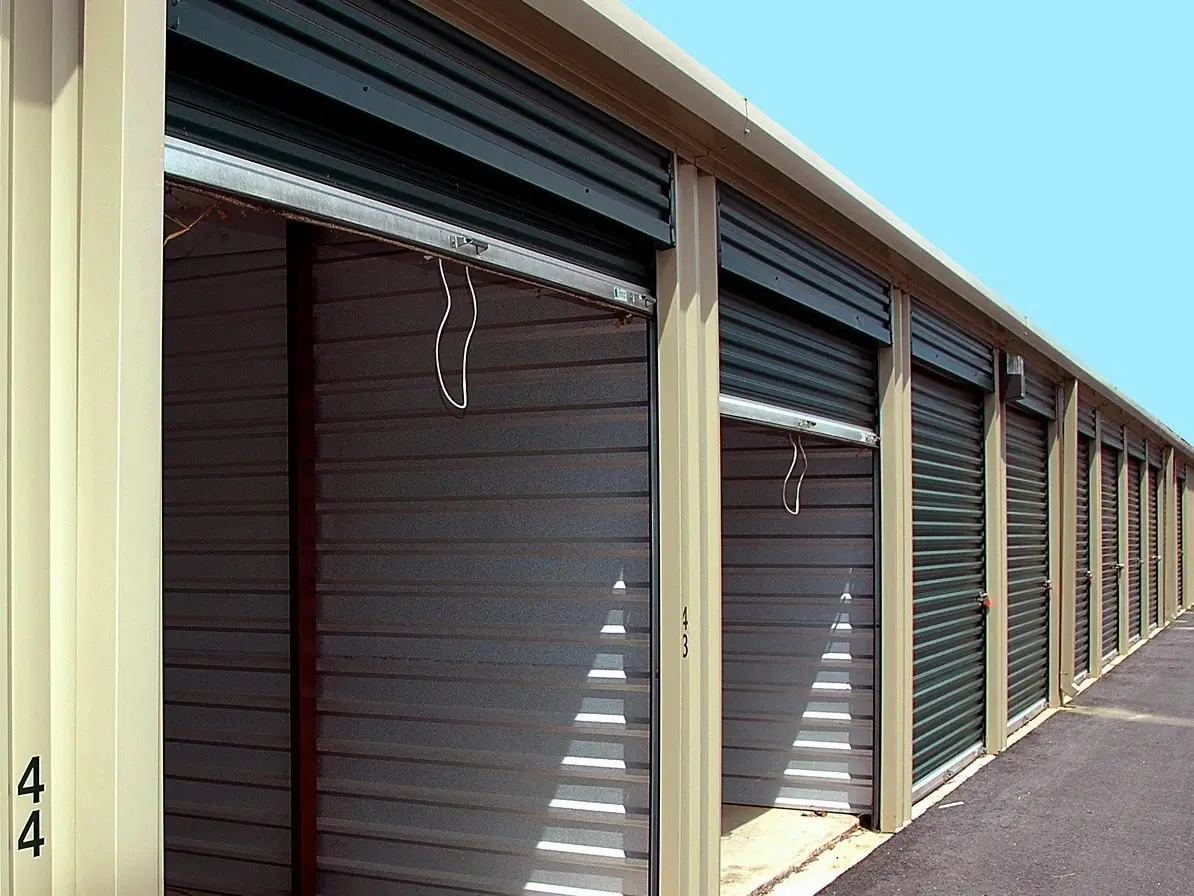
Falling behind on car payments creates urgency and stress. Some borrowers assume placing a financed vehicle inside a storage unit will prevent repossession.
In reality, storing the vehicle rarely stops the process. Lenders have legal tools to recover collateral, and relocation often delays rather than prevents repossession.
This guide explains how repossession works when a vehicle is inside a storage facility, what lenders can legally do, and what rights you have under U.S. law.
Can a Repo Company Take a Car From a Storage Unit
Repossessing a vehicle is a complex legal process, and owning a car through financing means the lender retains certain rights until the loan is fully paid. The process becomes even more complicated when the vehicle is inside a storage unit.
Lenders have specific rights to repossess vehicles, as outlined in the loan agreement.
When a Lender Has the Legal Right to Repossess a Vehicle
A lender gains repossession rights once the borrower fails to meet payment obligations outlined in the loan contract. Most auto loan agreements define default clearly, often triggered after a missed payment or failure to maintain required insurance coverage.
State laws govern how repossession may occur, but in many jurisdictions, lenders can initiate recovery without advance notice after default.
The only major limitation is that recovery must occur without violating consumer protection laws or engaging in conduct considered unlawful.
Whether Private Storage Units Are Considered Accessible Property
A private storage unit adds a layer of complexity but does not automatically prevent repossession. The key legal issue is access.
If the storage facility allows entry after lien verification, the repo company may retrieve the vehicle with proper documentation. If the unit is locked and access is denied, the lender may need a court order before entering, regardless of the duration of storage.
Repo agents cannot break locks, damage property, or force entry, as this may qualify as a breach of peace. Each state defines accessible property differently, which is why outcomes vary depending on local law and facility policy.
Does Storing a Car Prevent Repossession
When money troubles hit, hiding a financed car might seem like a quick fix. But, it’s risky. Even if you store your car, lenders can find and take it back. Storing your car doesn’t stop lenders from repossessing it. They can take your car if you miss payments, no matter where it is. Knowing the legal side and what could happen is key.
Legal Risks of Trying to Hide a Financed Vehicle
Intentionally concealing a financed vehicle can create additional legal exposure. Lenders may interpret concealment as interference with recovery rights under creditor rights to recover collateral after default, which can escalate enforcement actions.
Potential consequences include:
- Increased repossession and recovery fees
- Legal action for breach of contract
- Acceleration of the remaining loan balance
- Negative credit reporting
These outcomes often worsen the financial impact compared to proactive communication.
How Lenders May Locate Stored Vehicles
Lenders use structured and legally permitted methods to locate vehicles tied to defaulted loans. Recovery efforts typically rely on data, tracking, and investigative tools.
The table below outlines common recovery methods and related legal considerations:
| Method | Description | Legal Consideration |
| GPS Tracking | Location monitoring through installed tracking devices | Permitted if disclosed in loan agreement |
| Field Investigations | Skip tracing, address verification, and surveillance | Must comply with consumer protection laws |
| Credit & Loan Records | Reviewing borrower data to identify likely storage locations | Governed by federal credit reporting laws |
Modern recovery methods make concealment difficult and often short lived. Evaluating options early and communicating with the lender generally reduces long term financial damage.
Can a Storage Facility Allow Repossession of a Stored Car
When you store your car, you might wonder if the facility can let a lender repossess it. The answer depends on several things. These include the facility’s policies and the lender’s legal rights.
Storage facilities have different rules about who can access your car. Some let lenders in, while others don’t.
Storage Facility Policies and Third-Party Access Rules
Each storage facility sets its own policies governing third-party access. Some require formal legal documentation before permitting entry, while others allow access after verifying lien ownership. Many facilities also require proof of coverage, since vehicles placed in storage need insurance to meet facility or lender requirements.
Before storing a financed vehicle, review the storage contract carefully. Access provisions often outline how the facility responds to creditor requests.
The table below summarizes common policy types and how they impact repossession:
| Storage Facility Policy | Description | Impact on Repossession |
| Strict Access Control | Court order or verified legal documentation required | Delays recovery process |
| Flexible Access Policy | Access granted after lien verification | Facilitates faster repossession |
| No Third-Party Access | Entry denied without formal legal action | Significantly restricts immediate recovery |
Even facilities with strict access rules must comply with valid court orders when presented.
Lien Rights and Cooperation With Lenders
A lender holding a valid lien retains a legal interest in the vehicle until the loan is satisfied. If default occurs, that lien supports the lender’s right to pursue recovery, even if the vehicle is stored or parking a car inside a private storage unit.
Storage facilities may cooperate with lenders once proper documentation is presented. This often involves verifying the lender’s lien status and confirming the borrower’s default.
In cases where policies restrict direct entry, lenders may seek court authorization to override access limitations. Evaluating both the loan agreement and the storage contract helps clarify how recovery could unfold.
Open communication with both the lender and the facility is often more effective than attempting concealment.
What Happens if a Car Is Inside a Locked Storage Unit
A locked unit introduces additional procedural steps. Recovery becomes more complex because entry cannot occur without proper legal authority.
Lenders must follow formal legal channels to gain access.
Court Orders and Legal Access Requirements
If access to a locked unit is denied, the lender may petition the court for authorization to enter. The court reviews documentation proving loan default and lien rights before issuing approval.
Once granted, the order allows lawful entry coordinated through facility management or law enforcement. Without this authorization, forced entry may expose the lender to legal liability.
For example, courts often recognize breach of peace during repossession when recovery efforts involve trespass, property damage, or unauthorized entry. This is why lenders often pursue formal legal approval before attempting to access secured or locked storage units.
The general process typically includes:
- Submission of proof of loan default
- Verification of lien documentation
- Court approval for entry
- Coordinated recovery with facility compliance
Breach of Peace Rules During Repossession
Repossession must occur without violence, threats, or property damage. Breaking locks, forcing entry, or escalating confrontation may qualify as breach of peace violations.
The table below outlines common breach of peace scenarios:
| Breach of Peace Scenario | Description | Example |
| Forced Entry | Damaging locks or property to gain access | Cutting a storage lock without court order |
| Confrontation | Escalating conflict during recovery | Physical dispute with borrower or staff |
| Unauthorized Access | Entering without legal approval | Accessing a locked unit without court authorization |
If breach of peace occurs, the borrower may have grounds to challenge the repossession.
What Are Your Rights if Your Car Is Repossessed
Repossession does not eliminate your legal protections. Although state laws vary, both federal and state regulations limit how lenders and recovery agents may act.
If the process violates consumer protection standards, you may have grounds to challenge it.
Consumer Protection and Breach of Peace Violations
Lenders and repo agents must follow strict conduct rules during recovery. They cannot use force, threats, intimidation, or unlawful entry to retrieve a vehicle.
Actions that may violate the law include:
- Entering a locked storage unit without proper authorization
- Breaking locks or damaging property
- Using physical force or escalating confrontation
- Misrepresenting legal authority
If a breach of peace occurs, you may file a complaint with a consumer protection agency or pursue legal action. Courts can penalize improper conduct even if the loan was in default.
How to Dispute Wrongful Repossession
If you believe the repossession was improper, review your loan agreement first to confirm default terms and notice requirements. Errors in payment processing, improper notice, or unlawful entry may provide grounds for dispute.
To challenge a wrongful repossession:
| Step | Action | Purpose |
| 1 | Review Loan Agreement | Confirm default status and repossession terms |
| 2 | Gather Documentation | Collect payment history and communication records |
| 3 | File Complaint or Seek Legal Counsel | Initiate formal dispute or legal review |
It is also important to monitor the sale of the vehicle. Lenders must typically sell repossessed vehicles in a commercially reasonable manner, and the sale price affects any remaining balance you may owe.
What Should You Do if You Are Behind on Payments
Falling behind on auto loan payments increases the risk of repossession and additional fees. Taking action early creates more flexibility and improves the chances of protecting your credit.
Delaying communication typically limits available solutions.
Early Communication is Key
Reach out to your lender as soon as financial strain becomes apparent. Many lenders provide hardship programs, short term payment adjustments, or temporary deferrals for borrowers who communicate early.
Opening the conversation before the account moves deeper into default often expands the range of available options.
Exploring Alternatives to Repossession
Several structured solutions may help reduce financial impact:
- Temporary payment arrangements
- Loan refinancing to lower monthly payments
- Loan modification programs
- Voluntary surrender
Voluntary surrender may lower repossession fees compared to forced recovery, though any remaining loan balance may still be owed. Reviewing all available options directly with the lender can limit long term credit damage and reduce overall financial strain.
Final Thoughts
Placing a financed vehicle inside a storage unit does not eliminate repossession risk. Lenders retain legal rights over secured collateral, and storage location alone rarely prevents recovery if payments remain unpaid.
If you are facing financial difficulty, early communication with your lender offers more protection than relocation. For vehicle owners who simply need secure, compliant storage during life transitions, RecNation provides professionally managed vehicle storage solutions designed for security, controlled access, and peace of mind.
FAQ
Does the lender need to go to court to take the car from a storage facility?
Most car loan agreements let the creditor take the car without court action if you default. But, if the car is in a locked storage unit, the lender might need a court order. This order lets a sheriff or repo agent legally enter the unit. It’s needed if the facility manager won’t let them in.
What happens to my personal property found inside the vehicle after it is repossessed?
The repo company and your lender can’t keep or sell your personal items. You have the right to get them back. Contact your lender or the repo company to arrange for your belongings. If they won’t return your items, file a complaint with the Federal Trade Commission or your state’s attorney general’s office.
How will vehicle repossession affect my credit report?
A repossession on your credit report is very bad. It can stay on your record for seven years. It shows you couldn’t make payments, making it hard to get a car or loan later. The report will show the default, repossession, and sale. It will also show any unpaid balance.
What is a deficiency judgment, and can the lender sue me for it?
If your car is repossessed and sold for less than what you owe, the difference is a deficiency. Your lender can sue you for this amount. You’ll have to pay the difference, including late fees and repossession costs.
Can I get my car back after it has been repossessed from a storage unit?
You might get your car back by paying the full loan balance, plus costs. In some states, you can reinstate the loan by paying what you owe plus expenses. This depends on your loan agreement and local laws.
Can filing for bankruptcy stop a repossession?
Yes, filing for bankruptcy can stop a repossession. It triggers an “automatic stay,” which stops creditors from taking action. This gives you time to catch up on payments or restructure your debt. But, you should talk to a legal expert to see how it applies to your situation.