
Covered Outdoor Storage vs Street Parking: Which Is Better for Your Car
Covered outdoor storage and street parking are common options when a private garage is unavailable. This guide compares both choices to help drivers understand the differences in protection, security, cost, and long-term vehicle care.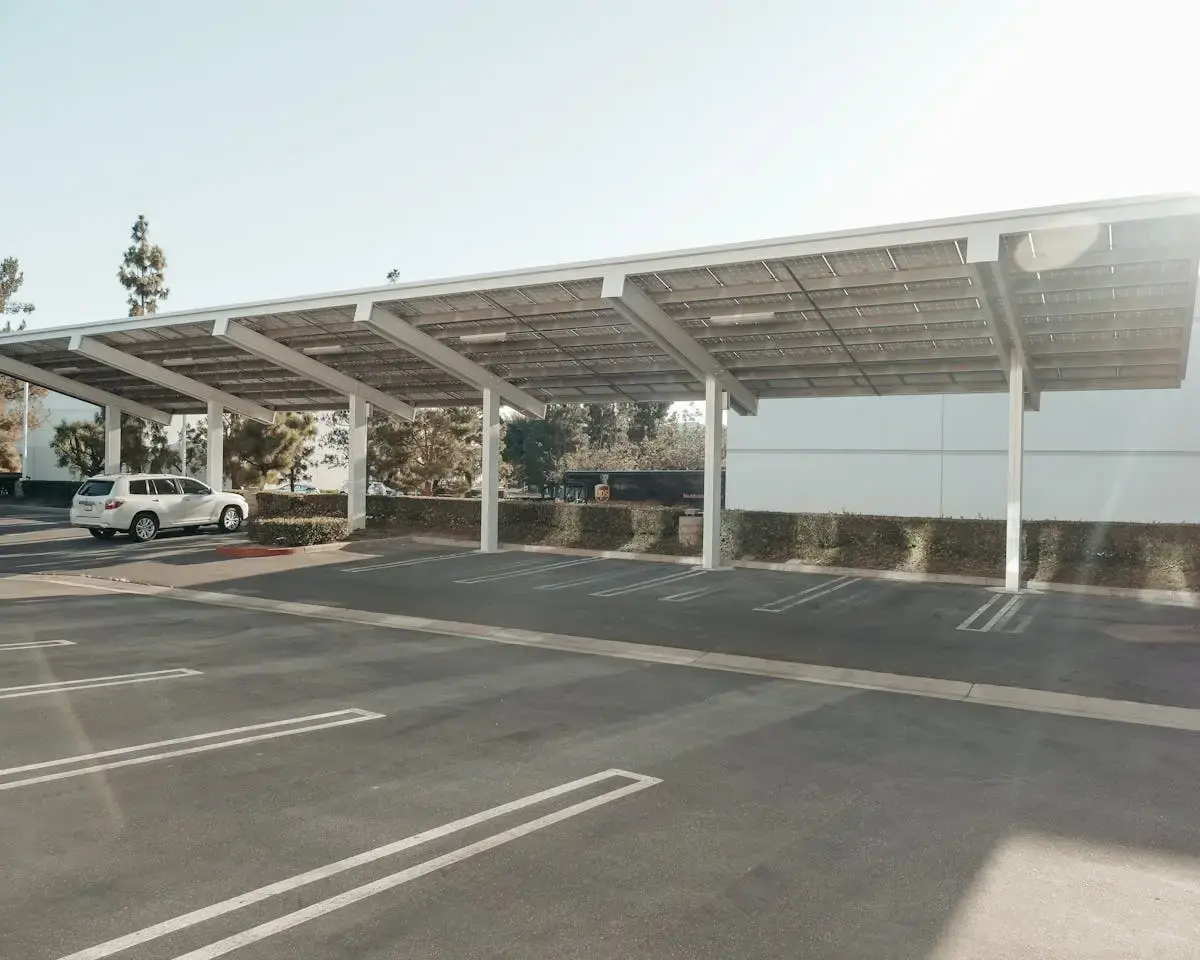
Covered outdoor storage and street parking are two common ways drivers keep their vehicles when a private garage is not available. While street parking offers convenience and quick access, covered outdoor storage provides shelter from harsh weather and environmental exposure.
Selecting the right parking environment plays an important role in protecting a vehicle’s condition and resale value over time. Comparing outdoor storage with street parking helps drivers choose an option that balances accessibility, protection, cost, and long-term peace of mind.
What Is Covered Outdoor Vehicle Storage
Covered outdoor vehicle storage refers to designated parking spaces located under a roof or canopy within a vehicle storage facility. These structures provide partial protection similar to a simplified garage environment while keeping vehicles shielded from direct weather exposure.
What Covered Outdoor Storage Typically Includes
Covered outdoor vehicle storage facilities are designed to combine environmental protection with controlled access and monitoring. While the spaces remain open on the sides, the overhead structure helps reduce sun exposure, precipitation, and debris accumulation that can affect vehicles parked outdoors.
These facilities also include security features that improve safety and provide vehicle owners with greater confidence when storing their cars for extended periods. The combination of shelter and monitoring makes covered outdoor storage a practical solution for both daily vehicles and long-term storage needs.
Typical features found in covered outdoor storage facilities include:
- Covered parking spaces that protect vehicles from sun, rain, and debris.
- Perimeter fencing and gated entry to control facility access.
- Surveillance cameras that monitor activity across the property.
- Well-lit areas that help discourage vandalism or unauthorized access.
At RecNation, our covered RV parking options are designed to protect RVs, boats, and other large vehicles during both short-term and long-term storage.
How It Differs From Street Parking
Street parking leaves vehicles fully exposed to environmental conditions and public access. Without overhead shelter or controlled entry points, vehicles parked on public roads remain vulnerable to weather damage and security risks.
Covered outdoor storage provides a more structured parking environment designed to reduce these risks. While it may not offer the same enclosure as a private garage, the added shelter and facility security make it a safer option for long-term vehicle storage and parking.
Is Covered Outdoor Storage Safer Than Street Parking
Vehicle safety often depends on where and how the vehicle is parked. Comparing covered outdoor storage with street parking highlights differences in security, monitoring, and exposure to potential risks.
Security Features and Controlled Access
Covered outdoor storage facilities typically implement several security measures that help protect stored vehicles. These systems limit unauthorized access and allow operators to monitor activity across the storage property.
Many storage facilities also maintain lighting and controlled entry systems that discourage theft or vandalism. These protective features create a safer parking environment compared with vehicles left unattended on public streets.
Common security features found in covered storage facilities include:
- Surveillance cameras that monitor the entire storage property.
- Gated access requiring entry codes or keycards.
- On-site staff responsible for facility monitoring.
- Bright lighting designed to improve visibility and deter intruders.
These layered security systems help reduce the risk of theft or vandalism compared with vehicles parked on public roads.
| Security Feature | Covered Outdoor Storage | Street Parking |
| Surveillance Cameras | Commonly available | Rarely available |
| Gated Access | Typically available | Not available |
| On-site Personnel | Often present | Not present |
Theft, Vandalism, and Accident Risks With Street Parking
Street parking exposes vehicles to a wider range of risks because these areas remain publicly accessible at all times, raising concerns about the safety of street parking. Without monitoring systems or access control, vehicles parked on the street may face higher chances of theft, vandalism, or accidental damage.
According to FBI motor vehicle theft statistics, theft rates increased from 199.4 incidents per 100,000 people in 2019 to 283.5 in 2023. Urban traffic conditions also increase the likelihood of vehicles being hit while parked along busy roads. Over time, these risks make street parking less reliable for drivers who want stronger vehicle protection.
Common risks associated with street parking include:
- Theft due to limited monitoring or security presence.
- Vandalism because vehicles remain easily accessible.
- Accidental damage from nearby traffic or tight parking spaces.
Evaluating these risks helps drivers determine if a more controlled parking option may provide better long-term protection.
How Covered Outdoor Storage Protects Vehicles From Weather
Environmental exposure plays a major role in long-term vehicle deterioration. Sunlight, rain, snow, and airborne debris gradually affect paint quality, interior materials, and exterior components.
Protection From Sun, Rain, Snow, and Debris
Covered outdoor storage helps reduce the direct environmental exposure that vehicles experience when parked in open areas. The overhead structure acts as a barrier that shields vehicles from sunlight, precipitation, and falling debris.
Although the sides remain open for accessibility, the roof significantly reduces the intensity of environmental exposure. This protection helps preserve vehicle appearance and lowers the risk of gradual weather-related damage.
When vehicles are stored in covered spaces, they are protected from several common environmental threats:
- Direct sunlight that can fade paint and interior materials.
- Rain and snow that may contribute to moisture buildup and corrosion.
- Debris such as leaves or small branches that can scratch vehicle surfaces.
Long-Term Environmental Damage and Paint Wear
Continuous outdoor exposure can gradually affect a vehicle’s exterior finish and interior materials. UV radiation, moisture, and airborne particles contribute to paint oxidation, fading, and surface wear.
Vehicles parked on public streets experience these conditions daily, which can accelerate long-term deterioration. Interior components such as dashboards, upholstery, and trim may also degrade when exposed to prolonged sunlight.
Covered outdoor storage helps slow these effects by limiting direct environmental contact. Reducing weather exposure allows vehicles to maintain their appearance and structural condition for a longer period.
Does Covered Storage Help Reduce Long-Term Vehicle Wear
Covered outdoor storage reduces direct exposure to environmental conditions that gradually damage vehicles. Limiting exposure to sun, rain, and debris helps slow exterior deterioration and supports better long-term vehicle condition.
Reduced Exposure and Slower Exterior Deterioration
Vehicles parked outdoors experience continuous environmental exposure that gradually affects paint, trim, and interior materials. Covered outdoor storage reduces this exposure by shielding vehicles from direct sunlight, precipitation, and falling debris, especially in situations where street parking stops becoming a good option for long-term vehicle protection.
Lower exposure to UV radiation and moisture helps slow the fading, oxidation, and corrosion that commonly occur when vehicles remain parked on open streets. Over time, this reduced environmental stress helps maintain both the appearance and structural condition of the vehicle.
The following table highlights how common environmental factors affect vehicles and how covered storage helps reduce those effects:
| Environmental Factor | Effect on Vehicle | Impact with Covered Storage |
| Direct Sunlight | Fades paint and interior materials | Reduced UV exposure |
| Rain and Snow | Causes rust and corrosion | Protected from moisture |
| Debris and Dust | Scratches paint and clogs filters | Less accumulation on vehicle |
Maintenance Challenges With Continuous Street Parking
Vehicles parked on public streets remain exposed to environmental contaminants such as dust, pollen, road residue, and airborne debris. Over time, this exposure increases cleaning frequency and contributes to gradual wear on exterior finishes.
Street parking also introduces additional risks from surrounding traffic, tight parking spaces, and occasional vandalism. Covered outdoor storage reduces these challenges by placing vehicles in a more controlled environment designed for long-term parking.
Some other common maintenance challenges associated with continuous street parking include:
- More frequent washing and detailing requirements to remove accumulated pollutants, bird droppings, and road grime.
- Accelerated wear on paint, trim, and rubber seals due to prolonged exposure to sun, moisture, and airborne contaminants.
- Higher maintenance costs over time, including paint correction, protective coatings, and cosmetic repairs.
Cost Comparison: Covered Outdoor Storage vs Street Parking
Comparing covered outdoor storage with street parking requires evaluating both direct expenses and potential long-term costs. While street parking may appear free, long-term vehicle damage or repairs can significantly increase ownership costs.
Monthly Storage Fees vs Potential Repair Costs
Covered outdoor storage facilities typically charge monthly fees based on location, facility security, and available amenities. These costs provide drivers with a designated parking space and added protection against environmental and security risks.
Street parking may not involve direct monthly fees, but vehicles parked on public roads face higher exposure to theft, vandalism, and weather damage. Repairs from even minor incidents can quickly exceed the cost of long-term vehicle storage.
The table below compares typical cost considerations between the two options:
| Cost Factor | Covered Outdoor Storage | Street Parking |
| Monthly Fees | $180–$200 depending on facility | $0 but with higher exposure risks |
| Potential Repair Costs | Lower due to protected environment | Higher due to increased damage risk |
| Insurance Implications | May lower risk profile | May increase insurance costs |
Insurance Implications and Risk-Based Expenses
Insurance providers often evaluate where a vehicle is regularly parked when determining risk levels. According to the National Association of Insurance Commissioners, factors such as vehicle location and theft risk influence how auto insurance premiums are calculated. Vehicles stored in controlled facilities are typically viewed as lower risk compared with those parked on public streets.
Lower exposure to theft, vandalism, and weather damage may influence insurance premiums over time. Street parking, however, can increase risk exposure, which may result in higher insurance costs depending on the location.
Convenience and Accessibility Differences
Parking convenience plays an important role in deciding between covered outdoor storage and street parking. Drivers must consider how often they use their vehicles and how easily they can access their parking space.
Access Hours and Space Availability
Covered outdoor storage facilities usually provide structured access hours, and many locations allow extended or 24-hour entry for customers. These facilities also offer designated parking spaces that remain reserved for the vehicle owner.
Street parking offers constant access, but availability can vary depending on neighborhood demand and local parking conditions. In busy areas, finding an open spot may require additional time or distance from the destination.
The following table compares key accessibility differences between the two parking options:
| Feature | Covered Outdoor Storage | Street Parking |
| Access Hours | Often extended or 24-hour access | 24/7 availability |
| Space Availability | Dedicated assigned space | Competitive, not guaranteed |
Urban Parking Limits and Permit Restrictions
Many cities regulate street parking through permit systems, time restrictions, and enforcement policies. These regulations can make long-term street parking more complicated for drivers who are choosing parking or storage for vehicles that remain parked for extended periods.
Covered outdoor storage facilities eliminate these restrictions because parking spaces are privately managed. This makes them especially useful for long-term vehicle storage or vehicles that are not used every day.
Common street parking limitations include:
- Seasonal parking bans in some cities during snow removal or street cleaning periods.
- Restrictions on oversized vehicles, including RVs, trailers, and boats, in residential neighborhoods.
- Limited parking availability during peak hours, making it difficult to consistently find a nearby space.
- Temporary closures for road maintenance, construction, or public events, which require vehicles to be moved.
Considering these factors helps drivers determine which parking solution offers the best balance of convenience, cost, and vehicle protection.
When Covered Outdoor Storage Is the Better Choice
Covered outdoor storage becomes a practical option when vehicles require additional protection or when reliable parking is difficult to find. Certain vehicle types and long-term parking situations benefit more from a controlled storage environment than from public street parking.
Long-Term Storage, Seasonal Vehicles, and RVs
Vehicles that remain unused for extended periods require protection from weather exposure and environmental damage. Seasonal vehicles, recreational vehicles, and boats often stay parked for weeks or months at a time, which increases the risk of deterioration when stored outdoors.
Covered outdoor storage helps reduce these risks by limiting exposure to sunlight, moisture, and debris. Providing a sheltered parking space allows vehicles to maintain their condition during periods of limited use.
Key benefits of covered storage for long-term or seasonal vehicles include:
- Better preservation of paint, upholstery, and exterior finishes during extended storage periods.
- Reduced buildup of debris such as leaves, bird droppings, and tree sap, which can damage surfaces over time.
- Lower risk of mechanical issues caused by prolonged exposure to moisture, including corrosion or rust on exposed components.
- Improved readiness when the vehicle is returned to use, with fewer cleaning and maintenance tasks required.
For example, storing an RV or boat in a covered facility helps preserve exterior materials and mechanical components during off-season months.
High-Value Vehicles or Areas With Limited Parking
High-value vehicles often require greater protection than standard street parking can provide. Classic cars, luxury vehicles, and specialty automobiles benefit from storage environments that include surveillance, gated entry, and monitored facilities.
Covered outdoor storage can also be useful in urban areas where parking availability is limited or heavily regulated. Having a dedicated parking space eliminates the need to search for street parking and reduces the risk of accidental damage in crowded areas.
The table below shows how different vehicle types benefit from covered storage compared with street parking.
| Vehicle Type | Benefits of Covered Storage | Street Parking Concerns |
| Seasonal Vehicles (convertibles, motorcycles) | Protection from weather and reduced maintenance | Exposure to environmental damage |
| RVs and Boats | Spacious storage and improved security | Limited parking space and theft risk |
| High-Value Vehicles | Surveillance and controlled access | Higher risk of vandalism or theft |
When Street Parking May Still Be Practical
Street parking can remain a reasonable option in certain situations where convenience and immediate access are the highest priorities. Short-term parking needs or frequent daily vehicle use may make street parking more practical than dedicated storage.
Short-Term Parking Requirements
Street parking works well for temporary vehicle storage when drivers only need to park for short periods. In many urban areas, covered storage facilities may be limited or less convenient for quick stops or brief visits.
Drivers who regularly use their vehicles throughout the day may prefer the immediate accessibility of street parking. This convenience can make short-term parking simpler when protection needs are minimal.
Practical Scenarios for Street Parking
Vehicles used for daily commuting may remain parked on the street between trips or overnight. While this approach provides flexibility, drivers should remain aware of potential risks related to weather exposure, traffic conditions, and security.
Street parking may be practical when certain conditions apply. Examples include situations where storage facilities are not nearby or when parking is only required for limited time periods.
Common scenarios where street parking may still be practical include:
- Short errands or brief daytime parking when vehicles are not left unattended for long periods.
- Urban areas with regulated residential parking permits, where street parking is the primary available option.
- Locations with frequent vehicle turnover, such as commercial districts where cars are regularly moved.
- Situations where private driveways or garages are unavailable, requiring reliance on public parking spaces.
- Temporary parking during travel stops or overnight stays in areas without dedicated storage facilities.
Evaluating vehicle usage patterns and local parking conditions helps determine which storage option offers the best balance of convenience and protection.
Final Thoughts
Choosing between covered outdoor storage and street parking depends on how often a vehicle is used, the level of protection required, and the parking conditions in the surrounding area. While street parking offers convenience and quick access, covered storage provides stronger protection from weather exposure, environmental wear, and security risks.
Drivers who want greater protection and long-term vehicle care often prefer dedicated storage environments designed for vehicle safety. At RecNation we offer covered outdoor storage options that help protect cars, RVs, and specialty vehicles while maintaining their condition and value over time.
FAQ
What are the primary benefits of choosing covered storage vs parking a car on the street?
Choosing covered storage protects your car from harsh weather. It keeps your vehicle safe from hail and sunlight damage. Many places also have security cameras and gates to prevent theft.
How does covered outdoor vehicle storage help prevent rust and corrosion?
Outdoor cars get damaged by rain, snow, and humidity. Covered storage keeps your car dry. This protects the metal and paint from damage.
Is street parking or a dedicated storage space safer from theft and vandalism?
A dedicated storage space is safer. Street parking is easy for thieves. Storage spaces have restricted access and are watched over.
Can extreme weather conditions damage my car if it is left outside?
Yes, extreme weather can harm your car. Sunlight and heat can damage the interior and paint. Cold weather can stress the engine. Covered parking or indoor storage helps prevent this.
Should I use a car cover that doesn’t involve a professional facility instead?
A car cover is better than nothing. But, it doesn’t protect against big impacts or moisture. Professional storage offers better protection than a cover.
Is covered storage a practical right storage solution for an RV or seasonal vehicle?
Yes, it is. RV storage protects your vehicle better than an open lot. It keeps your seasonal vehicle in good shape until you need it again.