Ultimate Guide to Trailer Parking: Everything You Need to Know
Learn how to navigate trailer parking costs, contracts, and seasonal prep with confidence. From smart tech to hidden fees, this guide breaks it all down, plus, why RecNation is the best choice for secure trailer storage.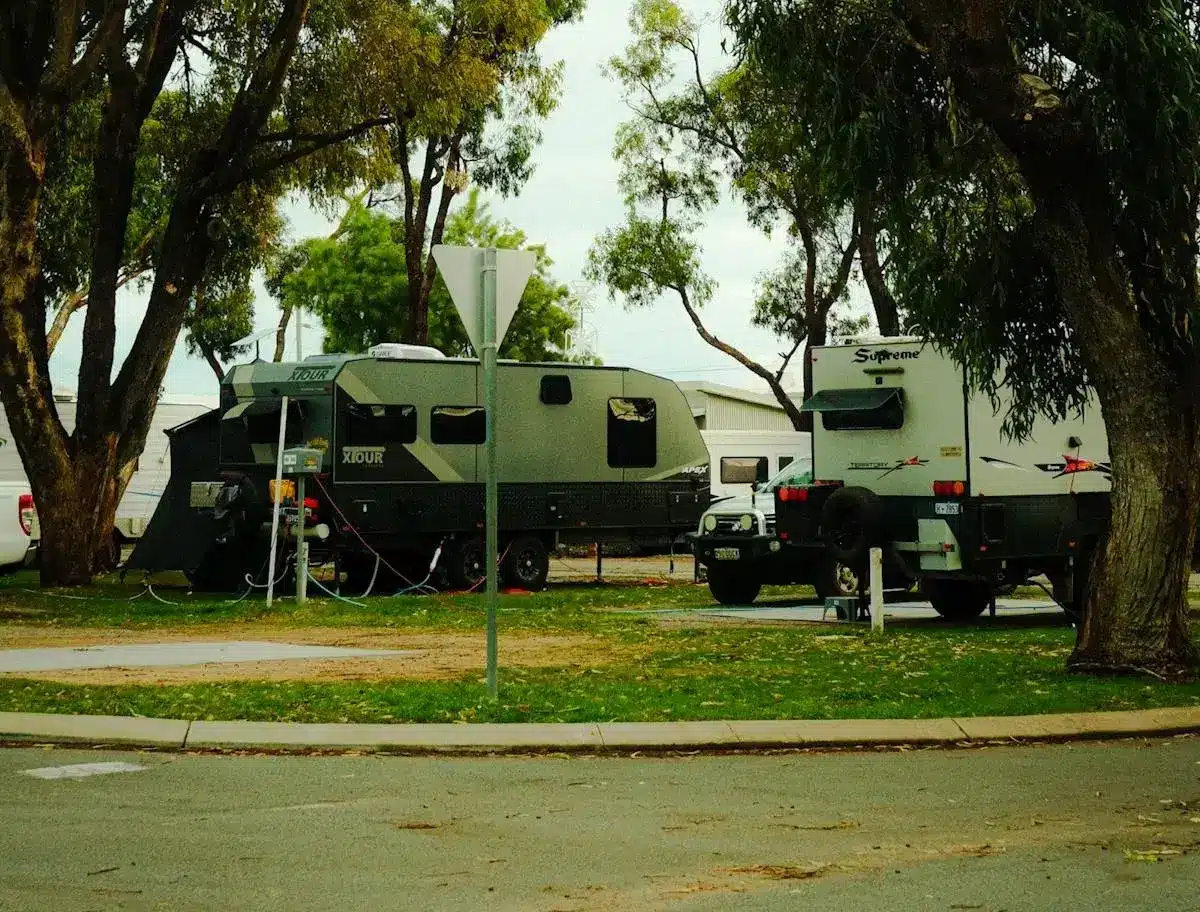
Parking a trailer isn’t just about finding an empty space, it’s about safety, compliance, and convenience. Whether you own a compact utility trailer, a large RV, or a boat trailer, knowing how and where to park can save you time, prevent costly mistakes, and keep your equipment secure.
This comprehensive guide covers everything you need to know about trailer parking. You’ll learn the key factors like size, weight, and turning radius, how to choose the ideal parking spot, the legal rules you need to follow, and expert tips for safe long-term storage.
From navigating tight residential spaces to reserving premium spots at commercial storage facilities, this resource is designed to help both new and experienced trailer owners park with confidence.
Trailer Parking Basics: Size, Weight & Turning Radius Explained
Before you attempt to park your trailer, it’s essential to understand three core elements: size, weight, and turning radius. These factors don’t just affect how and where you park, they also determine your safety and the safety of others around you.
How to Measure Trailer Size for Parking Requirements
Accurate measurements are the foundation of finding a suitable parking space. The wrong estimate could leave you struggling to fit your trailer or even facing local violations. Here’s how to do it correctly:
- Length: Measure from the hitch ball to the farthest point at the back of the trailer. Include any rear-mounted accessories such as ladders, bike racks, or spare tires.
- Width: Measure from one side to the other, excluding mirrors or detachable protrusions. If you have slide-outs, note their measurements as well.
- Height: Measure from the ground to the trailer’s highest point, often the roof AC unit or antenna, to avoid clearance issues with overhangs, tree limbs, or garage doors.
Having precise dimensions ensures you choose parking spaces that fit your trailer without tight squeezes or risks of damage.
Why Proper Tongue Weight Prevents Sway and Jackknifing
One of the most critical aspects of safe trailer towing and parking is proper tongue weight, the downward force your trailer exerts on the hitch ball. Managing this weight correctly helps you avoid dangerous situations like trailer sway or jackknifing. Here’s what you need to know:
- Aim for a tongue weight of 10% to 15% of your trailer’s total loaded weight.
- Too little tongue weight increases sway, especially at highway speeds, reducing control.
- Too much tongue weight shifts balance, making the tow vehicle unstable and harder to maneuver.
- Using a weight distribution hitch can help evenly distribute the load, stabilizing both the trailer and tow vehicle, especially for long hauls or uneven terrain.
Regularly check your load balance and tongue weight to ensure smooth handling during parking and towing.
Turning Radius Considerations by Trailer Type
Every trailer type requires different spacing and angles during turns. Knowing your trailer’s turning radius is essential for maneuvering in tight lots, backing into narrow spaces, or navigating busy travel stops.
| Trailer Type | Turning Radius Consideration |
| Utility Trailer | Has a tighter turning radius due to its compact size, making it easier to park in smaller residential driveways or storage spaces. |
| Boat Trailer | Requires more space to turn because of its length and the unique handling needs when navigating ramps or docks. |
| RV Trailer | Needs a much wider turning radius due to its overall size, height, and weight, especially in crowded campgrounds or urban lots. |
Understanding these dynamics allows you to anticipate your trailer’s path, reduce the risk of collisions, and park with confidence, whether you’re managing a small utility trailer or a large fifth-wheel RV.
How to Choose the Right Trailer Parking Spot
Finding the right spot for your trailer involves several key factors, and knowing where you can park your trailer makes the process easier. The type of trailer, its size, and the terrain are all important. These factors help determine if a parking spot is suitable.
Residential Driveways vs Commercial Storage Lots
One of the first decisions you’ll face is whether to park your trailer at home or at a dedicated storage facility. Both options come with trade-offs, summarized in the table below.
| Feature | Residential Driveway | Commercial Storage Facility |
| Convenience | High – easy access from home | Moderate – requires travel to facility |
| Cost | Low to none | Monthly rental fees apply |
| Space Availability | Limited, especially for larger trailers | Designed for all trailer sizes |
| Security | Minimal – no fencing or surveillance | High – gated access, lighting, and 24/7 surveillance |
| Protection from Elements | None | Optional covered or indoor storage |
| Local Regulations | May face HOA or zoning restrictions | Typically compliant with local storage laws |
Gravel, Asphalt, and Concrete Surface Pros & Cons
The parking surface plays a major role in the longevity of your trailer and the ease of access. Each surface type has its own strengths and weaknesses:
- Gravel: A cost-effective option with excellent drainage, making it ideal for areas prone to rainfall. However, gravel may shift under heavy weight, especially with large or frequently moved trailers, and may require regular leveling.
- Asphalt: Offers a smoother and more stable surface for frequent trailer use. It’s less expensive than concrete but more prone to softening in heat or cracking over time if not maintained properly.
- Concrete: The most durable option, capable of supporting heavy loads for extended periods. It provides a flat, stable surface ideal for long-term storage. On the downside, it’s the most expensive to install and can crack without proper reinforcement.
Clearance for Tree Limbs, Power Lines, and Overhangs
Before finalizing a parking spot, inspect the area for any overhead obstacles that could pose a risk when backing in or pulling out. These include:
- Low-hanging tree limbs that could scrape or damage the trailer roof.
- Power lines that might create clearance or safety hazards.
- Structural overhangs like carports, garage extensions, or eaves that may obstruct access.
It’s not just the height of the trailer that matters, roof-mounted accessories like AC units, solar panels, or rooftop cargo racks can increase the required clearance. Always measure your trailer’s full height and ensure a generous margin to avoid damage. If clearance is tight or questionable, it’s best to find a safer location.
Legal Requirements & Local Trailer-Parking Regulations
Local trailer-parking rules change a lot. It’s important to know the rules in your area. This is true whether you park on the street, in a driveway, or at a storage lot. Knowing the rules can help you avoid fines and towing.
Zoning Codes, HOA Rules, and Street-Parking Time Limits
Your local zoning laws determine where and how long you can park a trailer on private or public property. In many areas, visible trailer parking in front of a home is restricted or prohibited.
- Zoning Codes: Cities often regulate trailer visibility, set distance limits from sidewalks, or restrict the duration of parking. Some residential zones ban parking trailers in front yards entirely.
- Homeowners Associations (HOAs): If you live in a managed neighborhood, the HOA may have its own parking rules, even stricter than city ordinances. Common restrictions include bans on driveway trailer parking or requirements for enclosed storage.
- Street-Parking Laws: Many cities have time limits on how long a trailer can be parked on the street, often 24 to 72 hours.
Overnight parking may require a temporary permit.
Permits for Oversized, Utility, or Boat Trailers
Larger trailers; including RVs, boat trailers, and utility trailers may require a special permit, especially if they exceed set length, width, or weight limits.
- Oversized Vehicle Permits: These are typically issued by the DMV or local traffic authority and are required for trailers that exceed standard size thresholds.
- Utility or Boat Trailers: Even if smaller, some municipalities classify trailers by use and may still require a permit for street or residential parking.
These are the steps to get a permit:
- Check if your trailer’s dimensions exceed local limits.
- Prepare ownership and insurance documentation.
- Visit your local DMV or municipal website to apply and pay the necessary fee.
- Display the permit clearly on the trailer when parked.
Fines, Towing Policies, and How to Contest Violations
Failing to follow trailer-parking laws can lead to fines, citations, or having your trailer towed, often without prior notice.
- Fines: These can start around $25 and escalate up to $2500 for repeat violations.
- Towing: Authorities may tow your trailer if it blocks driveways, sidewalks, or is left beyond allowed time limits. Storage and retrieval costs can exceed $200–$300.
- Disputes: If you receive a citation or your trailer is towed, you may appeal through your local parking enforcement or municipal court.
Tip: Keep a record of where and when your trailer is parked. If needed, this can serve as evidence when disputing a ticket or towing charge.
Step-by-Step Technique: How to Park a Trailer Safely
Parking a trailer safely requires a few key steps. It’s more than just reversing into a space. You need to adjust your vehicle, know your trailer’s size, and use the right techniques for tight spots.
Step 1: Setting Mirrors, Adjusting Hitch Height, and Approaching the Space
Before you even begin maneuvering, it’s critical to prepare your vehicle and trailer for optimal visibility and control. Small adjustments up front can prevent large errors later on.
- Set Your Mirrors: Ensure both side mirrors are angled to give you a clear line of sight down the full length of the trailer. This minimizes blind spots and allows you to monitor both the trailer’s position and your surroundings while reversing.
- Adjust the Hitch Height: The trailer and towing vehicle should be as level as possible. If the hitch is too high or too low, it can affect turning angles and clearance. Use a trailer jack to adjust the height so that the coupler aligns smoothly with the ball mount.
- Approach the Parking Space Carefully: As you near the parking area, slow down and assess the environment. Look for curbs, poles, tree limbs, or other obstructions. Begin lining up the trailer early to give yourself the most room for correction.
Key Setup Summary:
| Adjustment | Purpose | Benefit |
| Setting Mirrors | Provides wide rear visibility | Reduces blind spots and enhances safety |
| Adjusting Hitch Height | Levels the trailer for control | Prevents sway and improves handling |
| Approaching the Space | Aligns entry angle | Simplifies and prepares for a smooth park |
Step 2: Back-In Method with Spotter Hand Signals
For most trailers, backing in is the safest and most precise parking method, especially in tight areas. Having a spotter on-site can significantly improve safety and reduce the risk of collision.
- Use a Spotter with Hand Signals: Assign a spotter to stand where they can see both the trailer and any nearby obstacles. Before starting, agree on a set of clear hand signals. Use consistent gestures for effective communication: a flat palm held out means stop immediately, a thumbs up or down signals a directional adjustment (left or right), and a circular motion indicates that you should continue or make a full correction turn.
- Back Slowly and Deliberately: Reverse at a crawl, checking both mirrors frequently while watching the spotter’s signals. Avoid sudden braking or jerky steering. Small, consistent adjustments give you the most control.
- Use the “Pull Forward and Realign” Technique if Needed: If your trailer begins drifting off-course, don’t hesitate to pull forward slightly and realign. Trying to force a trailer into a tight angle often makes things worse.
Step 3: Straight-Line vs Jackknife Corrections for Tight Spots
Knowing how to correct your trailer’s path during parking is essential for safe maneuvering in confined spaces. Two primary correction methods are used: straight-line and jackknife corrections.
- Straight-Line Corrections: Ideal when backing into longer driveways or open areas. Keep the trailer and vehicle aligned by making small steering adjustments. Watch your trailer wheels and use mirror cues to stay centered.
- Jackknife Corrections: Used when sharper angles are required; such as backing into narrow or curved parking spots. This technique involves turning the tow vehicle at a sharper angle relative to the trailer, but it comes with risk. Over-correction can cause the trailer to jackknife.
How to Avoid Jackknifing:
- Steer smoothly and avoid overreacting to small directional shifts.
- If the trailer begins to jackknife, release the brakes gently and steer in the opposite direction to correct.
- Use short bursts of reverse followed by reassessment, especially in tight spots.
Long-Term Trailer Parking & Storage Best Practices
To keep your trailer in good shape during long-term storage, it’s crucial to plan ahead and know where you can park your trailer long-term. Proper preparation stops damage and keeps your trailer ready to go when you need it.
Wheel Chocks, Stabilizers, and Tongue Jacks Setup
Setting up your trailer for long-term stability is essential for both safety and structural integrity. Movement, shifting weight, or ground settling can all cause damage if the trailer isn’t properly secured.
- Wheel Chocks: Place heavy-duty chocks tightly against both sides of the tires to prevent any unintentional rolling or shifting, especially if the trailer is parked on a slight incline or uneven surface.
- Stabilizer Jacks: Deploy stabilizer jacks (not just the tongue jack) to minimize side-to-side sway and frame stress. These help keep the trailer level and reduce movement caused by wind or minor ground shifts.
- Tongue Jack: Lower the tongue jack to distribute weight evenly and ensure the trailer is sitting level from front to back. This is especially important if the trailer will be stored for months at a time.
Moisture Control, Tire Rotation, and Battery Maintenance
Environmental exposure during long-term storage can lead to corrosion, uneven tire wear, and dead batteries. Routine preventive maintenance keeps these issues in check.
| Maintenance Task | Description | Frequency |
| Moisture Control | Place desiccants or silica gel packs inside the trailer to absorb excess humidity. | Monthly |
| Tire Rotation | Shift the position of tires or move the trailer slightly to promote even wear. | Every 3 months |
| Battery Maintenance | Disconnect the battery, check water levels (for lead-acid types), and maintain a full charge. | Every 2 months |
RecNation’s Recommendation: If your trailer is stored near the coast or in a humid climate, consider adding a small solar-powered vent fan to improve airflow and further reduce interior moisture buildup.
Covering, Venting, and Rodent Prevention Tips
Long-term exposure to the elements can degrade the trailer’s exterior and create opportunities for pests. These protective measures will help keep your trailer clean, dry, and free from infestations.
- Trailer Covering: Use a high-quality, breathable cover made for your specific trailer type. Avoid using plastic tarps that can trap moisture and cause paint or finish damage. A good cover protects against UV rays, rain, dust, and tree sap.
- Ventilation: Ensure vents are slightly open or use vent covers that allow air circulation without letting water in. This helps prevent condensation buildup and keeps the interior from smelling musty over time.
- Rodent Prevention: Inspect your trailer for openings around vents, undercarriage gaps, or wiring access points. Seal all entry holes using steel wool, spray foam, or rodent-proof mesh. Store no food inside, and consider placing natural deterrents like peppermint oil or commercial repellents in key areas.
Security Measures for Trailer Parking
Protecting your trailer from theft, vandalism, or environmental damage starts with knowing how to secure a parked trailer. A layered approach combining physical deterrents, surveillance tools, and insurance protection offers the best defense.
Hitch Locks, Wheel Boots, and GPS Trackers
Using a combination of physical security devices is one of the most effective ways to prevent trailer theft. These tools make it harder for criminals to tow or move your trailer undetected.
- Hitch Locks: These devices secure the trailer coupler and prevent it from being connected to an unauthorized towing vehicle. High-quality hitch locks are made from hardened steel and resist cutting, prying, and drilling.
- Wheel Boots: Similar to those used in parking enforcement, wheel boots clamp onto one of the trailer tires and immobilize it. They prevent rolling or towing and serve as a strong visual deterrent.
- GPS Trackers: Compact GPS tracking devices allow you to monitor your trailer’s location in real time via mobile apps or desktop platforms. Some models include geofencing alerts, motion sensors, and battery backup for added protection. According to the FBI, vehicles equipped with tracking systems have a recovery rate of over 90%, making them a critical tool in theft prevention and asset recovery.
RecNation’s Recommendation: Use visible security devices even in secured lots, they send a clear message that your trailer is well-protected and not an easy target.
Perimeter Lighting, Cameras, and Fencing Options
Securing the area around your trailer adds another critical layer of protection. Whether stored in your backyard or a commercial lot, creating a well-lit, monitored, and enclosed space can deter most unauthorized access.
- Perimeter Lighting: Install motion-activated or dusk-to-dawn lighting near your trailer. Bright lights reduce hiding spots and discourage would-be thieves from approaching.
- Security Cameras: Mount cameras with a clear view of the trailer and surrounding area. Choose models with night vision, cloud storage, and mobile alerts for added peace of mind. Visible cameras can also act as a deterrent.
- Fencing and Barriers: A sturdy fence or locked gate around your storage area restricts physical access. For added security, consider fences topped with angled panels or anti-climb mesh.
Together, these measures turn any parking area into one of the safest places to park your trailer, especially when combined with locks, GPS trackers, and smart monitoring systems.
RecNation’s Recommendation: Even in commercial lots with cameras, placing your own visible camera on the trailer can add redundancy and capture more detailed evidence if needed.
Insurance & Liability Coverage for Parked Trailers
Even the most secure setups can’t guarantee 100% protection. That’s why it’s essential to have adequate insurance and liability coverage. These policies act as a financial safety net of theft, damage, or injury occurring while your trailer is parked.
- Comprehensive Insurance: This type of policy covers loss or damage due to theft, fire, vandalism, natural disasters, and more. It’s especially valuable if your trailer is stored outdoors or in an area prone to extreme weather.
- Liability Coverage: If your parked trailer causes injury or damage to another person or their property (e.g., a trailer rolling into a car), liability insurance covers the associated legal or medical costs.
- Storage Facility Insurance Requirements: Some storage providers require proof of trailer insurance before granting access. Others may offer optional coverage as part of their rental agreement.
RecNation’s Recommendation: Review your existing auto or homeowner’s policy to ensure your trailer is covered during storage. If not, a standalone trailer policy may be worth exploring.
Trailer Parking on the Road: Rest Areas & Travel Stops
Traveling with a trailer adds freedom and flexibility to your journey, but it also comes with the responsibility of knowing where you can legally and safely park. Whether you’re taking a short rest or stopping for the night, understanding your options and observing proper etiquette helps ensure a smooth experience for you and those around you.
Truck Stops, Highway Pull-Offs, and RV-Designated Zones
The road offers a variety of trailer-friendly parking options. Each has its advantages depending on your needs, whether it’s space, security, or access to amenities.
- Truck Stops: Designed to accommodate large commercial vehicles, truck stops offer ample space for trailers, including dedicated RV and trailer parking zones. They typically provide fuel, food courts, restrooms, showers, and repair services. Some also have overnight options, though it’s courteous to avoid using spaces reserved for long-haul truckers unless specifically marked for RVs or trailers.
- Highway Pull-Offs: Located along major highways, these simple gravel or paved areas provide a quick place to stop and rest. While convenient, they often lack amenities and lighting. These are better suited for short breaks rather than overnight stays, especially in isolated or poorly lit locations.
- RV-Designated Zones: Found in highway rest areas or near major travel routes, these zones are specifically set up for RVs and trailers. They may include dump stations, potable water access, and longer parking bays. RV parks and campgrounds along highways also provide hook-ups, restrooms, and secure overnight options designed for travelers with trailers.
RecNation’s Recommendation: Always observe posted signs to confirm parking rules and ensure your trailer is not blocking access for other vehicles.
Overnight Parking Etiquette, Quiet Hours, and Time Limits
Respecting shared spaces is key when parking your trailer overnight in public areas. Good etiquette ensures a positive experience for everyone and helps you stay within local rules.
- Quiet Hours: Many rest stops, truck stops, and campgrounds enforce quiet hours, typically from 10 p.m. to 6 a.m. During this time, reduce noise, avoid running loud generators, and limit movement around the vehicle.
- Time Limits and Permits: Some locations restrict how long you can park, ranging from a few hours to overnight only. Exceeding these limits can result in warnings or fines. In city areas or near parks, overnight trailer parking may require a permit.
- Respecting Shared Spaces: Keep your area clean, avoid blocking adjacent parking spots, and refrain from setting up camp-like structures (awnings, outdoor furniture) unless you’re in a designated RV site.
Also, take time to review the prices of overnight trailer parking in advance so you can plan your budget and avoid unexpected costs.
Some of the best practices to follow are:
- Check posted rules and local ordinances before parking.
- Avoid idling engines or playing music loudly.
- Leave the site cleaner than you found it.
Seasonal Trailer Parking Considerations
To keep your trailer in top shape all year, think about the seasons. Each one brings its own challenges, like cold or hot weather. Preparing your trailer for these changes is crucial for its life span.
Winterizing: Antifreeze, Snow Load, and De-icing Safety
Winterizing your trailer is key to avoid damage from cold. Start by emptying the water system and adding antifreeze. This protects your pipes and fixtures. Remember, too much snow can harm your trailer’s structure.
Clear snow from the roof with a snow rake. Make sure your trailer is set up so snow can slide off easily.
- Use RV antifreeze that is rated for -50°F or colder.
- Insulate exposed pipes and tanks to prevent freezing.
- Keep your trailer’s doors and windows closed to prevent cold air from entering.
Summer Heat Protection: UV Covers and Ventilation
Summer sun can damage your trailer. Use UV-resistant covers to protect it. Also, make sure your trailer has good ventilation to keep air moving.
- Choose UV-resistant materials for your trailer’s exterior.
- Install solar screens or window covers to block direct sunlight.
- Use a dehumidifier to reduce moisture buildup inside your trailer.
Storm Prep: Anchoring Against High Winds
Get your trailer ready for storms by securing it against wind and water. Use anchoring systems to keep it stable. Check your trailer’s tires and brakes, and use wheel chocks to stop it from moving.
- Use heavy-duty anchors and straps to secure your trailer, and consider adding special locks for trailer parking to enhance safety.
- Check the weather forecast regularly to anticipate severe weather.
- Keep your trailer’s fuel tank full to maintain stability.
By thinking about these seasonal factors and taking action, your trailer will stay in great shape all year. Regular checks and maintenance can also catch problems early.
Trailer Parking Technology & Apps
The trailer parking experience has transformed in recent years. What was once a skill-based process relying heavily on intuition and visibility has evolved into a smarter, tech-enhanced routine.Technology makes it easier than ever to locate safe and legal parking spots, especially if you’re searching for trailer parking.
Smarter Equipment: Parking and Towing Made Precise
Modern parking technology helps eliminate the guesswork from maneuvering and setting up your trailer, whether you’re backing into a tight campsite or storing it long-term on private property.
- Digital Levels ensure your trailer is perfectly horizontal from the start. These devices, often paired with mobile apps, give live feedback as you adjust jacks or blocks. They also prevent issues like appliance malfunction, water tank imbalance, or frame strain.
- Backup Cameras are now standard or easily installed add-ons. Whether mounted on the trailer itself or paired with your vehicle, they give you a direct visual on blind spots, curbs, and other hazards. Their impact on safety is also proven; the National Highway Traffic Safety Administration (NHTSA) estimates that rearview cameras reduce backover crashes by approximately 17%.
- Bluetooth Brake Controllers give you wireless control over your trailer’s brakes through a smartphone app. This is especially helpful during parking maneuvers where fine brake modulation is needed, and offers peace of mind when managing heavy loads or working in wet conditions.
These tools don’t just help you park, they make the entire setup process faster, safer, and more intuitive.
Smarter Discovery: Finding Legal, Trailer-Friendly Parking
Once your trailer is road-ready, the next challenge is where to park it, especially if you’re traveling. Apps have stepped in to solve this with GPS-based search, filterable options, and real-time feedback from other users.
- Location-Based Apps like ParkMobile and SpotHero allow you to find legal, trailer-eligible parking spaces in urban and suburban areas. These platforms help you avoid narrow city lots or short-length stalls that don’t accommodate trailers, saving time and preventing violations.
- RV and Trailer Community Apps like AllStays, Campendium, and RV Trip Wizard go a step further, offering verified parking zones, overnight policies, dump station maps, and even photos and reviews from fellow travelers. You can filter by rig length, pet policies, hookups, or price.
- Real-Time Availability Tools now integrated into many of these apps give you live insight into which spots are currently open, which are reserved, and what amenities are available. No more circling lots or guessing availability at 9 p.m.
Apps & Tools to Find Trailer Parking Availability
Apps and digital platforms provide real-time data on space availability, safety ratings, and user reviews, saving you time and hassle on the road.
- RV Trip Wizard: Offers detailed trip planning and helps identify RV-friendly campgrounds, parking areas, and fuel stops along your route.
- ParkMobile: Useful for finding legal, metered, or permitted parking spots in urban areas, especially if you’re navigating a city with a trailer.
- Campgrounds by AllStays: An essential app for RVers, offering a database of public and private campgrounds, rest areas, Walmarts, truck stops, and more, complete with amenities, fees, and availability status.
RecNation’s Recommendation: Many of these apps allow filtering by trailer length, hook-up availability, pet-friendliness, and road access to ensure a match for your specific rig.
Booking Ahead: Reservation Systems and Route-Based Planning
What’s changing the game even further is the rise of reservation-based trailer parking. Instead of arriving and hoping for space, you can now reserve your spot days, or weeks in advance.
- Reservation Platforms allow you to lock in your parking space at RV parks, campgrounds, and even select truck stops. This is especially valuable during peak travel seasons or large regional events when demand spikes.
- Route Planning Tools integrate parking availability with your travel route. Some apps will highlight suitable trailer stops at timed intervals along your journey, helping you plan rest breaks and overnight stops without stress.
Using these technologies and apps can greatly improve your trailer parking experience. It makes parking more convenient, safe, and stress-free, especially when paired with security measures to lock a trailer to prevent theft when parked.
Cost Factors When Renting Trailer Parking Spaces
Renting trailer parking spaces can be a big deal. It’s important to know all the costs involved in trailer parking as this helps you plan your budget better. When looking for a place to park your trailer, think about more than just the rental fee.
Location and Security Drive Pricing
Not all parking spots are created equal. Premium locations and enhanced security features will almost always come at a higher price, but for many trailer owners, the added peace of mind is well worth it.
- Prime Locations: Spaces located near urban centers, major highways, or high-demand recreational areas tend to carry higher price tags due to convenience and limited availability. For example, parking near a boat ramp, RV campground, or storage facility with 24/7 access often commands a premium.
- Security Enhancements: Facilities equipped with perimeter fencing, surveillance cameras, keypad gate access, on-site security personnel, or motion-activated lighting generally cost more than basic open lots. However, these features can reduce your insurance risk, deter theft, and offer added protection for high-value trailers.
Contract Terms and Discount Opportunities
The way your rental agreement is structured has a direct impact on the cost. Flexible contracts may offer convenience, while longer commitments often unlock significant savings.
- Month-to-Month Agreements: These offer flexibility if your parking needs are seasonal or temporary, but they usually come at a higher monthly rate. Some also include automatic price escalations or administrative renewal fees.
- Long-Term Contracts: Opting for quarterly, semi-annual, or annual commitments typically results in lower monthly costs. Some facilities offer discounts of 10%–20% for long-term prepayment. However, you’ll want to review the cancellation terms to avoid penalties if your plans change.
- Referral and Loyalty Discounts: Some facilities offer incentives for referring new customers, renewing long-term, or paying in full up front. These perks can help offset admin fees or the cost of premium upgrades like covered parking.
RecNation’s Recommendation: Always ask if discounts or promotional rates are available, even if they’re not advertised.
Hidden or Additional Fees to Watch For
Beyond the base rental rate, several optional or mandatory charges can show up on your monthly bill. Understanding these early can help you avoid surprise costs and compare facilities accurately.
- Utility Access Fees: If you want access to electrical hookups, lighting, or water (especially for RV trailers), some facilities charge extra per month or by usage.
- Admin and Processing Fees: Setup charges, key deposits, or gate access card fees are common at secured facilities. These are typically one-time fees, but some places charge annual renewals.
- Late Payment or Access Fees: Missing a payment may result in late fees or restricted gate access until your account is brought current. In some cases, repeated late payments may result in a lien being placed on your trailer.
- Storage Insurance (Optional or Required): While many facilities require proof of insurance, others offer optional coverage for an additional monthly cost.
Final Thought
Choosing the right trailer parking solution is about more than just finding space, it’s about making sure your trailer stays protected, accessible, and aligned with your long-term needs.
From understanding how location and security impact monthly rates to evaluating the fine print in rental contracts, every detail matters. Costs can quickly add up if you overlook admin fees, access limitations, or seasonal requirements, so planning ahead is critical.
That’s exactly where RecNation comes in. Our purpose-built trailer storage facilities are designed specifically for trailer, RV, and boat owners. Every RecNation location offers wide drive aisles, gated entry, security cameras, and convenient access, so you’re not just renting a space, you’re gaining peace of mind.
Our team understands the unique needs of trailer storage and offers multiple space types, contract options, and support resources to help you stay protected, prepared, and on budget.
Frequently Asked Questions
What are the key factors to consider when choosing a trailer parking spot?
When picking a spot for your trailer, think about its size and type. Also, consider the terrain and the surface type. Make sure there’s enough room from trees, power lines, and overhangs.
What are the legal requirements for trailer parking in my area?
Know your local zoning codes, HOA rules, and street-parking limits. You might need special permits for certain trailers.
How can I park my trailer safely?
To park safely, set your mirrors right and adjust the hitch height. Use the back-in method with hand signals. Learn how to correct for tight spots.
What cost factors should I consider when renting trailer parking spaces?
Renting costs include location, security, and utility fees. Look for discounts and watch for hidden fees. Understand contract terms.
How do I prepare my trailer for seasonal changes?
For winter, use antifreeze and manage snow. For summer, protect from heat with covers and ventilation. Prepare for storms by anchoring your trailer.
What are the best trailer parking options when traveling on the road?
Use truck stops, highway pull-offs, and RV zones when traveling. Follow parking rules and use apps for availability. This makes your trip smoother.