
Ultimate Guide to Motorhomes: Everything You Need to Know
Explore how motorhomes combine travel freedom with home comfort. Learn about different types, key features, and what makes them ideal for road trips, weekend getaways, or full-time RV living.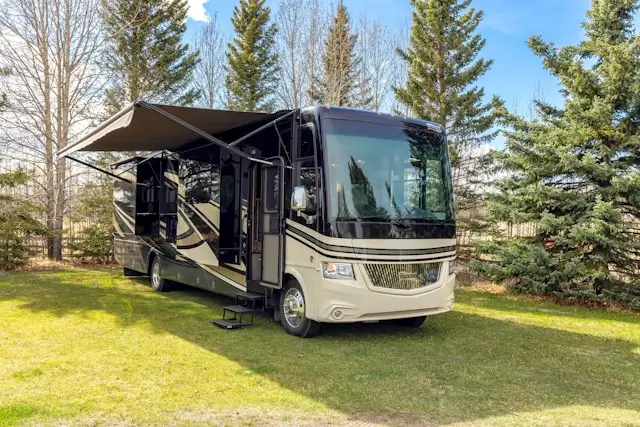
Motorhomes give travelers the chance to combine the freedom of the open road with the comfort of home. These vehicles offer a unique way to explore, bringing kitchens, bathrooms, and bedrooms along for the ride.
For many people, owning a motorhome is both a lifestyle choice and an investment in convenience, flexibility, and adventure. With a motorhome, you choose your route, set your pace, and stop at places that suit your travel style.
From weekend getaways to long cross-country trips, these self-contained units make it possible to live and travel comfortably in one space. Whether you are new to RV life or already experienced, understanding how motorhomes work helps you get the most from ownership.
What Is a Motorhome?
A motorhome is more than a car because it adds living space and utilities to a self-propelled vehicle. It provides a kitchen, bathroom, and sleeping areas, which turns travel days into comfortable living. Many owners like the convenience of driving and staying in the same unit, especially on multiday routes.
Compared to towing, the setup time is usually shorter once you arrive at a campsite. For travelers who value simplicity and comfort, a motorhome can be an ideal base for exploring.
Definition and How It Differs from Other RVs
A motorhome is a vehicle with integrated living quarters that include cooking, sanitation, and sleeping features. Unlike travel trailers or fifth wheels, it does not require a separate tow vehicle to move from place to place. This self-contained design makes travel transitions smoother when you change campsites frequently.
Towables can offer great value, yet they involve hitching and a dedicated tow rating from your vehicle. Choosing between them comes down to how you like to travel and what you already own.
| Aspect | Motorhomes | Towable RVs |
| Propulsion | Built-in engine | Needs tow vehicle |
| Setup | Quick, self-contained | Hitch/unhitch required |
| Cost | Higher upfront | Lower upfront (plus tow vehicle) |
| Use | Best for frequent travel | Best if you own a tow vehicle |
Both fall under recreational vehicles, but there’s a clear difference in RV and motorhome: RVs cover trailers and campers, while motorhomes combine driving and living in one unit.
Common Layouts and Features
Motorhomes come in a range of sizes, but most include systems designed to support daily living on the road. A compact kitchen area (or kitchenette) usually provides a cooktop, sink, and refrigerator. Bathrooms often include a toilet and shower, while sleeping arrangements range from fixed beds to convertible dinettes.
Many models add entertainment systems, heating and cooling units, and storage compartments to improve comfort during extended travel.
When comparing layouts, pay attention to floor space, counter surfaces, and battery or generator capacity, since these affect how practical the motorhome feels for your lifestyle.
| Feature | Description | Commonality |
| Kitchenette | Compact cooking space with basic appliances | Very Common |
| Bathroom | Toilet, shower, and sometimes a small tub | Common |
| Sleeping Quarters | Fixed beds, dinettes, or Murphy beds | Very Common |
Brief History of Motorhomes
The earliest motorhomes appeared in the early twentieth century as creative conversions for long road trips. According to the RV Industry Association, the first motorized campers were built around 1910, often on Packard or Model T chassis, and included simple layouts with bunks and kitchen space. These early designs set the foundation for modern layouts.
Over the decades, manufacturers improved chassis strength, added safety features, and upgraded insulation to make year-round use more practical. By the mid-20th century, innovations like holding tanks and built-in refrigerators became common, and in later years slide-outs, better aerodynamics, and efficient power systems allowed for comfortable off-grid camping.
This steady evolution turned motorhomes into a favorite option for retirees, families, and remote workers who value mobility paired with modern comfort.
Types of Motorhomes Explained
Choosing the right type of motorhome starts with understanding the main categories and how they function on the road. Each class differs in size, interior layout, storage capacity, driving style, and maintenance demands, all of which influence the overall cost of ownership, accessibility to campsites, and fuel efficiency.
The best motorhome type is one that fits your travel goals, household size, driving confidence, and parking situation. Whether you’re looking for luxury or simplicity, there’s a class that aligns with your camping style and comfort expectations.
Class A Motorhomes – Luxury and Size
Class A motorhomes are the largest and most luxurious RVs on the market, often built on bus or commercial truck chassis and ranging from 26 to 45 feet in length. These are true homes-on-wheels, featuring spacious interiors, upscale amenities, and extensive storage, making them ideal for full-time RVers or those planning extended road trips.
Because of their sheer size, Class A RVs require thoughtful route planning and ample storage space at home or at a dedicated facility. Maintenance and fuel costs tend to be higher, but the comfort and convenience pay off for many long-haul travelers.
Best for: Full-time RVers, families, or retirees seeking luxury and space.
Key Features:
- Luxurious interiors with residential-grade finishes.
- Full-sized kitchens, large bathrooms, and king-size beds.
- Multiple slide-outs for expanded living space.
- Generators, inverters, and large freshwater tanks.
- Premium entertainment and climate control systems.
Class B Motorhomes (Campervans) – Compact and Versatile
Class B motorhomes, commonly known as campervans, are built on a standard van chassis. They are the most compact and agile RV type, offering better fuel economy and easier maneuverability, perfect for solo travelers, couples, and digital nomads who value mobility over space.
They can be parked in standard driveways, fit into city parking spots, and work well for stealth camping or short weekend getaways. While limited in size, smart design allows for basic amenities like a bed, kitchenette, and wet bath.
Best for: Urban explorers, weekend campers, and travelers who prioritize flexibility and low maintenance.
Key Features:
- Easy to maneuver and park in standard spaces.
- More fuel-efficient than Class A or Class C motorhomes.
- Includes compact kitchen, sleeping area, and small bathroom.
- Doubles as a daily driver or mobile office.
- Ideal for urban travel and stealth camping setups.
Class C Motorhomes – The Middle Ground
Class C motorhomes are the perfect in-between option for those who want more living space than a campervan but don’t need the size or complexity of a Class A.
Built on a truck or van cutaway chassis, these RVs typically range from 20 to 33 feet and are recognized by their signature cab-over bunk.
They offer generous sleeping space, a separate kitchen and bath, and a variety of floor plans suited for families, small groups, or couples. Class C units are easier to drive and park than Class A rigs while still delivering many of the same comforts.
Best for: Families, first-time RVers, and those seeking a balance of space and drivability.
Key Features:
- Overhead cab bunk for sleeping or storage.
- Rear bedroom, central kitchen, and split bathroom layout.
- Easier to drive than Class A, with better fuel economy.
- Wide selection of floorplans, from minimalist to luxury finishes.
- Ideal for national park camping and mid-size RV parks.
Super C Motorhomes – Power and Payload
Super C motorhomes are a heavier-duty version of traditional Class C units, built on powerful diesel truck chassis like Freightliner or Ford F-550 platforms. They are engineered for serious travelers who need more towing capacity, engine durability, and off-grid reliability.
These motorhomes offer spacious interiors similar to Class A models but are more rugged and better suited for long hauls, mountain driving, or boondocking. Their robust construction supports larger fuel and water tanks, which extend your range between service stops.
Best for: Towing enthusiasts, off-grid travelers, and those covering long or rugged routes.
Key Features:
- Superior towing capability for boats, trailers, or ATVs.
Heavier payload and enhanced suspension systems. - Diesel engines for better torque and long-term performance.
- Reinforced interiors built for extended and rugged use.
- Often includes luxury Class C layouts with extra durability.
Benefits of Owning a Motorhome
Owning a motorhome changes how you plan trips because your home travels with you. You can stop earlier when a viewpoint catches your eye or push farther on quiet highways. Campsites become easier to reach since setup is simple and familiar each night.
The ability to carry your food, bedding, and gear reduces packing stress between trips. For many owners, this flexibility is the biggest reason to choose a motorhome.
Travel Flexibility and Freedom
With a motorhome, your trip doesn’t revolve around check-in times, luggage restrictions, or one-way reservations. You decide when to stop, when to move, and where to explore next.
Want to leave early because the campground is too loud? You can. Want to stay an extra night because the view is perfect? Also possible.
You can build a trip that weaves together state parks, remote trailheads, city festivals, and coastlines, all in one loop. If weather or traffic forces a change, you’re not stuck rebooking flights or hotels.
This kind of travel freedom is especially valuable if you:
- Prefer unstructured itineraries.
- Travel with kids or pets.
- Explore seasonally or regionally, like following the fall colors or spring wildflowers.
- Avoid crowds by staying just outside peak zones or high-demand weekends.
Motorhome travel lets you own the rhythm of your days, without compromising your plans.
Real Comforts in Unfamiliar Places
The biggest difference between a motorhome and other types of travel is how familiar life stays, even in unfamiliar places.
You’re not just packing bags. You’re bringing your own space.
- Your own bed, not a stranger’s mattress.
- Your own bathroom, always available.
- Your own kitchen, stocked with the foods you like.
Long days on the road become easier to manage when you don’t have to constantly adjust to new routines. You can make a hot meal after a rainy hike, dry off gear, take a shower, and sleep in your usual blankets.
Even little things make a big difference:
- A real coffee maker instead of gas station coffee.
- Your favorite pillow and lighting for better sleep.
- Climate control when nights drop to freezing or spike in the sun.
These personal comforts create a psychological sense of stability, something that matters on long trips, especially with kids or older travelers.
A Lifestyle That Scales With You
Motorhomes aren’t one-size-fits-all. The experience flexes to fit your lifestyle, whether you’re raising kids, entering retirement, or working remotely.
For Families:
Motorhomes simplify family travel. You’re not unpacking in new hotel rooms every night, or relying on restaurant food. You can turn a sports tournament weekend, a beach trip, and a visit to grandparents into one seamless loop.
Space to rest, nap, or snack is always just outside the sliding door, perfect for young kids or multigenerational travel.
For Retirees:
The open road is an invitation to take your time. Retirees often embrace motorhome life as a way to see more of the country at a pace that suits them, without worrying about hotel availability or rigid schedules.
You can spend two weeks at a desert park, then drift toward the mountains when the season shifts. There’s room for hobbies, comfort for longer stays, and a new view every time you pull into a different campground.
For Digital Nomads:
Working on the road is no longer a fantasy. A motorhome can serve as a fully mobile office, complete with solar power, cell boosters, and cozy workspace.
You can stay put for weeks where the signal is strong or change locations to stay inspired. There’s room for gear, privacy for calls, and the flexibility to adjust your surroundings when needed.
Minimal Setup, Maximum Continuity
Perhaps one of the most overlooked benefits is how much less transition there is between travel days.
Every time you move:
- Your gear stays where it belongs.
- Your clothes are already hung or folded.
- Your fridge stays stocked.
This cuts down not only on physical effort, but also on decision fatigue and logistical stress. You’re not constantly starting over. You’re continuing your rhythm, just in a new place.
For full-time travelers or frequent weekenders, this kind of continuity is a game-changer.
Downsides of Motorhomes to Consider
Motorhomes unlock a unique kind of freedom, but they also come with a set of real-world complications that don’t always show up in glossy brochures. From cost and upkeep to parking headaches and limited mobility in some areas, owning a motorhome can feel overwhelming if you’re not prepared. Here’s what tends to catch new owners off guard.
High Upfront and Ongoing Costs
Buying a motorhome isn’t like buying a car, it’s more like buying a second home that also happens to have an engine. Even smaller Class B units can cost more than high-end SUVs, and the price of a new Class A diesel pusher can rival a condo in some cities. The real kicker is that it doesn’t end after the purchase.
You’ll have recurring expenses that sneak up fast: annual insurance (which is usually more expensive than regular vehicles), title and registration, roadside assistance plans, and winterization if you live somewhere cold.
Add on storage fees if you can’t park it at home, plus annual maintenance for the chassis, roof, appliances, batteries, generator, and plumbing, it adds up. And it’s not just oil changes; RVs have slide-outs, awnings, leveling systems, multiple tanks, satellite dishes, vents, and all of them eventually break or leak.
Even things like buying sheets, cookware, surge protectors, and sewer hoses are part of the setup cost most people don’t factor in.
Want to rent one before buying? That’s not cheap either. Expect to drop several thousand just getting outfitted, even before your first night at a campground.
Storage and Parking Challenges
Unless you live on rural acreage, parking your motorhome is going to be a logistical puzzle. In many suburbs, HOAs or city codes won’t let you keep an RV in your driveway or even visible from the street. Some owners resort to paid storage lots, which means now you’re driving to a different part of town just to prepare for a trip. Indoor storage is ideal but expensive, and often fully booked, especially before winter.
On the road, the size of your motorhome affects everything, from what gas stations you can pull into, to which scenic byways you’re allowed to drive on. Some state and national parks still have older, shorter sites that can’t handle anything over 28 feet.
In addition, many RV parks have appearance or age restrictions, and also there’s a 10 year rule in some places that prevents older rigs from checking in unless they’re in excellent condition.
Downtowns? Good luck finding parking. And if you do manage to find a spot, you’re often left with overhangs, turning constraints, or low tree limbs.
There’s also a psychological factor, the stress of navigating a massive vehicle into tight spaces or unfamiliar places. For some, it becomes a reason to avoid spontaneous stops or busy areas altogether.
Fuel Consumption and Maintenance Surprises
RVs are fuel-hungry beasts. Even under ideal conditions, most get between 6–10 mpg. In hills, heat, or headwinds, it can drop to 5 or 6. And if you’re hauling a toad (a car in tow), the numbers dip further. Every long road trip means calculating fuel stops in advance, especially since not every gas station can handle a 36-foot rig with a turning radius of a school bus.
Then there’s maintenance. It’s not just the engine you have to think about, it’s the water pump, black tank flush valve, propane lines, HVAC system, generator oil, cracked seals on the roof, insect nests in your vent fans, and batteries that mysteriously drain overnight.
Repairs are another frustration. RV mechanics are often booked out weeks in advance during peak season.
Warranty service? Expect to drive across state lines just to find a certified shop. And when things break and they will, the wait for parts can be long, especially for lesser-known manufacturers.
Depreciation and the Driving Learning Curve
RV depreciation can be brutal. A brand-new Class A can lose 20–30% of its value the moment it leaves the lot. Even well-maintained rigs lose value quickly unless they’re from top-tier manufacturers. Used RVs with solid maintenance records do better, but don’t expect it to appreciate or even hold steady unless you’re in a niche market.
That said, a few brands and layouts are known for holding their value a little better, usually the ones with strong build quality, proven floorplans, and solid service networks behind them.
And let’s be honest, driving one is intimidating at first. Even a 24-foot Class C feels massive if you’ve only driven sedans your whole life. The wind hits differently, you have to plan your lane changes three steps in advance, and backing into a campsite at dusk with people watching is a rite of passage.
If you’re in a big rig, overpasses become a concern, tunnels can be off-limits, and downtown detours are not just annoying, they can be dangerous if you don’t have clearance. You can learn, of course, and many do. But the learning curve is real, and for the first few trips, you’re not cruising, you’re sweating.
How Much Does a Motorhome Cost?
Budgeting for a motorhome includes more than the price on the window sticker. Factor in insurance, maintenance, storage, and campsite fees to understand yearly totals. The cost of motorhomes vary widely by size, brand, and equipment level across the three main classes.
Buying used can reduce upfront cost, though inspections matter to avoid hidden repairs. A clear budget range helps you compare models without overspending.
Price Ranges for Different Classes
Class A: Entry gas models like the Thor Vegas start at about $164,640, while luxury diesel pushers like the Newmar King Aire exceed $1.7 million.
Class B (campervans): Compact options such as the Winnebago Solis Pocket start at $143,475, while premium conversions like the Airstream Interstate 24GL are priced at $270,900+.
Class C: Versatile mid-sized coaches like the Thor Four Winds begin at $121,940, while higher-end models such as the Winnebago View start at $258,922.
New vs. Used Motorhome Pricing
New motorhomes include current safety features and warranties, which add confidence on long trips. Used units can be more affordable and may include upgrades from previous owners.
| Category | New Motorhome | Used Motorhome |
| Purchase Price | $100,000–$300,000+ | $40,000–$150,000 |
| Warranty | Included (1–3 years) | Often expired or limited |
| Condition | Brand new systems, no wear | May require tire, battery, or seal replacement |
| Depreciation (First 2 Years) | 20–30% loss in value | Slower depreciation curve |
| Upgrade Needs | Minimal | May include previous owner mods or needed fixes |
Note: Pricing varies widely depending on motorhome class, brand, condition, and upgrades. Always compare the total cost of ownership, not just the sticker price.
The tradeoff is potential wear on tires, batteries, and seals that needs attention. A pre-purchase inspection helps you understand the condition before you sign.
Comparing total cost over the first two years gives a clearer picture than sticker price alone.
Additional Ownership Expenses
Beyond the payment, owners plan for insurance, routine service, and campsite reservations. Maintenance includes engine care, generator service, roof sealing, and appliance checks. Storage fees vary by region and facility type, from open lots to enclosed buildings.
| Expense Type | Estimated Cost (Annual) | Notes |
| Insurance | $1,500–$2,500 | Varies by class, location, and coverage level |
| Maintenance | $2,000–$4,500 | Includes oil, generator, roof sealing, appliance service |
| Storage Fees | $600–$2,400 | Depends on facility type: open, covered, or enclosed |
| Campground Reservations | $3,000–$6,000 | Based on $25–$50/night average, varies by season |
Note: These are average annual expenses. Costs will fluctuate based on travel frequency, region, vehicle type, and storage or campsite choices.
Campground prices differ by season and amenities, which can influence route choices. Tracking expenses in a simple spreadsheet makes annual planning easier.
Financing and Insurance
Lenders offer RV loans with various terms, so it pays to compare rates and down payments. Insurance should cover liability, collision, comprehensive, and your personal effects inside the coach.
| Factor | Details |
| Loan Terms | 5–20 years; interest rates from 6%–9% (varies) |
| Down Payment | Typically 10%–20% of purchase price |
| Insurance Coverage | Liability, collision, comprehensive, personal effects |
| Discounts | Common for security devices, gated storage, and bundled policies |
| Annual Review | Recommended to adjust for travel plans and asset value |
Note: Loan terms and insurance rates differ by lender, state, and credit profile. Review quotes from multiple providers and revisit your policy annually to stay aligned with usage and asset value.
Higher coverage limits may be useful if you travel frequently or carry valuable gear. Many carriers offer discounts for security devices and storage in gated facilities. Review your policy annually to keep coverage aligned with your travel plans.
Motorhome Maintenance and Longevity
The key to safe travel and a long-lasting motorhome is consistent maintenance. A calendar reminder helps you stay current on checks for fluids, tires, and seals. Keeping water outside the shell through roof care is one of the most important habits.
Driving gently and storing well protects the chassis and interior finishes. With care, many motorhomes provide reliable travel for well over a decade.
With more people buying motorhomes each year, regular maintenance becomes even more important. According to CMI research, the U.S. recreational vehicle market is expected to grow at a steady 3.4% CAGR through 2033, eventually surpassing USD 3 billion in value.
Routine Maintenance Tasks
Create a checklist that covers tires, brakes, engine oil, and coolant before each season. Inspect belts, hoses, and batteries, then clean terminals to prevent starting issues. Exercise generators under load monthly to keep them healthy and ready for trips.
Flush and sanitize water systems, and check for leaks around windows and roof fixtures. Recording dates and mileage builds a history that future buyers will value.
- Checking and maintaining tire pressure.
- Regularly inspecting brakes and brake pads.
- Changing engine oil and filters as recommended.
- Inspecting and replacing belts and hoses.
- Maintaining battery health.
Average Lifespan of a Motorhome
Lifespan of a motorhome depends on build quality, storage conditions, and how often the coach is used. Owners who follow service schedules and seal roofs regularly see far fewer problems. Engines and drivetrains typically outlast interior fabrics if maintained on time.
Sun exposure is a major factor, so covered storage pays off in the long run. With steady care, many motorhomes stay roadworthy for 15 to 20 years or more.
| Motorhome Class | Average Lifespan (Years) |
| Class A | 15–25 |
| Class B | 12–20 |
| Class C | 15–22 |
Storage and Winterization
Proper storage prevents moisture, sun fade, and battery drain during off months. A dry, covered space limits UV exposure and keeps seals in better shape. Before freezing weather, drain lines, add RV antifreeze, and open faucets to protect plumbing.
Charge batteries fully, then disconnect or maintain with a tender to prevent damage. These simple steps reduce repair costs and speed up spring departures.
- Store it in a dry, covered area.
- Drain water systems to prevent freezing.
- Use antifreeze in plumbing systems.
- Maintain or remove batteries for storage.
Costs of Repairs and Upkeep
Annual upkeep varies with mileage, climate, and coach size, so build a realistic buffer. Plan for consumables like tires, wiper blades, filters, and anodes on water heaters. Over time you may also replace awning fabric, house batteries, or worn upholstery.
A trusted service center helps you prioritize repairs and catch problems early. Owners who set aside a small monthly amount find surprises easier to handle.
- Regular servicing and inspections.
- Replacement of parts over time.
- Potential repairs due to wear and tear.
Motorhomes vs Other RVs
It helps to compare motorhomes with other RV styles to find the best fit. Towables may offer larger interiors per dollar, while motorhomes focus on convenience.
Owners of towable RVs are responsible for meeting FMCSA safety standards, including the requirement that full trailers be frame-coupled to ensure proper towing.
Your garage space and local roads also influence what feels comfortable to drive. Read floor plans carefully and try a rental if you are unsure. Experience behind the wheel is the best guide to the right choice.
Travel Trailers vs. Motorhomes
Travel trailers detach from the tow vehicle, which gives you flexibility once you park. Many buyers like the lower purchase price and broad range of lengths and weights.
Motorhomes cost more but simplify driving days because no hitching is required. If you already own a capable tow vehicle, a trailer can be very cost effective. If you prefer quick campsite arrivals, a motorhome may better match your style.
| Feature | Travel Trailers | Motorhomes |
| Towing/Traveling | Towed behind a vehicle | Self-propelled |
| Cost | Generally lower purchase price | Higher purchase price |
| Flexibility | Can detach and use tow vehicle | Integrated living and driving space |
Fifth Wheels vs. Motorhomes
Fifth wheels use a bed-mounted hitch that improves stability and enables spacious interiors. They work best with a compatible pickup and provide residential storage for long trips. Motorhomes trade some interior space for the ease of a single vehicle.
Your choice may hinge on whether you already drive a heavy-duty truck. Consider storage height and neighborhood parking rules for either option.
Campervans vs. Class C Motorhomes
Campervans favor maneuverability, simple parking, and lower fuel use for frequent moves. Class C motorhomes add sleeping capacity and storage for families who carry more gear. Campervans fit small campsites and weekday errands without much fuss.
Class C models tow small cars well and feel steady on highways. Match the footprint to your favorite routes and the number of travelers.
| Feature | Campervans (Class B) | Class C Motorhomes |
| Size/Maneuverability | Compact, easy to maneuver | Larger, less maneuverable |
| Fuel Efficiency | Generally more fuel-efficient | Less fuel-efficient |
| Interior Space | Limited interior space | More interior space |
Buying a Motorhome: Tips for First-Time Owners
A little preparation goes a long way toward a happy first purchase. Start with your travel goals, storage plan, and budget for total yearly costs.
Visit dealers and walk through different layouts to test how each one feels. If possible, rent a similar model for a weekend to confirm the fit. Good notes and patient comparisons help you avoid impulse decisions.
Choosing the Right Class for Your Needs
Each class serves a different style of travel, so begin with how you plan to use it. Class A offers maximum comfort for extended stays or full-time road life.
Class B favors nimble touring and frequent changes of scenery. Class C blends family sleeping space with simpler driving and campsite setup. When your lifestyle is clear, the ideal class usually becomes obvious.
Think about how often you’ll actually use it, and where you want to go. Some destinations won’t work well for oversized rigs. Some roads are too narrow. If you’re not in a rush to buy, use that time to figure out what kind of travel you actually enjoy.
Waiting for the right time to buy also gives you more chances to test-drive, research, and catch better deals.
- Class A Motorhomes: Luxury and space for comfortable road living.
- Class B Motorhomes (Campervans): Small, easy handling for couples or solo travelers.
- Class C Motorhomes: A balanced choice for families or small groups.
Key Features to Look For
Focus on layout, storage, tank sizes, and battery capacity because they shape daily comfort. Check kitchen counter space and refrigerator size if you cook often on the road. Evaluate bathroom dimensions and whether a separate shower matters to you.
Look for reliable heating and cooling that match the climates you will visit. Finally, review cargo capacity so you can carry gear safely within limits.
- Living Space: Layout, seating, and storage flow.
- Kitchen and Dining: Appliances, prep area, and dining comfort.
- Bathroom Facilities: Size, ventilation, and shower access.
- Technology and Entertainment: Infotainment, Wi-Fi readiness, and charging options.
New vs. Used: Pros and Cons
New motorhomes deliver warranties and current safety tech, which many first owners value. Used models can save thousands and may include helpful aftermarket upgrades. Consider longer inspections on used units to check roofs, slide seals, and appliances.
New purchases reduce surprises but come with faster early depreciation. Balance peace of mind with budget to find the right path.
| Feature | New Motorhome | Used Motorhome |
| Latest Features | Yes, current tech and design | Varies by model year |
| Warranty | Typically manufacturer warranty | May require third-party coverage |
| Cost | Higher upfront price | Lower price with potential extra maintenance |
Inspection Checklist & Hidden Costs
Walk the exterior for seal cracks, soft spots, or uneven tire wear before buying. Inside, test every appliance, faucet, outlet, and light, then inspect for leaks or odors. Review service records and verify that recall work was completed by a qualified shop.
Ask about insurance, registration, taxes, and storage availability near your home. Planning for these costs keeps surprises small and trips enjoyable.
- Exterior wear, tires, roof seals, and awnings.
- Interior appliances, plumbing, electrical, and ventilation.
- Engine, transmission, and maintenance history.
- Insurance, registration, and future upgrades.
Living in a Motorhome: What to Expect
Life in a motorhome rewards flexibility and a little routine. You trade closet space for views and long commutes for trails and local food. Daily habits like tidy counters and labeled bins keep small spaces calm.
Slow travel often costs less because fuel and campsite fees stretch further. With practice, the process of moving and setting up becomes second nature.
Full-time RVing Lifestyle
The full-time lifestyle isn’t just about chasing views. It means managing vehicle maintenance, budgeting on the move, and dealing with repairs in odd places. But it also means watching seasons change across states instead of through windows.
Many RVers chase mild weather to skip heating bills and avoid fighting their air conditioners. Some do seasonal work. Others freelance, work remotely, or simply live off savings with care.
You end up finding community in unlikely places. A conversation at a dump station. A borrowed wrench from the neighbor one site over. Even online groups feel more real when you’re all comparing sunset photos from the same state.
And when it all clicks, the rhythm, the people, the sense of motion, that’s when it feels like this makes it worth it to buy, not just rent or borrow.
Budgeting for Long-term Travel
A monthly budget should include fuel, maintenance, insurance, and campsite costs. Food, streaming plans, and cell data mirror home expenses with small adjustments.
Off-season rates and weekly stays often reduce campground spending. Tracking expenses city by city helps you plan the next leg wisely. Over time you will learn which areas fit your budget best.
| Expense Category | Average Monthly Cost | Annual Cost |
| Fuel | $500 | $6,000 |
| Maintenance | $200 | $2,400 |
| Insurance | $150 | $1,800 |
| Campground Fees | $300 | $3,600 |
Note: Costs are estimates and will vary by vehicle, travel style, and location.
Must-have Accessories for Comfort
A few well-chosen accessories make life easier on the road. Quality bedding and blackout curtains improve sleep in busy campgrounds.
Kitchen tools that nest or fold save cabinet space and rattle less while driving. Storage cubes keep clothes tidy and quick to access. Outdoor mats, camp chairs, and a simple tool kit round out the basics.
- Comfortable bedding and linens
- Kitchen utensils and cookware
- Storage bins and organizers
- Wi-Fi boosters and signal enhancers
- Portable power stations and solar panels
Remote Work and Connectivity
Reliable internet comes from a mix of campground Wi-Fi, cellular hotspots, and antennas. A small desk or fold-out table creates a comfortable workspace that stores quickly. Dual SIM plans or a secondary carrier help cover weak zones.
Keep cables and chargers grouped so work setup takes only a few minutes. With practice, remote work from a motorhome feels smooth and consistent.
Storage Hacks for Motorhome Living
Use vertical space with stackable bins and shelves that lock in place while driving. Multi-purpose furniture and collapsible items cut clutter without sacrificing comfort. Under-bed compartments and seat bases hide bulky items you do not need daily.
Door hooks and magnetic strips keep small tools handy where you use them. Smart organization turns a compact coach into a tidy tiny home.
- Use vertical space with stackable containers.
- Invest in multi-functional furniture.
- Utilize hidden storage areas like under-bed compartments.
- Opt for collapsible or foldable items.
Conclusion: Is a Motorhome Right for You?
Motorhomes offer the kind of flexibility that appeals to people who want control over their travel experience. Whether you’re drawn to the idea of long road trips, weekend escapes, or full-time RV living, the right motorhome depends on how you plan to use it.
Consider your travel pace, comfort needs, parking situation, and whether you’ll be moving often or staying put for weeks at a time. For many, the ability to set up quickly, cook in their own kitchen, and sleep in the same bed each night makes the lifestyle more than worth it.
Once you’ve found the right rig, storing it properly becomes part of the equation. Leaving a motorhome exposed for long stretches can wear down its finish, batteries, tires, and seals faster than you expect.
That’s where RecNation comes in. With secure, climate-aware RV storage options across key locations, RecNation helps protect your motorhome when it’s off the road, so it’s clean, charged, and ready for the next trip whenever you are.
FAQ
What is the difference between a motorhome and an RV?
A motorhome is a self-propelled type of RV with living space and an engine.
RV is the broader category that also includes travel trailers and fifth wheels.
How much does it cost to own a motorhome?
Ownership includes the purchase price plus insurance, fuel, maintenance, storage, and campsites.
Totals range widely by class and use, from modest annual budgets to premium setups.
What are the different classes of motorhomes?
There are four main classes listed here: Class A, Class B, Class C, and Super C.
They differ in size, price, and features, which shapes how and where you travel.
How do I maintain my motorhome?
Follow a checklist for fluids, tires, roof seals, and appliance care on a regular schedule.
Good records and timely service prevent bigger repairs and keep trips dependable.
Can I live in a motorhome full-time?
Yes, many people do and find it comfortable with smart budgeting and planning.
Space is compact, yet modern layouts and storage make daily life manageable.
How do I finance a motorhome?
Most buyers use RV loans from banks, credit unions, or dealers with different terms.
Compare rates, down payments, and total interest before signing.
What are the insurance options for motorhomes?
Policies commonly include liability, collision, comprehensive, and personal effects coverage.
Premiums vary by coach value, location, and driving history.
How do I choose the right motorhome for my needs?
Start with your travel style, group size, storage plan, and all-in budget.
Walk floor plans in person and test drive to confirm comfort and visibility.