Who Uses Industrial Outdoor Storage? A Complete Breakdown
Industrial outdoor storage (IOS) supports contractors, carriers, retailers, utilities, and public agencies with flexible, secure space for equipment, fleets, and materials. Learn which industries use IOS, how they benefit, and why demand is rising.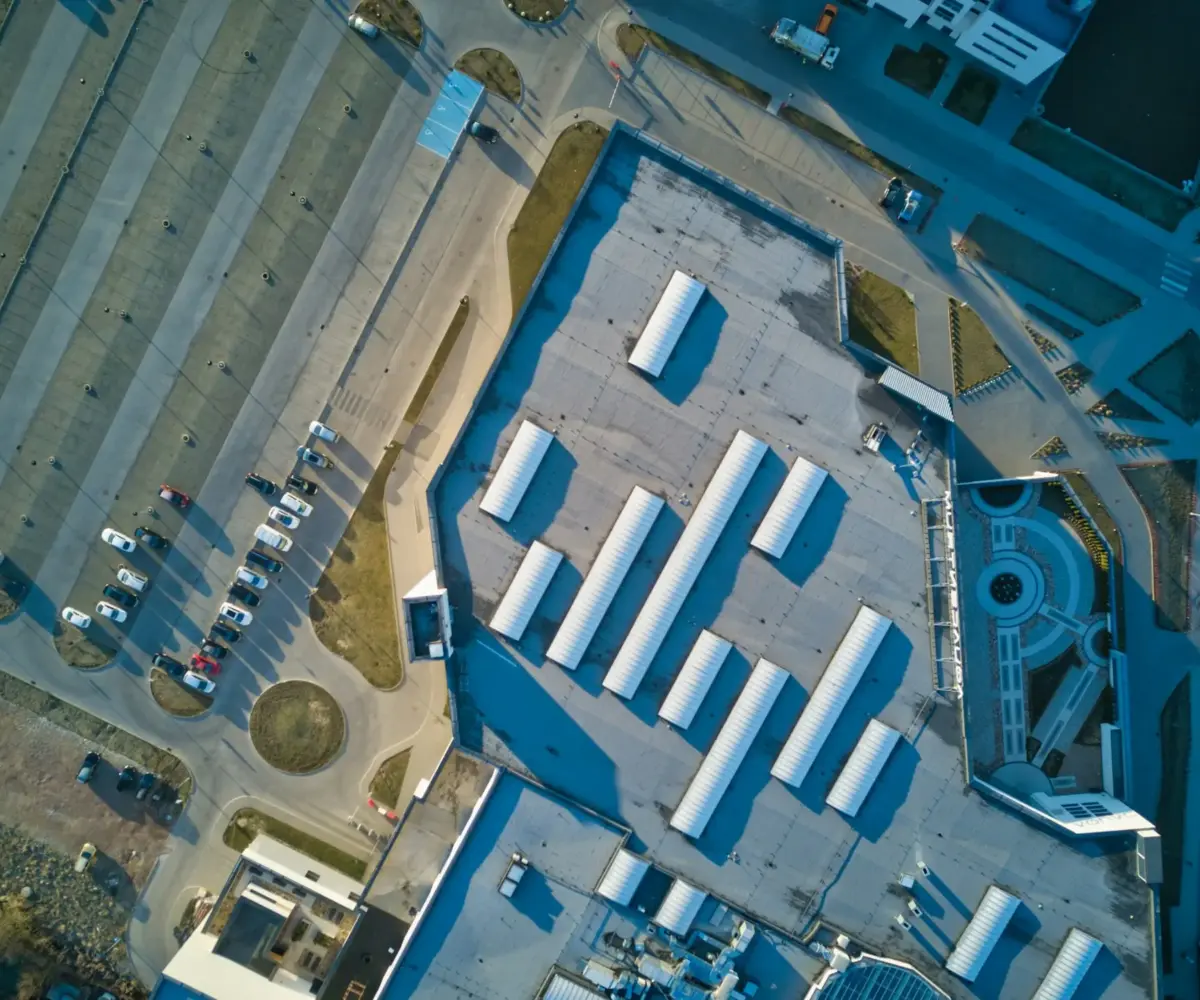
Ever wondered about industrial outdoor storage (IOS) and who actually uses it? IOS sites are secure outdoor areas designed to store equipment, materials, vehicles, and containers, assets that don’t require climate control but do need fast, reliable access. These yards support a wide range of industrial use cases, from construction staging and equipment parking to logistics overflow and fleet maintenance.
IOS facilities play a critical role in modern supply chains, acting as flexible infrastructure for companies that move physical goods at scale. Unlike traditional industrial buildings, they offer large, open-air layouts with minimal structures, allowing users to adjust layout and inventory volumes with ease.
As demand for last-mile logistics and project-based storage continues to grow, so does interest in IOS from both operators and institutional investors seeking stable, high-yield investment opportunities within the broader category of industrial properties.
Why Businesses Rely on Industrial Outdoor Storage
Businesses choose industrial outdoor storage sites because they offer unmatched adaptability and efficiency. IOS lets teams scale space up or down without locking into the long-term expense of a warehouse lease. Many companies use these yards as overflow storage during peak periods or for temporary staging in seasonal operations.
From an investment standpoint, IOS is becoming a recognized asset class in commercial real estate, reflecting the size of the IOS market.
Operators appreciate the lower capex requirements and operational flexibility, while institutional investors value the recurring income and consistent tenant demand. Compared to traditional industrial buildings, IOS facilities offer:
- Lower development and maintenance costs.
- Faster buildout and permitting timelines.
- Flexible parcel use and easier expansion.
- Steady demand from industrial tenants seeking open, secure land.
Key Benefits of IOS for Businesses
- Flexible lease structures and yard configurations.
- Lower upfront costs compared to enclosed warehouses.
- Faster deployment of assets and crews.
- Secure access with fencing, lighting, and surveillance.
- Ability to handle seasonal or project-based surges.
| Business Type | Primary Use of IOS | Benefits |
| Logistics and Transportation | Storage for containers, trailers, and fleet vehicles | Scalable capacity, reduced congestion, cost savings |
| Contractors and Construction | Equipment staging, material laydown, tool storage | Jobsite readiness, security, short-term flexibility |
| Retail and E-commerce | Seasonal overflow, pallet storage, container staging | Fast access, low lease cost, improved efficiency |
Contractors and Construction Companies Using Outdoor Storage
The construction industry depends on industrial outdoor storage for daily readiness. Crews use IOS to stage equipment, tools, and building materials close to jobsites. During peak seasons, contractors add short-term capacity for surge demand.
Year-round, they rely on secure yards that protect high-value items from theft and weather. Choosing a well-located site reduces idle transport time and keeps projects on schedule.
Seasonal vs. Year-Round Needs
Contractors often face changing space requirements throughout the year. For example, landscaping and earthwork operations peak during warm seasons, while snow removal and emergency response may drive winter equipment staging.
IOS facilities allow businesses to ramp storage up or down based on actual job volume. This seasonal flexibility keeps storage budgets efficient and avoids the risk of overcommitting to space.
Instead of leasing excess warehouse capacity all year, contractors can access IOS yards that scale with their calendar, preserving capital and improving jobsite logistics.
Equipment, Tools, and Building Materials
A properly designed IOS site accommodates a wide range of construction equipment and materials. Excavators, lifts, and telehandlers can be staged in open zones, while hand tools and smaller devices are stored securely in lockable containers or cages.
Bulk items such as rebar, PVC, lumber, or pipe can be laid out in labeled areas for quick access and reordering. Inventory maps, aisle signage, and digital tracking further reduce errors and improve accountability.
For companies running multiple jobs, having centralized access to equipment and materials at an IOS yard minimizes back-and-forth and reduces tool loss, a common cost center in construction operations.
Jobsite Vehicles and Temporary Storage
Beyond materials, IOS sites also support vehicle staging and short-term storage for parts, safety gear, and jobsite supplies. Contractors routinely park dump trucks, flatbeds, and service vans at secure outdoor locations near projects.
Typical vehicle-related IOS features:
- Numbered stalls for organized parking and dispatch.
- Loading pads to reduce congestion at gates.
- Lighting towers for after-dark visibility.
- On-site containers for tool storage and PPE distribution.
- Gate systems and cameras to prevent unauthorized use.
These features are a major step up from unsecured laydown areas, and they meet the performance expectations of both field teams and institutional investors backing the sites.
Logistics and Transportation Companies Using Outdoor Storage
Logistics providers use industrial outdoor storage to manage fleets and freight efficiently. IOS supports trailer pools, chassis parking, and container laydowns near key corridors. Secure yards help balance networks during peak volumes.
By placing assets closer to customers, carriers shorten the first and last miles. These advantages improve reliability while controlling costs.
Truck, Trailer, and Fleet Parking
Carrier operations depend on having safe, organized space for staging trucks, trailers, and fleet vehicles. IOS yards provide the infrastructure needed to support day-to-day logistics:
- Clearly marked stalls for tractors, dry vans, reefers, and box trucks.
- Access-controlled entry points to monitor arrivals and departures.
- Floodlighting and surveillance for off-hour protection.
- Wide lanes and signage to support high-turn environments.
This level of structure reduces on-site incidents, prevents unauthorized access, and keeps equipment rotation running on time. In regions near ports or distribution hubs, IOS eliminates delays that would otherwise affect delivery windows or load balances.
Shipping Containers and Freight Storage
IOS yards are ideal for managing both full and empty containers cycling through cross-docks or staging for final-mile transfers. Operators use these yards to avoid congestion in traditional warehouse yards, which are often constrained by fixed dock doors and rigid layouts.
Key uses include:
- Temporary storage of inbound containers pending warehouse slotting.
- Staging outbound freight for overnight or next-day carrier pickup.
- Holding oversized or palletized goods that don’t require racking or climate control.
This flexibility allows logistics firms to ride out seasonal surges or supply chain fluctuations without overcommitting to warehouse leases. Clear storage zones and digital inventory systems reduce detention charges and accelerate drayage turns.
As urban freight infrastructure strains under volume, IOS becomes a vital operating link.
| Storage Needs | Benefits of IOS |
| Shipping Containers | Secure storage with fast load and unload access |
| Freight | Flexible space that scales with demand |
| Fleet Vehicles | Protected parking with reduced risk of damage or theft |
Last-Mile Delivery Operators
Last-mile carriers, serving retailers, grocers, and e-commerce brands, depend on proximity and uptime. IOS provides strategically located parking for vans, cube trucks, and step decks, helping fleets reduce wasted miles and improve SLA compliance.
IOS site features optimized for last-mile delivery include:
- Close-in locations near residential or urban commercial zones.
- Basic utility infrastructure (power outlets, task lighting, security systems).
- Streamlined layouts for fast check-in, dispatch, and vehicle staging.
- Temporary or mobile structures for driver dispatch and routing.
By reducing time to route and centralizing equipment storage in urban-adjacent yards, IOS sites serve as high-performance staging areas without the cost or delay of acquiring or building out enclosed space. In markets where traditional warehouse vacancies are low, IOS offers a faster and more scalable alternative.
Retailers and E-commerce Businesses Using Industrial Storage Yards
Retailers and e-commerce operators rely on industrial outdoor storage for overflow and bulk goods. Seasonal promotions and peak holidays drive inventory swings that outgrow indoor facilities.
E-commerce accounted for 16.3% of total U.S. retail sales in Q2 2025, according to the U.S. Census Bureau. This growth is pushing businesses to stage and manage larger shipments, making flexible storage solutions like IOS yards essential during high-volume periods.
IOS provides rapid relief without long build times. Secure yards keep products safe while remaining easy to access. This mix supports faster replenishment and better customer service.
Seasonal Inventory Overflow
During high-demand periods, IOS facilities function as relief valves for inbound container traffic. These yards absorb the overflow when primary DCs are full, allowing teams to:
- Stage inventory before peak holiday launches.
- Buffer returns or seasonal markdowns.
- Store pre-picked promotional kits for faster store replenishment.
- Keep trailers moving through facilities with limited receiving capacity.
Some retailers also use IOS to sort and distribute region-specific loads, accelerating last-mile handoffs during narrow delivery windows. With limited supply of suitable yard space near retail corridors, well-managed IOS properties are now viewed as essential operational tools.
Bulk and Palletized Goods
Many retail categories; including home improvement, auto parts, and outdoor goods ship on pallets or in non-fragile containers. These products don’t require indoor storage but still need reliable access and theft prevention.
IOS benefits for bulk inventory include:
- Gravel or paved pads for heavy pallets and large containers.
- Zoned storage for easy inventory control and faster retrieval.
- Camera coverage and fencing to protect against shrink and loss.
- Proximity to fulfillment centers for fast inbound/outbound turns.
In this niche segment of industrial real estate, cost and speed matter. Retailers that use IOS to stage bulk shipments reduce congestion at the hub, lower transfer costs, and improve responsiveness during promotions.
Industrial Outdoor Storage for Oil, Gas, and Utility Companies
Oil, gas, and utility operators depend on fast mobilization and secure staging to support mission-critical infrastructure. With large service areas, heavy-duty equipment, and the need for quick response, industrial outdoor storage (IOS) has become the most practical property type for routine maintenance, upgrades, and emergency operations.
Key benefits of IOS for these industries include:
- Supports oversized materials and specialized handling needs that traditional warehouses cannot accommodate.
- Provides scalable space with regulatory compliance and 24/7 access.
- Improves deployment speed by staging assets close to field operations.
- Reduces truck turnaround times and limits downtime for crews.
- Attracts institutional capital due to durable tenant demand linked to critical infrastructure.
These advantages make IOS yards not only essential for operators but also highly attractive for investors seeking exposure to infrastructure-adjacent real estate.
Key Storage Needs for Oil, Gas, and Utility Companies
The complexity and variety of assets managed by energy and utility operators make IOS essential for safe, efficient operations. From regulated materials to oversized vehicles, these users need highly organized, purpose-built outdoor space.
Common storage needs include:
- Oil and Gas: Drilling rigs, wellhead equipment, pipeline segments, and tanks.
- Electric Utilities: Poles, transformers, switchgear, cable reels, and mobile substations.
- Gas Utilities: Meters, vaults, trailers, safety kits, and trenching machinery.
- Water/Wastewater: Pumps, valves, aerators, and pipe couplings.
- Telecom: Fiber reels, poles, small cells, and splicing trailers.
To meet regulatory and operational requirements, IOS facilities typically include elements specified by the permits required for industrial outdoor storage.
IOS facilities usually feature:
- Reinforced pads for service vehicles and heavy machinery.
- Segregated zones for hazardous or flammable materials.
- Controlled gate access, perimeter fencing, and 24/7 surveillance.
- Oversized entry points and circulation lanes for crane or bucket truck access.
- Spill containment and secondary storage for regulated items.
| Industry | Commonly Stored Items | Special Storage Requirements |
| Oil and Gas | Drilling equipment, pipeline components | Hazardous item zoning, secured areas, spill control |
| Utility Companies | Transformers, cable reels, service vehicles | Large-vehicle access, fencing, weather-resilient layout |
| Telecom & Energy | Poles, fiber, battery banks, telecom cabinets | Indoor/outdoor segregation, security systems |
With infrastructure expansion and utility hardening efforts accelerating driven by initiatives like the Bipartisan Infrastructure Law which allocates over $62 billion for grid reliability. According to the Department of Energy this sector will continue to drive consistent demand for IOS to stage necessary equipment.
Municipalities and Government Agencies Using Outdoor Storage Sites
Public agencies use industrial outdoor storage to support essential services. Public works teams stage road repair equipment, barricades, and salt or aggregate.
Emergency services park specialty vehicles and cache supplies. Secure yards ensure fast access during storms or incidents. Reliable layouts shorten deployment times when minutes matter.
Public Works & Emergency Services
Public works departments and emergency agencies are among the most active users of IOS in the government space. They require space to park, stage, and service vehicles and assets that are used daily, seasonally, or in urgent response scenarios.
Typical uses include:
- Storage of dump trucks, street sweepers, plows, and refuse vehicles.
- Road repair materials such as aggregate, barricades, cones, and signage.
- Parking for fire training props, reserve apparatus, and mobile command units.
- Emergency caches for water, fuel, PPE, generators, and decontamination kits.
- Police and EMS equipment staging between callouts or during large events.
Security, lighting, and reliable layout are essential to protecting assets and minimizing deployment delays, especially during weather events or public safety incidents. These predictable, long-term tenants are also attractive to owners seeking institutional capital, aligning with the interests of other investors in industrial outdoor storage.
Emerging User Groups: New Frontiers for Industrial Outdoor Storage
As more industries adopt just-in-time delivery models and mobile infrastructure strategies, the demand for IOS is growing outside its traditional base of logistics and construction. These emerging user groups may not have used outdoor yards in the past, but are now integrating IOS into their workflows as asset staging becomes more critical to operations.
This creates new niche opportunities for developers and investors seeking to serve untapped demand with flexible layouts and short-term lease structures. These users typically require secure storage for large, mobile, or project-based equipment that doesn’t fit in a warehouse and they often move between multiple sites over time.
Who’s Driving New IOS Demand?
IOS demand is being reshaped by industries that rely on staging, flexibility, and large-scale land use.
- Renewable Energy Projects: With wind and solar energy contributing approximately 14% of U.S. electricity generation in 2022, developers are increasingly using Industrial Outdoor Storage (IOS) yards to stage large components such as turbines and solar racking. These items are delivered in bulk and held securely at the yards until foundations, pads, or towers are ready for installation, ensuring efficient project sequencing and minimizing on-site congestion.
- Film and Event Production Companies: Film studios and live event organizers need safe, flexible staging for trailers, lighting rigs, props, and mobile command centers between productions. These companies value locations near metro areas and venues, and prefer short-term lease structures.
- Modular Construction and Housing: Prefab housing firms and modular office suppliers use IOS sites to store completed units before delivery. These units require flat pads, crane access, and clear circulation for transport crews.
- Infrastructure Contractors: Rail, airport, and telecom contractors use IOS as a base for projects that span months or years. These firms bring in mobile offices, equipment trailers, and materials specific to the build type and timeline.
Why it matters:
- These sectors are underserved by traditional warehouse space.
- Their use cases are temporary or mobile, ideal for IOS flexibility.
- Many operate with institutional funding and tight deployment timelines.
- Their arrival is driving incremental demand for IOS across Tier 1 and Tier 2 metros.
For landowners and developers, this means new leasing opportunities and greater tenant diversification, factors that also appeal to institutional capital evaluating long-term IOS portfolios.
Final Thoughts: Who Uses Industrial Outdoor Storage the Most and Why
Industrial outdoor storage supports contractors, carriers, retailers, utilities, and public agencies every day. Users choose IOS for flexible space, cost control, and strong security. As supply chains evolve and last-mile delivery grows, the demand for well-located yards will only increase.
For businesses that need dependable, scalable outdoor storage, RecNation offers professionally managed industrial outdoor storage tailored to the needs of logistics, construction, and fleet-heavy industries. Whether you’re parking trailers, storing materials, or managing seasonal equipment, RecNation provides secure, accessible space where and when you need it most.
Understanding these user groups helps investors and operators deliver storage sites that truly work, for operations today and growth tomorrow.
FAQ
What role does IOS play in the logistics and transportation sector?
IOS supports truck and trailer parking, container storage, and cross-dock overflow. These functions improve reliability and reduce empty miles.
What are the unique storage needs of the oil, gas, and utility sectors?
These sectors store heavy, oversized, and hazardous items that fit outdoor zones. Secure, compliant yards keep crews safe and assets ready.
How do municipalities and government agencies utilize IOS?
Agencies stage public works fleets and emergency resources for rapid response. Secure access and lighting help maintain readiness around the clock.
What emerging user groups are benefiting from IOS?
Renewables, film and events, and modular housing rely on IOS for large, irregular assets. Flexible layouts match changing project schedules.
What is the future prospect of IOS in the industrial real estate market?
Demand is set to grow as supply chains expand and land constraints increase. Well-located, secure yards will remain essential to operations.