
What Is Contractor Storage? A Complete Guide for Businesses
Contractor storage provides businesses with secure, scalable storage solutions for tools, vehicles, and materials. With flexible leases, strong security, and organized layouts, it reduces downtime, improves efficiency, and keeps projects on schedule.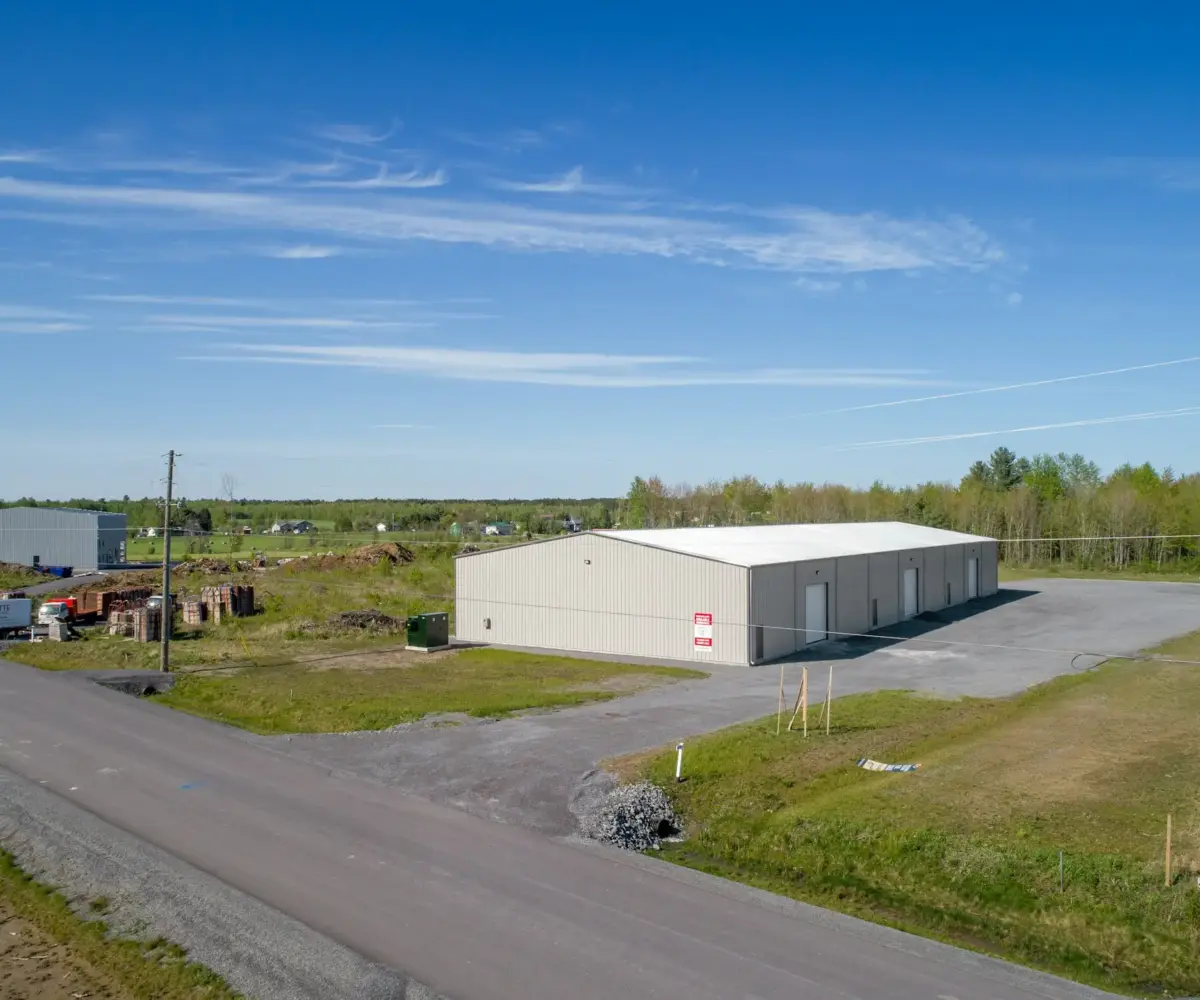
As a business owner in the construction industry, managing tools, equipment, and materials is more than just logistics; it’s about keeping your team efficient, your assets secure, and your jobs on schedule. The right contractor storage ensures that your valuable equipment is protected from theft, weather, and unnecessary wear while staying organized and ready for deployment.
Unlike a cluttered yard, overcrowded shop, or rented office space used for storage overflow, contractor storage provides a dedicated environment designed specifically for construction professionals.
It gives crews faster access to tools, prevents losses, and helps managers maintain accountability. Whether you need a month-to-month lease for a single project or a long-term arrangement to support multiple job sites, contractor storage offers a cost-effective solution that improves operations.
Defining Contractor Storage and How It Works
Contractor storage refers to secure, easily accessible storage space built for construction professionals rather than homeowners or casual renters. While self storage facilities are typically geared toward personal belongings, contractor storage is tailored for industrial-grade use.
A well-designed facility provides:
- Ground-level access for easy load and unload of heavy equipment and supplies.
- Wide aisles that accommodate trailers, lifts, and large vehicles.
- Drive-up doors and durable flooring to handle bulk materials.
- Climate-controlled storage options for sensitive materials like adhesives, finishes, or electronics.
- Strong security systems with fencing, cameras, and gated entry to protect high-value tools and vehicles after hours.
Together, these features streamline staging, support smooth dispatching, and keep projects on track by ensuring that crews always have the right resources in the right place.
How Contractor Storage Differs from Standard Self-Storage
While self-storage is typically designed for individuals storing furniture, seasonal items, or small business overflow, contractor storage is purpose-built for the realities of construction and trades. The differences include:
- Capacity for heavy equipment and bulk supplies instead of just personal goods
- Drive-up access and higher door clearances for trucks, trailers, and palletized loads
- Durable flooring and reinforced structures to handle forklifts, compressors, and other machinery
- Security systems that emphasize vehicle and tool protection
- Flexible lease terms that allow businesses to expand or downsize quickly depending on project schedules
The table below highlights the major differences between the two types of facilities:
| Feature | Standard Self-Storage | Contractor Storage |
| Primary Use | Personal belongings, furniture, seasonal storage, small business overflow | Heavy equipment, tools, bulk materials, vehicles, jobsite supplies |
| Access | Walk-up or small drive-up units | Wide drive-up access, larger bays, truck and trailer clearance |
| Size & Clearance | Standard unit sizes, limited door and ceiling heights | Oversized doors, tall ceilings, wide turning radius |
| Flooring & Structure | Light-duty concrete slabs | Reinforced floors and structures to support machinery and forklifts |
| Security | Basic locks, cameras, gated entry | Enhanced security with vehicle monitoring, perimeter fencing, and tool-focused protection |
| Lease Flexibility | Often fixed-term contracts | Flexible terms that scale with project timelines and business needs |
| Scalability | Limited by unit dimensions | Designed for growth—supporting fleets, bulk supplies, and heavy equipment |
In short, contractor storage is not a one-size-fits-all arrangement. It’s a cost-effective solution designed to scale with demand and support daily operations, offering far more utility than a standard self-storage facility ever could.
Industries That Commonly Use Contractor Storage
Contractor storage supports a wide range of trades and industries where secure, flexible storage space is essential:
- Construction firms: Stage lumber, steel, concrete forms, and fasteners between project phases. This avoids cluttering job sites and reduces delays when materials are needed quickly.
- Landscaping teams: Secure skid steers, mowers, seasonal plants, and fertilizers in an organized, weather-protected facility.
- HVAC and electrical contractors: Store ductwork, generators, air handling units, and sensitive instruments in climate-controlled storage to prevent damage.
- Restoration and remediation companies: Keep drying equipment, pumps, and consumables in ready-to-deploy units for rapid response.
- Plumbing contractors: Organize pipe, fittings, and repair kits in a dedicated unit for better inventory management.
Every trade benefits from reliable, organized storage at a strategic storage location. Instead of overloading their own yards or workshops, businesses can rely on contractor storage to improve accountability, protect assets, and provide room to grow.
Why Contractors Use Storage Units for Business Needs
Contractors choose storage units to handle seasonal swings and unexpected surges. A dedicated space supports rapid mobilization without cluttering the yard or shop. It also reduces costly last-minute purchases when items go missing.
Centralized storage improves accountability for shared tools. Over time, these gains strengthen schedules and margins.
Supporting Seasonal or Overflow Inventory
Busy periods put enormous pressure on existing yards and job sites. Contractor storage units act as an extension of your workspace, absorbing overflow inventory such as:
- Materials: Lumber, steel, and piping staged for upcoming projects.
- Tools: Organized bins and racks to keep crews efficient.
- Vehicles and trailers: Secure stalls for dispatch-ready fleet storage.
Units can be adjusted after peak demand ends, making them a flexible and cost-effective option for seasonal businesses. Clear labeling and mapped layouts shorten pick times during early starts, helping crews load and unload quickly without disrupting job flow.
Reducing Business Downtime
Lost tools, disorganized supplies, and inefficient staging cost both time and money. Contractor storage solves this by keeping essentials in one storage location, ready for deployment.
- A tidy, mapped layout reduces wasted search time.
- Organized shelving supports faster order pulls.
- Crews spend more time building and less time running back to suppliers.
By investing in a contractor-focused self storage facility, businesses minimize downtime, avoid unnecessary supply runs, and keep schedules on track.
Enhancing Security and Protecting Investments
Construction businesses rely on expensive tools, vehicles, and materials that are prime targets for theft. Contractor storage units are built with stronger safeguards than typical self-storage, giving crews peace of mind.
- 24/7 surveillance and controlled access deter unauthorized entry.
- Perimeter fencing and lighting reduce theft risks at night.
- Secured vehicle bays protect trucks, trailers, and heavy equipment from tampering. Insurance compliance is easier to maintain when assets are stored in a monitored facility.
Protecting these investments not only avoids direct replacement costs but also prevents project delays caused by missing equipment. Over time, improved security contributes directly to healthier margins.
What Can Be Stored in Contractor Storage Units?
Contractor storage units can be used for storing a wide range of assets, from small consumables to heavy machinery. Unlike generic self storage facilities, they are designed for higher weight loads, larger items, and specialized needs.
Sensitive Gear and Materials
Not all tools and supplies can handle extreme temperatures or humidity. For sensitive materials, climate protection is a must:
- Electronics, adhesives, caulk, paint, finishes, and solvents should be kept in climate-controlled units to avoid hardening, separation, or chemical breakdown.
- Climate stability protects tools with batteries or onboard chips, such as laser levels, thermal scanners, or cordless tool sets.
- Keep original packaging and manufacturer labels to guide storage conditions.
Heavy Machinery and Power Equipment
Contractor storage units are well suited for storing bulkier, high-value machines, including:
- Compressors, generators, portable lifts, concrete mixers, and other mechanical assets.
- Use covered pads to shield equipment from direct sun and rain, and tie-downs or wheel chocks to prevent shifting.
- Equipment should be tagged with inspection records and stored with safety covers or caps when not in use.
Vehicles, Trailers, and Fleet Assets
Contractor-focused storage facilities often include wide access lanes, oversized stalls, and durable surfacing for fleet vehicles and trailers:
- Trucks, vans, enclosed trailers, and utility trailers can be stored in dedicated outdoor spaces with reinforced driveways.
- Specialty gear like skid steers, attachments, backhoes, or forklifts should be staged on skids or elevated platforms under cover to avoid rust or tire degradation.
- Confirm gate width and turning radii for maneuvering large equipment.
- Facilities with lighting, cameras, and key tracking reduce the risk of theft or misplacement.
Tools, Equipment, and Jobsite Essentials
A well-organized storage unit functions like a mobile warehouse keeping everything easy to find, protected, and ready to go. Most contractors use storage for tools and equipment that need to stay secure, accessible, and in good working condition between jobs.
- Hand tools should be sorted in labeled bins or drawer systems by task or crew.
- Power tools benefit from dust-free shelves, lockable cabinets, and designated charging stations.
- For shared tools, use sign-out logs or digital inventory trackers to monitor usage and reduce loss.
Pro Tip: Track serial numbers and attach QR or barcode tags to simplify inventory audits.
Building Materials and Consumables
Storage units also support bulk supply management:
- Lumber, conduit, PVC pipe, and trim boards should be stored on wall racks or elevated platforms to allow airflow and prevent warping.
- Drywall, insulation, adhesives, sealants, and caulk should stay in dry, stable-temperature zones.
- Label fasteners, screws, nails, brackets, and small parts by type and size in durable totes or drawers.
- Use lane markers and pallet labels for faster picking and inventory control.
Regular cycle counts (weekly or biweekly) help maintain order accuracy and reduce project delays due to shortages or over-ordering.
Specialty Gear and Attachments
Some contractors store gear that doesn’t fit standard bins or racks:
- Hydraulic attachments, augers, buckets, trenchers, and forklifts should be kept under covered pads or inside wide-access units.
- Secure them with chains or mounts to prevent shifting and accidents.
- Log any fuel or hydraulic fluid levels before and after use.
Safety and Compliance Considerations
Contractor storage isn’t just about space, it’s also about safe operation and compliance. Keep these essentials in mind:
- Hazardous materials (e.g., fuels, paints, pressurized containers) must be clearly labeled and stored per manufacturer guidance.
- Maintain clear walking aisles, proper rack capacities, and adequate ventilation.
- Follow OSHA guidelines for stacking, flammable storage, and chemical segregation.
- Keep fire extinguishers on-site, visible, and up to date.
- Set up regular audits or walkthroughs to spot risks before they turn into job delays.
Benefits of Contractor Storage for Small and Large Businesses
Contractor storage delivers advantages for businesses of all sizes, from small trades to large construction firms. It boosts productivity, keeps operations efficient, and protects margins without forcing companies to commit to full warehouses or costly permanent office space.
With flexible lease terms, strong security, and organized layouts, contractor storage provides a cost-effective solution that adapts to shifting project needs and seasonal demand.
Cost Savings Compared to Warehousing
Warehousing often comes with high fixed costs, utilities, and maintenance. Contractor storage, by contrast, works on a unit-based model where you only pay for the storage space you actually use.
- Lower overhead: Avoid utility bills and maintenance tied to large warehouses.
- Drive-up access: Cuts time to load and unload, reducing labor costs at busy job sites.
- Flexible leases: Month-to-month or seasonal agreements help control spending.
- Cost-effective option: Shorter commitments reduce financial exposure in slow months.
For many teams, this approach keeps the monthly bill predictable and easier to manage, making it one of the most practical solutions for equipment staging and inventory overflow.
A direct comparison of benefits of contractor storage and warehouse use shows that unit-based storage is often the smarter choice for flexibility, cash flow, and operational speed.
Security and Protection of Assets
Keeping tools, vehicles, and materials secure is non-negotiable. The National Equipment Register (NER) reports that equipment and tool theft costs the construction industry between $300 million and $1 billion annually, with a recovery rate of less than 25%. Contractor-focused facilities with multiple security layers are designed to mitigate this risk.
- Perimeter fencing, cameras, and controlled access: Protect gear around the clock.
- Well-lit aisles: Reduce risks during early mornings or late returns.
- Gate logs and access codes: Provide accountability for after-hours entry.
- Lockable bins and cabinets: Add protection for smaller tools inside your storage space.
For added protection of sensitive items, climate-controlled storage is available, reducing risks of damage from heat, humidity, or cold. Together, these features lower insurance claims and give contractors long-term peace of mind.
Convenience and Accessibility
Contractor storage is designed to save time and streamline operations.
- Ground-level, drive-up units: Make it easy to load and unload even heavy equipment.
- Extended access hours: Support early crew dispatch and late returns from job sites.
- Wide aisles and reinforced floors: Accommodate trailers, lifts, and bulk materials.
- Clear site maps: Reduce confusion for rotating teams and subcontractors.
This focus on accessibility turns contractor storage into a practical extension of your office space or yard, ensuring crews spend less time staging and more time working.
Scalability as Your Business Grows
Contractor storage adapts as your business scales. This flexibility is critical in an industry dominated by small firms. According to the U.S. Bureau of Labor Statistics, 60.4% of construction workers were employed by establishments with fewer than 50 employees in 2016.
For these firms, the ability to rent storage space that evolves with demand without the long-term commitment of a warehouse, offers a key operational advantage.
- Add units, outdoor stalls, or covered areas as projects expand.
- Standard shelf plans and labeling make it easy to grow without reorganizing.
- Downsize quickly during slower months without long-term commitments.
- Seasonal projects can be staged without costly warehouse leases.
This scalability means storage remains a cost-effective solution that grows or contracts with your business cycle, ensuring efficiency at every stage.
Types of Contractor Storage Solutions Available
When it comes to construction and contractor storage, no single format fits every project. The best approach often blends solutions to meet the storage needs of both small and large construction businesses.
Storage facilities offer a mix of contractor units, secure storage yards, and specialized spaces designed to help contractors store construction materials and equipment with confidence.
Drive-Up Storage Units
Drive-up storage units for contractors are one of the most practical solutions for daily access. These units allow crews to load and unload equipment quickly, cutting down time spent at the facility and getting your construction crew back to work.
- Wide doors and ground-level entries: Make it easy to move tools and equipment in and out.
- Extra space inside units: Perfect for pallets, carts, or bulky materials and equipment.
- Month-to-month rental options: Allow contractors to scale storage with seasonal demand.
For many contractors and small construction businesses, drive-up storage units offer a dependable, cost-effective storage option compared to long-term warehouse space.
Climate-Controlled Contractor Storage
Not every tool can handle extreme heat, cold, or humidity. That’s where climate-controlled storage units come in. These units are ideal for tools and materials like adhesives, finishes, electrical components, or sensitive instruments.
- Stable temperature and humidity: Prevents warping, corrosion, and product loss.
- Secure storage for high-value gear: Gives contractors peace of mind when storing precision equipment.
- Flexible leasing: Many facilities allow you to rent contractor storage on a month-to-month rental basis.
While they come at a higher cost than standard self-storage units, climate-controlled contractor storage helps contractors avoid expensive replacements and downtime making it a long-term cost-effective solution.
Portable Contractor Storage Containers (On-Site Options)
For construction work happening across multiple job sites, portable storage containers are a smart choice. These units are delivered directly to the project, creating a secure place to store tools and materials without returning to a central facility.
- On-site convenience: Keeps equipment and tools close to where crews need them.
- Lockable and movable: Rotate containers between sites depending on workload.
- Affordable contractor storage: A contractor self storage option that reduces transport costs.
This format especially benefits construction businesses working on short timelines, as it allows them to adapt quickly while keeping equipment or large machinery secure.
Outdoor and Vehicle Storage Options
Some contractors often need larger space not just for tools, but for vehicles and trailers. A storage yard within a contractor-focused facility provides open-air stalls or covered pads for trucks, skid steers, or even RV storage.
- Numbered yard sizes: Offer clear lanes for dispatch and parking.
- Lighting and surveillance: Improves security after hours.
- Flexibility of contractor storage: Outdoor yards can be paired with smaller indoor units for supplies.
For crews with fleets or heavy machines, outdoor and vehicle storage strives to provide enough space to stage assets safely while ensuring fast turnaround between jobs.
Comparison of Contractor Storage Options
| Storage Type | Best For | Key Features | Pros | Cons |
| Drive-Up Storage Units | Everyday tools, bulky gear, pallets | Ground-level access, wide doors, flexible leases | Affordable, quick access, scalable | No climate control, not ideal for sensitive items |
| Climate-Controlled Units | Sensitive tools, adhesives, electrical components | Temp & humidity control, secure storage | Protects valuable gear, long-term savings | Higher monthly cost |
| Portable Containers (On-Site) | Multi-site projects, short timelines | Delivered to site, lockable, movable | On-site convenience, reduces transport costs | Needs job site space, permits may apply |
| Outdoor & Vehicle Storage | Fleets, trucks, trailers, heavy machinery | Open-air or covered stalls, lighting, surveillance | Large capacity, secure staging for vehicles | Weather exposure, may need indoor pairing |
The right contractor storage solution often depends on mixing and matching these formats. A small crew might combine a drive-up unit with a portable container, while larger firms may rely on vehicle yards plus climate-controlled spaces. Choosing strategically helps reduce downtime, protect investments, and keep projects moving smoothly.
How to Choose the Right Contractor Storage Unit Size
Finding the right size is crucial to meet the needs of contractors. A unit that’s too small causes inefficiency, while one that’s too large wastes money. Storage units come in a range of dimensions, and businesses are usually able to rent on flexible terms.
- Small contractor units (10’ x 20’): Ideal for electricians, plumbers, and small trades needing a place to store tools and materials.
- Medium contractor units (10’ x 30’): Best for landscapers or builders storing machines, trailers, and bulk supplies.
- Large contractor units (10’ x 40’ or bigger): Designed for large construction businesses with fleets, lifts, or staging needs.
Self storage helps contractors match their current workload, with the option to expand later if growth requires larger space.
Size Recommendations by Business Type
Below is a breakdown of typical contractor storage unit sizes and what types of businesses they’re best suited for:
- Small contractor units (10′ × 20′): Ideal for solo tradespeople like electricians, plumbers, or HVAC techs. These units can hold power tools, inventory boxes, fittings, hand trucks, shelving, and even a small trailer.
- Medium contractor units (10′ × 30′): A better fit for growing contractors or crews who need to store small machinery, trailers, and bulk materials such as landscaping rock, piping, or scaffolding.
- Large contractor units (10′ × 40′ or larger): These units support multi-crew operations, jobsite staging, and even fleet vehicle parking. They offer enough space for pallet racks, fuel tanks, large tools, lifts, and backup generators.
Choosing a unit size should align with both the type of contractor work and the frequency of access:
| Business Type | Recommended Size | Common Items Stored |
| Plumbers & Electricians | 10′ × 20′ | Hand tools, fittings, wire spools, fixtures, bins |
| Landscapers & Builders | 10′ × 30′ | Mowers, trimmers, materials, scaffolds, compact machines |
| Large Construction Crews | 10′ × 40′+ | Jobsite staging gear, trailers, lifts, multi-pallet inventory |
Future-Proofing: Renting a Unit That Scales With Demand
Contractors often take on more jobs, hire new crews, or change service areas all of which affect storage needs. Here’s how to future-proof your space decision:
- Uncertain growth? Start with a medium unit and add another or upgrade when needed.
- Predictable scaling? Rent a larger unit upfront to avoid disruption from moving.
- Look for facilities that allow simple transitions between unit sizes and offer open-air add-ons like parking pads or containers.
Use modular shelving, stackable bins, and labeled zones to stay organized so your space scales without chaos. Flexibility in your storage unit supports flexibility on the job site, protecting both your timeline and your budget.
Cost Considerations for Contractor Storage Units
Monthly costs reflect unit size, features, and location. The price you pay for contractor storage often depends on factors like proximity to urban centers, security systems, and climate control. Urban sites and premium features usually come at a higher rate, while interior units may cost less.
Climate-controlled spaces add a premium, and outdoor vehicle stalls are typically billed per space. Be sure to budget for essentials like locks, shelving, and labeling systems at move-in to keep your unit organized from day one.
Average Monthly Costs by Unit Size
Here’s a general breakdown of what contractors can expect to pay based on unit size:
| Unit Size | Approximate Monthly Cost | Typical Use Case |
| Small (5′×5′ to 5′×10′) | $100–$300 | Tools, bins, limited supplies for solo trades |
| Medium (10′×10′ to 10′×20′) | $200–$500 | Tools, small machinery, carts, consumables |
| Large (10′×30′ and up) | $400–$1,000+ | Vehicles, jobsite staging, trailers, and equipment loads |
Note: These rates are directional averages. Actual pricing depends heavily on the market, amenities, and current demand. Always verify local quotes before budgeting.
Climate-controlled units often add a 10–30% premium, and outdoor vehicle stalls typically cost $50 to $250 per month depending on size, surface quality, and security features.
For instance, at RecNation in Leander, TX, their larger 12.5 × 50 ft enclosed unit is listed at $383/mo (with “power” option), while outdoor parking in La Marque, TX goes for about $105/mo for uncovered vehicle stalls.
Factors That Influence Pricing
Several site-specific factors can push storage unit costs up or down:
- Location & Demand: Units near interstates, logistics corridors, or construction hubs command higher rates due to strong demand.
- Security Features: Properties with 24/7 surveillance, gated access, or on-site staff often charge more but reduce risk of theft and damage.
- Access & Layout: Drive-up units cost more than internal-access units due to added convenience and loading speed.
- Climate Control: Adds cost but protects sensitive items like adhesives, electronics, or paint from temperature extremes.
- Lease Terms & Insurance: Month-to-month options offer flexibility but may be priced higher. Some facilities also require tenant insurance or administrative fees.
- Seasonal Availability: Prices may spike during peak construction months or in regions with high contractor activity.
Contractors should evaluate these factors based on use case, gear type, and frequency of access, not just square footage.
Comparing Contractor Storage Costs vs. Warehousing
While warehousing can support bulk inventory and logistics hubs, it often involves higher fixed costs, utilities, and long-term leases. For instance, in the Newport News region, developers are adding new warehouse and distribution space to the market, where vacancy rates are less than 5%.
In contrast, contractor storage provides cost control and operational simplicity by offering flexible, smaller-scale storage options that better align with the needs of small to mid-sized contractors.
| Category | Contractor Storage | Traditional Warehouse |
| Monthly Overhead | Lower, pay-for-what-you-use | Higher, large footprint required |
| Lease Flexibility | Month-to-month available | Long-term leases common |
| Utilities | Minimal | HVAC, lighting, and maintenance |
| Access | Drive-up, tool-ready | May require dock scheduling |
| Labor Efficiency | High—faster load/unload | Lower—slower internal navigation |
For most trades; like plumbing, landscaping, HVAC, and light construction, contractor storage units offer the right balance between affordability and functionality. They help align costs with actual workload while improving crew mobility and response times.
Final Thoughts: Why Contractor Storage Matters for Business Operations
Contractor storage is more than just a place to keep equipment; it keeps projects organized, assets secure, and crews productive. With construction activity expanding, the need for flexible, cost-effective storage solutions is only growing.
At RecNation, we provide purpose-built contractor storage, from drive-up units and climate-controlled spaces to outdoor yards for vehicles and trailers. With wide aisles for easy load and unload, secure access, and flexible month-to-month rentals, we make storage simple and reliable.
No matter your trade, RecNation delivers storage solutions that scale with your business giving you peace of mind while you focus on building.
FAQ
How do I access my contractor storage unit?
Most sites offer extended access hours and drive-up entries. Check gate times and any ID or code requirements for your crew.
What are the average costs associated with renting a contractor storage unit?
Costs vary by size, features, and market, typically starting near $100 monthly. Climate control, security, and location increase the rate.
Can I rent a contractor storage unit on a short-term basis?
Yes, many facilities provide month-to-month agreements. This flexibility supports seasonal work or changing project needs.
How do contractor storage facilities ensure the security of stored items?
Facilities use gated access, cameras, lighting, and sometimes on-site staff. Lockable cabinets and sign-out logs add another layer of protection.