
What Can Contractors Store in Storage Units? A Practical Guide
Contractor storage units provide a secure and flexible base for tools, ladders, scaffolding, and building materials. This guide covers what you can store, best practices for organization, benefits, restrictions, and tips for choosing the right unit.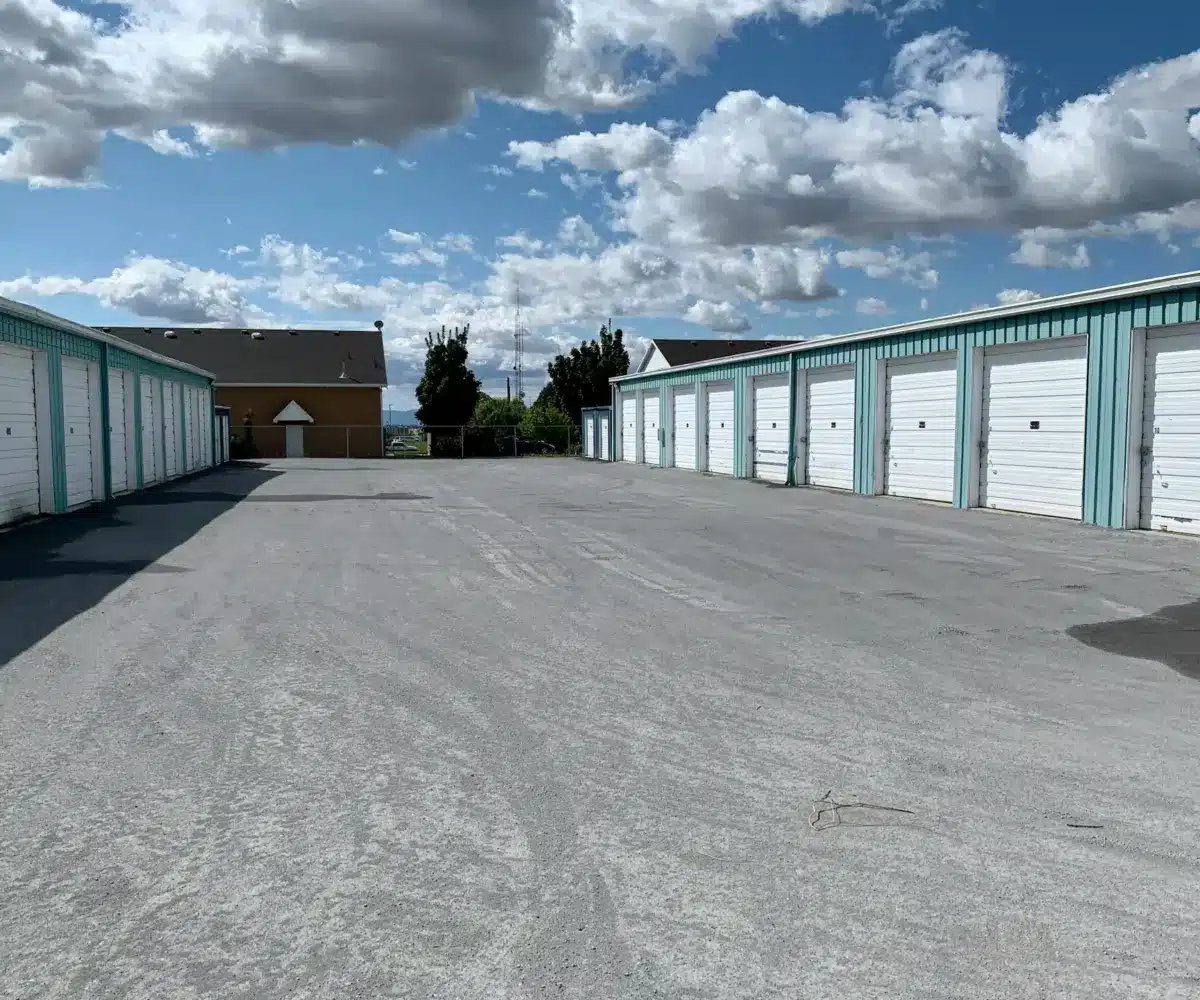
As a contractor, keeping your tools, equipment, and materials in order is key. Contractor self storage provides a flexible storage solution that gives you a secure, centralized place to stage projects and reduce clutter at the shop and job site. With the right unit and setup, you can protect valuable assets from theft and weather while keeping inventory easy to grab between stops.
A modern self-storage facility is more than extra storage space. It is a controlled environment with access hours, gated entry, and cameras that support how contractors actually work. Whether you are between projects, holding seasonal equipment, or scaling up for a big job, a well-chosen unit can streamline your day and meet your storage needs effectively.
Why Contractors Use Storage Units for Their Business
Contractor storage units create a predictable home base for tools, fixtures, and stock that would otherwise crowd a garage or van, serving as a practical introduction to contractor storage strategies. From general contractors to electricians and landscapers, storing gear in a dedicated unit helps crews stay organized and job-ready every day.
A Central Hub for Tools and Materials
Instead of filling garages, basements, or trucks with overflow tools and materials, contractors use self storage units as centralized hubs. These units help separate daily-use items from bulk or specialty inventory, which cuts down clutter and protects expensive gear from loss or damage.
In fact, police in Maryland recovered over 15,000 stolen construction tools worth $3–5 million in a single theft ring , showing how vulnerable unsecured equipment can be.
Better Safety, Cleaner Workspaces
Using storage units keeps tools off trucks and out of trailers unless needed, which means fewer trip hazards, less gear damage, and safer job sites.
A clean van also looks more professional, which can make a stronger impression when arriving at client locations.
Scalable and Flexible for Every Project Cycle
Whether you’re managing five projects or between jobs, commercial storage lets you scale space as needed. You can rent a larger unit during the busy season or scale down after a project wraps. Most facilities offer month-to-month leases, making it easy to adjust without long-term commitments or the cost of a full warehouse.
A Smarter Way to Grow
With low overhead and high adaptability, contractor storage units are a cost-effective solution for storing everything from job boxes and ladders to trailers and ride-on equipment. For small teams and growing operations alike, it’s a practical way to stay organized without expanding real estate.
Tools and Equipment Contractors Can Store in Storage Units
A contractor storage unit can hold everything from hand tools to bulky job equipment. Many teams set up rows of bins and shelving to create grab-and-go lanes for daily kits.
A recent U.S. Army audit found that $1.8 billion worth of combat equipment was deteriorating due to improper storage. For contractors, even smaller-scale moisture and weather exposure can cause costly losses if gear isn’t stored properly.
So for many contractors, self-storage facilities become the most practical place to store expensive tools when not in use, showing clearly what contractor storage means in everyday practice.
Hand Tools, Power Tools, and Specialized Equipment
Hand tools such as pliers, squares, hammers, and levels can be neatly organized into totes, tool chests, or pegboard panels. This approach makes them easy to find and minimizes wasted time during morning loadouts.
For power tools like drills, saws, rotary hammers, and impact drivers, keeping them in their protective cases with designated charging stations ensures that batteries are always ready.
Specialized equipment such as welders, concrete mixers, tile cutters, or demolition hammers benefit from being stored on pallets or racks to keep them elevated off the floor, reducing moisture damage.
In colder climates, climate-controlled storage helps prevent battery failures, adhesives from thickening, and tool cases from cracking in subzero temperatures. Many contractors find that using off-site storage for contractor tools makes it easier to keep gear secure, organized, and ready for the next job.
Trade Example:
- Plumbers often stage copper cutters, pipe threaders, and soldering equipment in bins by project.
- Electricians keep reels of wire, panel boards, and conduit benders organized on shelving for fast grab-and-go.
- Roofers use dedicated racks for nail guns, compressors, and coil roofing nails, reducing clutter in trucks.
Ladders, Scaffolding, and Heavy Machinery Accessories
Ladders and scaffolding are some of the most awkward but essential items contractors manage. Poor storage leads to safety risks, wasted space, and damaged equipment. A well-planned storage solution ensures these assets remain compliant with OSHA standards and easy to access.
Ladders
- Extension ladders: Best stored horizontally on reinforced wall brackets to prevent bending. Some storage facilities allow vertical storage if ladders are secured with stabilizer hooks, but OSHA requires them to be anchored properly to avoid falling hazards.
- Step ladders: Fold and store upright with slip-resistant padding on the floor to prevent movement. For crews with multiple ladders, wall-mounted racks or ceiling-mounted hooks save valuable floor space.
- Maintenance tip: Contractors should inspect ladder feet, locks, and rungs monthly before placing them in storage space. Using climate-controlled storage reduces corrosion on hinges and keeps fiberglass ladders from weakening due to moisture.
Scaffolding
- Frames and braces: Disassemble and stack neatly on pallets to avoid bent frames. Label each set for specific crews or projects.
- Planks: Wooden planks need ventilation to prevent mold or warping, while aluminum or steel planks must be checked regularly for rust.
- Casters and small parts: These often go missing. Store in labeled bins or bins with QR codes tied to inventory software for easy tracking.
Heavy Machinery Accessories
- Buckets, augers, breaker bits, and trenching blades: Clean thoroughly, apply rust-preventative lubrication, and store on pallets to protect edges.
- Hydraulic attachments: Store with protective caps on hoses and check fluid seals regularly.
- Accountability: Digital sign-out systems or simple paper logs help track high-value accessories and prevent duplicate purchases caused by misplaced gear.
Real Contractor Example: A Chicago roofing company maintains 12 ladders and four full scaffolding sets in a 10×20 storage unit. Each ladder is tagged with reflective tape, secured with locking brackets, and logged in an app. This workflow significantly reduced missing equipment incidents and sped up crew load and unload times each morning. Tool theft and loss are major industry risks. In one case, Howard County Police recovered more than 15,000 stolen tools worth up to $5 million from construction and storage sites.
Building Materials and Supplies in Contractor Storage Units
Contractor storage units also serve as cost-effective staging areas for bulk building materials. Keeping a baseline of lumber, drywall, pipe, and hardware in storage facilities allows contractors to buy in volume, reduce supplier trips, and avoid mid-project shortages.
Proper placement is essential, since poor storage can lead to warped boards, damaged drywall, or rusted fittings.
Lumber, Pipes, and Drywall
- Lumber: Store horizontally on racks with airflow spacers to prevent warping. In wet climates, silica packs or dehumidifiers are recommended. In dry, hot regions, UV covers prevent discoloration.
- Pipes: Copper, PVC, and steel pipe store best in vertical tubes or wall-mounted cradles to avoid denting.
- Drywall: Sheets must be stored flat, strapped, and raised off the floor on pallets. Even minor moisture exposure can ruin entire stacks.
Contractor Example: A Houston-based framing contractor uses a 10×15 climate-controlled storage unit to stage drywall and treated lumber. By maintaining steady humidity, they reduced waste compared to leaving stock in a warehouse corner a critical step, since the EPA notes that wood and drywall account for a large share of the 600 million tons of construction debris generated annually in the U.S
Paint, Adhesives, and Hardware
- Paint: Shelf life extends significantly when stored in climate-controlled units at 55–85°F. Contractors often mark lids with color codes and purchase dates for quick reference.
- Adhesives, caulks, and epoxies: These materials should be stored mid-shelf, away from floor-level temperature swings. Expiration dates should be checked monthly.
- Hardware: Screws, anchors, and fasteners organize best in transparent bins with bold labeling. Barcodes or QR labels tied to a digital log allow fast inventory checks.
Routine Best Practice: Many contractors take weekly photos of their storage shelves to monitor supply levels. Comparing photos reduces the risk of shortages and helps plan bulk orders at lower prices.
What Contractors Cannot Store in Storage Units
Even though self-storage facilities give contractors a versatile place to store equipment, they also enforce strict rules. Storing the wrong items can lead to code violations, safety risks, or insurance complications.
Prohibited Items Include:
- Flammable liquids (gasoline, diesel, kerosene, propane)
- Explosives, fireworks, and ammunition
- Highly reactive chemicals and strong solvents
- Fertilizers, pesticides, or other hazardous substances
- Food, organic materials, or perishables that attract pests
These restrictions align with the NFPA 30 Flammable Liquids Code. Facilities often inspect units and can fine or evict tenants for violations. Insurance policies also become void if prohibited items are stored.
Example: A Georgia landscaping contractor was cited after attempting to store propane tanks and lawn chemicals inside a unit. After being forced to remove them, they rented an outdoor hazardous-material cage for tanks and used storage units only for mowers and tools.
Storing Vehicles and Trailers in Contractor Storage Units
Contractors often rely on trucks, vans, trailers, and haulers that take up space at home or on the jobsite. Storage facilities provide several tailored solutions to make parking and access easier.
The most common storage options for contractor vehicles are:
- Drive-up spaces: convenient for daily use and quick loadouts.
- Uncovered parking: affordable choice for short-term needs.
- Covered bays: added protection against sun, hail, and rain.
- Indoor parking: maximum protection for long-term or high-value vehicles.
Storing vehicles offsite also delivers practical benefits that go beyond freeing up space. Key advantages contractors often see include:
- More room at the shop or driveway for active work.
- Fewer neighborhood complaints about commercial vehicles.
- A more professional appearance when clients visit.
- Easier management of multiple vehicles in one secure location.
Before you book space, it’s worth planning ahead. Important considerations for vehicle storage are:
- Facilities may require proof of insurance, registration, and good condition.
- Covered or indoor options protect against UV damage and severe weather.
- Regular checks on tires, batteries, and fluids keep vehicles ready to roll.
How Contractors Use Storage Units for Documents and Inventory
Running a contracting business involves more than tools and trucks. Paperwork, permits, and supplies can easily pile up, making organization a constant challenge. A storage unit can provide a dedicated space that reduces office clutter while keeping essential documents and inventory protected.
Best practices for storing contractor documents include:
- Renting a climate-controlled unit to shield contracts, blueprints, and permits from moisture or temperature swings.
- Keeping files in labeled boxes stacked on sturdy metal shelving to protect them from ground-level damage.
- Backing up important records with digital copies stored in project management systems.
- Separating job folders clearly to make audits, warranty claims, or inspections quick and straightforward.
Beyond documents, contractors often struggle to track materials and supplies across multiple job sites. An organized storage unit can double as a small warehouse, giving businesses more control over stock and helping reduce costs.
Simple systems that help contractors manage inventory are:
- Assigning shelves or bins by category; such as tools, safety gear, or spare parts—so items are always easy to locate.
- Using barcodes or QR labels to track supply levels in a spreadsheet or app, ensuring alerts when stock runs low.
- Staging project-specific materials in advance, so crews can load up quickly in the morning without confusion.
When storage is used this way, it benefits more than just the owner—it streamlines the entire team’s workflow. Crews save time, supervisors avoid supply headaches, and businesses scale more smoothly as they grow.
The main benefits for contractors and their teams include:
- A central hub where workers can consistently access tools and supplies.
- Less downtime caused by misplaced or lost equipment.
- A scalable system that supports bigger projects, multiple crews, and long-term growth.
Benefits of Using Storage Units for Contractors
Contractor self storage offers a practical blend of security, flexibility, and cost control. You add space without committing to a long warehouse lease, and you scale up or down as seasons change. Centralized storage also reduces equipment loss and improves morning loadouts.
Security and Protection of Assets
Modern facilities layer gated access, cameras, unique codes, and lighting to discourage theft. Keeping tools and materials off trucks overnight lowers the chance of break-ins and weather exposure. Many locations also have on-site staff during business hours to keep eyes on the property.
A simple asset log and a quality disc lock add another level of protection that you control.
Cost Savings Compared to Warehousing
Month-to-month storage eliminates long commitments and large deposits common with warehouses. You pay only for the square footage you need and change sizes when project loads shift.
Buying some materials in bulk and keeping them in the unit can also reduce per-job costs. These savings compound across a season, especially for small to mid-size contractors.
Convenience and Accessibility
Drive-up doors, carts, and wide aisles accelerate loading and reduce strain on crews. Extended access hours let teams prep early or return late without disrupting office staff.
With everything staged in one place, you avoid last-minute supplier runs and keep jobs on schedule, making some contractors wonder if you can run a business from a storage unit effectively. The net effect is a smoother day and fewer surprises on site.
Choosing the Right Storage Unit Size for Contractors
Picking the right size balances cost, access, and organization. Start with an item list, measure bulky gear, and sketch a simple layout with shelves and a center aisle. When deciding between two sizes, a modest step up often prevents cramming and protects tools from damage.
Small Units for Tools and Documents
These compact spaces (typically 5×5 or 5×10 feet) are perfect for small contractors who need a secure, organized space for essential gear without overcommitting on space or cost.
- Best for: Solo trades, new businesses, and light remodel teams.
- What fits: Hand tools, power tools, safety kits, toolboxes, and labeled bins.
- Setup tips: Add vertical pegboards, shelving, and a small worktable for maximum function.
This is a great starter option for electricians, tile setters, painters, and service-focused trades who carry most of their tools in vans but want to centralize backup gear or specialty stock.
Medium Units for Materials and Equipment
Ranging from 10×10 to 10×20 feet, medium-sized units balance affordability with space, making them the most popular option for general contractors and specialized crews alike.
- Best for: Multi-tech teams, general contractors, and medium job staging.
- What fits: Shelving runs, rolling carts, compressors, saws, job pallets.
- Setup tips: Create aisleways, group inventory by job, and keep a central loading zone clear.
Medium units allow contractors to palletize materials for specific jobs, reducing load time and confusion at the worksite. They also support seasonal expansion without a full re-layout.
Large Units for Vehicles and Trailers
For established contractors with fleets, trailers, and bulk materials, large units (10×25 to 10×30 feet) act like a mini-yard that supports daily dispatch, seasonal storage, and fleet rotation.
- Best for: Landscapers, roofers, flooring teams, and multi-crew operations.
- What fits: Ride-on mowers, fleet trucks, large equipment, bulk pallets.
- Setup tips: Place heaviest items near entrances, install job-specific zones, post stacking limits.
These units often function as true off-site headquarters and are especially valuable in urban areas where garage space is limited. If you’re in a region with harsh weather, look for indoor or covered storage to protect fleet vehicles and sensitive materials.
Best Practices for Contractors Storing Items in Storage Units
A few smart habits make contractor storage safer and faster to use. Keep pathways clear, stack within safe heights, and maintain a simple sign-out sheet for shared tools. Review the setup quarterly to retire dead stock and adjust shelves to current projects.
Organizing with Shelves and Bins
Installing heavy-duty shelving is one of the easiest ways to transform a basic unit into a structured workspace. Vertical storage helps maximize every inch of space, and placing shelves along perimeter walls leaves room for floor-based items and walkable aisles.
Use clear, stackable bins with large printed labels to separate consumables, tools, and parts by trade (e.g., plumbing, electrical) or by job. This system makes it easy to stage kits for daily use. A rolling ladder or step stool adds safe access to top shelves, especially in medium or large units with extra vertical clearance.
Labeling and Inventory Management
In busy contractor environments, labeling and tracking are crucial. Label bins and boxes on at least three visible sides for quick identification, and include the contents and last restock date. Keep a simple Google Sheet or app-based inventory system to track tool checkouts, bin counts, and restock needs.
Adding a sign-out sheet for shared tools ensures accountability and reduces losses. Photograph shelves monthly for a visual inventory history, it’s a quick way to spot shrinkage, misuse, or over-ordering.
This light-touch inventory system helps control costs, improves restocking accuracy, and supports efficient project staging.
Using Climate-Controlled Units for Sensitive Items
Contractors storing materials like adhesives, wood products, finishes, batteries, or electronics should seriously consider climate-controlled units. Temperature swings can degrade product integrity, adhesives may lose bond strength, wood can warp, and batteries can fail.
If your inventory is mixed, split your storage setup:
- Use a smaller climate-controlled unit for temperature-sensitive items.
- Use a standard or drive-up unit for bulk tools, heavy equipment, or outdoor-use items.
This blended approach provides budget flexibility while protecting your most valuable or fragile gear.
Ensuring Insurance Coverage
Most storage facilities require or strongly recommend tenant insurance for stored items. Contractors should review their business owner’s policy (BOP) or commercial auto policy to confirm whether items in storage are covered under theft, fire, or vandalism.
If not, consider:
- Adding a rider for offsite equipment storage.
- Purchasing a facility-backed storage insurance policy at the time of rental.
For high-value items (e.g., commercial mowers, generators, survey gear), maintain a digital record of receipts, serial numbers, and photos. If you’re storing vehicles or trailers, ensure liability and comprehensive coverage remains active while parked, especially in uncovered outdoor storage.
Tenants are usually responsible for insuring stored items, so confirm coverage with your provider to understand which insurance you need for contractor storage. Some facilities offer convenient policies that extend to the unit, which can close gaps in a business owner’s plan. Keep serial numbers and receipts for high-value items in your records.
If storing vehicles or trailers, verify that liability and comprehensive coverage remain active while parked.
Final Thoughts: Maximizing Storage Units for Contractor Needs
For today’s contractors, self storage is more than just a convenience, it’s a reliable extension of daily operations. Whether you’re staging tools between jobs, organizing bulk materials, or storing vehicles off-site, the right unit can help improve safety, reduce downtime, and keep your projects running smoothly. An efficient setup not only saves time in the field but also strengthens accountability across your team.
At RecNation, we recognize how essential flexibility, security, and access are to contractors. That’s why our contractor storage facilities are designed with wide aisles, gated entry, and unit options that scale with your workload.
From compact spaces for small business owners to large commercial units capable of housing equipment and trailers, RecNation offers tailored storage solutions that meet the evolving demands of your trade.
When you store with us, you gain more than extra square footage, you gain peace of mind. Your gear stays protected, your crew stays organized, and your business gains a professional edge that’s ready to grow with every project.
FAQ
How do I choose the right storage unit size for my needs?
Inventory your tools and materials, measure bulky items, and sketch a layout with shelves and an aisle. If unsure, size slightly up to prevent cramming and protect equipment.
Can I store sensitive items, such as electronics or documents, in a storage unit?
Yes, but place them in a climate-controlled unit to guard against heat, cold, and humidity. Store documents in sealed file boxes on shelving, not on the floor.
How can I organize my storage unit to maximize efficiency?
Use heavy-duty shelving, clear labeled bins, and a simple sign-out sheet for shared tools. Keep frequently used kits near the door and maintain a quick photo inventory.
storage units insured?
The building is insured by the facility, but your contents typically are not unless you add tenant coverage. Ask about in-house policies or extend your business insurance to the unit.
Can I access my storage unit at any time?
Access hours vary by facility, with many offering extended or 24-hour entry. Confirm posted hours and any after-hours rules before you rent.