
How to Lock a Trailer to Prevent Theft When Parked
Trailer theft is a growing risk in the U.S. Protect your trailer with a layered security approach: use hitch and coupler locks, wheel clamps, GPS trackers, and park in visible, secure areas. Learn strategies for long-term trailer safety at home, job sites, or storage facilities.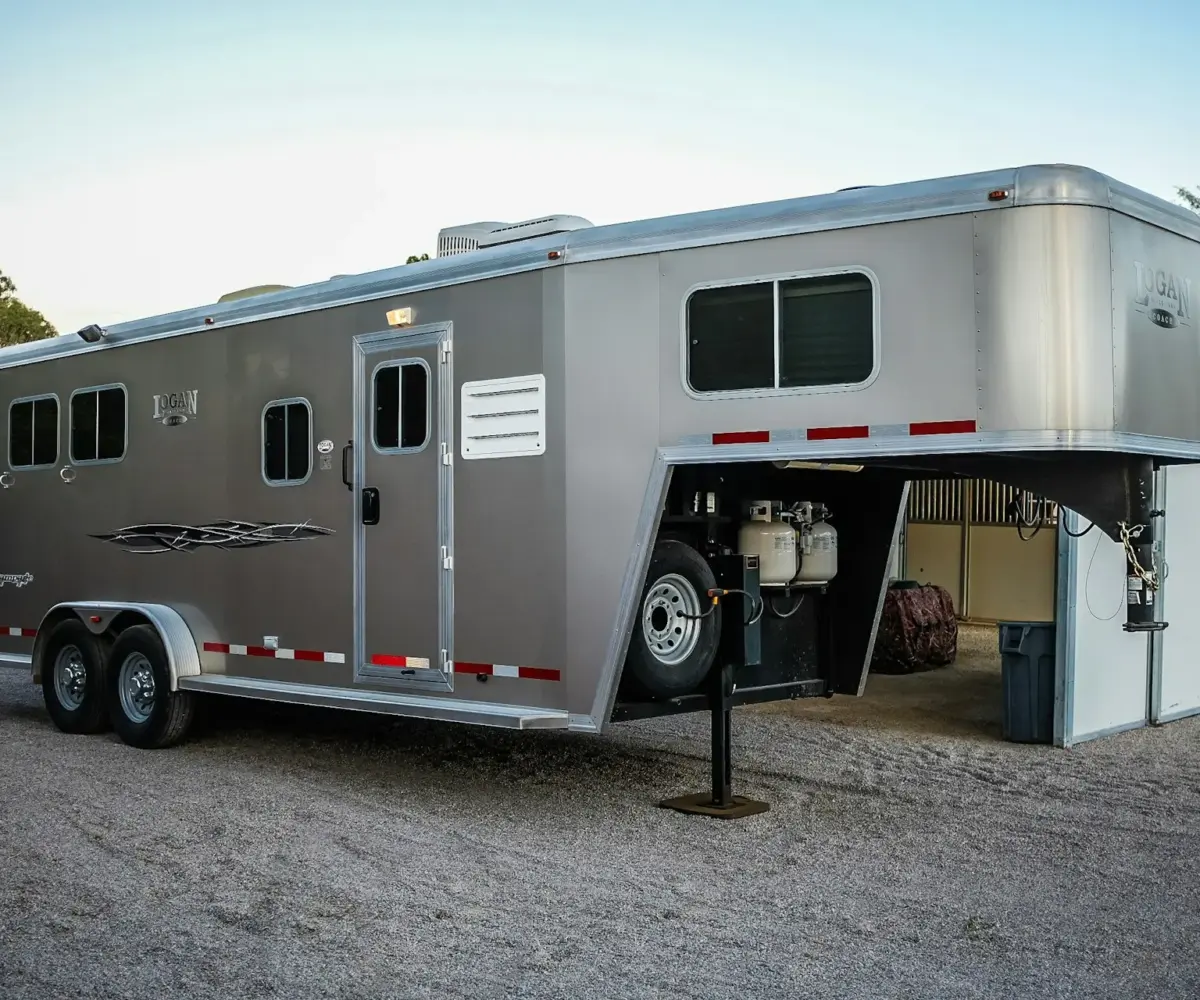
Securing your trailer is critical anytime it’s not in motion. Whether you’re at home, a job site, or using a paid storage yard, trailer theft is a real threat, especially when the trailer is detached. To protect your trailer from theft, you need a layered approach that targets every vulnerable point: the hitch, the wheels, the trailer tongue, and even the surrounding area.
Using strong physical deterrents such as tongue locks, hitch pins, and wheel boots, along with strategic parking practices, greatly reduces the risk. These tools create multiple barriers, forcing thieves to work harder, take more time, and make more noise, all things that draw attention.
Why Trailer Theft Prevention Is Essential
Thousands of trailers are stolen across the U.S. each year, a problem the FBI identifies as a persistent nationwide threat. Criminals often target trailers parked on residential streets, commercial lots, and job sites. A stolen trailer can disappear in seconds, especially if it’s not attached to a vehicle.
The financial and operational impact can be massive, with cargo theft costing the U.S. economy up to $35 billion each year, especially for business owners who depend on trailers for daily use. Whether it’s a utility trailer, car hauler, camper, or enclosed cargo unit, investing in trailer security is a smart, long-term safeguard.
But theft isn’t the only way a trailer can be taken out of service. A 2017 FMCSA analysis found that interstate carriers with at least one IFTA violation were 45.8% more likely to be involved in a crash.
When IFTA credentials are forged or tampered with, it doesn’t just put tax revenue at risk, it creates safety hazards that can sideline a trailer just as effectively as theft.
The table below highlights trailer theft trends in the U.S:
| Year | Number of Reported Thefts | Estimated Loss |
| 2018 | 649 cargo theft incidents | $33 million |
| 2019 | 1,106 theft events | ~ $35 million (industry est.) |
| 2020 | 1,502 theft events | ~ $40 million (industry est.) |
These numbers show theft has been rising. Knowing the risks helps you take stronger steps to secure your trailer.
What Are the Best Trailer Locks for Theft Prevention?
No single lock can prevent every theft attempt, but combining multiple devices creates a strong deterrent, especially for long-term parking. Focus on securing your trailer’s most vulnerable areas, such as the tongue and wheels, to reduce the risk of tampering or theft over extended periods.
Hitch Locks and Coupler Locks
Hitch locks connect directly to the hitch when your trailer is attached to a vehicle, stopping anyone from detaching it. A hitch pin lock can also be used to secure the drawbar or receiver in place, preventing easy removal.
Coupler locks cover the coupler when the trailer is not attached, blocking any ball mount from inserting into the hitch. A tongue lock, which clamps over the trailer’s tongue and coupler assembly is particularly effective for standalone security.
These locks are designed to make it nearly impossible to tow the trailer without breaking through hardened steel, which is time-consuming and noisy.
Wheel Locks and Boot Clamps
These locks secure one or more wheels in place, preventing movement altogether. Highly visible and intimidating, wheel locks (or boots) make your trailer an unattractive target.
Most models cover the lug nuts or clamp over the tire, making them very difficult to remove without specialized tools. If a thief can’t move the wheel, they can’t pull the trailer, even if the hitch is compromised.
Chain Locks and Padlocks for Added Security
Heavy-duty chains and tamper-proof padlocks can be looped through the axle or wheel and anchored to a fixed object like a post or ground anchor. Choose chain-grade steel and corrosion-resistant padlocks rated for trailer use.
This setup is especially effective for longer-term storage in areas where you can’t monitor the trailer daily. Combined with other locks, it adds another layer that makes the trailer harder to steal and easier to recover if tampering is attempted.
| Lock Type | Primary Use | Strengths | Best For |
| Hitch & Coupler Locks | Secure the hitch or coupler when attached or detached | Prevents detachment or re-hitching; hardened steel resists tampering | Daily security, roadside stops, or when trailer is parked unattached |
| Wheel Locks & Boot Clamps | Immobilize one or more wheels | Highly visible deterrent; prevents trailer movement entirely | High-theft areas, overnight parking, visible security presence |
| Chain Locks & Padlocks | Anchor trailer to fixed objects via axle/wheel | Heavy-duty chains and tamper-proof locks add layered security | Long-term storage, unattended trailers, extra protection |
How to Lock a Trailer Properly to Prevent Theft
Securing your trailer goes beyond buying a lock, it’s about how and where you use it. Even the best equipment won’t work if it’s not properly installed or if you leave your trailer in a vulnerable spot.
The goal is to make your trailer a difficult target so would-be thieves look elsewhere. When your trailer is parked, especially without a tow vehicle, it becomes more susceptible to theft, which is why layered security is the best strategy.
Securing the Hitch and Coupler
The first place to start is the hitch and coupler area. Use a heavy-duty hitch lock or a coupler lock that matches your trailer’s size and design. Make sure it fits snugly and can’t be easily pried off. Quality models are built from hardened steel, weather-resistant, and feature locking cylinders that resist picking or drilling.
When a trailer is parked without the tow vehicle, the coupler becomes a top target. Locking it prevents thieves from backing up, dropping the coupler onto their own hitch ball, and towing the trailer to their vehicle.
Mistakes to Avoid When Locking a Trailer
Even with good gear, misuse can compromise trailer security. Avoid these common errors that help thieves succeed:
- Using padlocks made for indoor use that rust or fail outdoors.
- Locking only the hitch while ignoring the wheels and axles.
- Failing to check locks periodically for rust, damage, or wear.
- Relying on “one-key-fits-all” locks, which can be duplicated or broken.
- Leaving the trailer tongue exposed without a tongue lock or hitch pin block.
Locking Wheels and Axles
To truly secure the trailer, add wheel locks or axle locks. These devices prevent rolling and keep your trailer where it belongs, especially when it’s not attached to a tow vehicle.
Always install them according to manufacturer instructions to ensure a tight and secure fit. Locks that cover the entire wheel face or wrap around the axle offer stronger resistance to tampering.
Double-Locking for Added Protection
If your trailer carries valuable cargo or will be left parked for an extended period, double-locking is a smart upgrade. Use a combination of a coupler lock, tongue lock, and a wheel or axle lock. You can even add a heavy-duty chain through the frame for extra resistance.
Each layer increases the difficulty for anyone attempting to steal the trailer and its contents, buying you time and deterring most thieves altogether. The goal isn’t to make your trailer theft-proof, it’s to make it not worth the hassle.
Where Should I Park My Trailer to Prevent Theft?
Location is as important as locks. A poorly chosen spot can undo all your security measures.
Choosing Safe Parking Locations
When selecting a trailer parking spot, prioritize bright lighting, high visibility, and high foot traffic. Look for areas monitored by security cameras and within view of surrounding businesses or homes. Thieves are far less likely to act in a space where they can be seen.
Avoid dark alleys, isolated roadsides, or lots with no lighting or oversight. These are ideal conditions for someone to quietly pull up, bypass a lock, and steal your trailer without drawing attention. Controlled-access areas with entry gates or security checkpoints are ideal.
For trailers stored at night or left unattended for extended periods, proximity to surveillance systems and people is key to reducing risk.
Using Multiple Layers of Security
To secure the trailer effectively, layer different types of protection. Thieves look for easy targets, every added barrier increases the hassle and reduces the chances of theft.
- Lock the trailer coupler with a heavy-duty trailer coupler lock that prevents hitching.
- Add a wheel lock or boot to stop the trailer from being towed.
- Use a cable lock to secure wheels, axles, or the frame to a fixed object like a post or fence.
- Install a GPS tracker for fast location recovery if the trailer is stolen.
- Mount an alarm system that alerts you to movement or tampering.
These combined measures make it exponentially harder for someone to break in, hitch up, and tow your equipment away.
Is Driveway Parking Safe for Trailers?
Driveway parking can be safe if your home is in a well-trafficked area and you take the right precautions. The best setups include fencing, motion-sensor lighting, and camera surveillance. Even then, you should still use physical locks to prevent a thief from backing up and hooking the trailer to their vehicle.
However, a trailer parked in an open, unfenced driveway, especially near a quiet street, presents more opportunity for theft. If this is your only option, reinforce security with multiple lock types and consider installing visible deterrents like alarm signs or motion-activated lighting.
Why Secured Storage Facilities Offer the Best Protection
For long-term parking or when you’re away from your trailer, secured storage facilities provide the highest level of protection. These facilities are built with theft prevention in mind and typically feature:
- Perimeter fencing and gated access
- Bright lighting and camera systems
- On-site staff or routine patrols
- Wide lanes for easy access and maneuvering
Facilities like RecNation are designed specifically for trailer, RV, and boat owners who want peace of mind. When you park your trailer at a RecNation location, you’re using a professional-grade environment built to protect both the trailer and its contents.
Whether you’re storing for a few weeks or several months, RecNation offers a smart, secure, and convenient solution to trailer storage.
What Other Anti-Theft Devices Protect a Trailer?
Strong physical locks are essential, but technology can help prevent theft even more effectively, especially when your trailer stays parked in one spot for days or weeks.
Combining hardware and high-tech solutions creates multiple barriers that deter theft and make it difficult for would-be criminals to succeed.
GPS Tracking Systems
A GPS tracking device is a smart way to protect your trailer from theft. In 2023, the National Insurance Crime Bureau (NICB) reported more than 1,020,000 vehicles stolen nationwide, with California alone accounting for over 208,000 thefts. If someone tries to tow your trailer to their vehicle without your permission, the system can immediately alert you and track the movement in real time.
These trackers often support geofencing, so you’ll get an alert if the trailer leaves a designated area even if it’s still attached to a tow vehicle.
This added layer of visibility keeps your hitch and cargo secure, and helps law enforcement recover stolen trailers more quickly.
Alarm Systems and Motion Detectors
Alarm systems and motion detectors act as active deterrents. Loud sirens, flashing lights, or mobile notifications deter theft attempts by drawing attention the moment someone tampers with your trailer.
Motion detectors are especially useful when you park your trailer in a driveway or at a storage yard overnight. When paired with lighting, they increase visibility and discourage trespassers before they can cause harm.
Advanced Security Devices That Help Prevent Theft
The following options work well individually but are strongest when used together. Choosing one lock is good, using multiple layers is better.
| Device Type | Features | How It Helps Prevent Theft |
| GPS Tracking System | Real-time location tracking, geofence alerts | Lets you locate a stolen trailer and track movement quickly |
| Alarm System | Audible sirens, lights, owner notifications | Deters tampering by alerting you and others immediately |
| Motion Detector | Detects movement near trailer | Makes it difficult for thieves to approach undetected |
| Coupler or Hitch Lock | Blocks trailer attachment to another vehicle | Keeps your hitch secured and trailer in place |
| Wheel Lock or Boot | Stops trailer from being rolled away | Adds another physical way to lock a trailer on-site |
How Much Do Trailer Locks and Security Devices Cost?
The cost of using a lock or installing a security system depends on the level of protection you need, and this plays a key role when evaluating the overall cost of parking a trailer.
Fortunately, there’s a wide range of security options available, from affordable solutions for individual owners to scalable systems for business fleets.
Budget-Friendly Security Options
These basic tools can still help prevent theft, especially when combined:
- Coupler or hitch locks: $20–$50
- Wheel locks or clamps: $30–$100
- Heavy-duty cable locks and padlocks: $50–$200
These provide a simple way to lock a trailer and stop quick grab-and-go thefts.
High-End Security Systems Worth the Investment
If you have a trailer with expensive cargo, valuable tools, or recreational vehicles, high-end systems offer extra protection and peace of mind:
- GPS trackers: $200+
- Smart alarm systems: $200–$1,000
- Advanced motion sensors and surveillance kits: $300+
Final Thoughts: How to Keep Your Trailer Safe When Parked
Protecting your trailer is about more than just using one lock. It requires a full strategy that combines the right devices, proper placement, and reliable storage options. When a trailer is parked for an extended period, whether in a driveway, a rural property, or a commercial site, you need to make it difficult for would-be thieves to access, tow, or tamper with it. Simply put, the right way to lock a trailer is to layer multiple deterrents that work together.
This includes using a hitch pin or tongue lock that keeps your hitch secure, applying a visible wheel clamp to prevent rollaways, and adding GPS tracking or alarms to deter theft before it happens. But even the best locks lose their effectiveness if the trailer is parked in an exposed or poorly monitored area.
That’s where RecNation makes a difference. Our dedicated trailer storage facilities are built to give owners true peace of mind. We offer purpose-designed sites with gated access, continuous surveillance, and a professional environment that helps prevent theft and simplifies compliance. Whether you’re parking a trailer separately from your tow vehicle for a few weeks or several months, RecNation offers a smarter, safer solution.
FAQ
How do I choose the best trailer lock for my needs?
Choose a lock that fits your trailer’s size and where it’s parked. A durable, weatherproof, anti-tamper design is essential to stop theft and keep your trailer secured in all conditions.
Is it worth investing in a GPS tracking system for my trailer?
Yes, GPS trackers help recover a stolen trailer fast. They’re especially useful for high-value trailers and long-term storage situations where theft risk is higher.
Can I park my trailer in my driveway, or is that not safe?
Yes, driveway parking is safe if well-lit and monitored. Use locks, cameras, or fencing to protect your trailer, especially if it’s parked without a vehicle.
What are the benefits of using a secured storage facility for my trailer?
Secured storage facilities reduce theft and vandalism risks with gated access, staff, and cameras, ideal for long-term trailer protection and peace of mind.
How much do trailer locks and security devices typically cost?
Expect to pay $20–$200 for basic locks, while GPS and alarms start at $200+. Pick based on your trailer’s value, location, and how often you store it.
Are there any additional measures I can take to prevent trailer theft?
Yes, combine locks with smart parking. Park in visible, busy spots, avoid isolated areas, and don’t share your trailer’s location publicly online.