
Can You Live in a Self Storage Unit? Legal, Safety, and Practical Facts Explained
Living in a self storage unit is strictly illegal and unsafe. These spaces lack water, ventilation, and safety systems required for habitation. Learn why laws prohibit it and explore safer, legal housing and storage alternatives for your situation.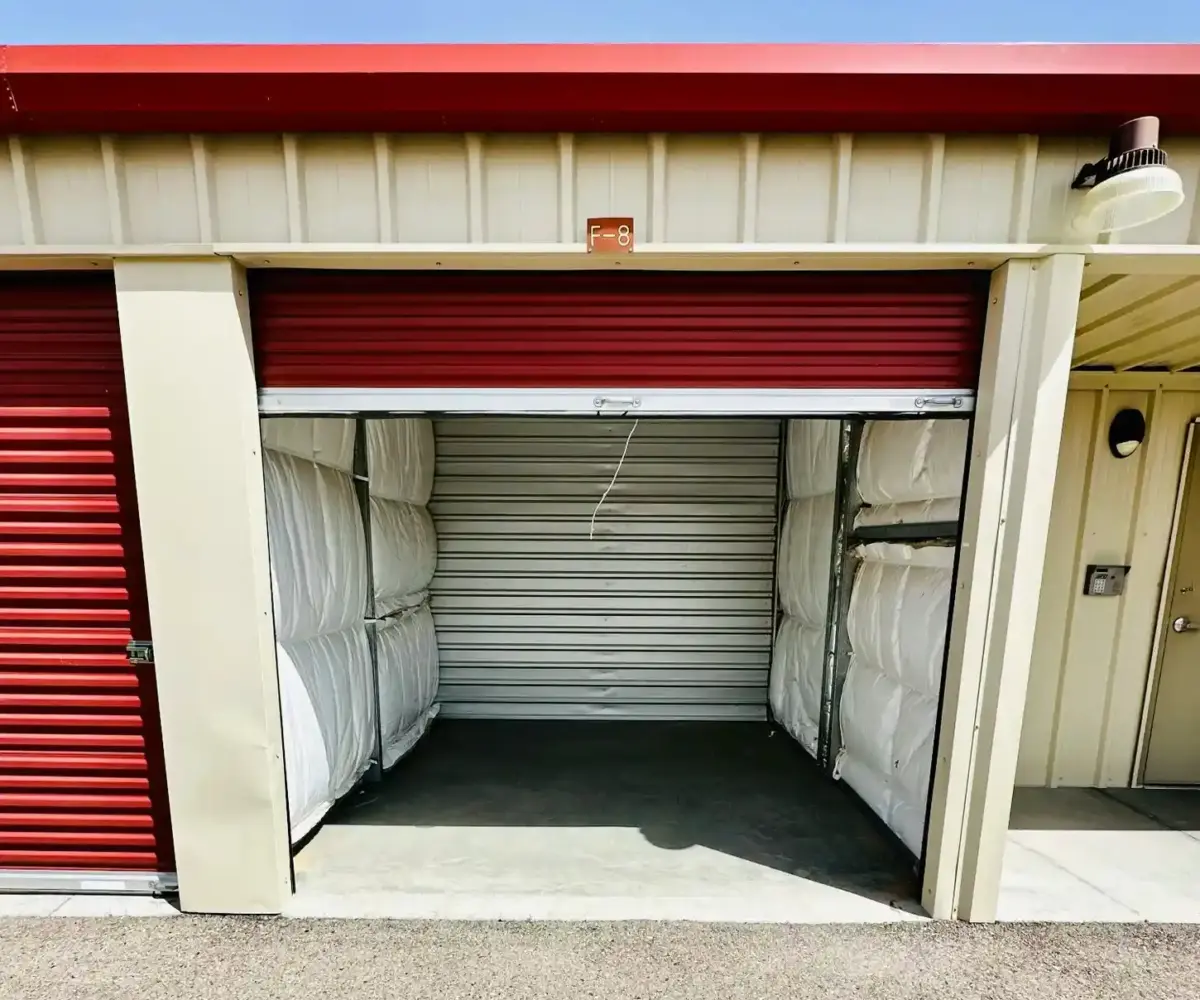
The idea of living in a self storage unit may sound like a clever workaround during tough times, but it’s strictly illegal and highly unsafe. While self storage provides convenient, secure space for belongings, it’s never meant for habitation.
Storage units don’t have running water, ventilation, or basic amenities like bathrooms and kitchens. Living inside of a unit poses significant safety and legal risks, and if you’re caught living there, you could face legal action or eviction.
Self storage facilities are built for storing possessions, not people. Units are sealed, lack windows, and are not designed for long-term living. Understanding why it’s prohibited, and exploring alternative housing options, is essential for anyone struggling with the rising cost of living or housing insecurity.
Why Some People Consider Living in a Self Storage Unit
For many, self storage units seem like a practical short-term solution when housing options become limited. They’re secure, private, and relatively low-cost, offering the illusion of shelter during difficult times.
Yet, storage facilities are designed only for possessions, not for people, and using them as living spaces quickly crosses into unsafe and illegal territory.
Common Situations That Lead to This Idea (Financial Hardship, Relocation, Temporary Crisis)
People typically turn to this idea under extreme or temporary circumstances such as:
- Financial hardship or job loss: When individuals lose income and can no longer afford rent, a $100-per-month storage unit can appear to offer temporary refuge.
- Relocation delays: Those between apartments, waiting for a lease to begin, or experiencing moving delays may think a unit offers a short-term option to “camp” near their belongings.
- Natural disasters or emergencies: People displaced by floods, fires, or storms sometimes view storage units as a fallback while awaiting housing or insurance support.
- Urban housing shortages: In high-cost cities, housing scarcity and long waitlists for shelters push some to seek alternatives that seem affordable, even if not legal.
- Perceived privacy and safety: Compared to sleeping in a car or public area, a locked unit might feel safer or more discreet, even though it lacks basic living conditions.
Unfortunately, this reasoning overlooks the serious legal, safety, and health risks involved. Storage units are not ventilated, insulated, or equipped for human occupancy. Staying inside one can lead to suffocation, electrical fires, or criminal penalties.
Ultimately, while desperation or temporary crisis might drive someone to consider living in a self storage unit, doing so violates zoning, health, and building codes, and puts both the tenant and the facility operator at risk of severe consequences.
Legal Restrictions and Regulations Around Living in Storage Units
Living in a self storage unit is strictly illegal under state and local regulations, with laws such as Washington’s RCW explicitly prohibiting the use of self-storage facilities for residential purposes. These laws are in place to protect public health and safety, and to ensure that commercial spaces are not used as makeshift housing.
Because storage units are zoned for commercial use, they lack the infrastructure required for habitation, such as plumbing, ventilation, or emergency exits.
Below is a breakdown of the main legal and contractual rules that make living in a storage unit both unsafe and unlawful.
Local Housing, Zoning, and Health Department Regulations
Self storage properties are zoned as commercial or industrial, not residential. That means no one is legally permitted to live, sleep, or cook inside. Key points include:
- Zoning laws prohibit any type of residential use including sleeping, cooking, or setting up bedding or utilities.
- Health departments classify storage units as non-habitable structures because they lack ventilation, sanitation, and plumbing.
- Local fire codes restrict the use of open flames, heaters, or electrical appliances due to fire hazards.
- Penalties for violations can include fines, eviction, or even property closure if repeated offenses occur.
Storage Facility Leases and Contractual Restrictions
Every professional storage facility includes clear lease clauses that forbid residential use. When a tenant signs the rental agreement, they acknowledge that the space is only for storage, not for occupancy. Typical rules include:
- No residing, sleeping, or cooking inside the unit.
- No running water, generators, or space heaters allowed.
- Immediate termination of the lease and eviction if caught violating policies.
- Routine inspections and surveillance to enforce compliance.
Liability, Insurance, and Legal Penalties for Violations
Living in a unit isn’t just a rule violation, it carries legal and financial consequences for both tenants and facility owners. If caught living in a storage unit:
- Renters can face trespassing, code violation, or endangerment charges under local laws.
- Any insurance coverage becomes void, meaning damages or injuries won’t be reimbursed.
- Facility owners may be fined or lose their business license if they knowingly allow illegal occupancy.
- Local authorities can order the immediate removal of occupants and lock down affected units.
Examples of State and Local Laws in the U.S.
Here’s a quick look at how different states regulate habitation within commercial storage spaces:
| State/City | Relevant Law or Code | Key Restriction |
| California | Health & Safety Code §17920.3 | Living in structures without plumbing or ventilation is prohibited. |
| Texas | Local Fire Code | Bans any form of habitation or heating inside enclosed commercial units. |
| Florida | State Zoning Ordinance | Requires residential occupancy permits, not applicable to storage facilities. |
| New York (NYC) | Administrative Code §27-2004 | Defines non-residential occupancy as a misdemeanor offense. |
These laws ensure that all self storage units remain non-habitable commercial properties designed for belongings, not people.
Safety Concerns of Living in a Self Storage Unit
Self storage units are designed for belongings, not people. They are sealed, unventilated spaces made of metal or concrete, with no insulation, plumbing, or safe power connections.
Attempting to live in one poses severe health, fire, and safety hazards that can quickly turn deadly. Understanding the basic differences between indoor vs outdoor storage is also important, as neither option is built or legally approved for habitation.
Below are the primary safety concerns that make living in a storage unit both illegal and extremely dangerous.
Security and Privacy Limitations in Storage Facilities
Storage facilities are built for access control, not personal security. Every entry and exit is tracked through gate logs and surveillance, making continuous occupancy nearly impossible without detection. Key concerns include:
- Surveillance cameras monitor corridors and driveways 24/7, allowing staff to detect unusual activity.
- After-hours restrictions mean tenants cannot legally remain inside once facilities close.
- Units are secured by padlocks, not designed for internal safety, meaning occupants can become trapped from inside.
- No indoor lighting, panic alarms, or staff supervision exist for personal emergencies.
While these systems protect property, they create zero privacy and no personal safety safeguards for anyone attempting to stay inside long-term.
Fire Hazards, Electrical Risks, and Carbon Monoxide Dangers
One of the most serious threats comes from fire or electrical misuse. Storage units lack built-in wiring and are not rated for continuous power use. Common hazards include:
- No fire exits or sprinklers, making it impossible to escape once a blaze begins.
- Improvised wiring, generators, or heaters can easily ignite flammable materials or cause electrical fires.
- Gasoline-powered devices can release carbon monoxide in enclosed units, creating a deadly risk.
- Overloaded extension cords or lamps may spark, especially near cardboard, fuel, or stored chemicals.
According to the CDC, more than 200 Americans die each year from accidental, non-fire-related carbon monoxide poisoning, a reminder of how quickly these hazards can turn fatal in enclosed spaces.
Even small fires spread rapidly in a closed unit, where smoke has nowhere to escape, turning a few seconds of error into a fatal event.
Health, Sanitation, and Air Quality Challenges
Storage units offer no plumbing, water, or ventilation, creating severe sanitation and health risks. They are not connected to sewage systems or designed for human occupancy. Typical dangers include:
- No restrooms or running water, making hygiene impossible for long-term stays.
- Trapped air and chemical fumes from stored items can cause respiratory irritation or dizziness.
- Temperature extremes, metal units trap heat in summer and cold in winter, leading to heat stroke or hypothermia.
- High humidity and condensation promote mold growth, aggravating asthma or allergies.
Without airflow or insulation, these spaces can become dangerously hot, cold, or toxic within hours.
Lack of Utilities, Ventilation, and Emergency Exits
Unlike residential structures, storage units have solid walls, no windows, and only one door, which locks from the outside. In emergencies, there is no escape route or communication access. Critical risks include:
- Entrapment if the door closes or locks accidentally.
- No emergency exits or smoke alarms to alert occupants to danger.
- No heating, cooling, or lighting systems, making long stays physically unsustainable.
In short, living inside a storage unit is asphyxiating, isolating, and life-threatening. Even brief stays can result in severe injury, illness, or death, which is why both local governments and storage operators strictly prohibit it.
Why It’s Illegal and Unsafe to Live in a Storage Unit
Living in a self storage unit is not just unsafe, it’s illegal across the United States. These facilities are built for storing goods, not for human habitation, and they fail to meet even the most basic health, safety, and occupancy standards required by law.
Attempting to live in one can lead to serious legal consequences, including eviction, fines, or arrest, while putting both the occupant and the facility at risk.
Health and Building Code Violations
Every state and municipality enforces housing, building, and fire codes that define what qualifies as a safe living space. Self storage units violate nearly all of them. Key violations include:
- No plumbing or sanitation systems: Units lack running water, toilets, or waste disposal, all required for residential certification.
- No electrical or HVAC systems: Storage facilities prohibit electrical wiring, heaters, and air conditioning, creating unsafe temperature extremes.
- No emergency egress or ventilation: Units have only one door that locks from outside, with no windows, secondary exits, or airflow systems.
- Non-residential zoning: These buildings are classified as commercial properties, not designed or licensed for human occupancy.
Even short-term stays violate local health and fire department codes, which mandate proper ventilation, safe exits, and utility infrastructure for any habitable structure.
Ethical and Safety Responsibilities of Facility Owners
Storage companies have a legal and moral obligation to ensure tenant and property safety. Allowing anyone to live in a unit would not only endanger that person but also compromise the safety of the entire facility.
Why facility owners strictly enforce anti-occupancy rules:
- Liability exposure: If a fire, injury, or death occurs, the operator can face lawsuits and criminal charges for negligence.
- Insurance loss: Most facility insurance policies become void if residential use is detected, leading to major financial risk.
- Regulatory compliance: Owners can be fined or shut down for violating zoning or health codes.
- Ethical duty: Facilities are meant to protect property, not enable unsafe or unlawful living conditions.
In short, both residents and facility owners face serious legal and safety consequences if a unit is used as a living space. The laws exist not to punish hardship, but to prevent fatal accidents, fires, and health hazards that storage units were never designed to handle.
Safe and Legal Alternatives to Living in a Self Storage Unit
While self storage facilities are designed strictly for storing belongings, there are safe and legal alternatives available for anyone facing financial hardship, relocation delays, or temporary housing loss.
These options offer comfort, security, and legal protection, without risking health or safety.
Affordable and Transitional Housing Programs
Many cities, states, and nonprofit organizations provide temporary or subsidized housing to individuals and families who need short-term assistance.
These programs are specifically created to help people get back on their feet without resorting to unsafe living arrangements. Examples include:
- HUD Housing Choice Vouchers (Section 8): Helps cover part of rent costs for eligible individuals in approved residences.
- Transitional Housing Programs: Offer short-term housing for 30–90 days with support services like job placement or financial counseling.
- Local Housing Authorities: Provide emergency rental assistance and coordinate with shelters for immediate placement.
For anyone struggling with rent or eviction, contacting local housing agencies or nonprofit shelters is often the first step toward safe, stable housing.
Short-Term Rentals, Shared Housing, and Co-Living Options
If you’re between homes or waiting on a new lease, short-term accommodations can provide flexibility without high upfront costs. Some practical choices include:
- Extended-stay motels or hotels: Offer weekly or monthly rates and often include basic kitchen facilities.
- Shared apartments or rooms for rent: Platforms like Craigslist or Facebook Marketplace can help locate affordable, temporary housing with utilities included.
- Co-living spaces: Growing in popularity in major cities, these offer private rooms and shared amenities at competitive rates, ideal for professionals in transition.
These solutions provide legal shelter, access to utilities, and personal security while maintaining affordability and convenience.
Community Housing Assistance and Shelter Resources
For individuals experiencing homelessness or displacement, community-based programs can provide both immediate relief and long-term pathways to stability. These organizations often offer:
- Emergency Shelter: Emergency shelters and overnight facilities for immediate safety.
- Rehousing Programs: Rehousing programs that help tenants find permanent housing after eviction or disaster.
- Financial Aid: Financial assistance for security deposits, moving costs, or utility setup.
- Support Services: Support services like job training, mental health counseling, and food aid.
Local churches, nonprofits, and community centers often collaborate with state programs to connect individuals with housing and essential resources quickly.
Storage + Temporary Housing Hybrid Solutions (e.g., Pod Storage)
For people relocating or waiting for new housing, mobile storage units such as PODS, U-Haul U-Box, or RecNation’s partner moving solutions offer a flexible alternative. These systems work by:
- Container Delivery: Delivering a portable storage container to your location.
- Local Storage: Allowing you to safely store furniture, clothes, and valuables nearby.
- Transport Service: Transporting the unit to your new residence or a secure facility once you’re ready.
This hybrid approach ensures your belongings stay safe and accessible while you stay legally housed, whether in a rental, hotel, or temporary apartment.
Appropriate and Legal Uses of Self Storage Units
Self storage units are commercial spaces meant solely for storing non-hazardous, inanimate belongings, not for habitation or work activities. These facilities are built with zoning, safety, and insurance standards that strictly define what can and cannot be done inside.
Understanding the difference between allowed vs prohibited items is an essential part of staying compliant with these regulations and avoiding safety or insurance violations.
When used properly, self storage helps protect valuable items, declutter homes, and support business operations, all while staying compliant with local and federal laws.
- Furniture, Appliances, and Household Goods: Ideal for moving, renovation, or downsizing periods.
- Business Inventory and Records: Safe storage for files, office equipment, or surplus products.
- Tools, Contractor Gear, and Seasonal Equipment: Perfect for landscapers, construction crews, or service companies needing accessible storage.
- Vehicles and Recreational Equipment: Many facilities (like RecNation) offer designated areas for RVs, boats, trailers, and motorcycles with proper registration and insurance.
- E-commerce or Retail Overflow: Flexible storage for online sellers managing product stock or packaging materials.
Using proper self storage within legal limits ensures:
- Full insurance protection in case of theft, damage, or natural disasters.
- Compliance with zoning and safety codes that protect all tenants.
- Preservation of property value through controlled environments and regulated maintenance.
Simply put, storage units are designed to safeguard possessions, not serve as living spaces or workplaces.
What Happens If Someone Is Caught Living in a Storage Unit?
Despite clear restrictions, there are occasional instances where individuals attempt to live inside storage units due to financial hardship or misunderstanding of the law. Facilities treat these cases seriously to protect both the occupant and surrounding tenants.
Possible Legal and Financial Penalties
Living in a storage unit violates health, safety, and housing regulations. Once discovered, consequences are immediate and often severe:
- Immediate eviction and lease termination under breach of contract.
- Loss of access to the unit until inspection or law enforcement clearance.
- Fines or misdemeanor charges for violating local building or housing codes.
- Liability for damages if electrical use, fire, or contamination occurs.
These penalties aim to prevent further risk to the individual and the facility.
How Storage Companies Handle Violations
Professional storage companies including RecNation maintain strict compliance with fire, zoning, and health codes.
To ensure safety, staff routinely inspect properties and monitor unusual activity. When a violation is suspected or confirmed:
- Staff conduct emergency welfare checks and notify local authorities.
- Police or social services may be called to provide assistance or housing referrals.
- The unit is immediately secured and vacated to prevent hazards such as fire, suffocation, or contamination.
- The tenant’s lease is terminated with potential forfeiture of deposit or property access until legal review is completed.
Why Eviction Happens Immediately
Eviction occurs right away because storage units are not habitable structures, they lack sanitation, ventilation, and fire protection. Allowing someone to remain inside puts every occupant and the facility at risk. Key reasons for instant removal include:
- Fire risk: Units lack smoke detectors, emergency exits, or sprinklers.
- Health hazards: No plumbing, insulation, or ventilation for safe breathing or temperature control.
- Legal liability: Facility owners could lose licensing or face lawsuits if unsafe occupancy continues.
Immediate eviction isn’t punitive, it’s a matter of life safety and legal compliance. Reputable operators often coordinate with local aid organizations to connect individuals with emergency housing or community support services rather than simply removing them without assistance.
Myths and Misconceptions About Living in Storage Units
Despite what some online stories or movies suggest, living in a self storage unit is both illegal and unsafe. Many misconceptions stem from isolated incidents or fictional portrayals that ignore the serious risks and consequences involved.
“People Do It All the Time”: Why That’s Not True
Occasionally, viral news stories surface about individuals living in storage units. While these cases attract attention, they’re rare, short-lived, and quickly resolved once discovered. Storage facilities today are equipped with:
- 24/7 surveillance systems and access control logs that record every entry and exit.
- Staff inspections and routine checks to ensure safety and code compliance.
- Alarm systems that detect unusual after-hours activity.
Any attempt to live undetected in a storage unit typically ends in immediate eviction or police involvement. The perception that it’s a common practice is misleading, these incidents are exceptions, not norms, and always carry legal and personal risks.
The Self Storage Association (SSA) provides nationwide data and research that help owner-operators understand customer demand, market risk, and operational standards across the storage industry.
The SSA’s research reinforces that the modern self-storage industry operates under strict non-residential use standards and prioritizes compliance with local fire and zoning laws.
Movies and Media vs. Reality
Pop culture often romanticizes the idea of living secretly in a storage unit, portraying it as adventurous, affordable, or rebellious. In reality, it’s neither safe nor sustainable. Real-world outcomes include:
- Eviction within days once management or security footage identifies the violation.
- Fines and potential criminal charges for trespassing or fire code violations.
- Health dangers such as heat exhaustion, hypothermia, carbon monoxide poisoning, and poor air quality.
Unlike movie depictions, actual storage units have no running water, ventilation, or power, turning a seemingly harmless idea into a life-threatening situation.
Storage Facilities’ Ethical Responsibilities
Storage operators are legally and ethically obligated to ensure a safe environment for all tenants.
Allowing or ignoring residential use would violate fire safety regulations, insurance agreements, and local building codes, all of which are tied to maintaining valid coverage and managing overall storage insurance cost. Responsible facilities must:
- Report suspected habitation to local housing or fire authorities.
- Evict and secure units immediately to eliminate hazards.
- Provide contact with social or emergency services if someone is found living onsite.
- Maintain compliance with insurance and licensing requirements, which mandate non-residential use only.
The U.S. Census Bureau reports that the United States has more than 52,000 self-storage facilities, employing over 170,000 people and generating nearly $22 billion in annual revenue.
Because this large industry is classified under commercial real estate rather than residential housing, operators must follow strict zoning, fire-safety, and insurance standards that prohibit habitation.
These legal designations underscore why responsible management and regulatory compliance are central to ethical facility operations.
Short-Term and Long-Term Storage for Household Belongings
Self storage isn’t just for people in transition, it’s a flexible solution that adapts to both short-term needs and long-term planning. Whether you’re moving homes, managing extra furniture, or storing seasonal items, choosing the right storage type helps preserve your belongings and control costs.
Below is a quick reference comparing common household storage needs and the best unit types for each:
| Use Case | Recommended Storage Type | Reason |
| Moving or Relocation | Climate-Controlled Indoor Unit | Protects furniture, boxes, and electronics from humidity and temperature swings during transitions. |
| Business or Contractor Equipment | Drive-Up Storage Unit | Ground-level access makes it easy to load and unload heavy tools or materials. |
| Seasonal Storage (Decor, Sports Gear) | Standard Indoor or Outdoor Unit | Provides affordable, short-term space for rotating items like holiday decorations or bicycles. |
| Vehicles, RVs, Boats | Outdoor or Covered Parking | Offers year-round protection and easy access for large vehicles or recreational equipment. |
Tip: For long-term storage, prioritize climate-controlled or indoor spaces to prevent mold, rust, or fading, especially for wooden furniture, fabric items, or electronics. For short-term use, outdoor or drive-up units deliver convenient, cost-effective access.
Vehicle, RV, and Contractor Equipment Storage Options
Self storage isn’t limited to boxes and furniture, it also supports vehicle and commercial equipment storage when used legally and properly.
- RV and Boat Storage: Dedicated outdoor, covered, or enclosed areas protect against weather damage.
- Fleet and Contractor Parking: Gated facilities accommodate work trucks and trailers with 24/7 surveillance.
- Drive-Up Units: Ideal for quick access to power tools, compressors, and spare materials.
- Vehicle Storage Requirements: Must remain insured, registered, and operable under facility rules.
Facilities like RecNation specialize in large-vehicle and contractor storage, offering secure lots, reinforced driveways, and easy drive-through access.
Business, Seasonal, and Commercial Storage Solutions
Self storage has evolved far beyond personal use; it now plays a vital role in supporting businesses, contractors, and service providers who need scalable, off-site space without long leases or overhead costs.
Here are some of the most common commercial applications:
- Contractors and Service Providers: Store tools, power equipment, spare parts, and safety gear in drive-up units for quick dispatch between job sites.
- Retailers and E-Commerce Sellers: Keep overflow stock, packaging materials, or seasonal inventory organized and ready for shipment.
- Event Planners and Seasonal Businesses: Use indoor units to store signage, tents, and décor between events or seasons.
- Fleet and Logistics Operators: Securely park work vehicles, trailers, or delivery vans in fenced and camera-monitored outdoor lots.
Modern facilities like RecNation offer professional-grade amenities tailored to business needs, including:
- Gated access with 24/7 video surveillance for consistent security.
- Wide drive aisles for large trucks, trailers, and delivery vehicles.
- Flexible leasing options, scale up or down without long-term commitments.
- Climate-controlled spaces for sensitive materials or temperature-sensitive inventory.
- On-site management and insurance options to ensure compliance and peace of mind.
By combining convenience, scalability, and protection, self storage serves as an extension of your home, business, or fleet operation, helping you stay organized, efficient, and compliant year-round.
Final Thoughts: Self Storage as a Resource, Not a Residence
Self storage serves an important purpose, providing people with secure, flexible space to protect their belongings when life changes or space runs short. But it’s meant to support your lifestyle, not replace it. Living in a self storage unit is illegal, unsafe, and unsustainable, as these spaces lack essential amenities like water, ventilation, and sanitation.
At RecNation, we believe storage should make life easier, not riskier. Our self storage facilities are designed for safety, compliance, and convenience, giving you confidence that your possessions are protected in a clean, secure, and professionally managed environment.
Whether you’re storing between moves, downsizing, or protecting a vehicle long-term, RecNation provides the space, structure, and security you can rely on. Because while storage units aren’t homes, the right facility can still give you peace of mind and the freedom to focus on what’s next.
Frequently Asked Questions
Can you legally live in a self storage unit?
No, living in a self storage unit is strictly illegal. Storage facilities are zoned for commercial use, not residential living, and anyone caught could face legal action or eviction.
Why is living in a storage unit unsafe?
Storage units lack running water, ventilation, electricity for daily use, and emergency exits. Staying inside poses serious risks like suffocation, fire, or exposure to extreme temperatures.
Do storage units have running water or bathrooms?
No, storage units don’t have running water, plumbing, or bathrooms. They’re built solely for storing belongings, not for providing basic living amenities.
What happens if you’re caught living in a storage unit?
If you’re caught living in a storage unit, you’ll be asked to leave immediately and could face fines or legal consequences. The facility may also terminate your lease.
Why do some people try to live in storage units?
Rising housing costs, job loss, or relocation delays can push people toward unsafe options. Some view storage as affordable shelter, not realizing it’s prohibited and dangerous.
What are safer alternatives to living in a storage unit?
Seek local housing programs, homeless shelters, or temporary rentals. Many cities offer assistance for those facing financial hardship or housing insecurity.