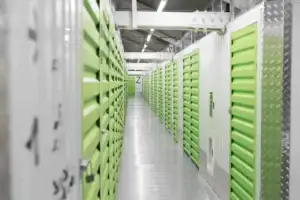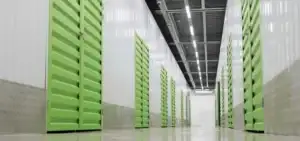
Self storage makes life easier whether you’re moving, downsizing, or expanding a business. A self-storage unit offers secure and flexible storage space, but not everything can be safely or legally kept inside. Hazardous, flammable, or perishable items are strictly prohibited to prevent fire, contamination, and safety risks.
Each self-storage facility follows fire codes and environmental regulations to protect tenants and property. Understanding what’s allowed helps you stay compliant, keep your belongings safe, and avoid costly violations. Responsible storage ensures a secure and stress-free experience for everyone on-site.
Understanding Self Storage Rules, Regulations, and Safety Standards
Self storage facilities follow strict safety and legal guidelines to prevent fires, contamination, and liability issues. Tenants must comply with both federal laws and each facility’s policies to ensure a safe environment for all renters.
Compliance typically includes NFPA fire codes, EPA environmental standards, and local zoning laws that define what can be stored, how spaces are used, and how risks such as flammable materials or pests are controlled.
Common Facility Policies and Legal Restrictions
The table below summarizes the most common self storage rules and their rationale across U.S. facilities:
| Policy Type | Description |
| Hazardous or Illegal Materials | Storing explosives, fuel, chemicals, or illegal goods is strictly prohibited to prevent fire, contamination, and legal violations. |
| Perishables and Live Items | Food, plants, or animals are banned because they attract pests and cause health or sanitation issues. |
| Vehicle Regulations | Vehicles must be registered, insured, and operable to avoid leaks, environmental hazards, or long-term abandonment. |
| Power Usage | Running machinery, generators, or power tools inside units is unsafe and may violate fire codes. |
| Insurance Requirements | Tenants are typically required to maintain insurance coverage for stored property, ensuring protection against loss or damage. |
Recent NFPA data reinforces the need for these regulations. In 2023, the organization recorded 18 large-loss fires and explosions, including incidents at storage and manufacturing sites exceeding $10 million in property damage.
These cases underscore why strict material bans and fire-code compliance are essential for preventing catastrophic losses.
Facilities may inspect units if hazardous or illegal activity is suspected, helping enforce compliance with fire, environmental, and insurance regulations while protecting all tenants.
Following these regulations keeps your belongings safe and ensures a compliant, secure, and professionally managed storage experience.
What You Can Store in a Self Storage Unit
Most legal, non-perishable, and non-hazardous items are permitted in self storage. These facilities are designed to safely accommodate everything from household goods to contractor tools, business inventory, and recreational gear.
Whether you’re downsizing, decluttering, or managing overflow for your home or business, storage units provide a secure and flexible solution. Before renting, always choose self storage size carefully, consider the volume, weight, and frequency of access to ensure your space is both cost-efficient and practical.
Documents, Records, and Archive Files
Self storage units are perfect for important paperwork, contracts, and archived records that you don’t need daily but can’t afford to lose.
- Use sealed boxes or plastic bins to protect against dust and pests.
- Climate-controlled units help prevent paper yellowing, fading, and mold growth.
- Ideal for business owners, accountants, and legal professionals needing organized, off-site record retention.
- Label boxes by year or category for easy retrieval later.
Tools and Contractor Equipment
Many contractors, landscapers, and small business owners rely on self storage to manage excess tools, supplies, and materials. Drive-up access units are especially convenient for loading and unloading heavy equipment.
| Commonly Stored Items | Tips for Storage |
| Power tools, compressors, hardware | Keep on shelves or pallets to protect from moisture. |
| Cables, hoses, ladders | Coil neatly and hang on hooks to avoid tangles. |
| Spare parts, nails, safety gear | Use labeled bins for quick inventory checks. |
Here are some additional tips:
- Always disconnect power sources and clean tools before storing.
- Use silica gel packs or moisture absorbers to prevent rust.
Furniture, Appliances, and Household Goods (Non-Perishable)
Self storage provides safe, pest-free environments for extra furniture, décor, or household appliances.
- Suitable for sofas, tables, chairs, mattresses, and small kitchen appliances.
- Defrost and dry refrigerators or freezers before storage to avoid mildew.
- Wrap wood and fabric furniture in breathable covers rather than plastic to prevent condensation.
- Place larger items on pallets to protect from minor floor moisture.
When storing home items, it’s important to think about indoor vs outdoor storage. Indoor units offer stable temperatures and better protection from dust or humidity, ideal for furniture, fabrics, and appliances that can warp or mold. Outdoor units, on the other hand, are convenient for short-term storage or durable goods that can handle changing weather.
Indoor or climate-controlled units are recommended for long-term storage of wooden or upholstered items to prevent warping or mold.
Seasonal Items, Sports Gear, and Outdoor Equipment
Perfect for belongings that you use occasionally or seasonally, freeing up valuable home space year-round.
| Item Type | Storage Advice |
| Camping & hiking gear | Clean, dry, and store in breathable bags to prevent mold. |
| Bikes, skis, surfboards | Use wall mounts, racks, or vertical stands to save space. |
| Holiday decorations | Store in labeled, stackable bins or clear containers for easy identification. |
Self storage keeps these items organized, accessible, and protected from weather exposure during off-season months.
Business Inventory, Office Supplies, and E-Commerce Stock
For small businesses and e-commerce sellers, self storage offers affordable, scalable inventory space without warehouse costs.
- Store products, packaging materials, or promotional displays.
- Use climate-controlled units to prevent damage to labels, electronics, or paper packaging.
- Month-to-month leases make it easy to adjust space during seasonal demand changes.
- Add shelving or rolling racks to maximize storage efficiency and streamline stock checks.
Self storage can also serve as a micro-distribution point, especially for online sellers managing shipments locally.
Vehicles, Trailers, and Recreational Equipment (Where Permitted)
Many facilities now offer dedicated vehicle storage, both covered and uncovered, for cars, RVs, trailers, and boats. Proper preparation ensures long-term protection.
| Vehicle Type | Storage Tip |
| Cars & Motorcycles | Keep insured, cover with a breathable dust protector, and check tire pressure monthly. |
| RVs, Trailers, Boats | Disconnect batteries, use tire chocks, and ensure tanks are emptied. |
| Work Trucks & Fleets | Choose gated, camera-monitored facilities with wide drive aisles for easy maneuvering. |
Some facilities, like RecNation, offer outdoor, covered, or fully enclosed vehicle storage, ideal for contractors, RV owners, and small business fleets needing 24/7 access and security.
Key Takeaway
Self storage gives you a safe, organized way to manage almost any type of non-hazardous, non-perishable item, from family furniture and sports gear to tools, vehicles, and business supplies. Choosing the right unit size and type (indoor, outdoor, or climate-controlled) ensures your belongings stay in excellent condition while maximizing value and convenience.
Items You Can’t Store in a Self Storage Unit
While self storage provides flexibility for both personal and commercial users, certain items in storage can pose serious safety, legal, or environmental risks. To protect tenants, property, and staff, storage companies strictly regulate what can and cannot be stored on their premises.
These restrictions align with NFPA fire codes, EPA environmental rules, and OSHA safety standards to prevent fires, contamination, and liability issues.
Every facility’s rental agreement clearly outlines these restrictions, and tenants are expected to follow them without exception.
Violating these terms can result in eviction, loss of insurance coverage, or even legal action. The following list of items summarizes what is universally prohibited from being stored in any self-storage facility.
| Prohibited Item | Reason for Restriction |
| Explosives, Firearms, Ammunition | Present extreme fire and explosion hazards; banned by local fire codes and insurance policies. |
| Propane, Gasoline, or Fuel Tanks | Flammable vapors may ignite under heat or static discharge, even empty containers pose risk. |
| Paints, Fertilizers, and Cleaning Agents | Items may leak or emit harmful vapors, contaminating nearby units or triggering ventilation alarms. |
| Hazardous or Toxic Materials | Includes solvents, pesticides, acids, or asbestos; storing them violates EPA and OSHA regulations. |
| Perishable Food or Live Plants | Attract pests, mold, and odors that spread across the property and cause sanitation issues. |
| Animals or Living Beings | Unlawful and unsafe, facilities cannot provide light, ventilation, or humane conditions. |
| Illegal or Stolen Goods | Classified as illegal items; possession or concealment can lead to prosecution and property seizure. |
Explosives, Ammunition, and Firearms
Explosives, gunpowder, and ammunition are never permitted items in storage. Even small amounts can ignite under friction or heat, posing serious risks to life and property.
- Firearms, reloading materials, or fireworks are banned by storage companies to comply with insurance and fire department regulations.
- These materials may trigger inspections or immediate eviction if discovered.
- Federal and state law classify such substances as restricted, meaning they cannot legally be stored in a storage unit.
By prohibiting these materials, facilities eliminate one of the most serious causes of catastrophic storage fires.
Combustible or Pressurized Items (Gas Cylinders, Propane Tanks)
Pressurized or flammable materials, such as propane, gasoline, diesel, and butane, are among the most hazardous items in storage.
- Vapors from these fuels may ignite easily, even if the container is empty.
- Static electricity or high heat inside enclosed spaces can trigger explosions.
- Storing such materials violates NFPA fire codes and voids facility insurance policies.
Most storage companies prohibit all pressurized containers or fuel tanks to maintain safe air quality and prevent fire hazards.
Items That Emit Odours or Liquids (Paints, Cleaners, Fertilizers)
Paints, chemical cleaners, and fertilizers are everyday products that may leak, corrode, or emit strong fumes when stored improperly.
- Vapors can spread through ventilation ducts and affect neighboring tenants.
- Liquids that seep onto floors or walls can cause long-term contamination.
- Such items violate environmental rules and often require hazardous waste handling.
Because of these risks, storage companies forbid chemical-based substances that could compromise safety or air quality.
Hazardous, Flammable, and Toxic Materials
Hazardous compounds, including acids, asbestos, and pesticides, are classified as restricted items in storage under OSHA and EPA regulations.
- These materials may ignite, corrode metal surfaces, or release toxic vapors.
- Improper disposal or containment can lead to fines or legal liability for the tenant.
- Insurance coverage does not protect damage caused by chemical or hazardous waste storage.
Self storage units are not equipped for industrial containment, such items in storage are strictly prohibited.
Perishable Food, Plants, or Live Animals
Perishable or organic materials are unsafe and unsanitary to store in a storage unit.
- Food, plants, or organic waste may attract insects, rodents, and mold, causing contamination throughout the facility.
- Spoilage leads to odours that spread through shared ventilation systems.
- Storing live animals or pets is illegal and breaches animal welfare laws.
Storage companies emphasize cleanliness and pest control, and these restrictions ensure a hygienic, well-maintained environment for all tenants.
Illegal, Stolen, or Unregistered Goods
Facilities strictly ban the storage of illegal items, stolen property, or unregistered goods.
- Using a storage unit to conceal stolen or contraband materials violates federal and state law.
- Operators are required to cooperate with law enforcement if illegal items are suspected.
- Tenants found in violation may face eviction, forfeiture of contents, and criminal prosecution.
This policy protects all renters and reinforces the integrity of professional storage companies operating within legal standards.
Why These Rules Exist
These restrictions are not simply company preferences, they are rooted in fire safety codes, OSHA and EPA standards, and local zoning laws. Even one prohibited material, such as a leaking solvent or unsealed fuel container, may trigger contamination, insurance loss, or fire damage affecting multiple units.
To maintain compliance, storage companies regularly inspect properties and reserve the right to report or remove banned items. Responsible tenants who understand this list of items ensure their belongings, and everyone else’s, remain secure and fully protected.
Why Certain Items Are Restricted or Prohibited in Self Storage Units
Every restriction in a self storage facility exists to protect tenant safety, property value, and legal compliance. Prohibited items are not just a matter of company policy, they’re enforced by local fire departments, environmental agencies, and insurance providers.
Storing unsafe or perishable materials can cause fire hazards, contamination, or even void your insurance coverage.
Fire and Environmental Safety Risks
Combustible and flammable materials are among the most tightly controlled categories in storage. Even small leaks or vapors can create significant danger.
The National Fire Protection Association (NFPA) reports that U.S. fire departments respond to an average of 1,350 fires in self-storage facilities each year. Leading causes involve flammable liquids and electrical malfunctions.
- Combustible materials like propane, gasoline, paint thinner, or aerosol cans can ignite when exposed to heat or static discharge.
- Improper storage of fuels or chemicals can violate NFPA (National Fire Protection Association) standards, resulting in fines or eviction.
- Environmental risk arises when liquids seep into floors or drains, contaminating nearby units or soil, a violation of EPA hazardous waste rules.
- Restricting such materials ensures fire code compliance, tenant safety, and lower insurance costs for everyone on-site.
Health, Pest, and Contamination Concerns
Organic or perishable materials are another major concern because they degrade quickly and attract pests.
- Food, plants, or organic waste attract rodents, insects, and mold spores that spread between units. A Scientific Reports study estimated global rodent damage at US $3.6 billion, underscoring the need for strict pest control.
- Odor and bacterial growth not only damage your belongings but can contaminate neighboring units, forcing facilities to conduct fumigation or deep cleaning.
- Liquids and chemicals, if spilled, can create slippery floors, corrosion, and respiratory risks for maintenance staff.
By excluding these materials, facilities maintain a clean, sanitary, and pest-free environment for all renters.
Insurance and Liability Restrictions
Most facility insurance and tenant protection plans exclude hazardous or perishable items, meaning you’re responsible for any resulting damage.
- Non-compliant storage can void both your personal policy and the facility’s master coverage.
- Damage from restricted items (like fire, mold, or chemical leaks) is typically not reimbursed by insurance.
- Legal liability may also apply if prohibited items harm another tenant’s property or the building structure.
To stay fully covered, always review your rental agreement and insurance policy before storing materials that could be classified as high-risk or perishable.
Safety, Liability, and Insurance Considerations When Using Self Storage
Using a self storage unit involves more than just keeping your belongings secure. Understanding safety standards, insurance requirements, and liability rules ensures your items in storage remain protected while staying compliant with facility and legal policies.
Storage companies follow strict safety procedures, but tenants are also responsible for preventing damage, loss, or policy violations. Insurance coverage helps protect both sides in case of accidents, natural events, or theft.
When comparing coverage options, it’s also important to review the self storage insurance price, since costs can vary depending on unit size, coverage limits, and the value of stored items.
| Coverage Type | Typical Protection | Recommended For |
| Basic Tenant Insurance | Covers fire, theft, and limited water damage. | General household and business goods. |
| Extended Policy | Adds coverage for floods, storms, or weather-related damage. | Climate-sensitive or high-value items. |
| Vehicle Storage Coverage | Protects against damage or liability for vehicles stored on-site. | Cars, RVs, boats, or trailers. |
By combining proper insurance with safe storage practices, tenants can minimize risks and maintain full coverage throughout their lease.
Tips for Packing and Organizing Approved Storage Items
Efficient organization keeps your storage unit safe, accessible, and well-maintained. Structured layouts help prevent damage, improve airflow, and make it easier to locate belongings when needed.
Professional storage companies recommend simple, consistent methods to protect your items in storage and maintain compliance with facility safety standards.
- Use pallets or shelving to elevate boxes and furniture for ventilation.
- Label boxes clearly by category and date for quick identification.
- Cover furniture with breathable materials to prevent moisture buildup.
- Place frequently used items near the front and long-term storage toward the back.
- Avoid overpacking and leave space for air circulation.
These practices ensure your belongings stay organized, secure, and in excellent condition throughout their time in storage.
Using Pallets and Shelving for Better Airflow
Placing your belongings on pallets or shelving is one of the simplest ways to protect them from moisture and improve air circulation. Elevation keeps items off potentially damp floors while helping airflow circulate evenly throughout the unit.
- Use wooden or plastic pallets to raise boxes and furniture several inches from the ground.
- Add shelving to separate light and heavy items while maximizing vertical space.
- Keep heavier boxes or equipment on lower shelves for balance and safety.
- Leave small gaps between stacks to prevent humidity buildup and allow proper ventilation.
These practices reduce the risk of water damage, mildew, and trapped moisture, all of which can affect long-term storage quality.
Labelling Boxes and Creating an Inventory List
A clear labeling system helps track what you’ve stored, where it’s located, and when it was added. Creating a simple inventory also saves time and prevents misplaced items.
- Label each box by content type, room, or category (e.g., kitchen, business files, tools).
- Note storage dates and mark fragile items clearly.
- Keep a printed or digital list of items stored inside the unit for reference.
- Use color-coded or numbered systems for quick identification.
Having a reliable inventory ensures your items in storage are organized, traceable, and easy to retrieve when needed.
Protecting Furniture and Electronics From Moisture
Furniture, appliances, and electronics are highly sensitive to humidity and condensation. Taking small precautions prevents warping, corrosion, and electrical issues.
- Cover wooden and fabric furniture with breathable cloth rather than plastic to avoid trapped moisture.
- Place moisture absorbers or silica gel packs around sensitive items.
- Clean and dry appliances before storing, leaving refrigerator doors slightly open to prevent mold.
- Keep electronics in padded or sealed containers, ideally in their original packaging.
By controlling moisture levels, you help preserve finishes, fabrics, and internal components throughout the storage period.
Grouping Items by Frequency of Use
Organizing based on how often you’ll need access to certain belongings keeps your unit efficient and easy to navigate.
- Place frequently used boxes or equipment at the front of the unit.
- Store rarely accessed or long-term items toward the back or higher shelving.
- Group related items, such as sports gear, documents, or décor, together.
- Maintain a central aisle or clear walking path for safe and quick access.
This method prevents unnecessary rearranging and minimizes damage from constant shifting.
Avoiding Overpacking or Blocked Ventilation
Proper spacing is just as important as good organization. Overstuffing your storage unit can block airflow, cause stacking pressure, and increase the chance of damage.
- Avoid piling boxes too high or too tightly against the walls.
- Leave several inches of space between items and the unit’s walls for air movement.
- Keep vents, lights, and security sensors unobstructed.
- Periodically check that stacks remain stable and accessible.
Adequate ventilation ensures your items in storage stay in good condition and the unit remains compliant with facility safety guidelines.
How to Choose the Right Self Storage Facility for Safety and Convenience
Choosing the right self storage facility goes beyond finding available space. The ideal storage provider offers a balance of security, accessibility, cleanliness, and flexibility, ensuring your belongings remain protected under all conditions.
Reliable facilities follow safety standards, maintain strict property management routines, and offer flexible leasing options that adapt to your needs over time.
When choosing the right storage facility, it’s essential to evaluate factors such as access control, maintenance quality, insurance coverage, and overall reputation. These considerations help ensure that your belongings stay secure and your rental experience remains smooth and dependable.
Security and Access Control Systems
Strong security measures are the foundation of a trustworthy self storage facility. Modern storage companies combine technology, design, and on-site management to protect tenant property around the clock.
Facilities that prioritize security typically include:
- Gated entry and exit points with personalized keypad or smartphone access.
- 24/7 surveillance cameras monitoring driveways, entrances, and unit rows.
- Motion-activated lighting systems to deter unauthorized access at night.
- Digital access logs that record entry times for safety audits.
- On-site staff presence during business hours for customer support and property oversight.
These layers of security reduce theft risk, ensure accountability, and provide a secure environment for both personal and commercial tenants.
Climate Control and Cleanliness Standards
Cleanliness and environmental stability play a vital role in preserving your belongings. Professional facilities maintain consistent climate control systems and strict hygiene standards to prevent damage from temperature fluctuations, moisture, or pests.
A high-quality storage facility should:
- Offer temperature and humidity regulation to prevent mold, warping, or corrosion.
- Conduct regular pest control treatments and maintenance inspections.
- Keep driveways, hallways, and common areas clean and well-lit for safety.
- Provide ventilated and insulated units that protect delicate materials such as furniture, electronics, and documents.
These standards not only protect your property but also reflect the professionalism and reliability of the operator.
Customer Reviews and Reputation
A facility’s reputation is one of the most reliable indicators of its quality. Customer feedback offers real insight into how a company maintains its property, handles communication, and responds to issues. Before renting, take time to:
- Review verified feedback on Google, Yelp, or the facility’s website for patterns of reliability.
- Look for consistent praise regarding security, cleanliness, and customer service.
- Check how quickly management addresses complaints or service requests.
- Ask current tenants about their experience with access hours, billing, and responsiveness.
Trusted storage companies maintain transparent operations and positive tenant relationships, both strong signs of a dependable, well-managed property.
Flexible Leasing, Insurance, and Payment Options
Flexibility is another key sign of a professional facility. Whether you need short-term storage during a move or long-term space for business inventory, flexible terms ensure you only pay for what you need.
A reliable self storage operator should provide:
- Month-to-month leasing options that allow easy upgrades or downsizing.
- Transparent pricing without hidden administrative or access fees.
- Integrated insurance plans that cover fire, theft, or weather-related damage.
- Online account management tools for easy payments, renewals, and document access.
These policies make storage simple and predictable, giving tenants greater control over cost, coverage, and convenience.
How RecNation Ensures Secure, Compliant Storage Solutions
RecNation sets the benchmark for secure, compliant, and customer-focused self storage. Designed for both personal and commercial use, RecNation’s facilities combine modern infrastructure with strict safety oversight and flexible leasing solutions.
Here’s how RecNation stands out:
- 24/7 Gated Access and Surveillance: Continuous monitoring ensures only authorized users can enter, with digital access logs for accountability.
- Specialized Vehicle Storage: Dedicated outdoor, covered, and enclosed spaces for RVs, boats, and work fleets, supported by wide aisles and reinforced pavement.
- Climate-Controlled Units: Stable temperature and humidity protect sensitive items such as electronics, documents, and antiques.
- Clean and Professionally Managed Properties: Regular inspections, lighting maintenance, and pest control keep facilities in excellent condition.
- Transparent Leasing and Insurance Options: Month-to-month terms, clear pricing, and integrated insurance simplify the storage process.
By maintaining strict safety standards and offering customer-first policies, RecNation provides more than just storage space, it delivers peace of mind, ensuring your belongings remain protected, accessible, and managed with care.
Final Thoughts: Store Smart, Store Safe
Understanding what you can and can’t store in a self storage unit is essential for safety, compliance, and peace of mind. Following facility guidelines not only protects your belongings but also prevents fire, pest, and insurance risks that can arise from improper storage.
Whether you’re storing household furniture, business inventory, tools, or vehicles, always choose a well-maintained, professionally managed facility that offers the right balance of security, climate control, and accessibility.
Facilities like RecNation go beyond standard self storage solutions, providing 24/7 surveillance, gated access, and climate-protected spaces designed to meet both personal and commercial needs. With clear rules and flexible leasing, you can store confidently, knowing your assets are safe, organized, and ready when needed.
In the end, the best storage plan isn’t just about space, it’s about protecting what matters most and ensuring long-term peace of mind.
Frequently Asked Questions
What items are prohibited or illegal to store?
You cannot store explosives, fuel, chemicals, perishable food items, live plants, or animals. These hazardous items are banned to prevent fire, contamination, and safety risks, and storing them can be considered illegal.
Can you store food or perishable items in a storage unit?
No, food items and other perishables should never be stored. Even in a climate-controlled storage unit, they attract pests, mold, and odors that can damage nearby units.
Is it safe to store sensitive or fragile items?
Yes, but use a climate-controlled rental unit to protect sensitive items like electronics, artwork, or antiques. Proper packaging and sealed containers help ensure that your items stay safe.
Can you keep a car in a storage unit?
Yes, many storage facilities offer secure vehicle storage options for an extra car, motorcycle, or boat. Make sure the vehicle is drained of fuel and properly registered before storage.
Is living in a storage unit allowed?
No, living in a storage unit is strictly prohibited and unsafe. Storage units lack basic amenities like water, ventilation, and sanitation, making it both illegal and dangerous.
What are the main do’s and don’ts of self storage?
Do pack clean, dry items in sturdy boxes and label them clearly. Don’t store wet items, chemicals, or anything flammable, following these simple steps helps safely store your belongings and avoid damage.