Is Indoor or Outdoor Self Storage Better? Cost, Security, and Convenience Compared
Choosing between indoor and outdoor self storage depends on your budget, item type, and climate. Indoor units offer climate control and security, while outdoor units provide drive-up access and affordability. Learn which storage option suits your needs best.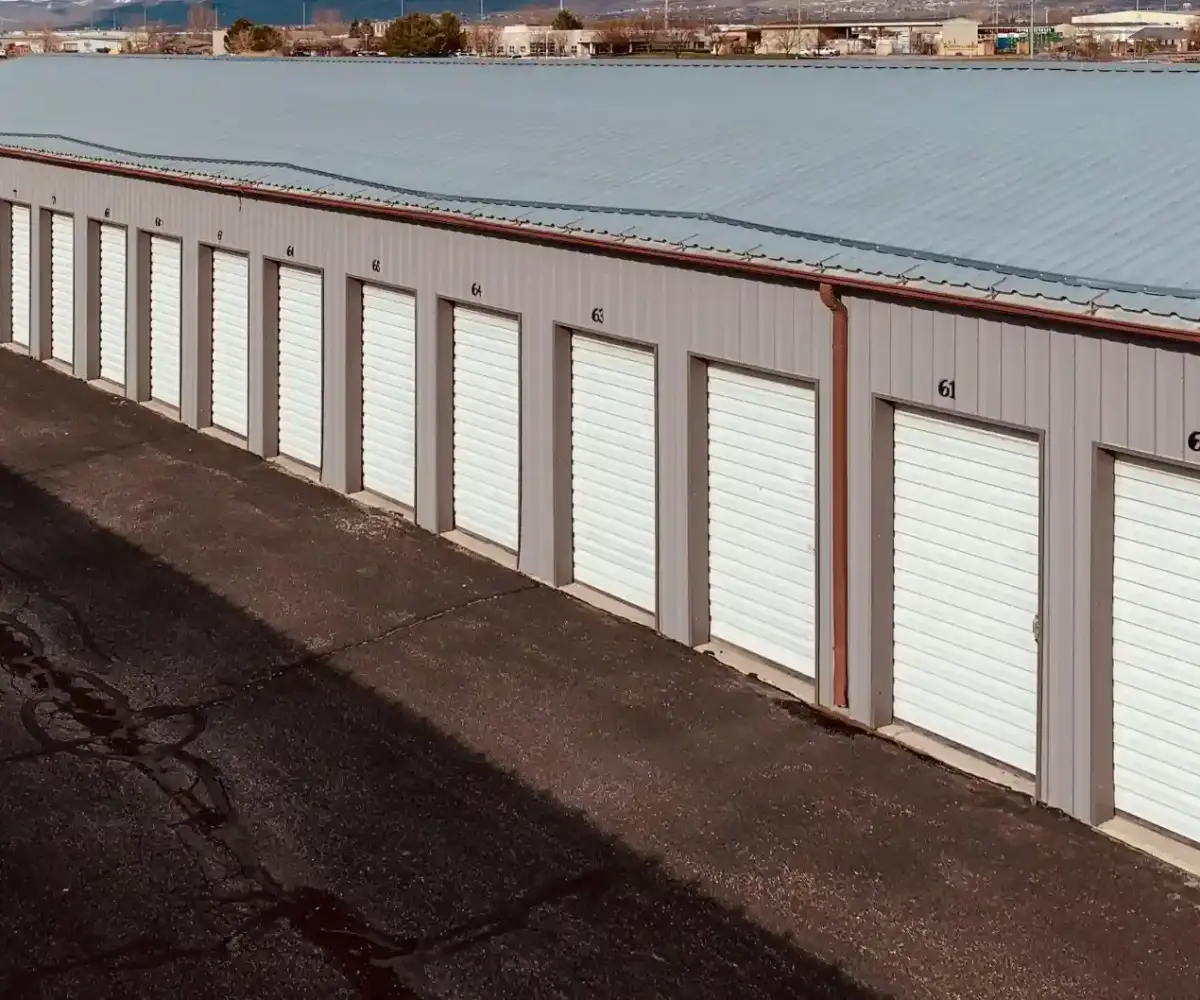
Choosing between indoor and outdoor self storage depends on what you’re storing, how often you need access, and how much protection you want. Indoor storage units provide climate control, privacy, and strong security, ideal for valuables and sensitive items.
Outdoor storage units, meanwhile, offer larger spaces, drive-up convenience, and lower costs for vehicles, equipment, and bulk goods.
When it comes to indoor vs outdoor storage, the right option depends on your budget and how you plan to use it. If you value accessibility and space, go with outdoor self-storage. If safety and protection from the elements matter most, choose indoor storage facilities for a secure, controlled environment.
Understanding the Difference Between Indoor and Outdoor Self Storage Options
Indoor self-storage units are located inside secured buildings and provide an extra layer of protection from weather, dust, and temperature changes. These climate-controlled self storage units are ideal for storing sensitive items like furniture, electronics, and documents.
Many indoor storage facilities across the U.S. also include features like 24/7 surveillance and keypad access for added security.
Outdoor self-storage units, on the other hand, are ground-level spaces with drive-up access, making loading and unloading easy. They’re perfect for boat storage, vehicles, trailers, and large equipment that require quick entry and exit.
Outdoor storage offers more space and lower costs compared to indoor storage, making it a practical choice for those who need frequent access and larger storage capacity.
Key Differences in Design, Access, and Use Cases
While both types offer secure storage, their layouts, pricing, and intended uses differ. Here’s a breakdown of the main distinctions to help you choose which fits your needs best:
| Feature | Indoor Self Storage | Outdoor Self Storage |
| Location | Inside a multi-story facility with hallways and elevators | Garage-style units located outdoors |
| Access | Enter through an interior door or elevator | Drive directly to your unit for loading/unloading |
| Climate Control | Commonly available for temperature and humidity-sensitive items | Rare, typically exposed to outdoor conditions |
| Security | Multi-layered with cameras, controlled entry, and staff presence | Secured by fencing, gates, and surveillance |
| Lighting & Cleanliness | Well-lit, insulated, and pest-controlled | May accumulate dust or debris over time |
| Convenience | Best for occasional access and long-term storage | Ideal for frequent access or large items |
| Ideal Use | Furniture, electronics, documents, antiques | Vehicles, trailers, tools, and business inventory |
Key Aspects:
- Indoor storage focuses on protection and climate stability, making it suitable for long-term or delicate items like furniture, electronics, and artwork.
- Outdoor storage emphasizes accessibility and affordability, perfect for users who need to move large items or visit frequently.
- Both offer secure, weather-resistant environments, but indoor units are best for preservation, while outdoor units are best for practicality.
Benefits of Indoor Self Storage Units
Indoor self storage offers a protected, climate-stable, and private environment, making it ideal for both personal and business use. Unlike outdoor units, these spaces are housed within secure buildings that regulate temperature, limit dust, and control access.
They’re perfect for storing valuables, delicate items, or long-term possessions that need consistent care.
Indoor storage particularly benefits users who prioritize security, cleanliness, and preservation over quick drive-up convenience. Whether for household items, office records, or electronics, these units provide a level of protection that outdoor spaces can’t match.
Better Air Quality and Dust Control
Indoor self storage facilities are sealed and climate-stabilized, creating a much cleaner environment than outdoor units. Since they’re enclosed within large, maintained buildings, they’re less exposed to dust, dirt, and airborne pollutants that can accumulate over time.
The U.S. Environmental Protection Agency (EPA) notes that proper air handling requires sealing all ducts, air handlers, and filter boxes to maintain indoor air quality, the same principle applied in well-built, climate-controlled storage facilities. Key advantages include:
- Sealed hallways and filtered air systems that minimize dust, pests, and allergens.
- Reduced airborne debris, protecting furniture fabrics, wood finishes, and metal surfaces from deterioration.
- Better protection for sensitive belongings such as electronics, artwork, textiles, or paper documents that degrade in dirty or humid environments.
- Routine cleaning and pest control maintained by on-site staff to ensure long-term cleanliness.
This controlled environment makes indoor storage the preferred option for long-term renters who want to preserve the condition and value of their belongings.
More Privacy and Indoor Monitoring Systems
Privacy and discretion are major advantages of indoor storage. Unlike outdoor units that open directly to public driveways, indoor units are enclosed behind locked entry points, adding an extra layer of security and confidentiality. Key benefits include:
- Units shielded from public view, keeping contents private and reducing unwanted attention.
- Access restricted to authorized renters, controlled through keypads, access cards, or smart locks.
- Advanced monitoring systems, including security cameras, motion sensors, and alarmed corridors that detect unusual activity.
- Staff oversight and access logs that ensure every entry is documented and traceable.
These privacy-focused features make indoor storage ideal for individuals or businesses storing personal valuables, confidential documents, or collectible items.
Climate Control and Weather Protection for Delicate Items
Climate-controlled indoor units maintain stable conditions year-round, protecting items from temperature swings and humidity damage. This feature is essential for materials that warp, rust, or crack when exposed to uncontrolled environments. Advantages include:
- Steady temperatures (usually 55°F–80°F) and regulated humidity to prevent mold or condensation.
- Protection from seasonal extremes, keeping belongings safe during hot summers or freezing winters.
- Preservation of sensitive materials, including antiques, electronics, fine art, wood furniture, and leather goods.
- Prevention of common damage such as cracking, fading, and corrosion that often occurs in outdoor or garage storage.
For collectors, musicians, or professionals storing precision instruments and archives, climate control ensures items remain in excellent condition over long periods.
Enhanced Security Features and Controlled Access
Indoor storage facilities typically have multi-layered, 24-hour security systems, combining technology and staff oversight to provide unmatched safety for tenants and their belongings. Its features include:
- Individual keypad codes or digital smart locks that limit entry to verified renters only.
- Comprehensive CCTV monitoring across hallways, elevators, and main entry points.
- Alarmed corridors and motion detectors that immediately alert staff to unusual activity.
- On-site managers or patrol teams who perform regular inspections and provide quick response in emergencies.
This combination of human presence and digital surveillance significantly reduces theft and vandalism risks, offering tenants complete peace of mind when storing high-value or irreplaceable items.
Ideal for Electronics, Documents, and Antiques
Indoor self storage is the best environment for storing items that are sensitive to temperature, humidity, dust, or light exposure. The stable indoor conditions and controlled climate create a safe setting for valuables that could easily be damaged in garages, attics, or outdoor units.
This makes indoor storage particularly suitable for homeowners, collectors, and small business owners managing long-term assets or archives.
Here’s how different types of items benefit from indoor storage protection:
| Item Type | Why Indoor Storage Works Best |
| Electronics | Indoor storage prevents overheating, condensation, and corrosion. Devices like computers, speakers, and power tools remain in good working order thanks to stable humidity and temperature levels. |
| Paper Files & Archives | Controlled air quality keeps paper from yellowing, curling, or developing mold. It’s the ideal solution for storing business records, contracts, or family documents safely over time. |
| Antiques & Collectibles | Consistent climate conditions help preserve finishes, fabrics, and delicate materials. Indoor units protect from rust, wood warping, and fading caused by outdoor humidity or UV exposure. |
| Artwork or Photographs | Indoor spaces shield artwork, canvases, and photo prints from light, dust, and moisture. Climate control maintains color vibrancy and prevents cracking or mildew growth. |
In short, indoor self storage offers the preservation quality of a climate-controlled archive, keeping your most valuable and fragile possessions safe, clean, and stable, no matter the season.
It’s the preferred choice for those who value long-term protection and want their belongings to stay in pristine condition.
Advantages of Outdoor Self Storage Units
Outdoor self storage units are built for convenience, accessibility, and space efficiency, making them an excellent choice for users who need frequent access or have large, heavy equipment.
These garage-style units feature roll-up doors that open directly to the driveway, allowing vehicles to pull right up for easy loading and unloading.
Unlike indoor units that require elevator access or hallway navigation, outdoor storage gives tenants the freedom to come and go quickly, perfect for contractors, small business owners, landscapers, or anyone managing bulky or high-turnover inventory.
Faster Access for Frequent Use
One of the greatest benefits of outdoor storage is time savings. Tenants can drive directly to their unit, eliminating the need for long walks, elevators, or hallways. Key advantages include:
- Drive-up convenience: Load and unload directly from your vehicle or trailer.
- Efficient workflow: Perfect for rotating crews or businesses with daily access needs.
- No interior restrictions: Large tools, pallets, or equipment can be moved without height or width limits.
- Time savings: Reduces downtime during early-morning setups or late returns.
This makes outdoor storage a highly practical solution for busy professionals who need fast access multiple times per week.
Simpler for Contractors and Small Businesses
For contractors, landscapers, or small business operators, outdoor self storage units act as mini workshops or satellite yards, offering ample room for both equipment and supplies. Common items stored include:
- Power tools, compressors, and ladders.
- Spare parts, materials, or pallets of inventory.
- Work vehicles, trailers, or machinery attachments.
- Seasonal supplies or trade-specific equipment.
With wide drive aisles and easy maneuvering space, outdoor units simplify daily operations. Crews can quickly pick up what they need, reducing delays and keeping worksites organized.
Easy Drive-Up Access for Loading and Unloading
Outdoor self storage eliminates the physical strain of hauling heavy items through corridors or elevators. Benefits include:
- Ground-level loading: Drive your vehicle or trailer directly up to the door.
- Reduced labor: No need for carts, elevators, or long carry distances.
- Better for frequent use: Ideal for businesses or households that rotate equipment often.
- Flexible operation hours: Many facilities offer extended or 24/7 access for convenience.
This layout is especially useful for moving contractors, real estate professionals, or maintenance teams that rely on fast loading and unloading.
Lower Cost and Greater Space Efficiency
Outdoor units generally cost less per month than indoor storage while providing more usable square footage. Without hallways or multi-level layouts, every inch of your unit is accessible.
| Comparison | Indoor Units | Outdoor Units |
| Average Cost | $100–$200/month | $75–$175/month |
| Space Efficiency | Limited by hallways and interior walls | Full square footage available |
| Accessibility | Requires interior entry or elevators | Direct drive-up access |
| Best Use | Climate-sensitive valuables | Vehicles, tools, machinery |
Outdoor units deliver more space for less money, making them a cost-effective option for businesses managing larger equipment or multiple vehicles.
Ideal for Large Equipment, Vehicles, and Trailers
Outdoor self storage is built to handle what indoor units can’t, large-scale or mobile assets that need space and frequent movement. It is perfect for storing:
- RVs, boats, and commercial trailers that don’t require climate protection.
- Landscaping, construction, or maintenance machinery like mowers, skid steers, and loaders.
- Seasonal business inventory such as snow plows, signage, or spare fleet vehicles.
- Fleet parking for companies that rotate service trucks or vans daily.
With reinforced pavement, wide drive lanes, and strong security, outdoor self storage offers the best balance between affordability, size, and accessibility for heavy-duty or high-traffic storage needs.
Indoor vs Outdoor Self Storage Cost Comparison: Which Is More Affordable?
The cost of self storage depends on location, amenities, size, and security features, but the biggest price difference typically lies between indoor and outdoor units.
Outdoor units tend to be more affordable, offering greater space per dollar, while indoor units, especially climate-controlled, provide better protection for valuable or delicate belongings.
Understanding what you’re paying for helps determine which option offers the best value and return on investment (ROI) for your specific needs.
Average Monthly Rates in the U.S.
Below is a general breakdown of average monthly pricing for common storage types across the United States:
| Storage Type | Ideal For | Average Monthly Cost |
| Indoor (Standard) | Furniture, boxes, household items, documents | $156–$215 |
| Climate-Controlled (Indoor) | Electronics, antiques, photographs, valuables | $150–$250 |
| Outdoor (Drive-Up) | Tools, vehicles, machinery, business inventory | $50–$150 |
Outdoor storage is more affordable upfront, while indoor and climate-controlled units deliver long-term value by preventing damage, replacement costs, and insurance claims.
Factors That Affect Pricing (Location, Size, Amenities)
Several factors can influence what you pay for storage each month. Understanding these variables can help you choose the most cost-effective option without sacrificing quality or security.
- Location: Facilities in urban centers or high-traffic corridors command higher rates due to convenience and accessibility. According to the U.S. Department of Transportation, commuters in large cities lose about $1,080 per year to congestion, showing why paying a little more for a nearby facility can save time, fuel, and travel costs overall.
- Size: Larger units, such as 10×20 or outdoor parking spaces, naturally cost more but provide better flexibility for bulky equipment or vehicles.
- Climate Control: Adds approximately 15–30% to monthly rates but protects sensitive belongings from heat, cold, or humidity, worth it for long-term storage.
- Access Hours: Facilities offering 24/7 access or drive-up convenience may charge slightly more due to increased staffing and lighting requirements.
- Security Features: Gated entry, CCTV cameras, smart locks, and on-site staff increase safety but add a small premium, often around $10–$30 per month.
Balancing Cost vs. Protection Needs
Finding the right storage option isn’t just about choosing the lowest price, it’s about balancing budget, convenience, and long-term protection.
- Choose indoor or climate-controlled units if you’re storing delicate, high-value, or temperature-sensitive items such as furniture, electronics, documents, or antiques.
- Choose outdoor units if you’re storing bulky, durable, or frequently accessed items like vehicles, tools, or construction equipment.
- Balance cost and distance, sometimes paying a bit more for a nearby, secure facility saves time, fuel, and potential damage costs in the long run.
Ultimately, outdoor storage provides affordability and convenience, while indoor storage offers premium protection and stability, making your ideal choice dependent on what you value most: cost efficiency or preservation quality.
Which Type of Self Storage Offers Better Security?
Security is one of the most important factors when choosing between indoor and outdoor self storage. Both options can be safe, but indoor facilities typically offer more controlled entry points, advanced monitoring systems, and on-site management, while outdoor units rely more on perimeter security and lighting to deter threats.
The right choice depends on the type of items you’re storing, your comfort level, and how much access you require.
Typical Security Features in Indoor Units
Indoor self storage facilities generally have multi-layered protection, combining restricted access, digital monitoring, and personnel oversight. These systems work together to prevent unauthorized entry and safeguard stored belongings. Key features often include:
- Controlled Building Access: Entry into the facility requires a personal keypad code, keycard, or smart app access, limiting who can enter common areas and hallways.
- Locked Corridors and Unit Doors: Units are accessible only from secured interior corridors, providing an extra layer of separation from the outside environment.
- CCTV Surveillance: Cameras cover hallways, elevators, and access points, allowing 24/7 monitoring and quick incident response.
- Individual Alarms: Many high-end facilities offer individual unit alarms that alert staff if a specific door is opened without authorization.
- On-Site Management and Patrols: Having personnel present during operating hours ensures faster response to any suspicious activity or maintenance issues.
Together, these features make indoor storage ideal for high-value items, documents, or electronics that require consistent oversight and controlled access.
Outdoor Storage Security Enhancements (Fencing, Cameras, Lighting)
While outdoor units offer easier access, they rely heavily on perimeter and environmental security systems to ensure safety. Well-designed facilities use multiple deterrents to protect valuable tools, vehicles, or trailers stored in open or semi-open spaces. Below are the core features that strengthen outdoor storage security:
- Fencing & Gated Entry: Defines the perimeter and restricts unauthorized access using keypad or card-operated gates.
- Lighting Systems: Bright LED lighting improves nighttime visibility and discourages trespassing or vandalism.
- CCTV Surveillance: Cameras continuously monitor drive aisles, access gates, and outdoor parking areas 24/7 to capture any suspicious activity.
- Digital Access Control: Records every entry and exit through secure gate systems, providing an auditable trail of user access for enhanced accountability.
- Motion Sensors & LPR Systems: Advanced facilities integrate motion detectors and License Plate Recognition (LPR) systems for added oversight and real-time tracking of vehicles entering or leaving the premises.
High-quality outdoor facilities also use motion sensors and license plate recognition (LPR) systems, giving contractors or frequent users an added level of confidence when leaving large equipment or vehicles overnight.
How Facility Quality Influences Overall Safety
The difference between an average and a professional facility often lies in maintenance, staffing, and system reliability.
- Regular patrols and active on-site management drastically reduce theft and vandalism rates.
- Modern alarm systems and well-maintained lighting make a visible difference in deterrence.
- Clear signage and organized site layouts also contribute to safer operations, guiding traffic flow and minimizing blind spots.
In short, facilities that invest in technology and trained personnel offer far stronger protection than those relying solely on locks and cameras.
Insurance and Liability Considerations
Even with the best security systems, having the right insurance coverage is essential for complete protection.
- Maintain your own insurance policy (homeowner’s, renter’s, or business) that includes off-site storage coverage.
- Check for tenant insurance options, most professional facilities, including RecNation, offer add-on coverage for theft, fire, or natural disasters.
- Confirm vehicle storage terms, ensure liability coverage applies to parked cars, RVs, or trailers stored long-term.
Reliable insurance and transparent documentation not only protect your assets but also make claims faster and smoother in the rare event of an incident.
Choosing the Right Option Based on What You’re Storing
Selecting between indoor and outdoor self storage largely depends on what you’re storing, how often you need access, and how sensitive your items are to temperature, humidity, or exposure. The ideal choice balances protection, accessibility, and long-term cost efficiency.
Before making a decision, think about whether your priority is convenience and space or controlled protection and preservation.
Storage Type Comparison
Here’s a quick overview showing which type of storage works best for different needs:
| Storage Type | Best For | Key Benefit |
| Indoor Units | Furniture, documents, antiques, electronics, collectibles | Superior protection, privacy, and climate control |
| Outdoor Units | Tools, vehicles, heavy gear, trailers, contractor equipment | Easy access, drive-up convenience, and lower cost |
Indoor storage suits those who value preservation and security, while outdoor storage benefits users who need quick, frequent access or space for large equipment.
Climate Needs and Frequency of Access
Choosing the right type of storage depends on how often you plan to visit your unit and how sensitive your belongings are to temperature and humidity. Matching your access frequency with the right environment keeps items protected and easy to retrieve.
Frequent Access
If you regularly load, unload, or rotate items, outdoor drive-up storage units are the most convenient choice. You can park directly at your door, saving time and effort. These units are ideal for:
- Contractors and tradespeople needing quick daily access
- Small business owners managing inventory or supplies
- Frequent movers or seasonal users rotating equipment
Occasional or Long-Term Storage
If you won’t visit your unit often and want items to stay in top condition, indoor or climate controlled units are the better choice. They maintain steady temperature and humidity to prevent:
- Warping or cracking in wood and furniture
- Rust or corrosion on metal items and tools
- Damage to electronics, documents, and artwork
Regional Climate Considerations
Your local climate also affects which type of unit makes the most sense. Here’s a quick comparison:
| Region Type | Recommended Storage Option | Reason |
| Hot or Humid Regions (e.g., Florida, Texas) | Indoor or Climate-Controlled | Prevents mold, rust, and warping from heat and moisture |
| Cool or Dry Regions (e.g., Arizona, Nevada) | Outdoor | Cost-effective with minimal humidity-related risks |
| Cold or Wet Regions (e.g., Midwest, Northeast) | Indoor | Protects against freezing, condensation, and corrosion |
Storage Duration and Item Sensitivity
How long you plan to store your items and how fragile they are should further guide your decision. Short-term users may prioritize accessibility and affordability, while long-term users benefit more from climate stability and enhanced protection.
| Storage Duration / Item Type | Recommended Option | Reason |
| Short-Term (weeks to months) | Outdoor Unit | Affordable, easily accessible, and ideal for frequent loading or unloading. |
| Long-Term (6+ months) | Indoor or Climate-Controlled Unit | Offers superior protection from heat, humidity, and environmental wear. |
| Sensitive Items (art, antiques, electronics) | Indoor | Maintains stable temperature and humidity, preventing deterioration. |
| Durable Goods (tools, vehicles, machinery) | Outdoor | Built to withstand varying weather and frequent use. |
In summary, indoor storage units are best for long-term or high-value possessions requiring preservation, while outdoor units provide greater flexibility, space, and cost efficiency for frequent access or durable equipment.
Common Mistakes When Choosing Between Indoor and Outdoor Storage
Selecting between indoor and outdoor self storage seems straightforward, but overlooking certain factors can lead to damaged items, wasted money, or daily inconvenience.
Many renters make the mistake of focusing only on cost or location without considering climate conditions, security levels, and access frequency. To make the best decision, take time to choose the facility type that matches your belongings, access habits, and local weather.
Underestimating Climate or Security Needs
Many people assume all storage spaces offer equal protection, but outdoor units face temperature swings and humidity exposure that can damage sensitive items.
Avoid these mistakes:
- Storing delicate items like furniture, electronics, or documents in outdoor, unconditioned units.
- Failing to confirm security features such as CCTV coverage, alarmed units, and fenced perimeters.
- Overlooking onsite staff or active patrols that improve safety.
- Ignoring humidity risk in coastal regions where climate-controlled storage is essential.
Choosing a facility with stable temperature, monitored access, and good air quality protects your belongings from avoidable wear and loss.
Choosing Based Only on Price
A low monthly rate might seem appealing but can hide issues like weak security or poor maintenance.
Avoid these mistakes:
- Selecting the cheapest option without checking for lighting, surveillance, or pest control.
- Ignoring the value of climate control that prevents moisture or heat damage.
- Overlooking staff management and on-site assistance that improve safety.
- Skipping an in-person visit before signing a lease.
Paying slightly more for a reputable, well-secured facility can save far more in avoided damage and stress.
Ignoring Access Frequency or Vehicle Size
Your storage unit should match how often you visit and the type of items you store.
Avoid these mistakes:
- Renting upper-level indoor units for items you need to access daily.
- Choosing small units that make loading or unloading difficult.
- Overlooking drive-up convenience for vehicles or large tools.
- Forgetting to measure turning space or entry clearance for trucks or trailers.
Selecting the right unit size and layout saves time and prevents logistical problems during frequent access.
Furniture, Electronics, and Household Belongings
Indoor units provide a stable, secure environment that protects delicate household items.
Avoid these mistakes:
- Leaving wooden or upholstered furniture exposed to outdoor humidity or heat.
- Storing electronics where condensation or dust can accumulate.
- Keeping photos, textiles, or documents in non-climate-controlled spaces.
- Ignoring ventilation and air quality when choosing a unit.
Indoor storage reduces exposure to temperature swings, pests, and pollutants, helping household goods last longer.
Tools, Construction Equipment, and Business Inventory
Outdoor storage suits contractors and small businesses but still requires careful planning.
Avoid these mistakes:
- Using indoor units for bulky tools, scaffolding, or heavy machinery.
- Forgetting to verify ground reinforcement for vehicle weight.
- Storing materials without pest deterrents or weather protection.
- Overlooking access width for trucks and trailers.
Outdoor storage offers convenience for frequent loading, but organization and surface quality remain key to efficiency.
Cars, RVs, Boats, and Trailers
Vehicles and recreational equipment need extra space, airflow, and clearance compared to typical storage units. Along with these large assets, acknowledging the essentials you can store in units, such as tools, seasonal gear, and smaller equipment, helps you plan and organize space safely and efficiently.
Avoid these mistakes:
- Choosing uncovered lots without UV or weather protection.
- Parking in unmonitored or unfenced yards prone to theft.
- Ignoring airflow, drainage, and ground slope in the storage area.
- Skipping insurance or photographic documentation for high-value vehicles.
According to the National Insurance Crime Bureau (NICB), cargo theft losses rose 27% in 2024 and are projected to increase another 22% in 2025, emphasizing the need for gated entry, lighting, and 24/7 surveillance in outdoor vehicle storage.
While these figures refer to commercial cargo, they underscore how unsecured outdoor areas remain high-risk environments, making gated access, lighting, and active surveillance essential for vehicle and trailer storage.
Long-Term vs Short-Term Storage: Should You Choose Indoor or Outdoor?
Choosing between indoor or outdoor storage often depends on how long you plan to keep your items and how often you’ll need access. Each option offers distinct advantages, outdoor container storage delivers unmatched convenience and affordability for short-term use, while indoor storage facilities provide long-term protection, stability, and peace of mind.
Cost Efficiency Over Time
When evaluating storage costs, it’s important to look beyond the monthly rate and consider how the total expense adds up over time.
For short-term storage (a few weeks to a few months):
- Outdoor units are more cost-effective, offering lower monthly rates and easier access.
- Ideal for seasonal storage, short renovation projects, or temporary relocations.
For long-term storage (6+ months to several years):
- Indoor units save money in the long run by preventing damage from humidity, pests, or temperature swings.
- Reduced maintenance and fewer replacements mean better long-term ROI, even if the monthly rate is slightly higher.
| Storage Duration | Best Option | Why It Works Best |
| 1–3 Months | Outdoor | Lower cost, fast drive-up access |
| 3–12 Months | Either | Depends on item sensitivity and access frequency |
| 1 Year+ | Indoor | Protects valuables, reduces long-term wear |
Maintenance and Condition of Stored Items
The longer your items stay in storage, the more important preservation becomes.
Indoor Storage Advantages:
- Requires minimal maintenance, clean, dry, and temperature-stable environments prevent corrosion, mold, or fading.
- Best for items like furniture, documents, electronics, and antiques, which can degrade over time if exposed to heat or moisture.
- Keeps belongings dust-free and protected from pests or condensation.
Outdoor Storage Considerations:
- Exposed to temperature changes, rain, and dust, which may affect vehicles, tools, or machinery.
- Regular inspections help maintain item condition, check tire pressure, battery health, and covers for vehicles.
- Using protective covers, pallets, or desiccant packs can extend durability during storage.
In short: indoor units preserve value, while outdoor units require active upkeep.
Access Frequency and Convenience Factors
Your decision should also align with how often you plan to access your stored items.
Outdoor Storage Wins for Frequent Access:
- Drive-up convenience makes it ideal for contractors, landscapers, or small businesses that load and unload daily.
- Saves time by allowing vehicles to pull directly up to the unit, reducing physical strain and loading time.
- Perfect for rotating inventory, seasonal equipment, or active vehicle storage.
Indoor Storage Wins for Long-Term or Sensitive Items:
- Offers superior protection for belongings that aren’t accessed frequently.
- Climate control and secure hallways ensure your valuables stay safe between visits.
- Ideal for long-term personal storage, archived files, or collectibles.
| Priority | Choose Indoor Storage If… | Choose Outdoor Storage If… |
| Cost | You’re storing for 6+ months and want long-term savings | You need short-term, affordable space |
| Condition | You’re storing climate-sensitive or delicate items | You’re storing durable or weatherproof equipment |
| Access | You visit rarely or store items for safekeeping | You need quick, frequent access for daily use |
RecNation Tip: For short-term or high-turnover use, outdoor self storage provides unbeatable accessibility at a lower price. But for long-term peace of mind, especially for valuables, documents, or delicate materials, indoor storage offers better preservation, less maintenance, and greater overall value.
How to Decide Whether Indoor or Outdoor Self Storage Is Better for You
Choosing between indoor and outdoor self storage depends on your budget, item type, climate, and how often you’ll need access. Both storage types serve different needs, indoor units offer comfort and protection, while outdoor units emphasize convenience and affordability.
By weighing your priorities, you can find a storage solution that maximizes value and minimizes hassle.
Budget, Security, and Space Priorities
Your decision should begin with three key considerations: budget, security, and accessibility. Each factor influences how well the storage unit fits your lifestyle or business needs. When deciding:
- Compare cost vs. distance to your main route: A slightly pricier facility located closer to your home or jobsite can save significant time and fuel costs.
- Evaluate security features: Look for gated entry, video monitoring, keypad access, and on-site staff presence.
- Consider access frequency: If you’ll visit your unit multiple times per week, outdoor drive-up access is more practical. For long-term safekeeping, indoor storage offers better control and comfort.
- Measure space efficiency: Outdoor units allow full use of floor area, ideal for vehicles and large items, while indoor units offer vertical storage and environmental protection for smaller goods.
In short, choose outdoor for accessibility and cost savings; choose indoor for protection and peace of mind.
Type of Items and Climate Conditions in Your Area
The climate where you live plays a major role in determining the best type of storage. Heat, humidity, and freezing temperatures can all affect how well your belongings hold up over time.
Here’s a quick regional guide:
| Region Type | Best Storage Option | Reason |
| Hot / Humid (e.g., Florida, Texas) | Indoor, Climate-Controlled | Prevents moisture, mold, and heat-related damage to furniture, electronics, and documents. |
| Dry / Moderate (e.g., Arizona, Nevada) | Outdoor | Lower humidity allows cost-effective outdoor storage with minimal climate risk. |
| Cold / Wet (e.g., Midwest, Northeast) | Indoor | Protects vehicles and sensitive materials from freezing, condensation, and rust. |
Tip: Even in moderate climates, outdoor users should use pallets, covers, and desiccant packs to add protection for long-term storage.
Working With a Professional Facility Like RecNation for the Right Fit
Once you’ve determined your needs, partner with a facility that can provide a mix of both indoor and outdoor options. RecNation specializes in flexible, contractor- and vehicle-friendly storage spaces designed for security, convenience, and long-term value. RecNation’s facilities include:
- 24/7 gated and camera-monitored access for peace of mind.
- Climate-controlled indoor spaces for electronics, antiques, and temperature-sensitive materials.
- Wide-drive outdoor parking for RVs, boats, work trailers, and fleets.
- Flexible leasing options that scale with your timeline, project size, or storage volume.
- Professional on-site management for quick assistance and maintenance.
Whether you need a short-term drive-up unit or a long-term indoor solution, RecNation helps you choose the right balance between cost, security, and accessibility, ensuring your belongings stay protected and ready when you need them.
Final Thoughts: Choosing the Right Storage Option
The choice between indoor and outdoor self storage depends on what you’re storing and how often you need access. Outdoor units offer easier loading and lower costs, ideal for vehicles, tools, and frequent use. Indoor units provide better climate control and security for valuables, antiques, and documents.
Whichever you choose, a well-managed facility makes all the difference. With gated access, 24/7 surveillance, and flexible leases, RecNation offers both indoor and outdoor self storage units designed for safety, convenience, and peace of mind.
The best storage isn’t just about space, it’s about keeping your belongings protected, organized, and ready whenever you need them.
Frequently Asked Questions
Is outdoor storage safe from the elements?
Yes, most outdoor storage facilities are built to provide strong protection from the elements with sealed doors and durable construction. Still, fragile items are better kept in indoor storage units.
What items are best for outdoor storage?
Outdoor self-storage units are ideal for larger storage needs like RVs, boats, trailers, and construction tools. They’re best suited for items that don’t require climate-controlled storage.
When should I choose an indoor unit instead of outdoor?
If you’re renting a storage unit for valuables or climate-sensitive belongings, indoor storage would be a better option. It provides stable conditions, security, and privacy compared to outdoor storage.
Are outdoor storage units more affordable than indoor ones?
Yes, outdoor storage units are typically larger than indoor units and cost less monthly. They’re a great choice when you need extra space storage for vehicles, trailers, or business supplies.
Which storage option provides the best experience?
Both indoor and outdoor storage have benefits. Indoor storage offers comfort and control, while outdoor self-storage provides convenience and space, the best choice depends on your storage needs.