
What is a Vehicle Storage Facility? Types, Features, and Benefits Explained
Vehicle storage facilities keep cars, RVs, boats, and trailers safe from theft, damage, and weather. From climate-controlled indoor units to affordable outdoor lots, finding the right option ensures your investment is protected and ready when you need it.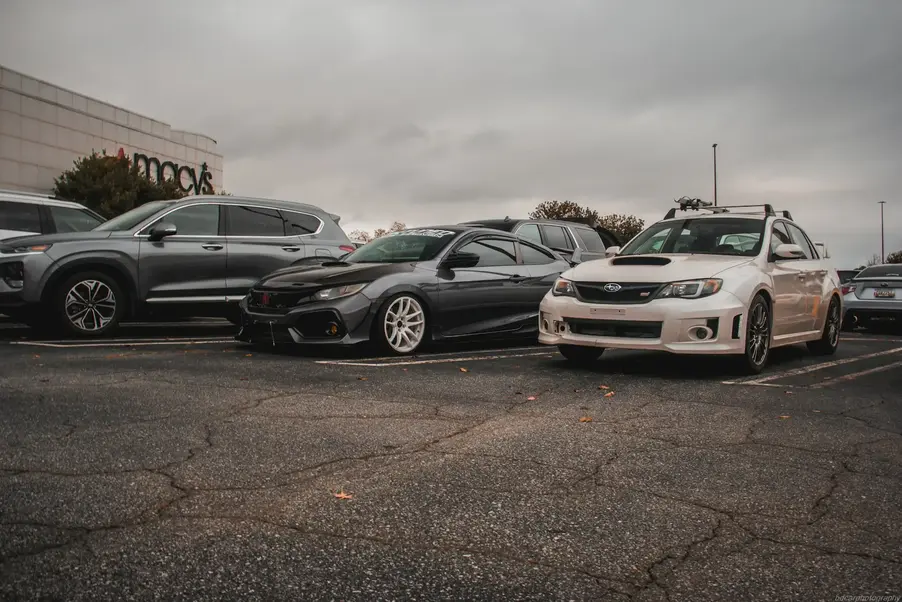
Looking for a secure place to park your car, truck, RV, or motorcycle? A vehicle storage facility is designed exactly for that purpose, giving every vehicle owner a safe and convenient way to store their investment.
These storage facilities offer a mix of indoor, outdoor, and covered parking options to suit different budgets and vehicle types, from compact cars to oversized RVs. Choosing the right vehicle storage solution not only provides a dedicated parking space but also helps protect your vehicle from weather, theft, and long-term damage.
Many locations function like specialized self storage, offering flexible storage units for cars, motorcycles, or recreational vehicles. With 24/7 surveillance, gated entry, and convenient access hours, these storage options are a practical choice for both short-term and long-term needs.
Defining a Vehicle Storage Facility: What It Means for Vehicle Owners
A vehicle storage facility is more than just a parking lot; it’s a purpose-built property specifically designed to house cars, RVs, boats, trailers, motorcycles, and other specialty vehicles in a secure, organized, and well-maintained environment.
These facilities cater to both individual owners and businesses that need extra space or can’t store their vehicles at home.
Unlike parking in a driveway, garage, or on a public street, professional facilities are built with vehicle-specific needs in mind. They often include:
- Wide drive aisles to allow maneuvering of large RVs, campers, or trailers without risk of damage.
- Reinforced surfaces (such as concrete or asphalt) that can withstand heavy weights from Class A motorhomes, trucks, or boats on trailers.
- Strong perimeter fencing and gated entry systems to keep vehicles secure and control who enters the property.
- 24/7 surveillance cameras or on-site personnel to reduce theft and vandalism risks.
- Climate-controlled indoor units for vehicles that require long-term preservation against humidity, temperature swings, and dust.
The goal of these facilities is simple yet crucial: to protect vehicles from threats such as weather damage, pests, theft, vandalism, and even HOA or city restrictions that prohibit oversized vehicles from being kept in residential areas.
For owners, this means their investment is safeguarded while also being readily accessible for road trips, seasonal adventures, or daily use.
In many ways, a vehicle storage facility functions as an “extension of your garage,” but on a much larger, more specialized scale. It provides not only the space but also the infrastructure and security features necessary to keep vehicles safe, well-maintained, and road- or water-ready when you need them most.
Types of Vehicle Storage Facilities
Not all storage options are created equal. Vehicle storage facilities are designed to accommodate different needs, budgets, and vehicle types, which means you’ll usually see three main categories; indoor, outdoor, and covered storage. Each offers a distinct balance of cost, protection, and convenience.
Indoor Vehicle Storage Facilities (Climate-Controlled Units)
Indoor storage is the premium option for vehicle owners who want the highest level of protection, commonly known as enclosed vehicle storage. Vehicles are parked inside enclosed buildings often behind roll-up doors where both temperature and humidity are carefully regulated.
This stable environment protects against rust, fading, mold, and mechanical wear that can result from long-term exposure to the elements.
Indoor facilities are especially popular with:
- Classic and vintage car collectors who need to preserve originality and market value.
- Luxury and high-performance vehicle owners who want to avoid even minor environmental damage.
- Motorcycle, ATV, and specialty vehicle owners whose machines have delicate finishes or sensitive electronics.
- Long-term storage clients keeping vehicles parked for months or years without use.
The benefits of indoor climate-controlled storage include:
- Superior weather protection: Vehicles are insulated from extreme cold, heat, moisture, and storms.
- Security and privacy: Indoor units provide an extra barrier beyond the facility gate, often with individual locks. Vehicles are also hidden from public view, reducing theft risks.
- Preservation of materials: Leather, plastics, electronics, and paint finishes remain in better condition when stored in a stable indoor climate.
There are also trade-offs of indoor storage:
- Higher costs: Indoor units are more expensive due to added construction and climate-control requirements. Structured parking costs $10,000–$25,000 per space, compared with $3,500–$5,000 for surface lots (VTPI).
- Limited availability: Climate-controlled spots are in high demand and may not always be available, especially in urban areas.
- Size restrictions: Some facilities may not be able to accommodate oversized RVs, trailers, or boats indoors.
Despite the cost, many owners view indoor storage as an investment. By avoiding expensive repairs, paint corrections, or depreciation caused by weather damage, climate-controlled storage can often save money long-term for high-value vehicles.
Outdoor Vehicle Storage Yards (Open-Air Parking)
Outdoor vehicle storage yards are the most budget-friendly and widely available option. In this setup, vehicles are parked in designated open-air spaces within a secured and fenced property.
Facilities usually include perimeter fencing, locked gates, security cameras, and bright floodlighting to provide a baseline level of safety. Some premium yards also employ on-site staff or patrols to further reduce risks of theft or vandalism.
Because of their affordability and simplicity, outdoor yards are a popular choice for:
- RVs and campers that are too large for residential driveways or prohibited by HOA rules.
- Boats and trailers used only during certain seasons.
- Daily-use cars or trucks that still need safe off-street storage.
- Fleet vehicles owned by small businesses that require centralized parking at low cost.
The advantages of outdoor storage include:
- Low monthly costs: This is typically the cheapest way to store a vehicle, often starting around $75–$150/month.
- Ample space: Outdoor lots can accommodate vehicles of nearly any size, including large trailers, RVs, and commercial trucks.
- Convenience: With no walls or doors, maneuvering in and out is fast and straightforward ideal for vehicles that see regular use.
Some of the trade-offs to consider are:
- Weather exposure: Vehicles remain exposed to sun, rain, snow, and hail. Over time, this can lead to faded paint, cracked seals, flat tires, or rust.
- Temperature swings: Outdoor storage offers no insulation from extreme heat or cold, which can affect batteries and fluids.
- Extra prep required: Owners often need to use breathable covers, wax coatings, wheel chocks, or fuel stabilizers to protect vehicles during extended storage.
For many owners, outdoor storage is a practical short-term or seasonal solution. It works well if the vehicle is rugged, weather-resistant, or in regular use. For collectors, high-value assets, or vehicles stored long-term, covered or indoor options may offer the better balance of protection and peace of mind.
Covered Vehicle Storage Options (Carports and Shelters)
Covered storage offers a practical middle ground between open-air lots and fully enclosed indoor units. In this setup, vehicles are parked in a secured yard but under an overhead structure such as a metal roof, canopy, or carport.
While the sides remain open, the roof shields vehicles from direct sunlight, heavy rain, hail, and falling debris, making it especially appealing for larger vehicles that can’t easily fit into enclosed units.
This option is commonly chosen by:
- RV and camper owners who want to prevent roof and seal damage from prolonged sun exposure.
- Boat and trailer owners who need to keep watercraft dry during off-seasons without paying premium indoor rates.
- Car and truck owners who want extra protection for daily drivers or secondary vehicles.
Covered storage comes with several advantages:
- Pricing is typically lower than indoor storage, often landing between outdoor open-air parking and full climate-controlled units.
- A roof shields paint, upholstery, tires, and seals from harsh UV rays and precipitation.
- Since vehicles are not behind doors or inside buildings, it’s faster and simpler to pull in and out, especially convenient for RVs and trailers that may be used multiple times a month.
That said, there are trade-offs:
- Covered storage does not fully protect against humidity, dust, or extreme temperature swings.
- Vehicles remain partially exposed to wind, freezing conditions, and pests.
- Owners of luxury cars or collectible assets may still prefer climate-controlled indoor storage for long-term preservation.
For many owners, covered storage hits the “sweet spot” between affordability and protection. It’s especially useful for seasonal vehicles like boats and RVs, where the extra weather shielding extends the lifespan of paint, seals, and tires without the high cost of indoor units.
Comparison of Vehicle Storage Facility Types
The table below highlights how indoor, covered, and outdoor vehicle storage options differ in protection level, security, convenience, and cost, helping you choose the setup that best fits your vehicle type and budget.
| Feature / Criteria | Indoor (Climate-Controlled Units) | Covered (Carports & Shelters) | Outdoor (Open-Air Yards) |
| Protection Level | Highest – fully enclosed, insulated from weather, humidity, and UV exposure | Moderate – roof overhead protects from sun, rain, and debris | Lowest – full exposure to weather, temperature, and moisture |
| Security | Excellent – gated access, locked buildings, individual units, and camera monitoring | Good – fenced property, lighting, and surveillance | Basic – fencing and minimal monitoring, risk of theft or vandalism higher |
| Climate Control | Yes – stable temperature and humidity year-round | Partial – open air with roof overhead, no full insulation | None – vehicles exposed to seasonal temperature swings |
| Ease of Access | Moderate – entry often limited to facility hours or appointments | Easy – drive-in access with open sides | Very easy – unrestricted, open-lot access |
| Vehicle Size Compatibility | Best for small to midsize cars, motorcycles, or collectibles | Ideal for large RVs, boats, or trailers that don’t fit indoors | Accommodates any vehicle size, from cars to heavy-duty trucks |
| Typical Users | Collectors, luxury car owners, long-term storage clients | RV and boat owners, frequent seasonal users | Budget-conscious users, fleet vehicles, or short-term storage needs |
| Main Advantages | Maximum protection and privacy; preserves vehicle condition long-term | Balanced cost and protection; easy access; weather shielding | Lowest cost; widely available; simple for frequent use |
| Trade-Offs | Highest cost; limited space for oversized vehicles | No full temperature or humidity control; open sides | Full weather exposure; higher maintenance needs |
| Approx. Monthly Cost Range | $$250–$500+ | $$150–$300 | $75–$150 |
| Best For | High-value, luxury, or collectible vehicles | Seasonal RVs, boats, or frequently used vehicles | Short-term or budget-friendly storage for any vehicle |
Key Features of a Vehicle Storage Facility
A high-quality vehicle storage facility is more than just a place to park; it’s a purpose-built environment designed to protect your investment and make ownership easier. The best facilities stand out because of the following features:
Security and 24/7 Surveillance Features
Security is the cornerstone of any reliable storage operation. Top facilities use a layered approach that may include:
- Perimeter fencing and gated entry systems to control access.
- 24/7 video surveillance with cameras placed throughout the property.
- Motion-activated lighting that deters theft and helps owners feel safe when accessing vehicles at night.
- On-site personnel or patrols who provide an additional human layer of monitoring.
For owners of high-value vehicles like collector cars, RVs, or boats with expensive motors this level of protection is critical.
Access Control, Hours, and Convenience
Not every owner has the same schedule, so facilities vary in how they manage entry. Common setups include:
- 24/7 access through key fobs, digital codes, or license plate recognition systems.
- Extended business hours for standard users who don’t require overnight entry.
- Wide drive aisles and pull-through lanes that make it easier to maneuver large RVs, trailers, or boats.
Easy, flexible access is especially important for travelers, boaters, or businesses that need vehicles at odd hours.
Amenities and On-Site Maintenance Support
Many modern facilities go beyond parking by offering services that help owners keep vehicles in top shape while stored. These may include:
- Battery trickle chargers to prevent dead batteries.
- On-site wash bays for cleaning boats, RVs, or cars before or after storage.
- Tire inflation stations to maintain proper pressure and prevent flat spots.
- Detailing services or light maintenance that save owners trips to off-site shops.
- Electrical hookups for RV appliances, refrigerators, or climate systems.
These extras turn a storage facility from a passive parking spot into a more full-service hub, giving owners confidence their vehicles will be ready to go whenever needed.
Why Use a Vehicle Storage Facility? Benefits for Owners
Storing a vehicle properly is about more than just freeing up space at home; it’s about protecting your investment, reducing stress, and making ownership easier. Vehicle storage facilities provide several key benefits that go beyond simple parking.
Protection: Shielding Against Weather and Environmental Damage
Uncovered driveways and public streets leave vehicles exposed to rain, snow, hail, and harsh UV rays. Over time, this exposure can cause rust, fading paint, cracked dashboards, brittle seals, and flat tires.
Professional storage facilities, especially those offering covered or climate-controlled options, shield vehicles from these risks. Some also include pest-control measures, keeping rodents from chewing wires or damaging upholstery.
Security: Deterring Theft and Vandalism
Theft, vandalism, and break-ins are constant risks when vehicles are left on the street or in unmonitored areas. Storage facilities are designed to deter these threats through gated entry, 24/7 surveillance cameras, motion lighting, and sometimes on-site staff or patrols.
According to the FBI’s Motor Vehicle Theft, 2019–2023 report, the nationwide rate of vehicle theft rose from 199.4 incidents per 100,000 people in 2019 to 283.5 in 2023, underscoring the growing need for secure storage solutions.
For owners of classic cars, RVs with valuable equipment, or boats with high-end motors, this added layer of protection delivers real peace of mind.
Convenience: Solving Space and Access Challenges
Not every home is equipped to handle oversized vehicles like RVs, trailers, or boats. Many HOAs or city ordinances restrict driveway and street parking for these assets, leaving owners with few options.
A similar challenge is seen in the trucking industry: the American Trucking Associations reports that 98% of professional drivers struggle to find safe, legal parking, a shortage recognized by the U.S. DOT as a serious safety issue. While the scale is different, the underlying problem is the same oversized vehicles need purpose-built spaces.
Preservation: Extending Vehicle Lifespan and Value
For collectors, enthusiasts, and even everyday drivers, preservation is key. Climate-controlled facilities maintain stable temperature and humidity, protecting delicate interiors, paint finishes, and electronics. Even outdoor or covered facilities help reduce wear by preventing constant exposure to the elements.
By storing a vehicle properly, owners extend its lifespan, reduce maintenance costs, and often improve resale value over time.
In short, a vehicle storage facility isn’t just an expense, it’s a protective investment that shows why using vehicle storage is worth it. It saves money, avoids hassle, and keeps your car, RV, or boat ready for whatever adventure calls.
Vehicle Storage Facilities vs. Self-Storage Units: Key Differences
At first glance, self-storage units and vehicle storage facilities may seem similar; both involve renting space from a third party. But when it comes to storing cars, RVs, boats, or trailers, the two serve very different purposes.
Self-storage units are primarily designed for household or business items like furniture, boxes, or documents. While some facilities allow small vehicles to be stored inside larger units, these spaces aren’t built with vehicles in mind. Entryways are often too narrow, ceilings too low, and drive lanes too tight to comfortably maneuver larger assets.
Vehicle storage facilities, on the other hand, are purpose-built for transportation assets. They feature:
- Wider drive aisles that make it possible to turn and back in oversized RVs or trailers without risk of damage.
- Oversized parking spaces designed to accommodate everything from motorcycles to Class A motorhomes and large boats on trailers.
- Stronger pavement and reinforced surfaces that handle heavy vehicle weights without buckling or creating ruts.
- Specialized security systems like perimeter fencing, license plate recognition, and RV/boat-focused surveillance to prevent theft and vandalism.
- Amenities tailored to vehicles, such as trickle chargers, electrical hookups, wash bays, and dump stations.
Key Distinctions at a Glance
Here’s how self-storage units differ from vehicle storage facilities:
| Feature | Self-Storage Units | Vehicle Storage Facilities |
| Primary Purpose | Household items and personal belongings | Cars, RVs, boats, trailers, and motorcycles |
| Space Design | Standard units with limited size/door width | Oversized lots, wide aisles, vehicle-focused layouts |
| Accessibility | Walk-up or roll-up doors, often limited hours | Pull-through lanes, extended or 24/7 access |
| Security | General locks, cameras, and gates | Vehicle-focused: gated entry, license plate scanning, 24/7 monitoring |
| Best For | Small vehicles (motorcycles) or items on trailers | Large RVs, boats, classic cars, commercial fleets |
In short: self-storage can work in limited cases (such as storing a motorcycle or compact car inside a large unit), but for oversized, high-value, or frequently accessed vehicles, a dedicated vehicle storage facility is almost always the smarter choice.
Choosing the Right Vehicle Storage Facility
Not all vehicle storage facilities are created equal. The best option for you depends on your budget, the type of vehicle you own, and how often you plan to use it. Evaluating the following factors will help ensure your vehicle is stored safely, conveniently, and cost-effectively.
Location, Accessibility, and Proximity to Highways
Convenience is key when it comes to storage. A facility that’s close to your home, workplace, or favorite travel routes will save time and hassle.
RV owners often prefer storage sites near major highways or interstates, making it easy to pick up the vehicle before a trip. Boaters may choose facilities near lakes, rivers, or coastal marinas for quick seasonal access.
Other accessibility considerations include:
- Access hours: Do you need 24/7 access, or are standard business hours sufficient?
- Traffic patterns: Is the facility easy to reach without navigating narrow streets or crowded neighborhoods?
- Drive layout: Wide aisles and pull-through spaces are crucial for maneuvering larger RVs, trailers, or boats without damage.
Cost, Contracts, and Hidden Fees
Pricing varies widely, so it’s important to understand the total cost beyond the advertised monthly rate. Look closely at:
- Monthly rent: Indoor units will cost significantly more than outdoor spaces.
- Contract terms: Some facilities require long-term commitments, while others offer flexible month-to-month leases.
- Hidden fees: Ask about administrative charges, setup fees, late payment penalties, or extra costs for after-hours access.
- Insurance requirements: Many facilities require proof of active vehicle insurance; some may even offer their own policies at an additional cost.
Being clear about fees and terms upfront prevents unpleasant surprises later.
Facility Size, Layout, and Vehicle Types Supported
A storage facility should be designed with your specific vehicle in mind. Not every site can accommodate oversized rigs or specialty vehicles. Key things to evaluate:
- Space dimensions: Does the facility offer oversized lots or extra-long spaces for RVs, buses, or trailers?
- Height clearance: Covered or indoor facilities may have height restrictions that could rule out larger RVs or boats on trailers.
- Surface strength: Reinforced concrete or asphalt is necessary for heavy vehicles; gravel lots may not be suitable for long-term storage of Class A RVs.
- Specialized support: Some facilities offer electrical hookups for RVs, wash bays for boats, or trickle chargers for classic cars.
By matching your vehicle’s needs with the right facility design, you ensure safer storage and easier day-to-day use.
Long-Term vs. Short-Term Vehicle Storage Facilities
The length of time you plan to store your vehicle plays a major role in deciding which facility and type of storage are best for you. Both short-term and long-term arrangements have unique advantages and trade-offs.
Short-Term Vehicle Storage
Short-term storage is typically billed weekly or monthly, making it flexible and easy to adapt if your plans change. This option works well for:
- Temporary needs such as moving, remodeling a garage, or staging a trip.
- Seasonal overflow when the driveway is crowded or HOAs restrict extra vehicles.
- Travelers who need a safe place to keep their vehicle while away.
Here’s an overview of the key benefits and potential drawbacks of short-term vehicle storage:
| Benefits | Drawbacks |
| Flexible contracts with no long-term commitments | Daily or weekly rates are usually higher compared to discounted long-term pricing |
| Easy access to vehicles that are still in frequent use | Availability may be limited during peak travel or boating seasons |
| Ideal for budget-conscious owners who don’t need year-round protection | May lack advanced amenities like climate control or power hookups |
Long-Term Vehicle Storage
Long-term storage is designed for vehicles that sit idle for months at a time, such as RVs during winter or boats in the off-season. Facilities often offer discounted monthly or annual rates to make long-term storage more cost-effective. The option is best suited for:
- Seasonal vehicles like campers, trailers, and boats.
- Collector cars that need ongoing climate-controlled preservation.
- Fleet vehicles not in continuous operation.
Here’s an overview of the key benefits and potential drawbacks of long-term vehicle storage:
| Benefits | Drawbacks |
| Lower cost per month when signing longer-term contracts | Requires proper preparation such as disconnecting the battery, inflating tires, and topping fluids |
| Better preservation with indoor or climate-controlled options | Less convenient access if stored in facilities that limit hours or use stacked arrangements |
| Peace of mind knowing the vehicle is secure and stable for an extended period | May incur extra costs for maintenance checks or battery tenders during storage |
Specialized Vehicle Storage Facilities (Cars, RVs, Boats, and Trailers)
Not every vehicle fits neatly into a standard parking spot. Cars, RVs, boats, and trailers each bring unique challenges when it comes to storage, from size and maneuverability to protection needs and access requirements. That’s why many professional storage providers design specialized facilities that cater to these vehicles individually.
Car Storage Facilities
Car storage options range from the practical to the premium, depending on the vehicle and the owner’s goals.
- Outdoor lots: are the most affordable choice. They provide secure off-street parking for daily-use cars or secondary vehicles that don’t fit in home garages or driveways. Many outdoor car storage areas feature gated access, floodlighting, and surveillance cameras.
- Covered carports: add another layer of weather protection, shielding vehicles from UV rays, hail, and rain. For owners in sunny or storm-prone regions, covered storage prevents cracked dashboards, faded paint, and water-related rust.
- Indoor climate-controlled units: are the top-tier solution for classic cars, collector models, luxury vehicles, or sports cars. These units maintain stable temperatures and humidity, preventing mold, leather cracking, condensation in electronics, and corrosion. They also provide privacy and discretion, since vehicles are hidden from view.
Ideal for: Classic car enthusiasts, luxury car owners, or anyone looking to preserve a vehicle’s long-term condition and resale value.
RV and Camper Storage Facilities
Recreational vehicles are among the most difficult to store at home. Their sheer size, height, and weight often exceed residential capacity, and HOA rules or city ordinances may prohibit them from being parked in driveways or streets. RV ownership itself is expanding rapidly.
The Go RVing study found that RV ownership has increased over 62% in the last twenty years, with 9.6 million households intending to buy an RV within the next five years.
This growth underscores the rising demand for professional storage solutions as more households invest in large, high-value vehicles they cannot practically keep at home.
- Oversized outdoor lots: Are designed with reinforced concrete or asphalt to handle the weight of Class A motorhomes, fifth wheels, and large travel trailers. Wide aisles allow easier maneuvering and prevent damage when parking.
- Covered RV storage bays: protect roofs, paint, and seals from constant sun exposure, extending the lifespan of these high-value vehicles. Shade also reduces interior heat buildup, making RVs more comfortable to use immediately after storage.
- Premium indoor RV storage: (less common due to size requirements) offers the highest level of protection. These facilities often provide electrical hookups, allowing owners to keep batteries charged, refrigerators running, or climate systems operational. Some even feature dump stations for gray and black water tanks, as well as wash bays for cleaning before or after trips.
Boat Storage Facilities
Boats have their own storage needs, especially in regions with seasonal boating patterns. Leaving a boat in the water year-round risks algae growth, hull damage, and corrosion. Professional storage facilities provide safer options:
- Open dry yards: Boats remain on trailers in secure outdoor lots. This is the most affordable choice, ideal for off-season storage.
- Covered sheds or canopies: A step up from open yards, covered storage shields, hulls, motors, and trailers from rain, hail, and UV rays. This protection significantly extends the lifespan of boat exteriors and reduces the need for cosmetic repairs.
- Indoor dry-stack storage: Found near marinas or coastal areas, this method stores boats on racks inside large warehouses. It keeps boats completely protected from storms, pests, and water damage. Dry-stack also makes launching easier, as staff often handle retrieval and return to the water.
Additional boat-focused amenities may include wash-down stations, fuel docks, and easy-access driveways for trailers.
Trailer Storage Facilities
Trailers, whether utility, cargo, horse, or travel trailers often take up large amounts of space and can clutter residential properties. Dedicated trailer storage offers practical solutions.
- Outdoor trailer lots are simple, cost-effective spaces that work well for owners who only need secure off-street parking.
- Covered trailer storage helps protect tires, seals, and finishes from prolonged sun and rain exposure.
- Specialized pull-through trailer spaces make it easier to park without complicated reversing, a major advantage for longer or heavier trailers.
Some facilities also cater to contractors and businesses, offering extended access hours so crews can pick up trailers early in the morning or late at night.
How Much Does a Vehicle Storage Facility Cost?
The cost of vehicle storage can vary widely depending on the type of vehicle, the level of protection you choose, and the location of the facility. On average, prices range from as little as $50 per month for outdoor car storage in a rural area to more than $500 per month for climate-controlled indoor storage in a major metro market.
Average Monthly Costs by Vehicle Type
Here’s a general breakdown of what you can expect:
| Vehicle Type | Outdoor Storage | Covered Storage | Indoor Storage |
| Cars | $80–$100+ | $150–$200+ | $225–$450+ |
| RVs | $80–$100+ | $150–$200+ | $225–$450+ |
| Boats | $80–$100+ | $150–$200+ | $225–$450+ |
Note: Costs vary significantly by region, demand, and facility amenities.
- Cars: Daily-use vehicles are cheapest to store outdoors, while collector and luxury cars often justify the higher cost of indoor climate-controlled units.
- RVs: Because of their size, RV storage costs more, especially for covered bays or indoor storage. Outdoor lots remain the most budget-friendly option.
- Boats: Open yards and covered canopies are affordable, while indoor dry-stack storage near marinas commands higher rates due to convenience and weather protection.
Factors That Affect Pricing
Several variables influence where your monthly storage fee will fall within these ranges.
Size of Vehicle
Larger vehicles such as Class A motorhomes, long travel trailers, or oversized boats require premium spaces with reinforced surfaces and wide aisles. The bigger the footprint, the higher the monthly cost.
Location
Urban storage facilities almost always cost more due to higher land values and demand. For example, indoor storage in downtown Dallas or Miami could run double the rate of a similar unit in a smaller suburban or rural town. Coastal areas and lakefront regions also see higher pricing because of strong seasonal demand for boat storage.
According to the Bureau of Economic Analysis, housing rent price levels in dense urban areas are far higher than in rural regions. For instance, the Regional Price Parities (RPPs) for housing rents in the District of Columbia is 168.5, compared with just 54.9 in Mississippi.
These disparities in land and rental costs explain why storage facilities in major metro areas consistently charge more than those in smaller towns.
Security and Amenities
Facilities with advanced security systems (24/7 surveillance, gated entry, license plate recognition, or on-site staff) typically charge more than basic fenced lots. Amenities like RV electrical hookups, wash bays, dump stations, or trickle chargers also raise monthly rates but provide added convenience and value.
Seasonal Demand
In northern states, rates often dip during harsh winters when fewer vehicles are on the road or water. In southern and Sunbelt states, however, demand spikes in winter when snowbirds flock south with RVs and boats, driving prices up. Facilities in Florida, Texas, and Arizona often charge premiums during these peak months.
According to the Matrix RV & Boat Storage National Report (Fall 2024) by Yardi Matrix, RV and boat storage parking rents have declined since the last report, reflecting the seasonality of the sector
Putting Costs in Perspective
While vehicle storage adds a monthly expense, it can actually save money over the long term. By preventing weather damage, theft, and depreciation, a good storage facility can extend the life of your vehicle and preserve resale value.
For high-value assets like classic cars, luxury boats, or motorhomes, paying more for covered or indoor storage is often seen as an investment rather than a cost.
Preparing Your Vehicle for Storage in a Facility
Proper preparation is just as important as choosing the right facility. Parking a vehicle without the right steps can lead to dead batteries, flat tires, or even costly repairs once it’s time to use it again. By taking the time to clean, protect, and document your vehicle, you ensure it stays in excellent condition throughout its stay.
Cleaning and Covering Your Vehicle
Before storing, give your vehicle a thorough cleaning inside and out.
- Exterior cleaning: Wash and wax the paint to remove dirt, salt, bird droppings, or road grime that can eat away at surfaces. A protective wax layer helps repel moisture and prevents rust or corrosion.
- Interior cleaning: Vacuum carpets and upholstery, remove food wrappers or crumbs, and wipe down surfaces. This prevents mold, mildew, and pest infestations.
- Covers: Always use a breathable cover made for your vehicle type. Unlike plastic tarps, breathable covers allow moisture to escape and prevent condensation from causing rust. For boats, high-quality marine covers help protect hulls and interiors from both dust and sun.
Battery, Fluids, and Tire Preparation
Vehicles deteriorate more quickly when mechanical systems are ignored.
- Battery: Disconnect the battery if storing for more than a month, or use a trickle charger to keep it alive. This prevents parasitic drain that can kill batteries over time.
- Fuel: For cars, RVs, and boats stored longer than 30 days, add a fuel stabilizer to prevent ethanol breakdown and clogged injectors. In some cases, especially for long-term boat storage, draining fuel tanks may be recommended.
- Fluids: Top off all fluids (oil, coolant, brake, and windshield washer). Clean, full systems are less prone to condensation and corrosion.
- Tires: Inflate tires to the manufacturer’s recommended PSI. For long-term storage, consider using jack stands or tire cradles to avoid flat spots. Moving the vehicle slightly every few weeks also helps distribute weight evenly.
Documentation and Insurance Checks
Paperwork often gets overlooked, but it’s a vital part of preparation.
- Insurance: Keep your policy active, as most facilities require proof of insurance and a car in storage needs insurance for protection against theft, fire, or damage.
- Registration and Title: Ensure your registration is current. Some states may require proof if your vehicle is kept off the road for extended periods.
- Facility Requirements: Review and keep copies of your storage agreement, insurance policy, and vehicle documents in a safe place at home rather than inside the vehicle.
Why Prep Matters
Skipping preparation can turn storage into an expensive mistake. For example:
- Failing to stabilize fuel can lead to clogged lines or injector damage.
- Leaving a battery connected often results in a dead battery or corrosion on terminals.
- Not cleaning interiors can attract rodents or leave lasting odors.
By following these steps, you’re essentially buying an “insurance policy” on your storage investment, ensuring your vehicle comes out in the same condition it went in or better.
Car Storage Facilities (Daily Use vs. Classic Cars)
Car storage isn’t one-size-fits-all. The right option depends on how often you use your vehicle, how valuable it is, and how much protection it needs. Facilities typically separate their offerings for daily-use vehicles versus classic or luxury cars, since each has very different requirements.
Daily-Use Cars
Owners of daily-use cars or secondary vehicles used regularly usually prioritize convenience and affordability over maximum protection. These vehicles benefit most from outdoor lots or covered parking spaces, which allow easy in-and-out access at a reasonable cost.
- Outdoor storage: A secure, open-air space in a gated facility is often sufficient for vehicles driven frequently. Basic protections like fencing, cameras, and floodlighting keep them safer than street parking.
- Covered lots: Adding a roofed structure or carport reduces sun, rain, and hail exposure while maintaining quick access. This helps prevent paint fading, dashboard cracking, and UV-related wear without the higher expense of indoor storage.
Owners can also improve protection for daily-use cars by:
- Using a breathable car cover to reduce dust and UV damage.
- Checking tire pressure regularly if the car sits for extended periods.
- Keeping insurance active for full coverage while in storage.
This is best for commuter cars, second vehicles, or cars parked between seasonal uses.
Classic and Luxury Cars
Classic, collectible, or high-value luxury cars require a very different approach. These vehicles are often stored for months at a time without being driven, making them more susceptible to damage from moisture, temperature swings, or pests.
For these vehicles, indoor climate-controlled storage is the gold standard. It provides:
- Stable temperature and humidity, preventing rust, mold, leather cracking, and condensation in electronics.
- Extra security with locked, private units beyond the facility’s gate, keeping vehicles out of public view.
- Preservation of resale value, originality, and mechanical condition over time.
Many facilities catering to classic or luxury cars also offer amenities such as:
- Battery trickle chargers to keep systems alive without draining.
- Detailing or washing bays to maintain pristine condition.
- Soft lighting and dust management to reduce long-term exposure damage.
Skipping climate-controlled storage for a valuable car can result in costly restoration work later faded paint, warped interiors, or even mechanical issues. For collectors or enthusiasts, the additional monthly cost of indoor storage is a relatively small investment compared to the value it preserves.
This is best for classic car collectors, high-end sports car owners, or any vehicle where condition and originality are part of its worth.
RV and Camper Storage Facilities
RVs and campers are some of the largest and most difficult vehicles to store at home. Their length, height, and weight often exceed the capacity of residential garages or driveways, and many neighborhoods have HOA or city restrictions that prohibit them from being parked on streets. That’s where specialized RV and camper storage facilities become essential.
Oversized Outdoor Lots
Most facilities start with oversized outdoor spaces designed to handle everything from compact campervans to full-size Class A motorhomes. These lots are reinforced with concrete or asphalt to bear the heavy weight of RVs and trailers without ruts or sinking. Wide drive aisles and pull-through spaces make maneuvering safer and easier, especially for larger rigs.
Covered RV Bays
Covered storage provides a step up in protection, shielding vehicles from sun, rain, hail, and falling debris. Prolonged exposure to UV rays is especially damaging for RVs, causing cracked seals, faded exteriors, and brittle rubber components. A roofed bay significantly slows this wear while keeping monthly costs more affordable than indoor storage.
Indoor RV Storage (Premium Option)
While less common due to the massive size requirements, indoor RV storage offers the highest level of protection. These spaces are climate-controlled and fully enclosed, safeguarding vehicles from temperature swings, humidity, and weather extremes. Premium facilities often include:
- Electrical hookups so batteries remain charged and refrigerators stay cold.
- Dump stations for gray and black water tanks, making it easy to prepare the RV before and after storage.
- Wash bays and detailing services to maintain the vehicle’s appearance.
- Security enhancements like dedicated surveillance and coded unit access.
Benefits for Seasonal RV Owners
For owners who use RVs only a few months each year, proper storage is critical. Without it, vehicles sitting idle outdoors can suffer from:
- Roof leaks caused by UV-damaged seals.
- Flat spots on tires from prolonged weight on one surface.
- Dead batteries and stale fuel after months of disuse.
By choosing a specialized RV facility, seasonal owners reduce maintenance issues, extend the life of their investment, and enjoy the confidence that their RV will be road-ready when adventure season begins.
In short, RV and camper storage facilities offer flexible options ranging from affordable outdoor lots to premium indoor spaces with full-service amenities. The right choice depends on your vehicle size, how often you use it, and how much long-term protection you want.
Boat and Trailer Storage Facilities
Boats and trailers pose unique storage challenges; they’re bulky, difficult to maneuver, and highly vulnerable to the elements when left unprotected. Professional storage facilities provide purpose-built solutions that keep boats and trailers safe, accessible, and ready for use when the season begins.
Outdoor Boat and Trailer Yards
The most affordable option is an open-air yard, where boats and trailers are parked on trailers in designated spaces. These lots are typically fenced, gated, and monitored with cameras or security staff.
Outdoor storage is convenient for short-term needs or owners who don’t mind weather exposure. However, prolonged exposure to rain, UV rays, and snow can lead to faded gel coats, cracked upholstery, or corrosion if not combined with protective covers.
Best for: Budget-conscious owners, short-term storage, or rugged boats designed to handle outdoor exposure.
Covered Structures and Canopies
Covered storage offers a mid-tier solution, shielding boats and trailers from direct sun, hail, and precipitation while remaining more affordable than indoor storage. Canopies, sheds, or carport-style shelters prevent many of the issues caused by constant sun exposure, such as paint fading, seal cracking, and damage to covers or tires.
Best for: Owners who want weather protection but don’t need climate control. Especially popular in sunny regions where UV exposure is the primary threat.
Indoor Dry Storage (Dry-Stack Facilities)
Indoor dry storage provides the highest level of protection for boats and trailers. In many coastal or lakeside regions, marinas and facilities offer dry-stack storage, where boats are stacked on racks inside large warehouses. This option keeps hulls completely protected from storms, water damage, algae growth, and pests.
- Advantages: Climate stability, total weather protection, and often professional staff handling the launch and retrieval process.
- Trade-offs: Costs are higher, and access may require scheduling since boats are stacked and not self-parked.
Best for: High-value boats, seasonal storage in storm-prone regions, or owners who prioritize preservation.
Facilities Near Marinas and Lakes
One of the biggest advantages of professional boat storage is proximity to water access points. Facilities located near marinas, rivers, or lakes make launching and retrieval much easier. Many include:
- Wash-down stations to clean boats after use.
- Fueling docks for convenient refueling before or after storage.
- Trailer-friendly driveways with wide aisles and pull-through spaces for easy maneuvering.
This convenience saves time and reduces wear on both the boat and trailer by minimizing transport distance.
Best for: Active boaters who value quick water access, frequent outings, and full-service amenities near launch points.
Final Thoughts: Choosing the Right Vehicle Storage
A vehicle storage facility is much more than just an extra parking spot; it’s a purpose-built solution to protect valuable assets, free up space at home, and simplify ownership. Whether you’re storing a family car, a seasonal RV, a classic car, or a boat and trailer, the right option helps safeguard your investment against theft, weather, and unnecessary wear.
At RecNation, we go beyond storage by offering secure, convenient vehicle storage solutions designed for RVs, boats, trailers, and vehicles of all sizes. With features like gated access, perimeter fencing, and covered or premium indoor units, we provide peace of mind knowing your vehicle is safe, well-preserved, and ready whenever you need it.
FAQ
What are the average costs associated with vehicle storage facilities?
Expect to pay $50–$200 monthly for cars, while RVs and boats may cost $100–$500 depending on type and size.
Can I access my vehicle while it is in storage?
Yes, most facilities allow flexible access, with some offering 24/7 entry. Always check policies in advance.
Are vehicle storage facilities secure?
Yes, reputable facilities provide surveillance cameras, gated access, and on-site staff for safety.
Can I store large vehicles, such as RVs or boats, in a vehicle storage facility?
Yes, many facilities provide specialized spaces and amenities for RVs, boats, and trailers.
What kind of maintenance should I perform on my vehicle before storing it?
Complete routine maintenance, inflate tires, top off fluids, and consider a professional inspection for long-term storage.