Finding the right way to store your vehicle can make all the difference in protecting your investment. Whether it’s a car, RV, boat, or motorcycle, choosing the right vehicle storage solution keeps your asset safe from weather, theft, and long-term deterioration.
A well-selected storage space not only prevents costly damage but also extends the lifespan and resale value of your vehicle. With the right information, understanding storage types, average costs, and long-term benefits, you can make a confident, informed decision.
This comprehensive guide explains how vehicle storage works, what it costs, and why using professional facilities provides better protection, convenience, and peace of mind over time.
What Is Vehicle Storage and Why It’s Important for Car, RV, and Boat Owners
Vehicle storage provides a secure place to keep your car, RV, or boat when it’s not in use. It protects against weather damage, theft, and general wear, helping extend your vehicle’s lifespan and maintain its value.
How Vehicle Storage Works
Modern vehicle storage facilities are built for flexibility. They accommodate everything from compact sedans and motorcycles to large Class A RVs, trailers, and boats. Depending on the vehicle’s size, value, and climate sensitivity, owners can choose between indoor, covered, or outdoor options.
Research on atmospheric exposure of automotive materials shows how uncontrolled environments accelerate corrosion, especially under humidity levels above 60% relative humidity.
When you rent a storage space, the process is similar to leasing a small property:
- Select the storage type (indoor, covered, or outdoor).
- Provide vehicle documentation (registration, insurance, and ID).
- Sign a short- or long-term rental contract, typically month-to-month or annual.
- Arrange secure access, via keypads, RFID cards, or digital gate codes.
Most professional facilities include:
- 24/7 gated access and perimeter fencing.
- CCTV surveillance systems for real-time monitoring.
- Concrete or asphalt parking surfaces with drainage systems.
- Lighting, signage, and staff oversight for improved visibility and response.
Indoor units may include climate control and humidity regulation, ideal for classic or luxury cars. Larger outdoor lots are often equipped with wide drive aisles (40–50 ft) for easy RV or boat maneuvering.
Facilities like RecNation’s RV and boat storage centers, go further, offering on-site cleaning bays, power hookups, and digital access tracking, so owners can check in on their vehicles anytime.
Who Uses Vehicle Storage (Private Owners vs Businesses)
Vehicle storage isn’t just for collectors or occasional travelers, it serves a wide spectrum of owners, from individuals to fleet operators. Understanding what types of vehicles can be stored in a facility helps renters choose the right space and protection level.
Private Owners
Private storage customers typically include:
- Seasonal travelers or snowbirds who need to store a vehicle while living out of state.
- Homeowners who lack garage space or live in HOA-regulated areas that restrict RVs, boats, or trailers.
- RV and boat owners who require secure off-season protection from sun, hail, and storm damage.
- Collectors and luxury car owners who want climate-controlled space to preserve value.
Businesses
Commercial users include contractors, fleets, and logistics firms. Some of the most common use cases are:
- Fleet managers and contractors use storage for company vehicles, trailers, and service trucks when not in operation.
- Dealerships and rental agencies store overflow inventory in secure outdoor or covered lots.
- Logistics and delivery companies rent long-term spaces for maintenance staging, vehicle rotation, or seasonal parking.
Using a professional vehicle storage facility gives both individuals and organizations peace of mind. Vehicles stay insured, protected, and ready for use, without cluttering driveways, yards, or company lots.
Types of Vehicle Storage Options
There are several types of vehicle storage, each offering different levels of protection and cost. Understanding these options helps you choose the right environment for your vehicle based on climate conditions, usage patterns, and storage duration.
Indoor Vehicle Storage Units (Climate-Controlled Options)
Indoor or enclosed vehicle storage involves fully enclosed garage-like units located within a larger facility. These units may include insulation, heating, air conditioning, and humidity control, especially in regions with temperature swings or high moisture levels.
This storage option is ideal for:
- Owners of classic cars, motorcycles, or exotic vehicles who want to protect against rust, mildew, UV damage, and theft.
- Boat and RV owners who require protection from freezing, humidity, or salt air during long-term seasonal storage.
- Urban residents storing secondary vehicles in dense neighborhoods where garage space is limited.
Most indoor storage units, such as a 10×20 space, can comfortably fit standard sedans or small SUVs.
Outdoor Vehicle Storage Lots and Open Yards
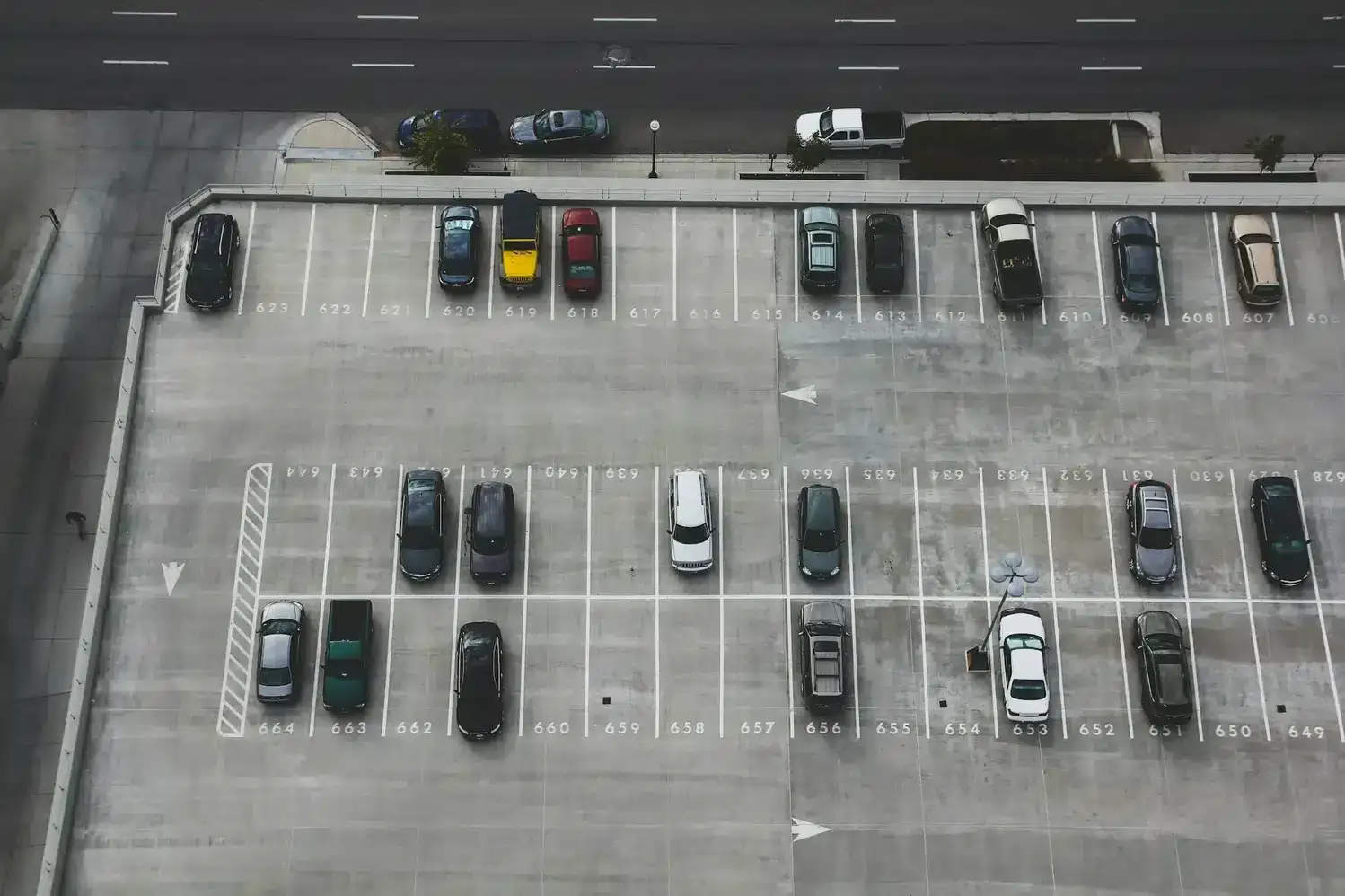
Outdoor vehicle storage refers to uncovered parking spots in a fenced, secured lot. These spaces offer basic protection in the form of lighting, perimeter fencing, and gate controls, but they expose the vehicle to sun, rain, wind, and dust.
This option is suitable for:
- Owners of durable vehicles like trailers, heavy-duty trucks, or boats with proper covers.
- RV or travel trailer owners needing short-term parking between trips or during transit.
- Budget-conscious renters who want the lowest-cost solution without indoor amenities.
Facilities offering outdoor storage typically provide wide access lanes, assigned numbered spots, and 24/7 entry systems. Prices generally range from $50 to $150 per month depending on location and vehicle size.
Covered Vehicle Storage Facilities (Carports and Canopies)
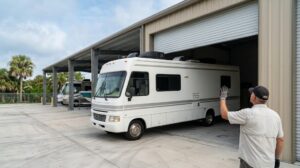
Covered storage offers a middle ground between outdoor and indoor storage. Vehicles are parked under a roofed structure, such as a steel canopy, carport, or awning, that shields them from direct sunlight, hail, and rain while still allowing airflow and open sides.
This storage type works well for:
- RVs and boats that need protection from UV exposure but not full climate control.
- Customers who live in sunbelt states where intense heat or solar degradation is a concern.
- Owners seeking moderate protection at a lower cost than fully enclosed storage.
Covered storage is particularly popular in states like Texas, Arizona, and Florida, where year-round exposure can damage fiberglass roofs, seals, and tire compounds.
Specialty Storage for RVs, Boats, Trailers, and Motorcycles
Some facilities offer storage specifically designed for oversized, irregular, or specialty vehicles. These spaces are tailored for access, turning radius, weight, or specific regulatory requirements such as stormwater containment or trailer clearance.
Specialty vehicle storage may include:
- Extra-wide angled RV stalls with dump stations and power hookups.
- Dry-stack storage for boats, particularly in coastal regions.
- Enclosed units with tie-downs and battery tenders for motorcycles.
- Gravel or reinforced pads with permits for heavy commercial trailers or equipment.
In the table below, the different storage types are compared based on factors like protection level and climate control.
| Factor | Indoor Storage (Climate-Controlled) | Covered Storage (Carports / Canopies) | Outdoor Storage (Open Lot / Yard) | Specialty Storage (RVs, Boats, Trailers, Motorcycles) |
| Protection Level | Full protection from weather, theft, and dust. | Shields from sunlight, rain, and debris but open sides. | Exposed to weather; basic perimeter security. | Varies by setup; tailored to specific vehicle needs. |
| Climate Control | Yes – includes temperature and humidity regulation. | No, but offers shade and ventilation. | None. Vehicles face full exposure. | May include power, ventilation, or drainage features. |
| Security | High – indoor gates, alarms, and surveillance. | Moderate – fencing, lighting, and monitored access. | Basic – perimeter fencing and gate control. | High – depends on zoning, security gates, and surveillance. |
| Accessibility | Limited access hours in some facilities. | Easy drive-up access. | 24/7 access in most lots. | Designed for large vehicles and easy maneuvering. |
| Ideal Vehicle Types | Classic cars, luxury vehicles, motorcycles. | RVs, boats, and vehicles needing UV protection. | Trucks, trailers, durable vehicles. | Oversized or specialized vehicles needing hookups or pads. |
| Maintenance Needs | Minimal – climate-controlled and enclosed. | Moderate – occasional cleaning from dust. | Higher – weather exposure requires covers and cleaning. | Moderate to high – depends on equipment and vehicle type. |
| Common Features | Insulation, HVAC, humidity control, indoor lighting. | Metal canopy, paved pads, open airflow. | Fenced lot, numbered spaces, gate keypad. | Dump stations, tie-downs, reinforced surfaces, hookups. |
| Regional Popularity | Urban and high-humidity regions. | Sunbelt and coastal states. | Nationwide – especially rural or suburban zones. | Near marinas, highways, and industrial corridors. |
The availability of specialty features depends on the location and zoning allowances, but they are becoming more common in facilities near marinas, campgrounds, and highway corridors.
Also before choosing between indoor, covered, or outdoor storage, it’s essential to know what size storage unit you need to store a car, since vehicles vary widely in width, height, and turning space.
Key Features of a Secure Vehicle Storage Facility
A good storage facility should keep your vehicle safe from theft, vandalism, and environmental damage. Look for the following features before making your choice.
As vehicle values rise and storage insurance requirements tighten, customers are increasingly drawn to facilities with premium security, environmental protection, and operational oversight.
According to the National Institute of Justice’s Vehicle Theft Prevention Strategies report, layered deterrents such as surveillance, alarms, and access control are among the most effective ways to reduce vehicle theft incidents.
Lighting, Fencing, and On-Site Staff Presence
Good visibility deters crime and helps renters feel safe during early or late access. Facilities should have well-placed LED lighting throughout the lot, secure perimeter fencing (typically 6–8 feet high), and clearly marked entrance points.
A study on crime prevention in parking environments found that improved lighting and visible CCTV coverage significantly reduce theft and vandalism risk.
Locations with on-site staff during business hours provide a faster response to emergencies, maintenance issues, or suspicious activity. A good storage facility should keep your vehicle safe from theft, vandalism, and environmental damage.
If you’re wondering whether it’s safe to store a car in a storage unit, always look for 24/7 surveillance, gated access, and on-site staff presence.
24/7 Surveillance and Security Systems
Continuous monitoring via closed-circuit television (CCTV) is a standard expectation in most modern vehicle storage facilities. Security systems should include:
- Motion-activated cameras with night vision.
- Video recording and retention for at least 30 days.
- Alarm systems integrated with gates or access doors.
Some advanced facilities also use license plate recognition (LPR) to track entries and exits in real-time, creating audit trails for insurance and liability verification.
Access Control, Gated Entry, and Keypad Security
A vehicle storage facility should have restricted entry using a digital keypad, mobile app, or RFID tag. Tenants receive a unique code that logs each entry, providing accountability and tracking.
Most facilities restrict access to customers only and may include time-locked gates, anti-tailgating barriers, or alert systems for unauthorized entries.
Climate Control, Ventilation, and Weather Protection
Indoor and covered units should offer adequate ventilation to reduce condensation and mold growth.
In colder climates, insulation or heating systems help prevent freeze damage, while in coastal or humid areas, dehumidifiers and exhaust fans may be installed to reduce moisture levels.
Climate-controlled units maintain internal temperatures between 55°F and 85°F and are particularly useful for preserving electrical systems, paint finishes, and rubber seals.
Investing in a facility with these advanced safety and climate features truly makes vehicle storage worth it.
Costs of Vehicle Storage: What to Expect
The cost of vehicle storage varies based on several key factors, including the type of storage (indoor, outdoor, covered), the size of the space required, the location of the facility, and the security and amenities offered.
Prices can also fluctuate by region, season, and demand. Vehicle owners should evaluate both the base rental cost and any additional fees or charges that may apply, particularly for long-term contracts or premium services.
Additional Fees
Beyond the monthly rental rate, several additional costs may be incurred when storing a vehicle at a professional facility. These include:
- Insurance fees are often required by facilities, either through a policy provided by the renter or by purchasing third-party insurance offered at the site. The cost of insurance typically depends on the vehicle’s value and type of coverage.
- Deposits may be collected upfront, especially for indoor or climate-controlled units. These are usually refundable upon contract completion if no damage or contract violations occur.
- After-hours access fees or administrative charges may apply at some locations, particularly when access is requested outside of standard gate hours or when changing unit sizes mid-contract.
Average Monthly Rates
Before choosing a facility, it’s important to understand the typical pricing structure across different storage types. Rates can vary by region, but the following table reflects general averages reported across national operators:
| Vehicle Storage Type | Average Monthly Cost |
| Indoor Storage | $100–$300 |
| Covered Storage | $80–$200 |
| Outdoor Storage | $50–$150 |
Note: These prices are general estimates. Actual rates may vary depending on location, security features, accessibility, and available amenities such as power hookups or climate control.
These prices reflect average-sized spaces (10×20 to 12×40 ft). Larger stalls or those with power hookups, lighting, or added clearance may fall at the upper end of each range.
Factors Influencing Costs
Several variables influence what a renter pays for storage. Understanding these factors helps clarify pricing differences between facilities.
- Larger vehicles such as Class A RVs, boats on trailers, or utility trucks require more space and typically cost more to store than smaller vehicles or motorcycles.
- Facilities offering higher levels of security, such as 24/7 surveillance, license plate recognition, and digital entry logs, often charge premium rates to reflect their enhanced protections.
- Urban and high-demand areas usually have higher land and operational costs, which are passed on to customers. Conversely, rural locations may offer lower rates but fewer amenities.
- Climate control, lighting, covered protection, and on-site services like wash bays or battery charging all increase monthly rent due to added infrastructure and utility costs.
Comparing Short-Term vs. Long-Term Storage Costs
Vehicle storage can be leased on a short-term basis (monthly or seasonal) or through extended contracts. Many facilities offer discounted rates for longer commitments. This comparison shows how costs typically break down over time:
| Storage Duration | Typical Range |
| Short-Term (1–3 months) | $100–$500 total |
| Long-Term (6–12 months) | $500–$2,000 total |
Note: These figures are general averages. Actual rates depend on factors such as facility location, storage type (indoor, covered, or outdoor), security level, and additional amenities offered.
While short-term rental offers flexibility, long-term contracts often come with perks such as waived administrative fees, reduced monthly rates, or priority stall selection.
With rising RV and boat ownership, limited residential parking, and consistent occupancy, many investors now view car storage as a good business opportunity within the self-storage sector.
Benefits of Using Professional Vehicle Storage
Professional vehicle storage protects your vehicle and saves you time, effort, and worry. Whether storing for a few months or long term, you gain several key advantages.
Insurance Benefits and Liability Coverage
Many facilities either require insurance or offer it through a third-party provider. This coverage protects against fire, theft, vandalism, and in some cases, weather-related incidents.
Storage-specific policies often include liability protections for the renter as well, helping to avoid disputes in case of damage.
Facilities that operate under commercial self-storage insurance policies may offer blanket protection up to a specified limit (e.g., $5,000 or $10,000).
But high-value vehicles are usually better protected under a personal or specialty policy. Proof of coverage is typically required at the time of rental.
Protection Against Theft, Vandalism, and Weather Damage
Professional facilities are designed with crime prevention and asset protection in mind. Gated access, surveillance cameras, fenced perimeters, and controlled entry logs drastically reduce the likelihood of theft or vandalism compared to leaving a vehicle parked at home or in an open lot.
Environmental protection is equally important. Vehicles stored outdoors face a range of threats, including hail damage, fading paint, rust, brittle seals, and roof degradation.
Preserving Vehicle Value, Paint, and Mechanical Condition
Storing a vehicle in a secure and protected environment helps retain its appearance, functionality, and resale value. Paint jobs remain vibrant longer, seals don’t dry out, and tires avoid flat-spotting.
Additionally, enclosed or climate-controlled environments reduce the chance of electrical corrosion, battery failure, or pest damage. Laboratory analysis of corrosion behavior in automotive steel confirms that both salt and ambient humidity accelerate the oxidation process and paint delamination.
This is especially important for collectors, seasonal RV users, and those with high-end boats or performance vehicles. A properly stored asset may require far less reconditioning when it’s time to sell or use it again.
Convenience, Accessibility, and Peace of Mind
Modern storage facilities are designed for easy customer access, often offering 24/7 gate entry, mobile app controls, digital billing, and online support.
Many renters appreciate the peace of mind that comes from knowing their vehicle is protected and ready to use at any time, without the clutter or risk of leaving it at home.
Some facilities also offer amenities that further enhance usability, such as:
- On-site battery charging or maintenance checkups
- Wash bays and vacuum stations
- Shore power or trickle charging for RVs and boats
- Digital gate logs to track entry/exit for security records
Professional vehicle storage isn’t just about protection, it’s about preserving functionality, maximizing value, and removing the hassle of storing large or seasonal vehicles at home.
How to Choose the Right Vehicle Storage Facility
Selecting the right facility ensures your vehicle stays secure and in excellent condition. Consider these factors before deciding.
Customer Reviews and Facility Reputation
Reputation plays a key role in identifying a well-managed storage facility. Independent reviews on Google, SpareFoot, and BBB profiles can provide insight into customer satisfaction, maintenance standards, and staff responsiveness.
- Facilities with consistently high ratings are more likely to maintain security systems, communicate clearly, and respond promptly to issues.
- Visiting the facility in person allows you to assess cleanliness, lighting, traffic flow, and overall organization, details that aren’t always visible in photos or listings.
Well-rated operators like RecNation, for example, emphasize location-specific service and digital accessibility, which improves both security and renter experience.
Location, Accessibility, and Safety of the Surrounding Area
Proximity matters, especially if you plan to access your vehicle regularly. A facility close to your home, work, or travel route saves time and fuel.
- Facilities near major roadways or highways provide better access for RVs, trailers, or boats.
- The surrounding neighborhood should be low in crime, well-lit, and zoned for vehicle use. Avoid remote areas without staff or surveillance unless the facility is fully secured.
For large vehicles, drive-through lots with wide turn radii and clear sightlines are essential. Always confirm maneuvering space before committing to a contract.
Amenities, Added Services, and On-Site Assistance
Storage isn’t just about space, value-added features make a significant difference in usability and asset protection. Facilities with added services improve your overall experience and reduce wear and tear on the vehicle.
Look for:
- Dump stations and potable water hookups for RVs.
- Wash bays and detailing stations for boats or collector cars.
- Electrical outlets or shore power access for charging.
- On-site staff presence to assist with maintenance or emergencies.
These services are particularly useful for seasonal users who need access to vehicle prep or post-trip cleanups without extra stops.
Contract Flexibility, Insurance Options, and Cancellation Policies
Before signing a rental agreement, carefully review the contract terms. Look for:
- Month-to-month or seasonal flexibility if your needs may change.
- Clear insurance requirements and whether coverage is included or optional.
- Defined notice periods for cancellation or unit changes.
- Fee transparency, including admin fees, access surcharges, or late penalties.
Some operators offer discounts for long-term prepayment or bundled services, but be cautious of long lock-in periods if your plans are uncertain.
Preparing Your Vehicle for Storage
Proper preparation ensures your vehicle remains in good condition throughout storage.
Cleaning, Waxing, and Maintenance Before Storage
A clean vehicle is less likely to attract pests, trap moisture, or suffer from paint etching due to dirt or contaminants.
- Wash the exterior thoroughly to remove salt, grime, and bird droppings that could corrode paint over time.
- Apply a protective wax coating to help shield the paint from oxidation and UV exposure.
- Clean the interior, vacuum all debris, and remove food or organic material to avoid attracting rodents or insects.
- Change the oil and top off fluids. Used oil contains contaminants that can harm internal engine parts if left stagnant.
Battery, Fuel, Fluids, and Tire Care
Mechanical preservation during storage starts with stabilizing systems that degrade over time.
- Disconnect the battery or use a battery maintainer to prevent parasitic drain and preserve charge levels.
- Add a fuel stabilizer to a full gas tank to prevent fuel breakdown and condensation inside the tank.
- Check and top off all essential fluids, including coolant, brake fluid, and windshield washer fluid.
- Inflate tires to the manufacturer’s recommended PSI to reduce flat-spotting. For long-term storage over 90 days, use tire cradles or jack stands to reduce weight on the tires.
- To prevent battery drain or seal damage, it’s crucial to know how long a car can sit unused in storage before mechanical issues develop.
- RecNation also recommends starting your car while it’s in storage every few weeks to maintain battery health and prevent oil settling.
Covering, Securing, and Locking Your Vehicle Properly
Physical protection reduces exposure to dust, light, and moisture.
- Use a breathable vehicle cover (not plastic) that is sized properly for the vehicle type.
- Lock all doors, hatches, and windows. Secure roof racks, antennas, or loose parts to prevent damage or theft.
- Install anti-theft devices if the vehicle is stored in an open lot or rural area, such as steering wheel locks, GPS trackers, or immobilizers.
Documentation, Registration, and Insurance Checks Before Storage
Ensuring legal and financial protections before storage is just as important as the physical prep.
- Confirm that your vehicle registration is up to date and that insurance covers storage-related risks, including vandalism, fire, or rodent damage.
- Photograph the vehicle from all sides and keep records of mileage, fuel level, and condition. This helps validate any insurance claims or disputes post-storage.
- Leave emergency contact info with the facility if you’re storing long-term or out of state.
Common Mistakes to Avoid in Vehicle Storage
Even with the best intentions, vehicle owners often make preventable mistakes that lead to damage, added costs, or reduced vehicle lifespan. Understanding these common errors can help you avoid costly repairs or service issues after months of storage.
Failing to Prepare the Vehicle Properly
Many vehicle owners park and lock their vehicle without completing basic preparation steps. This often results in mechanical issues that surface only after weeks or months of disuse.
- Skipping cleaning can lead to permanent paint stains, mildew, or pest infestations, especially when organic debris is left inside the cabin.
- Failing to change the oil or top off fluids before long-term storage allows contaminants to settle in the engine or brake systems, which can lead to corrosion or fluid separation.
- Ignoring tire inflation or leaving the vehicle on concrete for extended periods causes flat-spotting or sidewall fatigue, especially in hot or humid climates.
Choosing Price Over Security
While affordability is important, cutting corners on security can lead to long-term losses that outweigh any short-term savings.
- Choosing a low-cost facility with no fencing, surveillance, or lighting leaves vehicles more vulnerable to theft, vandalism, or accidental damage from nearby tenants.
- Facilities without gated access or staff oversight often have less accountability, increasing the risk of unauthorized entry or unreported incidents.
- High-value vehicles stored outdoors without covers or shields are far more likely to suffer weather-related damage, particularly in sunbelt or coastal regions.
Here’s a quick comparison of security features:
| Security Feature | Basic Facility | Premium Facility |
| 24/7 Surveillance | No | Yes |
| Gated Access | Sometimes | Always |
| On-Site Staff | Rarely | Regular business hours or full-time |
Ignoring Insurance and Legal Requirements
Assuming your existing vehicle insurance policy covers storage-related risks is a mistake that many renters make, especially when storing for more than 30 days.
- Most standard auto insurance policies reduce or cancel coverage after extended non-use unless you inform the provider.
- Some storage contracts require proof of comprehensive or specialty insurance before lease approval.
- Failing to document the vehicle’s pre-storage condition leaves you exposed to disputes over damage or liability at the end of the rental term.
Always verify what your policy covers during storage and whether the facility offers supplemental protection or requires a liability waiver.
Long-Term Considerations and Best Practices for Vehicle Storage Solutions
Long-term storage, defined as more than 90 consecutive days, requires more than just initial prep. Ongoing maintenance, contract awareness, and regular inspections are essential to preserve the vehicle’s condition and prevent surprises.
Field research on automotive corrosion under atmospheric conditions confirms that passive exposure can lead to surface oxidation and component fatigue over time.
Periodic Checks and Maintenance
Even when a vehicle is stored properly, it’s still subject to time-related wear and passive degradation. Setting a schedule for periodic checks can make a significant difference.
- Visiting every 30–60 days allows you to inspect tire pressure, fluid levels, battery condition, and seal integrity.
- Starting the engine for 5–10 minutes and operating essential systems (HVAC, lights, windows) can prevent mechanical freeze-up.
- Reviewing the storage area for signs of water intrusion, pests, or debris buildup helps prevent hidden damage.
If you are storing the vehicle out of state or for seasonal use, consider hiring a local caretaker or mechanic to perform occasional inspections.
Managing Contract Renewals
Many renters forget to monitor their contract renewal dates, especially on long-term leases. This can result in automatic rent increases or service interruptions.
- Set calendar reminders for lease renewal or rate review deadlines.
- Confirm whether your rate is fixed or subject to change after a certain duration.
- Keep a copy of your contract terms, including cancellation policy, in case your storage needs change.
Facilities may offer incentives for multi-month renewals or early payment, but always review the terms before committing.
Upgrading or Changing Facilities
As your storage needs evolve, whether due to a new vehicle, location change, or upgraded expectations, it may be necessary to switch facilities.
- If your current provider lacks climate control, you may want to upgrade to an enclosed or conditioned unit for long-term RV or boat storage.
- New models, trailers, or rooftop accessories may require longer stalls, higher clearance, or wider drive aisles than your current space allows.
- As rates change across facilities, you may be able to reduce costs or gain better amenities by relocating within the same region.
Conduct an annual review of your storage setup to confirm that your current arrangement still matches your vehicle type, usage habits, and protection goals.
Final Thoughts: Why Professional Vehicle Storage Matters
Proper vehicle storage is more than just parking, it’s a long-term strategy to protect the value, reliability, and appearance of your investment. Whether you own a Class A RV, a fifth-wheel trailer, a center-console boat, or a collectible car, storing it in a well-managed facility reduces exposure to risk and preserves its long-term usability.
RecNation demonstrates how modern vehicle storage solutions now offer more than just fenced lots, we provide infrastructure like shore power, digital surveillance, wide turn radii, and weatherproof stalls tailored to the needs of RV and boat owners.
These features not only deliver peace of mind but also help fleet managers and private owners extend vehicle life and reduce annual maintenance costs.
By following best practices, from preparing your vehicle properly to choosing a secure facility and managing long-term contracts, you can store with confidence and minimize unexpected issues. For those storing high-value or seasonal-use vehicles, professional storage is not just a convenience, it’s a critical part of ownership.
FAQ
What types of vehicles can be stored in a vehicle storage facility?
You can store cars, RVs, boats, motorcycles, and trailers in most vehicle storage facilities.
How do I choose the right vehicle storage facility for my needs?
Consider location, security, access hours, and climate control. Check reviews and visit facilities before deciding.
What are the costs associated with vehicle storage, and how can I expect to be charged?
Costs depend on storage type, vehicle size, and security level. Expect a monthly rate plus possible fees for insurance, deposits, or access.
How can I prepare my vehicle for storage to maintain its condition?
Clean and wax your vehicle, change the oil, top off fluids, protect the battery, and use a cover for dust and moisture protection.
What are the benefits of using a professional vehicle storage service?
Professional storage offers insurance coverage, protection from theft and weather, and helps maintain vehicle value and appearance.
Can I access my vehicle while it’s in storage?
Most facilities offer flexible or 24/7 access. Always confirm access rules in advance.
How can I ensure my vehicle is secure while in storage?
Choose a facility with surveillance, gated entry, and on-site staff, and ensure your vehicle is properly locked and insured.
What are some common mistakes to avoid when storing my vehicle?
Avoid neglecting preparation, prioritizing price over safety, or ignoring insurance coverage requirements.
How often should I inspect my vehicle while it’s in storage?
Inspect it regularly, check fluid levels and tire pressure, and start the engine occasionally to maintain condition.
Can I store my vehicle long-term, and what considerations should I keep in mind?
Yes. For long-term storage, plan regular inspections, manage contracts carefully, and consider climate-controlled facilities for better protection.