
What is Vehicle Storage? Types, Costs, and Benefits Explained
Vehicle storage protects cars, RVs, and boats from damage, theft, and weather. From indoor climate-controlled units to affordable outdoor lots, choosing the right storage option ensures your investment stays safe and ready when you need it.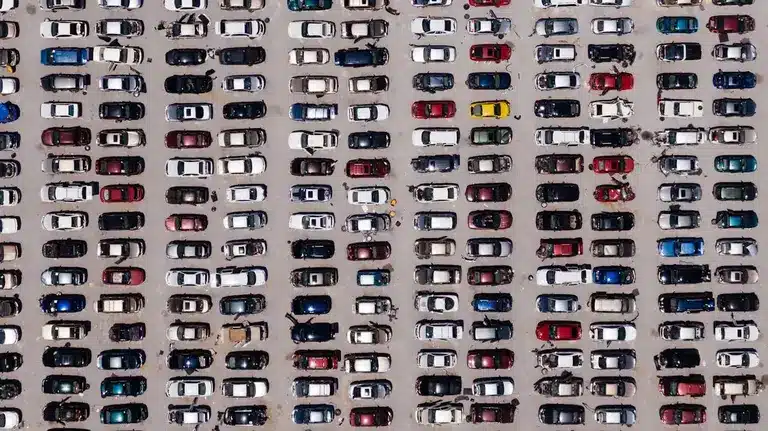
Are you looking for a safe and convenient way to store your car, RV, or boat? Modern vehicle storage facilities offer a range of storage options, from budget-friendly outdoor lots to premium climate-controlled spaces.
These include open parking spaces for oversized RVs, covered bays with partial protection from the elements, and indoor vehicle storage units that function like self storage but are built for larger vehicles.
The best choice depends on the type of vehicle and how long you need to store it, whether it’s a compact car storage unit, seasonal boat storage, or indoor RV storage. By comparing different storage facilities and amenities, you can find the most reliable option for vehicle storage that fits your budget and lifestyle.
Understanding the Basics: What Does Vehicle Storage Mean?
Vehicle storage is a service where you rent a dedicated space at a specialized facility to keep your car, RV, boat, trailer, or motorcycle secure when you’re not using it. These facilities are built with features that home garages or driveways usually lack wide drive aisles to maneuver large RVs or trailers, strong perimeter fencing and surveillance for added security.
Leaving a vehicle on the street leaves it vulnerable to theft, vandalism, HOA restrictions, and weather damage. In fact, the FBI reported over $6.4 billion in motor vehicle theft losses in 2019.
Professional storage facilities are built to prevent these risks, keeping your vehicle safe, secure, and ready whenever you need it. Vehicle storage also adds convenience. Seasonal owners like RV travellers or boaters can store their vehicles off-season without sacrificing home space.
Collectors and enthusiasts benefit from climate control, which protects paint, upholstery, and electronics. Businesses with fleets can centralize vehicles in a managed yard to simplify logistics.
Types of Vehicle Storage Options Explained
Not all vehicle storage is the same, and the right choice depends on your budget, the type of vehicle, and how often you plan to access it. Facilities typically offer three main categories: indoor, outdoor, and covered storage, each with distinct costs, features, and protection levels.
Indoor Vehicle Storage (Climate-Controlled Units)
Indoor vehicle storage provides the highest level of protection available and is often considered the closest option to “museum-grade” care for your car, RV, or motorcycle.
Vehicles are stored inside enclosed spaces, typically behind roll-up doors, within a building designed to shield them from weather and other environmental threats.
Climate Control and Protection
Many facilities offer climate-controlled units that maintain stable temperature and humidity levels year-round. This prevents the gradual damage that can reduce a vehicle’s value over time.
By insulating vehicles from seasonal extremes, indoor storage helps protect against:
- Rust and corrosion from excess moisture
- Paint fading or cracking from UV exposure
- Interior deterioration such as brittle leather, warped plastics, or mold growth
Best Uses
Indoor storage is especially valuable for:
- Classic or vintage cars that must preserve value and originality
- Motorcycles, ATVs, and other vehicles with delicate finishes and parts
- Luxury or high-performance cars where even minor environmental changes can be costly
Additional Advantages
Indoor storage goes beyond environmental protection, offering:
- Enhanced security: Units are housed inside locked buildings, adding another barrier beyond the facility’s gate
- Privacy: Vehicles remain out of sight, reducing exposure to theft or vandalism
- Long-term stability: Well-suited for vehicles that may remain unused for months or even years
Cost Consideration
The primary drawback is cost. According to transportation cost analyses from the Victoria Transport Policy Institute (VTPI), urban surface parking typically costs about $10,000 per space, while structured parking can cost two to four times as much. This ratio reflects the higher construction, insulation, and security requirements of enclosed facilities.
However, for owners who treat their vehicles as long-term investments or collectibles, the additional expense is often justified by the superior protection and peace of mind it provides.
Outdoor Vehicle Storage (Parking Lots and Open Yards)
Outdoor vehicle storage is the most budget-friendly and straightforward option. Vehicles are parked in open-air spaces within a secured, fenced lot.
These facilities usually provide basic protections such as gated entry, security cameras, floodlighting, and sometimes on-site staff to help deter theft or vandalism.
Because it offers the lowest monthly rates, outdoor storage is a popular choice for owners who primarily need extra space rather than full environmental protection. Common use cases include:
- RVs and campers that don’t fit in driveways or are restricted by HOA rules
- Boats and trailers used only during certain seasons
- Cars or trucks that still see regular use but need a safe off-street location
Trade-Off: Weather Exposure
The main drawback is exposure to the elements. Vehicles left outdoors remain unprotected from rain, snow, wind, sun, and hail, all of which can accelerate wear and tear. Over time, this may lead to:
- Faded paint and cracked finishes
- Brittle seals and weatherstripping
- Rust and corrosion
- Flat or damaged tires
Many owners take precautions by adding breathable covers, wheel chocks, or protective wax coatings before placing vehicles in outdoor storage.
Best Suited For
Outdoor storage is a practical option for:
- Short-term needs such as temporary parking during a move or extended trip
- Weather-resistant vehicles like rugged trucks, boats, or trailers designed for outdoor use
- Budget-conscious owners who prioritize affordability over maximum protection
Cost Consideration
For those willing to prepare their vehicles in advance, outdoor storage offers a cost-effective way to balance savings with convenience.
Data from the Victoria Transport Policy Institute (VTPI) indicates that structured parking can cost $10,000–$30,000 more per space than surface parking and only becomes cost-effective when land values exceed about $3 million per acre, further highlighting why open-air storage remains the most affordable choice in most regions.
Covered Vehicle Storage (Carports and Shelters)
Covered vehicle storage offers a middle ground between outdoor lots and fully enclosed indoor units. Vehicles are parked under a protective overhead structure, such as a carport, canopy, or metal roof, that shields them from direct sun, rain, and debris.
Climate Control and Protection
While not fully enclosed, covered storage offers meaningful protection from UV rays and precipitation, helping prevent paint fading, roof damage, and seal deterioration. However, it does not protect against humidity, dust, or extreme temperatures.
Best Uses
Covered storage works well for:
- RVs and campers needing shade and roof protection
- Boats and trailers stored between seasons
- Cars and trucks used regularly but requiring basic weather defense
Additional Advantages
Covered storage allows easy access without the barriers of indoor units. For frequent users, it provides a practical balance between affordability and protection.
Cost Consideration
Covered storage usually costs more than outdoor parking but far less than indoor facilities. Construction requires simple roofing structures without insulation or HVAC systems.
According to the U.S. Department of Transportation’s Federal Transit Administration (FTA), surface parking typically costs $3,500–$5,000 per space, while structured parking ranges from $10,000–$25,000 per space.
Covered canopy-style facilities fall between these benchmarks, offering moderate construction costs and affordable monthly rates.
Comparison of Vehicle Storage Options
Each vehicle storage type offers a different balance of cost, protection, and convenience. The table below compares indoor, covered, and outdoor storage side by side: helping you choose the right option based on your vehicle’s value, usage frequency, and budget.
| Feature / Criteria | Indoor / Enclosed (Often Climate-Controlled) | Covered / Sheltered (Carports, Overhead Roofs) | Outdoor / Open Yard (Parking Lot) |
| Protection Level | Highest: fully enclosed, often with climate and humidity control | Moderate: roof overhead, open sides; shields from sun and precipitation | Lowest: full exposure to weather, sun, and wind |
| Security | Excellent: locked buildings, gated access, cameras | Good: typically fenced with lighting or cameras | Basic: fenced lots with limited monitoring |
| Environmental Control | Stable temperature and humidity year-round | Partial : shields from direct sunlight and rain only | None : vehicles exposed to full weather variation |
| Ease of Access | Moderate: may require staff or facility hours | Easy: drive-in access without door barriers | Very easy: open lot access anytime |
| Cost Level | $$$ (Most expensive) | $$ (Mid-range) | $ (Lowest cost) |
| Typical Monthly Cost Range | 2–3× outdoor rates | 1.3–1.6× outdoor rates | Baseline / lowest rate |
| Common Users / Use Cases | Classic and luxury cars, motorcycles, high-value collectibles, long-term storage | RVs, campers, boats, daily drivers used multiple times a month | Trucks, trailers, boats, or vehicles stored seasonally or on a budget |
| Main Advantages | Maximum protection, privacy, and long-term preservation | Balanced protection and affordability; easier access | Cheapest, convenient, and widely available |
| Main Drawbacks | High cost, limited access, space restrictions | No humidity or temperature control; open sides | Exposed to all elements; faster wear and corrosion |
| Ideal For | Owners seeking premium protection and peace of mind | Frequent users wanting mid-level protection | Budget-focused or short-term storage needs |
Why Vehicle Storage Matters for Owners: Protection, Safety, and Convenience
Storing a vehicle properly isn’t just about clearing space at home, it’s about protecting an investment. Cars, RVs, and boats are vulnerable when left in driveways, on the street, or in open yards. Over time, exposure leads to damage that can be expensive to repair.
A professional vehicle storage facility solves these problems by focusing on three key benefits; protection, safety, and convenience.
Protection from Weather, Corrosion, and Pests
Leaving a vehicle uncovered exposes it to damaging elements year-round. UV rays fade paint, crack dashboards, and weaken seals. Research by the National Institute of Standards and Technology (NIST) found that photodegradation caused by ultraviolet (UV) radiation is a primary factor in the failure of paints, coatings, and other polymer materials exposed to sunlight (Duan et al., NIST).
Rain, snow, and humidity further accelerate rust and corrosion, while hail or falling branches can cause sudden dents or broken glass.
Professional storage facilities, especially covered or indoor RV and boat storage options, provide critical protection. Many also implement pest-control measures to keep rodents from damaging wiring, insulation, or upholstery.
Safety with Monitored and Controlled Access
Theft and vandalism are constant risks for vehicles parked in driveways or unmonitored lots. Vehicle storage facilities are built to deter these threats with gated entry systems, perimeter fencing, 24/7 surveillance cameras, and in some cases, on-site staff.
Nearly 23.7 % of car thefts occur in parking lots and non-residential garages, emphasizing the value of secure access and constant monitoring in storage facilities.
This level of security is especially valuable for owners of classic cars, luxury vehicles, or boats with costly motors, offering peace of mind that a home garage often can’t match.
Convenience for Oversized and Seasonal Vehicles
Not every home is designed to handle large vehicles like RVs, boats, or trailers. Many HOAs restrict them from driveways, and city ordinances often ban long-term street parking.
Storage facilities provide oversized spaces and wide drive aisles, making it easy to maneuver and access big rigs. Seasonal users, such as snowbirds with RVs or families with summer boats can pick up and drop off their vehicles as needed without cluttering their property.
The Bottom Line
Vehicle storage matters because it safeguards your investment, minimizes risk, and simplifies ownership.
Whether you own a classic car, a high-value boat, or a motorhome that doesn’t fit at home, a dedicated storage facility offers protection, security, and convenience that at-home options simply can’t provide.
Vehicle Storage Units vs. Traditional Garages: Which is Better?
For everyday cars, a home garage is often the first choice. It’s convenient and familiar, but garages have clear limitations when it comes to larger or higher-value vehicles. Space is fixed, climate control is uncommon, and security usually amounts to nothing more than a lock and a door. While this may be enough for a daily driver, it often falls short for RVs, boats, or collector cars.
By contrast, vehicle storage facilities are designed with flexibility in mind. They offer scalable space from compact bays for motorcycles to oversized lots for motorhomes, trailers, or boats. Many also provide professional-grade features such as 24/7 surveillance, gated entry, wide aisles for maneuvering, and optional amenities like electrical hookups or wash stations.
To make the trade-offs clear, here’s a quick comparison:
| Feature | Traditional Garage | Vehicle Storage Facility |
| Size | Limited, rarely fits oversized vehicles | Scalable, fits everything from cars to Class A RVs |
| Security | Basic lock, limited monitoring | Gated access, cameras, alarms, staff |
| Climate Control | Rare | Often available in indoor units |
| Accessibility | Convenient at home | Extended hours or 24/7 access at facilities |
| Best For | Daily-use cars, motorcycles | RVs, boats, classic cars, fleet vehicles |
For owners of high-value vehicles (like collector cars) or oversized assets (such as RVs or boats), facilities usually provide the better choice. They not only deliver scalable space but also add layers of security and protection that a residential garage can’t match.
This is especially important for Class A motorhomes, which under California law can measure up to 45 feet long far beyond the capacity of a standard residential garage.
How to Choose the Right Vehicle Storage Facility
Not all facilities are created equal. The best choice comes down to a mix of security, accessibility, and cost transparency. Evaluating these three factors helps ensure your vehicle is safe and your storage experience is stress-free.
Security Features to Look For in Vehicle Storage
Security is one of the most critical factors when selecting a storage facility. Strong protective measures help prevent theft, vandalism, and unauthorized access. Key features to prioritize include:
- Perimeter fencing and gated access: Controls who enters the property and keeps unauthorized visitors out.
- 24/7 surveillance cameras: Continuous monitoring deters theft and records any suspicious activity.
- Bright flood lighting: Improves visibility throughout the property and discourages vandalism after dark.
- Alarm systems and electronic keypads: Adds layered protection for both facility entry and individual units.
- On-site staff or patrols: Provides a human layer of oversight that enhances security and response time.
- Advanced access technology: Some high-end facilities use license plate recognition or digital access logs, offering added accountability, especially useful for fleet owners.
Location, Accessibility, and Convenience
Storage only works well if it fits your lifestyle. Key things to consider:
- Proximity: Is it near highways, marinas, or your home? RV owners often prefer locations close to major interstates, while boaters want facilities near lakes or coastal launches.
- Access hours: Standard business hours may work for some, but 24/7 access is a game-changer for travelers or commercial drivers.
- Layout: Wide drive aisles and pull-through spaces make maneuvering large RVs or trailers easier and safer.
Cost, Contracts, and Hidden Fees
Price is important, but clarity matters just as much:
- Monthly rates: vary by vehicle type, size, and storage style (indoor, outdoor, or covered).
- Hidden costs: may include setup or administration fees, mandatory insurance, or after-hours access charges.
- Contract terms: Some facilities push for long-term agreements, while others offer flexible monthly leases. Always ask about cancellation policies and penalties.
To help compare, here’s a quick overview:
| Factor | What to Watch For | Why It Matters |
| Security | Cameras, gated access, lighting, staff | Protects your vehicle and reduces insurance risk |
| Location & Access | Near highways/marinas, wide aisles, 24/7 entry | Saves time and hassle, especially for large vehicles |
| Costs & Contracts | Transparent fees, fair terms, flexible leases | Prevents surprises and keeps budget predictable |
Choosing the right facility means balancing peace of mind with practical convenience and fair pricing.
Long-Term vs. Short-Term Vehicle Storage: Pros and Cons
The length of time you plan to store your vehicle plays a major role in selecting the right facility and budgeting for costs. Short-term storage offers flexibility for immediate needs, while long-term storage is more cost-effective but requires greater preparation.
Understanding the benefits and drawbacks of each will help you make the best decision for your car, RV, or boat.
Short-Term Vehicle Storage
Short-term arrangements are typically billed daily, weekly, or monthly. They’re ideal for temporary needs such as relocations, road trips, or seasonal overflow when the driveway is too full.
The biggest advantage is flexibility: you can rent space only for as long as you need it. The drawback is that daily or weekly rates are higher, and in some cases, availability can be limited during peak travel months.
Long-Term Vehicle Storage
Long-term storage is a better fit for seasonal vehicles, like RVs during winter or boats during the off-season. Facilities often offer discounted monthly or annual rates, making it more cost-effective than paying short-term.
The trade-off is that you’ll need to properly prepare your vehicle, draining or stabilizing fuel, checking tires, and maintaining insurance coverage. Once stored, vehicles may be less accessible if you choose an indoor or stacked arrangement.
Here’s how they compare at a glance:
| Type of Storage | Pros | Cons | Best Fit |
| Short-Term | Flexible, easy to exit | Higher per-day or per-week cost | Moves, travel staging, seasonal overflow |
| Long-Term | Lower monthly rates, stability | Requires prep (battery, tires, fuel) | RVs in winter, boats off-season, collector cars |
The key is to match your storage plan with your lifestyle and vehicle use patterns. If you’re constantly on the move, short-term keeps things easy. If you’re preserving value or hibernating for the season, long-term pays off.
Benefits of Using Professional Vehicle Storage Services
Professional vehicle storage offers far more than a parking space. These facilities combine security, flexibility, and convenience to help protect your investment and simplify ownership.
Added Peace Of Mind From Surveillance And Controlled Access
Facilities use gated entry, video surveillance, alarms, and perimeter fencing to deter theft and vandalism. Some also have staff on-site or digital access logs, adding an extra layer of accountability.
Flexible Space For Everything From Motorcycles to RVs
Spaces range from compact units for motorcycles or ATVs to oversized bays for boats and Class A motorhomes. This scalability makes professional storage more versatile than a home garage.
Optional services like trickle chargers, wash bays, or detailing
Amenities vary but may include:
- Battery trickle chargers
- On-site wash bays
- Covers detailing areas
- Electrical hookups for RV appliances
These extras save time and extend the life of your vehicle.
Compliance With HOA Or City Restrictions
Many HOAs and municipalities prohibit long-term parking of RVs, boats, or trailers in residential driveways or on streets. Storing at a facility keeps you compliant with local rules while avoiding fines.
Quick Comparison of Benefits
Here’s a snapshot of the key advantages:
| Benefit | Why It Matters | Who It Helps Most |
| Security | Protects against theft, vandalism, and break-ins | Owners of luxury cars, classic cars, or boats with costly motors |
| Flexible Space | Scales from small units to oversized RV bays | Families with multiple vehicles or fleet operators |
| Extra Services | Simplifies upkeep during storage | Seasonal RV/boat owners, collectors, busy professionals |
| HOA/City Compliance | Prevents fines and neighborhood disputes | Homeowners in regulated communities |
Comparing Vehicle Storage for Cars, RVs, and Boats
Not all vehicles have the same storage needs, and different types of vehicles can be stored in a facility depending on size and use. The right choice depends on the type of vehicle, how often you use it, and how much protection it requires. Here’s a breakdown:
Car Storage Considerations
For most daily-use cars, outdoor lots are often sufficient. They’re affordable, secure, and allow easy in-and-out access if you’re driving the vehicle regularly. However, owners should still consider using a cover to reduce sun exposure.
For classic, luxury, or high-performance cars, outdoor storage is rarely ideal. These vehicles benefit most from indoor climate-controlled units, which protect against UV damage, rust, humidity, and vandalism. Indoor storage also keeps them out of sight, which adds privacy and security.
RV and Camper Storage Needs
RVs and campers require oversized storage spaces often larger than home driveways or garages can provide.
- Outdoor oversized lots work for budget-conscious RV owners.
- Covered bays help protect large rigs from sun, hail, and rain.
- Facilities that offer electrical hookups allow owners to keep batteries charged, refrigerators running, and systems ready for travel.
Because RVs are seasonal for many families, the choice often comes down to cost vs. convenience. Covered or indoor storage extends the life of seals, paint, and tires, but outdoor storage may be good enough for short off-seasons.
Boat and Trailer Storage Options
Boat owners, representing a market of over 11.6 million registered recreational vessels in the U.S. in 2024 (U.S. Coast Guard), face a choice between dry storage and wet slips:
- Dry storage: Boats are stored on trailers, racks, or in open yards. This keeps them out of the water during the off-season, protecting the hull from corrosion, algae, and other damage.
- Wet slips: Boats remain in the water at marinas. This is far more convenient for frequent users but comes with higher costs and increased long-term wear on the hull and engine.
For trailer owners, outdoor yards or covered canopies are common, while smaller boats may fit in indoor dry-stack storage.
How Much Does Vehicle Storage Cost?
The cost of vehicle storage varies widely depending on the type of vehicle, the level of protection you choose, and the region where the facility is located. On average, prices range from as little as $50 per month for an outdoor car space in a rural area to $500 or more for an indoor climate-controlled unit in a major city.
Average Monthly Rates for Cars, RVs, and Boats
Typical monthly storage costs vary depending on vehicle type, location, and whether the unit is outdoor, covered, or indoor with climate control.
- Cars: $50–$150 for outdoor spaces; $150–$400 for indoor units with climate control.
- RVs: $75–$250 for outdoor oversized lots; $200–$500 for covered or indoor bays.
- Boats: $50–$200 for outdoor yards or racks; $200–$500 for indoor dry storage.
Here’s a side-by-side breakdown:
| Vehicle Type | Outdoor Storage | Covered Storage | Indoor/Climate-Controlled |
| Cars | $50–$150 | $150–$250 | $150–$400 |
| RVs | $75–$250 | $200–$350 | $300–$500+ |
| Boats | $50–$200 | $150–$300 | $200–$500+ |
Note: Prices vary by market; urban areas typically cost more than suburban or rural facilities.
Factors That Influence Storage Pricing
Several key factors determine where your costs will fall within these ranges:
- Location (Urban vs. Rural): Facilities in dense urban centers often cost 20–40% more due to higher land and operating costs. Rural locations are cheaper but may be less convenient.
- Size of Vehicle: Larger vehicles like Class A RVs or sailboats require oversized spaces, which carry premium rates.
- Indoor vs. Outdoor Protection: Indoor climate-controlled units cost 2–3 times more than outdoor parking due to higher maintenance and energy costs.
- Level of Security: Facilities with 24/7 surveillance, gated entry, and on-site staff charge more than basic lots.
- Seasonal Demand Shifts: In northern states, rates often drop in winter when demand decreases. In southern states, especially those popular with “snowbirds,” winter is peak season, and prices can rise.
In short, cost depends on how much protection and convenience you want. Budget-conscious owners often choose outdoor lots, while collectors or long-term RV owners invest in indoor storage for peace of mind.
Common Mistakes to Avoid in Vehicle Storage
Even with the right facility, owners sometimes make errors that cost them money, reduce protection, or even put their vehicles at risk. Avoiding these mistakes ensures that storage works the way it’s meant to protect your investment and keep it ready for use.
Not Preparing the Vehicle Properly
One of the most common mistakes is parking the vehicle “as is” without doing any prep work. This can lead to:
- Dead batteries when vehicles sit unused for months.
- Corrosion from moisture buildup.
- Flat tires caused by low pressure or long-term weight on the same spot.
A little preparation like charging the battery, stabilizing fuel, or inflating tires prevents expensive repairs later.
Choosing the Wrong Type of Storage
Picking the wrong storage type can either waste money or risk damage.
- Collector or luxury cars placed outdoors can suffer UV fading and weather damage.
- Seasonal RVs or boats placed in costly climate-controlled storage may be overkill if basic covered storage would suffice.
Always match the storage type to the value and sensitivity of your vehicle.
Ignoring Insurance and Security Requirements
Many owners assume their current auto or marine insurance automatically covers stored vehicles but policies often have exclusions. Facilities may also require proof of insurance before leasing space. Skipping this step can leave you financially exposed if damage or theft occurs.
Tips for Preparing Your Vehicle for Storage
Storing a vehicle correctly requires more than just parking it and walking away. Proper preparation prevents mechanical problems, cosmetic damage, and unexpected expenses when you’re ready to use it again.
Here’s how to get your car, RV, or boat storage-ready:
Cleaning and Covering the Vehicle
Before long-term storage, always start with a deep clean.
- Wash and wax the exterior to remove dirt, salt, and grime that can corrode paint.
- Vacuum and clean the interior to prevent mold, odors, and pests.
- Apply a breathable cover designed for your vehicle type. Avoid plastic tarps, which trap moisture and encourage rust.
Battery and Fuel System Preparation
A few small steps can save you from dead batteries and clogged fuel lines.
- Disconnect the battery to prevent parasitic drain, or use a trickle charger to keep it healthy.
- For vehicles stored more than 30 days, add a fuel stabilizer to prevent ethanol breakdown and clogged injectors.
- Boats and RVs with large tanks may benefit from draining the fuel if storage is extended for several months.
Tire Care and Pressure Checks
Tires can develop flat spots if left in one position too long.
- Inflate tires to the manufacturer’s recommended PSI before storage.
- For vehicles stored more than three months, use tire cradles or jack stands to prevent flat spots.
- Move the vehicle slightly every few weeks (if possible) to reduce pressure on a single section of the tire.
Insurance and Documentation Before Storage
Staying compliant and prepared protects you legally and financially.
- Keep your insurance policy active. Most facilities require proof of coverage before granting access.
- Store copies of your registration, title, and insurance documents in a safe place at home, not in the vehicle.
How Much Does Vehicle Storage Cost?
The cost of storage isn’t just about the monthly fee you pay, it’s also about the hidden expenses you avoid by preparing your vehicle correctly. A poorly prepped car, RV, or boat can rack up hundreds (or even thousands) in repairs after sitting for months.
That’s why facilities stress preparation as much as they stress security. Think of this section as the “insurance policy” on your storage investment.
Cleaning and Covering the Vehicle
A thorough clean prevents long-term cosmetic and mechanical issues.
- Wash and wax the exterior to create a protective layer.
- Clean the interior to prevent odors and pests.
- Use a breathable cover to block dust and debris while avoiding trapped moisture.
- Avoid cheap plastic tarps; they can trap condensation and cause rust.
Battery and Fuel System Preparation
Idle vehicles are prone to battery drain and fuel degradation.
- Disconnect the battery or use a trickle charger to maintain charge.
- Inspect battery terminals for corrosion before storage.
- Add a fuel stabilizer to tanks for storage periods over 30 days.
- Boats or RVs stored long-term may benefit from draining fuel completely.
Tire Care and Pressure Checks
Tires bear the full weight of the vehicle during storage.
- Inflate to the manufacturer’s recommended PSI before storage.
- For storage longer than three months, consider jack stands or tire cradles.
- Move the vehicle slightly once a month (if possible) to avoid flat spots.
- Check pressure when removing the vehicle from storage.
Insurance and Documentation Before Storage
Paperwork is often overlooked but crucial.
- Keep insurance active, many facilities require proof of coverage.
- Confirm your policy includes storage scenarios (not just road use).
- Provide documentation to the facility if requested, but store originals at home.
- Keep copies of title, registration, and insurance in a safe, accessible place.
Prep Step vs. Risk if Ignored
Before placing a vehicle into storage, these preparation steps help prevent costly damage, here’s what can happen if they’re ignored:
| Prep Step | If Ignored | Consequence |
| Clean & Cover | Dirt, salt, or moisture remain on surfaces | Rust, paint fading, pest damage |
| Battery Care | Left connected or unchecked | Dead battery, costly replacement |
| Fuel Stabilization | Fuel untreated for 30+ days | Clogged injectors, hard starts, poor performance |
| Tire Inflation | Left underinflated | Flat spots, uneven wear, early tire replacement |
| Insurance Check | Policy not updated for storage | No coverage if theft or damage occurs |
Final Thoughts: Choosing the Right Vehicle Storage
Vehicle storage is more than just parking, it’s about protecting your investment, extending the life of your vehicle, and keeping it ready for use. From preventing weather damage and theft to solving the problem of oversized vehicles that don’t fit at home, storage ensures your car, RV, or boat is secure and accessible when you need it most. With ownership of recreational vehicles and boats on the rise, the demand for flexible, cost-effective storage solutions continues to grow.
At RecNation, we specialize in purpose-built vehicle storage solutions designed around the needs of owners. Our facilities offer gated access, 24/7 monitoring, covered bays, and wide drive aisles that make maneuvering easy even for large RVs and trailers. With options ranging from outdoor lots to indoor climate-controlled units, we make it simple to find the right balance of protection and affordability.
No matter the size, value, or type of vehicle you own, RecNation delivers storage solutions that scale with your lifestyle giving you confidence that your vehicle is safe, secure, and road-ready year-round.
FAQ
Do I need to notify the storage facility if I plan to store multiple vehicles?
Yes, notifying the facility ensures they allocate enough space and recommend the best options.
Can I check on my vehicle while it’s in storage?
Most facilities allow access during business hours, and some offer 24/7 entry.
Is vehicle storage a safe way to store my vehicle?
Yes, reputable facilities use surveillance, gated access, and on-site staff to keep vehicles safe.
What kind of insurance do I need for my vehicle in storage?
Check with your insurance provider; some facilities also offer additional coverage.