
Can You Daily Drive a Classic Car? Maintenance, Wear, and Long-Term Impact
Daily driving a classic car blends passion with practicality. Learn what it takes to keep vintage vehicles reliable, from maintenance and wear to safety, comfort, and long-term value protection.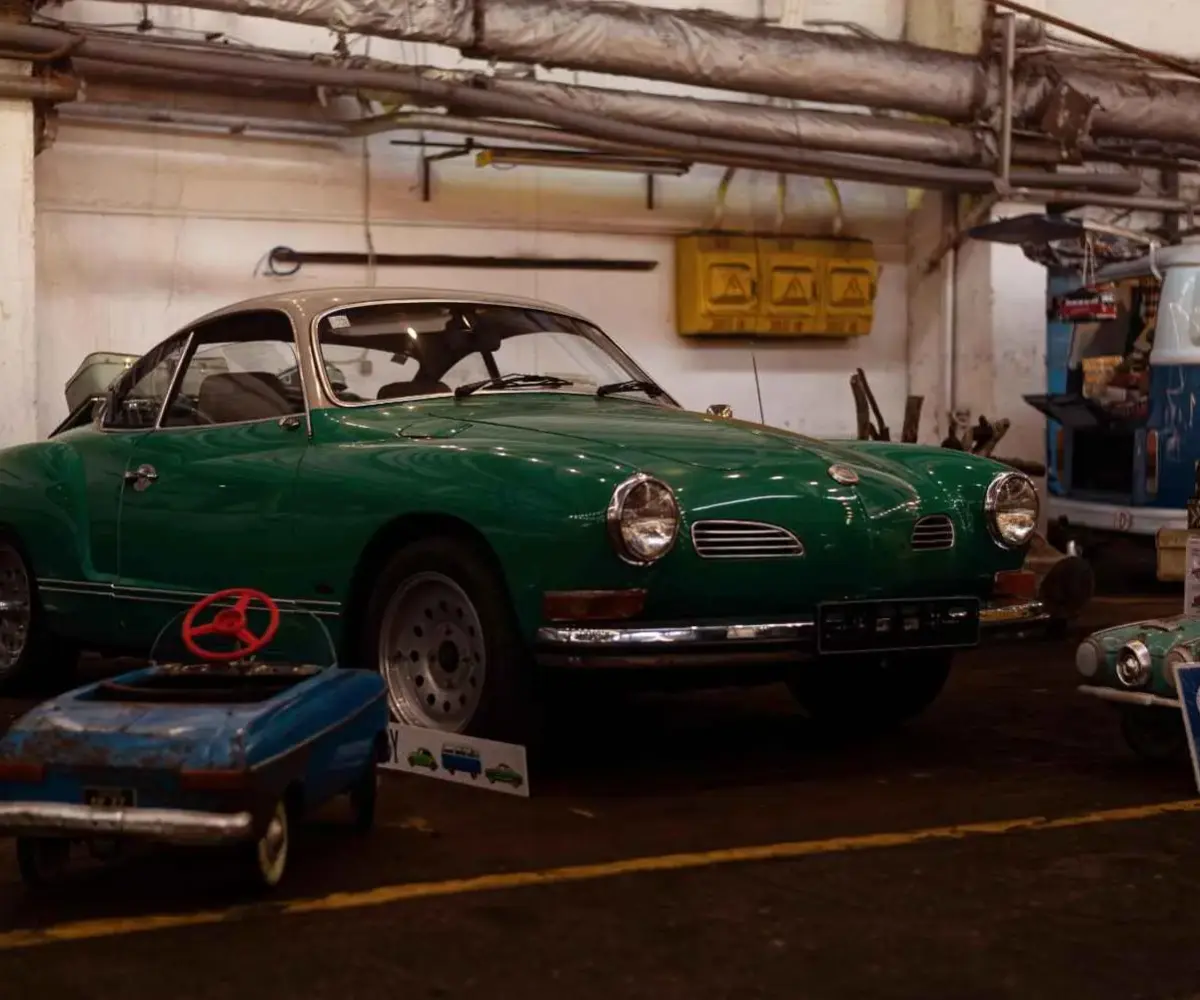
Owning a classic car is often about emotion as much as engineering. The sound, the feel, the character. For many enthusiasts, the real dream is not just owning one, but actually using it. Taking it to work. Sitting in traffic. Treating it like a real car instead of a museum piece.
But daily driving a classic car is a very different reality from weekend cruising. Once a vintage vehicle becomes part of your everyday routine, questions about reliability, maintenance, wear, and practicality stop being theoretical and start becoming very real.
Before committing to daily use, it is essential to understand what that decision truly means for the car, your time, and your budget.
What Does It Mean to Daily Drive a Classic Car?
Daily driving a classic car means relying on it the same way you would a modern vehicle, while still storing and caring for the classical cars correctly to manage ongoing wear. It becomes your primary mode of transport rather than something reserved for shows, Sunday drives, or special occasions.
This involves cold starts, short trips, traffic congestion, highway speeds, rough roads, weather exposure, and frequent use without extended rest periods. Classic cars were rarely engineered with these conditions in mind, especially by modern standards, which makes proper storing and caring essential for long-term reliability.
What Qualifies as a Classic Car in Modern Driving Conditions?
The definition of a classic car varies depending on region, insurance provider, and enthusiast circles. Generally, vehicles that are 15 to 30 years old or older fall into this category, especially if they feature older mechanical systems such as carburetors, manual steering, or non-electronic braking systems.
In modern driving conditions, these vehicles face challenges they were never designed for. Traffic density is higher, average speeds are faster, emissions standards are stricter, and road environments are more aggressive than when many classic cars were built.
A car that was once perfectly suited for relaxed highway cruising or short town drives may now struggle in stop-and-go traffic, extreme heat, or long daily commutes.
How Daily Use Differs From Occasional or Weekend Driving
Occasional driving allows a classic car to operate within controlled limits. Trips are usually planned, distances are shorter, and conditions are chosen more carefully.
Maintenance issues often surface slowly and can be addressed between drives. Daily use removes those buffers.
A daily-driven classic car experiences:
- Repeated cold starts that accelerate engine wear.
- Longer operating hours that stress cooling systems.
- Constant exposure to weather, dust, and road debris.
- Increased risk of minor damage in traffic or parking areas.
Over time, this level of use compounds wear across multiple systems, even if the car is mechanically sound at the start.
Is a Classic Car Reliable Enough for Daily Driving?
It’s important to know the mechanical reliability of the classical cars first. Classic cars are older and have outdated tech compared to today’s cars. Their reliability depends on the engine, transmission, and other key systems’ condition.
Mechanical Reliability of Older Engines and Systems
Older engines and systems in classic cars might not be as reliable as newer ones. This is because of wear and tear over time. The car’s maintenance history, original state, and any repairs or upgrades are key to its reliability.
The engine’s reliability in a classic car depends on its design, materials, and upkeep. Some classic engines were made with stronger materials and simpler designs. These can handle daily use if they’re well-maintained.
| Engine/System | Reliability Factors | Maintenance Needs |
| Older Carbureted Engines | Prone to icing, less efficient | Frequent tuning, cleaning |
| Non-Synchromesh Transmissions | Difficult to shift, wear on gears | Regular lubrication, careful shifting |
| Drum Brakes | Less effective stopping, overheating | Regular adjustment, inspection |
Common Failure Points in Daily-Driven Classic Cars
Daily driving a classic car can lead to mechanical failures. Common issues include engine, transmission, cooling system, and electrical problems.
- Engine overheating due to less efficient cooling systems.
- Transmission slipping or failure due to wear.
- Electrical system failures due to outdated wiring and components.
- Brake system failures, especially with drum brakes.
Knowing these potential failure points helps you prepare for the challenges of daily driving a classic car. Regular maintenance and inspections are key to avoiding these issues.
What Maintenance Does A Daily-Driven Classic Car Require?
Thinking of driving a classic car every day? Get ready for a lot of upkeep. Older cars face more stress from daily use, which can lead to mechanical problems.
Shorter Service Intervals And Preventive Maintenance Needs
Classic cars need more frequent checks than newer cars. Shorter service intervals help avoid breakdowns and keep your car running well.
- Oil changes: Every 3,000 miles, depending on the engine type and condition.
- Brake pads and fluids: Check every 5,000 miles and replace as needed.
- Tire pressure and condition: Check weekly and before long trips.
- Battery maintenance: Check the battery terminals and charge regularly.
Preventive maintenance is crucial to avoid expensive repairs later. Regular checks can spot issues before they get worse.
Parts Availability, Repair Complexity, And Downtime Risk
Finding the right parts for a classic car can be tough. Some parts are hard to find, making repairs harder and increasing downtime.
To deal with these issues, try these tips:
- Source parts from reputable suppliers or classic car clubs.
- Keep a stock of essential spare parts.
- Develop a relationship with a trusted mechanic who specializes in classic cars.
Knowing how complex repairs can be and having a plan helps reduce downtime. This keeps your classic car running smoothly.
How Daily Driving Affects Wear and Tear on a Classic Car
Daily driving a classic car means more than just enjoying a vintage ride. It also means facing wear and tear. Knowing how these effects happen is key to keeping your car in top shape.
Engine, Transmission, and Suspension Wear Over Time
Daily driving puts a lot of stress on a classic car’s mechanical parts. The engine, transmission, and suspension take a beating from regular use.
- Engine Wear: Frequent starts and stops can wear out the engine. Parts like piston rings and cylinders get worn down by friction and heat.
- Transmission Wear: Every gear shift puts stress on the transmission, leading to wear on clutch packs and bands.
- Suspension Wear: The suspension deals with daily shocks, causing wear on shock absorbers, struts, and bushings.
Regular maintenance is crucial to reduce this wear. For example, regular oil changes can help the engine last longer. Checking the transmission fluid can also extend its life.
Interior, Paint, and Trim Degradation From Regular Use
Daily driving also affects a classic car’s interior, paint, and trim.
- Interior Degradation: Upholstery can fade and crack, and dashboard components can become brittle. Carpets can also wear out from regular use.
- Paint Degradation: Sunlight, rain, and road debris can cause paint to fade, chip, and degrade over time.
- Trim Degradation: Chrome and exterior trim can corrode or tarnish over time, while interior trim may crack or fade. Controlled storing in an unheated garage and routine care help preserve these materials.
Protecting your classic car’s interior and exterior is important. Regular detailing, using protective coatings, and proper storage when not in use can help prevent some of these issues.
How Do Fuel Efficiency, Comfort, And Safety Affect Daily Usability?
Driving a classic car daily depends on several key factors. These include fuel efficiency, comfort, and safety. While vintage cars are charming, daily driving can be tough.
Fuel Consumption And Emissions Limitations
Classic cars usually don’t get as good gas mileage as newer cars. This means you might spend more on gas and stop more often. Older cars also might not pass emissions tests, leading to fines or use restrictions.
- Higher emissions that contribute to environmental pollution.
- Possible failure in emissions tests, leading to fines or restrictions on use.
- Increased fuel consumption, affecting your wallet and the environment.
A classic car with a big engine uses more gas than a modern car. This costs more money and hurts the environment.
Ride Comfort, Noise Levels, And Safety Feature Gaps
Classic cars might not be as comfortable or safe as modern ones. You might hear more noise and feel less comfortable because of older tech.
- Increased noise levels due to less effective sound insulation and older engine technology.
- Reduced ride comfort because of less sophisticated suspension systems.
- Lack of advanced safety features, such as airbags, anti-lock braking systems (ABS), and electronic stability control (ESC).
These issues can make daily driving uncomfortable and less safe. Long drives or daily commutes might be harder.
Thinking about driving a classic car daily? You need to think about these points. The charm of vintage cars is strong, but daily driving has its challenges.
Does Daily Driving Reduce A Classic Car’s Value?
As a classic car owner, you might wonder if driving it daily will lower its value. This is a valid concern, as classic cars are seen as investments and transportation. Daily driving affects a classic car’s value in several ways, including mileage, collectibility, resale value, originality, and condition.
How Mileage Impacts Collectibility And Resale Value
Driving a classic car daily can increase its mileage. Higher mileage might lower a classic car’s value, as collectors often look for cars with less mileage. But, the link between mileage and value is complex.
The table below shows how different mileage ranges can affect a classic car’s resale value. It’s based on market trends and what collectors prefer.
| Mileage Range | Impact on Resale Value | Collector Preference |
| 0-5,000 miles | High value due to low usage | Very desirable |
| 5,001-20,000 miles | Moderate value, some depreciation | Desirable |
| 20,001-50,000 miles | Noticeable depreciation | Less preferred |
| 50,000+ miles | Significant depreciation | Less desirable |
Why Originality And Condition Matter More Than Mileage Alone
Mileage is important, but originality and condition matter more for a classic car’s value. A classic car well-kept and original, even with moderate mileage, can be more valuable. This is more valuable than a high-mileage car that’s been modified or is in poor shape.
Collectors and enthusiasts value cars that are well-maintained, original, and show little wear. The car’s interior, exterior, and mechanics all add to its value.
What Modifications Make A Classic Car More Suitable For Daily Driving?
To make a classic car good for daily use, several key changes can be made. These changes boost the car’s performance, safety, and comfort.
Mechanical Upgrades for Reliability and Usability
Mechanical upgrades are key for a classic car’s daily reliability. Upgrading the engine, transmission, and brakes greatly improves performance and reliability.
Common upgrades include better tires for safety and grip, modern brakes for faster stops, and a smoother suspension for a better ride.
| Upgrade | Benefits |
| Modern Tires | Better grip, improved safety, and handling |
| Braking System Upgrade | Shorter stopping distances, improved safety |
| Suspension Enhancement | Smoother ride, better handling |
Safety and Comfort Upgrades Without Hurting Value
Improving a classic car’s comfort and safety is vital, but keeping its value is just as important. Upgrades like better seats, modern safety features, and updated dashboards can be done carefully.
Consider ergonomic seat changes, adding modern safety features, and updating the dashboard. Keep the classic look in mind.
| Upgrade | Benefits |
| Ergonomic Seats | Improved comfort, reduced driver fatigue |
| Modern Safety Features | Enhanced safety, potentially increased resale value |
| Dashboard Modernization | Better visibility of vital signs, maintained classic look |
What External Factors Affect Whether You Can Daily Drive A Classic Car?
Several external factors influence whether a classic car can realistically be driven every day. Weather, road conditions, and driving environments all contribute to wear, and these same factors also affect decisions around long term storage when daily driving is not practical.
Weather Exposure, Climate, And Road Conditions
The weather and climate where you live matter a lot. For example, if you live by the sea, salt in the air can rust your car. Extreme temperatures can also harm your car’s paint and inside.
- Rain and Humidity: Rain can cause rust, which is bad for old cars.
- Sun Exposure: Sun can fade paint and damage inside parts.
- Salt and Sand: Salt and sand from roads can corrode metal and damage paint.
Driving on bad roads is also a big issue. Potholes and uneven lanes can damage your car’s suspension and body. Driving on bad roads can wear out your car faster and cost more to fix.
Urban Versus Highway Driving Environments
Where you drive also matters. City driving is hard on your car because of all the stops and starts. It also means your car gets more pollution.
Driving on highways is different. It’s easier on your engine but can still wear out parts. Highways also bring in debris because of the air flow.
- Urban Driving: Frequent stops, lower speeds, and more pollution.
- Highway Driving: High speeds, potential overheating, and constant airflow.
Knowing these factors can help you decide if you should drive your classic car every day. Think about the weather, road conditions, and where you drive. This way, you can take care of your car better and avoid problems.
When Daily Driving a Classic Car Makes Sense
Daily driving a classic car can be rewarding. But, you must think about your situation and the car’s condition. If you live in a mild climate and have good roads, it might work for you.
Ideal Ownership Scenarios
Daily driving a classic car is most practical for owners who view maintenance as part of ownership rather than an inconvenience. When the vehicle is worth keeping long term, owners are more willing to invest time and care into preserving reliability.
This setup tends to work best when:
- You live in a mild, dry climate with limited exposure to snow, road salt, or extreme heat.
- Roads are generally well maintained, reducing suspension and chassis stress.
- Commutes are predictable and not excessively long.
- The car has been mechanically refreshed rather than sitting unused for years.
Owners who budget realistically for ongoing upkeep and treat preventive maintenance as routine often find daily driving deeply rewarding rather than stressful.
Who Should Avoid Daily Driving a Classic Car
Daily driving a classic car becomes risky when external conditions or personal constraints work against it. Harsh climates accelerate wear and corrosion, especially in regions with heavy snow, salt treated roads, or prolonged extreme heat.
These conditions quickly degrade paint, rubber seals, cooling systems, and electrical components. It is also not a good choice if:
- You rely on the car as your only transportation with no backup option.
- You have limited time or interest in regular maintenance and inspections.
- Skilled classic car repair support is scarce or expensive in your area.
- You expect modern levels of comfort, reliability, and safety without compromise.
For owners who prefer low involvement, fixed running costs, and minimal downtime, classic cars are better enjoyed as occasional vehicles. In these cases, limiting use to fair weather driving and special occasions preserves both reliability and long term condition.
Final Thoughts
Daily driving a classic car can be deeply rewarding, but it works best with realistic expectations and proper care. Regular maintenance, mindful driving, and giving the vehicle time off the road all play a role in preserving its condition and reliability.
Using professional classical car storage from RecNation helps strike that balance. Secure, purpose built storage protects your classic from weather, damage, and unnecessary wear when it is not in use. With the right setup, you can enjoy driving your classic while safeguarding its long term value.
FAQ
What is considered a classic car for insurance purposes?
A classic car is usually 10 to 25 years old. It must be kept in its original state or restored to match its original look.
Can I use my classic car as a daily driver?
Yes, you can drive your classic car every day. But think about the wear and tear, maintenance, and safety issues of older cars.
How often should I service my classic car if I’m using it daily?
Classic cars driven daily need more checks. Do this every 1,000 to 3,000 miles to avoid breakdowns and keep it running well.
What are the most common issues with daily-driving a classic car?
Common issues include mechanical failures and lower fuel efficiency. Also, safety is a concern due to missing features like anti-lock brakes or airbags.
Will daily driving my classic car reduce its value?
Daily driving can affect your classic car’s condition and value. This is mainly because of increased mileage and wear on original parts.