
What Size Storage Unit Do I Need to Store a Car?
Not sure what size storage unit you need for your car? This guide helps you choose the right unit based on your vehicle’s size, storage type, and security requirements, ensuring safe and hassle-free car storage.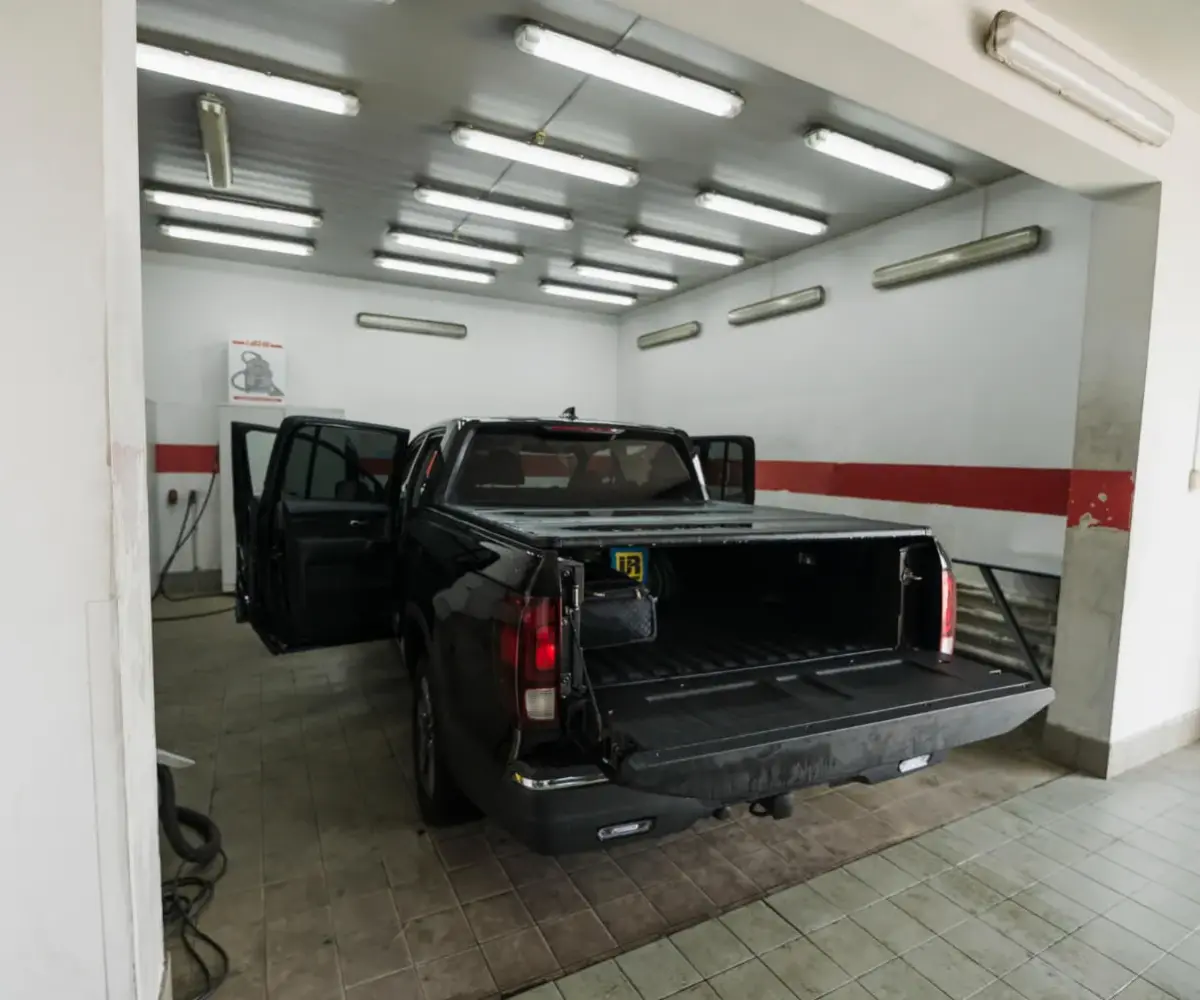
Choosing the right storage unit size depends on your vehicle’s dimensions and the type of protection you need. The size of your car and the storage option you choose both play a key role in finding a suitable fit.
Car storage is often used during relocations, extended travel, or seasonal downtime when space is limited. When selecting a unit, consider your car’s make and model, security requirements, access needs, and whether you will store additional items to avoid access issues or unnecessary upgrades later.
How Storage Unit Sizes Are Measured
To store your car well, you must know how vehicle storage units are sized. They are measured by length, width, and height. Knowing these sizes helps you see if your car will fit in the unit.
Standard Storage Unit Dimensions Explained
Most storage facilities offer a range of standard unit sizes, but availability can vary by location. Common sizes include 5×5, 5×10, 10×10, 10×15, 10×20, and 10×30 feet. For vehicle storage, units smaller than 10 feet wide are typically unsuitable.
The ideal unit size depends on your car’s length and width, as well as any additional clearance you need for access.
Height is another important factor, especially for SUVs, trucks, or vehicles with roof-mounted accessories. Some facilities offer taller units or drive-up access, which can make parking and retrieval easier for larger vehicles.
Why Vehicle Length, Width, and Height Matter
Your vehicle’s full dimensions should always be measured before choosing a storage unit. Length determines whether the car fits end to end, while width affects door clearance and walk-around space.
Height becomes critical if your car has roof racks, cargo boxes, antennas, or lift kits. In addition to factory dimensions, account for features such as:
- Side mirrors or body panels that extend outward.
- Roof racks, luggage carriers, or mounted equipment.
- Custom modifications that increase width or height.
Accurately measuring your vehicle and comparing it to the unit’s interior dimensions helps ensure a proper fit. This reduces the risk of damage and allows for safe, convenient access while the car is in storage.
What Size Storage Unit Fits a Standard Car?
To store your car safely, you need to find the right storage unit size. The size needed depends on your car’s length, width, and height. Cars like sedans and compacts have specific sizes that help pick the right unit.
Minimum unit size for sedans and compact cars
Most sedans and compact cars measure between 15 and 19 feet in length, 6 to 7 feet in width, and 4 to 5 feet in height. While the car itself may technically fit into a smaller unit, additional space is needed for comfortable access and safe parking.
A 10×20 storage unit is often the most practical choice for standard cars. It provides enough room to park the vehicle without tight clearances and allows space for opening doors and moving around the car.
| Vehicle Type | Typical Length (feet) | Typical Width (feet) | Recommended Unit Size |
| Sedans | 15-18 | 6-6.5 | 10×20 |
| Compact Cars | 13-16 | 5.5-6 | 10×15 or 10×20 |
Clearance is essential for door opening, mirror positioning, and basic walk-around access. Units that are too tight can make parking difficult and increase the risk of scratches or dents.
Clearance needed for doors, mirrors, and walk-around access
Remember, you also need space for opening doors, adjusting mirrors, and walking around. A tight unit can make it hard to get in or out.
For standard cars, having at least 2 feet of extra space is best. This lets you open doors easily and move around without damage.
- Ensure there’s enough space to open car doors fully.
- Consider the height of the storage unit if you have roof racks or tall antennas.
- Plan for walk-around access to maintain your vehicle.
Storage Unit Sizes for SUVs, Trucks, and Vans
Larger vehicles such as SUVs, trucks, and vans require more space due to their increased length, width, and height. Choosing the right unit size for these vehicles is essential to avoid access and clearance issues.
Recommended Unit Sizes for SUVs and Crossovers
SUVs and crossovers vary widely in size, from compact models to full-size vehicles. Most vehicles can fit in a 10×20 storage unit, though larger models may require additional length.
| SUV or Crossover Size | Recommended Storage Unit Size |
| Compact SUV | 10×20 |
| Mid-size SUV | 10×25 |
| Full-size SUV | 10×30 |
Pickup Trucks and Oversized Vehicle Requirements
Pickup trucks and oversized vehicles often need significantly more storage space. Truck bed length, cab size, and added equipment all affect the required unit size.
| Vehicle Type | Minimum Storage Unit Size |
| Standard Pickup Truck | 10×30 |
| Crew Cab Pickup Truck | 10×35 |
| Oversized Van or Truck | 15×40 or larger |
When storing larger vehicles, height becomes just as important as length and width. Vehicles with rooftop carriers, ladder racks, or oversized tires may exceed standard height limits. Always confirm ceiling height and door clearance, especially in climate-controlled or enclosed units.
How Storage Type Affects Required Unit Size
Different vehicle types need different sizes of storage. The storage type you pick affects the unit size and how you store and get your car.
Enclosed Units vs Covered vs Outdoor Parking Dimensions
You have three main choices: enclosed units, covered parking, and outdoor parking. Each has its own size needs.
- Enclosed Units: Enclosed vehicle storage units provide the highest level of protection from weather, dust, and unauthorized access. These units usually require more interior clearance because the vehicle must fit entirely inside the structure. Enclosed self storage units often include features such as roll-up doors and, in some cases, climate control, which can slightly reduce usable interior space.
- Covered Parking: Covered parking offers partial protection from sun, rain, and debris while remaining more open than enclosed units. This vehicle storage option typically requires less precise sizing, but you still need to account for vehicle width, door clearance, and maneuvering room within shared parking areas.
- Outdoor Parking: Outdoor vehicle storage is the most flexible option in terms of size. Vehicles are parked in designated outdoor storage parking spaces within a secured lot. While there are fewer physical constraints, you must consider access lanes, turning radius, and whether your vehicle fits comfortably within marked spaces.
The table below outlines common vehicle storage types, their typical size ranges, and key access considerations to help you choose the right option.
| Storage Type | Typical Dimensions | Access Considerations |
|---|---|---|
| Enclosed Units | 10×20 to 10×30 feet | Interior access, potential climate control |
| Covered Parking | 9×18 to 12×25 feet | Maneuverability, access lanes |
| Outdoor Parking | Varies, often larger | Access lanes, turning space |
Access Lanes, Turning Space, and Entry Clearance
Regardless of the storage option you choose, access plays a critical role in how usable the space is. Storage facilities are designed with drive aisles and entry points that may limit how easily larger vehicles can move in and out.
Access lanes must be wide enough to accommodate your vehicle, especially for SUVs, trucks, or vans. Turning space becomes increasingly important for longer vehicles, while entry clearance should be checked carefully if your car has roof racks, cargo boxes, or other height-extending features.
Security is also influenced by access design. According to the CCJ report, published in 2025, motor vehicle theft fell about 25% year over year, but remained roughly 25% higher than 2019 levels, reinforcing the safety advantage of enclosed, access-controlled storage.
How Much Extra Space Should You Plan For?
Having extra space in your storage unit is key to easily accessing your vehicle. This is even more true if your car has lots of accessories, racks, or attachments.
Allowance for accessories, racks, and attachments
Many vehicles require more space than their base dimensions suggest. Accessories and attachments can quickly increase the amount of room needed inside a self storage unit.
- Roof racks or carriers: add 1 to 2 feet to vehicle height.
- Bike carriers or rear attachments: add 1 to 2 feet to length or width.
- Door opening clearance: allow 2 to 3 feet of side space.
Adding a small buffer around your vehicle ensures doors can open safely and allows for limited walk-around access.
When storing a car with a motorcycle or trailer
Storing multiple vehicles in one storage unit requires careful planning. A car paired with a motorcycle or small trailer significantly increases space requirements.
To determine the right unit size:
- Measure the full length, width, and height of each vehicle.
- Include any attached equipment or trailers.
- Review the unit layout to confirm both vehicles can be accessed safely.
In many cases, a larger vehicle storage unit or oversized parking space is required to store multiple vehicles comfortably.
Does Climate Control Change Storage Unit Size Needs?
Climate control can change how big a storage unit you need for your car. Climate-controlled units keep a steady temperature and humidity.
The U.S. Department of Energy notes that effective moisture control in enclosed spaces is essential to prevent corrosion, mould growth, and material degradation. This is key to protect your car from harsh weather.
When Climate-Controlled Units Require More Clearance
Climate-controlled units often include insulated walls, ventilation systems, and interior corridors. These features can slightly reduce interior dimensions, making precise sizing more important.
When using climate-controlled vehicle storage:
- Leave extra clearance around the vehicle for airflow.
- Account for added height from roof-mounted accessories.
- Confirm door and ceiling height before moving in.
Layout Differences in Climate-Controlled Facilities
Climate-controlled storage facilities are often designed differently from outdoor or drive-up units. Vehicles may be stored inside buildings with interior hallways rather than direct parking access.
Key factors to consider include:
- Placement of climate systems within the building.
- Aisle width and turning space inside enclosed corridors.
- Fixed obstructions such as support columns or fire safety systems.
Understanding these layout differences helps you choose the correct storage option and avoid selecting a unit that feels too tight once the vehicle is inside.
Common Mistakes When Choosing a Car Storage Unit Size
Choosing the right car storage unit size is key, but many people make big mistakes. Knowing these common errors can help you make a better choice and avoid problems.
Choosing the Smallest Possible Unit Without Clearance
Many people pick a storage unit that’s too small for their car. This can cause trouble when trying to park inside, and might damage your car or the unit.
- Insufficient space for doors to open fully.
- Lack of clearance for mirrors or other protruding parts.
- Difficulty maneuvering the vehicle into the unit.
To avoid these problems, think about your car’s size and the space needed to park and access it in the unit.
Ignoring Vehicle Height, Roof Racks, and Mirrors
Another big mistake is not considering your car’s height, roof racks, and mirrors. These can greatly affect the size of the storage unit you need, more so if your car is tall or has extra accessories.
- Measure your vehicle’s overall height, including any roof racks or storage containers.
- Consider the width of your vehicle, including mirrors, to ensure you have enough clearance.
- Check the storage unit’s ceiling height to avoid any potential damage or issues with accessing your vehicle.
By considering these factors, you can pick a storage unit that fits your car’s size and makes it easy to access.
Some important things to think about when looking at storage unit sizes include:
- The type of vehicle you own (SUV, truck, sedan, etc.).
- Any additional features or accessories that affect its size.
- The storage facility’s layout and available unit sizes.
Final Thoughts: Choosing the Right Car Storage Size With Confidence
Choosing the right storage unit size for your car is about more than just fitting it inside four walls. Proper sizing protects your vehicle from damage, makes access easier, and helps you avoid unnecessary upgrades or space constraints later. By accounting for your vehicle’s full dimensions, clearance needs, storage type, and access layout, you can select a solution that works both now and long term.
At RecNation, our vehicle storage facilities are designed with real-world use in mind. From standard cars to SUVs, trucks, and specialty vehicles, RecNation facilities offer thoughtfully sized spaces, wide access lanes, and secure environments built to support hassle-free storage.
Whether you need short-term flexibility or long-term protection, choosing a well-planned storage space ensures your vehicle stays secure, accessible, and ready when you need it.
Car Storage Unit Size FAQs
What size storage unit do I need to store my car?
The size needed depends on your car’s make and model. A 10×20 unit fits most cars well. But, SUVs, trucks, and vans might need a bigger space.
Can a car fit in a 10×15 storage unit?
A 10×15 unit works for compact or standard cars, but it’s tight. If your car is bigger or you need extra space, go for a larger unit.
Is a 10×20 storage unit enough for most cars?
Yes, a 10×20 unit is usually enough for most cars. It gives enough room for the car and some extra space for accessories.
What is the best storage unit size for classic or luxury cars?
Classic or luxury cars need more space. A 10×25 or 10×30 unit might be better, depending on the car’s size.
How much extra space should I plan for in my storage unit?
Plan for extra space, about 10-20% more than your car’s size. This helps with accessories, racks, or attachments.
Does the type of storage unit affect the required size?
Yes, the type of unit matters. Enclosed, covered, or outdoor units have different needs. Think about access lanes and entry clearance when choosing.