
Can a Car Fit in a 10×20 Storage Unit?
A 10x20 storage unit is often called car-sized, but fit depends on vehicle dimensions, door clearance, and usable space. This guide explains what really fits and what to check before storing your car.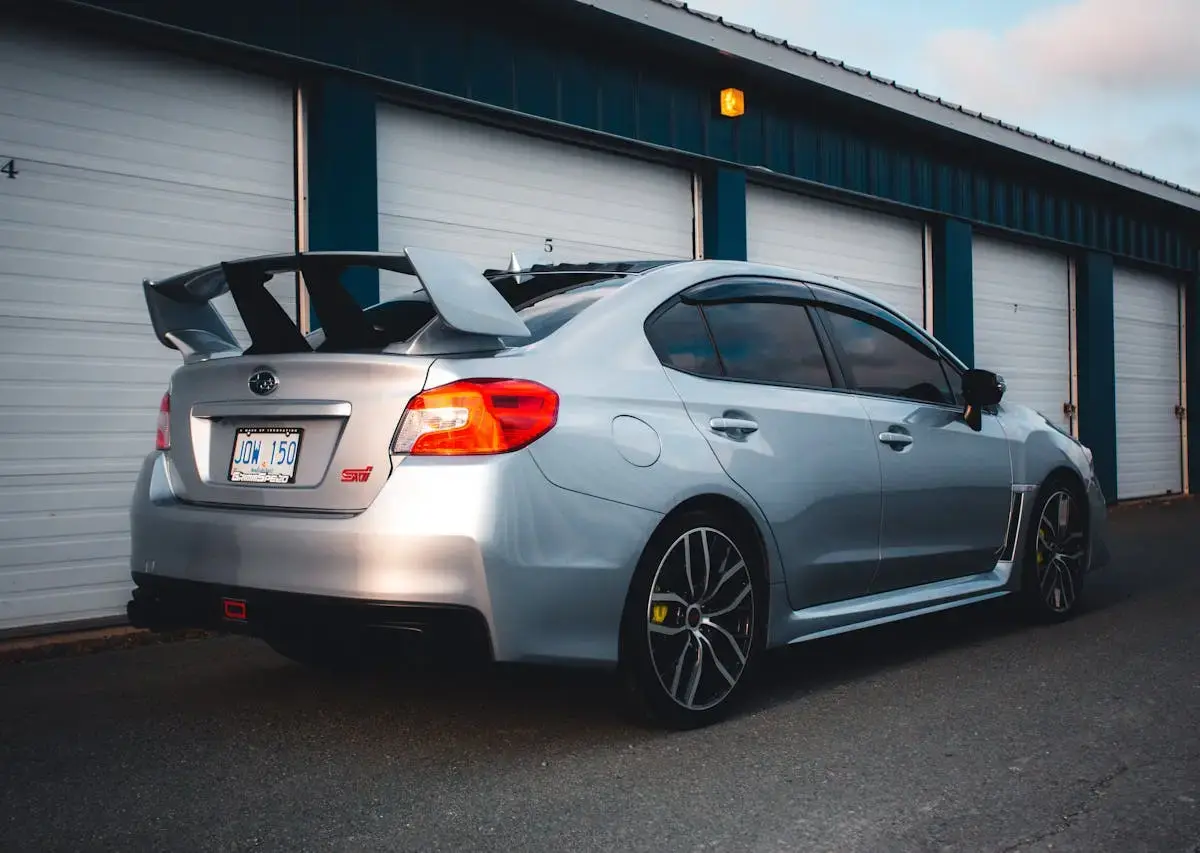
A 10×20 storage unit is commonly marketed as “car-sized,” but in real-world use, fitting a car inside one is not always as simple as it sounds. While many vehicles can physically fit, factors like interior clearance, door access, vehicle height, and usable space determine whether the unit is practical or frustrating.
This guide breaks down exactly what fits, what doesn’t, and what you need to measure before choosing a 10×20 unit for car storage.
What Are the Exact Dimensions of a 10×20 Storage Unit?
At first glance, a 10×20 vehicle storage unit sounds straightforward. In practice, interior space and usability can vary significantly by facility.
Interior Length, Width, And Typical Ceiling Height
A standard 10×20 storage unit provides approximately:
- Width: 10 feet
- Length: 20 feet
- Total floor area: 200 square feet
Most indoor and drive-up units have interior ceiling heights between 8 and 10 feet, depending on construction type and whether the unit is climate controlled.
While the listed dimensions describe the footprint, the usable interior space can feel smaller once wall thickness, door tracks, and framing are taken into account. A vehicle that is technically under 20 feet long may still feel tight when parked.
Why Usable Space Can Vary By Facility And Unit Design
Not all 10×20 units are built the same, especially across different vehicle storage facilities. Space planning guidance from the U.S. General Services Administration explains that structural elements and access features reduce usable space beyond listed dimensions.
Several design factors can reduce usable space:
- Roll-up doors often take up interior depth near the ceiling.
- Support beams or columns may intrude slightly into the unit.
- Sloped floors for drainage can affect parking alignment.
- Entry door width may be narrower than the interior width.
These details matter when storing a car because vehicles require straight alignment and predictable clearance. A unit that looks adequate on paper may be awkward or impractical in person.
What Cars Fit In A 10×20 Storage Unit?
Most passenger vehicles can fit in a 10×20 unit, but the level of comfort and accessibility depends heavily on vehicle size.
Sedans and Compact Cars
Sedans and compact cars are the best match for a 10×20 storage unit. Most fall within these general dimensions:
- Length: 14 to 16 feet
- Width (without mirrors): 5.5 to 6.5 feet
- Height: 4.5 to 5 feet
These vehicles usually fit with room to spare at the front or rear, allowing limited space for boxes or tires. Door clearance is still tight, but manageable with careful positioning.
SUVs and Crossovers
Small to mid-size SUVs and crossovers often fit, but space becomes noticeably tighter. Typical dimensions include:
- Length: 16 to 18 feet
- Width: 6 to 6.5 feet (excluding mirrors)
- Height: 5.5 to 6.5 feet
While these vehicles usually fit lengthwise, opening doors fully can be difficult. Roof rails and wider mirrors also reduce usable side clearance, especially in units with narrow door openings.
Pickup Trucks and Larger Vehicles
Pickup trucks and full-size SUVs are where problems commonly occur. Many modern trucks exceed:
- Length: 19 to 22 feet
- Width: Over 6.5 feet
- Height: 6.5 to 7 feet or more
Short-bed trucks may fit tightly, but extended cabs, long beds, lifted suspensions, or oversized tires often exceed the practical limits of a 10×20 unit. Even if the vehicle fits inside, door access and maneuverability are usually compromised.
How Much Space Does A Car Need Inside A Storage Unit?
Parking a car inside a storage unit requires more space than the vehicle’s listed dimensions alone suggest.
Vehicle Length, Width, And Height Requirements
In addition to the manufacturer’s specs, you should allow space for:
- Side mirrors at full extension.
- Front and rear bumper clearance.
- Slight positioning adjustments during parking.
A car that is 6 feet wide may effectively need closer to 7.5 feet once mirrors and wall clearance are considered. In a 10 foot wide unit, that leaves very little room on either side. Federal Highway Administration guidance shows that vehicle width includes mirrors and mounted equipment, which is why extra clearance is needed beyond body dimensions.
Height is usually less restrictive, but vehicles with roof-mounted accessories should always be measured at their tallest point.
Clearance Needed For Mirrors, Roof Racks, And Accessories
Common add-ons that affect fit include:
- Side mirrors that cannot fold inward.
- Roof racks, cargo boxes, or light bars.
- Antennas, bike racks, or rear-mounted accessories.
These features can interfere with door tracks, ceiling clearance, or wall spacing. Measuring your vehicle in its current configuration is essential before committing to a unit size.
Can You Open Car Doors Inside a 10×20 Storage Unit?
Whether you can open your car doors inside a 10×20 unit depends less on the label and more on how usable the storage space actually is. While a 10×20 storage unit size technically offers enough floor area for many vehicles, door swing and side clearance are often the biggest limitations in real-world vehicle storage options.
How Door Swing And Walk-Around Space Affect Usability
Most self storage units are designed to maximise rentable feet of storage space, not walk-around comfort. Once a car is parked inside, the remaining clearance on each side may only be a foot or less. This often means car doors cannot open fully, especially for wider vehicles like SUVs or sedans with large doors.
Guidance from OSHA’s standards emphasize keeping walking surfaces safe and unobstructed, which supports planning enough side clearance for getting in and out safely.
In many storage facilities, drivers need to park slightly off-centre to allow at least one door to open enough to exit. Walk-around access is usually minimal, which can make routine checks, loading items, or accessing the trunk difficult. From a practical storage solution standpoint, the unit may fit the car, but usability can feel restricted.
When A 10×25 Unit Makes More Sense
If door access, movement, or additional storage matters, upgrading the storage unit size to a 10×25 often makes sense. The extra length improves positioning flexibility, allowing you to park with space at the front or rear and preserve side clearance for doors.
A 10×25 unit is often recommended in any reliable size guide for larger sedans, SUVs, or frequent-access vehicle storage. The added storage space significantly improves comfort, helps ensure you have the proper storage unit size, and reduces the risk of door damage.
How Do You Park A Car In A 10×20 Storage Unit Safely?
Parking a car safely inside a 10×20 self storage unit is not just about getting the vehicle inside. The goal is to position it in a way that leaves enough space for clearance, access, and long-term protection.
Small positioning mistakes can quickly eliminate usable storage space and turn what should be the right storage solution into a tight, frustrating setup.
Positioning Tips for Maximum Clearance
To make the most of the available storage unit size and ensure there is enough space around the vehicle:
- Park as straight as possible to avoid wasting width.
- Leave a small buffer at the front or rear instead of touching the walls.
- Fold mirrors inward if possible to protect side clearance.
- Maintain even spacing from both walls to preserve door access.
These steps help maintain critical feet of storage space, reduce the risk of scraping mirrors or doors, and make the unit easier to use over time.
Backing In Versus Pulling In: Which Works Better?
Backing into a 10×20 unit usually provides better control and alignment. It allows drivers to fine-tune positioning and ensures there is enough space on both sides before fully parking. Backing in also makes exiting safer, especially in the narrow drive aisles common at many storage facilities.
Pulling in forward can work, but adjusting alignment once inside a narrow storage space is more difficult. For most vehicles, backing in offers a cleaner, safer approach and helps ensure the unit functions as the right storage option for long-term vehicle storage.
What Else Can Fit With a Car in a 10×20 Storage Unit?
Once the car is parked, remaining storage space is limited but not always unusable. Careful planning determines whether additional items can be stored safely while still allowing basic access for maintenance and starting a stored car when needed.
When You Can Store Boxes, Tires, Or Tools Alongside The Car
You can usually store small items alongside the car if:
- The vehicle is compact or mid-size and does not consume the full width of the unit.
- Items are placed neatly against walls or at the front of the unit.
- Door swing, mirror clearance, and access paths remain unobstructed.
Spare tires, seasonal storage boxes, detailing supplies, or small tool kits often fit without causing issues. However, large furniture, appliances, or bulky equipment typically compromise the overall vehicle storage setup.
Once these items interfere with doors, mirrors, or access space, the unit becomes difficult to use safely and practically.
Vertical Storage Limits And Wall Clearance Considerations
Vertical storage can help maximise the storage solution, but height restrictions still apply. Shelving must remain below door tracks, lighting fixtures, and roll-up mechanisms. Items should never press against the vehicle or lean on it for support, as this increases the risk of scratches, dents, and long-term damage.
Maintaining proper wall clearance also allows airflow around the vehicle, which is especially important for long-term self storage. Good airflow helps reduce moisture buildup and protects both the car and stored items from humidity-related damage.
What Common Mistakes Prevent A Car From Fitting In A 10×20 Unit?
Many vehicles fail to fit comfortably not because of size alone, but due to planning errors related to the storage unit size and how the space is used.
Ignoring Height, Door Clearance, And Entry Door Dimensions
One of the most common mistakes is focusing only on interior floor dimensions. Entry door height, door width, and overhead tracks all reduce usable storage space in real-world conditions. Roof racks, antennas, bike mounts, and aftermarket accessories can easily exceed door clearance, even when the interior height appears sufficient.
Any accurate size guide should always account for entry dimensions and access points, not just square footage or interior measurements.
Parking Too Close To The Wall Or Blocking Access Space
Parking too close to a wall reduces door swing and can make exiting the vehicle difficult or unsafe. Blocking access areas with boxes, tools, or equipment further limits usability and increases the risk of accidental damage.
A functional vehicle storage setup requires planning for movement, access, and safety, not just fitting the car inside the unit. The goal is usability, not just physical fit.
Final Thoughts: Is a 10×20 Storage Unit the Right Choice for Your Car?
A 10×20 storage unit can work for car storage, but only when the vehicle size, unit design, and access needs are well matched. While many sedans and compact vehicles fit comfortably, larger SUVs and trucks often push the limits of usable space, door clearance, and practicality. The difference between a unit that technically fits and one that is easy to use day-to-day is often significant.
This is where choosing the right facility matters as much as choosing the right size. At RecNation, classic car storage is designed with real-world access, clearance, and protection in mind. From wider drive aisles to vehicle-friendly unit layouts, the goal is not just fitting the car, but storing it safely and without constant frustration.
If you want room to open doors, move around the vehicle, or store accessories alongside it, stepping up to a larger unit or a vehicle-specific storage solution often provides better long-term value than forcing a tight fit.
Frequently Asked Questions
Can most cars fit in a 10×20 storage unit?
Most sedans, compact cars, and some small SUVs can fit in a 10×20 storage unit. Full-size SUVs, pickup trucks, or vehicles with roof racks and accessories may not fit comfortably or safely.
Can you open car doors inside a 10×20 unit?
Door opening is usually limited. You may be able to partially open one door, but full door swing and walk-around space are uncommon, especially for wider vehicles.
Is a 10×20 unit better than outdoor parking?
Yes. A 10×20 storage unit offers protection from weather, UV exposure, and vandalism that outdoor parking does not. However, space and usability still need to be evaluated carefully.
Should I choose a 10×25 unit instead?
If you drive a larger vehicle, need frequent access, or want space for tires, tools, or boxes, a 10×25 unit often provides a much more practical and stress-free storage experience.
Does unit door size matter as much as interior dimensions?
Absolutely. Entry door height and width can limit what fits, even if the interior measurements seem adequate. Always check door clearance before committing to a unit.