
Garage vs Outdoor Storage: What Happens to a Classic Car Over Time?
The way you store your classic car shapes its future. This guide compares garage and outdoor storage to reveal how sunlight, moisture, and temperature affect paint, interiors, and mechanics, helping you choose the best setup for lasting preservation.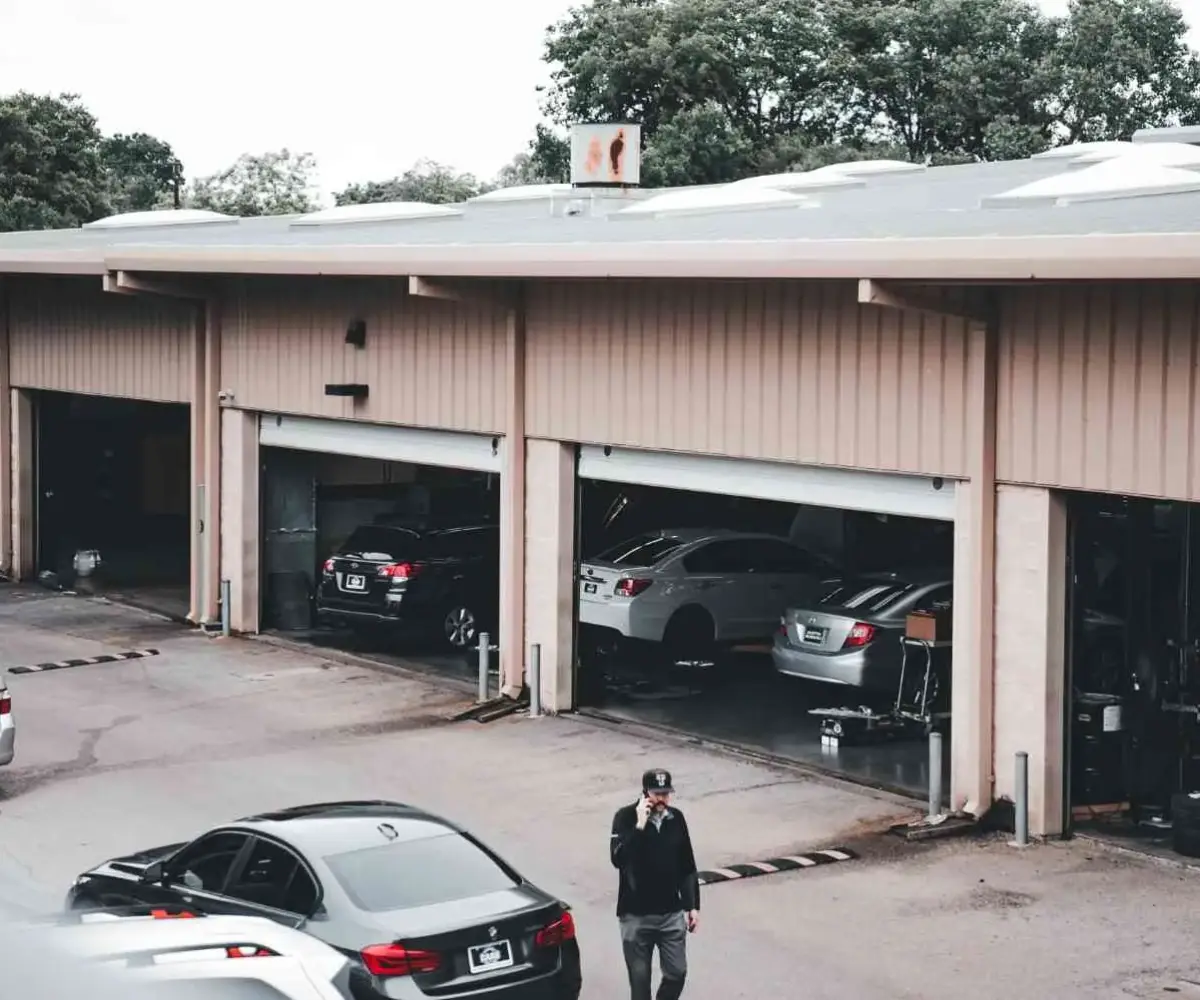
If you own a classic car, proper storage plays a major role in how well it ages over time. Whether the vehicle is stored for a few months or several years, the environment it sits in directly affects its exterior, interior, and mechanical condition.
Many owners debate whether garage or outdoor storage is the better option. In this article, we’ll examine how each storage choice impacts a classic car over time and help you decide which option best protects your vehicle.
Why Does Storage Environment Matter So Much For Classic Cars?
Storing and caring for your classic car in the right conditions is key to its longevity. Humidity, temperature, and exposure to elements are all important. They affect how well your car is maintained.
Classic cars are more affected by the environment because of their materials. Unlike newer cars, they use materials that age and deteriorate faster.
Why Classic Cars Are More Sensitive To Storage Conditions Than Modern Vehicles
Classic cars use materials from their time, like older metals and leathers. These materials are more sensitive to changes in the environment. For example, high humidity can cause rust on older metals. And, leathers can crack if it’s too dry or hot.
Also, classic cars often lack the seals and protective parts of newer cars. This makes them more open to moisture and dust.
How Long-Term Exposure Accelerates Aging In Older Materials
Keeping your classic car in poor conditions speeds up material aging. UV rays can make paint fade and clear coats break down. Moisture can also cause rust on metal parts.
Using a car cover and keeping your storage area well-ventilated helps. Also, maintaining a stable temperature and checking your car regularly can prevent issues.
What Happens To A Classic Car In Garage Storage Over Time?
Storing your classic car in a garage shields it from the elements. This controlled environment protects it from sunlight, rain, snow, and extreme temperatures. These factors can harm your car’s condition and lifespan.
How indoor storage protects paint, chrome, and body panels
Garage storage keeps your car’s exterior safe from UV rays. These rays can cause paint to fade and oxidize. By avoiding direct sunlight, your car’s paint stays vibrant, and chrome and metal parts avoid corrosion.
The table below shows the benefits of garage storage for your car’s exterior.
| Component | Benefit of Garage Storage |
| Paint | Protection from UV rays, fading, and oxidation |
| Chrome | Reduced risk of corrosion from moisture and salt |
| Body Panels | Shielded from dents and dings caused by weather-related debris |
Long-Term Effects Of Garage Storage On Mechanical Components
Garage storage also benefits your car’s mechanical parts. It keeps the temperature and humidity stable. This reduces the chance of engine corrosion, fluid damage, and other problems from extreme weather.
To get the most from garage storage, follow these tips:
- Regularly check and maintain your vehicle’s fluids.
- Use a breathable cover to prevent moisture buildup.
- Keep your garage well-ventilated to prevent the accumulation of fumes.
By storing your classic car in a garage and following these tips, you can keep it in great condition. This way, you can enjoy your car for many years while preserving its value.
What Happens To A Classic Car In Outdoor Storage Over Time?
Storing your classic car outside means it faces many environmental challenges. Unlike being in a garage, it’s exposed to rain, snow, sunlight, and extreme temperatures. These factors can harm your car’s condition over time.
These issues can range from cosmetic problems to serious mechanical failures. It’s important for classic car owners to know these risks if they choose outdoor storage.
Weather Exposure And Progressive Exterior Deterioration
Weather is a big risk for cars stored outside. Sunlight can cause a lot of damage. UV rays can make the paint fade and become brittle.
Also, paint can crack because of temperature changes. This not only looks bad but also lets moisture reach the metal, which leads to rust.
- UV exposure leading to paint fading and oxidation.
- Temperature fluctuations causing paint to crack.
- Rain and snow potentially leading to water spots and mineral deposits.
Moisture, Rust Development, And Underbody Degradation
Moisture is another big problem for cars stored outside. Rain, snow, and high humidity can cause moisture to build up. This can lead to rust on metal parts.
Rust not only looks bad but also weakens the car’s structure. It can cause expensive repairs and damage the metal’s strength.
To reduce these risks, some owners use outdoor covers. But, even with a cover, outdoor storage still poses significant risks. Regular checks and maintenance are key to spotting and fixing problems early.
How Does Garage Vs Outdoor Storage Affect Paint And Exterior Aging?
Storing your classic car in a garage or outdoors affects its look over time. Garage and outdoor storage each have good and bad points, mainly for paint and aging.
UV Exposure, Fading, Oxidation, And Clearcoat Breakdown
UV rays are a big factor in how a classic car looks. Outdoor storage means your car gets direct sunlight, causing paint to fade and oxidize. The clearcoat also wears down from UV rays. Garage storage keeps your car away from sunlight, lowering UV damage risks.
Here’s how UV rays affect your car’s paint:
| Storage Condition | UV Exposure Impact | Effect on Paint |
| Outdoor Storage | High | Fading, Oxidation |
| Garage Storage | Low | Minimal Fading, Less Oxidation |
How Temperature Swings Affect Seals, Trim, and Finishes
Temperature changes also play a big role in how your car ages. Outdoor storage means your car faces different temperatures, harming seals, trim, and finishes. Garage storage keeps temperatures steady, helping these parts last longer.
Here’s how storage affects your car’s parts:
| Exterior Component | Outdoor Storage Effect | Garage Storage Effect |
| Seals | Degradation due to temperature swings | Less degradation due to stable temperatures |
| Trim | Cracking and fading | Less cracking and fading |
| Finishes | Deterioration from UV and temperature fluctuations | Less deterioration |
In summary, garage storage is better for protecting your classic car from aging. Knowing these differences helps you choose the best storage for your car’s looks.
How Does Interior Aging Differ Between Garage And Outdoor Storage?
Storing your classic car in a garage or outdoors affects its interior. The storage environment greatly influences how fast and how much the interior ages.
Upholstery Cracking, Dashboard Fading, and Moisture Buildup
Outdoor storage exposes classic cars to harsh conditions. This can cause upholstery to crack, dashboards to fade, and moisture to build up. Direct sunlight degrades materials, leading to damage. Rain and humidity also cause moisture inside, which can lead to mold and mildew.
Garage storage offers a better environment. It protects your car from direct sunlight and reduces moisture. Keep the garage dry and well-ventilated. Using a charger to keep the battery healthy is also good, as it prevents damage from a completely drained battery.
- Use a breathable cover to protect the interior from dust.
- Ensure the garage is dry to prevent moisture buildup.
- Consider using a dehumidifier if you live in a humid climate.
Rodents, Insects, and Environmental Intrusion Risks
Outdoor storage raises the risk of rodents and insects getting into your car. These pests can damage upholstery, wiring, and more. Sap from trees can also stain the interior.
To avoid these problems, take interior protection seriously. Seal your garage well to keep pests out. Regularly check your car for signs of damage or pests.
To maintain your car’s interior, consider these steps:
- Seal any entry points around the garage to prevent rodents.
- Use rodent repellents or traps if necessary.
- Regularly inspect your vehicle for signs of pests or damage.
Understanding storage risks and taking steps to prevent them can help. This way, you can avoid flat spots on tires, reduce rust risk, and keep your car’s interior in top shape.
How Does Storage Type Affect Mechanical And Structural Components Over Time?
Where you store your classic car matters a lot. It affects how long it lasts and how well it works. The engine, suspension, brakes, and tires are most at risk from their surroundings.
Engine Bay Corrosion and Fluid Degradation Patterns
Corrosion in the engine bay is a major concern for classic cars, particularly in damp environments or outdoor storage. Moisture can settle on metal components and cause rust, which can gradually damage the engine. While garages are generally drier than outdoor spaces, storing the car in an unheated garage can still expose it to humidity and temperature swings that increase corrosion risk.
Fluids like engine oil can also break down over time. This makes them less effective. Keeping your car in a garage can slow down this breakdown because of the stable temperature.
To fight engine bay corrosion, use a dehumidifier in humid garages. Regular checks and making sure your car is sealed will help too. For outdoor storage, breathable covers can cut down moisture under them.
Suspension, Brakes, and Tire Condition Based on Storage Type
Storage type also affects suspension, brakes, and tires. Outdoor storage can lead to rust and rubber damage from extreme temperatures and moisture. Garages, being more controlled, reduce these risks.
Tires can get flat spots from being still for too long. But, using jack stands or rotating supports can help prevent this.
- Regularly inspect your classic car’s suspension and brakes for signs of rust or corrosion.
- Consider using wheel chocks and supports to maintain tire health during long-term storage.
- For outdoor storage, elevate the car on jack stands to reduce tire flat spotting and improve air circulation around the brakes.
How Do Costs And Maintenance Add Up Over Time For Each Storage Option?
Storing your classic car wisely is key. Knowing the long-term costs of different storage options is vital. The choice between garage and outdoor storage affects your wallet in the long run.
Ongoing Maintenance Costs for Garage Storage
Garage storage offers a controlled space but comes with ongoing expenses. These include:
- Utility bills for climate-controlled garages.
- Regular cleaning and dusting to keep the car in top shape.
- Periodic checks on the car’s systems to ensure they work well.
- Potential costs for garage maintenance or repairs.
These costs can add up, but they’re usually predictable. Budgeting for them is easier. Plus, a garage protects your car from costly damage or restoration needs.
Hidden Long Term Costs of Outdoor Classic Car Storage
Outdoor storage, though, poses risks to your classic car. These risks lead to hidden costs. Some of these include:
- Damage from UV exposure, causing fading and deterioration of exterior finishes.
- Rust and corrosion from moisture, affecting exterior and structural parts.
- More maintenance needs due to exposure to rain, snow, and extreme temperatures.
- Potential damage from wildlife or vandalism.
These costs can be high and not immediately clear. It’s crucial to consider them when choosing a storage option.
In summary, both storage options have costs. But understanding these expenses helps you make a choice that keeps your classic car’s value and condition safe over time.
Does Storage Duration Change The Garage Vs Outdoor Decision?
How long you plan to store your classic car affects whether to use a garage or outdoor storage. Knowing how storage time impacts your car’s condition is key to making the right choice.
Short-Term And Seasonal Storage Outcomes
For short-term storage, like a few months, garage and outdoor storage might seem similar. But, garage storage is still better for protection.
Multi-Year And Long-Term Storage Consequences
Storing a classic car for years can lead to serious damage from outdoor storage. This includes damage to the exterior and interior, and even mechanical problems from weather exposure.
To understand the effects of long term storage and short term storage time, let’s look at how garage and outdoor storage compare over different periods.
| Storage Duration | Garage Storage Outcomes | Outdoor Storage Outcomes |
| Short-Term (1-3 months) | Minimal deterioration, protected from elements. | Some risk of moisture accumulation, potential for minor exterior damage. |
| Seasonal (3-6 months) | Low risk of significant damage, maintains vehicle condition. | Moderate risk of rust, fading, and minor mechanical issues. |
| Long-Term (1-5 years) | Excellent condition maintained, minimal maintenance required. | High risk of significant deterioration, rust, and mechanical problems. |
In conclusion, the time you store your classic car greatly influences your choice between garage and outdoor storage. For long-term storage, using a garage is best to keep your car in top shape and value.
How Do You Choose Between Garage And Outdoor Storage For A Classic Car?
Choosing the right storage for your classic car involves several factors. If you don’t have a garage, you might wonder if outdoor storage is good. The decision depends on your car’s condition, value, and how you plan to use it.
Essential Garage Storage for Long-Term Value
For valuable or rare classic cars, garage storage is usually the best choice. It keeps your car’s paint, interior, and mechanics safe from the weather. Using a fuel stabilizer also helps keep the engine in good shape when the car is not running.
Outdoor Storage with Proper Precautions
If you can’t store your car in a garage, outdoor storage can work with the right steps. Make sure your car is covered with a top-notch outdoor cover. Choose a breathable material to avoid moisture buildup. Regular checks on your car can spot problems early.
Choosing the right storage is vital for your classic car’s condition. Whether you choose garage or outdoor storage, regular care is essential to keep your car in top shape.
Final Thought: Choosing the Right Storage for Long-Term Classic Car Care
The way you store a classic car shapes how it ages. Over time, small differences in exposure to sunlight, moisture, temperature changes, and security add up, affecting paint quality, interior condition, mechanical health, and long-term value.
Garage storage consistently reduces these risks, while outdoor storage increases the need for ongoing maintenance and repair. At RecNation, we see storage as an extension of ownership, not an afterthought.
Protecting a classic car is about creating stable conditions that slow wear, preserve original materials, and reduce avoidable damage, especially during long periods of inactivity.
Whether you are storing a classic car seasonally or for years at a time, choosing RecNation’s secure, well-managed classic car storage solution is one of the most effective ways to protect its condition and value.
FAQ
What is the best way to store a classic car to prevent rust?
To stop rust, keep your classic car in a dry, climate-controlled garage. Use a breathable car cover to avoid moisture. Also, apply a rust-inhibiting coating to the undercarriage.
How often should I start my classic car when it’s in storage?
Start your classic car every few weeks to keep it healthy. But, make sure to start it right to avoid engine or electrical system damage.
Can I store my classic car outside with a car cover?
While a car cover helps, don’t store your classic car outside. The elements, UV rays, and moisture can still harm the paint, interior, and mechanics.
How can I prevent rodents from damaging my classic car’s interior?
To keep rodents away, keep the interior clean and free of food. Use steel wool to block entry points. Also, consider traps or repellents.
Should I drain the fuel tank when storing my classic car?
Yes, drain the fuel tank or use a fuel stabilizer. Old fuel can cause problems when you start your classic car again.
Can I store my classic car on jack stands?
Yes, using jack stands can prevent flat spots on tires and reduce damage risk. Just be careful when raising your vehicle.
How can I protect my classic car’s battery during storage?
To keep your battery healthy, use a battery maintainer or trickle charger. This will keep it charged during storage.
What are the benefits of indoor storage for classic cars?
Indoor storage protects your classic car from the elements, UV rays, and moisture. This helps keep the paint, interior, and mechanics in good shape.
Can I store my classic car in an unheated garage?
An unheated garage is better than outside storage. Use a car cover and take precautions to protect your car from moisture and cold.
How can I prevent moisture buildup in my classic car’s storage area?
To avoid moisture buildup, ensure good airflow and use a breathable car cover. Also, consider using a dehumidifier to keep the air dry.