
Ultimate Guide To Motorcycle Storage
This guide explains how to store a motorcycle properly, protect it from moisture, theft, and damage, and choose the best storage option to keep it safe, reliable, and ready to ride.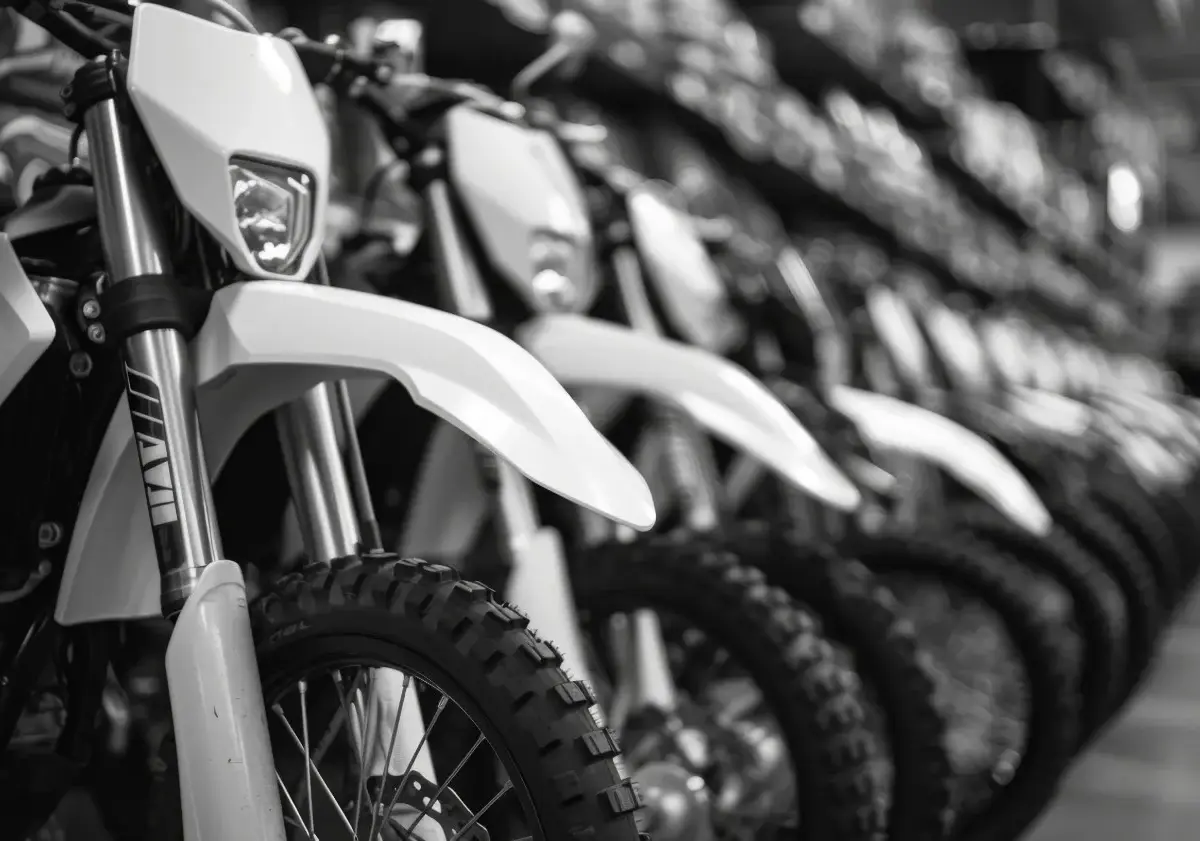
Storing your motorcycle properly helps protect it from damage when it is not being ridden. Whether you use your bike year-round or only during certain seasons, the right storage steps can help keep it in better condition and ready to ride when you need it again.
Weather, moisture, dust, and long periods of inactivity can all affect your motorcycle over time. This guide explains how to prepare your bike for storage, choose the right storage option, and protect important parts so you can avoid unnecessary damage and costly repairs later.
What Proper Motorcycle Storage Requires
Storing your motorcycle right keeps it in great shape and ready to go when you are. Knowing how to store your bike means learning about the environment, preparation, and ongoing care. Your bike faces threats like rust and fuel breakdown during storage. Preparing your bike now saves you money and trouble later.
Key Factors That Affect Motorcycle Condition During Storage
The condition of your motorcycle during storage depends a lot on the environment around it. Moisture, temperature changes, and air quality can all affect how well the bike holds up over time.
The main factors to watch during storage include:
- High humidity: Can cause rust on metal parts
- Changing temperatures: Can wear out seals and gaskets over time
- Poor winterization: Can leave the bike less protected during storage
- Dust, salt, and pollution: Can settle on exposed surfaces and slowly cause damage
- Poor ventilation: Can trap moisture and affect paint, chrome, and other sensitive parts
Risks Of Improper Motorcycle Storage
Improper motorcycle storage can lead to a range of mechanical and cosmetic problems. If the bike is not prepared properly before storage, old fuel can break down, oil can lose its protective quality, and important parts can slowly deteriorate while the motorcycle sits unused.
Some of the most common risks include:
- Engine seizure from rust buildup
- Fuel system contamination
- Battery discharge and failure
- Brake fluid degradation
- Tire damage and deformation
How Storage Impacts Critical Components
Your engine needs care before and during storage. Change the oil to protect the engine. Fresh oil keeps contaminants away. Dry storage prevents moisture from getting into your fuel system.
Brakes can suffer during long storage. Brake fluid absorbs water, reducing stopping power. Tires lose pressure and can get flat spots. Batteries drain without a charger.
| Component | Main Storage Risk | Prevention Method |
| Engine | Internal rust and corrosion | Oil change and fuel stabilizer |
| Battery | Complete discharge | Battery maintainer connection |
| Tires | Flat spots and pressure loss | Proper inflation and support |
| Brakes | Fluid degradation | Sealed storage environment |
| Paint and Chrome | Oxidation and rust | Protective cover and wax |
Knowing these risks helps you take action. Your motorcycle deserves the same care as when you ride it. Proper storage keeps your bike in top shape all year.
Motorcycle Storage Options Explained
The best motorcycle storage option depends on how much protection, access, and maintenance your bike needs. Where you store it can affect its condition over time, especially when it comes to weather exposure, security, and long-term care.
Indoor Storage
Indoor storage is the best way to protect your bike. A garage or storage unit is a safe motorcycle storage option because it protects the bike from rain, snow, and sunlight. This environment helps prevent rust and corrosion.
Indoor spaces need to be dry and cool. Good ventilation helps prevent moisture buildup. Using a quality motorcycle cover adds extra protection.
Outdoor Storage
Outdoor motorcycle storage needs careful planning and protection. If you can’t store indoors, outdoor storage can work with the right preparation. A good motorcycle cover is essential for outdoor use.
Position your motorcycle on level ground, away from trees and power lines. Outdoor storage exposes your bike to UV rays, rain, and temperature changes. Regular checks for water damage and rust are important.
Covered Storage
Covered storage is a practical option when a fully enclosed garage is not available. It protects your motorcycle from direct sun and rain while offering more convenience than many indoor setups.
It also provides better protection than open outdoor storage and often costs less than climate-controlled storage. Many riders choose it as a balance between cost, access, and basic weather protection.
Storing a Motorcycle in a Storage Unit
A storage unit is a practical option for motorcycle storage, offering better protection than outdoor parking from weather, dust, and sunlight. If you are considering a motorcycle storage unit, choosing a secure and well-ventilated facility helps reduce risks like moisture buildup and theft.
Using basic precautions such as strong locks, a cover, and occasional checks can further protect the motorcycle during storage.
How To Prepare A Motorcycle For Storage
Getting your motorcycle ready for storage is crucial. Proper preparation prevents damage and keeps it in top shape for your next ride. Before storing the bike, it is also smart to review your storage insurance needs, especially for long-term storage, public storage units, or areas where theft and weather exposure are bigger risks.
Cleaning And Pre-Storage Inspection
Cleaning your motorcycle before storage helps protect it from rust, corrosion, and surface damage. Wash off dirt, salt, and grime carefully, especially around the undercarriage and engine area where moisture can build up more easily.
Once the bike is clean, inspect it for leaks, cracks, and worn parts before putting it into storage. It is also a good time to check the brakes, lights, and controls so any problems can be noted and fixed later.
Fuel And Fluid Preparation
Fill your fuel tank completely before storage. Most riders store fuel in the tank because a full tank helps reduce moisture and condensation. Add fuel stabilizer to prevent ethanol damage.
Change your oil and oil filter when winterizing your engine. Fresh oil protects internal parts from corrosion. Check and top off coolant and brake fluid before storing.
| Fluid Type | Action Required | Importance Level |
| Engine Oil | Change and fill to proper level | Critical |
| Coolant | Check and top off as needed | High |
| Brake Fluid | Check and refill if low | High |
| Fuel with Stabilizer | Fill tank and add fuel stabilizer | Critical |
| Chain Lube | Clean and lubricate chain | Medium |
Battery Maintenance
Battery care is an important part of long-term motorcycle storage because a battery can slowly lose charge while the bike sits unused. To help prevent this, remove the battery and keep it in a cool, dry place where it is protected from moisture and extreme temperatures.
Using a Battery Tender or trickle charger helps maintain the charge without overcharging the battery. This reduces the risk of a dead battery and makes it easier to start the motorcycle when storage ends.
Tire Protection
Tires can lose pressure and develop flat spots when a motorcycle stays in one position for too long. Taking a few simple steps before and during storage helps protect them and keeps the bike in better condition.
Here are the main tire care steps to follow during storage:
- Check tire pressure against the manufacturer’s recommended level
- Inflate the tires properly before putting the bike into storage
- Move or reposition the motorcycle from time to time to help prevent flat spots
- Use a motorcycle stand if possible to reduce constant weight on the tires
- Inspect the tires during storage for cracks, wear, or other visible damage
These steps help protect your tires during storage and reduce the chance of avoidable damage. Proper tire care also makes it easier to get the motorcycle road-ready when storage ends.
How To Protect A Motorcycle During Storage
Protecting a motorcycle in storage takes more than simply parking it and leaving it alone. The right steps help shield it from moisture, dust, theft, and other common risks, so it stays in better condition whether you are storing it for a few weeks or for several months.
Preventing Moisture And Corrosion
Moisture is one of the biggest risks during motorcycle storage because it can slowly cause rust and corrosion on metal parts. Using a breathable motorcycle cover helps protect the bike from humidity and trapped moisture while still allowing airflow around the surface.
For extra protection, you can place desiccant packs or silica gel in the storage area to absorb excess moisture. This is especially useful in enclosed spaces or during long-term storage, where damp air can build up over time.
Protecting Against Dust And Debris
Dust particles can settle on your motorcycle and scratch the paint or clog engine parts. A motorcycle cover is your first defense against airborne debris.
- Use a cover with soft inner lining to avoid scratching your bike
- Ensure the cover fits snugly to prevent wind from lifting it
- Clean your motorcycle before covering it to avoid trapping dirt
- Keep your storage area as clean as possible
Reducing Theft And Security Risks
Motorcycle theft risk increases during storage because bikes are often left unattended for long periods. Using a few strong security measures together gives your bike better protection.
Use these security methods to reduce theft risk:
- Heavy duty U lock for securing the frame to a fixed object
- Chain lock with padlock for locking the wheels and frame
- Alarm system for detecting unauthorized movement
- GPS tracker for helping recover a stolen motorcycle
- Steering lock for preventing easy movement
- Motion activated lighting for deterring theft in dark areas
- Regular checks to inspect locks and spot any disturbance
- Locked garage or storage unit for stronger overall protection
Short-Term Vs Long-Term Motorcycle Storage Considerations
Storing your motorcycle for a few weeks is different from storing it for months or a whole season. Your motorcycle storage time affects how much preparation the bike needs before storage. The way you prepare now affects whether your bike will start up smoothly when you get it back.
Key Differences In Preparation Requirements
The preparation needed for motorcycle storage depends on how long the bike will remain unused. Short-term storage usually needs a few basic steps, while long-term storage requires more protection to prevent mechanical issues over time.
The main differences in preparation include:
- Short-term storage: Usually involves cleaning the bike, checking fluids, and covering it properly
- Long-term storage: Needs added protection for the fuel system, battery, and internal parts
- Fuel care: Becomes more important in long-term storage because fuel can break down over time
- Fuel stabilizer use: Helps keep gas usable longer and reduces the risk of damage inside the fuel system
Maintenance Needs During Storage
For short-term storage, you only need to check your bike once a month. Make sure there are no leaks or pest damage. For long-term storage, you should inspect your bike every four weeks. Routine motorcycle checks are important during storage, especially for battery condition, fluid levels, and signs of damage.
| Storage Type | Fuel Stabilizer Use | Battery Disconnection | Monthly Checks | Fluid Top-offs |
| Short-Term (Up to 4 weeks) | Optional | Not required | Once | Not necessary |
| Long-Term (4+ weeks) | Required | Recommended | Every 4 weeks | As needed |
Risks Of Extended Storage Periods
Long-term motorcycle storage can cause more problems than most riders expect. When a bike sits unused for months, several parts can slowly deteriorate without obvious signs at first.
Some of the most common risks during extended storage include:
- Flat spots on tires from staying in one position too long
- Internal engine corrosion when oil is not circulating regularly
- Brake fluid absorbing moisture and becoming less effective
- Rodents getting into the air filter or exhaust pipes
- Paint fading from dust buildup and sun exposure
Proper storage preparation helps reduce these risks. Using a fuel stabilizer, disconnecting the battery, and keeping the bike in a controlled environment can prevent costly damage before the riding season starts again.
Common Motorcycle Storage Mistakes To Avoid
Many motorcycle storage problems start with simple mistakes like poor preparation, weak protection, or ignoring the bike during storage. Knowing these common issues helps you avoid damage and keep your motorcycle in better condition while it sits unused.
Skipping Preparation Steps
One of the biggest motorcycle storage mistakes is putting the bike away without preparing it first. A motorcycle cannot just be parked and ignored for weeks or months, because small maintenance gaps can turn into bigger mechanical problems during storage.
Before storing your bike, make sure these basic preparation steps are covered:
- Add fuel stabilizer so the fuel does not break down in the tank.
- Avoid leaving old or untreated fuel sitting in the system.
- Change the oil so contaminants do not sit inside the engine.
- Top off important fluids before the bike goes into storage.
- Winterize key motorcycle systems if the bike will sit for a long period.
Poor Environmental Protection
Poor environmental protection can damage your motorcycle during storage in ways that are easy to miss at first. Even when the bike is covered, the storage area itself can still create problems over time.
Before looking at the risks, keep these points in mind:
- Moisture, dust, heat, and changing temperatures can all cause gradual damage.
- High humidity can lead to rust and corrosion on metal parts.
- Temperature swings can affect seals, surfaces, and overall condition.
- Water leaks from walls or roofs can create hidden storage damage.
- Direct sunlight can fade paint and wear down exposed materials.
- A good motorcycle cover helps, but it cannot fix a poor storage environment by itself.
- The battery should be kept in a dry place or removed during long-term storage for extra protection.
Neglecting Ongoing Checks
Leaving a motorcycle in storage without checking it regularly can lead to avoidable damage. Ongoing inspections help protect the battery, tires, fluids, and overall condition of the bike during short-term and long-term storage.
Here are the main areas you should monitor while your motorcycle is in storage:
| Component | Check Frequency | What To Monitor |
| Battery | Every 2 to 4 weeks | Charge level and corrosion |
| Tires | Monthly | Tire pressure and flat spots |
| Fluids | Every 4 to 6 weeks | Oil condition and coolant levels |
| Overall Condition | Monthly | Leaks, corrosion, and pest damage |
Without these routine checks, small issues can become expensive repairs. A discharged battery, flat-spotted tires, fluid problems, or hidden corrosion can all affect how well your motorcycle performs when you are ready to ride again.
How To Choose The Right Motorcycle Storage Option
Choosing the right storage for your motorcycle is key. You must balance cost with the need to protect your bike. Comparing monthly bike storage options can make that decision easier. The right choice helps keep your motorcycle in top shape. It also affects your maintenance efforts and peace of mind.
Matching Storage Type To Usage Patterns
The best storage option depends on how often you ride and how long your motorcycle stays parked. Riders who use their bikes year-round usually benefit most from indoor storage because it offers steady protection when the bike is not in use.
If your motorcycle sits for weeks at a time, indoor storage also helps reduce the risk of weather damage, moisture, and theft. Outdoor storage can work for daily riders who need quick access, especially in dry areas with mild weather, but it offers much less protection over time.
Evaluating Risk And Protection Needs
Your storage choice should match the level of risk your motorcycle faces. If theft is a concern in your area, indoor storage offers the strongest protection and better peace of mind.
Covered storage is a practical middle option. It gives more protection than outdoor parking while usually costing less than indoor storage. Outdoor storage may be cheaper, but it leaves your bike exposed to weather, rust, and possible theft.
Your motorcycle’s value also matters. Expensive or newer bikes often need stronger security, while older bikes may be fine with a simpler setup that still offers basic protection.
When To Consider Professional Storage
Professional motorcycle storage is a good option when you need to store your bike for a long time, especially for a full season or several months. It gives your motorcycle better protection from weather, moisture, and theft than most home storage setups.
Riders comparing motorcycle house storage with professional facilities often choose off-site storage for better security and more reliable protection.
It also makes sense when you do not have enough space at home. Riders who live in apartments or crowded urban areas often use professional storage because it offers a safer and more reliable place to keep the bike until they are ready to ride again.
Final Thoughts
Proper motorcycle storage is not just about where you park your bike. It is about protecting key components like the engine, battery, tires, and fuel system so your motorcycle stays reliable and ready to ride. With the right preparation, storage setup, and regular checks, you can avoid costly issues like corrosion, battery failure, and fuel damage.
The right storage choice depends on your climate, usage, and budget. Indoor and professional storage offer the highest level of protection, while covered and outdoor options require more active care. For riders looking for a secure, well-managed solution, RecNation provides dedicated motorcycle storage spaces designed for safety, accessibility, and long-term vehicle protection.
FAQ
What humidity level should I maintain when storing my motorcycle?
Keep humidity below 60% when storing your motorcycle. High humidity can cause severe corrosion on metal parts. This can damage your bike’s structure during storage.
How often does a motorcycle battery lose its charge during winter storage?
A motorcycle battery loses 1% to 3% of its charge daily in cold weather. Using a trickle charger is key to keeping the battery healthy during storage.
What is the best way to prepare fuel for motorcycle storage?
Add fuel stabilizer to a full tank to prevent fuel degradation. Fill the tank fully to protect the fuel system from oxidation and varnish buildup.
How should I maintain my motorcycle tires during storage?
Check tire pressure before storage to avoid flat spots. Inflate tires 2-3 PSI above the recommended level. Rotate your bike to evenly distribute weight.
What type of motorcycle cover should I use for outdoor storage?
Choose a high-quality, breathable cover that guards against UV damage and moisture. It should fit well to prevent wind from lifting it and be made from durable materials.