
Ultimate Guide to Contractor Storage: Everything You Need to Know
Contractor storage isn’t just about space. It’s about protecting tools, improving workflows, and reducing jobsite delays. Learn how the right storage setup supports growth, security, and daily performance for contractors of all sizes.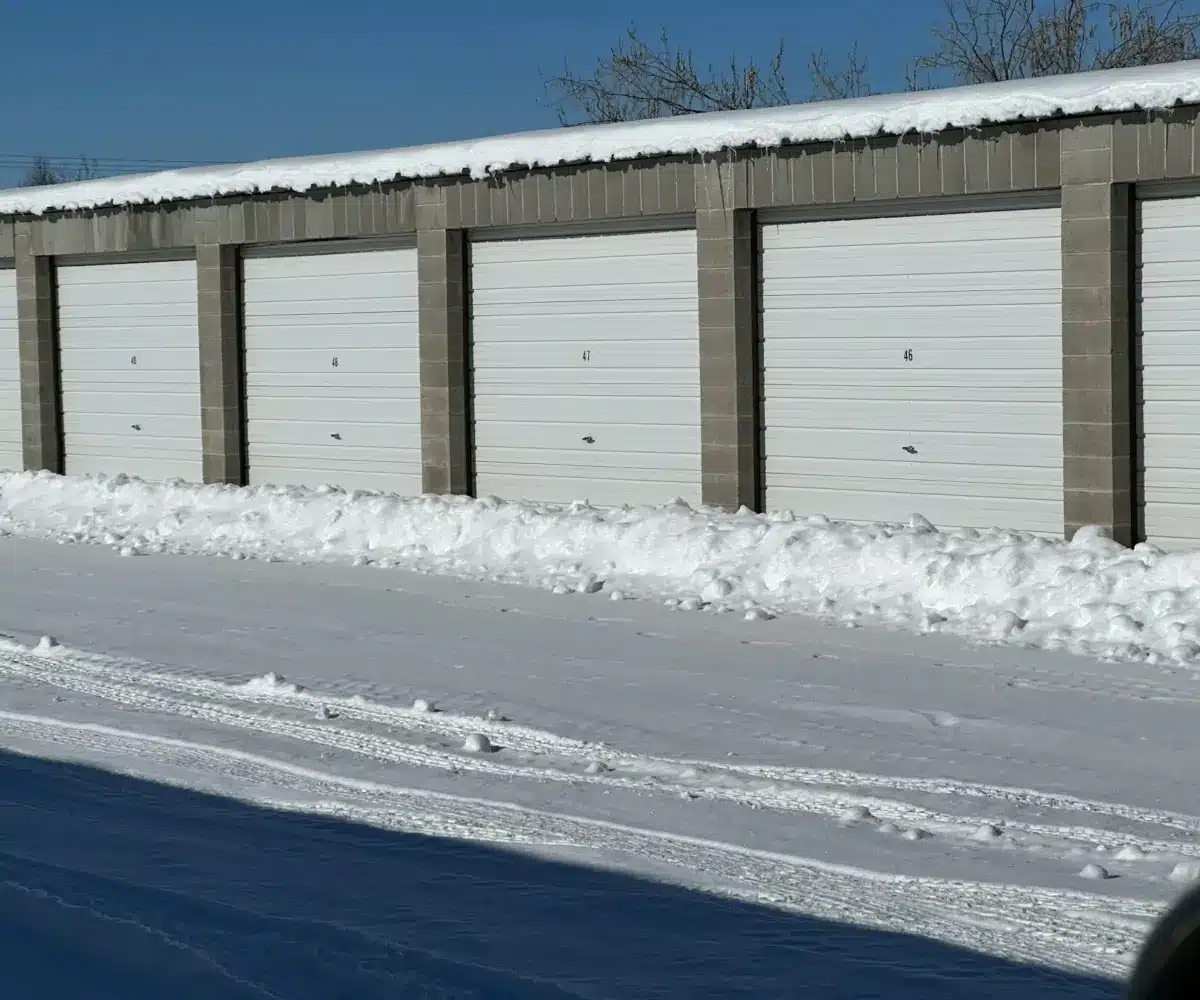
As a contractor, keeping tools, equipment, and materials organized is more than just good practice; it’s essential for profitability and safety. A smart storage solution reduces losses, prevents weather damage and theft, and ensures crews spend less time searching for gear and more time working.
In this guide, we’ll cover the types of contractor storage available, how different trades use them, and the features that make a solution effective. With purpose-built storage, contractors can scale efficiently, protect valuable assets, and keep jobsites ready for smoother workflows and stronger client delivery.
What Is Contractor Storage and Why It Matters
Contractors and construction companies need purpose-built storage to manage gear efficiently. Contractor storage concentrates security, access, and protection in one place. Proper layouts shorten loading time and cut idle trips back to the shop. Centralizing materials also improves inventory accuracy and budget control. Over time, organized storage supports safer jobsites and fewer delays.
How Contractor Storage Differs from Standard Self-Storage
Standard self-storage is built primarily for residential users, people storing furniture, household goods, or small personal items. These units often lack the scale, access, and load-bearing capacity needed for commercial use.
Contractor storage is designed specifically for business users. These facilities feature ground-level access, drive-up doors, reinforced floors, and extra-wide aisles to accommodate pallets, scissor lifts, mini-excavators, and bulky supplies.
Many also include staging zones, loading bays, and vehicle-accessible pathways for trucks and trailers.
Here’s a side-by-side comparison for clarity:
| Feature | Standard Self-Storage | Contractor Storage |
| Primary Users | Residential customers storing household goods | Business users storing tools, equipment, and materials |
| Access | Limited hours, often gated evenings | Extended hours or 24/7 access for jobsite schedules |
| Unit Design | Small to mid-sized, upper-floor or corridor access | Ground-level, drive-up units with reinforced floors |
| Load Capacity | Built for light personal items | Designed for heavy equipment, pallets, and bulky supplies |
| Infrastructure | Minimal, no utilities | May include electrical hookups, staging zones, and loading bays |
| Outdoor Storage | Rarely available | Common, for vehicles, trailers, and overflow materials |
| Security | Basic locks and cameras | Advanced systems for theft prevention of tools and machinery |
| Lease Terms | Fixed, standard monthly leases | Flexible, scalable options to match project demand |
By prioritizing security, accessibility, and scalability, contractor storage provides infrastructure that keeps crews productive and assets protected advantages standard self-storage simply doesn’t offer.
Industries That Rely on Contractor Storage
Contractor storage isn’t just for general contractors; it supports a wide range of industries that rely on mobility, heavy gear, or recurring material usage. These include:
- Construction teams who stage lumber, fasteners, and jobsite equipment between projects. This helps crews transition faster between job locations and keeps priority materials close at hand.
- Plumbing contractors storing pipe, fittings, valves, and fixtures in labeled bins or vertical racks for easy pickup.
- HVAC service firms protecting condensers, coils, air handlers, and ductwork from theft and weather damage.
- Landscaping businesses staging seasonal inventory, riding mowers, skid steers, and stone or mulch near project areas.
- Field service technicians use storage as a “hub” for loading vans with parts, tools, and safety equipment before dispatching to jobs.
In every case, the storage unit for tools and equipment becomes a mobile-ready base of operations, keeping everything protected, well-organized, and ready to move with the job. This approach improves efficiency, reduces losses, and keeps teams focused on the work instead of searching for gear.
Common Contractor Storage Needs for Tools, Equipment, and Materials
Contractors balance everyday access with strong protection for high-value items. A good plan separates hand tools, power tools, and jobsite equipment by use and risk. Clear zones help techs work faster and return items consistently. Covered areas protect sensitive materials from heat and rain. Digital logs and basic labeling keep counts accurate.
Business Support Functions of Contractor Storage
Beyond tool and material organization, many contractors rely on storage to support the business side of their operations. Secure parking for service vehicles, space for staging deliveries, and extended access hours help crews start jobs on time and finish efficiently. Facilities that provide these features reduce downtime, strengthen jobsite readiness, and help contractors meet client deadlines, all of which directly affect profitability.
Some contractors even treat storage as a business extension. With meeting spaces, Wi-Fi, and compliance-ready setups, certain facilities allow dispatch coordination, invoice handling, or subcontractor onboarding right on-site. For small and mid-size firms, this can reduce the overhead of leasing separate office space while still keeping operations streamlined.
That’s why some contractors ask whether it’s possible to actually run part of their business from a storage unit. In many cases, the answer depends on how well the space aligns with local compliance rules (zoning, occupational safety, business licensing) and how effectively it supports daily workflows.
Hand Tools, Power Tools, and Jobsite Equipment
Each tool category demands a specific storage setup to remain accessible and in good condition.
- Hand tools (e.g., wrenches, screwdrivers, pliers) work best when organized in drawer systems or portable bins labeled by trade or crew.
- Power tools need dry shelves, dust protection, charging stations, and lockable storage cabinets.
- Large equipment like compressors, air tanks, or portable generators require weather protection and tie-downs to avoid movement or damage during transit.
By designing clear zones inside the unit, techs and crew members can work faster and return items to their place without confusion. Add digital logs or basic labeling systems to keep inventory accurate and reduce time spent hunting for gear.
You can store a wide range of contractor essentials in this setup; from daily-use drills to bulk project materials, while keeping everything safe, accessible, and accounted for.
| Tool/Equipment Type | Storage Considerations | Security Measures |
| Hand Tools | Bins or drawers grouped by task | Lockable cabinets or toolboxes |
| Power Tools | Dry shelves and charging racks | Access controls and sign-out logs |
| Jobsite Equipment | Covered pads and routine service | Fencing, lighting, and alarms |
Building Materials, Supplies, and Inventory
Materials must be stored with both accessibility and protection in mind. Weather exposure and mishandling can quickly ruin job-critical items like drywall or adhesives.
- Lumber and pipe should be stored off the ground on horizontal or vertical racking for better airflow and drainage.
- Drywall, adhesives, and paint require dry, covered environments or climate-controlled units to prevent spoilage.
- Fasteners, screws, and nails should be sorted by type and size in labeled totes or drawer bins.
Palletized storage can be arranged with lane markers for quick visual inventory. Weekly cycle counts help maintain order accuracy and reduce jobsite delays due to missing items.
Vehicles, Trailers, and Heavy Machinery Accessories
Storage planning also includes the movement and maintenance of fleet vehicles and equipment accessories.
- Reserve wide parking stalls for trucks, vans, and trailers to avoid accidental dings or blocked access.
- Place attachments like buckets, forks, and augers on labeled skids under covered pads to keep them dry and reduce rust or wear.
- Add inspection protocols for tires, fluids, lights, and battery health before dispatch.
Security is key for vehicle and machinery storage. Use surveillance cameras, motion-triggered lights, and check-in/out logs at entry points. A gate checklist helps ensure crews don’t forget keys, logs, or permits.
| Vehicle/Equipment | Storage Needs | Security Features |
| Vehicles and Trailers | Covered or outdoor stalls with tie downs | Surveillance and gate logs |
| Heavy Machinery Accessories | Dry shelves or pallets under cover | Locked containers and inventory tags |
Benefits of Contractor Storage for Businesses
Contractor storage delivers flexible space that fits changing workloads. It lowers capital tied up in oversized warehouses while improving readiness. Strong security reduces theft-related downtime. Centralized layouts help crews stage jobs in fewer trips. Together, these gains strengthen cash flow and client delivery.
Scalability as Business Grows
Storage needs evolve with business growth. Contractor storage solutions offer the adaptability that traditional warehouse space often lacks. As new crews are hired or jobs increase in complexity, it’s easy to scale up without changing locations.
- Add units or open-air pads as your fleet or inventory expands.
- Accommodate seasonal surges without committing to long-term leases.
- Downsize during slower periods to avoid unnecessary overhead.
- Use uniform shelving, bins, and labeling systems for quick scale-up.
So basically you pay for what you use and only when you need it keeping costs in line with revenue.
Tax Benefits of Contractor Storage Expenses
Contractor storage can offer tax advantages when treated as a business operating expense. Proper documentation and consulting with a tax advisor ensures these benefits are realized.
- Deductible costs: Monthly rent, shelving, access systems, and even security upgrades.
- Depreciation: Capital investments like climate-controlled containers or permanent sheds may be depreciated.
- Expense tracking: Organized records support cleaner books and lower audit risk.
Tip: Store receipts, lease agreements, and site improvements under labeled folders in your accounting software.
Cost Savings Compared to Warehousing
Contractor storage is leaner than full-scale warehousing and often more practical.
- No heating or cooling bills for large open spaces you don’t use.
- Drive-up convenience reduces time spent loading and unloading.
- Flexible terms mean you’re not locked into year-long leases.
- Reduced labor hours means easy-access layouts speed up crew dispatch.
Here’s how contractor storage stacks up directly against traditional warehousing:
| Feature | Contractor Storage | Traditional Warehouse |
| Monthly Overhead | Lower | Higher |
| Lease Flexibility | Month-to-month available | Long-term required |
| Loading Access | Ground-level, direct | Often requires lifts or docks |
| Maintenance Responsibility | Minimal | More extensive (HVAC, roof) |
Security and Asset Protection
High-value tools, machinery, and materials need strong security. A purpose-built contractor storage site includes features that deter theft, limit access, and improve accountability.
- Perimeter fencing and gates to restrict access.
- CCTV cameras for real-time monitoring and incident review.
- Lighting systems to improve night visibility.
- Inventory control through digital logs and serial number tracking.
- Scheduled inspections to catch issues before failure.
Beyond physical safeguards, contractor storage also delivers measurable business benefits:
| Benefit | Description | Business Impact |
| Scalability | Adjust storage as needs change | Flexible operations |
| Tax Benefits | Possible deductions for storage costs | Lower tax liability |
| Cost Savings | Pay only for space used | Higher profitability |
| Security | Strong protection and monitoring | Reduced loss and downtime |
Adopt ready-to-use safety program templates and inspection checklists, such as NAHB’s Safety 365 toolkit to formalize procedures, run toolbox talks, and keep security practices consistent across crews and sites.
Convenience, Flexibility, and Accessibility
The right contractor storage setup offers more than just square footage; it delivers quick access, operational efficiency, and the freedom to scale without hassle. Contractors benefit most when their storage solution is easy to access, available on flexible terms, and designed to match real-world work rhythms.
Early-morning tool pickups, storing large trailers overnight, or scaling up for a seasonal job all become easier with a mix of drive-up access, secure outdoor pads, and adaptable layouts. This creates a high-performing, low-friction storage experience.
A common question contractors ask is how storage units compare to warehouse space, and the benefits in flexibility, cost, and access make contractor storage the smarter choice for many businesses.
Types of Contractor Storage Solutions Available
Different jobs call for different formats and features. Drive-up units handle frequent loadouts and heavy items. Climate-controlled spaces protect sensitive goods. Outdoor options support vehicles and oversized equipment. To find the best type of storage, match a unit’s features to the specific tasks and gear at hand; blending types often delivers the best result.
Here’s a comparison of the main contractor storage types:
| Storage Type | Key Features | Main Benefits | Best For |
| Drive-Up Storage Units | Ground-level entry, direct truck access, segmented interiors | Fast tool/material retrieval, reduced lift time, efficient crew dispatch | General contractors, electricians, plumbers |
| Climate-Controlled Units | Temperature & humidity regulation, protection from moisture | Prevents material warping, reduces rust/electrical damage, extends life of components | HVAC contractors, fine-finish trades, data & electrical service providers |
| Outdoor & Vehicle Storage | Wide lanes, numbered stalls, optional canopies, lighting & surveillance | Maneuverability for vehicles/equipment, simplified dispatch, weather protection, after-hours safety | Landscapers, heavy construction crews, fleet & trailer operators |
Choosing the Right Size Contractor Storage Unit
Selecting the right storage unit size starts with a full understanding of your gear, materials, and workflow. A poorly sized unit can lead to wasted money or worse, cramped access and safety hazards. Take time to list your inventory, measure key items, and anticipate future needs. This ensures the space supports both your current load and your upcoming work pipeline.
From traditional storage units to portable pods, contractors today have more flexibility than ever, but that only matters if the space fits your actual needs. Size planning is a critical step in making storage work for your business, not against it.
To make the most of your rented space, whether you’re using a fixed-location storage facility or renting a pod or storage unit for temporary site use. Start by understanding what needs to be stored and how often it will be accessed.
- List your equipment and materials in detail: Write down everything you plan to store hand tools, jobsite gear, bulk materials, shelving systems, carts, etc.
- Measure bulky items and verify door clearance: Items like ladders, generators, and palletized stock may need wide doors or deeper units. Check that your tallest items can clear door height.
- Allow room for staging and safe lifting: Leave open space between shelves for safe maneuvering. Avoid stacking heavy items where they must be lifted overhead.
- Plan a simple map for shelf locations: Sketch a basic layout showing where tools, fasteners, and larger equipment will sit. Think in zones frequently accessed vs. long-term storage.
Unit Size Breakdown
Choosing the right unit size is essential for keeping tools and materials organized without overpaying for unused space. The table below outlines typical storage unit sizes and what type of contractor use cases each one supports.
| Unit Size (sq. ft.) | Ideal For |
| 50–100 | Small contractors with limited gear and materials (e.g., solo tradespeople) |
| 100–200 | Crews with moderate tools, small machinery, and consumables |
| 200–500 | Larger contractors managing multi-site inventory, staging, and larger equipment |
Contractor Storage Costs: What to Expect
Monthly pricing of contractor storage varies by market, unit size, and features. Urban areas and premium security command higher rates. Drive-up and climate control cost more than interior units. Shorter terms may carry a premium. Budget for locks, shelves, and labeling at move-in.
Average Monthly Costs by Unit Size
Unit size is one of the most direct factors influencing cost. Smaller units are generally sufficient for solo contractors or trades with limited gear, while larger spaces accommodate fleets, heavy machinery, or staging for multiple projects.
Here’s a breakdown of typical monthly rates by size:
| Unit Size | Average Monthly Cost | Best Use Case |
| Small (5×5 to 5×10 ft) | $100–$300 | Hand tools, bins, and a few pallets of supplies |
| Medium (10×10 to 10×20 ft) | $200–$500 | Crews with larger tools, carts, and small equipment |
| Large (10×30 ft or more) | $400–$1,000+ | Vehicles, jobsite staging, and heavy machinery |
Note: These rates are general averages and may vary based on location, facility features, lease terms, and market demand. Always confirm pricing with local providers to ensure accuracy.
To put these costs in perspective, national transportation studies estimate that providing and maintaining urban parking can total nearly $5,000 per vehicle annually across on-street and off-street spaces showing how location and infrastructure heavily influence pricing.
Factors That Influence Pricing
Several additional elements shape how much you’ll pay for contractor storage. Understanding these can help you negotiate better rates and choose the right location.
Key pricing factors include:
- Location: Sites near highways or job corridors command higher prices due to convenience.
- Security: Added surveillance cameras, fencing, and 24/7 monitoring often raise rates but protect high-value tools.
- Lease terms: Short-term or month-to-month leases provide flexibility but usually cost more than long-term agreements.
- Access features: Drive-up access, extended hours, or 24-hour entry can increase rent but save labor costs.
- Seasonal demand: Pricing often rises during peak construction seasons when space is in short supply.
- Insurance requirements: Some storage facilities require insurance, adding another monthly expense.
Contractor Storage Costs vs. Warehousing Costs
Contractor storage and warehousing serve different needs. Warehousing suits businesses with forklifts, bulk pallet inventory, or shipping operations. Contractor storage, on the other hand, is optimized for tradespeople who need faster access, smaller footprints, and flexible contracts.
Here’s how they compare:
| Storage Type | Average Monthly Cost | Flexibility |
| Contractor Storage | $100–$1,000+ | High – scales with projects |
| Traditional Warehousing | $500–$5,000+ | Low to Medium – fixed overhead |
Note: These costs are broad averages drawn from market surveys. Actual pricing depends on location, facility features, lease terms, and availability. Always verify local rates to ensure accurate budgeting.
Contractor storage provides a variable cost structure, letting you expand or shrink space as workloads change. This flexibility aligns expenses with revenue, reducing wasted overhead and improving financial control.
Best Practices for Organizing Contractor Storage Units
Organized storage improves safety and speed. Clear paths reduce injuries and product damage. Labeling and simple maps help the crew return items correctly. Standard shelf heights and bin sizes simplify reorders. Review layouts quarterly to keep pace with work.
Safety and Compliance Considerations
Safety should be a priority in any contractor storage environment, following OSHA guidelines. Storage sites must not only keep tools safe from theft but also prevent hazards that could cause injuries or regulatory issues.
Follow these safety and compliance measures:
- Label and sign materials clearly: Especially for hazardous or heavy items.
- Keep heavy loads low: Store heavier items on lower shelves for safer lifting.
- Follow chemical storage rules: Keep chemicals in ventilated areas per manufacturer guidelines.
- Adhere to OSHA standards: Ensure stacking, handling, and access meet compliance requirements.
- Inspect monthly: Conduct regular checks and document corrections for accountability.
Inventory Management Tips for Contractors
Managing inventory efficiently ensures projects stay on track and budgets remain accurate. Without a system, tools and consumables can go missing, causing delays and unnecessary costs.
Here are practical tips for inventory management in contractor storage:
- Adopt a simple catalog system: Organize tools and supplies by trade or function.
- Use digital tracking: Barcodes or app-based check-in/check-out logs increase accountability.
- Set par levels: Maintain minimum stock thresholds to prevent shortages.
- Apply first-in, first-out (FIFO): Rotate consumables to avoid waste or expired materials.
- Do weekly cycle counts: Spot-check inventory regularly to keep records accurate.
Final Thoughts: Making the Most of Contractor Storage Solutions
Contractor storage brings order to daily work, protects assets, and saves valuable time across projects. The right combination of drive-up units, climate-controlled spaces, and outdoor pads can be tailored to fit any trade or workload.
When paired with thoughtful organization and strong security, contractor storage ensures crews spend less time searching and more time building. Choosing the right unit size not only supports current needs but also positions your business for growth.
At RecNation, we design contractor storage solutions that balance flexibility, security, and convenience. From secure drive-up access to outdoor vehicle storage, our facilities are built to support contractors who need dependable space that works as hard as they do.
With RecNation’s experience in managing contractor and equipment storage, you gain a reliable partner who helps streamline operations and safeguard your investments turning storage into a quiet advantage on every project.
FAQ
What is contractor storage, and how does it differ from standard self-storage?
Contractor storage is purpose-built for business equipment and materials rather than personal goods. It offers drive-up access, stronger security, and layouts for bulky items.
What types of industries rely on contractor storage?
Construction, plumbing, HVAC, and landscaping all depend on contractor storage. Each needs secure, organized space for tools and supplies.
What are the benefits of using contractor storage for my business?
Contractor storage scales with workload, reduces overhead, and improves security. These gains support faster jobs and better margins.
What types of contractor storage solutions are available?
Drive-up units, climate-controlled spaces, and outdoor vehicle stalls are common. Many contractors mix formats to match their gear.
How do I choose the right size contractor storage unit for my needs?
List and measure your items, then allow room to stage and move safely. Pick the smallest unit that fits now with limited growth space.