
Can a Commercial Vehicle Be Parked in a Residential Area
This guide explains whether commercial vehicles can be parked in residential areas, covering zoning laws, HOA restrictions, parking limits, and alternative solutions to avoid fines, towing, and compliance issues.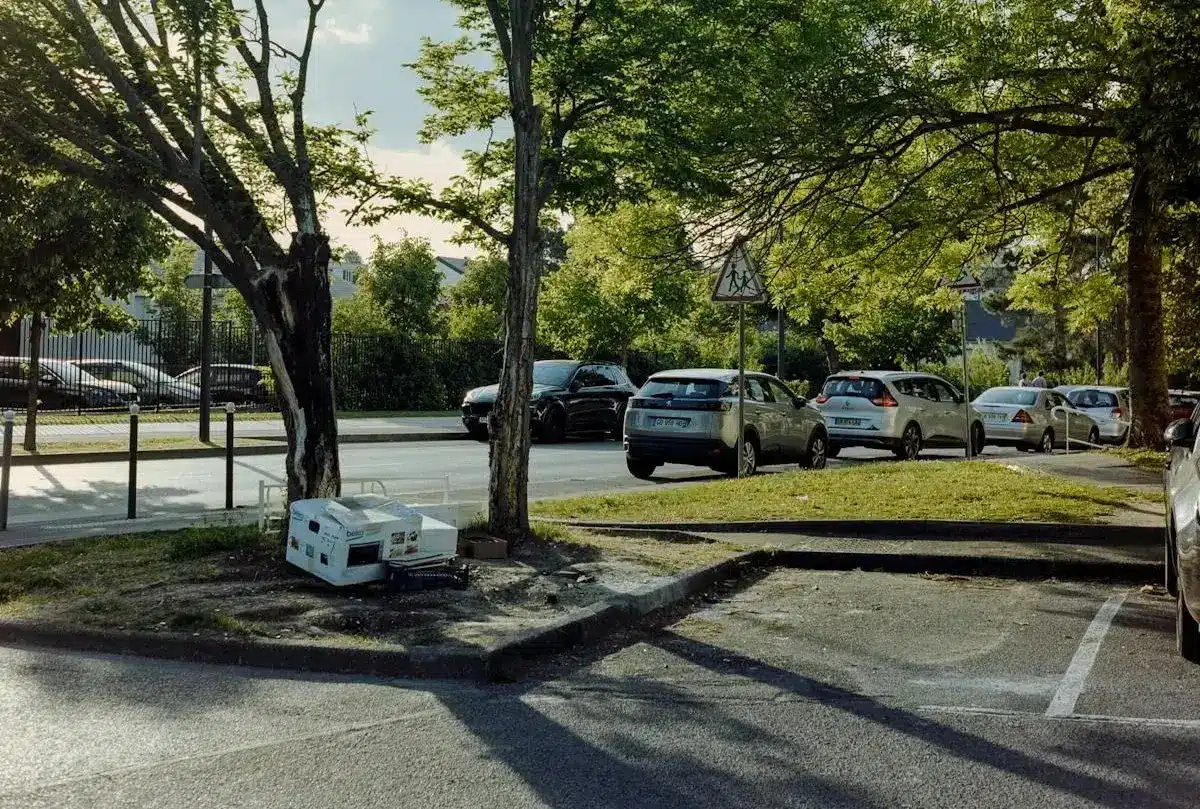
Commercial vehicle parking in residential areas is a common challenge for contractors, fleet operators, and business owners who bring work vehicles home. Local zoning laws, municipal codes, and HOA rules often create confusion, leading to fines, complaints, or even towing when vehicles are parked incorrectly.
Knowing how these regulations apply is essential to avoid penalties and protect your vehicle. This guide explains what qualifies as a commercial vehicle, where parking is allowed, and what practical alternatives exist when residential street parking is restricted.
What Counts as a Commercial Vehicle in Parking Laws
To avoid fines and violations, you need to clearly identify what qualifies as a commercial vehicle under local regulations. These classifications directly affect where the vehicle can be parked, how long it can remain on a street, and how vehicle parking and storage rules apply, including permit requirements.
Commercial vehicle status is typically determined through a combination of vehicle type, weight, and intended use.
Definitions Based on Vehicle Type, Weight, and Business Use
Vehicle classification often starts with its physical type and primary function. Trucks, cargo vans, buses, and utility vehicles are commonly categorized as commercial because they are designed to transport goods, equipment, or passengers for business purposes.
Weight thresholds are another major factor in classification. Many cities impose limits such as 10,000 lbs or 14,000 lbs gross vehicle weight, where anything above that range is automatically regulated more strictly due to road wear, safety risks, and space constraints in residential streets.
Business use further expands this classification. Even smaller vehicles without obvious commercial markings may still be regulated as commercial if they are regularly used for work activities such as contracting, deliveries, or service operations.
The table below outlines how these factors typically influence classification and parking restrictions:
| Vehicle Characteristic | Typical Classification | Parking Implications |
| Type (trucks, vans, buses) | Commercial | Subject to local commercial parking restrictions |
| Weight (above threshold) | Commercial | May require permits or restricted parking zones |
| Business Use | Commercial if work-related | Often limited or prohibited in residential areas |
Personal Vehicles vs Business-Registered Vehicles
Vehicle registration plays a critical role in how local authorities classify parking eligibility. Vehicles registered under a business name are generally treated as commercial, regardless of size or outward appearance.
Personal vehicles used occasionally for work may not always fall under commercial regulations, but this depends heavily on local enforcement policies and usage patterns. Misclassification can still lead to citations if the vehicle clearly functions as part of a business operation.
Clear distinction between personal and business registration helps reduce compliance risks and prevents unexpected fines or enforcement actions.
Are Commercial Vehicles Allowed in Residential Areas
The ability to park a commercial vehicle in a residential area depends on local laws, zoning classifications, and enforcement practices. These regulations vary widely, making it essential to verify the exact rules that apply in your city or neighborhood.
In most cases, restrictions are influenced by vehicle size, business use, and the potential impact on residential safety and aesthetics.
Local Parking Laws and Municipal Codes
Municipal codes form the foundation of parking regulations and define what is allowed on residential streets and private property, including areas like in your garden. These rules often include limits on vehicle weight, size, signage, and duration of parking.
Some cities permit smaller commercial vehicles such as service vans, while restricting larger trucks, trailers, or vehicles with visible branding. Overnight parking, extended parking duration, and repeated presence may trigger stricter enforcement even if daytime parking is allowed.
The table below highlights how different cities like New York, Los Angeles, Chicagos, etc. apply commercial vehicle parking rules:
| City | Allowed Commercial Vehicles | Restrictions |
| New York City | Vans under 10,000 lbs | No overnight parking for larger trucks |
| Los Angeles | Trucks under 14,000 lbs | Permit required for larger vehicles; limited zones |
| Chicago | Vehicles without visible commercial signage | Commercial vehicles restricted to designated zones |
Differences Between Residential and Commercial Zoning
Zoning classifications determine how land is used and play a major role in parking permissions. Residential zones prioritize safety, space availability, and neighborhood appearance, which leads to tighter restrictions on commercial vehicles.
| Aspect | Residential Zoning | Commercial Zoning |
| Primary Purpose | Intended for housing and neighborhood living | Intended for business activity and operations |
| Parking Rules | Usually stricter for commercial vehicles | Usually more flexible for business vehicles |
| Traffic Capacity | Built for lighter daily traffic | Built to handle heavier traffic and vehicle movement |
| Vehicle Use | Limited allowance for trucks, vans, or work vehicles | Commonly allows larger vehicles, fleets, and equipment |
| Parking Duration | Often subject to tighter time limits | Often allows longer parking periods |
| Risk of Violations | Higher chance of complaints, fines, or towing | Lower risk when parking follows local business rules |
| Overall Environment | Focused on quiet streets and residential appearance | Focused on access, loading, and business function |
Can Commercial Vehicles Park on Residential Streets
Parking a commercial vehicle on residential streets is allowed in some areas, but it comes with strict limitations. These rules are designed to balance business needs with safety, traffic flow, and neighborhood standards.
Restrictions usually depend on vehicle type, size, duration of parking, and local enforcement priorities.
Rules for Vans, Work Trucks, and Service Vehicles
Different types of commercial vehicles are regulated differently based on their size, function, and impact on residential streets. Smaller service vehicles are usually treated more leniently than heavy-duty trucks or construction equipment due to their lower impact on residential areas.
However, as vehicle size and parking frequency increase, then street parking becomes a problem for compliance, space, and neighborhood safety.
The way these vehicles are typically regulated can be broken down as follows:
- Vans: Service and delivery vans are often allowed for short-term or daytime parking, especially when actively used for work. Overnight parking may still be restricted depending on local rules.
- Work Trucks: Larger trucks used for construction or hauling are subject to stricter controls, including weight limits, restricted zones, and limited parking duration.
- Service Vehicles: Utility and contractor vehicles may be permitted under specific conditions, especially if they are tied to ongoing work in the area, but long-term parking is usually limited.
Time Limits, Weight Limits, and Permit Requirements
Beyond vehicle type, several regulatory factors determine whether parking is allowed on residential streets. These controls are used to prevent congestion, reduce road damage, and maintain safety.
The key limitations that commonly apply include:
- Time limits: Many cities restrict how long a commercial vehicle can remain parked, with rules ranging from a few hours to complete bans on overnight parking.
- Weight limits: Heavier vehicles are often restricted from residential streets due to infrastructure stress and safety concerns.
- Permit requirements: Some municipalities allow exceptions through permits, especially for work-related use, but these are typically conditional and limited in scope.
HOA and Neighborhood Restrictions on Commercial Vehicles
In addition to city regulations, homeowners associations and private communities often impose their own restrictions on commercial vehicle parking. These rules are usually stricter and focus heavily on maintaining neighborhood appearance and consistency.
Ignoring these restrictions can result in penalties even if the vehicle complies with municipal laws.
Policies on Work Trucks and Branded Vehicles
HOAs often regulate not just the presence of commercial vehicles, but also their visibility and appearance within the neighborhood. Vehicles that signal business activity are more likely to face restrictions.
These policies typically address the following:
- Vehicle size and type: Larger trucks, trailers, and equipment-heavy vehicles are often restricted or completely prohibited.
- Branding and signage: Vehicles with logos, decals, or advertisements may not be allowed to remain visible in driveways or streets.
- Parking duration and location: Some communities require vehicles to be parked inside garages, behind fences, or completely out of sight.
In some cases, limited allowances may exist, but they are usually tied to visibility restrictions rather than full permission to park freely.
Fines, Notices, and Enforcement
HOAs actively enforce parking rules through structured processes that escalate with repeated violations. Initial warnings are common, but continued non-compliance can lead to more serious consequences.
The enforcement process generally includes:
- Warning notices: First-time violations are often addressed through written notices requesting compliance.
- Fines and penalties: Monetary penalties can increase with repeated violations, depending on HOA guidelines.
- Escalation measures: Continued violations may result in legal action, towing enforcement, or additional restrictions imposed by the association.
Responding quickly to notices and staying compliant with HOA policies helps prevent unnecessary penalties and avoids long-term disputes.
Risks of Parking Commercial Vehicles in Residential Areas
Parking a commercial vehicle in a residential area may seem convenient, but it often leads to regulatory, safety, and financial risks. These risks can escalate quickly, especially in areas with strict enforcement or active HOA oversight.
Ignoring these factors can result in repeated penalties, disputes, and long-term compliance issues.
Complaints, Citations, and Towing Risks
Residential areas are closely monitored by both local authorities and neighbors, making commercial vehicles more likely to attract attention. Even a single violation can trigger complaints or enforcement actions, especially if the vehicle is large, branded, or parked for extended periods.
The most common enforcement outcomes include:
- Citations and fines: Violating local parking laws or HOA rules can result in monetary penalties that increase with repeated offenses.
- Vehicle towing: Unauthorized parking may lead to towing, often without prior notice, creating additional recovery costs and inconvenience.
- Insurance impact: Frequent violations or claims related to improper parking can affect insurance premiums and risk classification.
Safety, Visibility, and Liability Concerns
Beyond legal risks, commercial vehicles can create safety and liability challenges in residential settings, especially when considering safety in long term parking. Their size, weight, and positioning can interfere with normal traffic flow and increase accident risks over time.
Key safety concerns typically include:
- Reduced visibility: Large vehicles can block sightlines for drivers and pedestrians, increasing the likelihood of collisions.
- Higher accident risk: Tight residential streets are not designed for heavy or oversized vehicles, leading to maneuvering hazards.
- Liability exposure: Damage to nearby property or involvement in an incident can result in financial and legal responsibility for the vehicle owner.
When Parking a Work Vehicle at Home Is Allowed
In some cases, parking a work vehicle at home is permitted, but only under specific conditions defined by local laws or residential programs. These allowances are usually limited and depend on vehicle type, usage, and compliance with restrictions.
Failing to meet these conditions can result in the same penalties applied to prohibited parking.
Overnight Parking Exceptions
Certain areas allow overnight parking for work vehicles, but these exceptions are typically narrow and conditional. Smaller vehicles or those registered to residents are more likely to qualify, while larger or heavily modified vehicles remain restricted.
To stay compliant, you should confirm the following before parking overnight:
- Vehicle classification: Ensure the vehicle does not exceed local thresholds for commercial designation.
- Size and type restrictions: Verify limits on height, weight, and vehicle category.
- Safety compliance: Confirm requirements such as lighting, positioning, or hazard markings where applicable.
Permit Systems and Residential Parking Programs
Some municipalities provide structured programs that allow residents to park work vehicles legally within designated areas. These systems are designed to regulate access while maintaining control over residential street usage, while cities like New York also publish formal commercial vehicle parking information for legal parking and compliance.
The table below outlines how these programs typically operate:
| Program Type | Description | Typical Requirements |
| Permit Systems | Allow parking of work vehicles in approved zones with a permit | Proof of residency, vehicle registration, application fee |
| Residential Parking Programs | Assign designated parking areas for residents with work vehicles | Vehicle registration, residency verification, compliance with local rules |
Participating in these programs can provide a compliant solution, but availability and conditions vary widely depending on the city.
Alternatives to Residential Street Parking
Strict parking regulations and neighborhood restrictions often make residential street parking unreliable for commercial vehicles. As rules become tighter, many vehicle owners are forced to look for safer and legally compliant options.
Choosing the right alternative helps reduce risk, protect your vehicle, and ensure uninterrupted business operations.
Commercial Vehicle Parking Lots
Commercial vehicle parking lots are designed specifically for larger vehicles that cannot be accommodated in residential areas. These facilities offer structured parking environments with better access, security, and compliance with local regulations.
When evaluating a parking lot, several practical factors should be considered:
- Security measures: Look for features such as CCTV surveillance, gated entry, and on-site monitoring to reduce theft or damage risks.
- Accessibility: Proximity to highways or work zones helps reduce travel time and improves operational efficiency.
- Cost and services: Pricing varies based on location and features, with some facilities offering added services like fueling or basic maintenance.
The table below highlights how these features contribute to overall value:
| Feature | Description | Benefits |
| Security | 24/7 surveillance, controlled access | Lower risk of theft, vandalism, or unauthorized access |
| Accessibility | Located near highways or commercial zones | Faster route access and easier vehicle movement |
| Cost | Varies by location and service level | Balanced cost for safety, compliance, and convenience |
Secured Truck Yards and Storage Facilities
Secured truck yards and storage facilities provide a more controlled and long-term solution for commercial vehicle parking. These spaces are built to handle a wide range of vehicles, from small work vans to heavy-duty trucks and trailers.
When selecting a facility, focus on the following considerations:
- Advanced security: Gated access, perimeter fencing, and surveillance systems help ensure vehicle protection.
- Facility condition: Well-maintained surfaces and organized layouts improve usability and reduce wear on vehicles.
- Additional support services: Some facilities offer maintenance access, repair support, or flexible storage terms.
For vehicle owners looking for a more reliable and secure alternative to residential parking, facilities like RecNation provide dedicated storage environments designed for commercial vehicles. Compared to street parking, these solutions offer higher security, better compliance, and long-term convenience for business use.
How to Check Local Rules Before Parking a Work Vehicle
Before parking a work vehicle in a residential area, it is important to verify the exact local regulations that apply. Rules can vary significantly across cities, neighborhoods, and zoning classifications.
Taking a few steps in advance helps prevent fines, towing, and compliance issues.
Reviewing Municipal Codes
Municipal codes provide detailed guidelines on parking restrictions for commercial vehicles within residential zones. These regulations outline limits related to vehicle size, weight, duration of parking, and permit requirements.
To access accurate information, review your city’s official website or zoning documentation, where parking regulations are typically published and updated.
Contacting Authorities
If regulations are unclear or situation-specific, reaching out to local authorities can provide direct clarification. Parking enforcement departments or zoning offices can confirm applicable rules and any exceptions that may apply.
Speaking with the relevant authority helps ensure compliance and reduces the risk of unexpected penalties.
Final Thoughts on Parking Commercial Vehicles in Residential Areas
Parking a commercial vehicle in a residential area comes with more restrictions than most vehicle owners expect. Between municipal laws, zoning limits, and HOA rules, even short-term or overnight parking can quickly turn into fines, complaints, or towing if not handled correctly.
For long-term convenience and compliance, relying on residential streets is rarely a reliable solution. At RecNation, we provide secure, well-managed vehicle storage spaces designed specifically for commercial vehicles, helping you stay compliant with local regulations while protecting your vehicle and simplifying daily operations.
FAQ
Is it illegal to park a commercial vehicle in a residential area?
It depends on your area’s laws. Most places have rules to keep neighborhoods nice and safe. You might be able to park a small personal vehicle, but big trucks and trailers are often not allowed.
How does a city like San Antonio define a commercial motor vehicle for parking purposes?
Cities like San Antonio have their own rules. They look at the vehicle’s weight, size, and use. If it’s heavy, has a DOT number, or has special equipment, it’s considered commercial.
Can you park a work van or service vehicle, such as a Ford Transit or Mercedes-Benz Sprinter, on a residential street?
You might be able to park a work van on the street, but check the height and length rules. Some places allow service vehicles during the day but not at night. You might need a special permit for your business vehicle.
Do HOA covenants and deed restrictions override city parking codes?
Yes, your HOA can have stricter rules than the city. They might not allow certain vehicles to keep property values up. Breaking these rules can lead to fines or warnings, even if the city allows it.
What are the risks of parking commercial vehicles in residential zones without a permit?
Parking a commercial vehicle where you shouldn’t can get you in trouble. A neighbor might complain, and you could get a fine or have your vehicle towed. It can also be a safety risk for others.
Are there any exceptions for parking a tractor or trailer overnight on your own residential property?
Some places let you store a commercial vehicle in the back yard if it’s hidden. But many areas don’t allow it. You might get a special permit for repairs that need big equipment.