
Ultimate Guide to Motorcycle Ownership and Long-Term Care
This complete guide covers motorcycle ownership, including maintenance routines, long-term costs, seasonal care, and proper storage strategies to keep your bike reliable, protected, and performing at its best over time.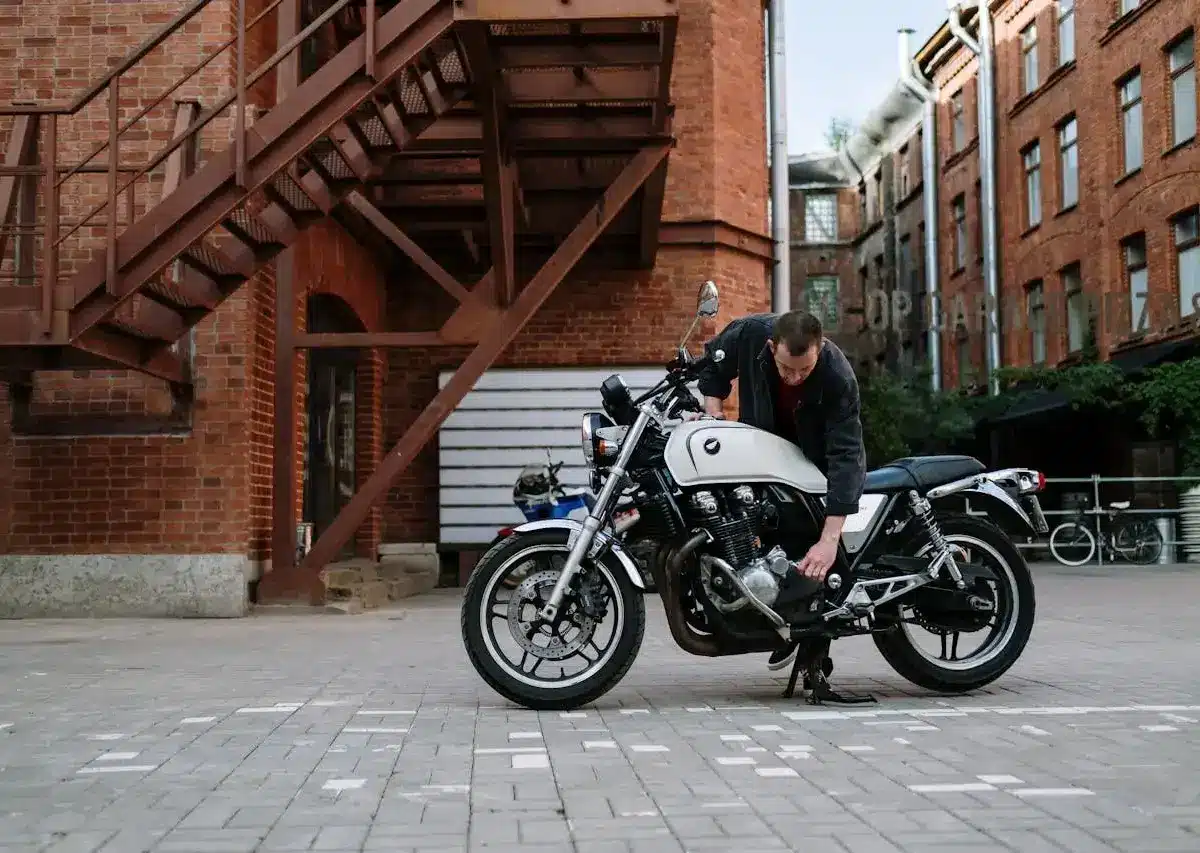
Owning a motorcycle offers flexibility, performance, and a unique riding experience, but it also comes with long-term responsibilities that go beyond the initial purchase. Maintenance, storage, seasonal care, and operating costs all play a critical role in keeping your bike reliable and protecting its value over time.
This guide covers what motorcycle ownership involves, how to maintain performance, and the steps needed to ensure long-term durability. It also explains how proper storage and care decisions help reduce wear, prevent damage, and extend the lifespan of your motorcycle.
What Motorcycle Ownership Involves
Owning a motorcycle involves ongoing responsibilities that extend well beyond the initial purchase. Costs, maintenance routines, and usage patterns all influence long-term performance and ownership experience.
These factors vary depending on the type of motorcycle, how it is used, and how consistently it is maintained.
Types of Motorcycles and Ownership Needs
Motorcycles are built for different riding purposes, and each type comes with specific care requirements. The design, performance level, and usage conditions influence how often maintenance is needed, even if the bike is owned without licence and not actively used.
Before choosing or maintaining a bike, it helps to understand how different motorcycle types are typically categorized:
- Cruisers: Designed for relaxed highway riding, these bikes require steady engine maintenance and regular tire inspections due to long-distance usage.
- Sport bikes: Built for high performance, these require frequent checks on brakes, tires, and chains because of higher speeds and stress on components.
- Touring bikes: Used for long-distance travel, these demand consistent engine, electrical, and tire maintenance to ensure reliability over extended rides.
- Off-road/dual-sport bikes: Exposed to rough terrain, these require frequent suspension checks, tire replacements, and cleaning to prevent wear.
- Standard/naked bikes: Versatile for everyday use, these require balanced maintenance across engine, brakes, and general components.
Each category differs in how it handles stress, mileage, and environmental exposure, which directly affects long-term upkeep.
The differences in usage and maintenance needs across common motorcycle types are summarized below:
| Motorcycle Type | Primary Use | Common Maintenance Needs |
| Cruisers | Comfortable highway riding | Tire checks, engine servicing |
| Sport Bikes | High-performance riding | Frequent brake, tire, and chain inspection |
| Touring Bikes | Long-distance travel | Engine, tire, and electrical system maintenance |
Costs of Owning a Motorcycle Beyond the Purchase Price
The total cost of motorcycle ownership includes several recurring expenses that extend beyond the initial purchase. These costs can vary significantly based on the type of bike, usage frequency, and maintenance habits.
Key cost categories that influence long-term ownership include:
- Insurance: Premiums vary based on rider history, motorcycle value, and location, with higher-performance bikes often costing more to insure.
- Fuel: Fuel expenses depend on engine size, efficiency, and how frequently the motorcycle is used.
- Maintenance and repairs: Ongoing servicing such as oil changes (typically every 1,000 to 5,000 miles), tire replacements, and brake maintenance contributes significantly to long-term ownership costs.
The table below outlines typical annual cost ranges and the factors that influence them:
| Expense Category | Average Annual Cost | Factors Influencing Cost |
| Insurance | $200–$1,000 | Rider experience, bike value, location |
| Fuel | $500–$1,500 | Fuel efficiency, riding frequency |
| Maintenance | $300–$1,000 | Service frequency, parts and labor costs |
Note: The costs shown are estimated ranges and may vary based on location, riding habits, motorcycle type, and market conditions. Actual expenses can differ depending on individual usage and external factors.
Choosing the Right Motorcycle for Long-Term Ownership
Selecting the right motorcycle affects long-term usability, cost efficiency, and overall ownership experience. The choice should align with riding habits, maintenance expectations, and long-term value retention.
A well-matched motorcycle reduces wear, improves reliability, and helps maintain resale value over time.
Matching Bike Type to Riding Style and Use
The way a motorcycle is used has a direct impact on which type makes the most sense. Daily routine, road conditions, trip length, and riding behavior all affect comfort, control, and long-term practicality.
The table below shows how common motorcycle types align with real-world usage and riding style:
| Motorcycle Type | Usage | Riding Style |
| Commuter Bike | Daily city travel, office commute, short errands | Calm, practical, fuel-efficient riding with frequent stops |
| Sport Bike | Weekend rides, fast highway runs, performance-focused use | Aggressive, quick acceleration, sharper cornering |
| Cruiser | Relaxed city rides, long open-road trips, leisure use | Laid-back, steady-speed riding focused on comfort |
| Touring Bike | Long-distance travel, highway journeys, multi-day rides | Smooth, stable, comfort-first riding over long hours |
| Adventure Bike | Mixed travel, highway plus rough roads, touring with flexibility | Balanced riding that adapts to changing road conditions |
| Dual-Sport Bike | City roads, village roads, trails, light off-road use | Versatile riding with frequent shifts between paved and rough terrain |
| Naked Bike | Urban commuting, short highway rides, everyday mixed use | Upright, responsive riding with a balance of comfort and performance |
| Scooter / Maxi-Scooter | Short commutes, stop-and-go traffic, practical daily use | Easy, low-stress riding focused on convenience |
| Off-Road / Dirt Bike | Trails, uneven ground, off-road recreation | Active, technical riding with constant body movement and control input |
Choosing a motorcycle based on actual usage and riding style leads to better comfort, lower stress on the bike, and a more practical ownership experience over time.
Reliability, Resale Value, and Maintenance Factors
Beyond riding style, long-term ownership depends on reliability, resale potential, and maintenance requirements. Motorcycles that require frequent servicing or have limited parts availability can increase ownership costs over time.
The table below highlights how different motorcycle types compare across these key factors:
| Motorcycle Type | Reliability | Resale Value | Maintenance Needs |
| Sport Bikes | High | Medium | Frequent |
| Cruisers | High | High | Moderate |
| Dual-Sport Bikes | Medium | Medium | Frequent |
| Touring Bikes | High | High | Moderate |
Balancing these factors helps ensure that the motorcycle remains cost-effective, reliable, and easier to maintain throughout its lifecycle.
Essential Motorcycle Maintenance for Long-Term Performance
Consistent maintenance is critical for keeping a motorcycle reliable, safe, and efficient over time. Regular servicing reduces the risk of breakdowns, improves performance, and helps extend the lifespan of key components.
A structured maintenance routine focused on high-impact parts ensures long-term durability and smoother riding experience.
Routine Maintenance for Engine, Chain, Brakes, and Tires
Certain components experience constant wear and require regular inspection to maintain optimal performance. Ignoring these areas can lead to reduced efficiency, safety risks, and higher repair costs over time.
The most important maintenance areas to monitor include:
- Engine: Regular oil changes and air filter replacements help maintain lubrication, reduce internal wear, and improve overall engine performance.
- Chain: Keeping the chain clean, properly lubricated, and correctly tensioned ensures smooth power transfer and reduces the risk of failure.
- Brakes: Frequent inspection of brake pads and fluid levels is essential to maintain stopping power and rider safety.
- Tires: Monitoring tire pressure, tread depth, and wear patterns helps prevent blowouts and ensures stable handling on different road conditions.
Consistent attention to these components minimizes performance issues and prevents costly repairs.
Service Intervals and Preventive Care
Following recommended service intervals helps maintain performance consistency and prevents unexpected failures. Manufacturer guidelines provide a baseline, but real-world usage conditions may require more frequent checks.
Preventive care focuses on identifying early signs of wear and addressing them before they develop into major problems.
The table below outlines common service intervals and their purpose:
| Service | Interval | Description |
| Oil Change | Every 8,000 miles (varies by model) | Replace engine oil with recommended type and viscosity |
| Tire Pressure Check | Monthly | Maintain proper pressure for safety and efficiency |
| Brake Pad Inspection | Every 1,000 miles | Check wear levels and replace when needed |
Staying consistent with these intervals helps maintain performance, improve safety, and extend the overall life of the motorcycle.
Proper Motorcycle Storage for Long-Term Protection
Storage plays a critical role in protecting a motorcycle from environmental damage, mechanical wear, and security risks. Whether used frequently or stored for extended periods, proper storage conditions directly impact long-term performance and appearance.
Choosing the right storage approach helps reduce exposure to weather, moisture, and potential theft.
Indoor vs Outdoor Motorcycle Storage
Motorcycle storage options generally fall into indoor and outdoor categories, each offering different levels of protection. The right choice depends on availability, budget, and how long the motorcycle will remain unused.
Verifying motorcycle ownership also becomes important at this stage, because storage providers may ask for registration or ownership documents before accepting the bike to prevent disputes, theft, or unauthorized storage.
Indoor storage provides the highest level of protection by shielding the motorcycle from environmental exposure and offering controlled conditions. Outdoor storage is more accessible but increases exposure to weather-related damage and security risks.
The comparison below highlights key differences between these storage types:
| Storage Type | Protection Level | Security | Cost |
| Indoor Storage | High | High | Moderate to High |
| Outdoor Storage | Low to Moderate | Low to Moderate | Low |
Climate, Moisture, and Security Considerations
Environmental factors such as temperature fluctuations, humidity, and exposure to moisture can significantly impact motorcycle condition over time. Poor storage conditions often lead to rust, corrosion, battery issues, and material degradation.
Key considerations for effective storage include:
- Climate control: Stable temperature conditions help prevent damage caused by extreme heat or cold.
- Moisture management: Reducing humidity levels minimizes the risk of rust, corrosion, and internal component damage.
- Security measures: Features such as gated access, surveillance systems, and physical locks help protect against theft or unauthorized access.
For long-term protection, choosing a secure and well-maintained storage environment reduces risk and helps preserve the motorcycle’s value.
Seasonal Motorcycle Care and Storage Preparation
Seasonal changes directly affect how a motorcycle performs, ages, and maintains its condition over time. Temperature shifts, moisture levels, and environmental exposure all require adjustments in maintenance and storage practices.
Adapting care routines for each season helps prevent damage, improve reliability, and extend the lifespan of the motorcycle.
Winter Storage and Cold Weather Protection
Cold weather introduces risks such as battery drain, fuel degradation, and moisture-related corrosion. Preparing the motorcycle properly before winter storage helps prevent long-term damage and reduces issues when returning to riding conditions.
Before storing your motorcycle for winter, the following steps should be completed:
- Thorough cleaning: Removing dirt and contaminants prevents corrosion and protects painted and metal surfaces.
- Oil change: Fresh oil reduces internal engine corrosion during long periods of inactivity.
- Fuel stabilization: Adding a stabilizer prevents fuel breakdown and protects the fuel system.
- Proper storage location: Keeping the motorcycle in a dry, covered environment reduces exposure to moisture and temperature extremes.
These steps help ensure that the motorcycle remains in stable condition throughout extended storage periods and reinforce when you need motorcycle storage for long-term protection.
The table below highlights additional winter storage practices and their benefits:
| Winter Storage Tip | Description | Benefits |
| Use a Motorcycle Cover | Protects from dust and moisture | Reduces risk of rust and surface damage |
| Store Indoors | Shields from harsh weather conditions | Preserves overall condition and components |
| Disconnect the Battery | Prevents battery discharge | Extends battery lifespan |
Summer Heat, Sun Exposure, and Battery Care
High temperatures and prolonged sun exposure can impact both the appearance and mechanical condition of a motorcycle. Heat can degrade rubber components, fade paint, and place additional strain on cooling systems.
To reduce the effects of summer conditions, the following practices are recommended:
- Shaded parking: Limiting direct sunlight exposure helps protect paint, plastics, and rubber components.
- Tire monitoring: Regular pressure checks prevent uneven wear caused by heat expansion.
- Cooling system checks: Ensuring proper coolant levels and system performance helps prevent overheating during extended rides.
Maintaining these practices during warmer months helps preserve performance and reduces long-term wear.
Insurance, Registration, and Legal Responsibilities
Motorcycle ownership also includes legal and financial responsibilities that must be maintained consistently. Proper documentation and insurance coverage protect both the rider and the vehicle in case of accidents or compliance checks.
Staying current with these requirements helps avoid penalties and ensures uninterrupted use of the motorcycle.
Choosing Insurance Coverage for Motorcycles
Selecting the right insurance coverage depends on the motorcycle’s value, usage, and risk exposure. Policies vary in coverage types, cost, and protection levels, making it important to evaluate options carefully.
Key components to consider in a motorcycle insurance policy include:
- Liability coverage: Protects against third-party bodily injury or property damage claims.
- Collision coverage: Covers repair or replacement costs if the motorcycle is involved in an accident.
- Comprehensive coverage: Includes protection against theft, vandalism, and non-collision damage.
- Uninsured/underinsured motorist coverage: Provides protection if involved in an accident with inadequately insured drivers.
The table below outlines how these coverage types compare in terms of purpose and importance:
| Insurance Component | Description | Importance Level |
| Liability Coverage | Covers injury or damage to others | High |
| Collision Coverage | Pays for accident-related damage | Medium to High |
| Comprehensive Coverage | Covers theft and non-accident damage | Medium |
| Uninsured/Underinsured Motorist | Protects against insufficiently insured drivers | Medium to High |
Registration, Documentation, and Compliance
Maintaining proper registration and documentation is essential for legal motorcycle operation. Requirements vary by state but typically include proof of ownership, valid insurance, and identification. This becomes especially important when storing a motorcycle under lien, as ownership records and lender details must remain accurate and up to date.
Keeping documentation updated and accurate helps prevent fines, legal issues, and operational disruptions.
To remain compliant, follow these essential practices:
- Regular policy review: Ensure insurance coverage remains valid and aligned with current usage.
- Timely registration renewal: Avoid late fees and penalties by renewing registration before expiration.
- Update records when needed: Notify authorities of any ownership, address, or vehicle changes to maintain accurate records.
Consistent compliance with these requirements ensures smooth ownership and reduces the risk of enforcement actions.
Long-Term Cost of Motorcycle Ownership
The total cost of owning a motorcycle goes well beyond the purchase price. Fuel, maintenance, repairs, insurance, depreciation, and riding habits all shape how much the bike will actually cost over time.
In practical terms, long-term ownership cost often reaches 1.3x to 2x the original purchase price over several years, depending on the motorcycle type, usage, maintenance needs, and resale value.
Fuel, Maintenance, Repairs, and Upgrades
Operating a motorcycle involves recurring expenses that change based on how often it is ridden, how aggressively it is used, and how well it is maintained. A bike used for daily commuting will have a different cost pattern than one used for weekend touring or performance riding.
The example below shows how long-term cost can build over time:
| Initial Bike Cost | Typical Use | Riding Style | Estimated Long-Term Cost |
| $3,000 to $5,000 | Daily city commuting | Calm, practical riding | Around 1.3x to 1.5x the purchase price |
| $6,000 to $9,000 | Mixed city and highway use | Balanced riding | Around 1.4x to 1.7x the purchase price |
| $8,000 to $12,000 | Frequent highway or touring use | Long-distance, higher-mileage riding | Around 1.5x to 1.8x the purchase price |
| $10,000+ | Performance or aggressive riding | Fast acceleration, harder braking, higher wear | Around 1.6x to 2x the purchase price |
These costs usually come from a combination of recurring ownership needs:
- Fuel expenses: Fuel use depends on engine size, mileage, and riding style, with performance-focused bikes usually consuming more.
- Routine maintenance: Oil changes, chain service, brake pads, tires, and regular servicing are necessary to keep the bike safe and reliable.
- Repairs: Wear and tear, accidental damage, and aging components can increase ownership cost over time.
- Upgrades and modifications: Accessories, luggage, protection parts, exhausts, or cosmetic changes add to the overall spend.
Consistent maintenance and sensible riding habits usually keep long-term costs closer to the lower end of the range, while aggressive use and poor upkeep tend to push costs much higher.
Depreciation and Resale Value
Motorcycles lose value over time, but the rate depends on brand strength, reliability, model demand, mileage, condition, and service history. Some motorcycles hold value better because they remain desirable in the resale market and are known for lower maintenance risk.
Industry pricing sources note that motorcycle depreciation can affect value sharply, especially in the first two years, which makes resale planning an important part of ownership cost assessment.
This matters for long-term planning in a few key ways:
- Ownership cost assessment: It helps show the true cost of keeping the bike over several years.
- Resale planning: It gives a better idea of how much value may be recovered at the time of sale.
- Model selection: Bikes with stronger resale value can be more cost-effective even if the upfront price is higher.
Considering both running costs and resale value gives a more accurate picture of motorcycle ownership. A cheaper bike is not always the lower-cost choice in the long run, especially if it needs more repairs, loses value quickly, or is used in demanding riding conditions.
Common Mistakes That Shorten Motorcycle Life
Long-term durability depends not only on maintenance routines but also on avoiding common mistakes that lead to premature wear and damage. Small oversights can accumulate over time and significantly impact performance and reliability.
Addressing these issues early helps extend the motorcycle’s lifespan and reduce costly repairs.
Neglecting Maintenance and Improper Storage
Skipping routine maintenance or storing a motorcycle incorrectly can lead to serious mechanical and structural issues. Lack of regular servicing increases wear, while poor storage exposes the motorcycle to environmental damage.
The most common mistakes in this category include:
- Missed maintenance tasks: Ignoring oil changes, tire pressure checks, and brake inspections can lead to performance issues and component failure.
- Outdoor exposure: Leaving a motorcycle uncovered exposes it to UV damage, moisture, and corrosion.
- Improper storage preparation: Failing to stabilize fuel or maintain battery charge during inactivity can cause internal damage and starting issues.
Consistent maintenance and proper storage practices help prevent long-term damage and preserve performance.
Skipping Inspections and Using Poor-Quality Parts
Regular inspections are essential for identifying early signs of wear before they turn into major problems. This becomes even more important when transferring motorcycle ownership, as undetected issues can affect value, safety, and legal handover. Using low-quality replacement parts can further reduce reliability and increase safety risks.
The impact of these mistakes and the recommended actions are outlined below:
| Common Mistake | Potential Consequence | Recommended Action |
| Neglecting Oil Changes | Engine wear, reduced performance | Perform regular oil changes |
| Improper Storage | Rust, paint damage, component degradation | Store indoors and prepare for inactivity |
| Skipping Inspections | Undetected wear leading to major repairs | Conduct routine inspections |
| Using Poor-Quality Parts | Frequent replacements, safety risks | Use high-quality or OEM parts |
Avoiding these mistakes helps maintain consistent performance and extends the usable life of the motorcycle.
When Dedicated Storage Becomes Necessary
There are situations where residential or casual parking is no longer sufficient to protect a motorcycle. Long-term inactivity, limited space, or environmental exposure often require a more secure and controlled storage solution.
Recognizing these conditions early helps prevent damage and ensures the motorcycle remains in optimal condition.
Identifying the Need for Secure Motorcycle Storage
Certain conditions indicate when dedicated storage becomes necessary for proper protection. These situations typically involve increased risk of damage, theft, or long-term wear.
Common indicators include:
- Extended periods of inactivity: Motorcycles that are not used regularly require controlled environments to prevent deterioration.
- Exposure to harsh weather: Rain, humidity, and temperature fluctuations accelerate wear and corrosion.
- Lack of secure parking space: Open or shared parking areas increase the risk of theft or accidental damage.
In these scenarios, relying on basic parking solutions is often insufficient for long-term protection.
Advantages of Long-Term Vehicle Storage Facilities
Professional storage facilities provide controlled environments designed to protect vehicles over extended periods. These facilities offer features that are difficult to replicate in residential settings.
Key advantages include:
- Climate-controlled environments: Stable temperature and humidity levels help prevent rust, corrosion, and material degradation.
- Enhanced security: Gated access, surveillance systems, and monitored facilities reduce theft and unauthorized access risks.
- Consistent protection: Structured storage conditions maintain vehicle quality and reduce the impact of long-term inactivity.
For motorcycle owners seeking reliable long-term protection, facilities like RecNation provide secure storage solutions that help preserve vehicle condition while eliminating the risks associated with residential parking.
Final Thoughts on Motorcycle Ownership and Long-Term Care
Owning a motorcycle involves more than just riding; it requires consistent maintenance, smart financial planning, and proper storage to protect long-term performance and value. Each decision, from routine servicing to seasonal care, directly impacts reliability, safety, and overall ownership cost.
For long-term protection and convenience, relying on basic parking or unstructured storage is often not enough. At RecNation, we provide secure, well-managed motorcycle storage solutions designed to protect motorcycles from environmental damage, theft, and long-term wear, helping you maintain your bike in optimal condition year-round.
FAQ
What are the primary costs of motorcycle ownership beyond the initial purchase price?
Buying a motorcycle, like a Honda Rebel or Kawasaki Ninja, comes with ongoing costs. You’ll need to pay for insurance, maintenance, riding gear, fuel, and registration. Don’t forget to budget for long-term items like Michelin tires and Yuasa batteries.
How do you choose a motorcycle that will maintain its resale value over time?
Choose a bike from reliable brands like Harley-Davidson or BMW Motorrad for better resale value. Pick a model that matches your riding style. This prevents wear and tear from misuse.
What maintenance tasks are most critical for long-term engine performance?
Follow your owner’s manual for service intervals. Regular oil changes with Motul or Mobil 1 are key. Also, check your chain, brake pads, and coolant levels to avoid overheating.
Why is climate-controlled storage better for your motorcycle than outdoor storage?
Indoor storage shields your bike from UV rays, paint fading, and rubber seal cracking. It also controls moisture to prevent rust and oxidation. If outdoor storage is needed, use a good cover and a Kryptonite lock.
How should you prepare your motorcycle for winter storage to avoid damage?
Before winter, change the oil and fill the tank with fuel mixed with STA-BIL. Connect your battery to a trickle charger. This keeps fuel from gumming up injectors and keeps the battery healthy.
What are the risks of using poor-quality or non-OEM parts for repairs?
Low-quality parts can shorten your bike’s life. For critical systems, choose OEM parts or reputable brands like Brembo or Ohlins. This ensures safety and mechanical integrity.
What legal documentation do you need to maintain as a responsible motorcycle owner?
Keep your vehicle registration current and insurance valid. Also, maintain a maintenance log and title documentation. These prove your bike’s history and boost resale value.
When should you consider moving your motorcycle to a professional long-term storage facility?
Consider a storage facility if you lack a secure, dry space at home. This is wise for military deployment, overseas moves, or extreme weather conditions.