
Can You Own and Store a Motorcycle Without a License
You can own and store a motorcycle without a license in most regions, but riding requires one. Learn the rules for ownership, registration, insurance, and safe storage.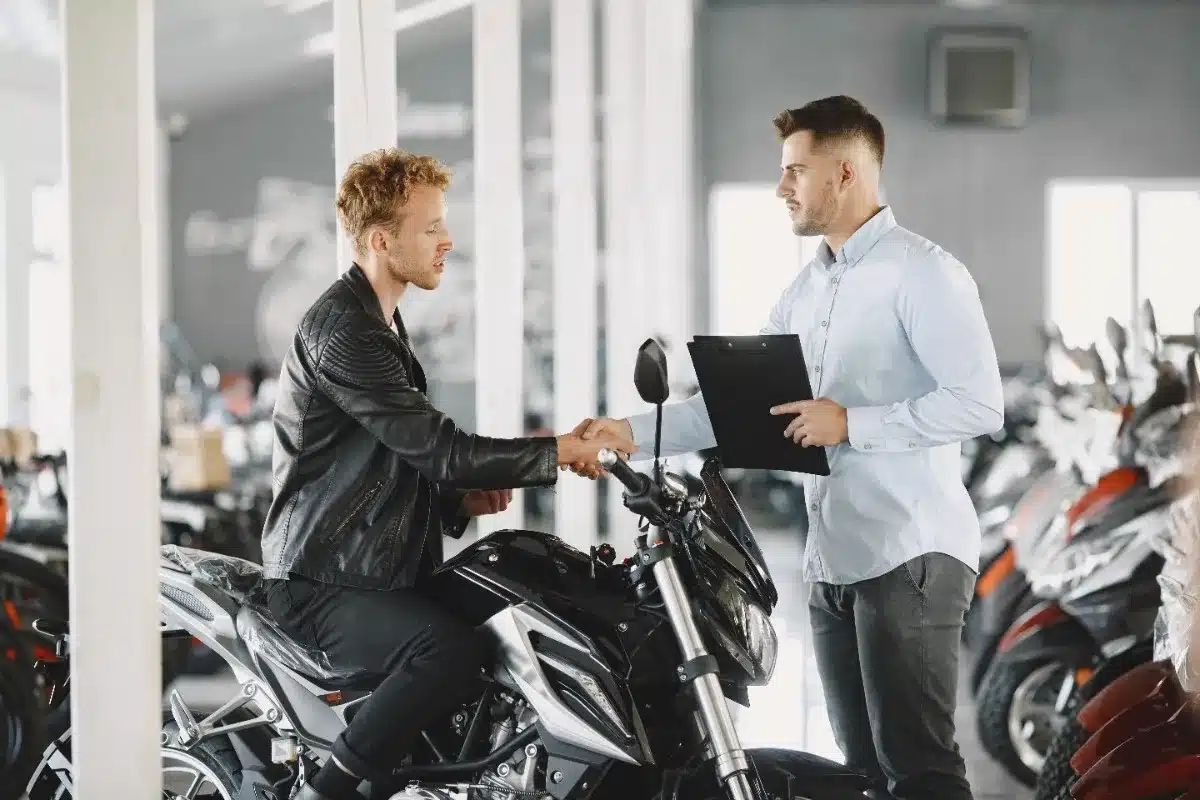
Owning a motorcycle does not always require a license, especially if you are not planning to ride it right away. Many people purchase a bike in advance while preparing for training or completing the licensing process.
In most regions, a license is only required for riding on public roads, not for ownership or storage. You can legally buy, transfer, and store a motorcycle as long as the paperwork is completed correctly and local regulations are followed.
Storing a motorcycle on private property is also allowed, and insurance may still be available even without a license, helping protect the bike while it is not in use.
Can You Legally Own a Motorcycle Without a License
You can legally own a motorcycle without a riding license, as ownership and use are treated separately. Buying and registering a bike typically requires ID and paperwork, not a license. However, a license is required to ride on public roads, so you can own and store it but not legally operate it.
Ownership Laws vs Riding License Requirements
Owning a motorcycle and riding it are treated as separate legal matters. You do not need a license to buy or own a bike, but different rules apply when you want to use it on the road.
The requirements can be clearly divided into ownership and riding obligations:
Ownership Laws
- You can legally buy and own a motorcycle without a license
- Title transfer and registration usually require ID and standard paperwork
- Rules may vary based on state or local regulations
Riding License Requirements
- A valid motorcycle license or endorsement is required to ride on public roads
- Riding without a license can lead to fines, penalties, or legal consequences
- Additional requirements like permits or tests may apply before full licensing
Registration, Title, and Documentation Requirements
Owning a motorcycle legally involves completing key administrative steps, even if you do not have a license. These requirements focus on proving ownership, registering the vehicle, and maintaining proper records as part of the overall ownership transfer process.
The process generally includes the following documentation and legal steps:
Title Requirements
- Obtain a title in your name as proof of ownership
- Ensure the title transfer is completed correctly during purchase
Registration Requirements
- Register the motorcycle with your state’s DMV or local authority
- Pay applicable registration fees and taxes
Documentation and Insurance
- Maintain valid identification and ownership documents
- Secure insurance coverage, even if the motorcycle is not in use
- Keep records such as proof of insurance and registration readily available
Can You Register or Insure a Motorcycle Without a License
In many cases, you can register and insure a motorcycle without a license, as registration usually requires proof of ownership, identification, and fees rather than a riding permit. Insurance may also be available, though coverage options can vary, with some policies limited to theft or storage-related risks. However, a valid motorcycle license is still required if you plan to ride the bike on public roads.
Registration Rules for Non-Riding Owners
Registering a motorcycle without a license is generally allowed, though requirements vary by state. Most authorities focus on ownership and compliance rather than riding eligibility, which becomes especially important if the motorcycle will be stored for a period of time.
Before placing the bike in storage, it is important to ensure all documentation is accurate and complete. Taking time to focus on ownership helps prevent access issues, disputes, or complications when retrieving the motorcycle later.
To complete registration as a non-riding owner, you typically need to meet the following requirements:
- Provide valid proof of identity and residency
- Submit ownership documents such as a title or bill of sale
- Pay applicable registration fees and taxes
- Obtain insurance that meets the state’s minimum requirements
Insurance Requirements for Stored Motorcycles
Motorcycles that are not being ridden can still be insured through storage or “laid-up” insurance. These policies focus on protecting the bike from risks like theft, fire, vandalism, and environmental damage while it is off the road.
The common types of insurance coverage for stored motorcycles include the following:
| Insurance Type | Coverage Description | Typical Cost (Annual) |
| Liability Insurance | Covers damage or injury caused to others (road use) | $20–$50 |
| Comprehensive Insurance | Covers theft, vandalism, fire, and natural disasters | $50–$200 |
| Storage (Laid-Up) Insurance | Covers risks while the motorcycle is in storage | $20–$100 |
When insuring a motorcycle that is not in use, it is important to inform the provider that the bike will be stored. This can help reduce premiums, as the risk of accidents is significantly lower when the motorcycle is not being ridden.
Can You Store a Motorcycle Without a License
You can store a motorcycle without having a license, as storage is not tied to riding eligibility. Many owners keep their motorcycles in garages or storage spaces before getting licensed or while the bike is not in use. The key is to store it safely on private property or in a secure facility to protect it from damage, theft, and environmental exposure.
Storing a Motorcycle on Private Property
Storing your motorcycle at home is a common and practical option, especially if you plan to buy a motorcycle without immediately planning to ride. Whether in a garage, shed, or a designated space, the focus should be on safety, security, and protection from environmental exposure until you have a valid license.
To keep your motorcycle properly protected while stored on private property, consider the following:
- Store the motorcycle in a covered area like a garage or shed to protect it from weather
- Use a sturdy lock and secure it to a fixed object to prevent theft
- Cover the motorcycle to protect it from dust, dirt, and moisture
- Consider climate-controlled storage to avoid damage from extreme temperature
Using Professional Motorcycle Storage Facilities
If home storage is not ideal or you need higher security, professional motorcycle storage facilities offer a reliable alternative. This is especially useful if you need a motorcycle license before you can ride a motorcycle but still want to keep the vehicle safe and well-maintained in the meantime.
When selecting a storage facility, focus on the features that ensure safety and proper preservation, along with meeting basic motorcycle insurance requirements if coverage is needed during storage:
- High security measures such as CCTV surveillance, gated access, and on-site staff
- Climate-controlled environments to protect against humidity and temperature changes
- Insurance options that help you get insurance coverage for risks like theft, fire, or accidental damage
Choosing the right facility helps keep your motorcycle in good condition until you are ready to use it.
Why Someone Might Own a Motorcycle Without Riding It
There are several reasons why someone may own a motorcycle without riding it, often leading to motorcycle storage situations where the bike is kept unused for long periods. Some people buy motorcycles as collectibles, investments, or for future riding plans, while others appreciate their design and history. In many cases, the motorcycle holds personal or financial value beyond just riding, making proper storage important.
Collectors and Investment Ownership
Many people view rare or vintage motorcycles as long-term investments, as certain models can increase in value over time. These bikes are often treated as valuable assets rather than everyday vehicles.
Collectors are drawn to motorcycles for their history, design, and uniqueness. They often focus on specific brands, models, or eras, building curated collections that hold both personal significance and financial value.
Future Riders Preparing for a License
Some people purchase a motorcycle before obtaining a license because they already know the type of bike they want. During this time, they focus on learning safety, maintenance, and basic riding knowledge while preparing through training or courses.
Here are the most common reasons people own a motorcycle without riding it:
- Buying rare, vintage, or limited-edition motorcycles as collectibles or long-term investments
- Purchasing a motorcycle early while preparing for a license through training or riding courses
- Owning a motorcycle as a personal interest or hobby, even without actively riding it
Risks of Storing a Motorcycle Without Riding It
Storing a motorcycle for long periods without use can lead to several issues that affect its performance and lifespan. Lack of regular operation allows components to degrade, especially if the bike is not properly maintained during storage.
Mechanical Deterioration and Battery Drain
Leaving a motorcycle unused for extended periods can lead to gradual mechanical deterioration. The battery may lose charge over time due to small electrical draws from systems like alarms or internal electronics.
In addition, lack of regular use can cause components such as the engine, brakes, and moving parts to seize or develop corrosion. Periodic maintenance, proper lubrication, and occasional checks help prevent these issues and keep the motorcycle in working condition.
Moisture, Corrosion, and Environmental Damage
Moisture and environmental exposure are major risks when a motorcycle is stored for long periods. High humidity can cause metal parts to rust, while sunlight, dust, and pollutants can damage the paint, rubber components, and overall condition of the bike.
To reduce these risks, it is important to store the motorcycle in a dry, protected space and use a breathable cover that prevents moisture buildup while keeping out dust and debris.
The key storage risks and how to prevent them are outlined below:
| Risk | Description | Prevention / Mitigation |
| Mechanical Deterioration | Engine, transmission, and brake parts may seize or corrode | Regular maintenance, lubrication, and occasional use |
| Battery Drain | Battery loses charge due to continuous electrical draw | Disconnect battery, use a trickle charger, or remove it |
| Moisture and Corrosion | High humidity leads to rust and surface damage | Store in a dry space, use a breathable cover, apply protectants |
| Environmental Damage | Sunlight, dust, and pollutants degrade surfaces and components | Keep in a covered area, use protective covers or coatings |
Best Practices for Storing a Motorcycle Long-Term
Proper long-term storage helps keep your motorcycle in good condition and prevents avoidable damage. Without the right precautions, components can deteriorate over time and affect performance. Taking simple preventive steps ensures the bike remains protected and ready to use when needed.
Indoor Storage, Covers, and Climate Control
Storing a motorcycle properly helps protect it from environmental damage and long-term wear. Indoor storage, protective covers, and controlled conditions all play an important role in maintaining its condition.
The key elements of effective long-term storage include:
Indoor Storage
- Choose a dry, cool location away from direct sunlight
- Store the motorcycle in a garage, shed, or enclosed space
- Avoid areas exposed to moisture or extreme temperature changes
Covers
- Use a breathable motorcycle cover to protect against dust and debris
- Avoid non-breathable materials that can trap moisture
- Ensure the cover fits properly to prevent exposure
Climate Control
- Maintain stable temperature and humidity levels in the storage area
- Use a dehumidifier to reduce excess moisture
- Consider climate-controlled storage for long-term protection
Battery Care, Fuel Stabilization, and Maintenance
Proper care during storage helps prevent mechanical issues and ensures the motorcycle remains in good working condition. Focusing on the battery, fuel system, and routine checks can reduce the risk of damage over time.
The key maintenance steps for long-term storage include:
Battery Care
- Disconnect the battery and store it in a cool, dry place
- Use a battery maintainer or trickle charger to keep it charged
- Check battery condition periodically during storage
Fuel Stabilization
- Add a fuel stabilizer to prevent fuel breakdown
- Run the engine briefly to circulate stabilized fuel through the system
- Keep the fuel tank adequately filled to reduce moisture buildup
Maintenance
- Check tire pressure, oil levels, and brake condition before storage
- Change the oil and filter to prevent internal corrosion
- Perform periodic inspections to identify potential issues early
How to Prepare the Motorcycle Until You Get a License
While waiting to get your license, it is important to keep your motorcycle well-maintained and ready for use. Regular checks help identify small issues early and prevent them from turning into costly problems later. Keeping the bike in good condition ensures it is safe, reliable, and ready to ride once you are licensed.
Regular Checks and Security
Regular checks and proper security help protect your motorcycle and keep it in good condition while it is not in use. This is especially important if you have a motorcycle without a motorcycle license, where the bike remains stored for a longer period as an investment while you work to get a motorcycle license.
To protect your motorcycle and reduce risks during storage, here are the key steps to follow:
- Check tire pressure, battery condition, and overall mechanical parts regularly
- Inspect for signs of wear, leaks, or damage that may develop over time
- Use strong locks and secure the motorcycle to a fixed object to prevent theft
- Park in a safe and protected location to avoid unnecessary exposure
These are simple but important things to keep in mind, especially if the motorcycle isn’t being used regularly or is kept without proper supervision for long periods.
Pre-Ride Preparation
Preparing your motorcycle before riding ensures it is safe and legally ready for the road, especially if you bought a bike without a license or brought it home from the dealership before completing requirements.
Before your first ride, follow these essentials:
- Consider getting motorcycle insurance early, as it may be possible to get motorcycle insurance without a valid license depending on the insurance provider
- Check brakes, oil levels, and key components to ensure the bike is road-ready
- Make sure the motorcycle is in proper working condition
- Perform a full inspection to avoid issues after storage
Final Thoughts
Owning and storing a motorcycle without a license is completely possible, but it comes with responsibilities around proper storage, maintenance, and insurance. Even if you are not riding yet, taking the right steps early helps protect your investment and keeps the bike ready for the road.
If you need a more secure and reliable option than home storage, RecNation offers dedicated motorcycle storage solutions designed for long-term protection. With advanced security, well-maintained storage environments, and flexible options, RecNation helps keep your motorcycle safe and ready whenever you are.
FAQ
Can I register a motorcycle without a valid motorcycle license?
Registration rules vary by state. Most states let you register without a license if you have the right documents. But, check your local DMV to see if your state requires a license.
Why would someone purchase a motorcycle without having a license yet?
Many reasons exist for buying a motorcycle before getting a license. You might be a collector or found a great deal. Some new riders buy a bike to ride as soon as they finish a safety course.
Can I get a motorcycle insurance quote if I am an unlicensed rider?
Yes, you can get a quote from companies like Geico or Progressive. Explain you’re the owner but not the operator. They can help you find a policy for a stored bike.
Is it legal to operate the motorcycle on my own property without a license?
Generally, yes. You don’t need a license to ride on private property. But, you must have a license for public roads. Riding without a license on public roads can lead to fines and bike impoundment.
Do I need insurance if I only plan to store the bike and not ride it?
Yes, even if you don’t plan to ride, insurance is a good idea. It protects against theft, fire, or damage. Most lenders require insurance for financed motorcycles.