
How Long Can a Motorcycle Sit Without Riding?
Starting a stored motorcycle too often can do more harm than good. This guide explains when to leave it alone and how to protect the battery, fuel, engine, and tires during storage.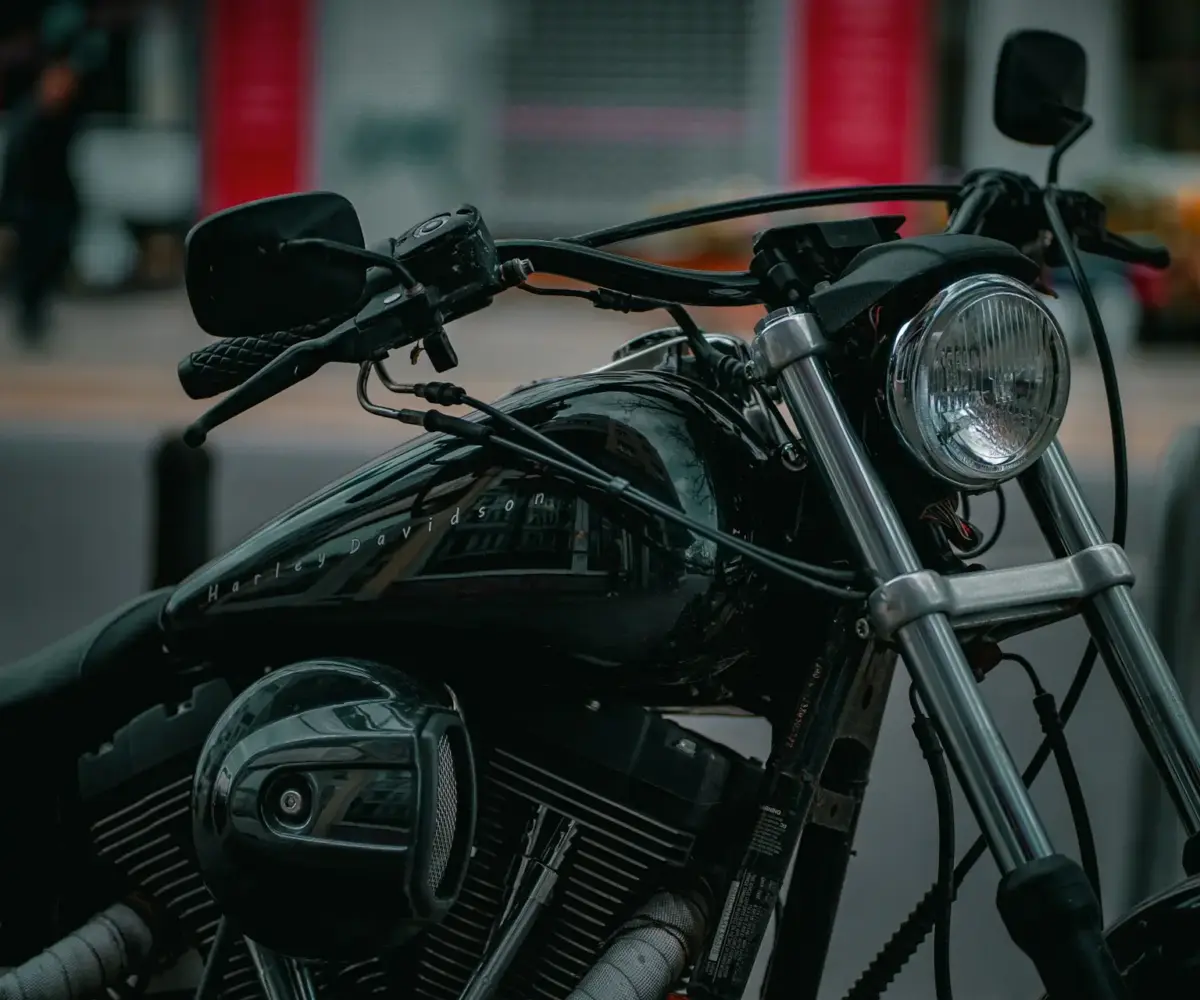
A motorcycle can often sit for a short period without major issues, but the longer it stays unused, the more likely problems become. Battery drain, stale fuel, tire flat spots, and moisture-related corrosion are some of the most common risks during inactivity.
There is no single universal timeline that applies to every motorcycle. How long a bike can sit safely depends on its condition, storage environment, fuel system, battery health, and whether it was prepared properly before being parked.
How Long Can a Motorcycle Sit Without Riding Safely
A motorcycle can usually sit for a few weeks with minimal trouble if it is in good condition and stored in a dry, secure place. Once storage extends beyond that, the risk of battery discharge, fuel deterioration, and other issues starts to increase without proper motorcycle storage conditions.
Average Timeframes for Short-Term and Long-Term Storage
Short-term storage usually means a few weeks, during which many motorcycles can remain unused without serious issues if they are stored well. As storage stretches into a month or longer, battery maintenance, fuel quality, and moisture control become much more important.
For longer storage periods, preparation matters far more than the calendar alone. A motorcycle stored for several months or more should be treated as a long-term storage project, with steps taken to protect the fuel system, battery, tires, and internal components.
| Storage Duration | Primary Risk | Required Action |
| Up to a few weeks | Minor battery discharge or tire pressure loss | Basic checks are usually enough |
| Around 1 month or longer | Fuel deterioration and battery drain | Stabilize fuel and monitor battery condition |
| Several months | Flat spots, stale fluids, and corrosion risk | Full storage preparation is recommended |
| Very long-term storage | Multiple systems may need recommissioning | Prepare fully and inspect carefully before reuse |
Factors That Affect How Long a Motorcycle Can Sit
Storage time depends on more than just how long the motorcycle stays unused. The storage setup, weather exposure, and the bike’s condition all affect how well it can sit without developing problems.
Here are the main factors that affect how long a motorcycle can sit:
- Storage location: A dry, enclosed space usually protects the bike better than outdoor storage
- Humidity levels: Moisture in the air can increase the risk of rust, corrosion, and mold
- Temperature changes: Repeated heat and cold can affect the battery, fluids, seals, and metal parts
- Battery health: A weak or aging battery is more likely to lose charge during storage
- Fuel condition: Untreated fuel can break down over time and create problems in the fuel system
- Fluid quality: Old oil and other fluids may offer less protection while the bike sits
- Tire pressure: Low tire pressure can increase the chance of flat spots during long storage periods
- Starting condition of the bike: A clean, well-maintained motorcycle usually handles inactivity better than one with existing issues
- Storage preparation: Steps like stabilizing fuel, charging the battery, and checking tire pressure can extend safe storage time
What Happens When a Motorcycle Sits Too Long
Letting your bike sit for too long can lead to many problems. A motorcycle is a complex machine that doesn’t handle being well. If your motorcycle sits for months, you might find damage waiting under the seat.
Battery Drain and Electrical Issues
Battery drain is one of the most common problems during inactivity. Even when the motorcycle is turned off, small electrical draws and natural self-discharge can reduce battery charge over time, especially if the bike sits for weeks or months without maintenance.
Long periods of inactivity can also affect rubber seals, connectors, and other components that depend on regular use and stable storage conditions. These issues may stay hidden until the motorcycle is started again.
Fuel Degradation and Engine Problems
Fuel can begin to degrade during storage, especially if it sits untreated for an extended period. Over time, that can leave deposits in the fuel system, affect starting, and create problems in carburetors, injectors, and fuel lines.
This risk is especially important for motorcycles stored for more than a few weeks without fuel stabilization. The longer untreated fuel sits in the system, the greater the chance of poor starting, rough running, or clogged passages later.
Tire Flat Spots and Structural Impact
When a motorcycle stays in one position for too long, the tires can develop flat spots where they carry the bike’s weight. This can affect ride quality and, in more serious cases, create handling issues once the motorcycle is back on the road.
Storage conditions also affect the rest of the motorcycle. Damp environments increase the risk of corrosion on metal surfaces, while neglected positioning and pressure checks can make long-term storage harder on the tires and suspension.
How to Store a Motorcycle for Long Periods Without Riding
Long-term storage works best when the motorcycle is prepared before it sits unused. A few preventive steps can protect the fuel system, battery, tires, and other key components so the bike stays in better condition during downtime.
Fuel Stabilization and Fluid Protection
Fuel should be treated before long-term storage because untreated gasoline can degrade and create deposits in the system. Adding a fuel stabilizer before storage and running the engine briefly afterward helps move the treated fuel through the fuel lines and engine components.
It is also a good idea to reduce moisture risk inside the tank by keeping the fuel level up during storage. Fresh fluids and timely maintenance can go a long way toward preventing storage-related damage.
Battery Maintenance and Charging Options
A motorcycle battery slowly loses charge when the bike sits unused, and that drain becomes more noticeable over longer storage periods. If left unattended, the battery may weaken enough to affect starting or require replacement.
Using a smart battery tender is often the easiest way to maintain charge during storage. If a charger is not practical, disconnecting the battery can help slow the rate of discharge.
Tire Care and Proper Positioning
Tires need attention during long-term storage because constant pressure in one position can lead to flat spotting. Checking tire pressure before storage and supporting the bike correctly can help reduce that risk.
Using a center stand or paddock stands is often the better option because it takes weight off the tires. If that is not possible, moving the motorcycle slightly from time to time can help change the contact patch during storage.
| Component | Action Required | Frequency |
| Fuel System | Add stabilizer and fill tank | Before storage |
| Battery | Connect to battery tender | Continuous |
| Tires | Check pressure or use stands | Monthly |
How Often Should You Start a Motorcycle That Is Not Being Used
Many people think starting a motorcycle often keeps it running smoothly. But, letting it sit for a while is usually safer than short starts. This is because short starts don’t let the oil get hot enough to burn off moisture.
Recommended Starting Frequency
If your motorcycle is going into storage for months, it is usually better not to start it unless you can ride it long enough to bring it fully up to operating temperature. In most cases, start frequency matters less than proper storage preparation, because a short idle in a garage or driveway does little to support long-term storage health.
The better approach is to avoid unnecessary starts and prepare the motorcycle correctly before storage begins. That helps reduce moisture buildup, fuel issues, and internal wear while the bike sits unused.
| Action | Effect on Engine | Recommended Frequency |
| Frequent short starts | Can increase moisture buildup and incomplete warm-up | Avoid |
| Long-term storage with preparation | Helps reduce storage-related wear | Preferred for long inactive periods |
| Full warm-up run during an actual ride | Better fluid circulation and operating temperature | Only when the bike can be ridden properly |
When Starting the Engine Can Cause More Harm
Starting a motorcycle without taking it for a proper ride can create problems instead of preventing them. When the engine only runs briefly, moisture may remain in the oil and exhaust, and combustion may stay incomplete.
Over time, this can contribute to internal corrosion, carbon buildup, and reduced oil quality. If you cannot ride the motorcycle long enough to warm it fully, it is usually safer to leave it stored and maintain the battery and fuel system instead.
Signs Your Motorcycle Has Been Sitting Too Long
When your motorcycle has been sitting for a while, it shows clear signs. These signs help you fix your bike before it gets worse. If your bike has been still for too long, check it carefully to stay safe.
Difficulty Starting the Engine
A hard-starting motorcycle is one of the most common signs of extended inactivity. The battery may be weak, the fuel may have degraded, or deposits may have formed in the fuel system, all of which can make the engine harder to turn over and keep running.
Old fuel can also affect spark plugs, injectors, or carburetor passages. If the motorcycle struggles to start after sitting, the cause is often tied to battery condition or stale fuel.
Corrosion, Rust, and Fluid Issues
Moisture can create visible and hidden problems when a motorcycle sits too long. Rust may appear on the chain, frame, bolts, or other exposed metal parts, while fluid condition can worsen if the bike has been stored without proper maintenance.
Brake fluid, coolant, and other fluids may also lose effectiveness over time depending on storage length and conditions. That is why checking for leaks, corrosion, and fluid quality is an important part of bringing the bike back into use.
Performance and Reliability Problems
A motorcycle that has sat for too long may start but still run poorly. Clogged carburetors, restricted fuel flow, low battery output, weak braking performance, or old fluids can all affect how reliably the bike performs once it is back on the road.
These problems do not always mean major damage, but they do mean the bike needs attention before normal riding resumes. Looking over the main systems carefully helps reduce safety risks and prevents small issues from getting worse.
| Symptom | Potential Cause | Recommended Action |
| Engine will not turn over | Weak or dead battery | Charge or replace the battery |
| Rough idling or poor running | Fuel system deposits or stale fuel | Clean fuel system and replace old fuel if needed |
| Spongy brakes | Moisture-contaminated brake fluid | Inspect, flush, and replace fluid if necessary |
| Visible rust or orange spots | Surface corrosion from moisture exposure | Clean, treat, and protect affected areas |
Indoor vs Outdoor Storage Impact on Motorcycle Longevity
The place where you store your bike greatly affects its health. Where you store a motorcycle during downtime is key. It’s not just about making it easy to find; it’s about protecting it from damage.
Temperature and Humidity Effects
Temperature swings and high humidity can create problems for a stored motorcycle, especially over longer periods. Moisture can form on metal surfaces and inside components, which increases the risk of corrosion and can affect the condition of fluids, seals, and exposed parts.
A dry, enclosed storage space usually gives the bike better protection from these changes. That is one of the main reasons storing motorcycles indoors can help reduce condensation and keep conditions more stable while the bike is not being ridden.
Environmental Exposure Risks
A motorcycle stored outdoors is exposed to more than just rain. Snow, humidity, dirt, dust, and airborne debris can all affect paint, metal surfaces, rubber parts, and other exposed components over time.
Indoor storage helps limit that exposure and gives the bike a more controlled environment. Even when outdoor storage is unavoidable, reducing exposure to moisture and debris makes a noticeable difference in long-term condition.
| Storage Factor | Indoor Garage | Outdoor Exposure |
| Moisture Control | High (Dry) | Low (Humid) |
| Temperature Stability | Consistent | Fluctuating |
| Debris Protection | Excellent | Poor |
| Corrosion Risk | Minimal | High |
A motorcycle stored indoors usually has a much better chance of avoiding rust, fluid issues, and weather-related wear. The more exposure you remove from the storage environment, the easier it is to protect the bike during long downtime.
Maintenance Checklist for a Motorcycle in Storage
Keeping your motorcycle in top shape is key when it’s not in use. Regular inspections help avoid mechanical problems. By doing these checks, your bike will be ready to hit the road again.
Weekly and Monthly Inspection Tasks
Do a quick check on your motorcycle every week. Look for leaks under the engine or near the tires. Make sure your battery tender is working right to avoid battery drain.
Every month, do a deeper check. Here’s what to do:
- Check brake fluid levels to keep them in the right range.
- Check tire pressure and look for tire damage.
- Make sure the battery tender is charging the battery well.
- Look for corrosion on metal parts or electrical connectors.
Preventive Measures to Avoid Damage
Preventive care helps reduce the risk of issues during long-term storage. Preparing the motorcycle properly can protect key components and avoid costly repairs later.
Here are the key measures to follow:
- Replace old fluids: Flush brake fluid and coolant to reduce the risk of corrosion
- Change engine oil and filter: Fresh oil protects internal engine parts during storage
- Check for leaks: Fix any oil, coolant, or brake fluid leaks before storing
- Keep the storage area clean and dry: Helps protect the bike’s finish and metal parts
- Inspect before storage: A quick check ensures no existing issues worsen over time
Common Mistakes When Leaving a Motorcycle Unused
Many riders make simple errors that lead to expensive repairs when their bike sits too long. You might assume that parking your machine in a garage is enough to keep it safe. But, failing to prepare for inactivity often results in significant mechanical and electrical damage.
Ignoring Battery and Fuel System
One of the most frequent errors is leaving the battery connected while the motorcycle is idle. Over time, parasitic drains will deplete the charge, often leading to a dead battery that cannot hold a charge again. Always use a trickle charger to maintain the health of your electrical components.
Ignoring the fuel system is also a mistake. Old gasoline breaks down and leaves behind sticky deposits that clog injectors or carburetors. Adding a high-quality fuel stabilizer before you let the bike sit is a simple step that prevents these costly clogs.
Improper Storage Conditions
Where you choose to store your motorcycle matters just as much as how you prepare it. Leaving a bike in a damp environment invites rust and corrosion to attack your frame and engine parts. You must ensure your storage area is dry and well-ventilated to protect the metal surfaces.
Extreme temperature fluctuations can also damage seals and gaskets over time. If you store your motorcycle properly, you avoid the stress caused by freezing or excessive heat. Always use a breathable cover to keep dust and moisture away from sensitive parts.
Skipping Regular Checks
Many owners believe that once a motorcycle is parked, it no longer requires attention. Skipping regular checks allows small issues to turn into major failures. You should inspect your tires for flat spots and check fluid levels periodically to ensure everything remains in working order.
| Common Mistake | Immediate Consequence | Long-Term Impact |
| Leaving battery connected | Voltage drop | Permanent cell failure |
| No fuel stabilizer | Fuel oxidation | Clogged fuel injectors |
| Outdoor storage | Moisture buildup | Corrosion and rust |
| Ignoring tire pressure | Slow air loss | Structural flat spots |
By staying proactive, you keep your motorcycle ready for the road. Avoiding these common pitfalls saves you time and money during the next riding season.
When to Ride or Restart a Motorcycle After Long Storage
When you decide to put the bike back on the road, safety comes first. A thorough inspection is key. Follow these steps to get your motorcycle running smoothly again.
Pre-Ride Inspection Steps
Before riding, check important parts to make sure they’re in good shape. Even if your motorcycle was stored well, parts can still wear out. Here’s a checklist to help you:
- Check the engine oil level and look for signs of contamination or moisture.
- Inspect the tires for dry rot, cracks, and proper air pressure.
- Examine the brake fluid levels and test the lever feel for any sponginess.
- Verify that all lights, turn signals, and the horn are functioning correctly.
- Ensure the drive chain or belt is properly tensioned and lubricated.
Safe Restart Practices
After inspecting, focus on safe engine restart. Don’t force the engine if it’s been idle for a while. It might lack the right lubrication. Here’s how to start it safely.
First, make sure the battery is fully charged. This prevents damage to the starter motor. If your bike has a fuel petcock, turn it to “on” and wait for fuel to reach the carburetor or injectors. Crank the engine in short bursts, not for too long.
When the engine starts, let it idle for a few minutes. This lets the oil circulate. Don’t rev the engine right away. It can wear out cold parts. After it warms up, check for leaks before your first ride.
Final Thoughts on How Long a Motorcycle Can Sit Without Riding
A motorcycle can sit unused for a while, but the longer it stays parked, the more important proper storage becomes. Battery care, fuel stabilization, tire support, and a dry storage environment all play a big role in keeping the bike in better condition during downtime.
The safest approach is to prepare the motorcycle before storage instead of leaving it untouched and hoping for the best. A little planning helps reduce common problems such as stale fuel, battery drain, flat spots, and moisture-related wear.
For riders who want a more reliable storage solution, RecNation offers secure motorcycle storage options that help protect motorcycles during long periods off the road. With the right setup and preparation, your bike stays in better shape, holds its value more effectively, and is ready when it is time to ride again.
FAQ
How long can a motorcycle sit without riding before the battery dies?
A motorcycle battery can weaken within a few weeks, depending on battery health, storage temperature, and electrical draw. A battery tender helps maintain charge during storage.
Will the fuel go bad if my bike sits for more than 6 months?
Yes, fuel can degrade during long storage and leave deposits in the fuel system. A fuel stabilizer and a full tank help reduce breakdown and moisture buildup.
Is it beneficial to start my motorcycle once a week without riding it?
No, short starts usually do more harm than good. If you cannot ride the bike long enough to warm it fully, it is better to store it properly and leave it off.
How can I prevent my tires from developing flat spots during long-term storage?
Use a center stand or paddock stands to reduce pressure on the tires. If that is not possible, keep the tires properly inflated and move the bike slightly now and then.
What are the primary signs that a bike has been sitting too long?
Common signs include hard starting, weak battery response, stale fuel, rust, fluid leaks, and spongy brakes. These issues often show up after long inactivity without proper storage.
Why do carburetors often need a rebuild after the bike sits for a year or more?
Old fuel can leave varnish and deposits inside the carburetor over time. That buildup can clog passages, affect starting, and sometimes require cleaning or a rebuild.