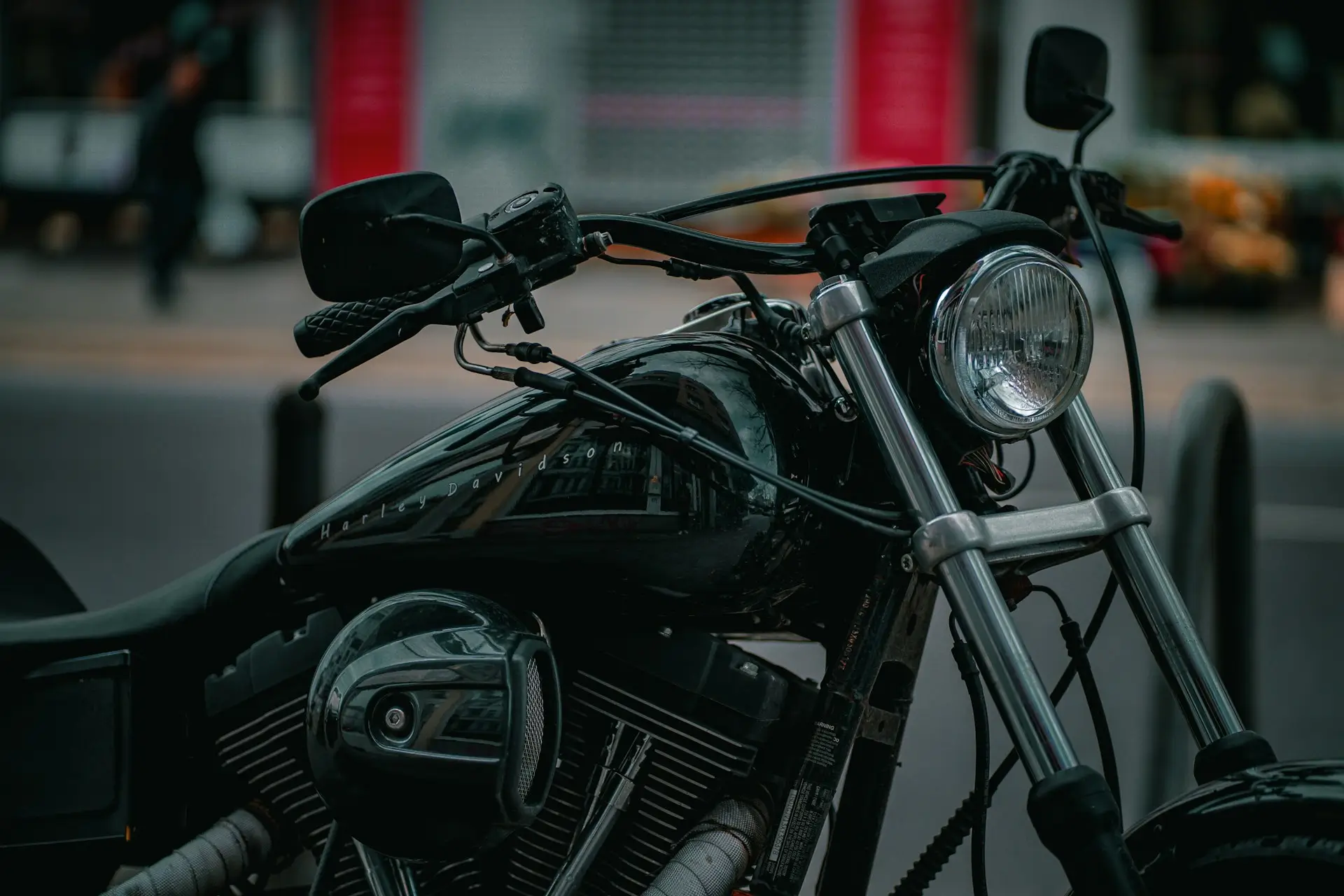
A properly prepared motorcycle can sit for two to four weeks without any action and remain completely rideable. After that, specific failure thresholds kick in on a predictable schedule. Ethanol-blended pump gas (E10/E15) can begin degrading in as little as 30 days, batteries sustain permanent damage within two to three months without a tender, and tires can flat-spot permanently after four to six months of static load.
How Long a Motorcycle Can Sit Without Riding: The Direct Answer
Most motorcycles tolerate a short sit without issue. Beyond four weeks, the risk profile changes quickly depending on fuel type, storage conditions, and whether your bike is carbureted or fuel-injected.
| Time Frame | What Goes Wrong | Carbureted Bikes | Fuel-Injected Bikes |
| 1-2 weeks | Tire pressure drop, minor battery discharge | Minimal risk | Minimal risk |
| 1 month | Fuel degradation begins; battery discharging | Float bowl fuel starts evaporating | Fuel pump sitting in degrading fuel |
| 1-3 months | Battery approaching sulfation threshold; fuel varnishing | Pilot jets and main jets at risk of blockage | Injector tip deposits beginning |
| 3-6 months | Significant risk: battery, fuel, tires, oil | Carburetor rebuild likely needed | Injector cleaning likely needed |
| 6-12 months | High probability of major issues before riding | Full carb service required | Fuel pump seal degradation |
| 1+ year | Expect battery replacement, brake fluid flush, coolant replacement, possible tire replacement | Carburetor rebuild near-certain | Injector cleaning or replacement |
Carbureted vs. Fuel-Injected: Why the Timeline Differs
The two fuel delivery systems fail in different ways and on different schedules, which is why a blanket “your bike is fine” answer doesn’t hold up across bike types.
| Carbureted | Fuel-Injected | |
| Vulnerable window | Four to eight weeks | Three to six months |
| Failure mechanism | Fuel sitting in the float bowl evaporates, leaving varnish that clogs jets and pilot circuits | Fuel pump sits submerged in whatever’s in the tank; degraded fuel breaks down pump seals |
| What you’ll notice | A bike that ran fine before storage may not idle at all when you return | Injector tip deposits build up, affecting fuel delivery and performance |
| Relative vulnerability | Fails faster | Tolerates slightly longer storage before issues emerge |
What Actually Happens at Each Stage When a Motorcycle Sits
Inactivity does not affect all components at the same rate. Understanding which system fails first helps you decide what to fix before riding versus what can wait.
Battery Drain and the Sulfation Threshold
A fully charged motorcycle battery self-discharges even with nothing drawing current. Most lead-acid and AGM batteries drop below 12.4 volts within four to six weeks of sitting. According to Yuasa’s own technical manual, sustained voltage below 12.4V causes lead sulfate crystals to form on the plates. That process is called sulfation, and it permanently reduces capacity. A smart charger cannot always reverse it. Connecting a battery tender from day one prevents this entirely.
Fuel Degradation: Ethanol Blends vs. Non-Ethanol Gas
According to the U.S. Energy Information Administration, most U.S. pump gas is E10 or E15.
- Ethanol-blended fuel (E10/E15): In humid conditions, ethanol separates from gasoline in as little as 30 days. The ethanol sinks to the bottom of the tank, and that water-ethanol layer is what enters your fuel system first, before any of the remaining gasoline.
- Non-ethanol fuel: Stays stable for roughly three to six months without a stabilizer, since there’s no ethanol component to absorb moisture and separate out.
- What a stabilizer actually does: Adding a fuel stabilizer to a full tank slows oxidation, but it does not stop ethanol phase separation in humid climates. This distinction matters because a stabilizer alone isn’t a complete fix for ethanol-blended fuel sitting in a humid storage environment.
Tire Flat Spots: When They Become Permanent
Natural rubber deforms under static load. In the first two to three months, that deformation is temporary and works out after a few miles. After four to six months of continuous contact on a cold surface, the deformation can become difficult to reverse, though manufacturer guidance from Bridgestone’s motorcycle tire maintenance manual treats this as a reason to store tires indoors in a cool, dry space rather than stating a hard permanence threshold.
If vibration persists after the tire has warmed up and been ridden for a few miles, that’s the signal to have it inspected rather than assuming it will work itself out. The result is a flat spot that causes vibration at low speed even after the tire warms up. Cold temperatures accelerate the process.
Engine Oil and Internal Corrosion
Oil drains away from upper engine surfaces when a bike sits. At the first startup after long storage, metal-on-metal contact occurs for a few seconds before oil pressure builds. That startup moment is the highest-wear event in any storage period.
Old oil also contains combustion acids that accelerate corrosion on cylinder walls and camshaft lobes during storage. An oil and filter change before putting the bike away protects internal surfaces through the entire sit.
Why Starting Your Motorcycle Without Riding It Can Make Things Worse
The community consensus is to fire the bike up every few weeks during storage. That advice is wrong for a bike in sealed storage, and here is why. When a gasoline engine runs at idle without reaching full operating temperature (around 180 to 210 degrees Fahrenheit, per OEM service manuals from Honda and Yamaha), combustion is incomplete. Moisture from combustion byproducts condenses in the crankcase rather than burning off through the PCV system.
That moisture mixes with engine oil and accelerates corrosion on cylinder walls, bearings, and camshafts. Running the engine for five minutes in a cold garage does not protect it. It adds moisture. For more detail on this, see our guide on how often to start a motorcycle in storage.
When Brief Idling Is Actually Beneficial
Idling is fine if you plan to ride within the next day or two and want the engine warmed up before you leave. That is the only scenario where it helps. A bike stored in a climate-controlled unit with a battery tender connected has no need for periodic starts. The motivation to idle disappears when the storage environment eliminates the problems idling is supposed to solve.
How to Store a Motorcycle So It Can Sit Longer Without Damage
System-by-system prep extends how long a motorcycle can sit safely. Each step below addresses a specific failure mechanism from the sections above.
- Fuel system: Add a fuel stabilizer to a full tank before the bike sits, not after the fuel has already degraded. For carbureted bikes, run the engine briefly so stabilized fuel reaches the carburetor, then drain the float bowls. If you’re not sure whether a full or partial tank is the right call for your situation, we’ve covered that question in more depth separately.
- Battery: Connect a smart battery tender from day one. Not after the battery has discharged.
- Tires: Use paddock stands to lift both wheels off the ground if storing for more than two months. Otherwise, inflate to the upper end of the recommended range and rotate the wheels manually every four to six weeks.
- Engine: Change the oil and filter before storage. Used oil contains acids that cause corrosion. Fresh oil protects internal surfaces through the entire period.
- Exterior: Clean and dry the bike before covering it. Apply a corrosion inhibitor to the chain, frame bolts, and brake components. Use a breathable cover, not a non-breathable tarp that traps moisture. For a complete prep approach, see our breakdown of what’s the best way to store a motorcycle.
Battery Tender vs. Trickle Charger: What the Difference Actually Means
The two terms get used interchangeably, but they describe different charging behavior, and the wrong one can damage a battery over a long storage period.
| Trickle Charger | Smart Battery Tender | |
| Charging behavior | Applies constant current regardless of battery state | Monitors voltage and only charges when needed |
| Risk over weeks of use | Can overcharge the battery, particularly AGM types | Minimal; designed for unattended long-term connection |
| Best for | Short-term charging with supervision | Months-long storage with no supervision |
The distinction matters for both battery longevity and safety during a months-long storage period, which is why a battery left on a basic trickle charger all winter can come back in worse shape than one left disconnected entirely.
Indoor vs. Outdoor Storage and How It Changes the Timeline
Temperature swings accelerate every failure mechanism covered above. Humidity drives ethanol phase separation and rust on exposed metal. UV degrades rubber seals and tires. A bike stored in a dry, temperature-stable indoor unit can safely sit roughly twice as long before needing intervention compared to one parked on an exposed driveway.
For riders who cannot store at home, a dedicated motorcycle storage facility removes the outdoor risk entirely. Whether indoor storage is the right call for your situation is worth weighing before the season ends.
Riders looking for a facility that offers both enclosed units and power access for a battery tender may find that RecNation motorcycle storage fits that need without requiring a long-term commitment. If a standard storage unit rather than a dedicated motorcycle facility is what you’re considering, our guide on whether it’s okay to store a motorcycle in a storage unit covers what actually works and what to watch for.
Signs a Motorcycle Has Been Sitting Too Long Before You Ride It
If the bike sat without any prep, run through these checks before riding. The symptoms below map directly to the failure mechanisms above.
- Battery: Won’t hold a charge or cranks slowly. Likely sulfation. Test voltage before attempting a full start.
- Fuel system: Engine starts rough, stumbles at low throttle, or won’t idle. Degraded fuel or a varnished carburetor.
- Tires: Visible flat spot, vibration at low speed, or sidewall cracking. Check pressure and inspect for structural deformation.
- Brakes: Soft or spongy lever. Brake fluid absorbs moisture over time and loses its boiling point. A flush is low-cost insurance.
- Oil: Milky or discolored oil indicates water contamination from condensation. Change it before riding.
For a full cost breakdown on professional inspection and storage options, our article on how much motorcycle storage costs per month covers pricing by unit type and region.
When to Ride vs. When to Take It to a Mechanic First
Use this as your decision rule:
| Sit Time | Prep Status | What to Do |
| Under 2 months | No prep | Do the checks above, then ride |
| 2 to 6 months | No prep | Address battery, fuel, and tires first; you can likely handle it yourself |
| 6+ months, or 1+ year in any condition | Any | Budget for a professional inspection or carburetor service before riding |
Final Thoughts on Motorcycle Storage Timelines
If your motorcycle is going to sit for more than a few weeks, especially through a full season, where you store it matters as much as how you prep it. RecNation motorcycle storage offers enclosed and covered units designed for exactly this situation, keeping bikes out of weather, temperature swings, and the humidity that accelerates every problem this article covers. A good storage environment is the single prep step that extends every other measure you take.
Frequently Asked Questions
How long can a motorcycle sit without starting before the battery dies?
A fully charged motorcycle battery typically begins showing significant discharge within four to six weeks of inactivity. Without a battery tender, most lead-acid and AGM batteries reach the point of permanent sulfation damage within two to three months of sitting below 12.4 volts. Connecting a smart battery tender from day one of storage prevents this entirely and costs far less than battery replacement.
Will the fuel go bad if my bike sits for more than 6 months?
Yes. Ethanol-blended pump gas can begin phase separation in as little as 30 days under humid conditions. Non-ethanol fuel without a stabilizer stays stable for roughly three to six months. Adding fuel stabilizer to a full tank before storage slows oxidation but does not reverse fuel that is already degraded.
Is it beneficial to start my motorcycle once a week without riding it?
In most storage situations, no. Briefly idling a cold engine without reaching full operating temperature causes moisture to condense in the crankcase rather than burn off. Over multiple short sessions, that moisture accumulates and accelerates internal corrosion. A bike properly prepped with stabilized fuel and a battery tender does not need to be started until you are ready to ride.
How can I prevent my tires from developing flat spots during long-term storage?
Use paddock stands to lift both wheels off the ground entirely. If paddock stands are not available, inflate tires to the upper end of the recommended pressure range and rotate the wheels every four to six weeks. Flat spots that form within the first two to three months are usually temporary. Those that develop after four to six months of continuous static contact can become permanent.
What are the signs that a motorcycle has been sitting too long?
The most common signs are a battery that won’t hold a charge, rough starting or inability to idle, a soft brake lever, milky engine oil, visible tire flat spots or sidewall cracking, and surface rust on the chain and brake rotors. Any combination of these after a long storage period means the bike needs inspection before it is safe to ride.
Why do carburetors often need a rebuild after the bike sits for a year or more?
Gasoline sitting in the float bowl evaporates and leaves a varnish-like residue that clogs jets and pilot circuits. After a year or more, that varnish hardens to the point where carb cleaner alone will not dissolve it. Draining the float bowls after running stabilized fuel through the system before storage prevents this entirely.


