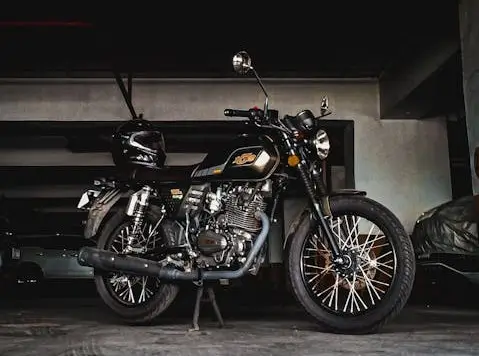
Cold weather, heavy rain, and long periods off the road can take a toll on a motorcycle. Riders often need a safer place to keep their bike protected from weather exposure, theft, and avoidable wear.
Yes, you can store a motorcycle in a storage unit if the facility allows motorized vehicles and the unit fits the bike’s storage needs. The right setup can help protect the battery, paint, tires, and metal parts while keeping the motorcycle ready for the next riding season.
Can You Store a Motorcycle in a Storage Unit Safely?
A storage unit can be a safe option for motorcycle storage, but the answer depends on the facility, the unit type, and how well the bike is prepared before storage. A good unit should do more than provide empty space. It should help protect your motorcycle from moisture, temperature swings, and security risks.
When a Storage Unit Makes Sense for a Motorcycle
A storage unit works well for riders who do not have a garage, covered parking, or enough room at home. It is also a practical option during the off-season when the bike will sit unused for weeks or months.
This kind of setup is especially useful for apartment residents, seasonal riders, and owners who want added protection without leaving the bike outdoors. In these situations, a dedicated storage space can offer more consistent protection than a driveway, carport, or street parking spot.
What Type of Storage Unit Works Best
Not every storage unit is a good fit for a motorcycle. A drive-up, ground-level unit is usually the most convenient because it makes loading and unloading easier and reduces the chance of damage while moving the bike.
A few features make motorcycle storage more practical:
- Drive-up access: Lets you move the motorcycle directly into the unit with less hassle.
- Ground-level entry: Makes storage easier for heavier bikes that are difficult to roll long distances.
- Climate control: Helps protect against extreme heat, cold, and humidity that can affect metal, rubber, and electronics.
Choosing the right unit matters just as much as choosing the right facility. A poor layout or the wrong environment can create storage problems even if the space looks secure.
When a Storage Unit May Not Be the Best Choice
A storage unit can work well for many riders, but it is not always the best fit for every motorcycle or storage situation. The right choice depends on facility rules, unit conditions, and how much protection the bike actually needs during storage.
Here are some common situations where a storage unit may not be the best choice:
- The facility does not allow motorcycles in the unit.
- Fuel level or battery rules make storage impractical.
- The bike has a risk of fluid leaks that the facility does not permit.
- The unit has poor ventilation that can trap moisture.
- Drainage problems make the space damp or unsuitable.
- Security is too limited for a valuable motorcycle.
- The unit is not clean, dry, and stable enough for long-term storage.
- The facility cannot provide the level of protection the motorcycle needs.
In those cases, it may be better to look for a different storage setup that offers better access, stronger protection, or motorcycle-specific storage options.
Benefits of Storing a Motorcycle in a Storage Unit
A good storage unit does more than keep a motorcycle out of sight. It helps reduce common storage-related issues that can affect the bike’s condition, appearance, and long-term reliability.
Protection from Weather and Environmental Exposure
Rain, sun, dust, and changing temperatures can wear down a motorcycle faster than many riders expect. Long-term outdoor exposure can fade paint, dry out rubber components, and encourage rust on metal surfaces.
An indoor storage unit helps shield the bike from those conditions and creates a more stable environment during the off-season. That added protection is especially useful in areas with strong sun, heavy rain, winter cold, or high humidity.
Better Security Than Outdoor Parking
Leaving a motorcycle outside increases the risk of theft, tampering, and accidental damage. Bikes parked on the street or in open residential areas are often more exposed than owners realize.
A storage facility can offer stronger protection through gated access, surveillance cameras, controlled entry, and individual unit locks. These security features add an extra layer of confidence for riders storing a valuable bike for short-term or long-term use.
Less Wear During Periods of Inactivity
A motorcycle that sits unused can still deteriorate if it is left in the wrong conditions. Dust, moisture, temperature changes, and poor storage habits can all affect the bike even when it is not being ridden.
Indoor storage helps reduce that inactive exposure, supports better moisture control, and helps maintain better overall condition between rides. For seasonal owners, that can mean fewer surprises when it is time to bring the bike back on the road.
A storage unit can help reduce:
- Moisture buildup that may lead to rust or corrosion.
- Surface wear caused by dust, debris, and outdoor exposure.
- Battery strain during long periods without use.
- Cosmetic damage linked to sun, rain, and fluctuating temperatures.
A dedicated storage space is often the better choice for riders who want stronger protection than street parking and more consistency than an open home setup. When the facility is well maintained and the bike is stored properly, it becomes a reliable way to keep the motorcycle in better condition between rides.
Risks of Storing a Motorcycle in a Storage Unit
A storage unit can protect a motorcycle well, but it is not risk-free. The wrong unit conditions or poor storage preparation can still lead to damage over time, especially during long periods of inactivity.
Moisture and Humidity Can Damage Key Components
Moisture is one of the biggest threats to a stored motorcycle. When humidity builds up inside a unit, metal parts can begin to corrode, electrical components can become vulnerable, and rust can spread faster than many owners expect.
This risk becomes more serious in units with poor climate control or little air movement. Over time, trapped moisture can affect chrome, exposed hardware, wiring, and other surfaces that need dry, stable conditions to stay in good shape.
Fuel-Related Safety Issues Can Create Problems
Most storage facilities have strict rules about fuel because motorcycles are motorized vehicles with fire-related risks and may be subject to flammable liquid safety requirements. Some locations require the tank to be partially drained, while others may allow stored fuel only if the bike is prepared according to their policy.
Ignoring these rules can create safety issues and may also violate the rental agreement. Using a fuel stabilizer, checking the facility’s policy in advance, and preparing the motorcycle correctly can help prevent avoidable problems before storage begins.
Poor Ventilation Can Increase Long-Term Storage Damage
Ventilation matters more than many riders realize. In a poorly ventilated unit, temperature changes can lead to condensation, which increases the risk of corrosion, stale air, and long-term wear on sensitive parts.
A few common risks become more likely in a standard unit with poor airflow:
- Oxidation and corrosion on chrome, engine parts, and exposed metal.
- Fuel degradation when stabilizer is not used or storage lasts too long.
- Rubber wear on hoses and seals from heat and temperature swings.
- Dust buildup that can settle into vents and exposed areas.
- Electrical issues caused by trapped moisture around wiring and connectors.
A motorcycle can still be stored safely, but only when the unit conditions match the bike’s needs. Choosing a clean, dry, and well-maintained space makes a major difference in how well the motorcycle holds up over time.
Storage Unit Rules for Motorcycles You Should Know
Understanding the rules of self-storage facilities is key for every rider. Before you sign a rental agreement, check if they allow motorized vehicles. Many places that store vehicles have strict rules to protect everyone.
Facility Policies Can Vary from One Location to Another
Every storage facility has its own operating rules, and those rules matter when storing a motorcycle. Some locations allow bikes only in certain unit types, while others may place limits on access hours, require vehicle registration, or ask for a spare key.
It is also common for facilities to group motorcycles under broader vehicle storage policies rather than treat them separately. That is why it helps to ask direct questions about motorcycle access, approved unit types, and any move-in conditions before signing an agreement.
Insurance and Liability Requirements Matter
Many storage facilities require proof of insurance coverage before allowing a motorcycle on site. That requirement protects the facility, but it also reminds riders that the unit itself does not guarantee full financial protection against theft, fire, or accidental damage.
It is worth reviewing your current motorcycle policy before storage begins. Some home or renter policies do not cover a stored motorcycle the way owners assume, so checking coverage details in advance can help prevent gaps.
Fuel, Battery, and Fluid Rules Are Usually Non-Negotiable
Fuel and battery restrictions are common because they are tied directly to safety. A facility may require a reduced fuel level, a disconnected battery, and confirmation that the motorcycle has no active leaks before it can be stored.
Here are some of the most common rules riders should expect:
- Fuel level limits: Often required to reduce fire risk and fuel vapor buildup.
- Battery precautions: May include disconnecting the battery before storage.
- No fluid leaks: Important for safety, cleanliness, and floor protection.
- Proof of insurance: Often required before the rental is approved.
Following these rules helps protect both the motorcycle and the storage facility. It also reduces the chance of penalties, denied access, or issues with the rental agreement after move-in.
How to Prepare a Motorcycle for Storage in a Unit
Proper preparation helps protect your motorcycle from common storage issues such as rust, battery drain, fuel breakdown, and tire damage. Taking a few steps before placing the bike in storage can help it stay in better condition and make it easier to get back on the road later.
A storage unit does more than hold the bike while it is not in use. It should support safe, stable storage that protects the motorcycle during long periods of inactivity.
Cleaning and Protecting the Exterior
Start by washing the motorcycle thoroughly to remove dirt, dust, road salt, and debris. If these materials stay on the bike for months, they can trap moisture and increase the risk of corrosion on painted, chrome, and metal surfaces.
Once the motorcycle is completely dry, apply wax to painted areas and use a protectant on chrome or exposed metal parts. This added layer helps reduce surface wear and keeps the exterior in better shape while the bike remains in storage.
Fuel Stabilization and Fluid Checks
Fuel can break down while a motorcycle sits unused, which can create problems in the tank, fuel lines, or carburetor. Adding a fuel stabilizer before storage helps keep the fuel system in better condition, especially during long-term storage.
It is also smart to check engine oil, coolant, and other key fluids based on the owner’s manual. If the motorcycle has a carburetor, draining the float bowl can help reduce fuel-related issues when it is time to ride again.
Battery Removal or Maintenance Charging
A battery will slowly lose charge while the motorcycle sits in storage. If left unattended for too long, it may become too weak to start the bike or may need replacement sooner than expected.
Removing the battery and charging it separately is often a safer option. If the facility allows it, using a maintenance charger can also help keep the battery in better condition during storage.
Tire Care and Positioning
Motorcycle tires can develop flat spots when they stay in one position for too long. This becomes more likely during long-term storage when the bike is left standing without movement or support.
Using a center stand or paddock stand can help reduce pressure on the tires. If that is not possible, keeping the tires inflated to the recommended pressure can help them hold their shape better while the motorcycle is stored.
A few preparation steps are worth handling before move-in:
- Wash and dry the bike fully to reduce the risk of rust and surface damage.
- Apply wax or protectant to painted and metal surfaces.
- Add fuel stabilizer to help prevent fuel breakdown.
- Check the battery and decide whether to remove it or maintain its charge.
- Inspect tire pressure so the bike sits more evenly during storage.
A little preparation before storage can prevent a lot of avoidable problems later. These basic steps help protect the motorcycle’s condition and improve the chances of an easier restart when the storage period ends.
Choosing the Right Storage Unit for Your Motorcycle
The storage unit itself plays a major role in how well your motorcycle holds up over time. Even a well-prepared bike can still run into problems if the unit is too small, hard to access, poorly maintained, or exposed to moisture and temperature changes.
That is why choosing the right storage unit should be treated as part of the storage process. A better unit gives your motorcycle stronger protection and makes the overall storage experience more practical.
Climate-Controlled vs Standard Storage Units
Climate-controlled units are usually the better choice for motorcycles, especially in areas with high humidity, cold winters, or major temperature swings. A more stable environment helps reduce the risk of rust, condensation, cracked rubber, and moisture-related wear.
Standard units may still work for short-term storage, but they do not offer the same protection against changing conditions. For longer storage periods, climate control can help preserve both the motorcycle’s appearance and its mechanical condition.
Unit Size and Accessibility Requirements
The unit should give you enough space to store the motorcycle without forcing a tight fit. It also helps to have extra room for helmets, covers, stands, riding gear, or small items you want to keep with the bike.
Easy access is just as important as size. A drive-up, ground-level unit usually works best because it makes loading and unloading simpler and reduces the risk of damage while moving the motorcycle in or out.
Security Features and Facility Conditions
Security should be one of the first things you look at when comparing storage facilities. Features such as gated access, surveillance cameras, lighting, and controlled entry can give your motorcycle better protection than outdoor parking or an exposed setup at home.
It is also important to look at the condition of the facility itself. A clean, well-maintained property with good drainage and no visible moisture issues is more likely to provide the dry, stable environment a motorcycle needs during storage.
Here are a few things worth checking before choosing a unit:
- Climate control for better protection against humidity and temperature shifts.
- Drive-up access for easier loading and unloading.
- Enough storage space for the bike and related gear.
- Strong security features such as gates, cameras, and controlled access.
- Clean facility conditions with visible upkeep and good drainage.
The right storage unit is not just about space. It is about choosing an environment that helps protect your motorcycle properly while making storage easier and more reliable.
Alternatives to Storage Units for Motorcycle Storage
A storage unit is not the only way to protect a motorcycle during the off-season or long periods without riding. Depending on your budget, available space, and how often you need access to the bike, another storage option may be a better fit.
Home Garage Storage vs Storage Units
A home garage is often the most convenient place to store a motorcycle because it keeps the bike close and easy to access. It also gives you more freedom to handle maintenance, battery charging, cleaning, and quick inspections without leaving home.
That said, a garage only works well if it has enough space and provides solid protection from theft, moisture, and temperature changes. If the garage is crowded, poorly secured, or exposed to humidity, a storage unit may offer a more reliable indoor storage setup.
Dedicated Motorcycle Storage Facilities
Dedicated motorcycle storage facilities are designed specifically for bike owners who want more than just extra space. Some of these locations offer added services such as battery care, trickle charging, maintenance checks, and staff oversight during longer storage periods.
This option can be especially useful for riders storing a valuable motorcycle, a seasonal bike, or multiple bikes at once. The cost is often higher than standard storage, but the specialized care and motorcycle-focused setup can offer better peace of mind.
For riders comparing dedicated storage options, RecNation is worth considering for secure vehicle storage solutions in select markets.
Covered Outdoor Storage Options
Covered outdoor storage can be a lower-cost option for riders who want some protection without paying for a fully enclosed indoor unit. It can help shield the motorcycle from direct sun, rain, and some weather exposure while keeping access relatively easy.
However, covered outdoor storage does not provide the same level of security or environmental protection as indoor storage. It may work for shorter storage periods or tighter budgets, but it is usually not the best option for long-term motorcycle protection.
A few key differences between these options are worth keeping in mind:
- Home garage: Convenient and low cost, but protection depends on your available space and home security.
- Dedicated motorcycle storage facilities: Stronger care and bike-specific services, but usually more expensive.
- Covered outdoor storage: Lower cost and easier access, but less secure and less protective than indoor options.
The best alternative depends on how often you ride, how much protection your bike needs, and how much effort you want to put into storage conditions yourself. For some riders, home storage is enough, while others may benefit more from a professional motorcycle-focused facility.
When Storing a Motorcycle in a Storage Unit Makes Sense
A storage unit can be a very practical option when home storage is limited and the motorcycle needs more protection than outdoor parking can provide. It is often a strong fit for riders who want a clean, secure, and dependable place to keep their bike during off-season or longer periods of inactivity.
Here are some common situations where a storage unit makes the most sense:
- You do not have enough space at home.
- You need dependable indoor protection.
- You are a seasonal rider storing the bike off-season.
- You live in an apartment or shared property.
- You want a safer option than outdoor parking.
- You need long-term storage at a lower cost than specialized facilities.
- You are storing a second bike that is not used regularly.
- You want to keep the motorcycle clean, secure, and ready between rides.
When the bike is prepared properly and the unit is well maintained, a storage space can do more than hold the motorcycle. It can help protect its condition, reduce avoidable wear, and keep it ready for the next riding season.
Final Thoughts
Storing a motorcycle in a storage unit can be a smart way to protect it from weather, theft, and long periods of inactivity. The best results come from choosing the right unit, preparing the bike properly, and making sure the facility’s rules and conditions match your storage needs.
For riders who want a safer and more reliable way to store their motorcycle, RecNation offers a practical solution with secure, well-maintained motorcycle storage options designed for vehicle owners. With the right storage setup, you can keep your bike protected, preserve its condition, and have it ready when it is time to ride again.
FAQ
What size storage unit do I need for my motorcycle?
A 5×10 unit is usually big enough for one motorcycle and some gear. But, if you have more bikes or a big touring bike, you might need a 10×10 or 10×20 unit. Use a size estimator tool to make sure you have enough space.
Are drive-up storage units better than indoor storage for motorcycles?
Drive-up storage is great because it’s like a garage. Your bike is easy to get in and out without using elevators or narrow hallways. While indoor units also protect your bike, drive-up units are more convenient.
Should I choose a climate-controlled unit to store my motorcycle?
Yes, if you want your motorcycle to stay in top shape, choose a climate-controlled unit. These units keep your bike safe from extreme temperatures and humidity. This is best for keeping your bike in good condition, even in harsh weather.
Do I need to drain the fuel before I store my motorcycle in a storage unit?
It depends on the facility’s rules, so always check first. Many places require you to drain the tank or use fuel stabilizer to avoid fire and engine damage. Make sure to follow your owner’s manual for fuel system winterization.
What are the security benefits of using a self-storage facility for vehicle storage?
Self-storage units offer much more security than parking on the street. They have gated access, cameras, and management to protect your bike from weather and theft. Enclosed storage keeps your bike hidden and safe from the elements.
How should I prepare my bike for long-term storage?
Clean and wax your bike to prevent rust. Also, stabilize the fuel and disconnect the battery if allowed. Keep tires inflated and use a stand to avoid damage. These steps will help your bike stay in good condition.


