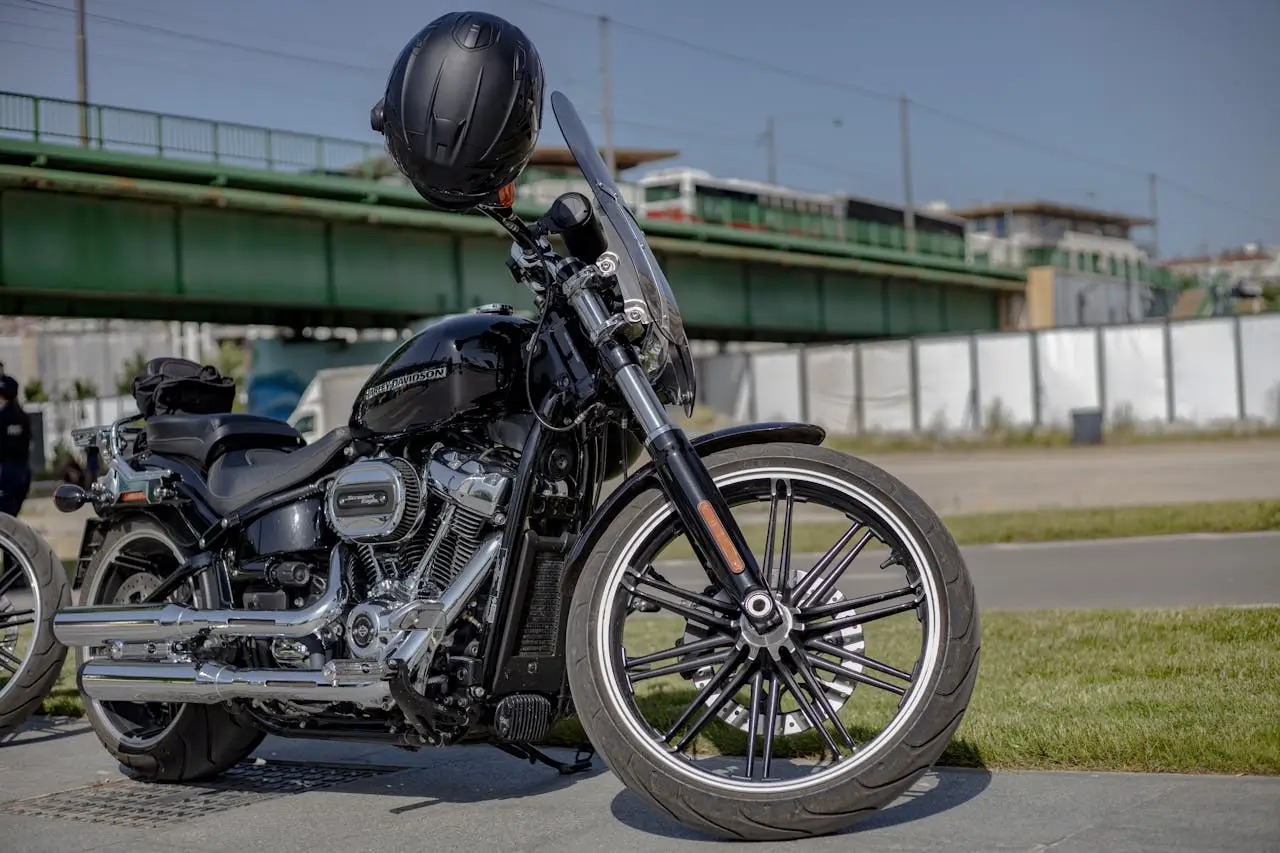
Storing a motorcycle outside takes more than throwing on a cover and hoping for the best. Rain, sun, humidity, debris, and theft risk can all wear down the bike faster when it is left exposed for weeks or months.
The good news is that outdoor storage can still work when the motorcycle is prepared properly and protected with the right setup. This guide covers how to reduce weather damage, improve security, and keep your bike in better condition when indoor storage is not available.
Why Outdoor Motorcycle Storage Requires Extra Protection
Outdoor motorcycle storage exposes a motorcycle to more risk than garage or enclosed storage. The biggest concerns are usually moisture, UV exposure, surface corrosion, and the added chance of tampering or theft when the bike stays visible and accessible.
Risks of Storing a Motorcycle Outside
A motorcycle stored outside faces more than occasional bad weather. It is also more exposed to dirt, tree debris, passing traffic, accidental bumps, vandalism, and theft, all of which can affect the bike’s condition over time.
A few of the most common outdoor storage risks include:
- Theft risk from leaving the bike visible and easier to access.
- Vandalism or accidental contact in driveways, streets, or shared parking areas.
- Dust, debris, and pollution that can settle on surfaces and wear down finishes.
- Long-term exposure that can affect paint, rubber, metal, and electrical components.
Impact of Weather, Moisture, and Sun Exposure
Weather exposure can slowly damage a motorcycle even when major issues are not immediately visible. Rain and humidity increase the risk of rust and corrosion, while long hours in the sun can fade paint, dry out rubber parts, and age the seat and trim faster.
This is why outdoor storage protection should focus on both moisture control and UV defense. A motorcycle cover helps, but the storage location, airflow, and routine care also play a big role in how well the bike holds up outside.
Best Way to Store a Motorcycle Outside Step by Step
Proper storage starts with a clean and maintained bike. Before you store a motorcycle outside and cover it, clean it well and check for maintenance needs. These steps prevent costly repairs later. A structured storage routine keeps your bike in top shape all year.
Cleaning and Preparing the Motorcycle
Start by washing the bike to remove dirt, salt, and debris. These can cause rust by trapping moisture. Dry it well to avoid hidden water spots.
Fuel Stabilization and Fluid Protection
Next, focus on the fuel system to prevent damage. Add a fuel stabiliser and run the engine briefly. Also, check and replace coolant and antifreeze to protect against freezing.
Battery Care for Outdoor Storage
Keep the battery healthy to avoid starting problems. Use a trickle charger if possible. In extreme temperatures, remove the battery for safe storage.
| Maintenance Task | Purpose | Frequency |
| Deep Clean | Remove corrosive grime | Before storage |
| Fuel Stabilizer | Prevent fuel gumming | Before storage |
| Battery Tender | Maintain charge levels | Continuous |
| Coolant Check | Prevent freezing damage | Seasonal |
By following these steps, your motorcycle stays safe outside. Regular care ensures it’s always ready to ride.
Choosing the Right Motorcycle Cover for Outdoor Storage
A motorcycle cover is one of the most important parts of outdoor storage because it acts as the bike’s first layer of protection. The wrong cover can trap moisture, flap in the wind, or wear down the finish, which means the material and fit matter just as much as basic water resistance.
Waterproof vs Weather-Resistant Covers
There are two types of motorcycle covers: waterproof and weather-resistant. Waterproof covers keep your bike dry in heavy rain. Weather-resistant ones are lighter and better for mild weather.
| Feature | Waterproof Cover | Weather-Resistant |
| Primary Use | Heavy Rain/Snow | Light Dust/Sun |
| Material | Coated Polyester | Treated Fabric |
| Breathability | Low to Medium | High |
Breathable Materials to Prevent Moisture Build-Up
Breathability matters because it helps trapped moisture escape instead of collecting under the cover. When buying a motorcycle cover, look for materials such as woven polyester, polyester Oxford fabric, breathable nylon, or non-woven polypropylene.
Covers with vents or microporous layers can improve airflow and help reduce the risk of rust, mold, and surface damage.
Proper Cover Fit and Securing Techniques
A motorcycle cover should fit closely enough to protect the bike without rubbing excessively against painted or exposed surfaces. A loose cover can flap in the wind, wear the finish over time, and leave parts of the motorcycle more exposed during storms.
A few details make a big difference:
- Elastic hems help keep the cover close to the bike.
- Underbody straps reduce movement in windy conditions.
- Correct sizing gives fuller protection without too much extra fabric.
- Heat-resistant panels help prevent damage near hotter components.
How to Protect a Motorcycle from Weather Damage Outdoors
Protecting your motorcycle from harsh weather is easy with a few maintenance steps. Regular care keeps your bike in top shape all year. Focus on controlling moisture and protecting surfaces to keep your bike looking new.
Rain, Humidity, and Rust Prevention
Moisture causes rust and corrosion on metal parts. Use high-quality anti-corrosion sprays or protectants on your frame, engine bolts, and chrome. These products block oxidation and protect your bike.
Check your motorcycle for oxidation signs often. Clean small spots right away to stop rust from spreading. Keeping your bike clean and dry is key to its structure.
Sun and UV Protection
UV rays damage your motorcycle’s paint, plastic, and leather. They cause fading, cracking, and brittle materials. A UV-resistant cover is the best way to shield your bike from UV rays.
If you can’t park in the shade, use a UV protectant spray on your seat and plastic. This layer keeps your bike’s finish and prevents aging. These steps protect your bike from the sun’s glare.
Cold Weather and Winter Storage Tips
Winter prep for your motorcycle focuses on the cooling system and engine. Use antifreeze to avoid engine damage from freezing. Make sure your coolant is rated for the lowest expected temperature.
For winter storage, follow these maintenance tips for a smooth spring start:
| Action Item | Purpose | Frequency |
| Check Antifreeze Levels | Antifreeze to prevent freezing | Before first frost |
| Apply Metal Protectant | Prevent rust and corrosion | Monthly |
| Use Breathable Cover | Prevent moisture buildup | Daily |
| Battery Maintenance | Prevent power drain | Every 2 weeks |
Storing your motorcycle outside in winter means keeping the battery charged or disconnected. Follow these tips to avoid expensive repairs when riding season starts. Proper prep keeps your bike ready for the road.
Security Tips for Storing a Motorcycle Outside
Improving your motorcycle’s safety is easy with a few smart steps. Leaving your bike outside can be safe if you use the right security measures. These tips will help keep your motorcycle right where you left it.
Using Disc Locks, Chains, and Ground Anchors
Physical barriers are key to protecting your bike. Always use a high-quality disc lock on the rear wheel. This makes it hard for thieves to roll your bike away.
For extra security, use a heavy-duty steel chain through the frame. Secure it to a ground anchor. This combo makes it almost impossible for thieves to move your bike.
By anchoring your bike to a solid object, you stop thieves from lifting it into a van. This is a big step in keeping your bike safe.
Parking Location and Visibility Strategies
Where you park is crucial for your bike’s safety. Choose a spot that’s well-lit and visible. Thieves prefer to hide, so a well-lit area is less appealing to them.
Avoid dark alleys or secluded spots. Park in a place that’s hard to access without being seen. This adds a psychological barrier against thieves.
Anti-Theft Covers and Alarm Systems
Modern tech offers great ways to protect your bike. An anti-theft cover hides your bike, making it less attractive to thieves. Many covers come with alarm systems that sound a loud siren if disturbed.
- Select a cover with a built-in motion sensor alarm.
- Ensure the cover fits snugly to prevent flapping in the wind.
- Use a bright-colored cover to signal that the bike is protected.
These tools keep your bike safe and alert you if someone tries to touch it. Investing in these systems gives you peace of mind that your motorcycle is always protected.
Where to Store a Motorcycle Outside Safely
Storing your motorcycle outside requires careful planning. The right spot is crucial to protect it from harsh weather and theft. Without a garage, picking the right location is key to keeping your bike in great shape.
Driveways, Backyards, and Covered Parking Areas
A driveway, backyard, or covered side area can work for outdoor motorcycle storage if the location stays relatively dry and secure. Surfaces like concrete or pavement are usually better than grass or dirt because they reduce ground moisture and make the area cleaner overall.
It also helps to choose a location that is visible from your home and not hidden from view. Good visibility can discourage theft, while a covered section or partial overhang can add useful protection against direct rain and sun.
Using Temporary Shelters and Motorcycle Tents
A temporary shelter or motorcycle tent can offer stronger protection than a basic cover alone. These setups help block rain, limit direct sun exposure, and create a more controlled space around the bike, especially during longer outdoor storage periods.
They can be a practical choice for riders who do not have a garage but want something more protective than an uncovered driveway setup. When chosen well, they can reduce weather exposure while still allowing better airflow than makeshift coverings.
Shared Parking vs Dedicated Storage Spaces
In crowded areas, you might need to look at different storage options. Some public motorcycle storage spaces are safer than street parking. These areas often have gated access and cameras for added security.
When deciding between shared parking and private spaces, consider the cost and security. A dedicated space is often worth it for the extra protection against weather and theft. Always think about your specific situation to find the best spot for your motorcycle.
Long-Term Outdoor Motorcycle Storage Best Practices
If you plan to leave your bike outside for months, follow these best practices to protect your investment. Proper storage is key to keeping your machine in good shape. By staying proactive, your bike will be ready to hit the road as soon as the weather gets better.
Regular Maintenance While in Storage
A motorcycle stored outside still needs periodic attention, especially during long inactive periods. Lubricating moving parts, checking the cover, inspecting for moisture buildup, and making sure the bike stays clean can all help protect it better over time.
If weather allows, a proper ride can help circulate fluids and bring the motorcycle fully up to operating temperature. If riding is not possible, it is usually better to maintain the battery, stabilize the fuel, and keep the bike stored correctly instead of starting it briefly and shutting it off again.
Preventing Tire Damage and Battery Drain
Tires and batteries are at high risk of damage when a motorcycle sits for weeks. To avoid flat spots, slightly overinflate your tires before storage. Always check the tire pressure to keep it within the recommended range.
To keep the battery healthy, use a battery tender or trickle charger if you have power outside. If not, remove the battery and store it in a climate-controlled area. This protects it from freezing temperatures and ensures your engine starts well when you’re ready to ride.
Periodic Inspection Checklist
Use this table to stay organized during storage. Regular checks help you store your motorcycle right and avoid expensive repairs.
| Component | Action Required | Frequency |
| Tires | Check tire pressure | Monthly |
| Battery | Inspect charge levels | Bi-weekly |
| Fuel System | Check for leaks | Monthly |
| Moving Parts | Apply fresh lubricant | Every 2 months |
Common Mistakes to Avoid When Storing a Motorcycle Outside
Keeping your motorcycle in good shape while parked outside requires careful planning. You must set it up right to avoid damage. Many riders unknowingly shorten their bike’s life by ignoring simple care and safety tips.
Using Non-Breathable Covers
One big mistake is using a cheap cover or plastic tarp. These can trap heat and moisture, harming your bike. Instead, a breathable cover protects your investment from damage.
Ignoring Moisture and Ventilation
Good airflow is key when parking your bike outside. Without it, moisture can damage metal parts. A breathable cover keeps your bike dry and prevents rust and mold.
Trapped water can cause serious corrosion. Always choose covers that let your bike breathe while keeping it dry.
Poor Security Measures
Some think a quiet neighborhood is enough to keep their bike safe. But thieves target easy-to-get bikes. Always take basic security steps, even for short periods.
Using just one lock or not securing the bike is risky. Avoiding these mistakes keeps your bike safe and running well.
Outdoor Motorcycle Storage Cost and Alternatives
Outdoor storage can cost less than renting a storage unit, but the real cost depends on how much protection you add around it. A basic setup may seem inexpensive at first, but a better cover, locks, chains, anchors, and possible shelter can increase the total over time.
That is why it helps to compare outdoor storage costs with the level of protection you actually need.
Cost of Covers and Security Equipment
Outdoor motorcycle protection usually comes with a few added equipment costs. The total depends on how much weather protection and theft prevention you want for the bike.
Here are the common items and their estimated price ranges:
- Breathable motorcycle cover: about $25 to $85
- Disc lock or hardened steel chain: about $30 to $150+
- Ground anchor: about $35 to $100+
- Portable motorcycle shelter: about $150 to $400+
Note: These are general estimated price ranges only. Actual costs can vary based on brand, material quality, bike size, security level, and retailer.
When to Consider Storage Units or Facilities
Harsh weather can make outdoor storage a bad idea. If you live in an area with extreme weather, a storage unit is a better choice. While a garage is ideal, not everyone has one. An unheated garage is still better than outside because it offers a roof and walls.
Here’s a comparison to help you choose the best storage option:
| Storage Method | Security Level | Weather Protection |
| Outdoor Cover | Low to Moderate | Basic |
| Motorcycle Shelter | Moderate | Good |
| Professional Unit | High | Excellent |
If your bike is often wet or at risk of theft, it’s time to store it in a secure place. An unheated garage is better than a driveway, even without climate control. Think about your budget to see if a secure unit is worth the monthly cost.
Final Thoughts on Storing a Motorcycle Outside Safely
Outdoor motorcycle storage can work, but it needs more planning than indoor storage. The best results come from combining weather protection, moisture control, smart parking choices, and layered security so the bike is not left exposed without support.
For riders who need a more secure and reliable option than open outdoor parking, RecNation offers motorcycle storage solutions designed to give motorcycles better protection from weather exposure, theft risk, and long periods of inactivity. With the right storage environment and preparation, your bike stays safer, holds its condition better, and is ready when it is time to ride again.
FAQ
Is it bad to store your motorcycle outside without a garage?
Storing a motorcycle outside is less ideal than indoor storage, but it can be done more safely with a properly fitted breathable cover, good drainage, and theft protection. Without a garage, the bike faces higher risks from moisture, UV exposure, and corrosion.
How do I prevent rust and corrosion when keeping my motorcycle outside?
Help prevent rust by washing and drying the motorcycle, applying a corrosion inhibitor such as ACF-50, and lubricating the chain and other exposed moving parts. Use a breathable outdoor cover and check periodically for trapped moisture.
What is the best way to maintain the battery if I store my motorcycle outside in winter?
Keep the battery healthy by removing it and storing it in a controlled environment. If not possible, use a trickle charger or Battery Tender. A dead battery in freezing temperatures can cause damage.
Should I use a tarp or a specialized motorcycle cover?
Choose a breathable motorcycle cover over a tarp or cheap cover. A tarp can trap moisture, causing corrosion and mold. A high-quality cover allows air circulation while keeping your bike dry.
How can I keep my bike safe from theft when storing it outdoors?
Use a multi-layered security approach. Combine a disc lock, heavy-duty chain, and ground anchor. Park in a well-lit area and use an anti-theft cover with an alarm. These steps help protect your bike without a garage.
What steps are necessary for winterising a motorcycle for outdoor storage?
Add fuel stabiliser and top off the tank to prevent moisture. Check coolant levels and ensure enough antifreeze. Slightly overinflate tires to prevent flat spots in cold weather.


