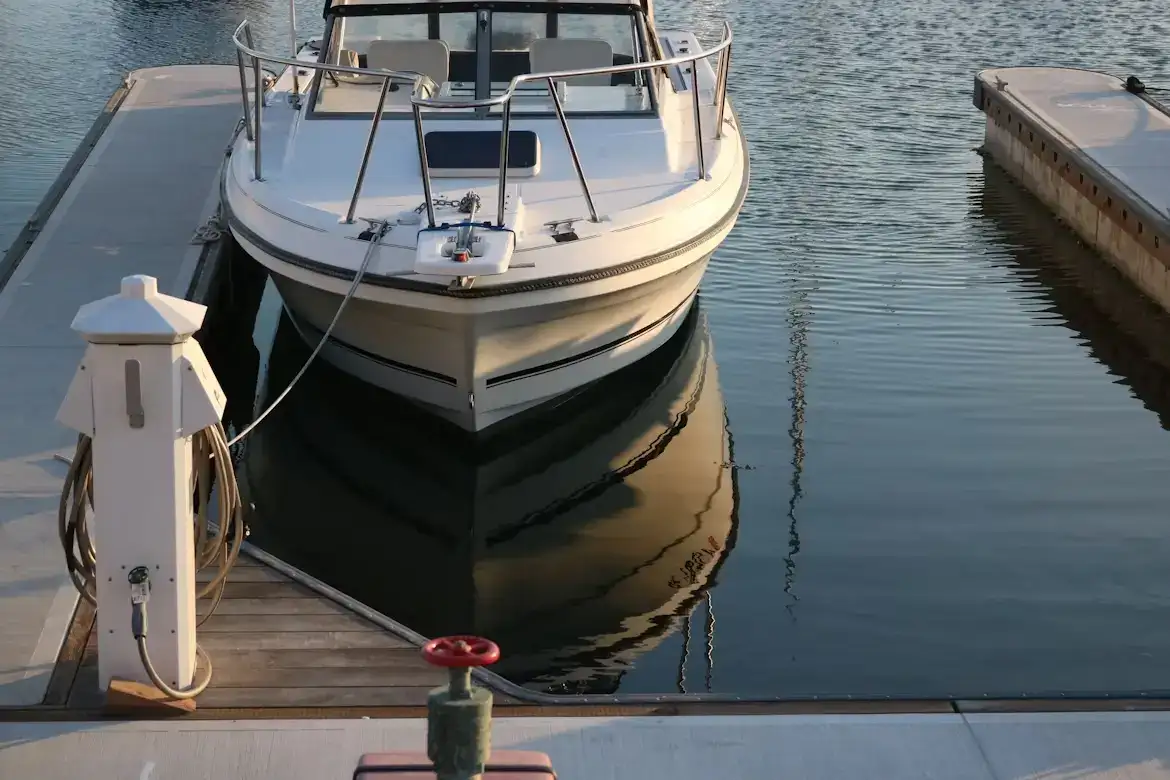
Boat loan terms typically range from 2 to 20 years, with the term you qualify for depending on your loan amount, the boat’s age, and your lender’s guidelines.
You have a boat in mind and a price range figured out. What you need now is a realistic picture of what term you can get, what your monthly payment will be at each term, and what the loan will actually cost you by the time it is paid off. This article covers exactly that: a term-by-loan-amount reference table sourced from named lenders, worked payment examples at multiple term lengths with the math shown, and the full monthly cost of owning a boat including insurance and storage.
This is general information, not financial advice.
Typical Boat Loan Terms by Loan Amount
How long a lender will let you borrow depends mostly on how much you borrow. Larger loans unlock longer repayment windows, while smaller loans are generally capped shorter, whatever your credit looks like.
The table below draws on YachtWay lender guidelines and LendingTree boat loan data (Q3 2026).
| Loan Amount | Typical Term Range |
| Under $50,000 | Often capped near 10 to 12 years |
| Over $50,000 | 15 to 20 years |
The longest term most lenders offer is 20 years. Individual approval depends on credit score, down payment, and vessel age.
Dealer financing and credit unions may offer different caps than specialty marine lenders. A specialty lender focused on boats will often go longer on the same loan amount than a general bank or a personal loan provider.
How Boat Age Limits Affect the Term You Can Get
Most lenders cap the age of the vessel they will finance, and the term available to you shrinks as the boat gets older. According to YachtWay lender guidelines, loans above $100,000 can finance vessels up to 30 years old. On smaller loans, many lenders will not finance boats older than about 20 years.
Here is how that plays out in practice, as an illustration:
- Newer boat: A 5-year-old boat on a $100,000 loan may qualify for a full 20-year term.
- Older boat: The same loan on a 25-year-old boat may be capped at 10 to 12 years, because the boat’s remaining useful life factors into how long the lender will extend credit.
If you are buying used, it helps to check the vessel’s year before assuming you can get the term shown in the table above. For more on how age affects a used boat purchase, see what to know before buying a used boat.
What Monthly Payments Look Like at Each Term
Your monthly boat payment comes from the standard amortization formula:
M = P [r(1+r)^n] / [(1+r)^n – 1]
In the formula:
- M: the monthly payment.
- P: the principal, or amount borrowed.
- r: the monthly interest rate, which is the annual rate divided by 12.
- n: the total number of monthly payments.
The examples below use an 8% annual percentage rate (APR) for round numbers. That sits close to the third quarter (Q3) 2026 average of 8.52% reported by LendingTree across all credit scores. Your actual rate will vary with your credit profile and lender.
$30,000 loan at 8% APR
| Term | Monthly Payment | Total Paid | Total Interest |
| 5 years | ~$608 | ~$36,500 | ~$6,500 |
| 10 years | ~$364 | ~$43,700 | ~$13,700 |
$75,000 loan at 8% APR
| Term | Monthly Payment | Total Paid | Total Interest |
| 10 years | ~$910 | ~$109,200 | ~$34,200 |
| 15 years | ~$717 | ~$129,000 | ~$54,000 |
| 20 years | ~$627 | ~$150,600 | ~$75,600 |
These figures are illustrations. The actual numbers for your loan will depend on your lender’s rate, any fees, and whether you make extra payments.
Short-Term vs Long-Term: Which Is Better for Your Budget?
A shorter term costs more each month but far less over time. On the $75,000 example above, cutting from 20 years to 10 years raises the monthly payment by about $283, but saves roughly $41,000 in total interest.
The other risk with a long-term boat loan is depreciation. Boats lose value fastest in the first five years of ownership. On a new boat financed over 20 years, you may owe more than the vessel is worth for the first several years of the loan. That gap matters if you want to sell or trade up before the loan is paid off.
That does not make a longer loan the wrong call. On a large new vessel you plan to keep for years, the lower monthly payment may be what makes the loan workable within your budget. The question is whether you are choosing the longer term for flexibility or simply to qualify for a boat you could not afford at a shorter term.
So, is it smart to finance a boat for 20 years? Only when the loan amount is large enough to justify it, the vessel is new or near-new, and the lower payment is necessary rather than just convenient.
What Factors Affect Your Boat Loan Term?
Lenders weigh several variables when setting your maximum term. Knowing which factors you can control lets you walk into a loan application in a stronger position.
New vs Used Boat
New boats generally qualify for the longest terms available at your loan amount. Used boats face two constraints: the lender’s vessel age cap (covered above) and a shorter expected service life, both of which can reduce the term on offer. The older the boat, the shorter the term you are likely to see.
Credit Score and Down Payment
A higher credit score can help you qualify for both a lower rate and a longer maximum term. According to LendingTree data from Q3 2026, the average boat loan APR was 7.79% for borrowers with scores of 800 and above, compared to an overall average of 8.52% across all credit scores.
A larger down payment reduces the lender’s exposure on the loan. That lower risk can open up a longer term on the same loan amount. No minimum score guarantees a specific term length from a specific lender, so it helps to get prequalification from at least two lenders before assuming the term you want is available to you.
Lender Type
Specialty marine lenders like YachtWay typically offer longer maximum terms than general banks or personal loan providers. A general bank may cap terms shorter than a marine-focused lender working with the same borrower on the same loan.
If term length matters to your budget, it helps to start with a specialty lender rather than your general bank.
The Full Monthly Cost of Owning a Boat
Your loan payment is not the only recurring cost that starts the day you sign. It helps to budget for marine insurance and storage as well, because both run for the life of the loan and beyond.
| Cost Component | Typical Monthly Range | Notes |
| Loan payment | Varies by term (see examples above) | Based on loan amount, rate, and term |
| Marine insurance | Varies | Varies by vessel size, value, and region |
| Boat storage | $57 to $701 | Varies by type and location; see note below |
Insurance is the next line in the budget. Our guide to how much boat insurance costs covers premiums by vessel type and region.
Storage is the third. RecNation’s boat storage options vary by location, size, and storage type. Outdoor uncovered spaces start around $57 a month, and indoor garage spaces reach up to $701 a month for large units (web rates checked October 2026). These are estimates, so it helps to confirm current pricing with the facility.
Add the three together and the total runs well above the loan payment alone. For a mid-range boat financed over 10 years, that combined figure is what your budget needs to absorb, not just the number on the loan agreement.
Why Storage Costs Matter When You Are Financing a Boat
Lenders do not factor storage into your loan approval, but it is a fixed cost that runs from the day you take possession. Many neighborhoods and homeowners associations (HOAs) restrict boat parking on residential properties, making a dedicated storage facility a practical necessity rather than an optional expense.
It helps to factor storage in before you commit to a loan term, not after.
How to Choose the Right Boat Loan Term
Once you know what each term costs in total interest and what the monthly payment is, the choice comes down to your holding period, your budget, and the boat’s age. Before you get to that step, it helps to read what to know before you buy on the ownership and financing requirements side.
A shorter term tends to fit if:
- Short holding period: You plan to sell or upgrade within five to seven years. A shorter term reduces the risk of owing more than the boat is worth when you are ready to move on.
- Comfortable payments: You can afford the higher monthly payment without straining your budget. The interest savings are significant.
- Older boat: The boat is used and already carries some age. A long term on a depreciating asset increases financial risk.
A longer term tends to fit if:
- Large loan: The loan amount is above $75,000 and a 10-year payment would exceed your comfortable monthly budget.
- New boat held long-term: You are buying new and intend to keep the vessel long-term, which reduces the underwater-loan risk that comes with early depreciation.
It helps to get prequalification from at least two lenders before committing. Rates and term caps vary enough across lenders that the same borrower can see materially different offers depending on who they approach.
When a Longer Term Makes Financial Sense
A longer loan term genuinely serves the buyer in one specific scenario: a large, new vessel purchased with the intention of keeping it for a decade or more. The extended amortization keeps monthly payments within budget without creating a severe risk of the loan outrunning the boat’s value.
On a $150,000 yacht financed over 20 years at 8%, the monthly payment is more manageable than the same loan over 10 years, and if the vessel holds value reasonably well, the underwater-loan risk stays limited. The key word is intentional: choose a longer term because it fits your plan, not because it is the only way the math works at all.
Final Thoughts
The right boat loan term balances the monthly payment you can carry with the total interest you are willing to pay. Insurance and storage sit on top of that payment, so they belong in the budget before you sign.
Once you have settled on a loan term and know what your monthly payment will be, storage is the next recurring cost to plan for. RecNation offers boat storage across 50+ locations, with outdoor uncovered, covered canopy, and indoor garage options to fit different budgets and vessel sizes. Prices vary by location, size, and availability, so it helps to confirm current rates with the facility.
Frequently Asked Questions
What is the average term length for a boat loan?
Boat loan terms most often run between 2 and 20 years, with 20 years the longest term most lenders offer. Shorter terms are common on smaller loans, while loans above $100,000 on newer vessels can reach 20 years, according to YachtWay lender guidelines.
How long can you finance a $30,000 boat?
Financing a $30,000 boat is often capped near 10 to 12 years, though some lenders go longer depending on the vessel’s age and the borrower’s credit profile. Used boats are the most likely to land at the shorter end.
How much is a monthly payment on a $75,000 boat loan?
A $75,000 boat loan at 8% APR costs approximately $910 a month over 10 years and approximately $627 a month over 20 years. The longer term lowers the payment by about $283 a month but adds roughly $41,000 in total interest.
Is it smart to finance a boat for 20 years?
Financing a boat for 20 years lowers the monthly payment but raises total interest and the risk of owing more than the boat is worth, since boats lose value fastest early on. The term fits best on a large new vessel held long-term, where the lower payment is needed to make the loan workable.
How does my credit score affect my boat loan term?
A higher credit score can lead to both a lower rate and a longer maximum term, because lenders treat strong scores as lower risk. LendingTree’s Q3 2026 data shows an average boat loan APR of 7.79% for scores of 800 and above, compared with 8.52% across all scores.
How long can you finance a bass boat?
Bass boat loan terms depend mostly on the loan amount, the boat’s age, and the borrower’s credit profile. Newer bass boats in good condition generally qualify for longer terms than older used models, and specialty marine lenders tend to be more flexible than standard banks.