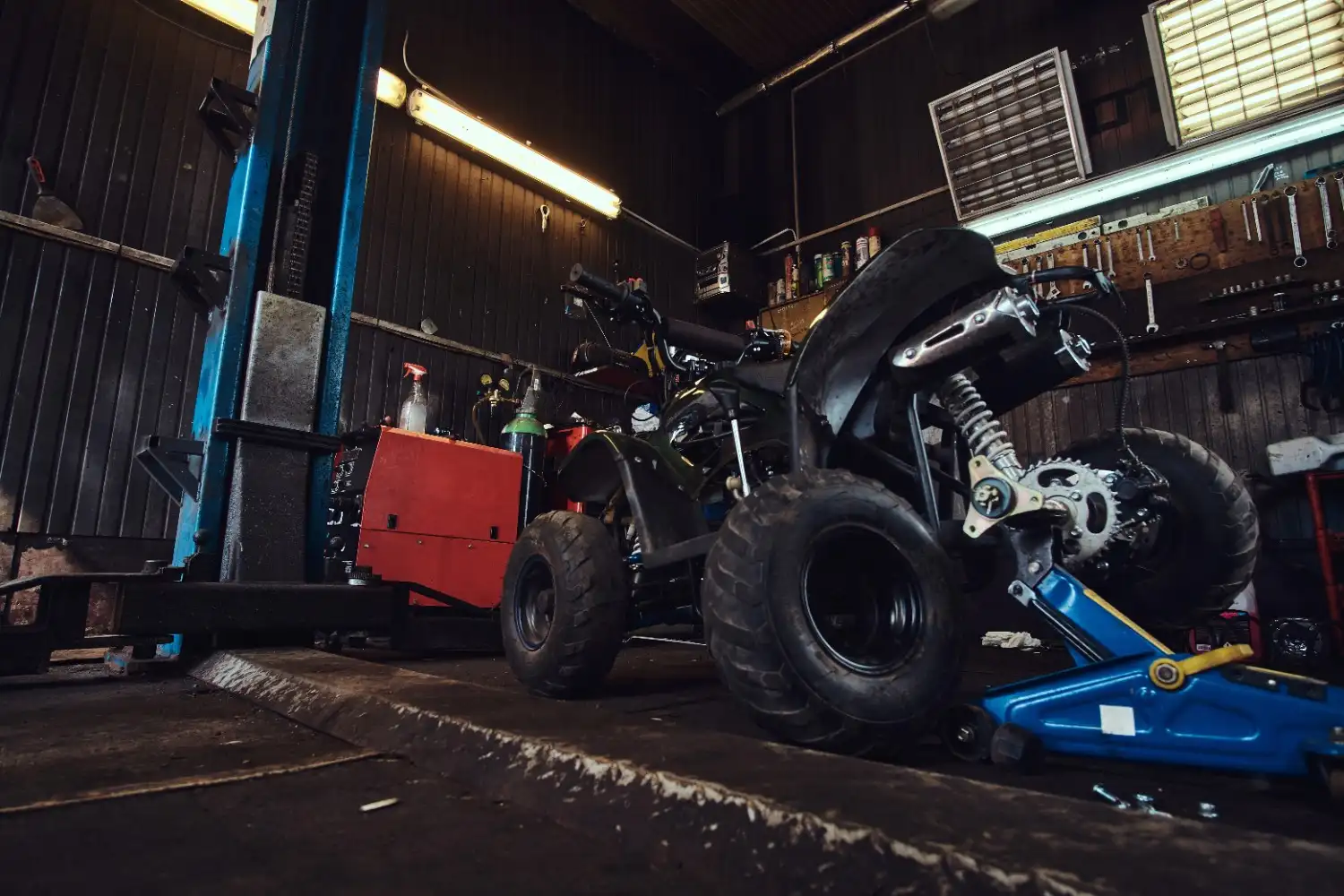
If you don’t have enough space at home, storing your ATV in a storage unit can be a convenient solution. A good storage facility helps protect your ATV from harsh weather, theft, and unnecessary wear while keeping your garage or driveway clutter-free.
Before putting your ATV into storage, it’s important to prepare it properly. In this guide, we’ll explain the benefits of ATV storage and the steps you should take to keep your vehicle in great condition.
Can You Store An ATV In A Storage Unit
You can store an ATV in a storage unit if the facility’s rules allow vehicles with fuel tanks and batteries. The right unit gives your ATV a secure, enclosed space and keeps it protected when you do not have enough room at home.
When Storage Units Are A Suitable Option
Storage units work well when you do not have a garage, shed, or safe parking space at home. They help protect your ATV from rain, snow, sun exposure, theft, and vandalism.
They are also useful for off-season storage when the ATV will not be used often. With proper preparation, such as battery care and basic maintenance, your ATV can stay ready for the next ride.
Situations Where Storage Units May Not Be Ideal
A storage unit may not work if the facility does not allow motorized vehicles, fuel, or connected batteries. Always check the storage rules before signing the rental agreement.
It may also be inconvenient if you need daily or frequent access to your ATV. A facility far from your home or riding trails can make pickup and drop-off more difficult.
Factors That Determine Suitability
The right storage choice depends on ATV size, facility rules, access hours, and the level of protection you need. Measure your ATV first so the unit is not too tight or difficult to use.
You should also check whether the facility offers secure access, climate control, and enough room for maintenance or gear. These details help keep your ATV protected and easier to use when riding season returns.
Benefits Of Storing An ATV In A Storage Unit
Storing an ATV in a dedicated storage unit helps protect the vehicle, free up space at home, and keep it in better condition between rides. Indoor storage is especially useful because it reduces weather exposure and gives your ATV a safer place during the off-season.
Protection From Weather And Environmental Exposure
Rain, snow, sunlight, and moisture can damage an ATV over time. A storage unit helps protect the vehicle from rust, fading, cracked parts, and other weather-related wear.
Indoor storage also keeps the ATV cleaner and easier to maintain. Before storing it, adding fuel stabilizer and draining the carburetor can help prevent fuel system issues later.
Improved Security Compared To Open Storage
An ATV left outside is more exposed to theft, vandalism, and unauthorized access. Storage units usually offer better protection through gates, locks, cameras, and controlled entry.
This added security gives owners more peace of mind when the ATV is not in use. It is a safer option than leaving the vehicle in a driveway, yard, or open parking area.
Additional Space For Owners Without Home Storage
A storage unit is helpful when your garage, shed, or driveway does not have enough room for an ATV. It gives owners a separate place to keep the vehicle without crowding home storage areas.
This also makes it easier to keep tools, riding gear, and maintenance items organized. Having a dedicated space can make ATV care and off-season storage more manageable.
Risks Of Storing An ATV In A Storage Unit
Storing an ATV in a storage unit is useful, but the wrong space can create problems if it lacks ventilation, protection, or proper access. Before signing a rental agreement, check the unit conditions carefully so your ATV stays safe during storage.
Moisture And Ventilation Concerns
Moisture is one of the biggest risks for an ATV in storage because it can lead to rust, corrosion, and electrical issues. A unit with poor airflow can trap humidity and make these problems worse over time.
Climate-controlled or well-ventilated units can help reduce this risk. Moisture absorbers and a clean, dry storage setup can also help protect metal parts, wiring, and exposed components.
Access Limitations And Usage Restrictions
Some storage facilities limit when you can enter the property or access your unit. This can make it harder to inspect, maintain, or pick up your ATV when you need it.
Before renting, check the facility’s gate hours, vehicle rules, and access policies. The storage location should match how often you ride and how regularly you plan to check the vehicle.
Potential Damage From Improper Storage Conditions
Poor storage conditions can damage your ATV even if it is kept indoors. Dust, pests, temperature swings, and unsealed gaps can affect wiring, rubber parts, tires, and other components.
A clean, sealed, and secure unit helps lower these risks. Choosing the right storage space protects your ATV’s condition, value, and readiness for the next ride.
What To Look For In An ATV Storage Unit
The right ATV storage unit should offer enough space, easy access, strong security, and protection from weather-related damage. Before renting, check the unit size, door clearance, facility rules, and storage conditions so your ATV stays safe and easy to move.
Unit Size And Accessibility Requirements
Choose a unit that gives your ATV enough room to enter, exit, and sit without touching the walls. Drive-up access can make loading, unloading, and routine checks much easier.
Check the door width, ceiling height, and space around the vehicle before signing. If you plan to do light maintenance, make sure there is enough room to move safely.
Security Features And Facility Policies
A good ATV storage facility should have strong security features like gated access, cameras, fencing, and controlled entry. These features help reduce the risk of theft, vandalism, and unauthorized access.
You should also review access hours and visitor policies before renting. A facility with flexible entry can be helpful if you ride early, return late, or need regular access to your ATV.
Environmental Protection And Unit Conditions
The condition of the unit matters because moisture, heat, dust, and poor airflow can affect your ATV over time. Indoor or climate-controlled storage can help reduce rust, battery issues, and long-term wear.
Check ventilation, cleanliness, and signs of leaks before choosing a unit. Outdoor storage may cost less, but enclosed storage gives better protection for long-term use.
How Storage Unit Rules Can Affect ATV Owners
Storage unit rules can affect where and how you store your ATV, especially if the facility has restrictions on fuel, batteries, insurance, or motorized vehicles. Before renting, review the policies carefully so you avoid access issues, safety violations, or rental problems later.
Vehicle Storage Policies And Restrictions
Many storage facilities have rules for fuel levels, battery storage, and where motorized vehicles can be kept. Some may require you to drain fuel, disconnect the battery, or use only outdoor or drive-up spaces.
Always confirm that the facility allows ATVs before signing the rental agreement. Breaking vehicle storage rules can lead to extra fees, denied access, or cancellation of your rental.
Documentation And Ownership Requirements
Storage facilities may ask for documents that prove you own the ATV and are legally allowed to store it. This can include a photo ID, title, bill of sale, registration, and a signed rental agreement.
Keeping these documents ready can make the rental process faster and smoother. It also helps the facility confirm that the ATV belongs to you and is being stored properly.
Insurance And Liability Considerations
Many facilities require insurance coverage while your ATV is stored on-site. This protects against risks such as theft, fire, vandalism, or damage inside the storage unit.
Check whether your current policy covers off-site storage before moving the ATV. If it does not, you may need separate coverage or an added policy rider for better protection.
When A Storage Unit Is Better Than Other Storage Options
A storage unit is better than other options when your home does not have enough space, security, or weather protection for your ATV. It gives your vehicle a dedicated place to stay protected while keeping your garage, driveway, or shed less crowded.
Limited Space At Home
A storage unit works well when your garage is already full with cars, motorcycles, tools, or other equipment. It gives your ATV a separate indoor space without forcing you to reorganize your home.
Smaller ATVs may fit in standard units, while larger models or trailers may need more room. This can be more practical and affordable than expanding your garage or using outdoor home storage.
Need For Additional Security
Professional storage can offer stronger security than a driveway, backyard, or basic garage. Features like gated access, cameras, fencing, and controlled entry help protect your ATV from theft or vandalism.
This added protection is useful if your ATV is valuable or stored for long periods. A secure facility gives you more peace of mind when the vehicle is not in regular use.
Seasonal Or Temporary Storage Needs
A storage unit is useful when you only need space during the off-season, winter months, or a short moving period. It gives your ATV a safe place until riding conditions improve or you need it again.
For longer storage, proper winter preparation still matters. Check the owner’s manual, use a trickle charger if needed, and prepare the fuel system before leaving the ATV stored for months.
Common Mistakes When Storing An ATV In A Storage Unit
Storing an ATV properly takes more than renting the nearest available unit. An ATV pre-storage checklist is useful before move-in because it helps owners review unit size, facility rules, fuel care, and climate protection before small mistakes turn into damage, access issues, or repair costs.
Choosing A Unit That Is Too Small
A unit that is too small can make it difficult to park, inspect, or move around your ATV safely. It can also increase the risk of scratches, dents, or damage when loading and unloading.
Choose a unit with enough room for the ATV, gear, and basic maintenance access. A slightly larger space is often more practical than forcing the vehicle into a tight unit.
Ignoring Facility Policies
Each storage facility has its own rules for fuel, batteries, and motorized vehicles. Some may ask you to drain fuel, use a fuel stabilizer, disconnect the battery, or follow specific storage steps.
Ignoring these rules can lead to safety issues or problems with your rental agreement. Always review the policy and check your owner’s manual before storing your ATV for the season.
Assuming All Storage Units Offer The Same Protection
Not every storage unit offers the same level of protection from weather, moisture, pests, or temperature changes. A basic unit may work for short-term storage, but it may not be enough in very hot, cold, or humid areas.
Climate-controlled or well-sealed units can help protect rubber parts, wiring, metal components, and the fuel system. Choosing the right storage setup helps keep your ATV ready for the next ride.
Final Thoughts
Storing an ATV in a storage unit can be a smart choice when you need more space, better security, and stronger protection from weather damage. The right unit should fit your ATV properly, follow facility rules, offer safe access, and help prevent issues like rust, moisture buildup, theft, and long-term wear.
Before renting, always check the storage policy, insurance requirements, unit condition, and access hours. RecNation gives ATV owners a secure and convenient storage option built for vehicles, so your ATV stays protected, organized, and ready for the next ride.
FAQ
Is it okay to store an ATV in a storage unit?
Yes, using a self storage unit is a great way to keep your ATV safe. It’s perfect when you don’t have enough garage space at home. Just make sure to follow the storage facility’s rules and prepare your ATV for long-term storage.
What storage unit size do I need for my all-terrain vehicle?
The right size depends on your ATV’s size. A 5×10 unit works well for one ATV or smaller sport ATVs. But, if you have extra gear or multiple vehicles, a 10×10 or larger unit is better.
How should I prepare my ATV for storage over the winter?
Always check your owner’s manual for winter prep tips. Clean the ATV, add fuel stabilizer, and either remove the battery or keep it charged. This keeps your four-wheeler in top shape.
Do I need a climate-controlled storage unit for my small vehicle?
A standard unit might be enough, but a climate-controlled one offers extra protection. It keeps your ATV safe from extreme temperatures and moisture, which is great for sensitive parts.
Is a self storage unit more secure than outdoor storage?
Yes, it usually is. Storage units at places like Extra Space Storage have better security. They have gated access and video cameras. This is important if you can’t store outdoors, as it protects your ATV from theft and harsh weather.