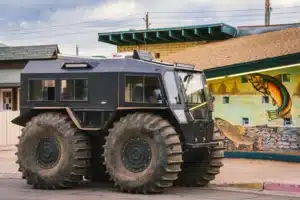
Proper storage plays a major role in keeping your ATV in good condition when it’s not being used. The right storage practices help protect your vehicle from moisture, dirt, temperature changes, and other factors that can lead to unnecessary wear.
This guide covers the essential steps for storing an ATV, from cleaning and preparation to long-term protection. By taking the time to store your ATV correctly, you can help prevent costly repairs and ensure it’s ready for your next ride.
Why Proper ATV Storage Matters
Proper ATV storage helps protect your vehicle from weather, moisture, pests, and long-term wear when it is not in use. Since an ATV is a valuable investment, the right storage setup can help prevent damage, reduce repair costs, and keep it ready for the next ride.
Risks Of Improper ATV Storage
Improper storage can expose your ATV to rain, snow, sunlight, and moisture. These conditions can cause cracked plastic, faded paint, rusted metal parts, and other avoidable damage.
Pests can also create serious problems if the ATV is stored in an open or poorly sealed area. Rodents may nest near air intakes or chew wiring, which can lead to engine trouble and costly repairs.
How Storage Affects ATV Performance And Longevity
Good storage helps protect the parts that keep your ATV running smoothly. Fuel, oil, seals, hoses, tires, and wiring can all be affected when the vehicle sits too long in poor conditions.
Stable temperature, dry air, and clean surroundings help reduce wear during storage. This keeps the ATV more reliable, safer to use, and easier to restart when riding season returns.
Factors That Influence Storage Outcomes
Storage results depend on humidity, temperature, sunlight exposure, pest access, and overall security. A dry, shaded, sealed, and well-protected space gives your ATV a much better chance of staying in good condition.
Outdoor or poorly controlled storage can increase the risk of corrosion, faded surfaces, damaged rubber parts, and pest-related issues. If home storage is limited, comparing shared storage options with private storage can help you choose a safer setup for your ATV’s value, performance, and lifespan.
What ATV Owners Should Consider Before Storage
Before storing your ATV, think about how long it will stay unused, where it will be kept, and how safely you can access it. A good storage plan helps prevent fuel issues, battery problems, rust, theft, and avoidable repairs before the next ride.
Storage Duration Expectations
Your storage plan should match how long the ATV will sit. Short-term storage may only need a clean, dry, and secure space.
Long-term storage needs more preparation, such as fuel stabilizer, battery maintenance, and better protection from moisture. These steps help keep the ATV ready when you start using it again.
Environmental And Security Risks
Weather and theft are two major risks to consider before choosing a storage spot. A dry, ventilated, and secure location helps reduce rust, corrosion, fading, and unauthorized access.
Strong locks, alarms, gated access, and indoor storage can offer better protection. These details matter more if the ATV is stored in a remote area or left unused for months.
Ownership And Access Considerations
Think about how often you will need your ATV during the off-season. If you ride often, choose a location close to your home, trails, or work property.
You should also compare storage cost with the possible cost of repairs from poor storage. A secure and convenient setup can save time, money, and stress throughout the year.
ATV Storage Options Explained
ATV storage options usually come down to indoor storage, outdoor storage, or a professional facility. The right choice depends on your budget, local climate, security needs, and how long your ATV will stay unused.
Indoor Storage Solutions
Indoor storage is one of the best ways to protect an ATV from rain, snow, sunlight, and moisture. A garage, shed, or enclosed space can also help keep pests away from wiring, air intakes, and other sensitive parts.
A climate-controlled garage offers the strongest protection because it helps manage humidity and temperature changes. Even a basic shed is usually safer than leaving the ATV fully exposed outdoors.
Outdoor Storage Solutions
Outdoor storage can work when indoor space is not available, but the ATV needs extra protection. A waterproof powersports cover can help reduce exposure to rain, sunlight, dust, and debris.
Placing the ATV on a concrete pad or wooden platform also helps keep the tires away from mud and standing water. Since outdoor storage has higher theft risk, use strong locks and secure the ATV whenever possible.
Professional Storage Facilities
Professional storage facilities are useful when you do not have enough space or security at home. Many offer enclosed units, climate-controlled options, gated access, cameras, and better protection for long-term storage.
This option usually costs more than home or outdoor storage, but it can provide stronger security and weather protection. It is a good choice for owners who want reliable storage and peace of mind during the off-season.
How To Prepare An ATV For Storage
Preparing an ATV for storage helps prevent rust, fuel problems, battery drain, flat tires, and starting issues later. A simple prep routine keeps the vehicle clean, protected, and ready to use when the riding season returns.
Cleaning And Condition Assessment
Start by washing the ATV to remove mud, dirt, salt, and debris from the frame, tires, and suspension. Dry it properly so trapped moisture does not lead to rust or corrosion during storage.
After cleaning, check for loose parts, worn cables, leaks, and dirty filters. Fixing small issues before storage makes it easier to avoid bigger repair problems later.
Mechanical And Electrical Preparation
The fuel system needs attention before long-term storage because old gas can clog the carburetor or fuel injectors. Add fuel stabilizer, then run the engine for a few minutes so treated fuel moves through the system.
Battery care is also important during storage. Disconnect the battery or use a smart trickle charger to keep it charged while the ATV sits unused.
Protecting The ATV During Storage
After cleaning and mechanical prep, cover the ATV to protect it from dust, moisture, sunlight, and debris. A breathable indoor cover works well in a garage or enclosed unit, while outdoor ATV storage needs a heavier waterproof cover that can handle rain, sun, and wind.
You can also place the ATV on jack stands to reduce tire pressure and prevent flat spots. These steps help keep the ATV protected and easier to restart after storage.
How To Choose The Right Storage Environment
The right ATV storage environment should protect your vehicle from weather, moisture, theft, and avoidable damage while still giving you easy access when needed. Before choosing a space, check the size, ventilation, security, and how often you plan to use the ATV.
Space And Accessibility Requirements
Measure your ATV before choosing a storage spot so it has enough room on all sides. A tight space can make inspections, cleaning, and maintenance harder and may increase the risk of scratches or damage.
Access also matters if you use the ATV often. Choose a space that lets you move the vehicle in and out easily without forcing tight turns or difficult loading.
Protection From Weather And Moisture
Moisture can damage metal parts, electrical connections, rubber, and plastic over time. A dry, well-ventilated space helps reduce rust, corrosion, and moisture buildup under covers.
If the area is not heated or climate-controlled, make sure it stays dry and has proper airflow. Moisture barriers, breathable covers, and regular checks can help protect the ATV during storage.
Security And Monitoring Considerations
Security is important, especially if the ATV is stored away from your home. Strong locks, reinforced doors, motion lights, ground anchors, and heavy chains can help reduce theft risk.
A wireless camera or monitored storage area can add another layer of protection. For better garage storage safety, check the locks, lights, cameras, and other security measures regularly to make sure everything is working properly.
Short-Term Vs Long-Term ATV Storage
The right ATV storage plan depends on how long the vehicle will sit unused. Short-term storage usually needs basic protection, while long-term storage requires more preparation to prevent fuel problems, rust, battery drain, tire damage, and dried-out parts.
Different Risks Based On Storage Length
Short-term storage, such as a few days or weeks, mainly requires a clean, dry, and secure space. The focus should be on preventing moisture exposure, theft, and basic fuel system issues.
Long-term storage creates bigger risks because fluids can break down, seals can dry out, and metal parts can rust. The longer the ATV sits, the more important fuel care, battery maintenance, and tire protection become.
Maintenance Expectations During Storage
Maintenance should match the storage length. For shorter periods, regular checks for moisture, tire pressure, and security may be enough.
For longer storage, inspect the battery, fuel system, tires, covers, and surrounding area more carefully. Storage maintenance checks should also include lifting the frame or rotating the wheels to help reduce flat spots during extended storage.
Signs Storage Conditions Need Adjustment
Storage conditions may need to change if you notice condensation, strange smells, pest activity, chewed wires, or dust buildup. These signs can point to moisture, fuel leaks, poor airflow, or weak pest protection.
If these problems appear, move the ATV to a cleaner, drier, or more secure space. Quick action can help prevent damage and keep the ATV ready for the next ride.
Common Problems That Occur During ATV Storage
ATVs can develop problems during storage even when they are kept in a garage or covered space. Battery drain, old fuel, tire flat spots, moisture, corrosion, and pest damage are some of the most common issues owners need to prevent.
Battery And Electrical Issues
Battery drain is a common storage problem because small electrical components can continue using power when the ATV is off. Over time, this can leave the battery weak or completely dead.
Using a trickle charger or battery tender can help maintain battery health during storage. You can also disconnect the battery if the ATV will sit unused for a long time.
Tire, Fuel, And Fluid Deterioration
Fuel can break down when it sits in the tank for several months. This can clog the carburetor, fuel injectors, or fuel lines and make the ATV harder to start later.
Tires can also develop flat spots if the ATV stays in one position too long. Keep the tires properly inflated, check fluids, and use fuel stabilizer before long-term storage.
Corrosion, Moisture, And Pest Damage
Moisture can cause rust on metal parts, wiring issues, and corrosion around exposed components. Using protective sprays, keeping the area dry, and improving airflow can help reduce this risk.
Pests can also chew wiring, nest near the intake, or damage upholstery. Seal openings, keep the storage area clean, and check the ATV regularly for signs of rodent activity.
Common ATV Storage Mistakes To Avoid
Small storage mistakes can lead to rust, fuel problems, pest damage, theft risk, and expensive repairs. Avoiding these issues helps protect your ATV’s condition, performance, and long-term value while it sits unused.
Choosing The Wrong Storage Environment
Choosing a storage spot only because it is convenient can create problems later. Damp sheds, extreme temperatures, poor airflow, and direct weather exposure can lead to rust, corrosion, and moisture buildup.
Pest access is another major risk in poorly sealed areas. Check for gaps, holes, and open entry points so rodents cannot chew wiring, nest near the intake, or damage the ATV.
Skipping Preparation And Maintenance
Parking your ATV without basic preparation can cause fuel and mechanical issues. Old fuel can gum up the carburetor or fuel injectors, so add fuel stabilizer and run the engine briefly before storage.
Skipping cleaning is another common mistake. Mud, dirt, and debris can trap moisture around the frame, seals, and gaskets, so wash and dry the ATV before putting it away.
Ignoring Security And Access Risks
Security should not be ignored when storing an ATV. A visible, unlocked, or easy-to-access storage spot can make the vehicle more vulnerable to theft.
Use strong locks, secured doors, cameras, lights, or gated storage when possible. The space should also allow enough access for regular checks, maintenance, and safe removal when needed.
How To Build An ATV Storage Plan
A good ATV storage plan should match how often you ride, how much protection your vehicle needs, and what you can spend. Planning ahead helps keep your ATV safe, easier to maintain, and ready for the next trail ride.
Matching Storage To Usage Patterns
Your riding habits should guide the type of storage you choose. Frequent riders may need a garage, shed, or nearby unit that allows easy access.
Seasonal riders may need stronger long-term protection, especially during winter or long off-season periods. Professional storage can be useful when the ATV will sit unused for several months.
Balancing Protection, Convenience, And Cost
The best storage choice should balance cost, access, and vehicle protection. Home storage may be convenient, but climate-controlled or professional storage can offer better protection from moisture, pests, theft, and weather.
Think about the cost of storage compared to possible repair costs from poor conditions. Avoiding basic storage mistakes can save money and protect your ATV’s value over time.
Knowing When To Change Storage Solutions
Your storage needs may change as your riding habits, home space, or vehicle condition changes. If you notice rust, moisture, pest activity, or access problems, your current setup may no longer be enough.
Changing to a cleaner, safer, or more secure space can help protect the ATV for the long term. A flexible storage plan keeps your vehicle ready and reduces avoidable damage.
Final Thoughts
Proper ATV storage helps protect your vehicle from moisture, rust, battery drain, fuel problems, pest damage, and unnecessary repairs. A good storage plan should match how often you ride, how long the ATV will sit unused, and how much protection it needs from weather, theft, and poor storage conditions.
Before storing your ATV, clean it, prepare the fuel system, care for the battery, check the tires, and choose a dry, secure space. RecNation gives ATV owners a reliable storage option with the space, security, and protection needed to keep their vehicles ready for the next ride.
FAQ
Why is it critical to properly prepare your Yamaha or Polaris for long-term storage?
Proper preparation keeps your vehicle’s value high and makes it ready for your next ride. Without the right care, your machine can suffer from mechanical issues, fluid problems, and engine damage. These problems come from sitting still and changing weather.
What are the primary risks of storing an ATV outdoors without protection?
Storing your ATV outside can cause rust, damage to plastics, and harm to electrical parts. A good cover or a dry place protects against humidity and temperature changes. These changes can wear out your Honda or Can-Am faster.
How do I handle ATV fuel stabilization for winterizing?
To stop fuel from breaking down, add a fuel stabilizer like STA-BIL to a full tank. This keeps the fuel fresh for months. It also protects your engine from clogs in the fuel system.
What is the best method for ATV battery care during the off-season?
Don’t leave your battery connected and idle, as it will drain and might not charge later. The best way is to remove the battery and use a maintainer, like a Battery Tender. It gives a slow charge to keep the battery healthy without overcharging.
How can I prevent tire flat-spotting during long-term storage?
Flat spots can happen when your ATV sits in one spot for a long time. Lift the frame off the ground with a jack stand or check and adjust the tire pressure regularly. This keeps your tires in good shape.